
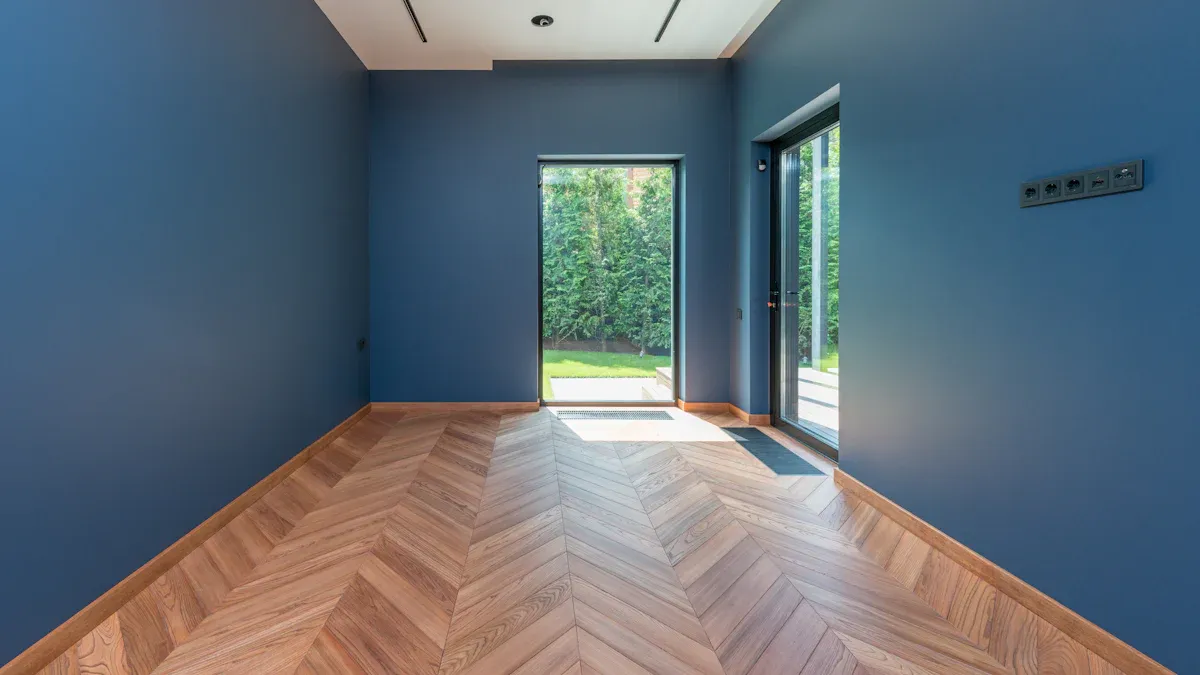
Herringbone vinyl plank flooring brings a unique and stylish look to any space. This pattern uses planks arranged in a zigzag design, which adds movement and visual interest to your rooms. When you choose spc vinyl flooring, you get a strong, durable option that handles daily wear. Many homeowners pick spc for its water resistance and easy care. You might see spc leading the market in luxury vinyl plank sales, as shown below.
| Metric | SPC Vinyl Flooring | Luxury Vinyl Tile (LVT) Overall | Rigid Core LVT (SPC + WPC) | Flexible LVT |
|---|---|---|---|---|
| Residential Resilient Flooring Dollar Share 2022 | 59% ($4.289B) | $6.585B total | 84% ($5.505B) | 13.7% ($998M) |
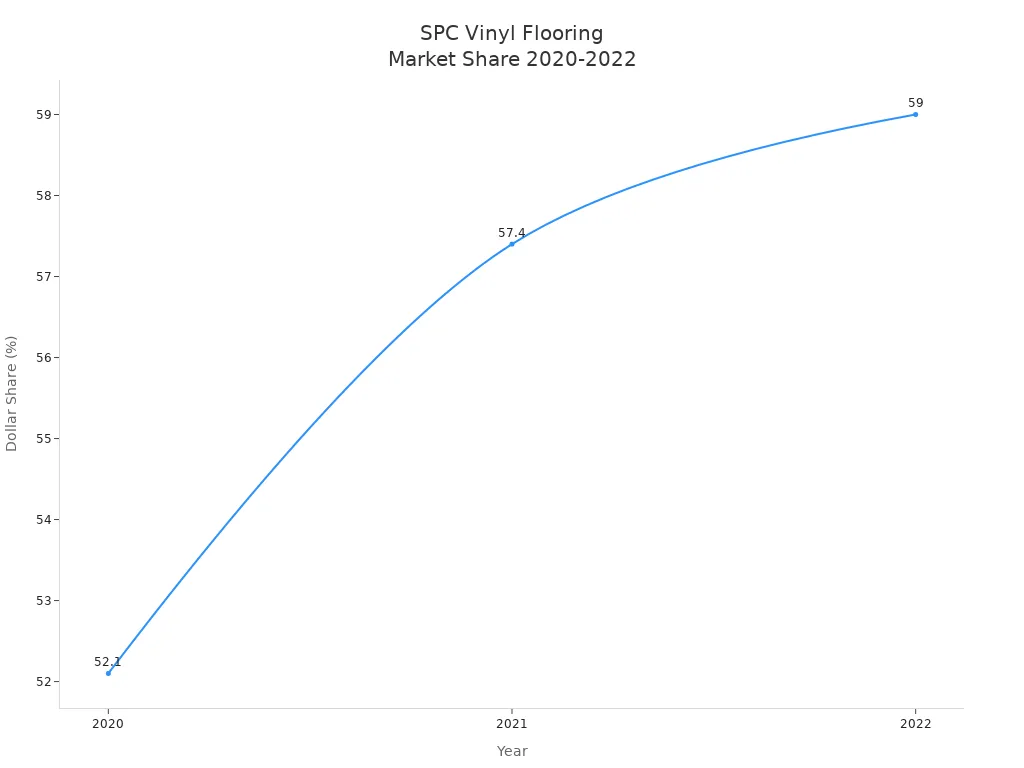
Luxury vinyl options also include other types like WPC, which is growing fast because of its comfort and sound absorption. You can select herringbone vinyl plank to create a classic look while enjoying modern features from spc or other luxury floors.
Herringbone Vinyl Plank Flooring Explained
What Makes Herringbone Vinyl Plank Unique
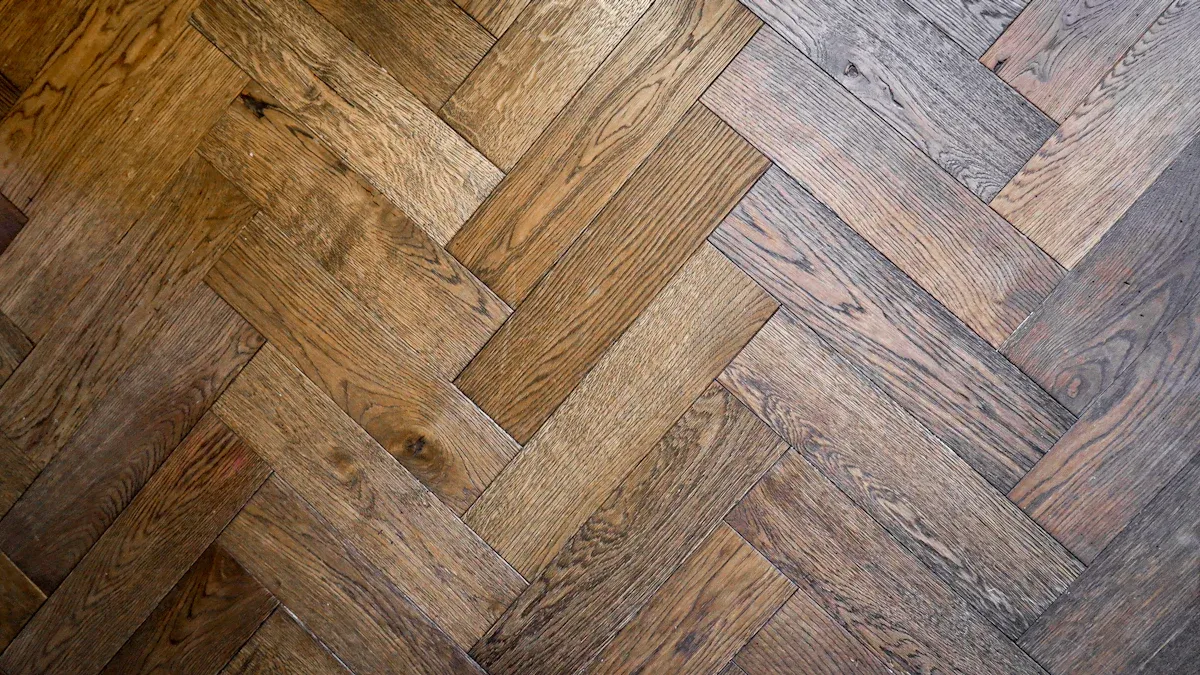
You will notice that herringbone vinyl plank stands out from other flooring options. The planks create a classic “V” shape by meeting at right angles. This design brings elegance and sophistication to your home. The pattern forms a zigzag or “fish bone” look, which adds visual complexity and texture to any room. You can choose from many colors and tile lengths, so you get a floor that matches your style. Herringbone vinyl plank is scratch-resistant, waterproof, and easy to clean. You also get the look of wood parquet floors at a lower price. Some variations, like double herringbone, use two planks together to make the pattern even bolder. This layout can make your rooms look bigger by drawing your eyes across the space.
Tip: Herringbone vinyl plank can help small rooms feel larger and more open.
Understanding the Herringbone Pattern
The herringbone pattern has a long history. It started in Ancient Rome, where builders used a V-shaped brick layout called opus spicatum for roads. This design made roads stronger and easier to maintain. Over time, the pattern appeared in jewelry, cloth, and basketry in different cultures. In the 16th century, French homes began using herringbone as parquet flooring. By the 1600s, it became a symbol of status and elegance. The pattern stayed popular through the 17th and 18th centuries and spread to England and North America. In the 1980s, people started to appreciate herringbone flooring again. Today, you see it in many homes because it brings a timeless, warm look.
SPC Vinyl Flooring vs. Luxury Vinyl Plank
When you compare spc vinyl flooring and luxury vinyl plank, you find key differences. SPC flooring uses a rigid core made from stone powder and PVC. This makes spc very strong and resistant to dents. You can install spc flooring with a click-lock system, which is easy for DIY projects. The feel underfoot is firm, like ceramic tile. LVP flooring, also called lvt or luxury vinyl tile, has a flexible vinyl core. It feels softer and more forgiving. LVP flooring often needs glue and professional installation. SPC flooring usually costs a bit more because of its materials and technology, but lvp flooring comes in a wider price range. Both spc and lvp flooring offer luxury looks, but spc gives you extra durability for busy spaces.
| Aspect | SPC Vinyl Flooring | Luxury Vinyl Plank (LVT) |
|---|---|---|
| Core | Rigid core (stone powder + PVC) | 100% vinyl core, flexible |
| Durability | Highly resistant to dents and impacts | Durable, less resistant to dents |
| Installation | Click-lock, DIY-friendly | Usually glued, professional installation |
| Feel | Firm, like ceramic tile | Softer, more forgiving |
| Cost | Slightly more expensive | Wider price range |
Key Differences Between SPC Flooring and Luxury Vinyl Plank
Core Composition and Structure
You will find that the primary differences between spc vinyl flooring and luxury vinyl plank start with their core materials. SPC flooring uses a stone-plastic composite core. This core combines limestone powder and PVC, which creates a rigid and stable base. You get a floor that feels solid and resists bending. Rigid core vinyl flooring like spc stands up well to heavy furniture and foot traffic. LVP flooring, also called lvt or luxury vinyl tile, has a flexible vinyl core. This core bends more easily and feels softer when you walk on it. Lvp flooring often comes in thinner planks, but it still offers a luxury look. The structure of spc vinyl flooring makes it a top choice for areas where you want extra strength and stability. Lvp flooring works well in spaces where you want a softer, more forgiving surface.
Note: SPC flooring’s rigid core helps prevent dents and keeps your floor looking new longer.
Durability and Wear Resistance
Durability is one of the most important factors when you choose between spc vinyl flooring and lvp flooring. SPC flooring goes through many standardized durability tests. These tests check impact resistance, load-bearing capacity, abrasion, stain resistance, thermal stability, UV resistance, and chemical resistance. You can trust that spc flooring meets strict international standards. This means you get a floor that holds up under tough conditions. The rigid core vinyl flooring in spc resists dents, scratches, and stains better than most other types. Lvp flooring and lvt also offer good durability, but they do not match the strength of spc. Lvp flooring can show wear faster in high-traffic areas. Luxury vinyl plank and luxury vinyl tile both provide a durable surface, but spc vinyl flooring gives you extra protection for busy homes or commercial spaces. You will notice fewer defects and longer-lasting performance with spc.
- SPC vinyl flooring: Best for high-traffic, busy spaces, and homes with pets or kids.
- LVP flooring: Good for moderate use, bedrooms, or areas where comfort matters more than maximum durability.
Comfort and Underfoot Feel
Comfort is another area where you see primary differences between spc vinyl flooring and lvp flooring. SPC flooring feels firm underfoot because of its stone-plastic composite core. You get a stable surface, but it can feel hard if you stand for long periods. Some people use rugs or mats to add extra comfort. Lvp flooring, lvt, and luxury vinyl plank have a softer, more cushioned feel. The flexible vinyl core in lvp makes it easier on your feet and legs. Many users prefer lvp flooring in bedrooms, living rooms, or places where they stand a lot. If you want a luxury look with comfort, lvp or luxury vinyl tile may suit you better. SPC flooring works best in kitchens, entryways, or bathrooms where you need stability and water resistance. You can choose based on your comfort needs and where you plan to install the floor.
Tip: Place area rugs or padded mats on spc flooring in areas where you stand often to reduce foot fatigue.
Water and Moisture Resistance
You want a floor that stands up to spills, splashes, and daily messes. Both spc vinyl flooring and lvp flooring offer strong water resistance, but there are some differences you should know.
SPC flooring uses a rigid core made from limestone and PVC. This core makes spc vinyl flooring waterproof. You can install it in kitchens, bathrooms, laundry rooms, and basements without worry. The planks do not swell or warp when exposed to water. This makes spc flooring a top choice for waterproof flooring in busy homes.
LVP flooring and lvt also provide water resistance. The effectiveness depends on the quality and thickness of the wear layer. High-quality lvt resists water well, but it may not match the waterproof performance of spc vinyl flooring. If you want the best waterproof luxury vinyl, spc flooring gives you peace of mind in wet areas.
Note: Manufacturers do not list exact water absorption rates for spc or lvt. Porcelain tile has a defined rate of less than 0.5%, but spc is still considered highly waterproof.
You can trust spc vinyl flooring to protect your home from water damage. Lvp flooring and lvt work well in most rooms, but spc flooring is the better choice for spaces with lots of moisture.
Cost Comparison
You need to consider your budget when choosing between spc vinyl flooring and lvp flooring. The cost for both types falls within a similar range, but installation methods and extra materials can affect the final price.
Here is a simple table to help you compare costs:
| Cost Component | Price Range (per sq ft) |
|---|---|
| Luxury Vinyl Plank (LVP) Installation | $2 to $7 |
| Click-lock System (LVP) | $2 to $5 |
| Glue-down System (LVP) | $3 to $8 |
| Labor Costs | $2 to $7 |
| Old Floor Removal | $1 to $4 |
| Subfloor Repairs | $1 to $3 |
SPC vinyl flooring is included in these price ranges because it is a type of luxury vinyl plank. You can expect to pay between $2 and $7 per square foot for spc flooring or lvp flooring, depending on the system and installation. If you choose a click-lock system, you might save on labor costs by installing it yourself. Glue-down systems often need professional help, which increases the price.
For a typical room of about 132 square feet, you might spend around $450 for a click-lock installation or $700 for a glue-down system. Extra costs like underlayment ($0.30 to $0.60 per square foot) and trim ($1 to $2 per linear foot) can add up. The condition of your subfloor and the shape of your room also affect the total cost.
Tip: Always ask for a detailed quote before you start your flooring project. This helps you avoid surprises and stay within your budget.
Design Flexibility
You want your home to look unique and stylish. Both spc vinyl flooring and lvp flooring give you many design options, but there are some differences in flexibility and appearance.
SPC flooring offers high textural variety. You can find wood grains, stone-like textures, and many colors from black to natural wood hues. The rigid construction of spc flooring means it holds its shape well, but it is harder to cut for custom designs. You get superior embossing and high-definition printing, which makes the floor look very realistic. SPC vinyl flooring comes in many styles, including herringbone, plank, stone-effect, and tile.
LVP flooring and lvt also come in a wide range of colors and styles. You can choose herringbone, plank, stone-effect, or wood-effect patterns. Lvp flooring is more flexible and easier to cut, so you can create custom designs or fit tricky spaces. The embossing is good, but it may not have the same depth as spc flooring. The photographic layer in lvp flooring provides clear designs, but spc often looks sharper.
| Feature | SPC Flooring | Luxury Vinyl Plank (LVP) |
|---|---|---|
| Textural Variety | High, including wood and stone | Moderate, less natural feel |
| Colour Palette | Wide range | Wide range |
| Style Formats | Herringbone, plank, stone, tile | Herringbone, plank, stone, tile |
| Customisation | Limited by rigid core | High, easy to cut and fit |
| Embossing | Superior, deep textures | Good, less depth |
| Photographic Layer | High-definition, sharp designs | High-definition, slightly less sharp |
If you want a floor that looks like real wood or stone, spc vinyl flooring gives you a luxury look with strong waterproof features. If you need more custom shapes or want to fit around corners, lvp flooring and lvt offer more flexibility.
You can match your flooring to any room style, from modern to classic. Both spc and lvp flooring let you enjoy waterproof luxury vinyl with the design you love.
Benefits and Drawbacks of Herringbone Vinyl Plank
Pros and Cons of SPC Vinyl Flooring
You will find that SPC vinyl flooring offers many advantages for your home. The table below shows the main pros and cons:
| Feature | Pros | Cons |
|---|---|---|
| Core Composition | Dense limestone core gives exceptional durability and impact resistance | Slightly higher price due to material quality |
| Durability | Resists dents, scratches, and heavy traffic | Feels firmer underfoot than some other vinyl types |
| Water Resistance | Fully waterproof, perfect for kitchens and bathrooms | Needs careful temperature control with underfloor heating |
| Aesthetic Options | Many realistic wood and stone designs | N/A |
| Sound Insulation | Good sound insulation | N/A |
| Installation | Stable and long-lasting once installed | Installation can be complex and may need a pro |
SPC vinyl flooring stands out for its waterproof features and strong durability. You can use it in any room, even where water is a concern.
Pros and Cons of Luxury Vinyl Plank
Luxury vinyl plank also brings many benefits, but you should know the drawbacks. Here is a summary:
| Benefits (Pros) | Drawbacks (Cons) |
|---|---|
| Durable and resists scuffs, dents, and scratches | May fade in strong sunlight |
| Waterproof, great for kitchens, bathrooms, and basements | Some glue types have odors; interlocking planks can be hard to replace |
| Versatile installation, even over some old floors | Not real hardwood, so you cannot refinish it |
| Many colors and finishes, including wood and stone looks | Price can be high for premium options |
| Cost-effective compared to hardwood | Some types need extra floor prep |
You get a wide range of styles and a waterproof surface with luxury vinyl plank. The durability makes it a smart choice for active homes.
Maintenance and Cleaning Needs
You can keep your herringbone vinyl plank floor looking new with simple care. Follow these steps:
- Clean daily with a microfiber mop. Avoid harsh chemicals that can damage the wear layer.
- Place felt pads under furniture legs to prevent scratches.
- Use protective mats in high-traffic areas.
- Wipe up spills right away to stop stains.
- Put entrance mats at doors to catch dirt and grit.
- Sweep or vacuum often to remove debris from the herringbone pattern.
- Think about using underlayment for better sound and temperature control.
Tip: For minor scratches, use a vinyl repair kit. For dents, try gentle heat with a hair dryer. Always protect your floor during moves and replace worn furniture pads.
With these steps, you help your waterproof luxury vinyl floor last longer and keep its beauty. The waterproof surface makes cleaning easy, and the durability means you spend less time worrying about damage.
Environmental Considerations
You may want to know how herringbone vinyl plank flooring affects the environment. Many people choose vinyl flooring because it is strong and waterproof, but you should also think about its impact on the planet.
Most SPC and luxury vinyl plank floors use PVC, which is a type of plastic. Making PVC uses energy and creates waste. Some brands now use recycled materials in their floors. You can look for products with a high percentage of recycled content. This helps reduce the need for new plastic.
Many waterproof vinyl floors have low VOC (volatile organic compound) emissions. VOCs are chemicals that can harm indoor air quality. You should check for certifications like FloorScore or GREENGUARD. These labels show that the flooring meets strict air quality standards.
When you install waterproof vinyl plank, you do not need glue in many cases. Click-lock systems help lower the use of harsh chemicals. This makes your home safer and better for the environment.
Tip: Ask your retailer if the vinyl plank is recyclable at the end of its life. Some companies offer take-back programs.
Here are some ways you can make a greener choice:
- Choose waterproof vinyl planks with recycled content.
- Look for low-VOC or no-VOC certifications.
- Pick click-lock systems to avoid extra adhesives.
- Ask about recycling options for old flooring.
| Feature | Environmental Benefit |
|---|---|
| Recycled Content | Reduces new plastic use |
| Low VOC Certification | Improves indoor air quality |
| Click-Lock Installation | Less chemical use |
| Recyclable Materials | Less landfill waste |
You can enjoy the benefits of waterproof flooring and still make choices that help the environment. Always read product labels and ask questions before you buy.
Design and Style Options for Luxury Vinyl Flooring
Herringbone Pattern Styles and Visual Impact
You can create a bold statement in any room with herringbone vinyl plank. This pattern stands out because it uses planks set in a zigzag layout. The herringbone design draws your eyes across the floor, making spaces feel larger and more dynamic. Many people choose this pattern for entryways, living rooms, and kitchens. You can use herringbone to add character and a sense of movement. Some homeowners pick double or diagonal herringbone for extra flair. Mixing plank widths or colors in the pattern gives your luxury vinyl flooring a unique look. The herringbone style works well in both modern and traditional homes, giving you many design options.
Color and Texture Choices
You have more color and texture choices than ever before with luxury vinyl flooring. In 2024, trends show a shift from neutral tones to bold, vibrant colors and dynamic patterns. Many people now want geometric or abstract designs. You can also find luxury vinyl flooring with natural and organic textures that look like real wood or stone. Advanced embossing techniques make these textures feel deep and realistic. The table below shows the top trends for herringbone vinyl plank this year:
| Aspect | Trend in 2024 |
|---|---|
| Color Options | Shift from neutral tones to bold, vibrant colors and dynamic patterns (geometric, abstract) |
| Texture Preferences | Natural and organic textures mimicking wood and stone |
| Texture Technology | Advanced embossing techniques enhancing realism and depth |
| Installation Pattern | Popularity of versatile patterns like herringbone for uniqueness and character |
You can use these design options to match your personal style and make your lvp floor the highlight of your home.
Matching Herringbone Vinyl Plank with Décor
You can match herringbone vinyl plank with almost any décor. Here are some best practices to help you blend your luxury vinyl flooring with your room’s style:
1. Use larger plank formats in big rooms for a striking look. 2. Treat your lvp floor as a main color and balance it with other colors and patterns. 3. Keep other décor simple in minimalist spaces to avoid clutter. 4. Try double or diagonal herringbone for extra style. 5. Mix plank widths and colors for an eclectic feel. 6. Extend the herringbone pattern to accent walls or ceilings for a creative touch.
These tips help you use luxury vinyl flooring as a key part of your room’s design. You can create a luxury look that fits both modern and classic styles. With so many design options, you can make your lvp floor unique and stylish.
Best Rooms for Herringbone Vinyl Plank
You can use herringbone vinyl plank in many rooms throughout your home. This flooring works well in spaces where you want both style and durability. The unique pattern draws attention and makes any area feel special.
Top rooms for herringbone vinyl plank:
-
Living Room:
You can make your living room look elegant and modern. The herringbone pattern adds movement and helps the space feel larger. Guests will notice the stylish design right away. -
Kitchen:
You need a floor that stands up to spills and heavy foot traffic. Herringbone vinyl plank resists water and cleans up easily. The pattern also hides dirt and crumbs, which helps keep your kitchen looking neat. -
Entryway or Hallway:
These areas see a lot of use. The tough surface of herringbone vinyl plank handles shoes, bags, and pets. The pattern creates a welcoming first impression for anyone who enters your home. -
Bedroom:
You can add warmth and comfort to your bedroom. The soft feel underfoot makes it pleasant to walk on, especially in the morning. The pattern brings a cozy, classic look to your personal space. -
Bathroom:
You want a waterproof floor in your bathroom. Herringbone vinyl plank does not swell or warp when wet. The design gives your bathroom a spa-like feel.
Tip: Try using herringbone vinyl plank in open-plan spaces. The pattern helps define different zones without using walls.
You can install this flooring in almost any room. It works best in places where you want a mix of beauty, comfort, and easy care.
Installation Guide for Herringbone Vinyl Plank
DIY vs. Professional Installation
You can choose to install herringbone vinyl plank flooring yourself or hire a professional. If you enjoy hands-on projects and have some experience with tools, DIY installation can save money. Many herringbone planks use a click-lock system, which makes the process easier. You need to follow the instructions closely to get a tight fit and a neat pattern. If you want a perfect finish or have a large area, a professional installer can help. Professionals know how to handle tricky cuts and keep the pattern straight. They also finish the job faster and reduce the risk of mistakes.
Tip: If you have never done flooring installation before, start with a small room to practice.
Preparing the Subfloor for SPC Flooring
Proper subfloor preparation is key for a successful installation of luxury vinyl. Follow these steps to get your subfloor ready:
- Clean the subfloor. Remove all dust, dirt, and debris.
- Check for moisture. The subfloor must be dry to prevent future problems like buckling.
- Make sure the surface is level. Fill in any holes or low spots.
- Acclimate the SPC planks in the room for at least 48 hours. This helps prevent expansion or contraction after installation.
- Leave a small gap around the edges of the room. This allows the floor to expand and contract with temperature changes.
Common challenges include missing debris, not leveling the floor, or skipping the acclimation step. These mistakes can cause uneven flooring, gaps, or warping later.
Step-by-Step Herringbone Installation Process
You can follow these steps for a smooth herringbone flooring installation:
- Plan your layout. Mark the center of the room and use a chalk line for guidance.
- Start laying planks at the center, working outwards in the herringbone pattern.
- Lock each plank into place, following the manufacturer’s instructions.
- Use a tapping block to ensure a tight fit without damaging the planks.
- Cut planks as needed for edges and corners.
- Check your pattern often to keep lines straight.
- Leave expansion gaps at the walls for a proper waterproof installation.
Take your time and use the right tools. Careful planning and preparation help you achieve a beautiful herringbone floor.
Underlayment and Soundproofing Tips
You want your herringbone vinyl plank floor to feel comfortable and quiet. Underlayment helps you reach both goals. This thin layer sits between your subfloor and the vinyl planks. It smooths out small bumps and adds a cushion under your feet. Underlayment also helps with soundproofing. You will notice less noise when you walk or move furniture.
You can choose from several types of underlayment. Foam is the most common. It works well for most rooms. Cork underlayment gives you better sound control and resists mold. Some SPC vinyl planks come with attached underlayment. You do not need to add another layer if your planks already have it.
Tip: Always check the manufacturer’s instructions before you start installation. Some brands require a certain type of underlayment for the warranty.
Here is a quick table to help you pick the right underlayment:
| Underlayment Type | Best For | Soundproofing Level |
|---|---|---|
| Foam | Bedrooms, living rooms | Good |
| Cork | Apartments, offices | Excellent |
| Attached | Quick installation | Varies |
You should also use underlayment in multi-story homes. It helps keep noise from traveling between floors.
Tips for Laying Herringbone Patterns
You can achieve a beautiful herringbone pattern with careful planning. Start by finding the center of your room. Mark a straight line as your guide. Lay the first few planks along this line. This step keeps your pattern straight.
Cut planks with a sharp utility knife for clean edges. Use spacers to keep even gaps at the walls. Check your work often to make sure the pattern stays even. If you make a mistake, fix it right away before moving on.
Note: Dry-lay a few rows before full installation. This practice helps you see the pattern and make adjustments.
Follow these steps for a smooth installation:
- Plan your layout and mark guides.
- Dry-lay planks to test the pattern.
- Start at the center and work outward.
- Use spacers for expansion gaps.
- Cut planks as needed for edges and corners.
You will get the best results when you take your time and check your progress often.
Cost Breakdown for SPC and Luxury Vinyl Flooring
Material Costs for Herringbone Vinyl Plank
When you shop for herringbone vinyl plank, you will notice a range of prices. The style and pattern you choose affect the cost. Herringbone patterns usually cost more than standard planks because they require more precise cuts and design work. Here is a table to help you compare the typical cost per square foot for different vinyl plank styles:
| Vinyl Plank Style | Cost Range (per sq ft) |
|---|---|
| Marble | $2.00 – $4.00 |
| Stone | $2.00 – $8.00 |
| Slate | $3.00 – $5.00 |
| Wood | $2.00 – $12.00 |
| Metallic | $3.00 – $9.00 |
| Herringbone | $4.00 – $6.50 |
| Geometric patterns | $5.00 – $8.00 |
You can see that herringbone vinyl plank usually costs between $4.00 and $6.50 per square foot. This price reflects the unique pattern and the extra work needed to create it. When you compare this to other styles, you get a good sense of the value you receive for a stylish and durable floor.
Installation Costs and Considerations
Installation costs depend on several factors. The type of vinyl plank, the thickness, and the core material all play a role. Premium planks with advanced textures or thicker cores cost more to install. The size and shape of your room also matter. Large rooms or spaces with many corners take more time and materials. Labor costs can range from $1 to $3 per square foot. If you need extra materials like underlayment or trims, your total cost will rise. Here is a table that shows what affects installation costs:
| Factor | Description | Impact on Installation Cost |
|---|---|---|
| Type of Vinyl Plank | Standard vs. premium, thickness, durability | Premium options increase costs |
| Room Size and Shape | Larger or complex rooms | More material and labor needed |
| Labor Costs | Varies by location and job complexity | More prep or custom work raises cost |
| Additional Materials | Underlayment, trims, adhesives | Adds to total installation cost |
Tip: You can save money by installing click-lock planks yourself, but professional installation gives you the best results and long-term value.
Maintenance and Long-Term Value
You want a floor that lasts and stays beautiful with little effort. SPC flooring has a higher upfront cost, but you get more value over time. It resists dents, scratches, and water. You spend less on repairs and cleaning. Luxury vinyl plank costs less at first, but it may need more maintenance or even early replacement. SPC flooring often comes with longer warranties, which adds to its value. Here is a table to help you compare:
| Feature | SPC Flooring | Luxury Vinyl Plank (LVP) |
|---|---|---|
| Upfront Material Cost | Higher | Lower |
| Installation Cost | Often professional | DIY possible |
| Maintenance Cost | Lower, less upkeep | Higher, may need sealing or repairs |
| Durability | Lasts up to 20+ years | Lasts 10-20 years |
| Warranty | Usually extended | Often shorter |
If you want a cost-effective solution, SPC flooring gives you better long-term value. You pay more at first, but you save money on maintenance and replacement. This makes SPC a smart choice for busy homes.
Sample Cost Table
You want to know what you might spend on herringbone vinyl plank flooring. The table below shows a sample cost breakdown for a 200-square-foot room. This example helps you plan your budget for both SPC and luxury vinyl plank (LVP) options.
| Cost Item | SPC Herringbone Vinyl Plank | LVP Herringbone Vinyl Plank |
|---|---|---|
| Material (per sq ft) | $5.50 | $5.00 |
| Total Material | $1,100 | $1,000 |
| Underlayment | $80 | $80 |
| Labor (per sq ft) | $2.50 | $2.00 |
| Total Labor | $500 | $400 |
| Trim & Accessories | $120 | $120 |
| Old Floor Removal | $150 | $150 |
| Subfloor Prep | $100 | $100 |
| Estimated Total | $2,050 | $1,850 |
Tip: Use this table as a starting point. Prices can change based on your location, the brand you choose, and the complexity of your room. Always ask for a detailed quote before you buy.
You see that SPC herringbone vinyl plank costs a bit more than LVP. The difference comes from the core material and the extra durability you get with SPC. Both options include similar costs for underlayment, trim, and labor. If you want to save money, you can install the floor yourself. DIY installation removes most labor costs. You should also check if your chosen planks have attached underlayment. This feature can lower your total cost.
You can use this sample table to estimate your own project. Measure your room, pick your favorite style, and adjust the numbers. Careful planning helps you avoid surprises and keeps your project on budget.
Room Suitability and Use Cases for Herringbone Vinyl Plank
High-Traffic Areas and SPC Flooring
You want a floor that stands up to busy spaces. SPC herringbone vinyl plank works well in high-traffic areas. The rigid core in spc gives you strength and stability. You can use this flooring in places where people walk all day. Restaurants, offices, and retail stores often choose spc for its durability. The classic herringbone pattern adds style and movement to these spaces. You also get a surface that resists scratches, stains, and moisture. Many spc planks come with a 20 mil wear layer and a 20-year commercial warranty. This means you get long-lasting performance and peace of mind. The table below shows why spc herringbone vinyl plank is a top choice for heavy-use areas:
| Aspect | Details |
|---|---|
| Flooring Type | Herringbone Luxury Vinyl Tile (LVT) |
| Durability | High durability for heavy-use areas |
| Resistance | Scratch, stain, and moisture resistant |
| Thickness | 20 mil, ideal for commercial spaces |
| Warranty | 20-year commercial warranty |
| Installation | Dry-back adhesive for stability |
| Aesthetic Appeal | Classic herringbone adds depth and movement |
| Typical Commercial Use | Restaurants, hospitality, retail, offices, lobbies, entryways |
| Advantages | Easier installation, lower cost, less waste, easy maintenance |
Moisture-Prone Spaces and Luxury Vinyl Flooring
You need a floor that handles water and humidity. Luxury vinyl flooring, especially lvp, gives you strong moisture resistance. You can use lvp in bathrooms, kitchens, and basements. This flooring keeps water from reaching the subfloor. You do not have to worry about mold or mildew. Lvp stays stable even when humidity changes. It does not warp or swell like hardwood or laminate. You can clean up spills easily. Lvp also gives you many design choices, so your space looks great. Here are some reasons why lvp works well in wet areas:
- Lvp is waterproof and blocks moisture.
- It stays flat and does not swell with humidity.
- You can clean it quickly after spills.
- Lvp costs less than tile or hardwood.
- You get many styles, including wood and stone looks.
- Lvp works well in bathrooms, kitchens, and basements.
- You can install lvp over a dry, level subfloor for best results.
Tip: Always let your lvp adjust to the room before installing. This helps prevent gaps or buckling later.
Bedrooms, Living Rooms, and More
You want comfort and style in your main living spaces. Lvp and spc herringbone vinyl plank both fit well in bedrooms and living rooms. Lvp feels soft underfoot, which makes it a good choice for bedrooms. You can walk barefoot and feel comfortable. In living rooms, the herringbone pattern creates a focal point. You get a classic look with modern benefits. Spc works well in playrooms or family rooms where you need extra durability. You can also use luxury vinyl flooring in home offices, dining rooms, and hallways. The easy maintenance and wide range of designs let you match any décor. Lvp and spc both give you a floor that looks good and lasts for years.
Care and Maintenance for Herringbone Vinyl Plank
Daily Cleaning Tips
You can keep your herringbone vinyl plank floor looking new with a simple routine. Start by sweeping or vacuuming every day. Use a soft-bristle broom or a vacuum with a hard floor setting. This removes dust and dirt before it scratches the surface.
For deeper cleaning, use a damp microfiber mop. Choose a gentle cleaner made for vinyl floors. Avoid harsh chemicals or abrasive scrubbers. These can damage the protective layer.
Tip: Wipe up spills right away. Water and sticky messes can leave marks if you let them sit.
Here is a quick cleaning checklist:
- Sweep or vacuum daily
- Mop with a damp microfiber cloth weekly
- Use only vinyl-safe cleaners
- Dry the floor after mopping
Preventing Scratches and Damage
You can protect your herringbone vinyl plank from scratches and dents with a few easy steps. Place felt pads under furniture legs. These pads stop chairs and tables from scratching the floor when you move them.
Use rugs or mats in high-traffic areas. Entryways and hallways see the most foot traffic. Mats catch dirt and grit before it reaches your floor.
Keep pet nails trimmed. Sharp claws can leave marks on the surface. Move heavy furniture with care. Lift items instead of dragging them.
| Prevention Method | Benefit |
|---|---|
| Felt pads | Stops scratches |
| Rugs and mats | Traps dirt and grit |
| Trimmed pet nails | Reduces claw marks |
| Careful moving | Prevents dents |
Repairing Minor Issues
You may notice small scratches or dents over time. You can fix these minor problems without replacing the whole floor. For light scratches, use a vinyl floor repair kit. These kits often include a filler and a color-matching solution.
For dents, try using a hair dryer on low heat. Warm the area gently, then press the plank back into shape. Always test any repair method on a hidden spot first.
Note: If a plank gets badly damaged, you can replace just that piece. Many herringbone vinyl planks use a click-lock system, which makes swapping out planks easier.
With these care steps, your herringbone vinyl plank floor will stay beautiful and last for years.
How to Choose the Right Herringbone Vinyl Plank Option
Budget Considerations
You want a floor that fits your budget and meets your needs. When you compare SPC and lvp, you will notice differences in cost, installation, and long-term value. SPC usually costs more at first. You pay for its 100% waterproof core and strong structure. This type of luxury flooring can go over uneven subfloors, so you might save money on floor prep. Lvp is often less expensive, especially if you pick glue-down types. However, lvp needs a smooth, level subfloor. You may spend more on preparation before you install it.
Here is a table to help you see the main budget points:
| Feature | SPC Herringbone Vinyl Plank | LVP Herringbone Vinyl Plank |
|---|---|---|
| Upfront Cost | Higher | Lower |
| Subfloor Prep | Can install over uneven floors | Needs smooth, level subfloor |
| Water Resistance | 100% waterproof | Water resistant |
| Durability | Strong, dent-resistant | Softer, may dent |
| Long-Term Maintenance | Lower replacement costs | May need more repairs |
Tip: Balance the upfront price with installation needs and how long you want your floor to last. Sometimes, paying more at first saves money later.
You should also think about the size of your space. Large rooms need more material, which raises the total cost. If you want a luxury look on a tight budget, lvp gives you many choices. For the best long-term value, SPC may be worth the extra investment.
Lifestyle and Family Needs
Your daily life shapes the best flooring choice for your home. If you have kids or pets, you need a floor that stands up to spills, scratches, and heavy use. SPC herringbone vinyl plank works well for busy families. Its rigid core resists dents and water. You can clean up messes quickly, and the floor keeps looking new.
Lvp also offers luxury and comfort. It feels softer underfoot, which is nice in bedrooms or playrooms. If you want a quiet, cozy space, lvp is a good pick. Some lvp types have extra padding for sound and warmth. You can use luxury vinyl flooring in any room, but think about how much traffic and moisture the space gets.
Here are some questions to help you decide:
- Do you have young children or pets?
- Will the floor face lots of spills or dirt?
- Do you want a soft, warm feel underfoot?
- Is easy cleaning important to you?
- Will you use the floor in a bathroom, kitchen, or basement?
Note: For homes with lots of activity, SPC gives you peace of mind. For comfort and style, lvp brings luxury to your living spaces.
Design Goals and Preferences
You want your home to reflect your style. Herringbone patterns add a touch of luxury and make any room stand out. Both SPC and lvp come in many colors, textures, and finishes. You can choose a classic wood look, a bold stone design, or even metallic effects. Luxury vinyl options let you match your floor to your décor.
If you love modern spaces, try light colors or wide planks. For a traditional look, pick rich wood tones and narrow planks. Lvp is easy to cut, so you can create custom designs or fit tricky spaces. SPC offers sharp, realistic textures that look like real wood or stone.
Think about these design tips:
- Use herringbone in entryways to make a strong first impression.
- Pick colors that match your walls and furniture.
- Try mixing plank widths for a unique luxury look.
- Choose embossed textures for a realistic feel.
Callout: Herringbone luxury vinyl flooring works in both small and large rooms. The pattern draws the eye and makes spaces feel bigger.
You can find luxury vinyl flooring that fits any style, from classic to modern. With so many luxury vinyl options, you can create a space that feels truly yours.
Installation Preferences
When you choose herringbone vinyl plank flooring, you should think about your installation preferences. The way you install your floor can affect how it looks, how long it lasts, and how much it costs. You have two main options: do it yourself (DIY) or hire a professional installer. Each option has its own benefits and challenges.
DIY Installation
You might want to install the floor yourself if you enjoy hands-on projects. Many herringbone vinyl planks use a click-lock system. This system lets you snap the planks together without glue or nails. You can save money on labor costs and work at your own pace. You also get the satisfaction of finishing the job yourself.
Pros of DIY:
- Save money on labor
- Work on your own schedule
- Learn new skills
Cons of DIY:
- Need time and patience
- Must follow instructions carefully
- Risk of mistakes if you rush
Tip: Always read the manufacturer’s guide before you start. Lay out a few rows without locking them to see how the pattern fits your room.
Professional Installation
You may prefer to hire a professional for the installation of luxury vinyl. Professionals have experience with tricky patterns like herringbone. They know how to measure, cut, and fit planks so the pattern stays straight. You get a smooth, even floor with fewer mistakes.
Pros of Professional Installation:
- Fast and efficient work
- High-quality finish
- Less stress for you
Cons of Professional Installation:
- Higher upfront cost
- Must schedule with the installer
- Less control over the process
Choosing the Right Method
You should think about your skill level, your budget, and your timeline. If you have never installed flooring before, you might want to start with a small room. If you want a perfect look in a large or open space, a professional can help you get the best results.
Here is a table to help you compare your options:
| Preference | DIY Installation | Professional Installation |
|---|---|---|
| Cost | Lower | Higher |
| Time | Flexible | Usually faster |
| Skill Needed | Moderate to high | Low (for you) |
| Finish Quality | Depends on your skill | Consistently high |
| Stress Level | Can be high | Usually low |
Note: Some warranties require professional installation. Always check the product details before you decide.
You can choose the method that fits your needs. Both options can give you a beautiful herringbone floor if you plan carefully and follow the right steps.
You now know the key differences between SPC vinyl flooring and luxury vinyl plank in a herringbone pattern. Think about your needs, style, and budget before you buy spc flooring or another option. Request samples and get quotes from local stores or online retailers. Compare quality and prices. Many flooring shops let you order online or visit in person. Take your time so you can choose the best herringbone vinyl plank for your home.
FAQ
What is the difference between SPC and LVP herringbone vinyl plank?
SPC has a rigid stone-plastic core. It feels firm and resists dents. LVP uses a flexible vinyl core. It feels softer underfoot. Both offer waterproof features and stylish looks. You can choose based on your comfort and durability needs.
Can I install herringbone vinyl plank flooring myself?
Yes, you can install it yourself if you use click-lock planks. You need to follow the instructions and plan the pattern. If you want a perfect finish, you may want to hire a professional.
Is herringbone vinyl plank flooring waterproof?
Yes, most herringbone vinyl plank flooring is waterproof. SPC and LVP both resist water. You can use them in kitchens, bathrooms, and basements. Always check the product label for waterproof features before you buy.
How do I clean and maintain herringbone vinyl plank floors?
Sweep or vacuum daily. Mop with a damp microfiber cloth. Use only cleaners made for vinyl floors. Wipe up spills right away. Place mats at entrances to catch dirt. These steps keep your floor looking new.
Does herringbone vinyl plank flooring work in small rooms?
Yes, herringbone patterns can make small rooms look bigger. The zigzag design draws your eyes across the space. You get a stylish look that adds depth and movement to any room.




