
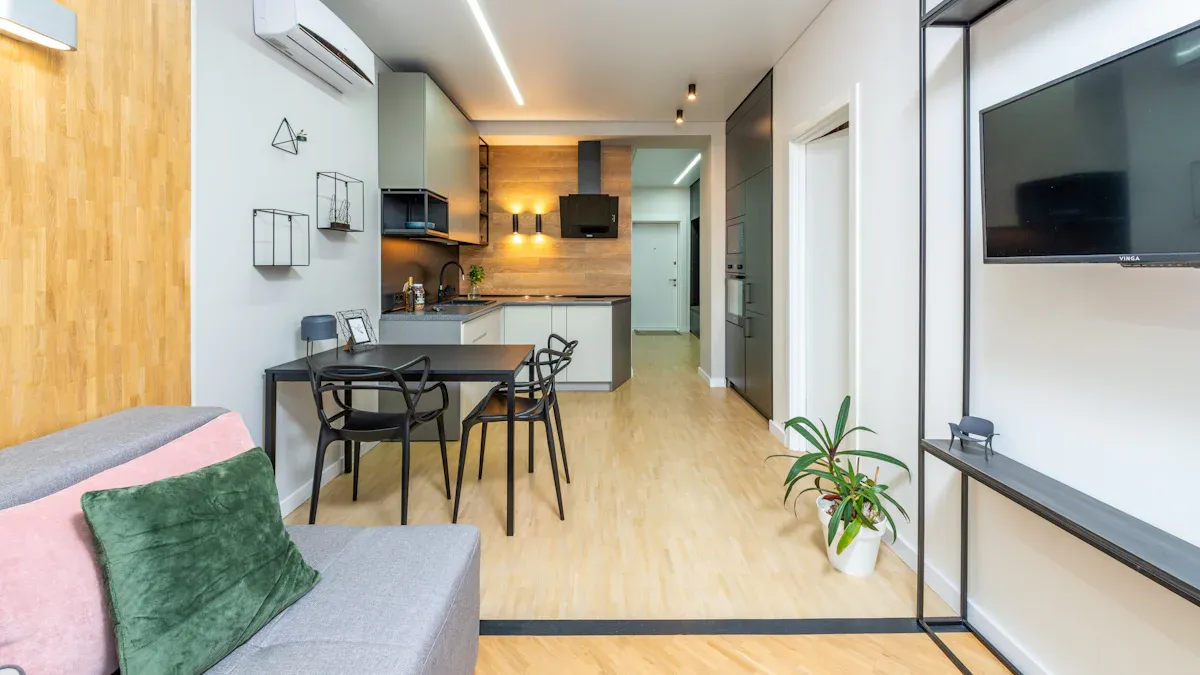
When you choose luxury vinyl plank flooring for your home, your lifestyle and each room’s purpose matter most. Recent market data shows that homeowners often select luxury vinyl flooring for kitchens and bathrooms because it handles moisture and heavy use. You want a durable surface, and test standards like ASTM D4060 help measure how well vinyl plank flooring resists scratches and daily wear. Many people also look for luxury vinyl planks that fit their design style and budget. With so many types of lvp flooring available, you can find the right option for your needs.
| Aspect | Consumer Trend Supported |
|---|---|
| Room Usage | LVP preferred in kitchens, bathrooms, and high-traffic spaces. |
| Product Types | Rigid core LVP for durability; flexible LVP for comfort and easy installation. |
| Sustainability | Rising demand for eco-friendly luxury vinyl flooring. |
Types of LVP Flooring Explained
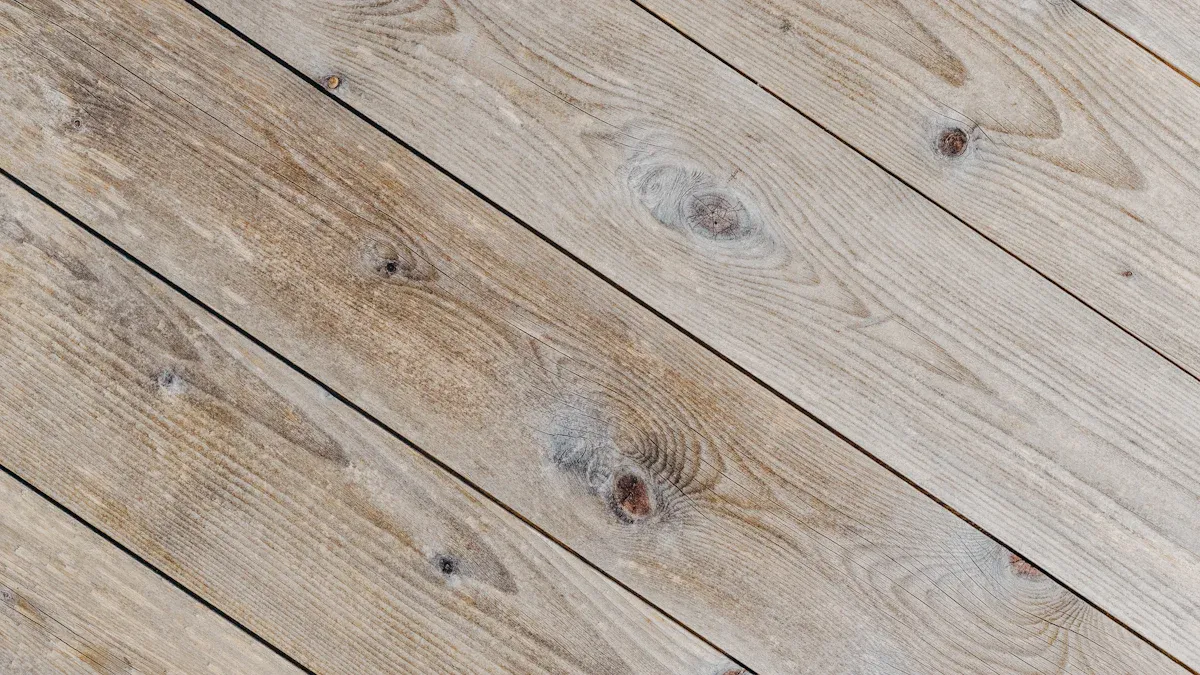
When you look at the different types of lvp flooring, you will notice that each type offers unique benefits for your home. Understanding these differences helps you choose the best luxury vinyl flooring for your needs.
WPC LVP Flooring
WPC LVP flooring stands for wood plastic composite luxury vinyl plank. This type of flooring uses a core made from wood flour and thermoplastics. You get a softer, cushioned feel underfoot, which makes it comfortable for living rooms and bedrooms. WPC luxury vinyl planks also absorb sound well, so your home stays quieter.
Tip: WPC luxury vinyl flooring resists spills and humidity better than hardwood, making it a smart choice for kitchens and bathrooms.
A recent study shows that WPC flooring is growing in popularity, even though it costs more than other types of lvp flooring. Many homeowners like its easy installation and reduced risk of denting or warping. The table below compares WPC to other types:
| Performance Measure | WPC LVP Flooring | SPC LVP Flooring |
|---|---|---|
| Comfort | Soft, cushioned feel | Harder, less comfortable |
| Durability | Good, but can dent | Very high, resists dents |
| Water Resistance | Water-resistant | 100% waterproof |
| Cost | Higher | Lower |
| Eco-Friendliness | Often uses recycled wood fibers | Less eco-friendly |
SPC LVP Flooring
SPC LVP flooring means stone plastic composite luxury vinyl plank. This type of rigid core lvp uses a limestone composite core, making it very strong and stable. You will find SPC luxury vinyl planks in many commercial spaces because they handle heavy traffic and temperature changes well.
- SPC rigid core lvp is 100% waterproof, so it works well in bathrooms, laundry rooms, and basements.
- The hard core resists dents and scratches, making it a top pick for busy households.
- SPC luxury vinyl flooring costs less than WPC but feels firmer underfoot.
A 2021 survey found that 78% of property managers saw lower maintenance costs after switching to luxury vinyl flooring like SPC. Homes with luxury vinyl plank flooring also sold faster, showing its value in the real estate market.
Hybrid Core LVP Flooring
Hybrid core lvp flooring combines the best features of WPC and SPC. You get the comfort and sound absorption of WPC with the strength and moisture resistance of SPC. This new type of rigid core lvp uses advanced technology to create a balanced floor for any room.
Market research shows that hybrid core luxury vinyl planks offer improved wear layers and better locking systems. You can install them in high-traffic areas, kitchens, or bedrooms. Hybrid core luxury vinyl flooring gives you a strong, quiet, and comfortable surface that lasts.
Note: Hybrid core lvp flooring is a smart choice if you want both comfort and durability in your home.
Traditional LVP Flooring
You may see traditional lvp in many homes. This type of flooring uses a flexible vinyl core. It feels softer under your feet than rigid core options. Traditional lvp works well in bedrooms, living rooms, and spaces where you want comfort. You can find many colors and patterns, so matching your style is easy.
Traditional lvp flooring often costs less than other types of lvp flooring. You can install it with glue or as a floating floor. Many people choose traditional lvp because it is simple to cut and fit. If you want a budget-friendly choice, this type of vinyl plank flooring gives you good value.
Traditional lvp resists stains and scratches. You can clean it with a damp mop. It does not handle heavy water as well as rigid core types, but it still offers some moisture protection. If you want a classic look and easy care, traditional lvp flooring is a smart pick.
Embossed and High-Variation LVP
Embossed lvp and high-variation lvp bring a new level of style to your home. These types of lvp flooring use special technology to look and feel like real wood or stone. You get a floor that stands out and matches many design trends.
- Embossed lvp uses textured surfaces and deep patterns. You can see and feel the grain, just like in real wood.
- High-variation lvp shows many shades and tones in each plank. This makes your flooring look natural and unique.
- Advances in manufacturing help embossed lvp and high-variation lvp copy the look of stone or hardwood.
- These floors resist scratches, stains, and heavy foot traffic. You can use them in busy rooms without worry.
- Multiple layers protect the surface. Your flooring keeps its beauty over time.
- Moisture resistance makes embossed lvp and high-variation lvp great for kitchens and bathrooms.
You can choose embossed lvp or high-variation lvp if you want a bold look and strong performance. These types of lvp flooring give you both style and durability.
Key Features of LVP Flooring to Consider
Wear Layer Thickness
When you choose luxury vinyl plank flooring, pay close attention to the wear layer thickness. The wear layer is the clear top surface that protects your floor from scratches and stains. Thicker wear layers give you better durability and help your flooring last longer. For homes with pets or kids, a thicker wear layer means your floor stays looking new. Many brands offer wear layers from 6 mil for light use to over 20 mil for heavy commercial spaces. Floors with thicker wear layers resist scratches and stains better, so you spend less time worrying about damage. You also see longer warranties, often up to 25 years, when you pick a floor with a strong wear layer.
| Wear Layer Thickness | Best For | Durability Level |
|---|---|---|
| 6 mil | Light residential use | Basic |
| 12 mil | Most homes | Good |
| 20+ mil | Commercial, busy homes | Excellent |
Waterproof LVP and Water Resistance
Waterproof lvp gives you peace of mind in rooms where spills happen often. Kitchens, bathrooms, and basements need flooring that stands up to water. Many luxury vinyl planks are 100% waterproof, so you do not have to worry about damage from leaks or puddles. This type of flooring blocks water from soaking through, keeping your subfloor safe. You can mop up spills without stress. Waterproof lvp also resists stains, making cleanup easy. If you want a floor that handles daily messes, look for products labeled as 100% waterproof.
Tip: Always check the product label to make sure your flooring is truly 100% waterproof, not just water-resistant.
Surface Texture and Finish
The surface texture and finish of your flooring affect both style and function. Some luxury vinyl planks have embossed textures that look and feel like real wood or stone. This detail adds beauty and helps hide small scratches. Many floors also have a special coating, such as aluminum oxide, that makes them scratch resistant and stain resistant. These finishes protect your floor from daily wear and keep colors bright. You get a floor that looks great and stands up to busy family life.
When you choose your flooring, think about how the texture and finish will fit your home’s needs. A scratch resistant and stain resistant finish means less cleaning and more time enjoying your space.
Installation Methods for LVP Flooring
You can choose from several installation methods for luxury vinyl plank flooring. Each method offers unique benefits and fits different skill levels. Many homeowners prefer the floating floor method because it does not require glue or nails. Planks snap together using a tongue-and-groove system, making the process quick and simple. You can often finish a room in a single day.
Here are some tips to make installation easier and more efficient:
- Acclimatize your vinyl planks for 48 hours before starting. This step helps prevent problems after installation.
- Gather essential tools like a measuring tape, utility knife, straight edge, and saws. Utility knives work well for clean, fast cuts. Table saws and jigsaws help with straight or tricky cuts.
- Some planks come with pre-attached underlayment, which saves time by removing an extra step.
- Plan your layout and remove baseboards before you begin. This preparation streamlines the process.
- Professionals use tools like vinyl tile cutters and nippers for faster, more accurate cuts.
- Use a utility knife to score and snap planks for easy cutting.
- Place spacers between the wall and planks to keep proper gaps.
- Lock planks together with the tongue-and-groove system.
- Use a dead blow hammer, tapping block, and pull bar to create tight seams.
- Stagger seams for a natural look and less waste.
Tip: Careful planning and the right tools help you install flooring quickly and avoid mistakes.
Underlayment and Sound Absorption
Underlayment plays a key role in sound absorption for LVP flooring. Many products include a built-in underlayment layer, but you can also add a separate acoustic underlay for extra quiet. Research shows that underlayments like Whisper Step and Performance Accessories Platinum achieve high IIC ratings, which means they block noise very well. For example, an IIC rating of 73 cuts the sound you hear by half compared to lower-rated options.
Luxury vinyl plank flooring already absorbs some sound because of its dense core. When you add a quality underlayment, you reduce noise from footsteps and dropped items even more. This combination works especially well in apartments or multi-story homes where sound travels between floors. Specialized underlayments, tested by ASTM standards, prove their effectiveness in making your home quieter.
Note: If you want a peaceful living space, choose an LVP flooring with a good underlayment or add an acoustic layer during installation.
Matching Types of LVP to Your Home’s Needs
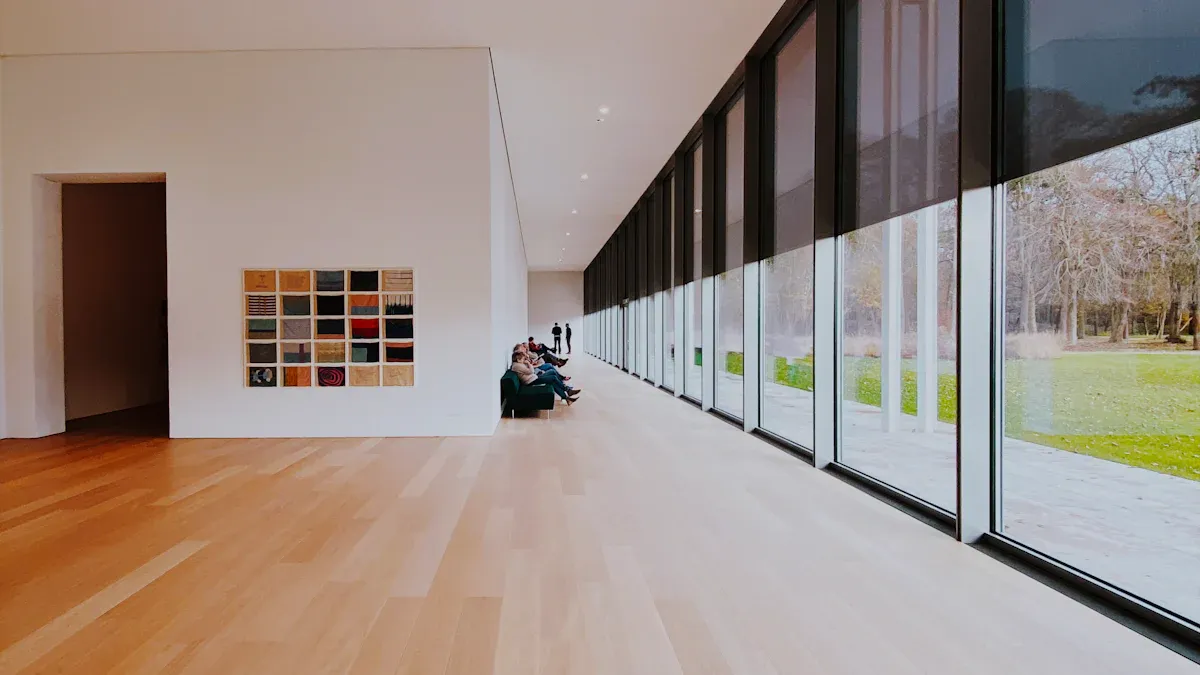
High-Traffic and Active Households
You want flooring that stands up to daily life in busy homes. LVP flooring offers a strong solution for high-traffic areas. Its layered structure gives you durability and water resistance, making it a smart choice for entryways, hallways, and living rooms. Many families choose LVP because it resists scratches and stains, even when you have lots of guests or kids running around.
Manufacturers like Armstrong and Tarkett have developed products that handle heavy use. You can find LVP with thicker wear layers, often 20 mil or more, which means your floor will last longer and look better over time. The click-lock installation system makes it easy for you to replace damaged planks without redoing the whole floor.
- LVP flooring is known for its durability, scratch and stain resistance, and water resistance.
- The market shows a trend toward thicker, more resilient products for homes with lots of activity.
- You can install LVP in both residential and commercial spaces, thanks to its strong performance in high-traffic settings.
- New designs and eco-friendly options give you more choices for style and sustainability.
The table below highlights key statistics about LVP flooring in active households:
| Evidence Aspect | Details |
|---|---|
| Residential Warranty Duration | 15 to 30 years, showing long-term durability |
| Wear Layer Thickness | 20 mil or greater, for excellent scratch and dent resistance |
| Maintenance Requirements | Minimal; regular sweeping and occasional damp mopping |
| Moisture Resistance | High resistance, ideal for humid or wet conditions |
| Practical Benefits | Easy to replace individual planks, stable during vacancy, reduces tenant turnover costs |
| Recommended Usage Areas | High-traffic zones, homes with pets, vacation properties |
Tip: Choose LVP with a thick wear layer and a 15-year or longer warranty for the best results in busy homes.
Moisture-Prone Areas and Waterproof LVP
Rooms like kitchens, bathrooms, and basements need special attention. You want waterproof flooring solutions that protect against spills and humidity. Waterproof LVP gives you peace of mind because it blocks water from reaching the subfloor. Many products are labeled as 100% waterproof, which means you can mop up spills without worry.
You can use waterproof LVP in laundry rooms, mudrooms, and even basements. The layered construction keeps moisture out, so your floor stays safe and looks great. Unlike natural stone, LVP does not crack or chip when exposed to water. This makes it a better choice for areas where water is a constant concern.
- Waterproof LVP is easy to clean and resists stains from food, drinks, and muddy shoes.
- You can find many styles and colors, so you do not have to sacrifice design for function.
- The click-lock system allows for quick installation, even in tricky spaces.
Note: Always check the product label to confirm your flooring is 100% waterproof before installing it in wet areas.
Pet-Friendly and Kid-Friendly LVP Flooring
If you have pets or children, you need flooring that can handle scratches, spills, and lots of play. LVP flooring stands out as a top choice for families. Its scratch resistant surface protects against pet claws and toy cars. The stain resistant finish keeps your floor looking clean, even after accidents or spills.
- LVP features a double wear layer, often up to 0.6mm thick, for extra protection against scratches and stains.
- The PawSafe range of LVP has high slip resistance, making it safer for kids and pets.
- LVP is 100% waterproof, so you do not have to worry about damage from pet accidents or spilled drinks.
- Textured finishes help hide minor scratches, keeping your floor beautiful over time.
- The surface feels softer and warmer than tile, giving your pets a comfortable place to rest and play.
You can keep your LVP flooring in top shape with simple care. Sweep or vacuum regularly and use a damp mop with approved cleaners. Avoid harsh chemicals and abrasive tools to protect the wear layer.
Tip: Choose LVP with a wear layer between 12 and 20 mils for the best scratch resistance in homes with pets and kids.
Style, Design, and Traditional LVP Options
You have many choices when it comes to the style and design of LVP flooring. Manufacturers create planks that look like real wood, stone, or tile. You can pick from a wide range of colors, patterns, and finishes. This means you can match your floor to almost any room style, from modern to rustic.
Traditional LVP flooring gives you a classic look. These planks often have smooth surfaces and simple wood grain patterns. You might like traditional LVP if you want a timeless design that fits with many types of furniture. Many people choose traditional LVP for bedrooms, living rooms, and dining areas because it feels soft underfoot and looks warm.
If you want something more unique, you can choose embossed or high-variation LVP. Embossed planks have textures that feel like real wood grain. High-variation planks show different shades and tones, making your floor look more natural and interesting. These styles work well in spaces where you want your floor to stand out.
Here are some popular design options you can find with LVP flooring:
- Wood-look planks: Mimic oak, maple, walnut, and other hardwoods.
- Stone-look tiles: Copy the appearance of slate, marble, or travertine.
- Wide and long planks: Make small rooms look bigger and more open.
- Herringbone and chevron patterns: Add a touch of elegance and visual interest.
Tip: You can mix and match LVP styles in different rooms to create a custom look throughout your home.
LVP flooring also comes in many finishes. Some planks have a matte finish for a natural look. Others have a glossy finish that reflects more light. You can choose the finish that best fits your taste and the mood you want for your space.
Budget and Value Considerations
You want to get the most value for your money when choosing LVP flooring. LVP usually costs less upfront than hardwood. This makes it a good choice if you want to save money on your flooring project. You also spend less on installation because many LVP products use a click-lock system that you can install yourself.
When you compare LVP to hardwood, you see some differences in long-term value. Hardwood floors can increase your home’s resale value by up to 2.5%. Many buyers prefer hardwood, with surveys showing 48% would choose hardwood over other options. Only 12.2% would pick LVP. Hardwood can also be refinished, which helps it last longer.
LVP gives you other types of value. It is durable, waterproof, and easy to clean. If you have kids or pets, LVP can save you money on repairs and replacements. You do not have to worry about water damage or scratches as much as you would with hardwood.
You should also think about the differences between LVT (luxury vinyl tile) and SPC (stone plastic composite) flooring. LVT costs less at first, but SPC lasts longer and resists water better. This means you might save money over time with SPC because you will not need to replace it as often.
Here is a quick comparison to help you decide:
| Flooring Type | Upfront Cost | Durability | Water Resistance | Comfort | Long-Term Value |
|---|---|---|---|---|---|
| LVP/LVT | Low | Good | Good | High | Moderate |
| SPC | Medium | Excellent | Excellent | Medium | High |
| Hardwood | High | Excellent | Low | High | Very High |
- LVP and LVT offer a wide range of styles at a lower price.
- SPC costs more but can save you money in the long run because it is more durable.
- Hardwood costs the most but can add value to your home if you plan to sell.
Note: You should balance your budget with your needs for durability and style. Think about both the initial cost and how long you want your floor to last.
You may not find detailed cost-benefit studies for LVP, but you can see that it offers a strong mix of value, style, and performance for many homes. If you want a floor that looks good, lasts, and fits your budget, LVP is a smart choice.
Practical Guide: How to Choose the Best LVP Flooring
Step-by-Step Checklist for Selecting LVP
You can make a smart choice by following a clear checklist when picking LVP flooring. Start by checking your subfloor. Make sure it is flat, clean, and dry. This step prevents problems like gapping or early wear. Next, choose the right installation method. Floating planks work well in small rooms. Glue-down options suit larger spaces and add stability.
Pick planks with the right thickness and edge finish. Thicker planks feel more comfortable and look more like real wood. Look for protective coatings such as CrystaLux Wearlayer or Quantum Guard Elite®. These coatings help your floor resist scratches, stains, and sun damage. Add underlayment or select planks with attached sound pads to reduce noise, especially in multi-story homes.
Do not forget about entryway mats. They trap dirt and moisture, keeping your floors clean and lasting longer. Always check the warranty. Some LVP floors come with no-polish warranties, which means less work for you and better long-term value.
| Performance Aspect | Checklist Step or Feature | Performance Improvement Description |
|---|---|---|
| Subfloor Preparation | Ensure subfloor is flat, clean, smooth, dry | Prevents gapping and premature wear, extends floor life |
| Maintenance Protocols | Follow care and maintenance instructions | Keeps floor looking new, reduces long-term costs |
| Protective Technology | Use Quantum Guard Elite® or similar coatings | Increases scratch and stain resistance, lowers maintenance needs |
| Entryway Systems | Use mats at entrances | Reduces dirt and moisture, extends flooring life |
| Sound Reduction Features | Add underlayment or use sound pads | Lowers noise, improves comfort |
| Warranty Considerations | Select no-polish required warranties | Ensures durability, saves time and money |
Tip: Following each step in this checklist helps you avoid costly repairs and keeps your floor looking great for years.
Common Mistakes When Choosing Types of LVP
You want to avoid common mistakes that many homeowners make. Some people pick a style that does not match their home’s look or the room’s purpose. Others choose thin or low-quality planks that scratch or dent easily, especially in busy homes or hot climates.
Many forget to prepare the subfloor. If you skip cleaning, leveling, or repairing it, your floor may become uneven or unstable. Some do not leave enough space for the planks to expand and contract. Without proper gaps, your floor can buckle or warp.
Here are some mistakes to watch out for:
- Poor subfloor preparation leads to uneven surfaces and instability.
- Not leaving expansion gaps causes buckling and warping.
- Skipping underlayment reduces comfort and sound absorption.
- Ignoring durability and climate needs results in fading or damage.
- Overlooking professional installation can cause gaps and early wear.
- Forgetting regular cleaning lets dirt build up and harms your floor.
Note: Take your time with each step. Careful planning and attention to detail help you get the best results from your LVP flooring.
You make the best flooring choice when you match LVP features to your home’s needs. Focus on durability, water resistance, and style for lasting satisfaction. LVP flooring gives you many benefits:
- Softer feel than tile, adding comfort in busy rooms
- Realistic wood looks with strong resistance to scratches and dents
- Easy installation and low maintenance
- Waterproof options that protect your floors in kitchens and bathrooms
- Versatility for any room or subfloor
Choose LVP that balances function, appearance, and budget. This way, your home stays beautiful and practical for years.
FAQ
What is the difference between LVP and laminate flooring?
LVP stands for luxury vinyl plank. It resists water and scratches better than laminate. You can install LVP in bathrooms and kitchens. Laminate does not handle moisture as well. LVP also feels softer underfoot.
Can you install LVP flooring over existing tile or hardwood?
Yes, you can install LVP over most hard surfaces. Make sure the floor is clean, dry, and level. Remove loose tiles or boards. LVP works well as a floating floor, so you do not need glue or nails.
How do you clean and maintain LVP flooring?
Sweep or vacuum your LVP floor often. Use a damp mop with a gentle cleaner for deeper cleaning. Avoid harsh chemicals and abrasive tools. Place mats at entrances to trap dirt. This keeps your floor looking new.
Is LVP flooring safe for homes with pets?
LVP flooring is a great choice for pet owners. It resists scratches from claws and stands up to spills. The surface does not trap pet hair or odors. You can clean it easily, so your home stays fresh.
Does LVP flooring fade in sunlight?
Most LVP flooring has a UV-resistant layer. This protects against fading from sunlight. You should still use curtains or blinds in very sunny rooms. This extra step helps your floor keep its color longer.




