
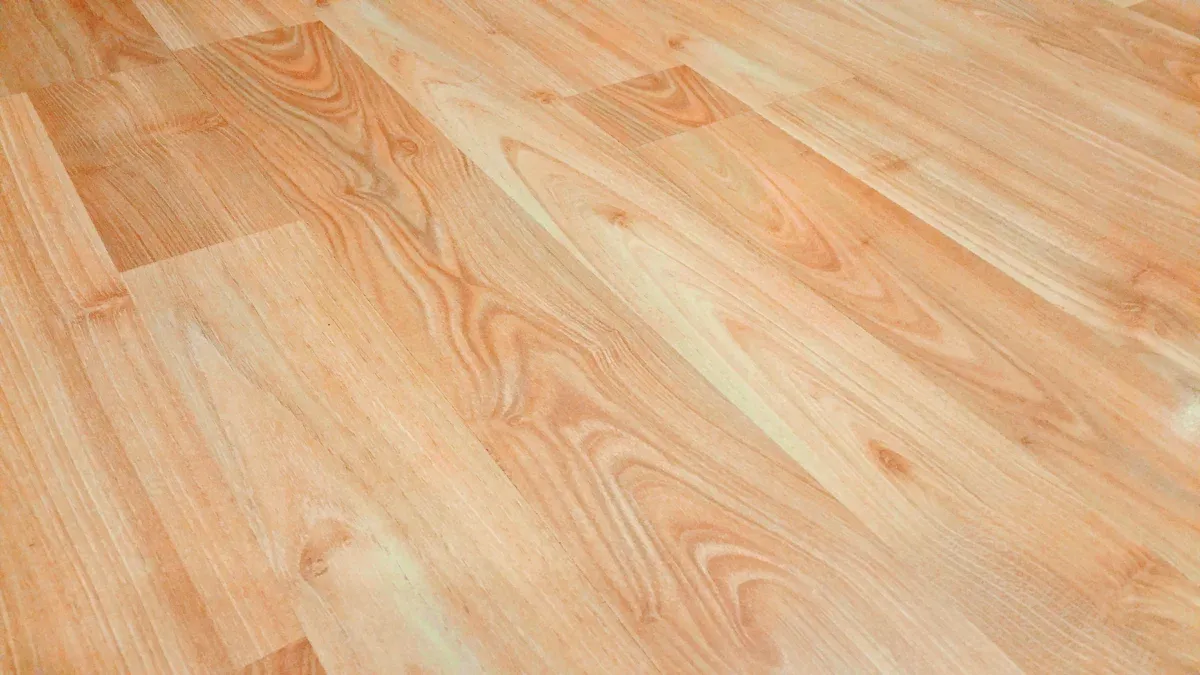
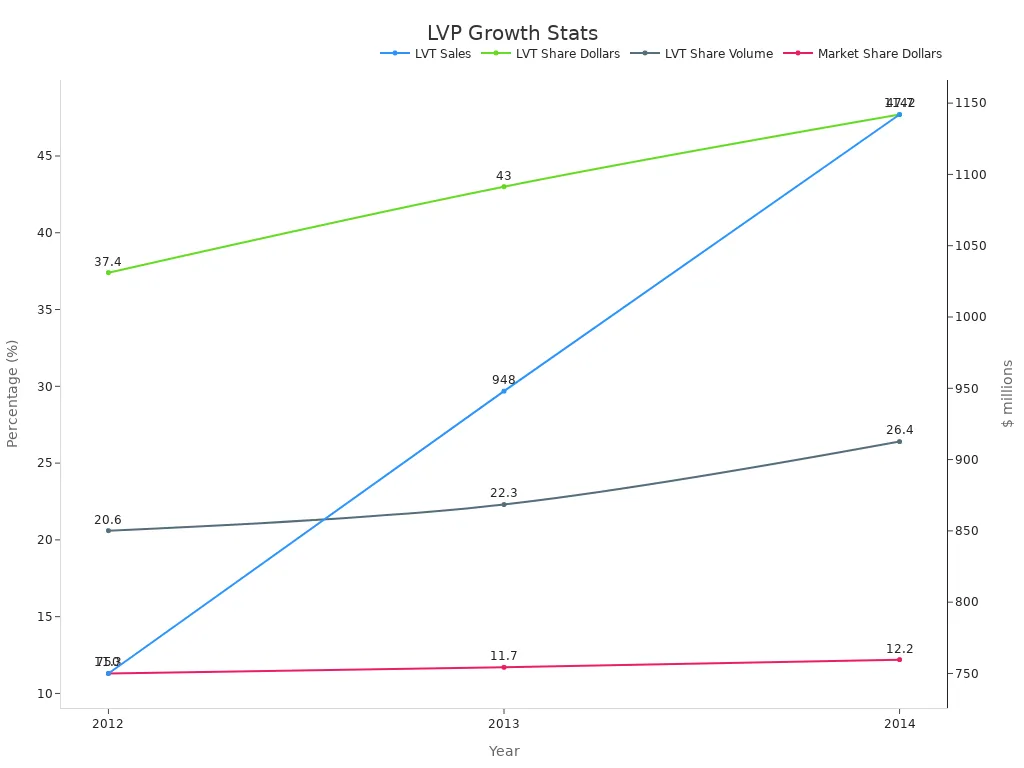
You might wonder about lvp flooring meaning as you explore new options for your home. LVP stands for luxury vinyl plank, a type of luxury vinyl flooring designed to look like real hardwood. Many homeowners choose luxury vinyl plank flooring because it offers the appearance of wood without the high cost or maintenance. LVP provides water resistance and durability, making it a smart choice for busy households. The strong growth in lvp flooring shows its popularity. Residential sales of LVP and LVT rose by over 14% in square footage from 2013 to 2014, with most sales coming from homes.
When you select luxurious lvp flooring, you get a product that blends style, value, and practicality. Understanding lvp flooring meaning helps you make better choices for your living space.
LVP Flooring Meaning: What Is Luxury Vinyl Plank Flooring?
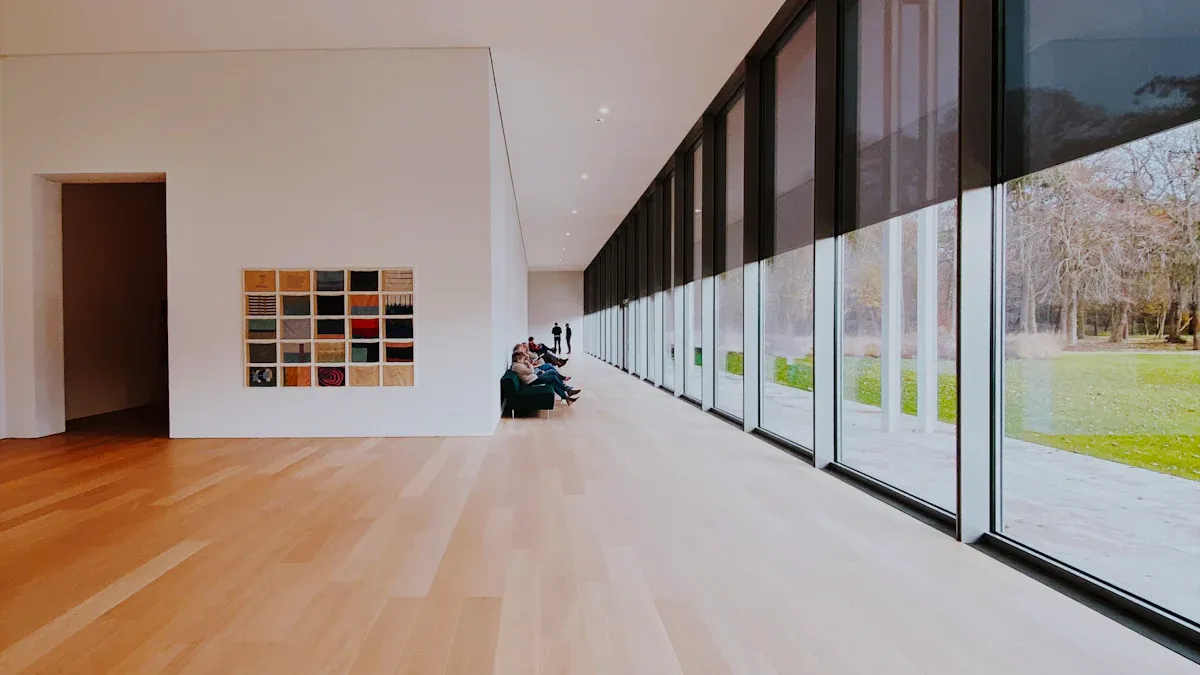
Definition of LVP Flooring
Luxury vinyl plank, or LVP flooring, is a type of luxury vinyl flooring that mimics the look and feel of real hardwood. You get the appearance of wood with the durability and water resistance of vinyl. Manufacturers use polyvinyl chloride (PVC) resins, stabilizers, and fungicides to create a rigid, long-lasting product. LVP flooring comes in planks, which you can install in various patterns to match your style. The Resilient Floor Covering Institute provides technical details and certifications for these products, ensuring you receive quality and safety.
Note: LVP flooring belongs to the broader category of luxury vinyl flooring, which also includes luxury vinyl tile (LVT). Both types use similar materials but differ in shape and design focus.
The U.S. market for vinyl plank flooring reached $4.80 billion in 2024 and is expected to grow to $8.10 billion by 2033. This growth shows how popular LVP has become for homeowners and businesses.
Key Features of Luxury Vinyl Plank
You will notice several features that make luxury vinyl plank stand out:
- Water resistance: LVP flooring resists spills and moisture, making it ideal for kitchens and bathrooms.
- Durability: The wear layer thickness ranges from 6 MIL to 20 MIL, protecting against scratches, dents, and stains.
- Easy installation: Many LVP products use click-lock or floating systems, so you can install them yourself without glue.
- Design versatility: You can choose from a wide range of colors, textures, and wood-look patterns.
- Comfort: LVP feels softer underfoot than traditional tile or hardwood.
- Low maintenance: You only need regular sweeping and occasional mopping to keep it looking new.
| Performance Metric | Luxury Vinyl Plank (LVP) Data |
|---|---|
| Wear Layer Thickness | 6 MIL to 20 MIL |
| Plank Sizes | 7×48 in, 12×24 in, 18×36 in |
| Warranty Durations | Residential: Lifetime–25 years; Commercial: 6–25 years |
| Installation Cost | $1.99–$9.00 per sq. ft. |
| Durability Features | Scratch, water, abrasion, and dent resistance |
You benefit from the design versatility of LVP flooring, which lets you match any room style. The benefits of installing LVP flooring include long-lasting beauty, easy care, and cost savings compared to hardwood.
Typical Uses for LVP Flooring
You can use luxury vinyl planks in many places because of their versatility and strength. Homeowners often choose LVP for living rooms, bedrooms, kitchens, and bathrooms. Builders use it in new homes and renovations because it installs quickly and covers old floors easily.
- Residential: Most LVP flooring goes into homes, where you want durability, style, and low maintenance.
- Commercial: Offices, retail stores, and hotels use LVP for its water resistance and easy cleaning.
- Industrial: Some factories and warehouses use LVP, especially where slip resistance and toughness matter.
You can pick from several installation methods:
- Glue-down: Best for high-traffic areas and commercial spaces.
- Click-lock (floating): Great for DIY projects at home.
- Loose lay: Useful for temporary or flexible spaces.
Tip: LVP flooring works well in both new construction and renovation projects. You can install it over many existing floors, saving time and money.
The market for luxury vinyl plank flooring keeps growing because people want cost-effective, low-maintenance, and stylish floors. You also see more eco-friendly options and advanced designs, giving you even more choices.
LVT Flooring: Understanding Luxury Vinyl Tile
Definition of LVT Flooring
You may see the term luxury vinyl tile, or LVT, when you shop for new floors. LVT is a type of luxury vinyl flooring that comes in tile shapes instead of planks. Manufacturers design luxury vinyl tile to look like natural stone, ceramic, or porcelain. You get the beauty of tile with the comfort and flexibility of vinyl. LVT flooring meets strict industry standards, such as ASTM F3261 for performance and FloorScore for indoor air quality. You can find technical data sheets, installation guides, and environmental certifications from leading brands like Shaw Floors and Karndean. These resources help you verify the quality and safety of luxury vinyl tile flooring.
Key Features of Luxury Vinyl Tile
Luxury vinyl tile stands out for its durability, water resistance, and design options. You can choose from rigid or flexible types, depending on your needs. LVT often features a tough wear layer that protects against scratches and stains. Many products use advanced digital printing, so you see realistic patterns and textures. LVT also offers sound absorption and comfort underfoot, especially with wood-plastic composite (WPC) cores.
| Metric | Value |
|---|---|
| Market Size (2023) | USD 16.70 Billion |
| Projected Market Size (2032) | USD 32.54 Billion |
| CAGR (2024-2032) | 8.70% |
| Segmentation by Type | Rigid, Flexible |
| Segmentation by Application | Residential, Non-Residential |
You benefit from easy installation, whether you use glue-down, click-lock, or loose lay methods. LVT’s waterproof properties make it a smart choice for kitchens and bathrooms. Many products meet green building standards, so you can select sustainable options for your home.
Tip: LVT’s superior performance and design flexibility help increase your home’s market value.
Common Applications of LVT
You can use luxury vinyl tile in many settings. LVT works well in homes, offices, retail stores, and hotels. In the United States, LVT demand is rising fast, with forecasts showing 8.3% annual growth and a market share expected to surpass carpet. Kitchens and bathrooms are the most popular places for luxury vinyl tile flooring in homes. Commercial spaces like retail (24%), offices (11%), and hospitality (4%) also rely on LVT for its durability and easy care.
- LVT accounts for 68% of the vinyl tile market.
- Residential use represents 53% of vinyl tile applications.
- Commercial use makes up 39%, with strong growth in renovations.
- DIY renovators drive nearly half of residential LVT sales due to simple installation.
You see LVT in modern renovations and new construction. Green building practices now influence many buyers, so sustainable LVT products are in high demand. The global luxury vinyl flooring and tile market reached $21.7 billion in 2023, with North America leading in adoption. You can trust LVT to deliver style, strength, and value in almost any space.
LVP vs. LVT: Comparing Luxury Vinyl Flooring Options
Appearance and Design Differences
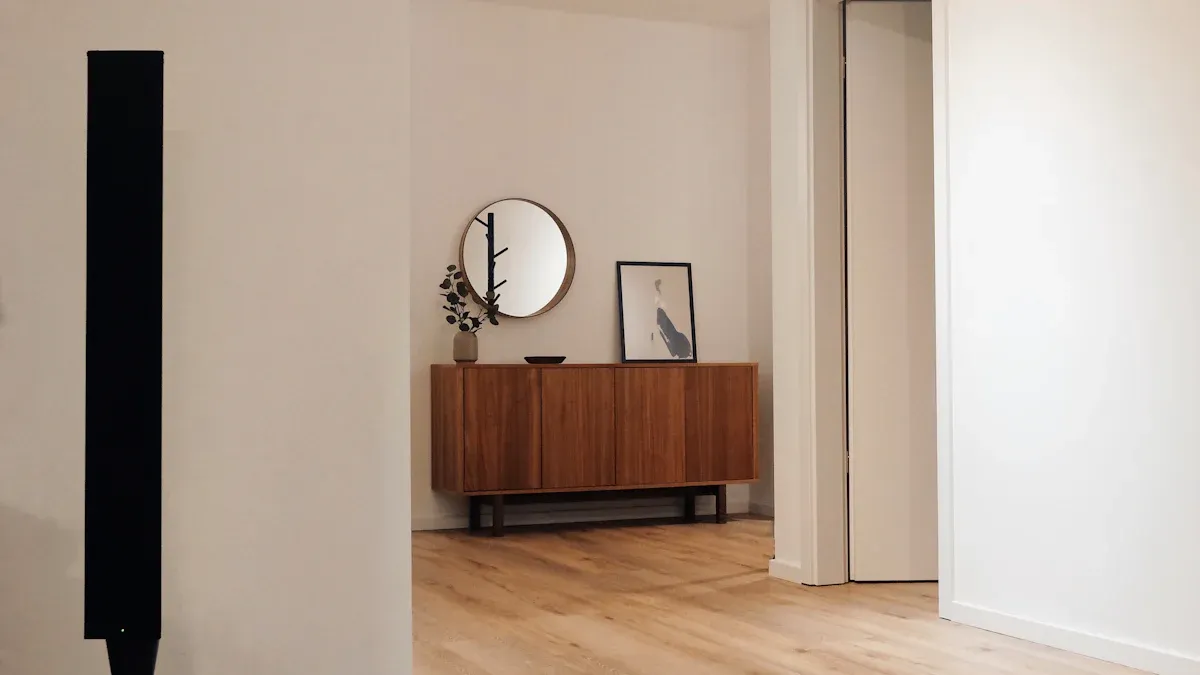
When you look at LVP and LVT, you see many design choices. LVP gives you the look of real hardwood. You find planks that copy oak, maple, or walnut. LVT, on the other hand, often looks like stone, ceramic, or porcelain tile. Both types use advanced printing and embossing. This technology makes the patterns and textures very realistic. You can touch the surface and feel grooves, knots, or stone-like bumps.
Recent trends in luxury vinyl flooring show a big jump in realism. Manufacturers use high-resolution images and deep embossing. This means you get floors that look almost like the real thing. LVT stands out for its ability to copy natural stone and tile. You see marble, slate, or even concrete looks. LVP stays popular for wood designs. You can match your floor to almost any style you want.
Vinyl flooring also lets you change your style more easily than real tile. If you want a new look, you can update your floor without much trouble. Ceramic tile costs more and is harder to replace. With LVP and LVT, you get design flexibility and modern visuals that fit your taste.
Construction and Material Comparison
You need to know how LVP and LVT are built. Both use layers of vinyl, but the core and thickness can differ. LVT usually has a flexible PVC core. This makes it softer and more comfortable under your feet. LVP often uses a rigid core, like SPC. SPC stands for stone plastic composite. It mixes plastic with limestone powder. This gives the plank more strength and density.
Here is a table to help you compare:
| Aspect | LVT (Luxury Vinyl Tile) | SPC (Stone Plastic Composite) |
|---|---|---|
| Core Material | Flexible PVC core, soft and comfy | Rigid core, plastic and limestone, very sturdy |
| Thickness | Up to 4mm | 4mm to 6mm |
| Durability | Durable, less dent resistance | Very dent resistant, tough |
| Comfort | Softer underfoot | More rigid, less comfy |
| Appearance | Realistic digital images, many designs | Realistic, often with deep texture |
| Installation | Glue down, loose lay, click lock, needs smooth subfloor | Floating click lock, hides subfloor flaws |
| Water Resistance | Water-resistant, some fully waterproof | 100% waterproof |
| Price | Usually more affordable | Higher price, long-lasting |
SPC is a big part of LVP today. You get a water proof core with SPC. This means you do not worry about spills or moisture. LVT also resists water, but SPC gives you extra protection. If you want a floor for busy areas or places with lots of water, SPC is a smart pick.
LVT and LVP both use digital printing for their looks. You get sharp images and deep colors. SPC planks often have a thicker wear layer. This helps them last longer in tough spots. You can walk, run, or play on these floors without much wear.
Installation Methods
You will find that both LVP and LVT offer easy installation. Many products use a click-lock system. You snap the planks or tiles together. This floating floor method does not need glue. You can put it over many old floors. This saves you time and money.
LVT gives you more choices for how to install. You can glue it down, use a loose lay method, or click it together. Glue-down works well in busy places. It keeps the tiles in place. Loose lay is good if you want to move the floor later. Click-lock is best for do-it-yourself projects.
LVP with SPC core often uses the floating click-lock system. This makes it easy for you to install, even if your subfloor is not perfect. The rigid core hides small bumps or flaws. You do not need to spend much time on prep work.
Tip: If you want to install your floor yourself, look for LVP or LVT with a click-lock system. You will find the process quick and simple.
Both LVP and LVT give you floors that look great and last long. You can choose the installation method that fits your skills and needs.
Durability and Maintenance
You want a floor that stands up to daily life. Both LVP and LVT give you strong, reliable surfaces. These floors use several layers to protect against damage. The top layer is transparent and scratch and stain-resistant. This layer shields your floor from scuffs, spills, and dirt. You can walk, run, or even drag furniture across these surfaces with less worry.
LVP and LVT both offer a highly water-resistant surface. You can install them in kitchens, bathrooms, or laundry rooms. Spills and humidity do not cause warping or swelling. This makes them a smart choice for moisture-prone areas.
You will find that these floors last a long time. The thickness of the product and the wear layer matter most for longevity. Here is a table that shows how thickness affects lifespan:
| Product Thickness | Wear Layer Thickness (mil) | Expected Lifespan (years) |
|---|---|---|
| 2mm | 10-12 mil | 10-25 years (varies by use and maintenance) |
| 3mm | 20-25 mil | 10-25 years (varies by use and maintenance) |
| 5mm | 20-25 mil | 10-25 years (varies by use and maintenance) |
| Customized option | Up to 40 mil (for extreme traffic) | N/A |
A thicker wear layer means more protection. If you have high foot traffic, choose a product with a 20 mil or thicker wear layer. This is common in commercial spaces.
You will enjoy the benefits of low-maintenance cleaning. You only need to sweep or vacuum regularly. For deeper cleaning, use a damp mop. You do not need wax or harsh chemicals. Proper care helps your floor look new for many years.
- LVP and LVT resist scratches and stains.
- Both types handle heavy foot traffic and spills.
- You can use them in homes or businesses.
- Maintenance is simple and quick.
Tip: Always follow the manufacturer’s care instructions. This helps you get the best performance and longest life from your floor.
Best Uses for Each Type
You want to pick the right floor for your space. LVP works best when you want the look of wood. You can use it in living rooms, bedrooms, and hallways. Its plank shape fits long, open spaces. LVP also works well in kitchens and bathrooms because it is highly water-resistant.
LVT gives you more options for tile looks. You can choose marble, slate, or ceramic styles. LVT fits well in bathrooms, laundry rooms, and entryways. You can use it in commercial spaces like offices, stores, or hotels. LVT handles high foot traffic and keeps its good looks.
Here are some ideas for where to use each type:
- LVP: Living rooms, bedrooms, kitchens, basements, and hallways.
- LVT: Bathrooms, laundry rooms, mudrooms, offices, retail stores, and restaurants.
If you want a floor that matches wood furniture, LVP is a great choice. If you want a stone or tile look, LVT gives you many styles. Both types offer durability, easy care, and long-lasting beauty.
Note: Think about your style, the room’s purpose, and how much traffic the area gets. This helps you choose the best floor for your needs.
How to Choose Between LVP Flooring and LVT
Assessing Your Space and Needs
You want your new floor to fit your space and daily life. Start by looking at the rooms you plan to update. Think about how much traffic each area gets. Busy spaces like hallways or kitchens need tough flooring. Both LVP and LVT work well in these spots. If you have rooms with lots of moisture, such as bathrooms or basements, you need water-resistant options. Both LVP and LVT offer this feature, but spc flooring gives you extra protection against water.
Lighting and room size also matter. Lighter colors can make small rooms look bigger. Darker shades add warmth to large spaces. Check how the flooring matches your furniture and walls. You want a style that blends with your home. If you are not sure, ask a design professional or look at samples in your space.
- Think about the room’s purpose and traffic.
- Check for moisture or water exposure.
- Match the flooring style to your home.
- Look at samples in your space before you decide.
- Choose spc for extra water resistance and strength.
Tip: Both LVP and LVT need little maintenance. You only need to sweep and mop to keep them clean.
Style and Design Considerations
Your floor sets the mood for your room. LVP looks like real wood planks. It works well if you want a classic or rustic feel. LVT copies stone or ceramic tile. It fits modern or elegant spaces. Both types use digital printing for realistic looks. You can find many colors and textures.
spc flooring adds even more design options. You get deep textures and sharp images. This makes your floor look and feel like real wood or stone. spc also helps reduce noise, which is great for busy homes.
You should think about how the floor will look with your other rooms. Open floor plans need flooring that flows from one space to another. LVP and LVT both offer versatility, so you can find a style that works for your whole home.
Note: Bring home samples to see how the color and texture look in your lighting.
Budget and Installation Preferences
You want a floor that fits your budget and is easy to install. LVP and LVT come in many price ranges. spc flooring often costs more because it is thicker and tougher. Glue-down options are usually cheaper but need more work to install. Click-lock spc planks are easier for DIY projects but may cost more upfront.
Here is a table to help you compare:
| Collection Name | Type | Installation Method | Thickness | Wear Layer | Warranty | Relative Price |
|---|---|---|---|---|---|---|
| Katavia (Dryback) | Flexible Plank (LVP) | Glue-down | 2 mm | 6 mil | 15-year residential | Most affordable |
| Glenridge (Dryback) | Flexible Plank (LVP) | Glue-down | 2 mm | 12 mil | 25-year residential | Low cost |
| Wilmont (Dryback) | Flexible Plank (LVP) | Glue-down | 2.5 mm | 20 mil | Lifetime residential | Medium price |
| Trecento® (spc) | Rigid Core Plank | Locking system | 5 mm | 12 mil | Lifetime residential | Medium price |
spc floors with locking systems save you time and labor. You can install them over many old floors. This makes them a good choice for quick updates. Always check the warranty and thickness. Thicker spc planks last longer and handle more wear.
Tip: Add up the cost of the product, installation, and any extra materials. This helps you stay within your budget.
You now know the key differences between LVP and LVT flooring. LVP looks like wood planks, while LVT copies stone or tile. Both types offer strong, water-resistant surfaces. To choose the best option, think about your room’s style, how much traffic it gets, and your budget.
Remember: Bring home samples to see how each floor looks in your space. The right choice will give you a beautiful, easy-care floor for years to come.
FAQ
What is the main difference between LVP and LVT flooring?
You see LVP in plank shapes that look like wood. LVT comes in tile shapes that look like stone or ceramic. Both use vinyl, but the design focus and shape set them apart.
Can you install LVP or LVT over existing floors?
Yes, you can install both over many existing floors. Make sure the surface is clean, dry, and level. Click-lock systems work best for DIY projects.
Is luxury vinyl flooring waterproof?
Most LVP and LVT products resist water. SPC core LVP is 100% waterproof. You can use these floors in kitchens, bathrooms, and basements without worry.
How do you clean and maintain LVP or LVT flooring?
Sweep or vacuum your floor often. Use a damp mop for deeper cleaning. Avoid harsh chemicals or wax. > Tip: Always check the manufacturer’s care guide for best results.




