
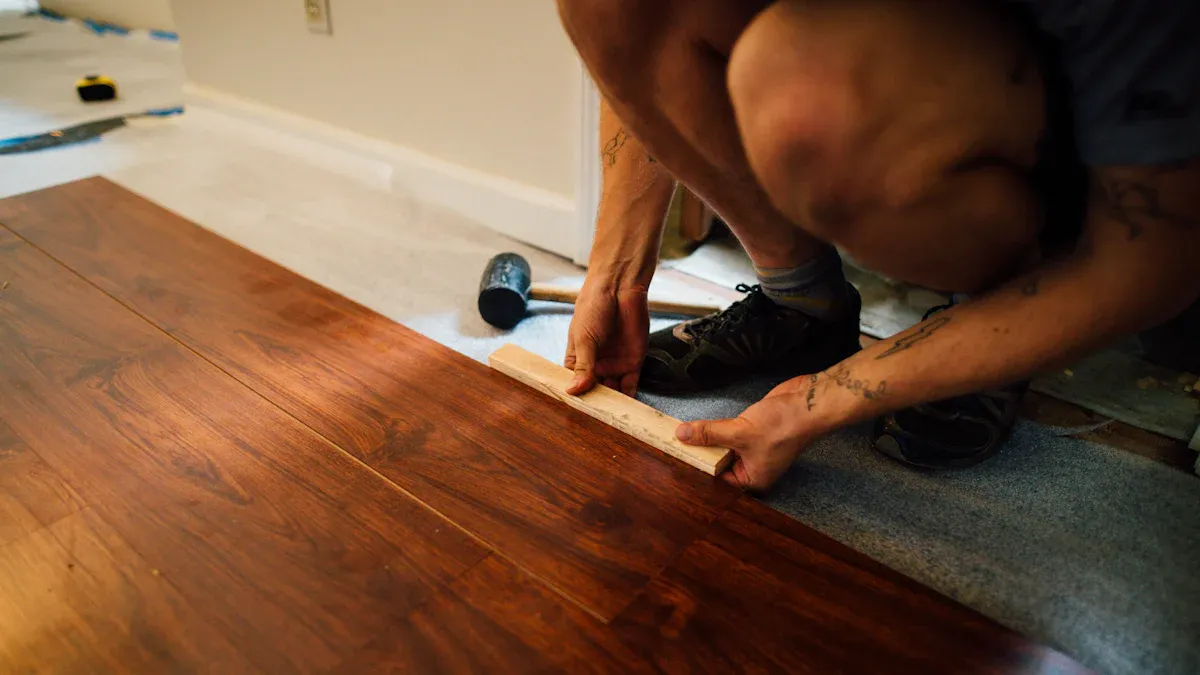
When you compare pvc vs laminate flooring, you notice big differences in how each performs in your home. Vinyl flooring stands out for its 100% waterproof core and quiet, soft underfoot feel. Laminate gives you a hard surface that resists scratches but may swell if exposed to water. You find vinyl flooring easier to maintain in wet spaces, while laminate often fits tight budgets. The table below shows how pvc vs laminate flooring stack up in water resistance, durability, and cost:
| Feature | Vinyl Flooring (LVP) | Laminate Flooring |
|---|---|---|
| Water Resistance | 100% waterproof; ideal for kitchens, bathrooms | Can warp or swell from moisture |
| Durability | Multi-layer, resists scratches and dents | Durable for foot traffic, not for water |
| Thickness Range | 4 mm to 8 mm | 6 mm to 12 mm |
| Cost | Most durable, cost-effective solution | Budget-friendly, less durable when wet |
| Lifespan | Comparable to laminate if cared for | Lasts as long as vinyl flooring with care |
Vinyl flooring works well in moisture-prone areas, while laminate suits living rooms and bedrooms. You get a resilient, quiet surface with vinyl flooring. Laminate offers a hard, classic feel underfoot.
Difference Between Laminate and PVC: Material & Composition
What Is PVC (Vinyl) Flooring?
You see vinyl flooring in many homes because it offers a waterproof and flexible surface. Manufacturers make pvc flooring from polyvinyl chloride (PVC) resin. They often add fillers, dyes, rubberizing plastics, and stabilizers to create a strong and stable product. Vinyl flooring comes in several forms, such as luxury vinyl planks (LVP), luxury vinyl tiles (LVT), and sheet vinyl. Each type uses a printed design layer to mimic wood, stone, or tile. A clear wear layer on top protects the floor from scratches and stains. Some types, like SPC (Stone Plastic Composite), use a dense core that makes the floor even more durable and water-resistant.
Tip: You can install vinyl flooring in kitchens, bathrooms, and basements because it does not absorb water.
What Is Laminate Flooring?
Laminate flooring gives you the look of wood or stone at a lower cost. It uses a core made from high-density fiberboard (HDF) or sometimes medium-density fiberboard (MDF). This core comes from compressed wood fibers. On top, you find a photographic design layer that shows the pattern. A clear melamine resin layer protects the surface from wear and tear. Laminate flooring usually has four layers: a stabilizing bottom layer, the fiberboard core, the design layer, and the protective wear layer.
You get a hard, smooth surface with laminate. It works well in living rooms, bedrooms, and hallways. However, the fiberboard core can swell if it gets wet, so you should avoid using laminate in areas with lots of moisture.
Core Material Differences
The difference between laminate and pvc starts with the core. The core affects how the floor handles water, how long it lasts, and where you can use it.
Here is a table that shows the main material differences:
| Flooring Type | Core Material | Design Layer | Wear Layer | Additional Composition Details |
|---|---|---|---|---|
| Laminate Flooring | High-Density Fiberboard (HDF) | Photographic design layer mimicking wood/stone | Resin-based wear layer (melamine) | Multi-layered for durability and looks |
| Vinyl Flooring (PVC) | Polyvinyl Chloride (PVC) resin, flexible/rigid | Printed design layer with many patterns | Wear layer atop core | Fillers, dyes, rubberizing plastics, stabilizers |
You find that laminate flooring uses a wood-based core. This core can swell or warp if exposed to water. In contrast, pvc flooring uses a plastic core that does not absorb water. Some vinyl flooring, like SPC, uses a stone-plastic composite core. This makes the floor even tougher and more water-resistant.
- Laminate flooring core: Made from wood fibers (HDF or MDF). It feels hard underfoot but does not handle water well.
- PVC flooring core: Made from solid PVC or a mix of PVC and other materials. It feels softer and stays stable even in wet areas.
- SPC vinyl flooring: Uses a stone-plastic composite core. It offers extra strength and water resistance.
Vinyl flooring can last from 10 to 25 years, depending on the type and how well you care for it. Laminate flooring also lasts a long time, but it may not outlast vinyl in wet or high-traffic areas.
Note: Both laminate and vinyl flooring have multiple layers, but the core material makes a big difference in performance. You should choose based on where you plan to install the floor and how much moisture the area gets.
PVC vs Laminate Flooring: Appearance & Style
Design Options
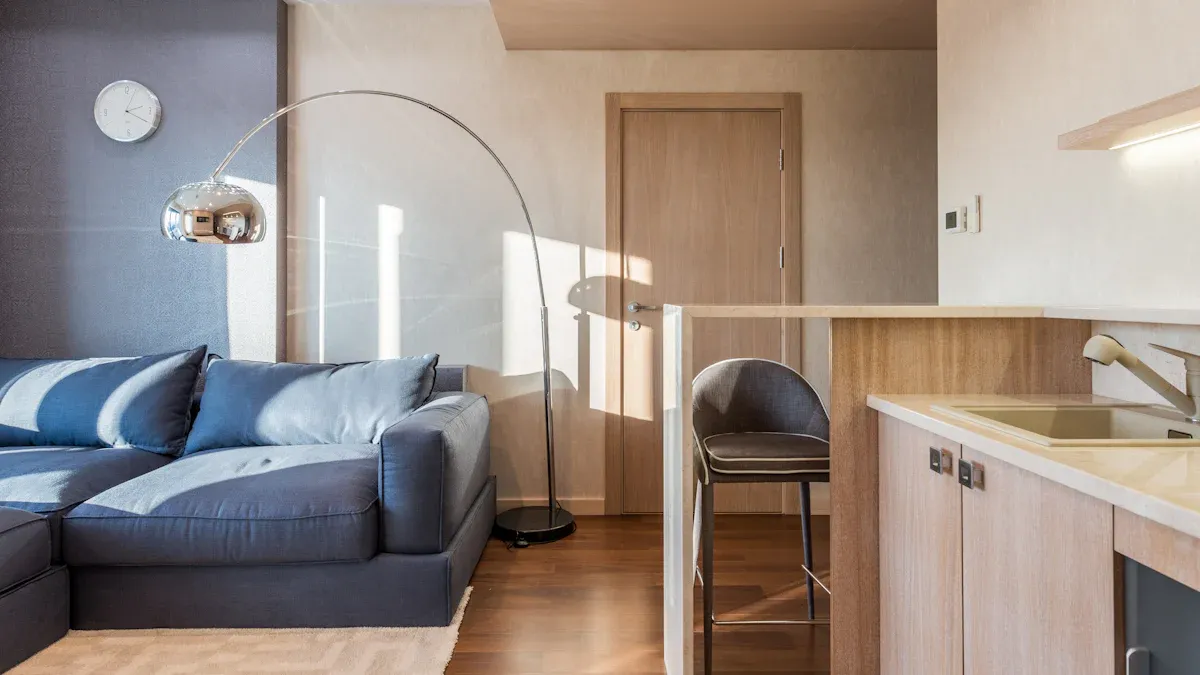
You have many design options when you choose between PVC and laminate flooring. PVC flooring stands out for its versatility. You can find it in planks, tiles, or large sheets. Manufacturers use advanced printing technology to create patterns that look like wood, stone, or even ceramic tile. You can also pick from modular and customizable designs, which let you create a unique look for your space.
Laminate flooring also gives you a wide range of choices. You see it most often in planks that snap together. Many people like laminate because it is easy to install and fits well in DIY projects. The design layer on laminate flooring uses high-quality images to copy the look of real wood or stone. You can find styles that match almost any room in your home.
Market research shows that consumers prefer PVC flooring for its durability, affordability, and customizable designs. Laminate flooring appeals to those who want a budget-friendly, easy-to-install option with a classic look.
Realism and Texture
You want your floors to look and feel real. PVC flooring uses new printing and embossing methods to create surfaces that look like natural wood or stone. Some PVC floors even have textures that match the grain of real wood. This makes the floor look more realistic and feel more comfortable underfoot.
Laminate flooring has also improved in realism. Today’s laminate uses high-definition images and textured surfaces. You can run your hand over some laminate floors and feel the grooves and knots, just like real wood. Many people choose laminate flooring because it gives the appearance of hardwood at a lower price.
Color and Pattern Variety
You can choose from a huge variety of colors and patterns with both PVC and laminate flooring. PVC flooring offers bold colors, classic wood tones, and even stone or tile looks. You can find options that fit modern, rustic, or traditional styles.
Laminate flooring also comes in many shades and patterns. You see light, medium, and dark wood looks, as well as stone and tile designs. The variety in laminate flooring helps you match your floors to your furniture and wall colors.
| Feature | PVC Flooring | Laminate Flooring |
|---|---|---|
| Color Range | Wide, including bold and neutral | Wide, mostly wood and stone tones |
| Pattern Variety | Wood, stone, tile, abstract | Wood, stone, tile |
| Customization | High, modular options available | Moderate, many plank styles |
Tip: If you want a floor that matches your unique style, both PVC and laminate flooring give you plenty of choices. Think about the look you want before you decide.
Durability & Water Resistance in Laminate Flooring vs PVC
Scratch and Dent Resistance
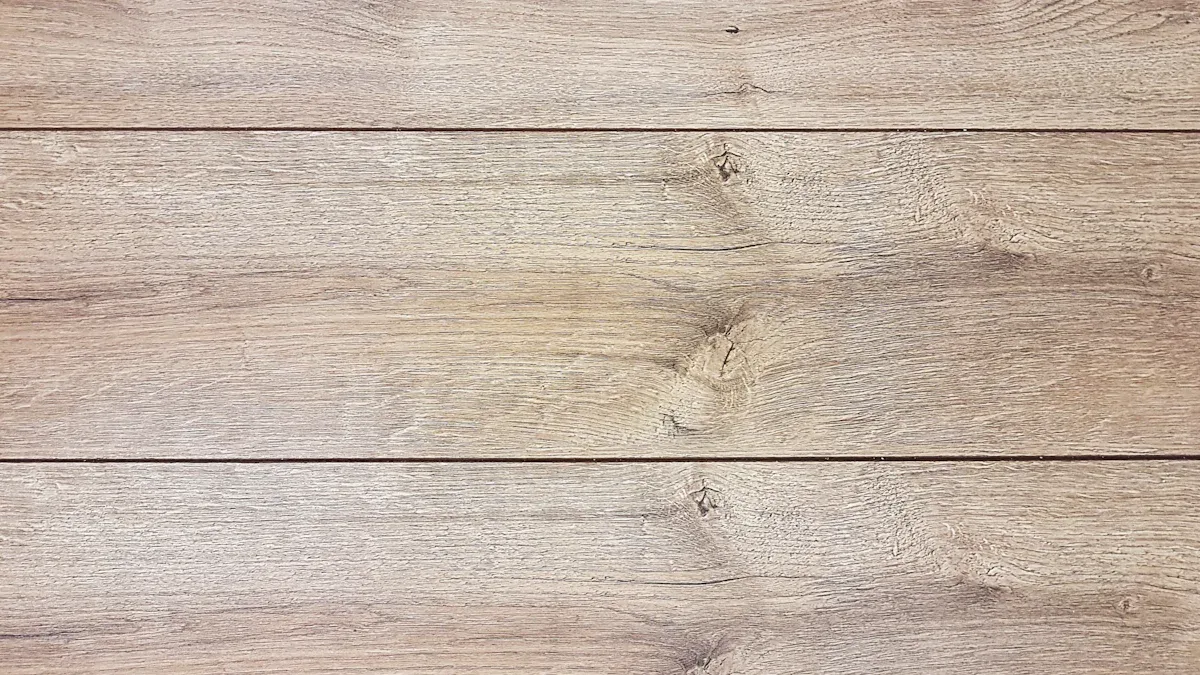
When you look at scratch and dent resistance, vinyl flooring and laminate flooring both offer strong surfaces, but they perform differently. Vinyl flooring uses a tough wear layer that protects against scratches from pets, shoes, and furniture. You can move chairs or drop toys on vinyl flooring without seeing much damage. Some types of pvc flooring, like luxury vinyl planks, have extra-thick wear layers for added protection.
Laminate flooring also resists scratches well. The top layer uses a hard resin that keeps the surface looking new. You might notice that laminate feels harder underfoot, which helps prevent dents from heavy furniture. However, if you drop something sharp or drag heavy items, laminate can chip or show marks more easily than vinyl flooring. If you want the best scratch resistance, look for high-quality laminate or thicker vinyl flooring.
Water and Moisture Performance
Water resistance is a key difference in the pvc vs laminate flooring debate. Vinyl flooring stands out as fully waterproof. You can install pvc flooring in bathrooms, kitchens, or basements without worry. Laboratory tests show that vinyl tile flooring absorbs only 0.2% moisture, even after 72 hours of being underwater. The multi-layer construction keeps the floor from warping, bubbling, or showing water damage. This makes vinyl flooring 85% better at handling moisture than many other floors.
Laminate flooring does not perform as well with water. Standard laminate can swell or warp if it gets wet. Some brands offer waterproof laminate flooring, but even these have limits. The table below shows how different types of laminate handle water:
| Swell Rate (%) | Water Resistance Duration | Description |
|---|---|---|
| 15% | 24-48 hours | Lowest water resistance; typical for non-water-resistant laminates. |
| 12% | 48-72 hours | Moderate water resistance; suitable for occasional spills. |
| 8% | 80-100 hours | Higher water resistance; can handle extended moisture. |
| 5% | 100+ hours (up to 500 hours claimed) | Very high water resistance; some brands claim up to 500 hours. |
You can find laminate with special sealants and tight joints to help block water, but pvc flooring always gives you better protection in wet spaces.
If you want a floor for a laundry room or basement, vinyl flooring is the safer choice.
Lifespan and Wear
You want your floors to last. Vinyl flooring can last 10 to 25 years if you care for it. The waterproof core and tough wear layer help it stand up to daily use, spills, and heavy traffic. You can use pvc flooring in busy homes, and it will keep its shape and color.
Laminate flooring also offers a long lifespan, especially in dry areas. You can expect laminate to last 10 to 20 years with good care. However, water damage can shorten its life. If you install laminate in a living room or bedroom, it will stay beautiful for many years. In wet areas, you may need to replace it sooner.
When you compare durability and maintenance, vinyl flooring often wins in kitchens, bathrooms, and basements. Laminate works best in dry rooms where you want a hard, classic look.
Cost Comparison: PVC vs Laminate Flooring
Material Costs
When you shop for new flooring, you want to know how much each option costs. Both PVC (vinyl) and laminate flooring offer a wide range of prices. Most laminate flooring costs between $1.00 and $4.00 per square foot. You may find premium laminate at specialty stores for up to $8.00 per square foot, but the average price stays around $3.00. Vinyl flooring, including luxury vinyl planks, usually ranges from $2.00 to $7.00 per square foot. Lower-end vinyl can match laminate prices, but high-quality vinyl often costs more.
Here is a quick comparison:
| Flooring Material | Cost per Square Foot |
|---|---|
| Vinyl | $2.00 – $7.00 |
| Laminate | $1.00 – $4.00 |
You should also consider extras like underlay, which can add $30 to $50 per roll to your project.
Installation Costs
Installation costs can make a big difference in your total budget. Vinyl flooring often requires more skill and time to install, especially if you choose glue-down or click-lock types. Professional installation for PVC flooring usually costs more because the process needs a flat subfloor and precise work. Labor costs for vinyl can range from $18 to $30 per square meter, sometimes reaching up to $50 for complex jobs.
Laminate flooring is easier for most people to install themselves. The click-lock system lets you lay the planks with basic tools like a saw and hammer. Professional installation for laminate usually costs less, between $15 and $30 per square meter. If you want to save money, laminate is a good choice for DIY projects.
Tip: If you plan to hire a professional, expect to pay more for vinyl installation than for laminate.
Long-Term Value
You want your investment to last. Vinyl flooring offers excellent water resistance and durability, which means fewer repairs and replacements over time. This can save you money, especially in kitchens, bathrooms, or basements. Laminate flooring costs less upfront, but it may not last as long in wet areas. If you use laminate in dry rooms, it can give you many years of service.
- Vinyl flooring: Higher initial cost, lower maintenance, longer lifespan in wet spaces.
- Laminate flooring: Lower upfront cost, best for dry areas, may need replacement sooner if exposed to moisture.
Choosing the right flooring depends on your budget, your DIY skills, and where you plan to install it.
Installation: Which Is Better for DIY?
DIY Friendliness
If you want to install new floors yourself, you might wonder which is better for DIY projects. Many homeowners choose laminate because it uses a click-lock system. You snap the planks together without glue or nails. This makes laminate a favorite for first-time DIYers. You can cut laminate planks with a simple saw. You do not need special skills to get a good result.
Vinyl flooring also offers DIY options. Some types, like luxury vinyl planks, use a similar click-lock system. You can lay these planks just like laminate. Other types, such as sheet vinyl, need glue and careful measuring. These can be harder for beginners. If you want the easiest project, laminate usually gives you a smoother experience.
Tip: Always read the instructions before you start. Each brand may have different steps.
Subfloor Requirements
You need a flat and clean subfloor for both laminate and vinyl flooring. Laminate needs a dry and level surface. If the subfloor has bumps or dips, the laminate planks may not lock together well. You might hear squeaks or see gaps if the floor is uneven.
Vinyl flooring is more flexible. It can handle small bumps better than laminate. Still, you should fix big holes or cracks before you start. Some vinyl types need a smoother base, especially thin sheet vinyl. Both floors work over concrete, plywood, or old vinyl, but laminate cannot go over carpet.
| Flooring Type | Subfloor Needs | Can Go Over Old Floor? |
|---|---|---|
| Laminate | Very flat, dry, clean | Yes, except carpet |
| Vinyl | Flat, clean | Yes, most surfaces |
Time and Tools Needed
You can install laminate flooring in a weekend. Most rooms take one or two days. You need a saw, tape measure, spacers, and a tapping block. The click-lock system helps you move fast. You do not need glue or nails for most laminate floors.
Vinyl flooring time depends on the type. Click-lock vinyl planks take about the same time as laminate. Sheet vinyl takes longer because you must cut it to fit the room. You may need a utility knife, straight edge, and sometimes glue. If you want a quick job, laminate or click-lock vinyl works best.
Note: Always let your new flooring sit in the room for 48 hours before you install it. This helps the planks adjust to the temperature and humidity.
Maintenance & Cleaning: Laminate Flooring vs PVC
Daily Care
You want your floors to look great every day. Vinyl flooring makes daily cleaning easy. You can sweep or vacuum vinyl flooring to remove dust and dirt. A damp mop works well for most messes. You do not need special cleaners for vinyl flooring. Laminate flooring also needs regular sweeping. You should use a dry or slightly damp mop for laminate. Too much water can damage laminate flooring. Both types of floors resist stains from daily use.
Tip: Place mats at doors to catch dirt before it reaches your vinyl flooring or laminate flooring.
Stain and Spill Management
Spills happen in every home. Vinyl flooring handles spills very well. You can wipe up liquids without worry. Vinyl flooring does not absorb water, so stains do not set in. If you drop juice or food, just clean it with a cloth. Laminate flooring needs faster action. If you spill on laminate, wipe it up right away. Water can seep into the seams of laminate flooring and cause swelling. For sticky stains, use a gentle cleaner made for laminate. Avoid harsh chemicals on both vinyl flooring and laminate flooring.
Here is a quick guide:
| Spill Type | Vinyl Flooring Action | Laminate Flooring Action |
|---|---|---|
| Water | Wipe up, no damage | Wipe up fast, avoid swelling |
| Food/Drink | Clean with damp cloth | Clean quickly, dry surface |
| Mud | Let dry, sweep or mop | Sweep, use damp mop |
Repair and Replacement
Floors can get damaged over time. Vinyl flooring stands up to scratches and dents, but if you see damage, you can replace a single plank or tile. You do not need to redo the whole floor. Laminate flooring can chip if you drop something heavy. You can replace damaged laminate planks, but it may take more work. Some people use repair kits for small chips in laminate flooring. If water damages laminate, you may need to replace several planks.
Note: Good care helps both vinyl flooring and laminate flooring last longer. This boosts durability and maintenance for your home.
Comfort & Sound: PVC vs Laminate Flooring
Underfoot Feel
You want your floors to feel comfortable when you walk on them. Vinyl flooring gives you a softer and more cushioned feel underfoot. Many types of vinyl flooring have a built-in foam or cork backing. This extra layer makes standing for long periods easier on your feet and joints. You notice the difference if you spend a lot of time in the kitchen or laundry room. PVC flooring also feels warmer and less rigid than hard surfaces.
Laminate flooring feels harder and more solid. The core of laminate flooring uses dense fiberboard, so you get a firm surface. Some people like this solid feel, especially in living rooms or hallways. If you want more comfort, you can add an underlayment, but laminate will still feel firmer than vinyl flooring.
Noise Levels
Noise can be a problem in busy homes. Vinyl flooring helps reduce sound because of its flexible layers. You hear less noise from footsteps, dropped items, or moving chairs. Many homeowners choose vinyl flooring for bedrooms or apartments because it keeps rooms quieter.
Laminate flooring can sound louder. The hard surface can make footsteps echo, especially if you do not use an underlayment. You may hear a tapping sound when you walk on laminate flooring. If you want a quieter home, vinyl flooring is a better choice.
Tip: Use area rugs or mats to help absorb sound in any room.
Warmth and Insulation
You want your floors to feel warm, especially in cooler months. Vinyl flooring does not get as cold as tile or stone. The material holds some warmth, so your feet stay comfortable. Some vinyl flooring works well with radiant heating systems, making it a good choice for basements or bathrooms.
Laminate flooring also provides some insulation, but it can feel cooler than vinyl flooring. The fiberboard core does not hold heat as well. If you want extra warmth, you can use a thick underlayment, but vinyl flooring still offers better insulation.
| Feature | Vinyl Flooring | Laminate Flooring |
|---|---|---|
| Underfoot Feel | Soft, cushioned | Hard, firm |
| Noise Levels | Quiet, absorbs sound | Louder, echoes |
| Warmth | Warmer, insulates | Cooler, less insulation |
Note: If comfort and quiet matter most to you, vinyl flooring is often the best option.
Environmental Impact: Difference Between Laminate and PVC
Material Sourcing
You may wonder how the materials in your floors affect the planet. PVC flooring uses polyvinyl chloride, which comes from fossil fuels. This process releases greenhouse gases and can harm the environment. Vinyl flooring often contains chemicals like vinyl chloride and phthalates. These chemicals raise concerns about health and air quality.
Laminate flooring uses wood fibers for its core. Many brands source wood from managed forests, making laminate a more sustainable choice. You see less environmental damage from laminate production compared to PVC. Some companies even use recycled wood in their laminate products.
- PVC flooring relies on fossil fuels and chemicals.
- Laminate flooring uses wood, often from sustainable sources.
- Engineered timber, a type of laminate, can be refinished and recycled.
Note: Industry experts say that many designers now prefer PVC-free products because of health and environmental concerns.
Recyclability and Disposal
When you replace your floors, you want to know what happens to the old material. Laminate flooring can sometimes be recycled, especially if it uses clean wood fibers. However, most laminate ends up in landfills because of glues and coatings.
PVC flooring is 100% recyclable if the manufacturer offers a recycling program. Some companies, like Gerflor, invest in recycling and use more recycled content in their products. Still, most vinyl flooring does not get recycled and can sit in landfills for years.
A report from the Center for Environmental Health points out that PVC flooring production releases toxic chemicals and carbon dioxide. This adds to climate change and can harm workers and communities.
Indoor Air Quality
You want safe air in your home. Both laminate and PVC flooring can release volatile organic compounds (VOCs). These chemicals can affect indoor air quality.
Tests show that PVC flooring and its adhesives can emit VOCs like plasticizers and glycol ethers. The amount depends on the material and conditions in your home.
Laminate flooring can also release VOCs, especially formaldehyde. Some tests found that certain laminate flooring products had high formaldehyde emissions, but most meet safety standards.
Here is a table comparing VOC emissions:
| Flooring Type | Main VOCs Emitted | Factors Affecting Emissions |
|---|---|---|
| PVC Flooring | Plasticizers, glycol ethers, 2-ethylhexanol | Material type, adhesives, humidity |
| Laminate Flooring | Formaldehyde, other VOCs | Temperature, humidity, product type |
Tip: Look for certifications like FloorScore or CARB compliance to ensure better indoor air quality with your new floors.
Which Is Better? Best Use Cases for PVC vs Laminate Flooring
Kitchens and Bathrooms
You want safe and reliable floors in kitchens and bathrooms. These rooms see a lot of water and spills. Vinyl flooring stands out because it is fully waterproof. You can mop up spills without worry. A large case study used a slip tester to measure how safe different floors are in wet and dry conditions. The study grouped floors into safety clusters using a Slip Safety Risk Scale. Both PVC and laminate flooring were tested in real kitchens and washbasin areas. The results showed that vinyl flooring offers better slip resistance and safety in wet zones. Laminate flooring can swell or warp if water sits on it. For kitchens and bathrooms, vinyl flooring gives you peace of mind and easy cleaning.
Living Areas and Bedrooms
You spend a lot of time in living rooms and bedrooms. Comfort and style matter here. Laminate flooring has a thicker plank, which gives a cushioned feel underfoot. It looks like real wood and fits well in dry spaces. Vinyl flooring is thinner but still durable. It is also waterproof, so you do not have to worry about spills or pet accidents. Both types resist scratches, but vinyl flooring is better if you have pets or need easy maintenance. Laminate flooring works best in dry rooms where you want a classic wood look at a lower cost. The table below shows how each type performs in these spaces:
| Room Type | Vinyl Flooring Performance | Laminate Flooring Performance |
|---|---|---|
| Bedrooms | Suitable; durable and water-resistant | Suitable; performs well in low-moisture areas |
| Living Areas | Excels in water resistance and versatility | Good durability but not waterproof |
Tip: Choose vinyl flooring for homes with kids or pets. Pick laminate flooring if you want a wood look in a dry area.
Basements and High-Moisture Spaces
Basements often have moisture problems. You need a floor that can handle dampness. Vinyl flooring is the best choice for these spaces. It does not absorb water and stays stable even if the basement gets wet. You can install vinyl flooring over concrete or old floors. Laminate flooring does not work well in basements. The wood fiber core can swell if it gets wet. If you want a worry-free floor for high-moisture areas, vinyl flooring is the safest option.
When you compare pvc vs laminate flooring, think about where you will use it. Ask yourself which is better for your needs. For wet or busy spaces, vinyl flooring gives you the most protection and flexibility. For dry, cozy rooms, laminate flooring offers style and comfort at a good price. PVC flooring works best in places where water is a concern.
You now know the main differences between laminate flooring and PVC. Laminate flooring gives you a classic wood look and works well in dry rooms. You should weigh the pros and cons before you choose. Here is a quick list:
- Laminate flooring pros: affordable, easy DIY, stylish.
- Laminate flooring cons: not waterproof, can swell.
- PVC pros: waterproof, soft, quiet.
- PVC cons: may cost more, less eco-friendly.
Think about the pros and cons for each room. Laminate fits bedrooms and living areas. PVC suits kitchens, bathrooms, and basements.
FAQ
Can you use laminate flooring in bathrooms?
You should avoid using laminate flooring in bathrooms. Water can seep into the seams and cause swelling. Vinyl flooring works better in wet areas because it is fully waterproof.
Is PVC flooring safe for homes with pets?
Yes, you can use PVC flooring in homes with pets. It resists scratches and stains. You can clean up accidents easily. Many pet owners choose vinyl flooring for its durability and easy maintenance.
How do you clean laminate flooring?
You should sweep or vacuum laminate flooring often. Use a damp mop for sticky spots. Avoid soaking the floor with water. Too much moisture can damage the surface.
Does vinyl flooring fade in sunlight?
Vinyl flooring can fade if exposed to direct sunlight for long periods. You can use curtains or blinds to protect your floors. Some vinyl products have UV protection to reduce fading.
Which flooring is easier to repair: laminate or PVC?
You can replace damaged planks in both types. Vinyl flooring usually makes repairs easier because you can swap out single planks. Laminate repairs may need more work, especially if water damage occurs.




