
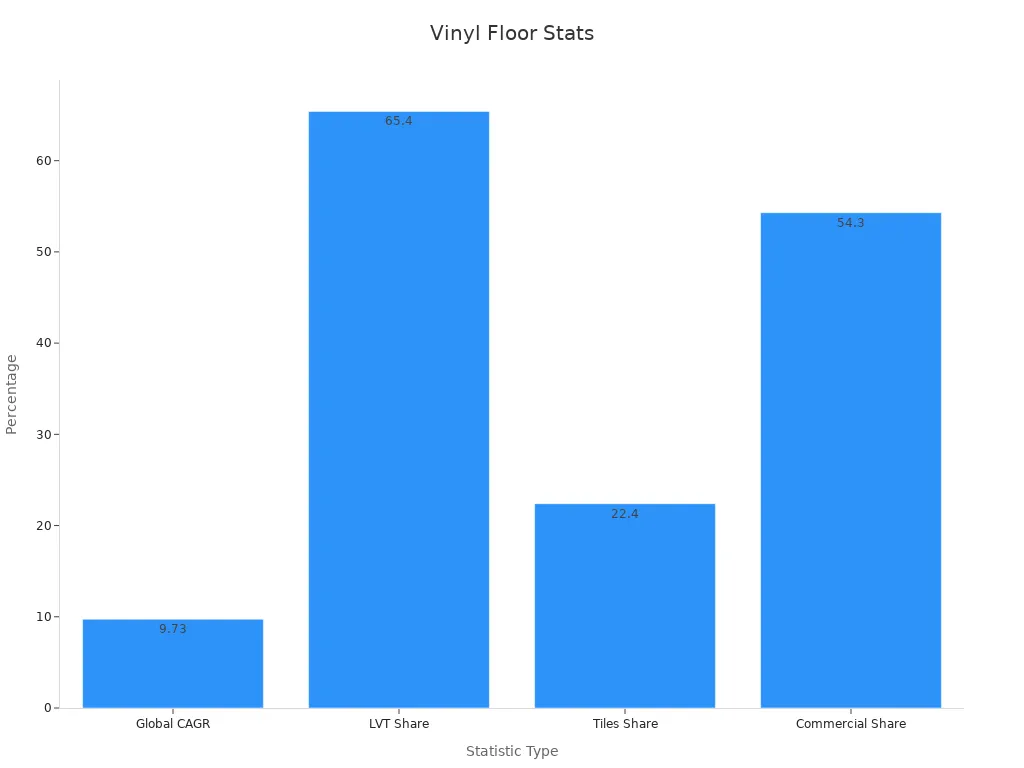
You might wonder, is vinyl and pvc the same in flooring? Many people ask, is vinyl and pvc the same when shopping for flooring. The answer is no. PVC is a type of vinyl, but not all vinyl contains only pvc. When you compare vinyl and pvc flooring, you see that manufacturers often blend other materials with pvc. Knowing if is vinyl and pvc the same helps you make better choices for your home or business. The global vinyl and pvc flooring market keeps growing. The table below shows just how popular these materials are:
| Attribute | Statistic/Value |
|---|---|
| Global Vinyl Flooring Market Size (2024) | USD 55.58 Billion |
| Forecast Market Size (2033) | USD 116.83 Billion |
| CAGR (2025-2033) | 9.73% |
| Luxury Vinyl Tile (LVT) Revenue Share (2024) | ~65.4% |
| Vinyl Tiles Market Share (2024) | 22.4% |
| Vinyl Sheets CAGR (Forecast) | 3.3% |
| Commercial Application Revenue Share (2024) | 54.3% |
Vinyl and PVC Flooring: Definitions and Relationship
What Is Vinyl in Flooring?
You see vinyl used in many types of flooring today. Vinyl flooring is a composite product. It contains several layers. The main ingredient is polyvinyl chloride resin, which gives the floor its flexibility and water resistance. Manufacturers add plasticizers and stabilizers to improve performance and durability. You find vinyl flooring in different forms, such as sheets, tiles, and planks. Each form has a unique structure. For example, luxury vinyl tile (LVT) and vinyl plank have seams, while vinyl roll comes in large sheets with fewer seams. This difference affects how you install the floor and how well it resists water.
Vinyl flooring stands out because of its layered design. The base layer often mixes vinyl and plasticizers or fiberglass. A printed film layer gives the floor its color and pattern. The wear layer, made from pure vinyl, protects the design and adds durability. A urethane coating on top adds shine and extra protection. This multi-layered structure makes vinyl flooring tough and long-lasting. You can choose from many designs, colors, and textures to match your style.
Note: Vinyl flooring products may include recycled materials. Sometimes, these can introduce harmful substances like lead or arsenic. Always check for safety certifications when you shop for vinyl and pvc flooring.
What Is PVC in Flooring?
PVC stands for polyvinyl chloride. It is a type of plastic. In flooring, pvc acts as the main chemical base. You find pvc in almost every vinyl flooring product. It gives the floor its waterproof and flexible qualities. When you see the term pvc flooring, it usually means the floor is made mostly from pvc, sometimes with very few other additives.
PVC flooring comes in several types. These include homogeneous and heterogeneous flooring, vinyl tiles, and luxury vinyl tiles. Homogeneous pvc flooring uses a single layer of pvc throughout. This makes it very durable and easy to clean. Heterogeneous types have multiple layers, often with a printed design and a wear layer. Both types use pvc as the main material.
Industry research shows that pvc flooring uses different installation methods. You can glue it down, lay it loose, or use a click system. These methods make installation flexible for many spaces. The market for pvc flooring keeps growing. It includes segments like homogeneous, heterogeneous, vinyl tiles, and luxury vinyl tiles.
| Category | Metric/Segment | Value/Share |
|---|---|---|
| PVC Flooring Market | CAGR (2025-2032) | 12.1% |
| PVC Flooring Market | Segments | Homogeneous, Heterogeneous, Vinyl Tiles (VT), Luxury Vinyl Tiles (LVT) |
PVC flooring stands out for its safety and durability. Homogeneous pvc flooring meets strict environmental standards and offers high fire resistance. It lasts longer than ordinary vinyl flooring and resists water better.
How Are Vinyl and PVC Flooring Related?
Vinyl and pvc flooring share a close relationship. You can think of pvc as the main ingredient in vinyl flooring. All vinyl flooring contains pvc, but not all pvc flooring is called vinyl. Vinyl flooring is a composite product. It uses pvc as the base, then adds other materials like plasticizers, stabilizers, and printed films. This makes vinyl flooring more versatile and decorative.
You see the connection in the way both products are made. Both use pvc to create a strong, waterproof surface. The difference comes from the extra layers and additives in vinyl flooring. These layers give you more design choices and better performance in some cases.
Scientific studies show that vinyl and pvc flooring often use plasticizers like DINP and DEHP. These chemicals make the floor flexible. Newer plasticizers like DEHT and DINCH are also used. The amount of these chemicals can range from 4% to 22% by weight. These additives help shape the feel and function of your floor.
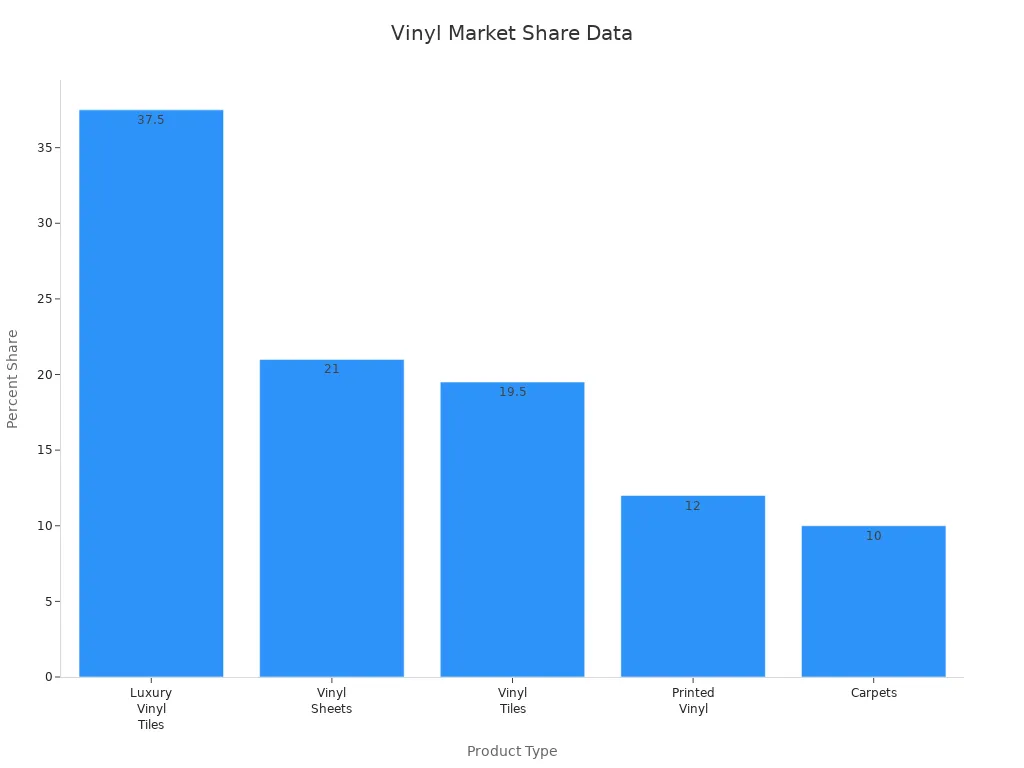
The market for vinyl and pvc flooring is huge. Vinyl flooring alone reached a market size of USD 36.63 billion in 2023. It is expected to grow to USD 67.7 billion by 2033. Luxury vinyl tiles hold a 37.5% market share. PVC flooring also grows quickly, with a CAGR of 12.1% from 2025 to 2032.
You can see that vinyl and pvc flooring both offer strong, waterproof, and durable options. The main difference is that vinyl flooring uses pvc as a base and adds more layers for design and protection. When you choose between them, you look at the structure, installation, and performance that best fit your needs.
Difference Between Vinyl and PVC Flooring
Composition and Material Structure
When you look at the difference between pvc and vinyl flooring, you notice that both use polyvinyl chloride as a main ingredient. However, the way manufacturers build these floors sets them apart. Vinyl flooring often has several layers. You get a backing layer, a core, a printed design, and a wear layer. This structure gives vinyl flooring its flexibility and design options. Luxury vinyl tile (LVT) and vinyl planks use this multi-layered approach to mimic wood or stone.
PVC flooring can be either homogeneous or heterogeneous. Homogeneous pvc flooring uses a single layer of pvc throughout. This makes it strong and easy to clean. Heterogeneous pvc flooring has multiple layers, but the main material is still pvc. You find that pvc flooring is more rigid, especially in types like SPC (stone-plastic composite) flooring. SPC uses a mix of pvc and stone powder, which creates a hard, stable core.
Tip: If you want a floor that looks like real wood or stone, vinyl flooring offers more design choices. If you need a floor for a hospital or school, homogeneous pvc flooring gives you strength and easy cleaning.
Here is a table that shows the main differences in structure:
| Type | Layers/Structure | Main Material | Flexibility | Design Options |
|---|---|---|---|---|
| Vinyl Flooring | Multi-layer (backing, core, print, wear) | PVC + additives | Flexible | High |
| Homogeneous PVC | Single-layer | PVC | Rigid | Low |
| Heterogeneous PVC | Multi-layer (all pvc) | PVC | Semi-rigid | Moderate |
| SPC (PVC) Flooring | Rigid core (pvc + stone) | PVC + stone powder | Very rigid | Moderate |
Durability and Wear Resistance
You want your flooring to last. The difference between vinyl and pvc shows up in how each type handles daily wear. Vinyl flooring, especially luxury vinyl plank, feels softer underfoot. It resists scratches and dents, but not as well as rigid pvc flooring. SPC (a type of pvc flooring) stands out for its long lifespan and high resistance to impacts and scratches.
Laboratory tests, such as those from ASTM and European standards, measure how well these floors hold up. For example, the EN 660-2 Frick-Taber test checks wear resistance by rubbing the surface with abrasive wheels. In these tests, static dissipative pvc flooring loses less material than standard vinyl flooring. This means pvc flooring, especially homogeneous types, can handle heavy foot traffic better.
You can see the difference in this table:
| Feature | SPC (PVC) Flooring | Vinyl Flooring (including LVP) |
|---|---|---|
| Lifespan | 20-25 years (up to 30 years for high-grade) | 10-20 years |
| Water Resistance | Highly waterproof | Water resistant |
| Scratch Resistance | High | Moderate |
| Durability | More rigid, resistant to impacts and scratches | Softer, more prone to dents |
- SPC flooring’s rigid core helps it last longer.
- Vinyl flooring feels softer but may dent more easily.
- Both types pass strict tests for wear, slip resistance, and chemical resistance.
Note: Building codes and standards like ASTM F1066 and EN 649 set minimum requirements for durability and wear. Always check if your flooring meets these standards before you buy.
Water Resistance and Moisture Performance
Water resistance matters, especially in kitchens, bathrooms, and basements. Both vinyl and pvc flooring offer good protection against spills and moisture. However, you will find some differences in how they perform.
Vinyl flooring resists water well because of its layered structure and pvc base. You can mop it without worry. Still, water can sometimes seep through seams if the installation is not perfect. Luxury vinyl tile and plank have tight seams, but sheet vinyl has fewer seams, which helps block water.
PVC flooring, especially SPC and homogeneous types, is highly waterproof. The rigid core in SPC flooring keeps water from soaking in. Homogeneous pvc flooring, with its single solid layer, also blocks moisture very well. This makes pvc flooring a top choice for hospitals, schools, and places where spills happen often.
- ASTM and EN standards test water resistance, slip resistance, and dimensional stability under wet conditions.
- Both vinyl and pvc flooring pass these tests, but pvc flooring often scores higher for waterproofing.
If you need a floor for a wet area, pvc flooring with a rigid or homogeneous structure gives you the best moisture protection.
Installation Methods
You have several options when you install flooring made from vinyl or pvc. The installation method you choose can affect how your floor looks and how long it lasts. Understanding the difference between pvc and vinyl flooring helps you pick the right method for your space.
Vinyl flooring often comes in planks, tiles, or sheets. Each type uses a different installation process:
- Loose Lay: You place the flooring directly on the subfloor. The weight and friction keep it in place. This method works best for small rooms or temporary spaces.
- Glue Down: You use adhesive to secure the flooring to the subfloor. This method gives you a stable surface. It works well in high-traffic areas.
- Click-Lock or Floating Floor: You snap planks or tiles together. The pieces lock in place without glue. This method makes installation quick and easy. You can often install this type over existing floors.
PVC flooring also offers several installation methods. Homogeneous pvc flooring usually needs glue-down installation. This process creates a seamless and durable surface. You often see this type in hospitals, schools, and commercial buildings. Heterogeneous pvc flooring can use glue-down or click-lock systems, depending on the product.
Here is a table to help you compare installation methods:
| Flooring Type | Installation Methods | Best For |
|---|---|---|
| Vinyl Plank/Tile | Click-lock, Glue-down, Loose lay | Homes, offices, retail spaces |
| Vinyl Sheet | Glue-down, Loose lay | Kitchens, bathrooms, basements |
| Homogeneous PVC | Glue-down | Hospitals, schools, labs |
| Heterogeneous PVC | Glue-down, Click-lock | Commercial, residential spaces |
Tip: Always check the manufacturer’s instructions before you start. Proper installation helps your flooring last longer and look better.
Maintenance and Cleaning
You want a floor that looks good and stays clean with little effort. Both vinyl and pvc flooring offer low maintenance requirements. This feature makes them popular in homes and businesses.
Vinyl flooring stands out for its easy care. You can sweep or vacuum it daily to remove dust and dirt. For deeper cleaning, use a damp mop with mild soap. Avoid harsh chemicals or abrasive tools. These can damage the wear layer and reduce the shine.
PVC flooring also has low cleaning and maintenance requirements. Homogeneous pvc flooring resists stains and moisture. You can clean it with water and a neutral cleaner. In hospitals and schools, you may need to disinfect the surface. Most pvc flooring does not need waxing or polishing.
Here are some simple steps for keeping your flooring in top shape:
- Sweep or vacuum regularly to remove grit.
- Wipe up spills right away to prevent stains.
- Use a damp mop with mild detergent for routine cleaning.
- Place mats at entrances to trap dirt and moisture.
- Avoid dragging heavy furniture across the floor.
| Task | Vinyl Flooring | PVC Flooring |
|---|---|---|
| Daily Cleaning | Sweep/Vacuum | Sweep/Vacuum |
| Wet Cleaning | Damp Mop | Damp Mop |
| Stain Removal | Mild Soap | Neutral Cleaner |
| Special Care | No Wax Needed | No Wax Needed |
Note: Both types of flooring resist water and stains. This makes them a smart choice for busy families and high-traffic areas.
You will notice the difference between vinyl and pvc in how each type handles tough messes. Homogeneous pvc flooring often stands up better to strong disinfectants. Vinyl flooring offers more design choices but may need gentler cleaning products.
If you want a floor with low maintenance requirements, both vinyl and pvc flooring deliver. You save time and effort while keeping your space clean and attractive.
Environmental Impact of Vinyl and PVC Flooring
Chemical Content and Off-Gassing
When you install new flooring, you might notice a smell. This comes from chemicals called volatile organic compounds, or VOCs. Vinyl and PVC flooring can release VOCs into the air for weeks or even months after installation. Studies show that vinyl sheet flooring gives off higher levels of VOCs, like alkane hydrocarbons, phenol, and phthalates. These chemicals can stay in the air for a long time. Vinyl plank flooring usually has much lower VOC emissions and is often odorless.
Some older types of PVC flooring used phthalate plasticizers. These chemicals are not tightly bound to the flooring, so they slowly leak into the air and dust. Research links phthalates from PVC flooring to higher risks of asthma and breathing problems, especially in children. Newer vinyl flooring products now use safer plasticizers like DOTP, which do not cause the same health problems. You can find many modern vinyl plank flooring options that are labeled as ultra-low VOC or even 0-VOC.
Tip: If you want to reduce chemical exposure, choose modern vinyl plank flooring with low or no VOCs.
Sustainability and Recycling
You may wonder how sustainable vinyl and PVC flooring are. The industry has made big steps in recycling. Over the years, the amount of PVC recycled has grown a lot. In 2004, only 18,000 tonnes were recycled. By 2020, this number jumped to 731,000 tonnes. The goal for 2030 is to reach 1,000,000 tonnes.
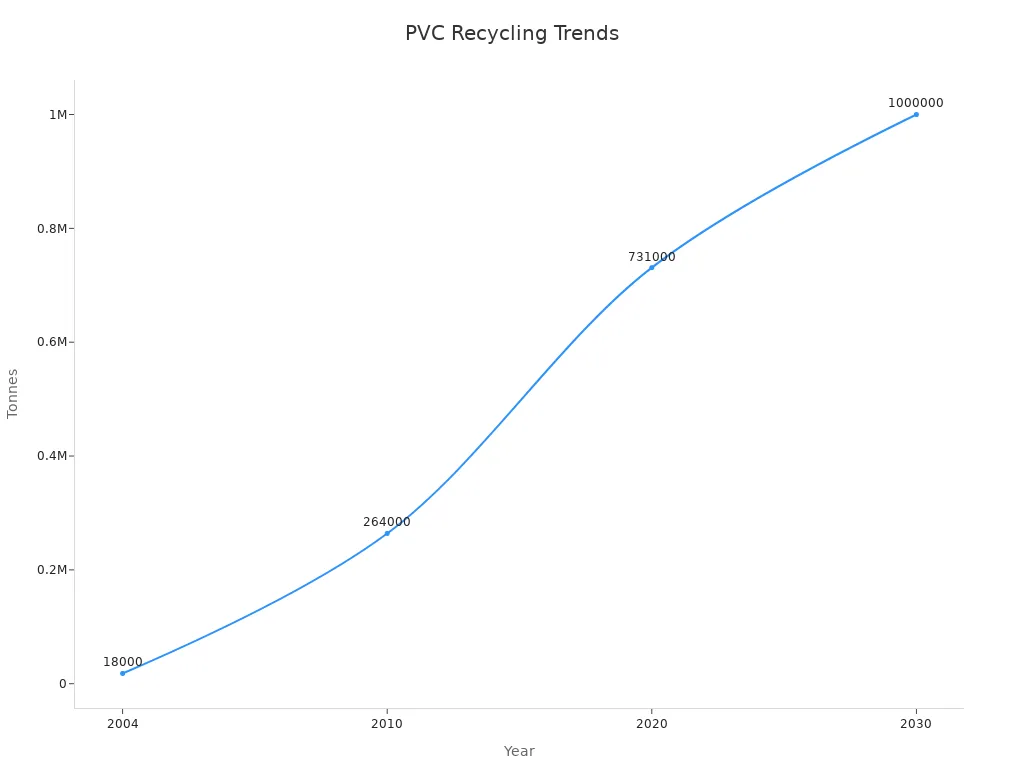
In North America, about 35% of PVC gets recycled. The vinyl industry recycled 1.3 billion pounds in 2022, with over 73 million pounds coming from post-consumer sources. Groups like the Vinyl Sustainability Council work to increase recycling rates and support new recycling projects. These efforts help keep old flooring out of landfills and support a more sustainable future.
Indoor Air Quality
The type of flooring you choose can affect the air you breathe indoors. Studies show that rooms with vinyl or PVC flooring have higher levels of certain chemicals, like butylbenzyl phthalate (BBzP), in the air. Children living in homes with this type of flooring have higher levels of BBzP in their bodies. This happens because the chemicals move from the flooring into the air and then get inhaled.
Other research shows that these chemicals can take months or even years to stop releasing from the flooring. Air flow in your home can change how quickly the chemicals leave the flooring. If you want better indoor air quality, look for flooring labeled as low-VOC or phthalate-free. Good ventilation also helps lower chemical levels in your home.
Choosing Between Vinyl and PVC Flooring
Residential vs. Commercial Flooring
When you choose flooring, you need to think about where you will use it. In homes, you often want comfort and a soft feel underfoot. PVC flooring gives you this comfort because it is flexible and cushioned. You might like this type of flooring in bedrooms, living rooms, or playrooms. It also works well in kitchens and bathrooms because it resists water.
For commercial spaces, you need flooring that can handle heavy foot traffic and last a long time. SPC flooring, which is a type of vinyl with a stone plastic composite core, gives you more strength and stability. It does not warp or buckle when temperatures change. You see this flooring in offices, schools, and stores. It also absorbs sound better, which helps in busy places.
| Feature | Commercial (SPC Vinyl) | Residential (PVC Vinyl) |
|---|---|---|
| Comfort | Moderate | High |
| Durability | Very High | Good |
| Moisture Resistance | Excellent | Good |
| Sound Absorption | High | Moderate |
| Installation | Professional | DIY-friendly |
Tip: For busy public areas, choose SPC vinyl flooring. For cozy home spaces, PVC flooring gives you comfort.
Budget and Longevity
You want flooring that fits your budget and lasts. Vinyl and PVC flooring both cost less than hardwood or stone. Many people pick these options because they save money and still get a nice look. SPC vinyl flooring costs a bit more at first, but it lasts longer and stands up to wear and tear. You might pay less for PVC flooring, but it may not last as long in high-traffic areas.
A table can help you compare:
| Aspect | SPC Vinyl Flooring | PVC Flooring |
|---|---|---|
| Upfront Cost | Moderate | Lower |
| Lifespan | 15-20+ years | 10-15 years |
| Maintenance | More frequent | Easier daily care |
Note: If you want to save money now, PVC flooring is a good choice. If you want flooring that lasts longer, SPC vinyl is worth the investment.
Aesthetic and Design Options
You can find many styles and colors in both vinyl and PVC flooring. Modern printing makes it easy to get floors that look like wood, stone, or tile. You can match your flooring to any room style. Many people like vinyl flooring because it offers more choices and realistic designs. You can pick from planks, tiles, or sheets.
PVC flooring also comes in many patterns, but it may have fewer design options than luxury vinyl. If you care about the look of your space, check the samples before you decide. Some new flooring even has smart features, like sensors, for modern homes.
- Vinyl flooring gives you more design choices.
- PVC flooring focuses on comfort and simple patterns.
- Both types offer water resistance and easy cleaning.
Remember: Always choose flooring that matches your style and meets your needs for comfort and durability.
You now know that vinyl and PVC flooring share a close link, but each type offers unique features. Vinyl flooring uses PVC as a base, then adds layers for design and strength. PVC flooring often comes as a single, durable layer. The table below highlights key differences:
| Aspect | PVC Flooring | Vinyl Flooring |
|---|---|---|
| Composition | Made from polyvinyl chloride (PVC) | Made from PVC with extra layers or coatings |
| Durability | Excellent; resists scratches and stains | Similar; depends on wear layer |
| Installation | Usually glued down | Planks or tiles; glue or float |
| Maintenance | Low; regular cleaning | Low; water-resistant |
| Environmental Impact | Chemical concerns; safer practices growing | Some recycled content; greener options |
Choose the flooring that matches your space, style, and care needs.
FAQ
What is the main difference between vinyl and PVC flooring?
Vinyl flooring uses PVC as its base but adds extra layers for design and strength. PVC flooring often has a single, solid layer. You get more design choices with vinyl. PVC flooring gives you more durability in high-traffic areas.
Can you install vinyl or PVC flooring in bathrooms?
Yes, you can install both types in bathrooms. Both resist water and moisture. Vinyl sheets have fewer seams, so they block water better. PVC flooring, especially homogeneous types, works well in wet spaces like bathrooms and laundry rooms.
Is vinyl or PVC flooring safe for children and pets?
Modern vinyl and PVC flooring use safer plasticizers and low-VOC materials. Always check for safety certifications. Look for products labeled as phthalate-free or low-VOC. These options help protect your family and pets from harmful chemicals.
How long does vinyl or PVC flooring last?
You can expect vinyl flooring to last 10 to 20 years. PVC flooring, especially SPC or homogeneous types, can last up to 25 years or more. Lifespan depends on the product quality and how well you care for the floor.
Can you recycle old vinyl or PVC flooring?
Some recycling programs accept old vinyl and PVC flooring. Check with local recycling centers or flooring manufacturers. Many companies now support take-back programs. Recycling helps reduce waste and supports a cleaner environment.




