
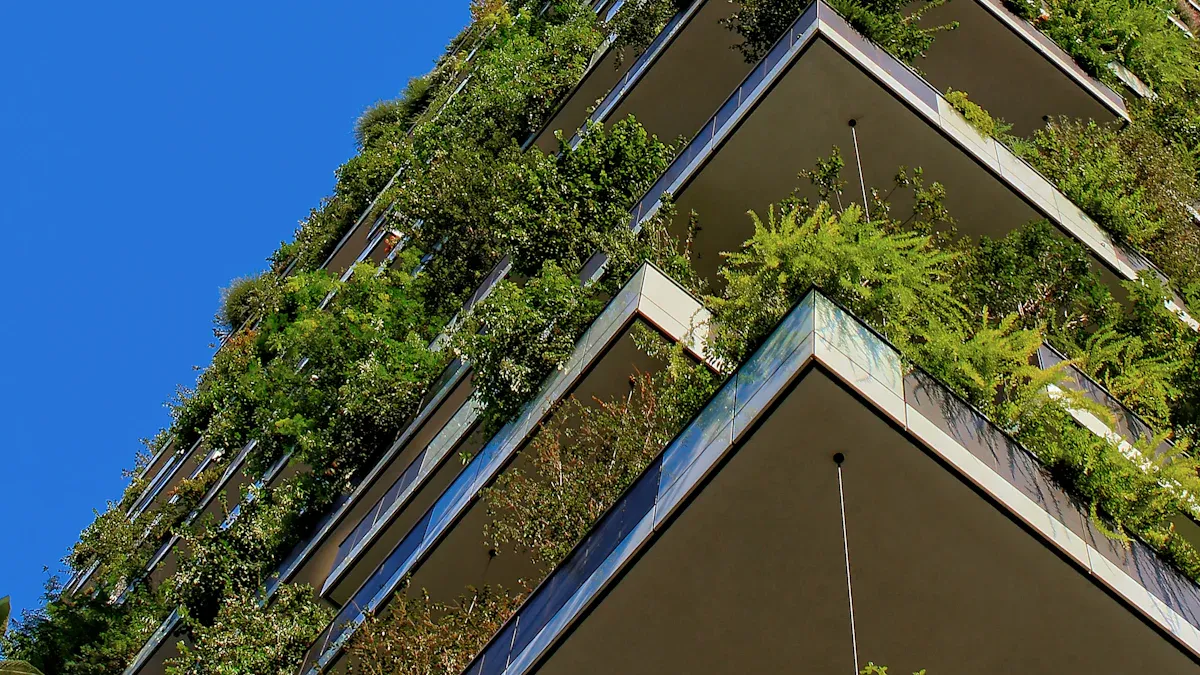
You may ask, what is wpc? A wood plastic composite is a next-generation hybrid material. This unique composite blends recycled wood fibers with durable plastics. The resulting wood plastic composite material offers you the beauty of wood and the low maintenance of plastic. The global wpc market is projected to grow over 11% annually through 2030. This growth makes wpc a smart choice for modern construction. Investing in wpc means you are choosing a forward-thinking composite solution.
What is WPC and What Makes It Sustainable?
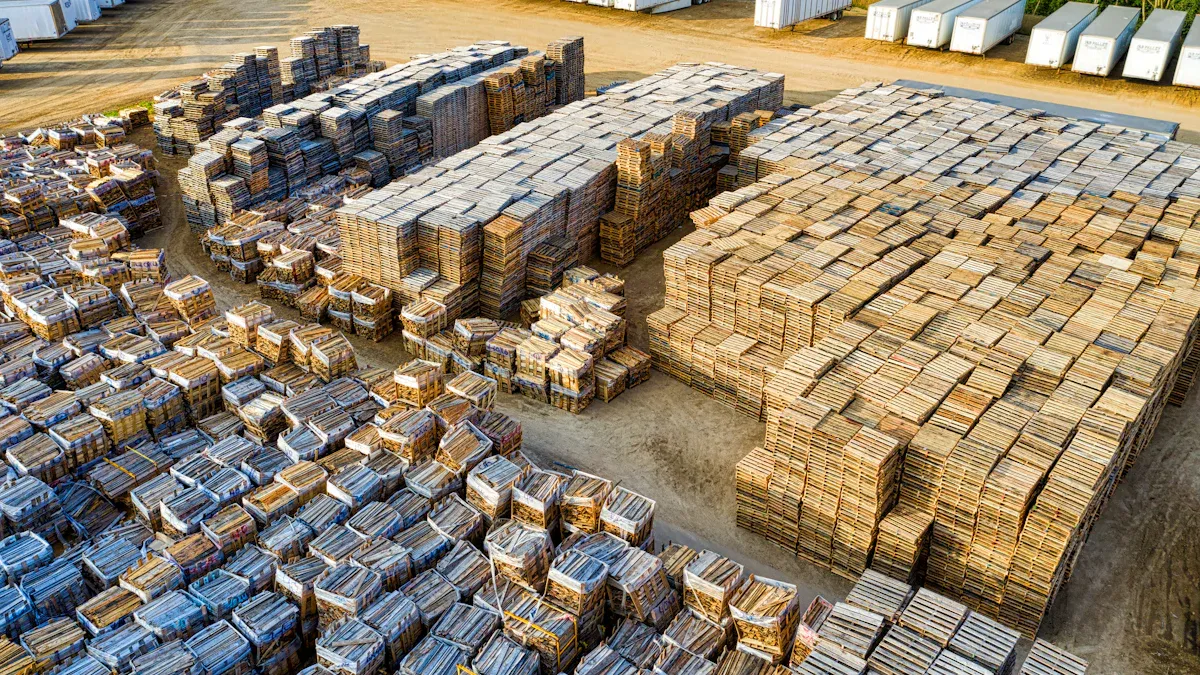
You might still wonder, what is wpc exactly? At its core, a wood plastic composite is an innovative material that blends natural elements with modern technology. This unique combination makes WPC a leading example of sustainable building materials. Its creation process and long lifespan contribute significantly to its sustainability. Let’s explore what makes wood-plastic composites a smart and environmentally friendly choice for your projects.
The Composition of Wood Plastic Composites
Manufacturers create a wood plastic composite material by mixing fine wood particles with recycled plastics. The wood content in wood plastic composites typically ranges from 40% to 70%. This high percentage of wood fiber gives the composite its natural look and feel. The plastic component acts as a binder and a protective shield. This process creates a dense, strong, and durable composite.
The plastics used are often sourced from post-consumer or post-industrial waste. This gives new life to materials that would otherwise end up in a landfill. Common recycled plastics you will find in WPC include:
- High-density polyethylene (HDPE)
- Low-density polyethylene (LDPE)
- Polyvinyl chloride (PVC)
- Polypropylene (PP)
This blend results in a powerful wood plastic composite material that performs better than its individual components.
Reducing Deforestation and Plastic Waste
Choosing WPC helps protect our planet’s resources. The production of wood plastic composites utilizes recycled wood, such as sawdust and wood chips from lumber mills. This reduces the demand for harvesting new trees. You directly help decrease deforestation when you select WPC products.
Additionally, the WPC industry plays a huge role in waste management. It diverts approximately 2.1 million metric tons of plastic and wood waste from landfills every year. By using recycled plastics, the WPC manufacturing process helps clean up our environment. This makes any wood plastic composite a truly sustainable choice. The answer to “what is wpc” is simple: it is a solution to waste.
The Value of a Longer Lifecycle
One of the greatest benefits of WPC is its impressive longevity. Unlike traditional wood, this composite resists rot, decay, and insect damage. This durability means your WPC deck or fence will last much longer. You will spend less time and money on repairs and replacements. This extended service life is a key part of its sustainability.
The longer a product lasts, the less frequently you need to replace it. This reduces the consumption of raw materials and the energy used in manufacturing over time. Wood-plastic composites offer a clear advantage here.
| Decking Type | Average Lifespan |
|---|---|
| Pressure-Treated Wood | 10-15 years |
| WPC | 20-30+ years |
When a WPC product finally reaches the end of its life, you still have responsible options. Many wood plastic composites can be recycled. Through mechanical recycling, the material is shredded and reformed into new products. This circular approach minimizes waste and makes WPC an even more responsible option for the future. So, what is wpc? It is a material designed for a long and useful life.
The Key Advantages of Choosing WPC
When you choose a material for your project, you want something that performs well, looks great, and provides long-term value. Wood plastic composites deliver on all these fronts. The advantages of wood plastic composites make them a superior choice for many applications. You will find that WPC offers an ideal blend of strength, convenience, and style for modern living.
Superior Durability and Resilience
The core strength of WPC lies in its exceptional durability. This material is engineered to withstand the elements far better than traditional wood. Its unique composition provides excellent water and moisture resistance, preventing the rot, decay, and warping that often plague wood structures. This impressive durability and performance is not just a claim; it is backed by industry testing.
- Manufacturers test WPC for fungal decay using the laboratory soil-block method, a standard from the American Society for Testing and Materials (ASTM).
- This test measures weight loss to confirm the material’s resistance to rot, ensuring you get a long-lasting solution.
Beyond moisture, WPC also stands up to the sun. Modern capped composite products feature a protective polymer layer with built-in UV inhibitors. This technology gives the material outstanding UV stability.
- Premium capped WPC can endure hundreds of hours of direct UV testing with minimal color change.
- This fade resistance is often backed by warranties ranging from 25 to 50 years, protecting your investment.
- The co-extrusion technology ensures your WPC boards will not deform even under intense sunlight.
Low Maintenance for Modern Living
Your time is valuable. WPC respects that by requiring very little maintenance. Unlike wood, you will never need to spend your weekends staining, sealing, or painting your WPC deck or fence. This composite material is designed for a life of ease, freeing you from costly and time-consuming annual upkeep. The difference in maintenance is significant.
| Decking Type | Maintenance Tasks | Annual Time Commitment |
|---|---|---|
| Wood Deck | Staining, sealing, pressure washing, repairs | 30-40 hours |
| WPC Deck | Semi-annual cleaning | Negligible |
This low-maintenance quality translates directly into cost savings. While wood requires continuous investment in treatments and repairs, WPC only needs simple cleaning. This makes WPC a more economical choice over the product’s lifespan.
Pro Tip: How to Clean Your WPC Surface 🧼 Keeping your WPC looking new is simple. You should avoid harsh chemicals like bleach or ammonia, which can damage the protective surface. For routine cleaning, you can use:
- A cleaner designed for vinyl or laminate floors that has a balanced pH.
- A simple mix of mild dish soap and warm water for sticky spots.
- A DIY solution of 1 gallon of warm water, a few drops of mild dish soap, and an optional 1/4 cup of white vinegar.
Unmatched Design Versatility
WPC gives you the freedom to bring your creative vision to life. Its remarkable versatility allows it to mimic the classic beauty of wood while offering a much broader range of design possibilities. You are not limited to just one or two looks. Wood plastic composites come in an extensive palette of colors and textures.
- Popular Colors: You can choose from rich, earthy tones like Teak, Walnut, and Mahogany or modern neutrals like Charcoal Gray, Light Gray, and Beige.
- Varied Textures: Options include realistic 3D embossed woodgrain, sleek smooth finishes, and unique patented patterns that add character to any project.
The design versatility of WPC extends beyond surface aesthetics. This innovative material can be shaped and customized for unique architectural elements. Manufacturers can use heat-forming techniques to bend WPC foam boards, creating beautiful curves for walls, benches, and other structures. This allows you to design with arches and flowing lines, something difficult and costly to achieve with traditional materials. This flexibility makes WPC an ideal choice for both standard and custom-built projects.
Enhanced Safety and Comfort
Your family’s safety is a top priority for any home project. WPC provides peace of mind in ways traditional wood cannot. The material’s unique construction creates a safer and more comfortable environment for everyone, including children and pets. You can relax and enjoy your space without common worries.
One of the biggest safety advantages is the splinter-free surface. Wood decks can crack and splinter over time, creating a hazard for bare feet. WPC eliminates this risk entirely. Its composite nature ensures a smooth, consistent surface that remains safe year after year. This makes it an ideal choice for pool surrounds and family patios.
Beyond being splinter-free, wpc offers other important safety features:
- Slip Resistance: Many boards are designed with deep embossing or textured finishes. This provides excellent grip and reduces the risk of slipping, even when the surface is wet.
- No Harmful Chemicals: Unlike pressure-treated wood, WPC does not require chemical treatments to resist rot and insects. You create a healthier space for your family.
- Hidden Fasteners: Most WPC decking systems use hidden clips for installation. This creates a clean, screw-free surface and removes potential tripping hazards.
Comfort is another key consideration, especially regarding surface temperature. WPC’s blend of wood fibers and plastic helps it manage heat. The wood fibers assist in dissipating heat more effectively than a pure plastic material. However, you should know that all decking materials get warm in the sun. Dark-colored composites, in particular, can become very hot.
A Note on Heat ☀️ The color of your decking has a big impact on its temperature. Lighter colors reflect more sunlight and stay cooler than darker shades. If your deck receives intense, direct sunlight, choosing a lighter-colored WPC product will create a more comfortable surface.
To give you a clear idea, tests show how hot dark-colored WPC can get on a sunny day.
| Material/Condition | Surface Temperature Range |
|---|---|
| Dark-colored WPC (35℃ ambient, direct sunlight) | 55-75℃ |
This data helps you make an informed decision. You can choose the right color and product for your specific climate and enjoy a safer, more comfortable outdoor living area.
Wood-Plastic Composites vs. Traditional Materials
Choosing the right material is a big decision for your project. You need to compare WPC with other common options like wood and plastic. Understanding these differences helps you see why wood-plastic composites are often the superior choice for durability and long-term value.
WPC vs. Natural Wood
Natural wood offers classic beauty, but it demands significant upkeep. WPC gives you a similar look without the constant work. A wood plastic composite resists rot, insects, and moisture far better than most woods. This means you will not spend your weekends staining or sealing your deck. While the initial production of WPC can use more energy, its long life and use of recycled content present a different environmental picture.
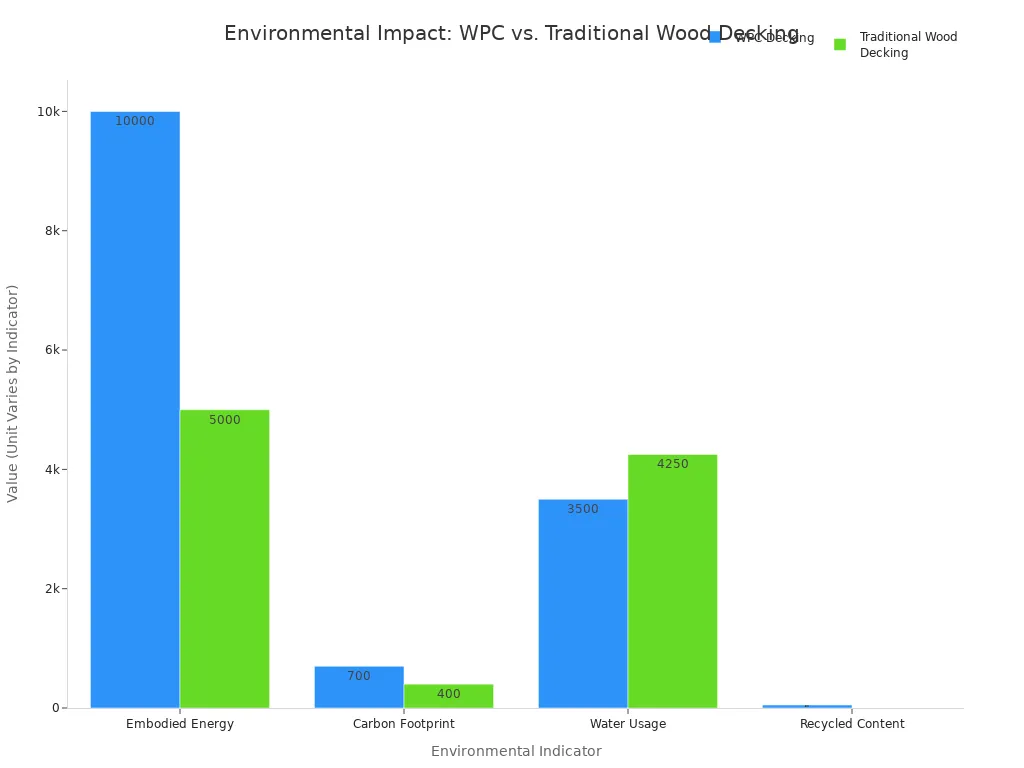
When you compare WPC to a high-end hardwood like Ipe, you see clear trade-offs.
| Feature | WPC (Wood-Plastic Composite) | Ipe (Tropical Hardwood) |
|---|---|---|
| Initial Cost | Less expensive | Higher starting price |
| Installation | Easier, lower labor costs | Requires special tools |
| Maintenance | Periodic cleaning only | Regular oiling needed |
| Longevity | 25-30 years | 40+ years with care |
WPC vs. PVC and Pure Plastics
You might think WPC is just another plastic, but it is quite different. The wood fibers in wood-plastic composites give the material a sturdier, more substantial feel. This composite is also less prone to the squeaks and groans you might get from pure plastic decking. The wood content in the wood plastic composite material helps it manage heat better than many all-plastic boards.
Furthermore, the WPC industry is a leader in recycling. Manufacturers like AZEK divert hundreds of millions of pounds of waste from landfills each year. They use post-consumer plastics and reclaimed wood fibers to create a new, durable composite. This makes WPC a responsible choice for reducing waste.
Long-Term Value and Cost Analysis
Your initial investment is only part of the total cost. While WPC decking may cost more upfront than traditional wood, you save money over time. You avoid the annual costs of stains, sealers, and repairs. A study found that over 25 years, a wood deck could require 2.1 times more material than a WPC deck due to replacement needs.
Smart Investment 📈 Choosing WPC is an investment in your property. A low-maintenance, long-lasting deck is very attractive to future homebuyers. A quality composite deck can help you recoup a significant portion of its cost when you sell your home. This makes WPC a financially smart decision for the long run.
Beyond the Deck: The Versatile Applications of WPC
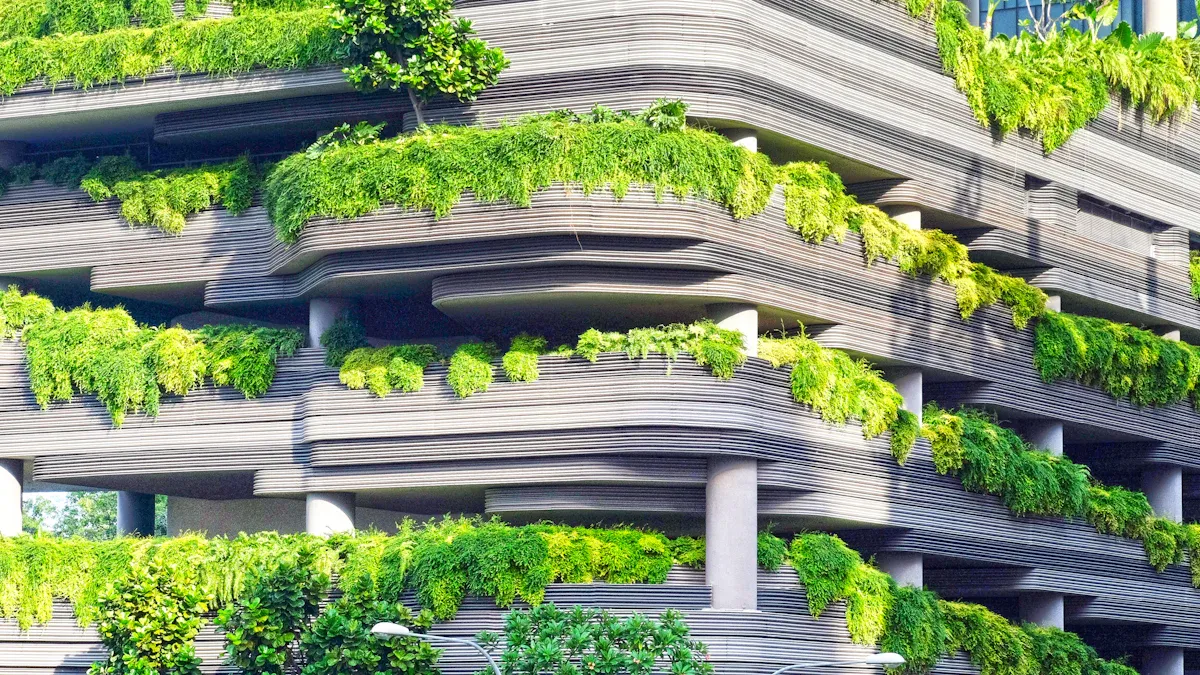
While wpc decking is a popular choice, the versatility of this material extends far beyond your backyard decking. The applications of wpc are growing as designers and builders discover its benefits. You can find this durable composite in a wide variety of applications, from large commercial buildings to stylish home furnishings.
Outdoor Structures and Cladding
You can use WPC for more than just decking and outdoor structures. It is an excellent material for privacy fencing, railings, and pergolas. Its weather resistance makes it ideal for building facades and cladding. This protects buildings from rain and humidity while providing a beautiful, low-maintenance finish. You can see its success in large-scale projects.
- A luxury resort in Southeast Asia used WPC wall panels for its exterior. This gave the building a warm, natural look without the maintenance issues of real wood.
- An urban office complex used the same panels for its exterior design. The material proved resilient against heavy rainfall, saving the company money on repairs.
These examples show how WPC is a reliable choice for fencing and large-scale applications.
Architectural and Building Elements
The applications of wpc also include key architectural components. You can find WPC used for window frames and door profiles. These frames resist moisture and warping, giving them a longer lifespan than traditional wood. They can be installed just like wooden frames and even painted to match your home’s style.
Modern WPC beams also offer structural integrity for certain projects. This composite material can support significant loads when engineered correctly.
Important Note for Structural Use 🏗️ WPC beams come in different strengths, from solid beams for high loads to trellis beams for decorative use. You should always consult a structural engineer to ensure the product meets local building codes for your specific project.
Indoor and Outdoor Furnishings
The same durability that makes wpc decking great also makes it perfect for furniture. You can find sleek outdoor dining sets, comfy loungers, and versatile benches made from this material. The versatility of WPC allows for innovative designs you will not find with other materials. Imagine public benches with modular, rearrangeable seating. Some new designs even include solar-powered rotating seats, so you always have a dry spot after it rains. This shows how WPC is shaping the future of both indoor and outdoor living spaces, moving far beyond simple decking.
Industrial and Marine Applications
The applications of wpc go far beyond your home. You will find this robust material performing in some of the most demanding industrial and marine environments. Its unique properties make it a top choice for projects that face heavy use and harsh weather. These commercial applications truly test the limits of a material’s strength and longevity.
In coastal areas, you can see WPC used for boardwalks, piers, and marinas. The material is engineered to handle the challenges of a marine setting.
- It resists corrosion from saltwater and moisture.
- It provides a slip-resistant surface, which improves safety in wet conditions.
- It does not splinter, crack, or fade, even with constant exposure to UV rays.
This durability makes WPC decking an ideal, low-maintenance solution for high-traffic public spaces. You get a long-lasting outdoor structure without the need for constant painting or sealing.
The industrial applications are just as impressive. You can find this composite decking in parks, resorts, and other pedestrian walkways. These areas need a material that can endure heavy foot traffic and extreme temperatures. The strength of the composite ensures it will not stain or scratch easily. This makes it a reliable choice for any large-scale outdoor project. Choosing this material for these applications shows a commitment to both performance and sustainability.
A Balanced View: Understanding WPC’s Limitations
While WPC is an excellent material, you should understand its limitations before starting your project. Knowing these details helps you plan correctly and ensures a successful outcome. A balanced view will help you make the best choice for your needs.
Higher Initial Investment
You will notice that WPC has a higher upfront cost than some traditional woods. The initial price for materials can be a significant factor in your budget. This composite material is a long-term investment, but the first bill is larger.
| Decking Material | Cost per Square Foot (Materials Only) |
|---|---|
| Cedar Wood | $4 to $9 |
| Redwood | $4 to $6 |
| Composite (WPC) | $15 to $36 |
However, you may be able to lower this cost. You can look for financial incentives that support sustainable building.
- Some commercial projects using WPC may qualify for LEED-related tax credits.
- Government initiatives sometimes promote eco-friendly products like wood plastic composites.
- Certain suppliers offer project financing options for large purchases.
Managing Thermal Expansion
All outdoor materials react to temperature changes. WPC boards will expand in the heat and shrink in the cold. This movement is called thermal expansion. Installers must account for this to prevent your deck from buckling or warping. The key is to leave small, specific gaps between the boards during installation. These gaps give the composite material room to move without causing damage. Following the manufacturer’s guidelines is essential for a long-lasting, stable surface.
Considerations for Weight and Structure
You should know that WPC decking is often heavier than wood. A typical board can weigh between two and three pounds per linear foot. This extra weight requires a strong and properly built support structure. You cannot place WPC boards on an old or weak frame.
Structural Support is Key 🏗️ Your deck’s foundation must be built to handle the weight of the WPC. This means using strong, treated joists for the substructure. You must also ensure proper spacing between joists. For any complex or second-story deck, you should always consult a structural engineer to ensure your plan meets local building codes.
You now see that a wood plastic composite is a durable, versatile composite. This wood plastic composite material represents a smart investment for modern construction. You should consider wpc for your next project. It is a leading sustainable choice among eco-conscious building materials. So, what is wpc? It is a forward-thinking wpc composite solution for your future.
FAQ
Is WPC completely waterproof?
A wood plastic composite is highly water-resistant, not fully waterproof. It resists moisture, rot, and decay very well. You should still ensure proper drainage for your deck or structure. This prevents water from pooling on the surface for long periods.
Can you paint or stain WPC?
You generally should not paint or stain a wood plastic composite. The material comes with a factory-applied color and protective layer. Painting can void your warranty and often does not adhere well to the surface, leading to peeling and chipping over time.
How eco-friendly is WPC compared to wood?
WPC offers unique environmental benefits. The wood plastic composite material uses recycled wood fibers and plastics. This process reduces landfill waste and the need to harvest new trees. You choose a product that gives new life to old materials.
Do wood plastic composites get hot in the sun? ☀️
Yes, all decking materials get warm in direct sunlight. Darker colors absorb more heat and will feel hotter than lighter shades. If your deck gets a lot of sun, you should choose a lighter-colored WPC product for a more comfortable surface.




