
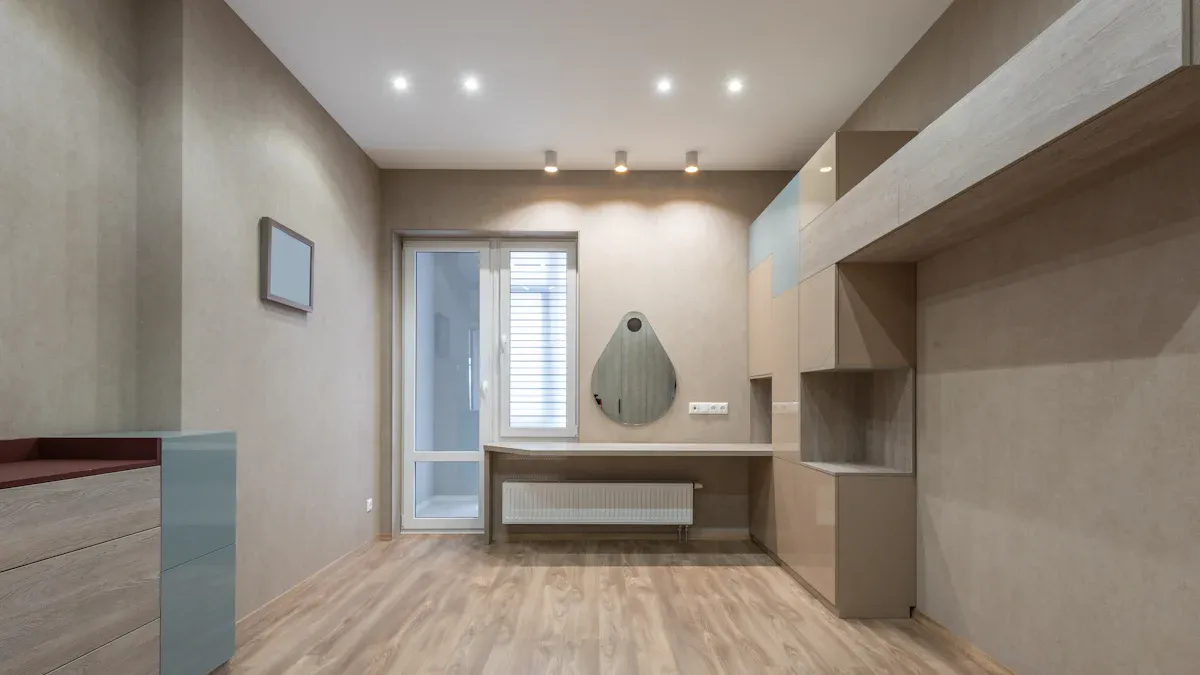
You may ask, what is wpc flooring? This popular wood plastic composite flooring is a type of luxury vinyl known for its 100% waterproof core. The market for wpc flooring is expected to grow by 8.1% annually, showing its rising demand. Many homeowners see its value; 31% choose waterproof materials for bathroom remodels. This wpc vinyl flooring excels in wet areas like kitchens and bathrooms. However, you should know its main drawback. The surface of wpc vinyl flooring is relatively soft, making it more likely to dent under heavy furniture than other hard floors.
The Pros of WPC Vinyl Flooring
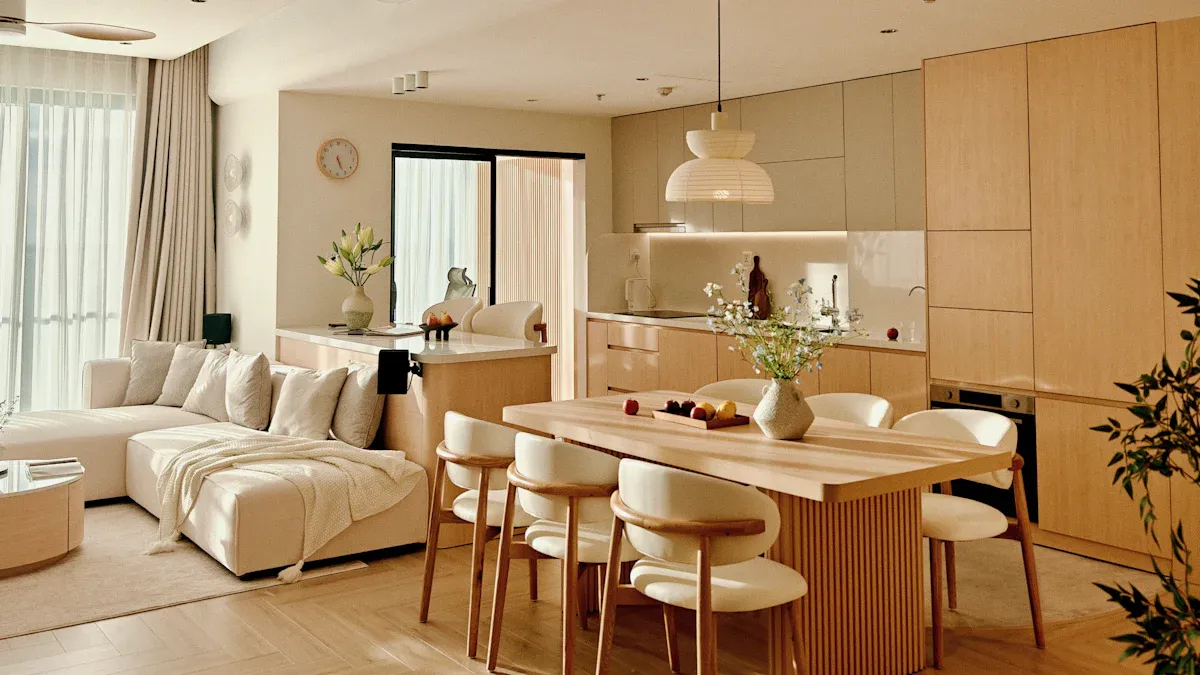
When you explore flooring options, you will find that wpc vinyl flooring offers several powerful advantages. These benefits make it a top contender for many rooms in your home. Let’s look at the key pros that set this material apart.
100% Waterproof Core
The most significant benefit of wpc flooring is its completely waterproof nature. Unlike hardwood or laminate, you never have to worry about spills, splashes, or moisture damaging the planks. This makes wpc vinyl flooring a perfect solution for areas prone to wetness, such as bathrooms, kitchens, and basements. The secret lies in its unique construction.
- Core Composition: The core is a hybrid of wood fibers and plastic polymers. This blend creates a dense, stable plank that is impervious to water.
- Wear Layer: A tough, transparent wear layer, often 20 mils thick, sits on top. It protects the floor from scratches and seals it from moisture.
- Advanced Technology: Many products feature special hydroperformance technology, ensuring the planks will not swell, buckle, or warp when exposed to water.
Note: The promise of a 100% waterproof floor means you get peace of mind. Accidental spills from pets or kids will not ruin your investment in wpc vinyl flooring. This 100% waterproof quality is its defining feature.
Superior Comfort Underfoot
You will immediately notice the difference when you walk on wpc flooring. It provides a level of underfoot comfort that harder surfaces like ceramic tile or stone cannot match. The core of wpc vinyl flooring contains wood flour and foaming agents, which give it a slight flex. This resilience helps absorb shock and reduces strain on your feet and joints.
This quality is especially valuable in rooms where you stand for long periods, like the kitchen. The added underfoot comfort makes daily chores less taxing. Some wpc flooring products even include an attached underlayment made of cork or foam. This extra layer further enhances the soft feel and contributes to a warmer floor, providing excellent underfoot comfort. The combination of the flexible core and backing creates a remarkable blend of stability and cushion, giving you superior underfoot comfort.
Excellent Sound Insulation
A quiet home is a peaceful home. WPC flooring contributes significantly to a quieter indoor environment due to its excellent acoustic performance. The same core composition that provides comfort also helps to dampen sound. It absorbs the noise from footsteps, dropped objects, and general household activity, preventing sound from traveling between floors.
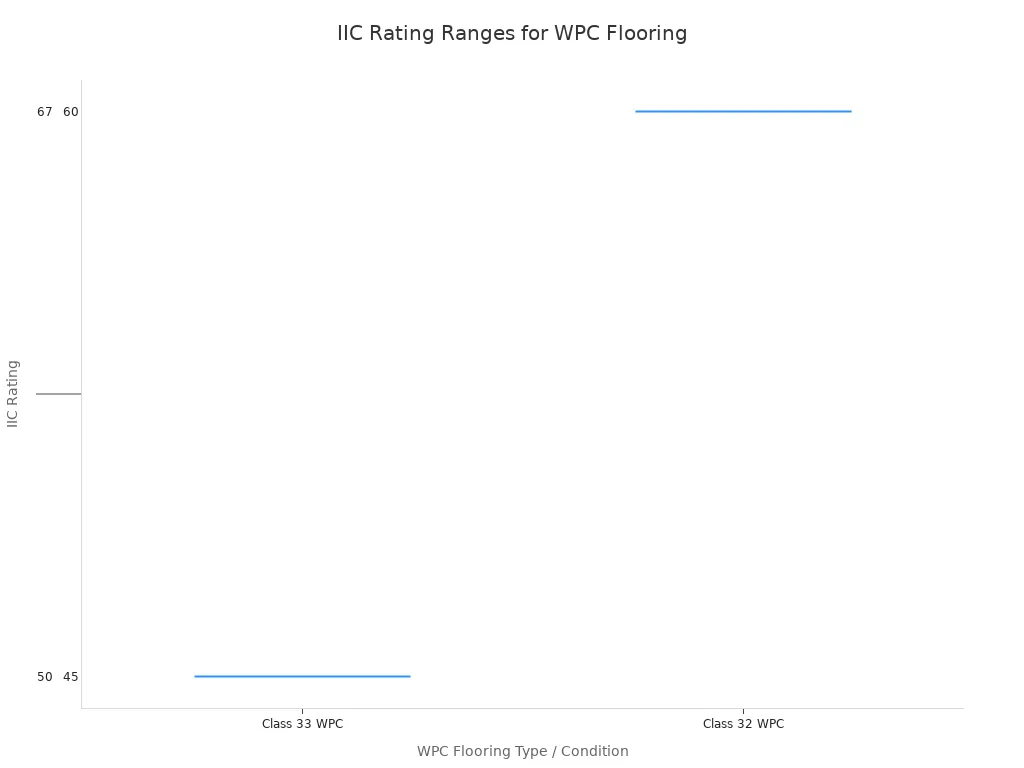
This is measured by an Impact Insulation Class (IIC) rating. A higher IIC rating means better sound insulation. WPC flooring generally has a strong acoustic performance, with IIC ratings often falling in the 50-67 range.
| WPC Type / Condition | Typical IIC Rating |
|---|---|
| Class 33 WPC | 50–67 |
| Class 32 WPC | 45–60 |
| Cork-backed WPC on concrete | 50–67 |
An IIC rating above 50 is considered good for residential buildings. It significantly reduces impact noise, making your space more serene.
While carpet and cork are also known for sound absorption, the great acoustic performance of wpc vinyl flooring provides a hard-surface look without the associated noise. This makes it a fantastic choice for second-story rooms, apartments, and condos.
DIY-Friendly Installation
You can save money on professional labor because wpc flooring is designed for do-it-yourself projects. The primary feature that makes this possible is its modern click-lock installation system. This process is straightforward and much cleaner than traditional flooring methods.
The planks of wpc vinyl flooring are engineered with uniform density and precise dimensions. This precision is key to the locking mechanism.
- The planks are designed to snap together securely along the edges.
- You do not need messy glue, nails, or complex tools.
- This simplicity allows you to install a new floor quickly, often over a single weekend.
If the core lacked this precision, the locking system would fail, leading to gaps and a difficult installation. A successful wpc flooring installation depends on these high manufacturing standards.
Pro Tip: While you do not need a professional’s full toolkit, having a few basic tools will make your project much smoother. You will get better results with the right equipment.
Here are the essential tools you will need:
- Utility Knife: For making clean cuts on planks.
- Tapping Block: To gently tap planks together for a tight lock.
- Pull Bar: Helps connect the last plank in a row.
- Measuring Tape: For accurate room and plank measurements.
- Chalk Line: To ensure your first row is perfectly straight.
With these tools and a little patience, you can achieve a professional-looking finish with your new wpc vinyl flooring.
Hides Subfloor Imperfections
Another major advantage of wpc flooring is its ability to hide minor subfloor imperfections. The rigid core construction makes this material more forgiving than traditional vinyl, which can telegraph every bump and dip underneath. This quality can save you significant time and money on subfloor preparation.
The rigid core of wpc vinyl flooring helps it bridge small cracks or divots in your subfloor. This means you might not need to do extensive leveling work before you begin. Many wpc flooring products also come with an attached underlayment. This pliable layer further helps conceal minor issues, like small cracks in a concrete slab. This makes wpc vinyl flooring an excellent choice for basements or older homes where the subfloor may not be perfect.
However, “minor imperfections” has its limits. You still need a relatively flat surface for the locking system to work correctly.
For wpc vinyl flooring, your subfloor must be flat within a tolerance of 1/8 inch (3 mm) across a 4-foot (1.22 m) span.
You must address any deviations greater than this. You can sand down high spots or use a floor leveling compound to fill in low spots. A flat subfloor ensures the planks lock together properly and prevents future problems.
The Cons of WPC Flooring
While wpc flooring offers many impressive benefits, you should also consider its drawbacks before making a final decision. Understanding these potential issues will help you determine if it is the right choice for your home and lifestyle. Every flooring material has trade-offs, and this one is no exception.
Susceptible to Dents
The same core that provides superior comfort underfoot also creates one of the main disadvantages of wpc flooring. The foamed plastic and wood composite material is softer than other hard surfaces like SPC vinyl or ceramic tile. This softness makes the floor more prone to dents from heavy objects.
You need to be careful with heavy furniture. Dropping a heavy pot in the kitchen or dragging a solid wood bookcase across the room can leave a permanent indentation. The top wear layer protects against scratches, but it cannot prevent the core from compressing under significant impact or static load.
Tip: You can easily protect your floors. Use felt pads under the legs of all your furniture, especially heavy items like sofas, tables, and entertainment centers. This simple step helps distribute the weight and significantly reduces the risk of dents.
Higher Price Point
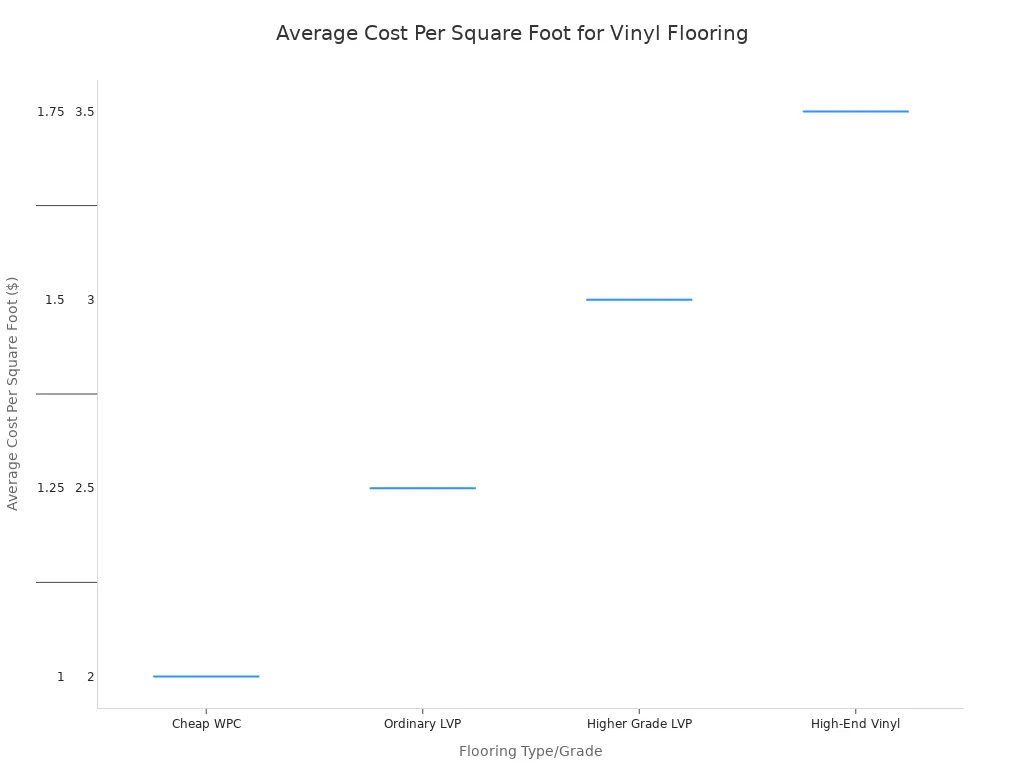
You will find that wpc vinyl flooring often comes with a higher price tag compared to other popular flooring options. The advanced manufacturing process and the quality of materials used contribute to this increased cost. While it offers excellent value in terms of performance, the initial investment is something you need to budget for.
Here is a look at how its cost compares to other types of vinyl flooring:
| Flooring Type | Average Cost Per Square Foot |
|---|---|
| WPC Flooring | $6.30 to $8.00 |
| Traditional LVT | $2.00 to $7.00 |
| SPC Flooring | $3.50 to $6.00 |
Several factors influence the final price of wpc flooring. When you shop, you are paying for specific features that enhance quality and appearance.
- Material Quality: The ratio of wood to plastic and the use of virgin plastic versus recycled plastic affect the price.
- Board Construction: Solid boards are denser and more durable, making them more expensive than lighter, hollow-core boards.
- Protective Layer: Capped planks include an extra protective shell that resists stains and fading, adding to the cost.
- Design and Texture: Thicker planks, realistic wood grain textures, and custom colors require more material and advanced production, which increases the price.
Can Fade in Direct Sunlight
Like many other types of flooring, wpc vinyl flooring can be susceptible to fading over time if it is exposed to intense, direct sunlight. The ultraviolet (UV) rays from the sun can slowly break down the color pigments in the floor’s design layer, causing it to lose its vibrancy. This is a particular concern for rooms with large, south-facing windows or glass doors.
Modern wpc flooring products include a UV-protective coating to combat this issue. This transparent top layer acts as a shield, blocking a significant amount of harmful UV rays. This coating helps preserve the floor’s color and enhances its overall durability.
However, this protection has its limits. Constant, harsh sunlight day after day can still lead to noticeable fading over several years. You may see a difference between areas exposed to the sun and areas covered by rugs or furniture.
Pro Tip: You can protect your investment from sun damage. Use curtains, blinds, or UV-blocking film on your windows to limit the amount of direct sunlight hitting your wpc flooring, especially during peak daylight hours. ☀️
Not as Eco-Friendly as Natural Wood
When you consider flooring, you might think the “wood” in wpc flooring makes it a green choice. However, its environmental footprint is more complicated than natural wood’s. While it has some eco-friendly features, you should understand the full lifecycle of the product. The production and disposal of wpc flooring present several environmental challenges.
The journey of wpc flooring from factory to floor has impacts at every stage.
- Material Sourcing: The process begins with getting the raw materials. Wood biomass extraction can harm wildlife habitats. A key plastic component, PVC, is a source of toxic chemicals. These substances can be harmful and do not break down easily in nature.
- Manufacturing Process: Factories use a lot of electricity to make the planks. This energy often comes from fossil fuels. Burning fossil fuels contributes to air pollution and global warming.
- End-of-Life Disposal: When you dispose of old wpc flooring, it is often incinerated. Burning the material can create toxic ash. This residue can contaminate soil and groundwater if not handled properly.
A Look to the Future: ♻️ The industry is working on improvements. Researchers are exploring bio-based plastics to replace PVC. They also aim to improve energy efficiency and increase the use of renewable electricity. Better recycling programs could prevent incineration and create a more circular economy for these materials.
On the other hand, you will find that many manufacturers are making wpc flooring a more responsible option. Its construction often includes recycled content, which is a major environmental benefit.
Many products feature an “Eco-Conscious Construction.” This means they use recycled wood fibers and plastic debris in their composite core. Some brands even market their decking as “100% Recycled.” This practice reduces the need for new raw materials. It also diverts waste from landfills. This makes it a contender among sustainable building materials. Choosing a sustainable product is an important consideration for many homeowners.
What is WPC Flooring and How Does It Compare?
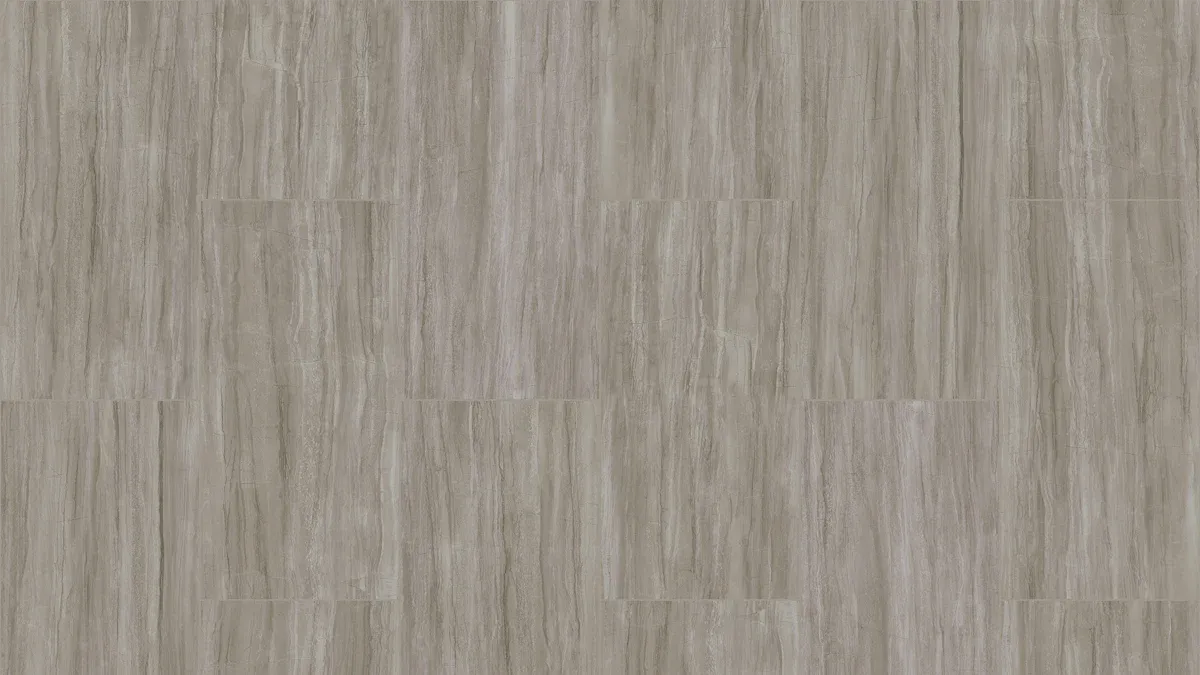
You may still wonder, what is wpc flooring and how does it stack up against other options? Understanding these comparisons helps you choose the best material for your home. This wood plastic composite flooring has unique features that set it apart.
WPC vs. SPC Flooring
When you look at vinyl plank, you will often see WPC and SPC side-by-side. The main difference is in their core. WPC flooring has a core made from wood plastic composite and foaming agents. This makes it softer and more comfortable underfoot. SPC (Stone Plastic Composite) flooring has a core made mostly of limestone. This makes it much denser and more rigid.
| Feature | WPC (Wood Plastic Composite) | SPC (Stone Plastic Composite) |
|---|---|---|
| Core | Softer, foamed core with wood-like materials | Rigid, dense core with limestone |
| Feel | More comfortable and cushioned | Harder and more durable |
| Durability | Softer, can dent more easily | Highly resistant to dents |
| Price | $4–$12 per sq. ft. | $2–$7 per sq. ft. |
If you prioritize comfort, wpc vinyl flooring is a great choice. If your main concern is durability against heavy furniture, SPC might be better.
WPC vs. Laminate Flooring
The biggest difference between wpc flooring and laminate is water. WPC flooring is 100% waterproof. Laminate flooring has a core that acts like a sponge and can swell with moisture. This makes wpc vinyl flooring a superior choice for bathrooms and kitchens.
One retailer said, “You can swab the deck with WPC which is nice. You don’t have to stress over the water aspect, so perhaps that gives a slight edge to WPC in terms of maintenance.”
This waterproof quality is a key reason people ask what is wpc flooring. You get the look of wood without the worry of water damage.
WPC vs. Traditional Hardwood
You might consider wpc flooring as a real lumber alternative. Traditional hardwood adds higher resale value to a home. However, the maintenance for hardwood is significant. You must sand, seal, and protect it from moisture and pests. The wood plastic composite requires very little upkeep. You just need to sweep and occasionally mop your wpc vinyl flooring. For many homeowners, the easy maintenance of wood plastic composite makes it a more practical choice than real wood. If you want to know what is wpc flooring, think of it as a durable, low-maintenance option with a beautiful wood look.
You should choose wpc flooring if you prioritize excellent waterproof performance, comfort, and quietness. Its 100% waterproof quality makes wpc vinyl flooring ideal for basements, kitchens, and bathrooms, where it performs well even with moisture concerns. The main trade-offs for this wpc flooring are a higher initial cost and a softer surface. You must use furniture pads to protect the wood plastic composite from dents.
So, what is wpc flooring’s role in your project? Consider your room’s traffic and budget. This will help you decide if the benefits of this 100% waterproof wood plastic composite outweigh its drawbacks for your home’s wpc vinyl flooring needs.
FAQ
How do you clean WPC flooring?
You can easily maintain your WPC floors. Regular sweeping or vacuuming removes dirt. For deeper cleaning, you should use a pH-neutral cleaner and a damp mop. Avoid harsh chemicals or abrasive scrubbers. This simple routine keeps your floor looking new.
Is WPC flooring a good choice for pets? 🐾
Yes, WPC flooring is great for homes with pets. Its wear layer resists scratches from claws. The 100% waterproof core also protects against accidents and spills. You get peace of mind knowing your floor can handle pet-related messes without damage.
Can you use a steam mop on WPC vinyl flooring?
You should not use a steam mop on WPC flooring. The high heat and moisture can damage the vinyl layers and adhesive. This may cause the planks to warp or delaminate over time.
Warning: Using a steam mop will likely void your flooring warranty.
Does WPC flooring need an underlayment?
Many WPC flooring products already have an attached underlayment. This provides comfort and sound insulation. You can add a separate underlayment for extra cushion or moisture protection, but it is not always necessary. Always check the manufacturer’s specific installation guidelines first.




