
Choosing between water resistant vs waterproof flooring is a key decision for your home. For most rooms, water-resistant flooring provides enough protection.
The simple rule: High-moisture areas like bathrooms and basements need true waterproof flooring. This choice prevents costly water damage and protects your investment.
What “Water-Resistant” Really Means for Your Floors
The term “water-resistant” often causes confusion. It does not mean your floors are immune to water. Instead, it describes the flooring’s ability to withstand moisture for a limited time. The surface of water-resistant flooring is non-porous. This design gives you a window of opportunity to clean up spills before they cause damage.
Protection with a Time Limit
Think of water-resistant flooring as having a timer that starts the moment liquid hits the floor. You must wipe up spills quickly. While these floors offer good protection against moisture, they are not built for standing water. For example, even modern laminate with a resistant core can swell, buckle, or develop soft spots. Prolonged exposure to moisture can destroy its inner core, sometimes within hours. Your best defense is a fast cleanup.
Ideal Rooms for Water-Resistant Flooring
You can confidently install water-resistant flooring options in areas with low moisture risk. These rooms typically do not have plumbing and are not areas prone to spills. Ideal locations include:
- Bedrooms
- Living Rooms and Dens
- Home Offices
- Closets and Hallways
Scenarios Where “Resistant” Isn’t Enough
The real danger appears when moisture seeps past the surface and into the seams or subfloor. Moisture is a primary cause of flooring failure. It can cause the adhesive holding tiles to fail or make a wood subfloor warp.
By the time you notice the effects of water damage, it is often too late. You may already face serious moisture-related issues that require a complete floor replacement to fix.
This hidden damage compromises your home’s structure and value. For this reason, relying on water-resistant flooring in a bathroom or basement is a significant risk.
Understanding the Superior Protection of Waterproof Flooring
While water-resistant floors offer temporary defense, waterproof flooring provides a permanent solution. These floors are engineered from top to bottom to block water completely, offering you total peace of mind.
What Makes Flooring Truly Waterproof?
True waterproof flooring is not just a surface treatment. It is built with waterproof materials from the core outwards. This construction ensures that water cannot penetrate the planks or tiles, even with prolonged exposure to moisture. Several technologies work together to deliver this complete water protection:
- Impervious Cores: Materials like stone-polymer and wood-plastic composites do not absorb water, swell, or warp.
- Advanced Compounds: Modern PVC and polymer compounds create a barrier that actively repels water.
- Precision Locking Systems: Planks click together to form tight, seamless seals that prevent liquid from seeping between them.
- Fused Layers: Multiple layers are fused with heat and pressure, creating a single, stable, and watertight shield.
These features make certain waterproof flooring options, like luxury vinyl, ideal for any room in your home.
The Impervious Core Difference
The secret to modern waterproof flooring lies in its core. Unlike traditional materials, these cores are 100% non-porous. The two most common types are Stone Plastic Composite (SPC) and Wood Plastic Composite (WPC).
- SPC (Stone Plastic Composite): The core of this vinyl flooring contains about 60% calcium carbonate (limestone), PVC, and plasticizers. This makes it incredibly dense, durable, and completely waterproof.
- WPC (Wood Plastic Composite): This core uses wood flour mixed with PVC and a foaming agent. The result is a lighter, more resilient vinyl floor that is also fully waterproof.
Both SPC and WPC are used to create popular products like waterproof laminate and luxury vinyl planks, giving you beautiful and protected floors. You can even find waterproof laminate floors that look just like real wood.
High-Risk Zones That Demand Waterproofing
Some areas of your home face a constant threat of water. For these high-risk zones, waterproofing flooring is not a luxury—it is a necessity for protection against water damage. These areas include bathrooms, laundry rooms, and basements.
Did you know? An astonishing 98% of basements in the U.S. will experience some type of water damage.
This statistic shows why choosing flooring suitable for high moisture areas is critical. A burst pipe or appliance leak can quickly ruin a subfloor if you only have resistant materials. Investing in waterproof vinyl, waterproof laminate, or even engineered waterproof hardwood flooring ensures your home is protected from costly repairs.
Water Resistant vs Waterproof Flooring: A Direct Comparison
Choosing between water resistant vs waterproof flooring comes down to understanding their key differences. You need to look at how they handle spills, what they are made of, and how their costs compare over time. This direct comparison will give you the clarity to make the right choice for your home.
Performance Against Spills and Moisture
The main difference in performance is how each flooring type handles liquid over time. Water-resistant flooring gives you a grace period. Its surface repels water, so you have time to clean up a small spill. However, the seams between planks are a weak point.
Even with a tight click-lock system, standing water can still seep through the seams of a water-resistant floor if you do not clean it up quickly.
Waterproof flooring, on the other hand, offers complete protection. Products like Luxury Vinyl Plank (LVP) use click-lock systems to create sealed joints. These floors have a PVC-based core that is naturally water-resistant. This construction creates a barrier that stops water from reaching the subfloor, no matter how long it sits there. This superior performance makes waterproof flooring the only reliable option for rooms with high moisture.
Material Composition and Durability
The materials inside your flooring determine its strength against water. Most water-resistant flooring, like standard engineered hardwood, has a core made of high-density fiberboard (HDF) or plywood. This layered design provides good stability, but these wood-based materials will absorb water and swell with prolonged exposure.
In contrast, the composition of waterproof flooring makes it invincible to water.
- Waterproof Engineered Hardwood: These planks have a stone-based core. This core offers amazing stability and prevents warping or expanding in humid rooms.
- Luxury Vinyl Flooring: This popular vinyl option has a core made of PVC and other composites. It is 100% waterproof from top to bottom.
Because of these advanced cores, waterproof options are more durable and long-lasting, especially in challenging environments. The choice between water resistant vs waterproof flooring often comes down to this core difference.
Cost vs. Long-Term Value
Your budget is a major factor in any home project. Initially, water-resistant flooring often has a lower price tag. However, you must consider the long-term value to see the full picture.
Take a look at the average costs for two popular flooring types:
| Flooring Type | Material Cost per Sq. Ft. | Total Cost per Sq. Ft. (incl. Installation) |
|---|---|---|
| Laminate | $0.60 to $5.00+ | $2.50 to $13.00+ |
| Vinyl (LVP/LVT) | $1.00 to $7.00+ | $2.25 to $12.00+ |
You might notice the costs overlap. This is because advanced water-resistant flooring can cost as much as basic waterproof vinyl. For example, waterproof laminate material can cost over $6.00 per square foot due to its special core and edge-sealing technology.
The Smart Investment: Homeowners often see a 70-80% return on investment for flooring upgrades. Installing waterproof flooring in basements or bathrooms not only prevents costly flood or leak damage but also makes your home more appealing to future buyers.
Properties with updated, waterproof floors tend to sell faster and for more money. The higher upfront cost of waterproof flooring is an investment in your home’s protection and value.
Room-by-Room Guide: Waterproof vs Water Resistant
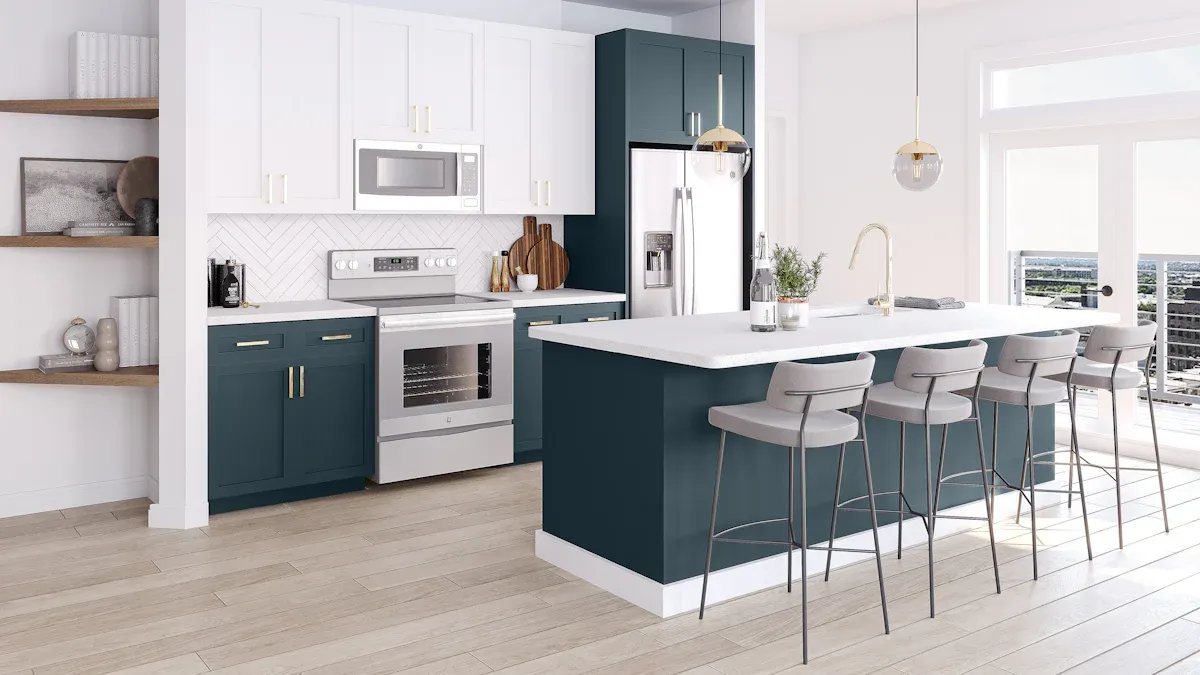
Choosing the right flooring for different rooms in your home is crucial. Some areas face daily moisture, while others stay mostly dry. This guide breaks down the best choices for your home’s most challenging spaces.
The Kitchen
The kitchen is the heart of your home, but it is also a zone for spills and leaks. Deciding between waterproof vs water resistant flooring here is a major decision. While a water-resistant floor can handle a quick spill, the kitchen faces more serious threats.
Your kitchen floor is constantly exposed to moisture risks that go beyond simple spills. A small leak can quickly become a big problem.
Common sources of water damage in the kitchen include:
- Leaky pipes under the sink
- Faulty dishwashers or refrigerator water lines
- Clogged drains causing overflows
- Gaps in countertop sealing that let water seep down
These issues can introduce water that sits for hours, penetrating the seams of a merely resistant floor. For this reason, you should choose a truly waterproof flooring option. Products like waterproof laminate or luxury vinyl provide a complete seal against moisture. This protection saves you from the costly repairs that hidden water damage can cause.
The Bathroom
The bathroom is the wettest room in your house. High humidity, splashes from the tub, and potential overflows make it a prime location for water damage. Water-resistant flooring is simply not enough to handle this environment. Constant moisture will eventually cause it to fail.
You need a floor that is 100% waterproof. High humidity alone can cause water-resistant materials with wood-based cores to swell, warp, or delaminate over time. This moisture also creates a perfect breeding ground for mold and mildew.
The National Kitchen and Bath Association (NKBA) recommends non-slip floors in bathrooms for safety. For example, a ceramic tile floor should have a coefficient of friction (COF) of at least 0.5 when wet to prevent accidents.
Modern waterproof flooring options are designed for these conditions.
- WPC (Wood Plastic Composite) Vinyl: This flooring is comfortable underfoot and completely waterproof, making it ideal for humid bathrooms.
- SPC (Stone Plastic Composite) Vinyl: This option offers extreme durability and stability. It will not expand or contract with temperature and humidity changes.
Choosing a waterproof vinyl or waterproof laminate with an SPC or WPC core ensures your floor is safe, durable, and protected for years to come.
The Basement
Basements are naturally prone to moisture. Because they sit below ground level, they face unique challenges that other rooms do not. Water can enter from many sources, making waterproof flooring an absolute necessity.
Common basement moisture problems include:
- Water seeping through foundation cracks
- Hydrostatic pressure forcing groundwater through walls and floors
- Poor ventilation leading to condensation
- Leaks from window wells or faulty drainage systems
- Malfunctioning sump pumps
Given these high stakes, the debate of water resistant vs waterproof flooring has a clear winner for basements. You must install a 100% waterproof floor. Options like luxury vinyl or specially engineered waterproof flooring are your best defense.
However, the flooring itself is only part of the solution. You must prepare the subfloor correctly.
Pro Tip: Before installing your new floor, make sure your concrete subfloor is clean, level, and sealed. Applying a quality waterproof sealer can add a critical layer of protection against moisture wicking up from the concrete.
Proper preparation involves creating a complete system to manage moisture. This may include installing a vapor barrier, ensuring your sump pump is working correctly, and sealing any cracks in the foundation. This approach protects your investment and turns your basement into a truly usable living space.
The Laundry Room and Mudroom
Your laundry room and mudroom are hardworking spaces. They face daily challenges from washing machine hookups, wet boots, and dripping umbrellas. These areas are not suitable for flooring that only resists water. You need a fully waterproof solution to prevent expensive damage.
A washing machine leak is a common and costly problem. Even a small leak from a faulty hose can go unnoticed for hours, causing serious issues. The repair costs for a washing machine leak can add up quickly.
A simple hose replacement might cost only $15 for the part, but labor can add $40 to $120 per hour. If a pipe breaks, you may need a licensed plumber, who can charge $75 to $130 per hour.
Here are the average repair costs for common leak sources:
| Part | Average Repair Costs (Labor Included) |
|---|---|
| Drain Hose | $95 – $170 |
| Inlet Valve | $95 – $190 |
| Shutoff Valve | $100 – $225 |
Given these risks, waterproof flooring is the only smart choice. Excellent options for these high-traffic, high-moisture zones include:
- Porcelain or Ceramic Tile: These are champions of durability and water resistance. They are easy to clean and can handle heavy foot traffic without scratching.
- Luxury Vinyl Flooring (LVF): This waterproof vinyl is perfect for mudrooms. It is durable, scratch-resistant, and comfortable underfoot. You can get realistic wood or stone looks without the worry.
- Concrete: A sealed concrete floor is nearly indestructible. It offers a modern, industrial look and is completely water-resistant.
Living Rooms and Bedrooms
Your living rooms and bedrooms are low-moisture areas. In these spaces, the debate between waterproof and water-resistant flooring is less about preventing disaster and more about lifestyle and aesthetics. For most homeowners, a high-quality water-resistant flooring is more than enough.
These rooms do not face constant humidity or plumbing risks. The main concern is the occasional spill. A good water-resistant floor gives you plenty of time to clean up messes before they cause damage. This makes it a practical and cost-effective choice.
You can enjoy the authentic beauty of hardwood with added peace of mind. Water-resistant engineered hardwood adds warmth and elegance, combining the appeal of real wood with greater durability.
Modern water-resistant options offer significant advantages for your main living spaces:
- Authentic Style: You get the genuine texture and grain of real wood. Options are available in many styles, from rustic oak to sleek walnut, to match your decor.
- Comfort Underfoot: Many engineered hardwood and luxury vinyl products have a softer feel than traditional tile. Some even include cushioned underlayments for extra comfort.
While you can install waterproof vinyl flooring here, it is often not necessary. Choosing a beautiful and durable water-resistant flooring provides the right balance of protection, comfort, and style for these important rooms.
Making the Final Choice: Water-Resistant vs Waterproof
You are now ready to make the final decision in the water resistant vs waterproof flooring debate. Your choice depends on your lifestyle, your home’s value, and your budget. Thinking about these factors will help you select the best flooring for your needs.
Assessing Your Lifestyle and Needs
Your daily life plays a huge role in your flooring choices. Do you have pets or young children? If so, spills and accidents are a part of life. The performance of your floor under these conditions is critical.
Industry experts agree that modern homeowners need floors that can handle a busy household. As Alyssa Cole of Novalis Innovative Flooring notes, waterproof and water-resistant features have moved from a “nice-to-have to a ‘must have’ over the years because families are really living on their floors.”
For homes with pets and kids, waterproof flooring offers peace of mind. You do not have to worry about cleaning up every spill immediately. This makes it a practical choice for active families.
Protecting Your Home’s Value
Your flooring is an investment in your property. The right durable flooring choices can increase your home’s appeal to future buyers. Real estate experts find that buyers value durable, low-maintenance materials in kitchens and bathrooms. Waterproof flooring options are a major selling point.
| Flooring Type | Impact on Resale Value |
|---|---|
| Luxury Vinyl Plank (LVP) | Popular with buyers for its robust style and durability. |
| Porcelain Tile | A great investment that attracts buyers with its durability and design. |
| Natural Stone | Adds a touch of luxury that elevates a home’s appeal. |
Installing these materials in high-moisture areas shows buyers that your home is well-protected. This can help your property sell faster and for a better price.
Is the Extra Cost a Worthwhile Investment?
Waterproof flooring often costs more upfront than water-resistant options. However, you should see this extra cost as an investment in protection. A single water leak can lead to expensive repairs.
For example, untreated water damage can cause mold, with remediation costs running from $500 to $6,000. Repairing a water-damaged subfloor can also cost hundreds of dollars. The water-resistant vs waterproof question becomes simple when you compare these potential expenses to the initial cost.
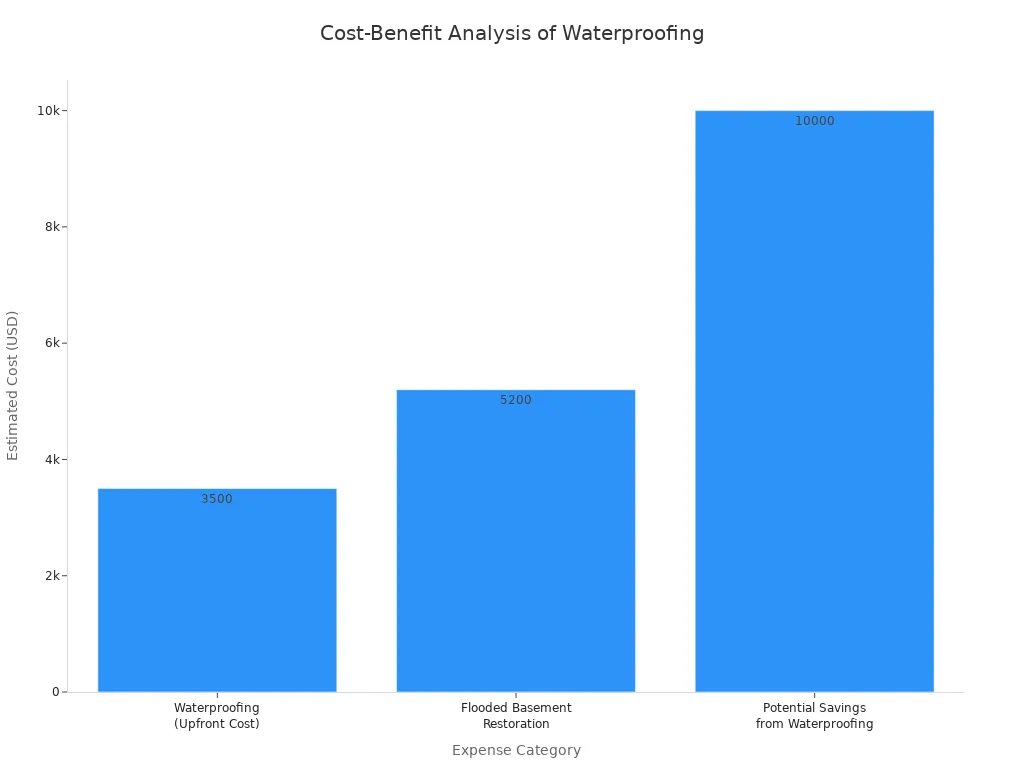
Investing in waterproofing can save you over $10,000 in potential damage. This makes the higher initial cost a smart financial decision that protects your home for years to come.
You can confidently select water-resistant flooring for dry areas like bedrooms and living rooms. It provides sufficient, practical protection for these spaces. However, for wet zones like bathrooms and basements, the risk of damage is too great. You must invest in waterproof flooring to protect your property.
The Final Verdict: Choose waterproof flooring for wet rooms to prevent costly repairs. Use water-resistant flooring in dry rooms for a smart, budget-friendly solution. This room-by-room approach secures your home’s value for 2025 and beyond.
FAQ
Can you make a water-resistant floor waterproof?
You cannot make a water-resistant floor truly waterproof. Adding sealers might help the surface, but moisture can still seep through the seams. This will not protect the core or subfloor from water damage. It is a temporary fix, not a permanent solution.
What is the best waterproof flooring for a home with pets?
Luxury Vinyl Plank (LVP) is an excellent choice for homes with pets. It is 100% waterproof, which handles spills and accidents easily. LVP is also highly scratch-resistant, so it stands up well to claws and heavy foot traffic from your furry friends 🐾.
Does waterproof flooring need an underlayment?
Many waterproof flooring products, like LVP and WPC, come with a pre-attached underlayment. You should always check the manufacturer’s instructions. Some situations, like installing over concrete, may require an additional vapor barrier for extra protection against moisture from the subfloor.
How do you clean waterproof vs. water-resistant floors?
You clean both floor types with a damp mop and a pH-neutral cleaner. For water-resistant floors, you must wipe up spills immediately. With waterproof floors, you have more time, but regular cleaning still prevents grime buildup and keeps your floors looking new.




