
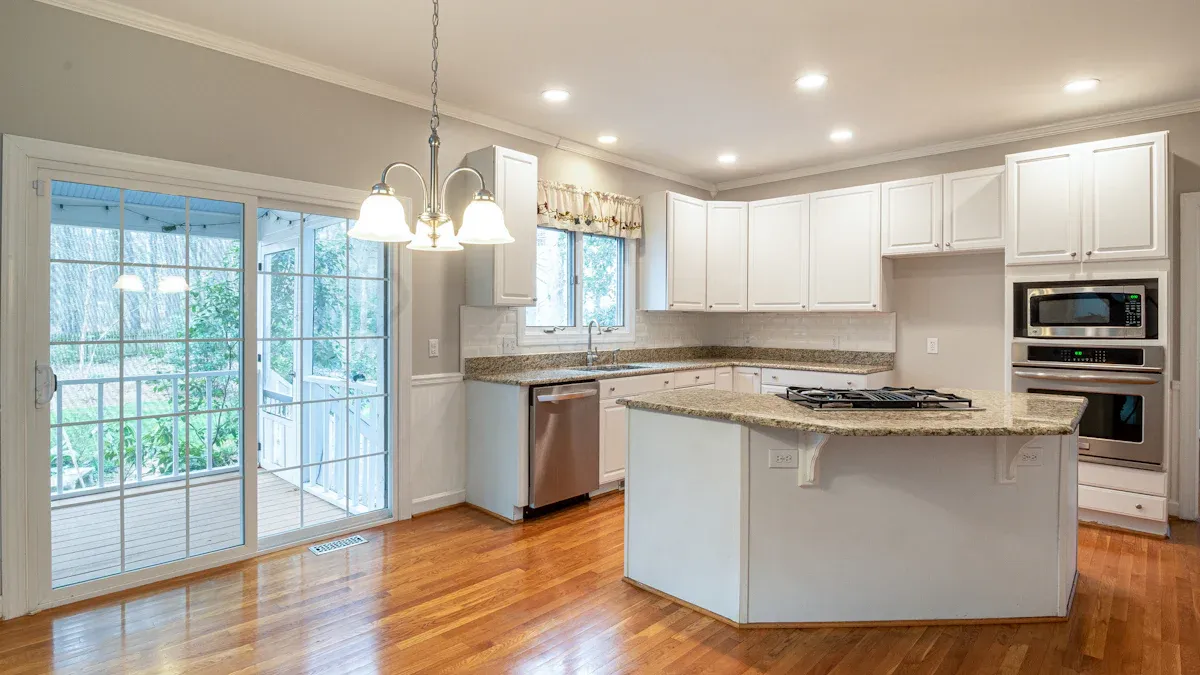
Vinyl plank flooring has gained popularity among homeowners, but you should be aware of its drawbacks. For instance, it can be difficult to remove, especially when glued down, complicating any renovations. Additionally, the material is susceptible to punctures and dents from sharp objects or heavy furniture. You may also notice that the top coat tends to fade and discolor under UV exposure. Considering these disadvantages of vinyl plank flooring is crucial before making a decision for your home.
Durability Concerns
When considering vinyl plank flooring, you should pay close attention to its durability. While it offers some advantages, it also has notable weaknesses. For instance, the average lifespan of vinyl plank flooring typically ranges from 10 to 20 years under normal residential use. High-quality options can last even longer, up to 25 years or more, especially if you maintain them properly. This maintenance includes using rugs in high-traffic areas and promptly cleaning spills.
However, you must also consider the wear layer thickness. A 12 mil wear layer usually lasts about 8 to 12 years, but with good care, it can extend beyond 15 years. Factors like foot traffic, sunlight exposure, and moisture can significantly affect its lifespan.
Vinyl plank flooring shows about 30% better scratch resistance than mid-tier laminate flooring in lab tests. Its flexible surface and urethane wear layers contribute to this advantage. High-grade vinyl outperforms laminate by approximately 50% in impact durability, making it more resistant to dents. Premium vinyl with thicker wear layers (20 mil or more) provides superior scratch and dent resistance compared to standard laminate options.
Despite these strengths, vinyl plank flooring has vulnerabilities. It can be prone to moisture-related issues, especially in areas with high humidity. If you do not install it correctly or maintain it properly, you may face problems like lifting or buckling.
Warranties for vinyl plank flooring often cover manufacturing defects and wear through, but they come with strict conditions. For example, warranties may require proper installation and maintenance to remain valid. This focus on wear and manufacturing defects highlights the importance of understanding the limitations of vinyl plank flooring.
Maintenance Challenges
Maintaining vinyl plank flooring can present several challenges that you should consider. While this flooring type is relatively easy to clean, it requires specific care to keep it looking its best. Here are some common maintenance challenges and how to address them:
- Fading: Prolonged exposure to direct sunlight can cause your flooring to fade. You can mitigate this by using curtains, blinds, or UV-protective films to shield your floors from harsh rays.
- Scratches and Dents: Sharp objects or heavy furniture can leave marks on your vinyl plank flooring. To prevent this, use felt pads under furniture legs, avoid dragging heavy items, and place rugs in high-traffic areas.
- Moisture Damage: Excess moisture can lead to issues like buckling or peeling. You should avoid standing water and maintain indoor humidity levels between 30-50% to protect your flooring.
- Harsh Chemicals: Using the wrong cleaning products can damage the finish of your vinyl. Stick to pH-neutral, vinyl-safe cleaners to avoid issues.
- Regular Cleaning: You should regularly sweep or vacuum your floors with a soft-bristle broom or a vacuum without a beater bar. This helps prevent dirt buildup and scratches. Immediate spot cleaning of spills is crucial to prevent staining.
Here’s a summary of the most frequently cited maintenance challenges and their solutions:
| Maintenance Challenge | Description | Common Causes | Recommended Solutions |
|---|---|---|---|
| Gapping | Gaps between planks affecting appearance | Improper installation, temperature fluctuations | Proper acclimation, maintain consistent climate |
| Peeling | Wear layer separating from print layer | Excess moisture, poor adhesive | Address moisture, replace damaged planks |
| Fading | Color fading or discoloration | Prolonged sunlight exposure | Use curtains/blinds, UV-protective films |
| Buckling | Planks lifting or warping | Excess moisture, improper installation | Identify moisture sources, proper installation |
| Scratches and Dents | Surface damage from sharp objects | Sharp objects, heavy furniture | Use felt pads, place rugs |
By understanding these maintenance challenges, you can take proactive steps to ensure your vinyl plank flooring remains in good condition. Regular inspections and prompt repairs of minor issues can help you avoid costly repairs down the line.
Installation Issues

Installing vinyl plank flooring can present several challenges that you should be aware of. While this flooring type is easier to install than hardwood or tile, you may still encounter common issues that can affect the final result. Here are some of the most frequent installation problems reported by professional installers:
- Failure to follow manufacturer instructions: Ignoring guidelines can void warranties and lead to damage.
- Inadequate acclimation: Not allowing the flooring to adjust to room temperature and humidity can cause issues.
- Improper subfloor moisture checks: Failing to check moisture levels can lead to warping or loose planks.
- Incorrect alignment: Misaligned planks can create gaps and uneven surfaces.
- Using the wrong tools: This can result in costly mistakes and poor installation quality.
- Installing planks backwards: This prevents proper locking and can cause gaps.
- Miscalculating the last row width: This results in awkward narrow boards.
- Poor planning for cuts and obstacles: Not accounting for corners and vents can complicate installation.
- Not removing baseboards: This affects expansion gaps and the overall finish.
- Ending rows with very small boards: This looks unprofessional and may lead to loose planks.
These issues can lead to gaps, warping, and an unprofessional appearance. To avoid these problems, you should adhere to guidelines, use proper tools, and follow best practices.
When it comes to installation time, professional installers can often complete vinyl plank flooring projects in just a few days. In contrast, DIY efforts may take weeks or even months due to skill and time constraints. The table below compares the acclimation time and installation complexity of different flooring types:
| Flooring Type | Acclimation Time Required | Installation Complexity |
|---|---|---|
| Vinyl Plank | Minimal (about 24-48 hours) | Easier and faster installation compared to hardwood and tile |
| Hardwood | Longer (5-10 days) | Requires precise placement and acclimation |
| Tile | N/A | Requires meticulous alignment and setting |
By understanding these installation issues, you can better prepare for your vinyl plank flooring project and ensure a smoother process.
Environmental Impact of Vinyl Plank Flooring
When you consider vinyl plank flooring, it’s essential to think about its environmental impact. The production and disposal of this flooring type raise several concerns. Here are some key points to keep in mind:
- The manufacturing process for vinyl plank flooring is energy-intensive. This contributes to a significant carbon footprint.
- Recycling vinyl flooring can be challenging. Its multi-layered composition makes it difficult for typical facilities to separate materials.
- Some manufacturers offer take-back programs. These initiatives help recycle old vinyl flooring and support waste management goals.
- Using recycled materials in the base layers reduces the need for new raw materials. This practice promotes sustainability.
- Modern manufacturing increasingly utilizes renewable energy. This shift helps lower the overall environmental impact of vinyl products.
- Compared to hardwood or ceramic tile, vinyl flooring uses less water and raw materials during production. It also generates fewer emissions.
- The durability of vinyl plank flooring means you won’t need to replace it often. This longevity enhances its environmental profile.
While vinyl plank flooring has a smaller carbon footprint than ceramic tile, it still poses some indoor air quality concerns. Vinyl can off-gas chemicals like phthalates and VOCs, which may irritate your respiratory system. Short-term exposure can lead to headaches and dizziness. To minimize these risks, choose phthalate-free and low-VOC products. Proper ventilation during and after installation also helps improve indoor air quality.
Certifications like FloorScore and LEED can guide you in selecting environmentally responsible vinyl flooring options. These certifications ensure that the products meet specific environmental standards, making it easier for you to make informed choices.
By understanding the environmental impact of vinyl plank flooring, you can weigh its benefits against potential drawbacks. This knowledge will help you make a more informed decision for your home.
Aesthetic Limitations
When you choose vinyl plank flooring, you may encounter several aesthetic limitations that can affect your home’s overall look. While vinyl offers a wide range of designs, it often falls short in replicating the natural beauty of materials like hardwood or stone. Here are some common aesthetic complaints from homeowners:
- Vinyl plank flooring often suffers from poor durability. This leads to visible scratches, dents, and scuffs that make the floor look worn and dull.
- Water damage can cause warping, bubbling, peeling, and buckling of the planks.
- Exposure to sunlight and harsh cleaning chemicals results in color fading and discoloration.
- Installation difficulties may create uneven surfaces or gaps between planks.
- Many homeowners feel the flooring looks artificial and lacks the natural beauty of hardwood.
- The floor can feel soft and spongy, which some find undesirable.
- Unlike hardwood, vinyl planks cannot be refinished once damaged, requiring full plank replacement.
Vinyl flooring’s ability to mimic natural materials is impressive, but it has limitations. Luxury vinyl plank (LVP) flooring uses realistic wood grain patterns and textures to replicate hardwood appearance. However, while advanced printing and embossing technologies enhance realism, vinyl cannot be refinished or repaired like natural wood. Damaged planks may need replacement, which can be costly.
Additionally, vinyl is susceptible to fading or discoloration under direct sunlight, even with UV inhibitors. To maintain its appearance, you should use curtains or UV-blocking films. Here’s a quick overview of how different finish types impact the durability and mimicry of vinyl:
| Finish Type | Description | Impact on Mimicry and Durability |
|---|---|---|
| No-wax finishes | Suitable for low foot traffic and dirt exposure areas | Limited protection, less durable appearance |
| Urethane finishes | Resistant to scratches and scuffs, suitable for average foot traffic | Enhances scratch resistance and maintains appearance |
| Enhanced urethane | High-gloss, durable finish ideal for high-traffic or commercial spaces | Provides superior protection, prolongs realistic look |
By understanding these aesthetic limitations, you can make a more informed decision about whether vinyl plank flooring meets your design needs.
Noise Issues with Vinyl Plank Flooring

When you install vinyl plank flooring, you may encounter noise issues that can affect your comfort at home. Two common types of noise concerns arise: airborne sound and impact noise. Airborne sound includes voices, music, and TV noise, while impact noise comes from foot traffic, furniture movement, and dropped objects.
Vinyl plank flooring’s ability to reduce these noises depends on several factors. The Sound Transmission Class (STC) measures how well a material blocks airborne sound. The Impact Insulation Class (IIC) measures how well it absorbs impact noise. If you choose flooring with high STC and IIC ratings, you can significantly reduce noise transmission between floors.
Here are some key points to consider regarding noise issues with vinyl plank flooring:
- Core Construction: The type of core material, such as WPC (Wood Plastic Composite) or SPC (Stone Plastic Composite), affects sound insulation. WPC cores generally provide better noise absorption.
- Flooring Thickness: Thicker vinyl planks (8mm–12mm) tend to absorb sound better than thinner options.
- Underlayment Type: Using high-quality underlayment materials like cork, rubber, or foam can greatly enhance soundproofing. These materials absorb vibrations and reduce noise transmission.
- Installation Method: Floating vinyl flooring with proper underlayment offers superior sound reduction compared to glue-down options. Floating floors create a gap between the subfloor and the vinyl, which helps dampen sound.
To maximize noise reduction, consider layering materials. Adding area rugs can further enhance sound absorption. Proper installation techniques, such as sealing seams and edges, also play a crucial role in minimizing noise leakage.
By understanding these noise issues, you can make informed decisions when selecting vinyl plank flooring for your home. Choosing the right materials and installation methods can help create a quieter and more comfortable living environment.
Slippery Surface and Safety Risks
When you choose vinyl plank flooring, you may encounter safety risks due to its slippery surface. This can be especially concerning in areas prone to moisture, such as kitchens and bathrooms. Slips and falls can lead to serious injuries, particularly for children, the elderly, and pets.
To enhance safety, many manufacturers design vinyl plank flooring with textured surfaces that mimic natural materials like wood or stone. These textures increase friction and improve grip, reducing the risk of slipping, even when the floor is wet. Additionally, some products feature advanced slip-resistant coatings applied during manufacturing. These coatings help maintain traction underfoot, making your home safer.
Here are some features to look for when selecting vinyl plank flooring:
- Textured Surfaces: These surfaces replicate natural grains, increasing friction and preventing slips.
- Anti-Slip Coatings: These treatments provide better traction, especially in moisture-prone areas.
- Wear Layer Thickness: A thicker wear layer often contributes to better slip resistance.
- Slip-Resistance Ratings: Many luxury vinyl plank products come with certifications that verify their safety performance.
By choosing vinyl plank flooring with these safety features, you can create a more secure environment in your home. Always consider the specific needs of your household when selecting flooring. Ensuring safety should be a top priority, especially in high-traffic areas.
Cost Considerations
When you consider vinyl plank flooring, you must evaluate both initial and long-term costs. Vinyl plank flooring typically offers a lower upfront cost compared to hardwood and tile. Here’s a breakdown of the costs associated with different flooring types:
| Flooring Type | Material Cost per Sq Ft | Installation Cost per Sq Ft | Total Cost per Sq Ft (approx.) |
|---|---|---|---|
| Vinyl Flooring | $0.50 – $7 | $2.50 | ~$5.50 (average) |
| Hardwood Flooring | $4 – $25 | varies, avg $4.25 | ~$8.25 (average) |
| Laminate Flooring | $3 – $13 | $1 – $4 | $4 – $17 |
| Tile Flooring | $15 – $20 | higher, varies | higher than vinyl and hardwood |
Vinyl plank flooring installation costs generally range from about $5 to $17 per square foot. This is significantly less expensive than hardwood flooring, which can range from $10 to over $40 per square foot. Laminate flooring is somewhat cheaper or comparable to vinyl, with total costs roughly between $4 and $17 per square foot. Tile flooring materials are more expensive, typically $15 to $20 per square foot, and installation is more complex and costly.
However, you should also consider hidden costs. For example, accelerated replacement cycles due to temperature fluctuations can lead to gaps and buckling. This may require costly repairs or even complete replacement, which can range from $15,000 to $30,000. Additionally, high UV exposure can cause fading, necessitating window treatments or partial replacements costing up to $25,000.
Resale Value Impact and Instability
When you consider vinyl plank flooring, its impact on resale value can vary significantly. While luxury vinyl plank (LVP) flooring is durable and cost-effective, it may not always enhance your home’s value as much as hardwood or tile. Here are some key points to keep in mind:
- Durability and Appeal: LVP flooring mimics hardwood or tile, making it attractive for kitchens and bathrooms. Its water resistance and low maintenance appeal to many buyers.
- Return on Investment: LVP generally provides a good return on investment, especially in homes targeting families or rental markets. However, excessive use throughout the entire home may deter discerning buyers. They might view it as a sign of a lower-end or ‘flipped’ property.
- Quality Matters: High-quality vinyl that closely resembles natural wood or tile enhances your home’s appeal. In contrast, low-quality vinyl can detract from its value.
In terms of stability, vinyl plank flooring can face several issues over time. Poor subfloor preparation often leads to instability and unevenness. Here are some common problems:
- Moisture Exposure: Warping or curling at the edges can occur due to moisture, leading to uneven floors.
- Temperature Fluctuations: Changes in temperature and humidity can cause planks to expand and contract, resulting in separation or shifting.
- Installation Factors: Improper installation, such as inadequate expansion gaps, can contribute to instability. This may lead to gaps and detachment over time.
While vinyl flooring is a practical choice for moisture-prone areas, it may not be the best option for maximizing resale value in upscale markets. Experts note that hardwood flooring typically offers a higher resale value and buyer appeal. In summary, while vinyl plank flooring can be a cost-effective solution, you should carefully consider its potential impact on your home’s resale value and stability.
When considering vinyl plank flooring, you must weigh its disadvantages against your specific needs. While it offers benefits like affordability and ease of maintenance, you should also consider factors such as durability, comfort, and environmental impact.
| Factor | Benefits | Disadvantages / Considerations |
|---|---|---|
| Durability | Durable and practical for various home uses | Susceptible to scratches and dents, especially from heavy furniture or pet claws; wear layer thickness affects resistance |
| Cost | Generally more affordable than hardwood or tile | Long-term costs may include replacement and professional repairs |
| Design Options | Wide variety of styles and patterns to suit personal taste | May not fully replicate natural materials’ look and feel |
Ultimately, consulting with flooring professionals can help you make an informed decision tailored to your home.
FAQ
What are common issues with vinyl plank flooring?
Vinyl plank flooring can face issues like scratches, dents, and fading. Improper installation may lead to gaps or buckling. Moisture exposure can also cause warping, especially in high-humidity areas.
How long does vinyl plank flooring last?
Typically, vinyl plank flooring lasts between 10 to 20 years. High-quality options can last up to 25 years with proper maintenance. Factors like foot traffic and moisture levels affect its lifespan.
Is vinyl plank flooring easy to maintain?
Yes, vinyl plank flooring is relatively easy to maintain. Regular sweeping and occasional mopping with a pH-neutral cleaner keep it looking good. Avoid harsh chemicals to protect the finish.
Can I install vinyl plank flooring myself?
You can install vinyl plank flooring yourself, but it requires careful preparation. Following manufacturer instructions is crucial. If you’re unsure, hiring a professional may ensure better results.
Does vinyl plank flooring increase home value?
Vinyl plank flooring can enhance your home’s appeal, especially in kitchens and bathrooms. However, it may not significantly increase resale value compared to hardwood or tile. Quality and installation matter.




