
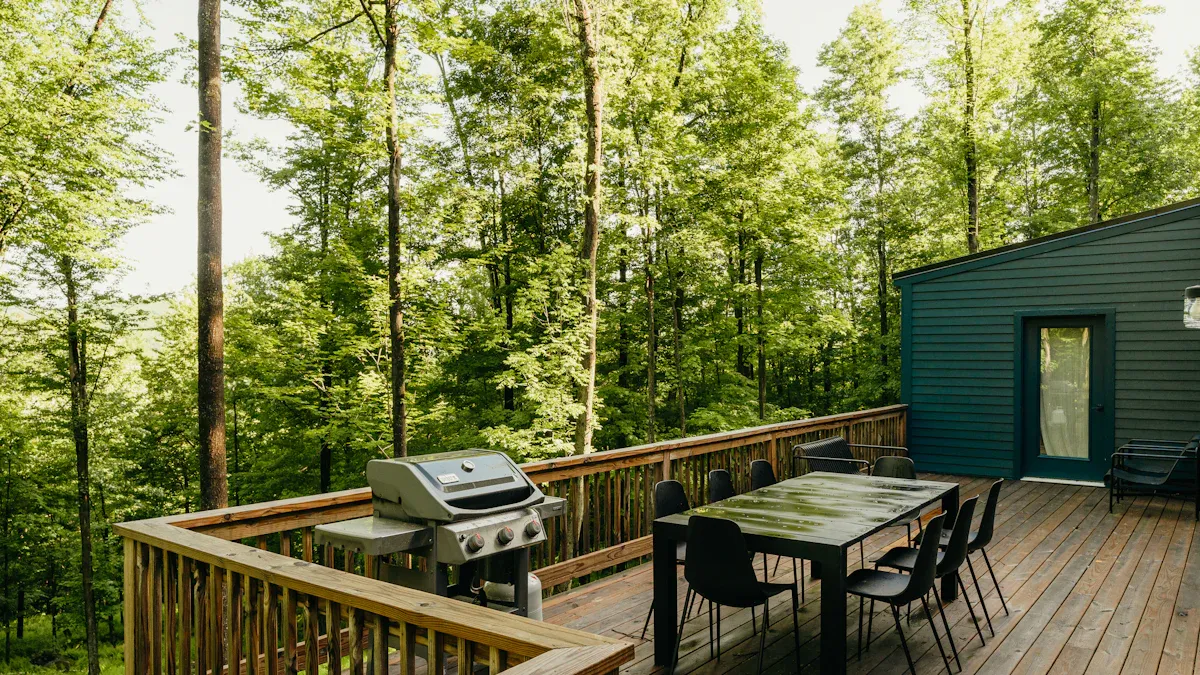
You can have an outdoor deck that stays comfortable for bare feet, even in the summer sun. The solution involves materials engineered to reflect heat. Advanced PVC decking leads the way for a truly cool outdoor experience. Homeowners increasingly value these spaces.
As homeowners continue to prioritize outdoor living spaces, decks have become a cornerstone of new builds and renovations, valued for their functionality, design appeal, and ability to enhance property value with a strong return on investment.
Your cool outdoor patio or cool outdoor deck should not generate intense heat. This cool flooring helps you create a better outdoor patio, avoiding the heat of a traditional patio or decking.
Why Your Outdoor Deck Gets Dangerously Hot
Your beautiful outdoor patio can become an unusable hot zone in sunny weather. The reason lies in basic science. Understanding why your outdoor flooring heats up is the first step toward choosing a cooler solution for your patio.
The Science of Heat Absorption
Every material interacts with sunlight differently. Two key properties determine how hot your outdoor flooring will get:
- Solar Reflectance: This measures how much sunlight a surface reflects. A higher value means the material reflects more energy and absorbs less heat.
- Thermal Emissivity: This measures how efficiently a material releases the heat it has absorbed. Higher emissivity helps a surface cool down faster.
Pro Tip: Experts combine these factors into a single number called the Solar Reflectance Index (SRI). A higher SRI score means the outdoor flooring will stay cooler in direct sun.
How Material and Color Trap Heat
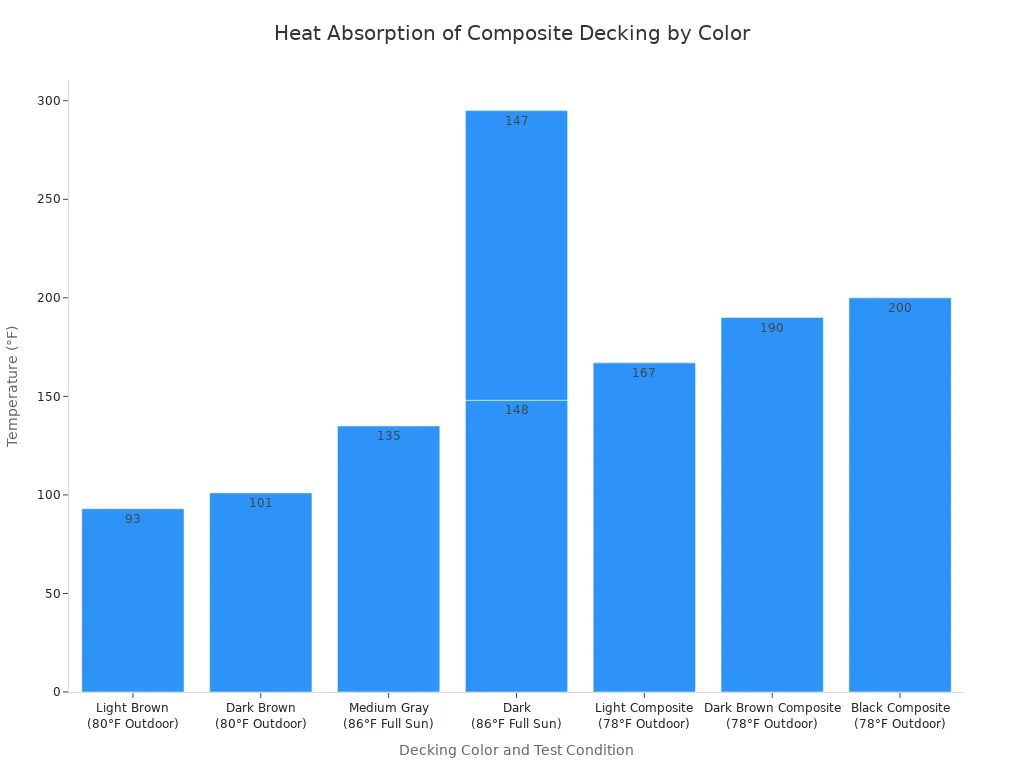
Color is one of the biggest factors in heat absorption. You have likely noticed this with clothing in hot weather. Darker colors absorb more light and convert it into heat, while lighter colors reflect it. This principle applies directly to your outdoor decking and patio flooring. Dark composite decking materials consistently reach much higher temperatures than lighter composite options in the same weather conditions.
The data shows a dramatic difference. In one test on a 78°F day, a black composite board soared to 200°F, while a light-colored composite reached a more manageable 167°F.
The Problem with Wood and Dark Composites
Traditional wood decking and dark composite wood decking are major culprits for creating a scorching outdoor patio. Many popular wood choices absorb and retain a significant amount of heat.
| Material | Temperature Increase / Absolute Temperature |
|---|---|
| Pressure Treated Pine | 35°-40°F (1.6°C-4.4°C) above air temperature |
| Ipe (Brazilian walnut) | 120-122°F (48°-50°C) absolute temperature |
Standard composite wood decking, especially in dark shades, is often even worse. The dense nature of the composite material combined with dark pigments creates a surface that can become dangerously hot. Feet can suffer blisters at temperatures as low as 109°F, a temperature easily surpassed by dark composite wood decking on a sunny day. This makes your choice of flooring critical for a safe and comfortable outdoor space in warm weather.
PVC Decking: The Ultimate Cool Flooring Solution
When you want a truly cool outdoor patio, you should consider PVC decking. This advanced material offers a superior solution for your outdoor flooring needs, keeping your patio comfortable even on the hottest days.
What is PVC Decking?
PVC decking is a type of outdoor flooring made entirely from polyvinyl chloride, a durable plastic. You may know this material as vinyl. Unlike composite decking, this premium vinyl flooring contains no wood fibers. This all-vinyl composition is key to its performance. The result is a lightweight yet strong outdoor flooring option for your patio. This vinyl material provides a consistent and reliable surface for any outdoor space. This vinyl flooring is engineered for excellence.
The Technology Behind Cool-Touch Surfaces
You might wonder how a vinyl surface stays so cool. The secret is in the science. Advanced PVC decking, like TimberTech’s, uses a proprietary polymer material. This special vinyl formula is less dense, which helps it absorb less heat. Other brands use an engineered vinyl board with a patent-pending formulation that is thermally reflective. This technology gives the flooring its cool-to-the-touch feature.
How It Works: Many cool vinyl decking options use special coatings or capstock layers. These layers contain reflective pigments that bounce sunlight away from the surface. This action prevents the outdoor flooring from absorbing intense heat, keeping the surface of your patio cool.
Beyond Temperature: Durability and Low Maintenance
This cool flooring offers more than just temperature control. PVC decking provides exceptional durability. This durable outdoor flooring is highly resistant to common outdoor problems. The vinyl material is resistant to moisture, mold, and insects. This makes it a durable and long-lasting choice for your outdoor patio.
This durability is not just a claim. The industry uses standards like ASTM D7032 to test for strength and weather resistance. Top brands offer impressive warranties, some including a 50-Year Fade & Stain Limited Warranty. This proves the material’s durability and fade-resistant qualities. You get a beautiful, durable, and cool outdoor surface that requires very little upkeep. The durability of this flooring is unmatched.
What is the Best Outdoor Flooring for Hot Weather? 10 Options Explored
Finding the best outdoor flooring for hot weather can transform your outdoor space. You have many outdoor flooring options to consider. Each material offers different levels of comfort and performance in sunny weather. Your choice will determine if your patio is a cool oasis or a hot surface. Let’s explore the top options to help you build the perfect outdoor retreat.
1. Advanced PVC Decking
Advanced PVC decking is one of the best outdoor flooring choices for beating the heat. This premium flooring is made entirely of a special polymer. It does not contain any wood, which helps it absorb less heat. Manufacturers engineer this decking with special technology to reflect sunlight. This keeps the surface temperature down, so you can walk barefoot on your patio even on hot days. This type of outdoor flooring provides a consistently cool and comfortable experience. It is an excellent heat resistant flooring for any outdoor area.
2. Light-Colored Composite Decking
You can still use composite decking if you choose wisely. Light-colored composite decking is a good alternative to darker options. The color of your composite material makes a huge difference. Lighter shades reflect more sunlight and absorb less heat than dark composite wood decking. While not as cool as PVC, a light gray or tan composite board will be much more comfortable underfoot than a dark brown or black one. This makes light composite a practical choice for a cooler patio. Many brands now offer a range of light composite options designed for better performance in sunny weather. This composite wood decking is a step up from traditional dark composite.
Remember: Color is key with composite decking. Always choose the lightest color available in the product line you like. This simple choice dramatically impacts the surface heat of your outdoor flooring.
3. Travertine Pavers
Travertine pavers offer a natural stone solution for your outdoor patio. This material has excellent heat resistance. It stays remarkably cool to the touch, even in direct sunlight. This makes travertine one of the best outdoor flooring options for hot weather. The stone is naturally permeable, which allows it to stay cool instead of absorbing and holding heat like concrete.
You will find this flooring very comfortable for barefoot walking. This quality makes it a popular choice for pool decks and any outdoor patio where you want to relax. Travertine’s ability to remain cool helps regulate the temperature of your entire outdoor space. These characteristics make it one of the most comfortable flooring options for your home in hot weather. It is a fantastic material for a beautiful and functional patio.
4. Light-Colored Concrete Pavers
You can use light-colored concrete pavers for a classic and cool outdoor patio. These pavers are one of the best outdoor flooring options available. Your color choice is very important. Lighter colors like Ivory, Mist, or pale gray reflect more sunlight. Darker colors absorb it. This simple difference makes the surface of your outdoor flooring much cooler.
Standard gray concrete has a low Solar Reflectance Index (SRI) of around 35. You can choose pavers with a higher SRI, such as a shell color with an SRI of 56. This choice can make your patio flooring 10–25°F cooler than standard gray concrete in the summer sun. This makes light-colored concrete pavers one of the best outdoor flooring choices for a comfortable outdoor space. These flooring options provide a durable and stylish solution for your patio.
5. Outdoor Porcelain Tiles
Outdoor porcelain tiles give your patio a sleek, modern look. This type of flooring is dense and non-porous. It resists water, stains, and fading. You will find these tiles are easy to clean. For hot climates, you should select light-colored porcelain tiles. Lighter shades help keep the outdoor flooring surface from getting too hot.
Pro Tip: Look for porcelain tiles with a textured or matte finish. These options provide better slip resistance, which is crucial for any outdoor area, especially around pools.
Porcelain tiles are one of the most durable outdoor flooring options. They can handle heavy foot traffic and extreme weather. This makes them a great long-term investment for your outdoor living area. You have many design options with this versatile flooring.
6. Rubber Pavers
Rubber pavers offer a unique and safe flooring solution. You often see this material on playgrounds. It provides excellent shock absorption. This makes it a comfortable surface for walking and playing. Rubber is a surprising choice, but it has benefits for an outdoor patio. It is one of the more unique outdoor flooring options.
However, you should know that rubber can get hot. It is not one of the best outdoor flooring choices if your main goal is a cool surface.
- An unofficial test took place on an 83°F day.
- Testers left rubber pavers in direct sun for over four hours.
- The tiles reached maximum temperatures between 136°F and 156°F.
While rubber can endure high heat up to 150°F, it absorbs and holds that heat. These temperature levels are too hot for bare feet. You should consider these temperature facts when exploring your flooring options.
7. Ipe Wood
You might consider Ipe wood for your outdoor deck. Ipe is a tropical hardwood known for being one of the densest woods in the world. Its tight grain structure makes it very strong and helps it manage moisture. This natural density also gives Ipe great temperature resilience. The wood effectively dissipates heat, so it stays cooler in direct sunlight compared to many composite flooring options. This makes it one of the best outdoor flooring choices for comfortable barefoot use on your patio.
Customers often report high satisfaction with Ipe’s coolness, even on the hottest summer days. While some newer composites have improved, they still struggle to match the natural cooling of tropical hardwoods. Ipe’s structure makes it less porous, so it absorbs less moisture. This quality helps prevent the warping and cracking that can happen with other materials. You also get a surface that resists splinters, which is a great safety feature for children and pets. This durable outdoor flooring is an excellent choice for a naturally cool patio.
8. Artificial Turf with Cooling Infill
Artificial turf can give your outdoor space a lush, green look without the need for mowing. However, you should know that standard turf can get very hot in the sun. The solution is to use a special cooling infill. This material sits between the grass blades and helps lower the surface temperature. You have several infill options to make your turf one of the best outdoor flooring choices for a cooler yard.
These outdoor flooring options use different technologies for cooling:
- Organic Infills: You can choose materials like cork, coconut fibers, or granulated walnut shells. These natural options absorb water and release it slowly through evaporation, which cools the turf. They are also biodegradable and environmentally friendly.
- Coated Sand: You can use acrylic-coated sand or antibacterial coated sand. These options are designed to stay cooler under sunlight than standard silica sand.
- Water-Activated Infills: Products like HydroChill and Zeofill are designed to be activated by water. They can lower the surface temperature of your outdoor flooring by as much as 50 degrees compared to regular sand infills.
Choosing the right infill is key to creating a comfortable outdoor turf area. These advanced options transform artificial turf into a viable cool flooring for your patio.
9. Sealed Poured Concrete
Poured concrete is a common choice for a patio, but it can absorb a lot of heat. You can make this flooring much cooler by applying a special sealant or coating. Increasing the reflection of the exterior surface reduces how much solar radiation the concrete absorbs. This process lowers the surface temperature of your outdoor flooring.
Reflective coatings can make a huge difference. A coated concrete surface can stay over 50°F cooler than an untreated one. This technology turns a potentially hot surface into one of the best outdoor flooring materials for hot climates. The data shows a clear benefit.
| Surface Location | Temperature Reduction (Fahrenheit) |
|---|---|
| Afternoon Surface | 10.5°F to 12°F |
| Subsurface | 4.8°F |
These coatings work by having a much higher albedo, or reflectivity, than standard sealants. A conventional seal coat might have an albedo of 5%, while a reflective coating starts at 30-35%. This makes it one of the most effective outdoor flooring options for creating a cool and comfortable outdoor patio.
10. Interlocking Plastic Deck Tiles
You can quickly upgrade your outdoor space with interlocking plastic deck tiles. This type of outdoor flooring is a simple and effective solution. You can install these tiles over an existing hard surface like concrete. This makes them one of the most convenient outdoor flooring options available. These tiles are a great choice for a balcony or a small patio. They offer a fast transformation for any outdoor area.
These flooring tiles manage heat in a unique way. Many plastic options can get warm, but their design helps a lot. The best outdoor flooring tiles have a special structure.
The interlocking flooring tiles have a perforated bottom. This design allows air to flow underneath the tile. This airflow helps moisture or water dry out. It also helps keep the surface of the outdoor flooring cooler.
This feature prevents heat from getting trapped. It makes the flooring more comfortable on a sunny day. Lighter color options will also stay cooler than dark ones. These tiles are one of the best outdoor flooring choices for renters. You can easily pick them up and take them with you. This flooring gives you flexible design options for your outdoor patio. You can create patterns or mix colors. This makes them one of the best outdoor flooring solutions for a custom look. This outdoor flooring is a practical choice for many situations.
Creating the Perfect Pool Deck
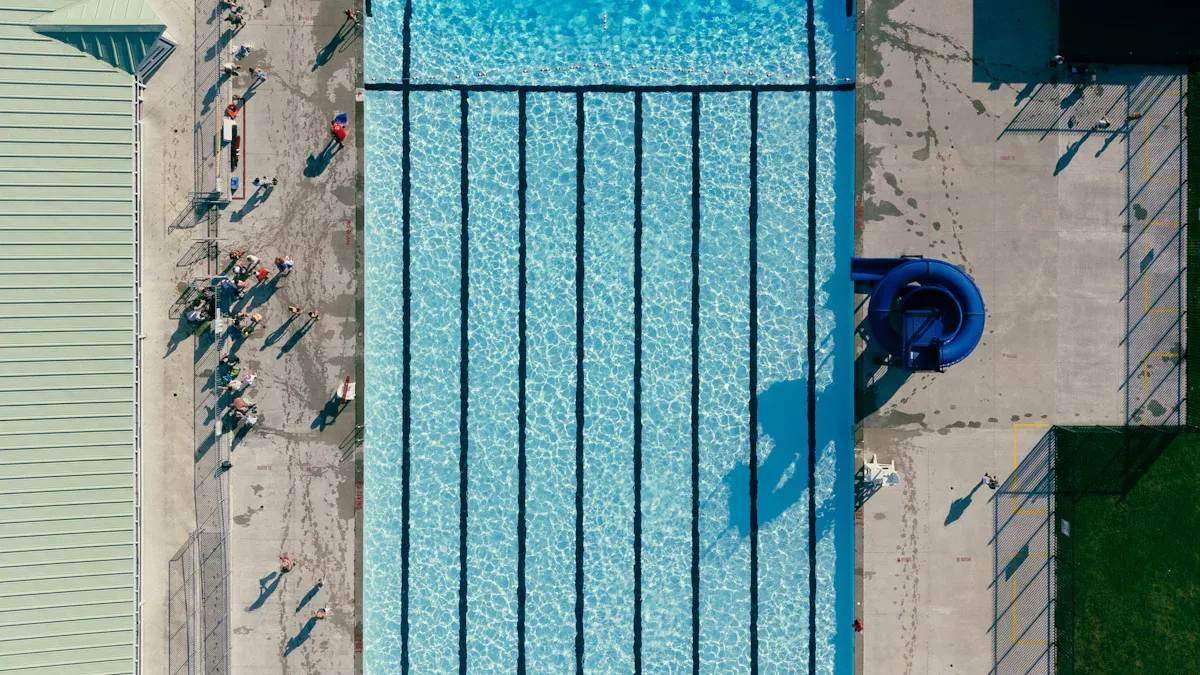
You can create the perfect outdoor pool area with the right materials. Your choice of flooring is critical for safety and comfort around your pool. A cool, durable, and slip-resistant surface transforms your pool area into a true backyard oasis.
Why Material Choice Matters Around Water
Your material choice for the pool area directly impacts safety. Dark, heat-absorbent decking can create significant risks. You should avoid materials that get too hot in the sun. This heat creates several problems for your outdoor space.
- The surface can become uncomfortably hot, making it impossible to walk barefoot.
- Children and pets risk burns on their feet or paws from the intense heat.
- Outdoor furniture on the decking can also become dangerously hot to the touch.
- Items like planters or toys left on the hot surface can be damaged.
Choosing a cool and resistant flooring material is essential for a safe and enjoyable pool experience.
Top Picks for Heat-Resistant Pool Decking
You have excellent options for heat-resistant pool decking. These materials offer a cool surface for your outdoor pool area. Travertine and Kool Deck coatings are popular choices. This durable flooring keeps your pool area comfortable.
| Material | Heat Resistance Properties | Temperature Difference (vs. Concrete) |
|---|---|---|
| Travertine | Its porous structure provides evaporative cooling. | Up to 30°F cooler |
| Kool Deck Coatings | The textured surface reduces heat absorption. | Up to 38% lower surface temperature |
| Porous Rubber | Air pockets offer insulation and cool the surface. | 20-35% cooler |
These durable and resistant options provide a cool surface for any outdoor pool.
Safety and Slip-Resistance
Safety is the top priority for any pool area. Your flooring must be slip-resistant to prevent accidents. The industry uses a measure called the Dynamic Coefficient of Friction (DCOF) to rate slip resistance.
For a wet pool area where you walk barefoot, you need a DCOF of ≥ 0.60. This standard ensures your flooring provides a secure footing.
You should always look for decking or tiles with a high DCOF rating. Many materials, like textured porcelain and certain PVC decking, are engineered to be slip-resistant. This makes your outdoor pool area a safer place for everyone. A slip-resistant and resistant surface gives you peace of mind.
Quick Comparison: PVC vs. Other Cool Flooring
You have many great outdoor flooring options. Choosing the right one involves comparing cost, upkeep, and performance. This quick guide helps you see how PVC decking stacks up against other popular choices for a cool outdoor space.
Cost and Installation
Your budget is a key factor in any outdoor project. PVC decking is a premium material, and its price reflects that. You will find its material cost is often higher than standard composite decking or natural stone. However, installation costs are usually similar for both PVC and composite decking.
| Material | Average Material Cost per sq. ft. |
|---|---|
| PVC Decking | $9–$15 |
| Composite Decking | $5–$13 |
| Travertine Pavers | $7–$15 |
Think of the higher initial cost for PVC as an investment in superior performance and long-term durability for your outdoor flooring.
Maintenance Requirements
You want to spend your time enjoying your outdoor area, not working on it. PVC flooring offers a huge advantage here. It is a very durable material that requires minimal upkeep.
- PVC Decking: You only need to clean this flooring periodically with soap and water. You will never need to stain or seal it.
- Ipe Wood: This durable wood needs annual cleaning and re-oiling to maintain its color and luster.
- Composite Decking: This option is also low-maintenance, but colors can fade over time and you cannot refinish the surface.
The simple care routine for PVC makes it a top choice for a hassle-free, durable outdoor flooring solution.
Coolness Factor and Durability
When your goal is a truly cool flooring surface, PVC excels. It is engineered to manage heat effectively. PVC materials can have a Solar Reflectance Index (SRI) of 70 or higher, meaning they reflect significant solar heat. This keeps the flooring much more comfortable for bare feet than many composite options.
For durability, PVC is a clear winner. This cool flooring is completely synthetic, so it resists rot and moisture. This durability leads to a very long lifespan.
Lifespan & Warranty: Premium PVC decking can last 50 years or more, often with a 50-year warranty. Most quality composite decking has a lifespan of 25 to 30 years with warranties to match.
This outstanding durability and cool-to-the-touch feel make PVC a superior choice for your ultimate outdoor oasis.
You can create a cool, comfortable outdoor living space. Modern materials make a cool outdoor flooring possible. Advanced PVC decking offers a superior combination of temperature control, durability, and low maintenance. When you explore flooring options, prioritize materials with proven heat-reflective technology and lighter color options. This durable flooring provides long-lasting durability. The right outdoor flooring resists heat. This cool flooring has great durability. Consider these durable outdoor decking options to begin building your cool outdoor patio.
| Brand | Key Features | Best For |
|---|---|---|
| Azek | Lightweight, moisture resistant, 100% PVC | Coastal resorts, wet climates, rooftop patios |
| Zuri | Exotic hardwood looks, luxury aesthetics | Luxury residential properties, resorts |
Other excellent durable outdoor flooring choices include:
- TimberTech Advanced PVC: A luxury PVC decking brand known for stunning wood-look finishes and excellent fade and stain resistance.
- Wolf Serenity Decking: Offers waterproof performance and is an affordable alternative to PVC decking with strong warranties.
These cool flooring options offer great durability and help you manage heat for your outdoor decking.
FAQ
What is the best flooring for a pool area?
You want a cool, durable, and resistant surface for your pool area. Advanced vinyl (PVC) decking is a top choice. This flooring stays cool for your pool. Its durability makes it perfect for a pool area. The resistant vinyl surface handles the wet conditions of any pool area.
Is vinyl decking better than composite decking?
Vinyl decking often has better durability than composite. The all-vinyl composition is completely water-resistant. This makes it ideal for a pool area. A composite surface can still contain wood fibers. The durability of vinyl flooring makes it a superior choice for a long-lasting outdoor living space.
How much does color affect a deck’s temperature?
Color greatly impacts your surface temperature. Dark composite decking absorbs more sun, getting very hot in sunny weather. You should choose light-colored options. A light vinyl or composite surface reflects heat. This keeps your outdoor living space and pool area flooring much more comfortable in hot weather.
Quick Tip: Always select the lightest color options available. This simple choice creates a cool surface for your outdoor living space, especially around a pool. This durable flooring choice enhances your pool area.
What makes vinyl flooring so durable and resistant?
The durability of vinyl flooring comes from its 100% synthetic makeup. This durable material is resistant to moisture, mold, and insects. Its resistant surface will not rot or warp. This exceptional durability ensures your outdoor living space, including the pool area, remains beautiful with minimal upkeep in all weather.




