
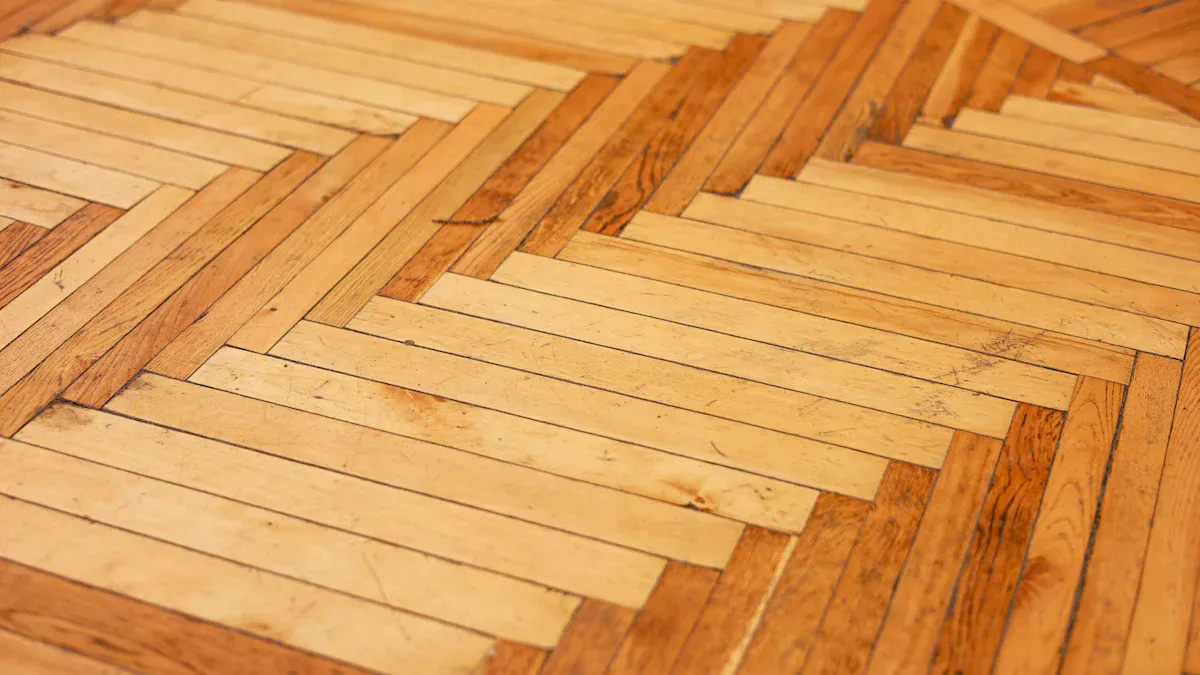
The right wood flooring pattern can dramatically transform a room’s style and value. Wood floor patterns can even alter a room’s perceived size. Your choice of wood flooring is a critical design decision. You must balance the visual appeal of different flooring patterns with practical factors like installation complexity.
Note: Intricate patterns for your wood flooring often require more wood and a higher budget.
This approach helps you understand various wood flooring patterns. You can find a flooring solution that fits your home perfectly.
The Most Popular Wood Flooring Patterns for Any Home
You have many options when selecting a design for your new floor. Some of the most popular patterns are also the most timeless. These wood flooring patterns provide a beautiful foundation that works in nearly any home, complementing a wide range of interior design styles. Let’s explore three foundational choices.
Straight Plank Pattern
The straight plank pattern is the most common and classic of all wood flooring patterns. You install the wood floor planks end-to-end in straight, continuous lines. This layout creates a clean, linear appearance that brings a sense of order and harmony to your space. Its simplicity gives you a sleek, contemporary look that fits well with modern interiors. The continuous lines produce an uncluttered appearance, making your room feel more open and airy.
This is one of the most versatile flooring patterns. It serves as a perfect backdrop in many areas of your home.
- Living rooms: It provides a clean and welcoming foundation.
- Bedrooms: Its simplicity creates a sense of relaxation.
- Hallways: The linear flow visually connects different rooms.
- Kitchens: It offers a durable surface that pairs well with any cabinet style.
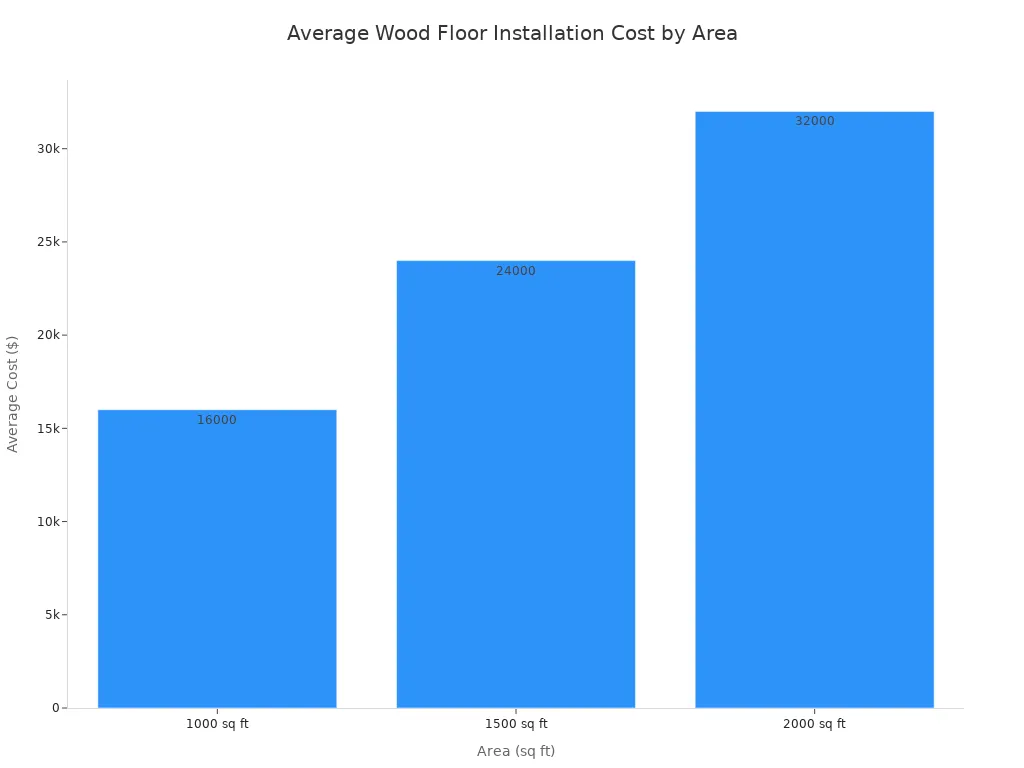
Because of its straightforward installation, the straight plank pattern is also the most budget-friendly option. Labor costs are lower, and you will have minimal material waste.
| Area (sq ft) | Average Installation Cost |
|---|---|
| 1,000 | $16,000 |
| 1,500 | $24,000 |
| 2,000 | $32,000 |
Random Plank Pattern
If you want a more rustic or casual look, you should consider a random plank pattern. This design uses wood planks of varying widths and lengths. The mix of sizes breaks up the uniformity of a standard straight layout. This creates an organic, cozy feel with a lot of character. This style is perfect for achieving a farmhouse, rustic, or informal aesthetic in your home.
Proper installation is key to making this pattern look truly random and natural. Your installer should follow a few best practices.
- They should “rack” the boards before installation to ensure an even distribution of plank sizes.
- The seams between planks in adjacent rows should be at least 8 inches apart.
- The starter piece for each row should be cut to a random length to avoid repetitive patterns.
Diagonal Plank Pattern
The diagonal pattern offers a dynamic twist on the classic straight layout. You install the wood planks at a 45-degree angle to the walls. This simple change has a dramatic effect on your room’s feel. The diagonal lines draw the eye outward across the space. This visual trick makes a room feel significantly larger and more open. The longest straight line in any room is its diagonal, and this flooring pattern uses that to create an expansive visual effect.
This design adds a touch of custom sophistication without the complexity of more intricate patterns like herringbone. The diagonal pattern is an excellent choice for smaller rooms, narrow hallways, or any space where you want to add visual interest and a sense of movement.
Pro Tip: A diagonal installation requires more intricate cuts where the planks meet the walls. You should plan for a higher material waste factor, typically around 10-15%, compared to a standard straight installation. This ensures you have enough wood flooring to complete the job.
Exploring Intricate Wood Floor Patterns for a Statement Look
If you want your floor to be more than just a surface, you can explore intricate wood flooring patterns. These designs transform your floor into a primary design feature. Patterns like herringbone and chevron create a sense of luxury and custom craftsmanship. They require more material and skilled labor, but the result is a stunning visual statement that elevates your entire home.
The Herringbone Pattern
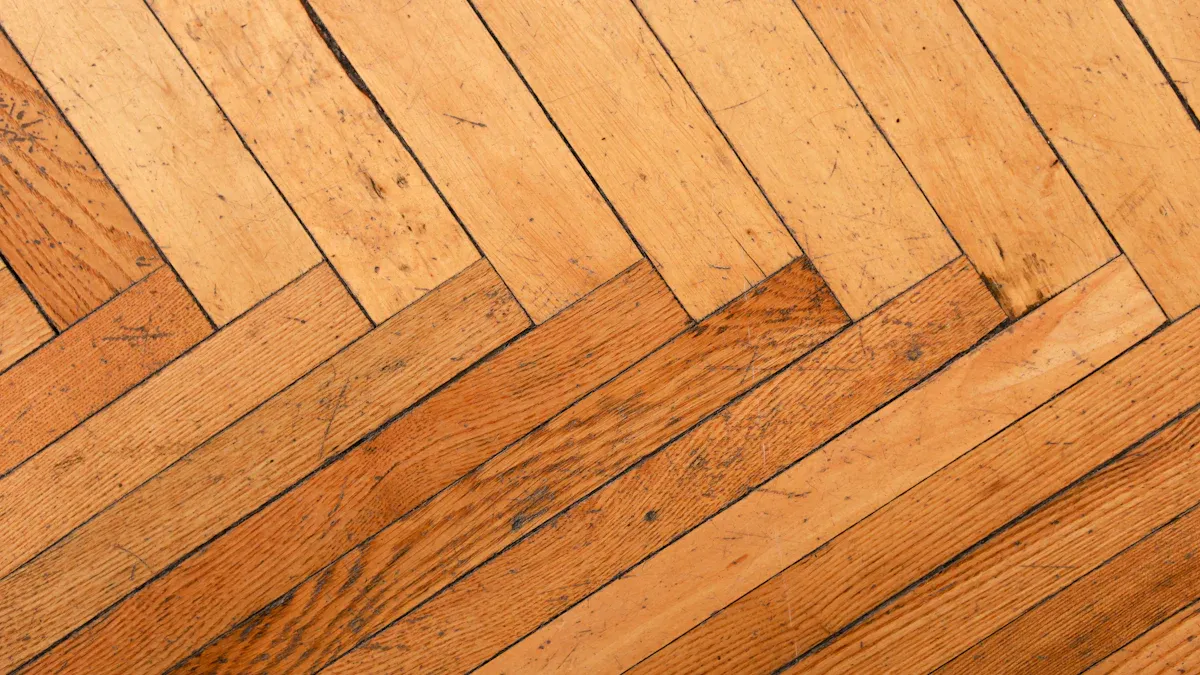
The herringbone pattern is a timeless and sophisticated choice. It gets its name because the layout looks like the bone structure of a herring fish. You create the design by laying rectangular wood planks in a staggered, zigzag pattern. The end of one plank meets the side of another, creating a beautiful, broken V-shape. This classic design adds a sense of movement and elegance to any room.
The history of the herringbone pattern is rich and fascinating. Its origins go back thousands of years.
- The Ancient Romans first used this interlocking pattern to build incredibly durable roads, a technique they called opus spicatum.
- Ancient Egyptians also used similar designs in decorative jewelry.
- Its use in wood flooring began in 16th-century France. A famous early example is the floor installed in the Francis I Gallery at the Chateau de Fontainebleau in 1539.
Pro Tip: Installing herringbone flooring is a complex job that demands precision. You should be aware of common challenges.
- Precise Cuts: Each plank must be cut perfectly. A small error can disrupt the entire pattern.
- Adhesive Application: Uneven glue can cause planks to become loose over time.
- Expansion Gaps: You must leave a proper gap around the room’s perimeter for the wood to expand and contract safely.
The Chevron Pattern
The chevron pattern is often confused with herringbone, but it has a distinct and modern look. The key difference is in the planks themselves. For a chevron design, the ends of the wood planks are cut at an angle (typically 45 degrees). When you join two planks, they form a perfect “V” shape, creating a continuous, seamless zigzag across the floor. This results in a clean, uniform appearance with long strings of arrows that guide your eye through the space.
The chevron pattern creates a crisp, tidy aesthetic compared to the more broken look of herringbone. This table highlights the main differences between the two flooring patterns.
| Feature | Herringbone | Chevron |
|---|---|---|
| Plank Shape | Standard rectangular planks | Planks with ends cut at an angle |
| Pattern | Staggered, broken zigzag | Continuous, seamless “V” shape |
| Visual Effect | Visual movement, asymmetry | A clean string of arrows, symmetry |
This pattern has been associated with luxury since it became popular in 17th-century France. Chevron wood floors are an excellent choice for modern interiors because they:
- Create a powerful focal point in a room.
- Make spaces feel larger and more open.
- Add a sense of movement and sophistication.
The clean lines of chevron blocks work well in both large and small rooms. You can use this design to turn an ordinary hallway or living room into an extraordinary space.
The Double Herringbone Pattern
For an even bolder statement, you can choose the double herringbone pattern. This design takes the classic herringbone concept and amplifies it. Instead of laying single planks, you place two rectangular wood planks side-by-side to form each part of the zigzag.
This simple change has a big impact. The double herringbone creates a wider, more textured look than the standard version. The patterns feel larger and more substantial. This design adds extra depth and visual weight to your wood flooring. It works especially well in larger, open-concept rooms where the grander scale of the pattern can be fully appreciated. Using double herringbone makes a space feel more luxurious while keeping the classic appeal of the original herringbone design.
Decorative Parquet Flooring Patterns
You can elevate your home with decorative parquet flooring patterns. These designs turn your wood flooring into a work of art. Parquet embodies intricate artistry and historical luxury. It brings a formal and regal feel to any space. These geometric flooring patterns offer endless possibilities for a truly custom look.
The Basket Weave Pattern
The basket weave parquet pattern gives your floor a stylish, textured appearance. This design uses interlocking squares of wood to create the look of a woven basket. It is a wonderful choice for traditional and vintage-style interiors. You have several options to customize this classic design.
- Classic Basket Weave: This style uses planks of a single, often light-colored wood.
- Contemporary Variations: You can choose darker wood or mix different colored boards for a unique look.
- Specific Patterns: Installers can create more complex designs like a double basket weave or square basket weave.
The Versailles Pattern
The Versailles pattern is one of the most famous and ornate wood flooring patterns. This style, also known as parquet de versailles, originated in 16th-century France. It became a symbol of luxury and elegance.
The
parquet de versaillesgained its fame in 1684. King Louis XIV ordered it to replace the cold, heavy marble floors throughout the Palace of Versailles. The warm, rich wood panels were an instant success.
The parquet de versailles design features a large square set on a diagonal. This square contains an intricate, interwoven pattern of wood pieces. The stunning parquet de versailles flooring became a hallmark of French design. Choosing the parquet de versailles brings a piece of that history and opulence into your home.
Custom Inlays and Borders
You can achieve a truly one-of-a-kind wood flooring with custom inlays and borders. These elements act as expressions of your personal style and craftsmanship. Inlays are decorative motifs set into the floor, often serving as a focal point. Popular motifs include:
- Nautical or wildlife themes
- Botanical or floral patterns
- Custom medallions framed by parquet
Borders frame your wood flooring and can define different areas in an open-concept home. You can choose from many styles, from simple lines to intricate marquetry. These custom patterns transform your flooring from a simple surface into a sophisticated design statement.
How to Choose the Right Wood Flooring Pattern
Choosing the right wood flooring pattern is a key design decision. You need to think about your room, your home’s character, and the wood itself. This helps you create a cohesive and beautiful space.
Consider Your Room’s Size and Shape
The pattern of your wood flooring can change how you see a room’s size. Some patterns make a space feel bigger, while others are better for large, open areas. You should select a pattern that works with your room’s dimensions.
- For Small Rooms: A diagonal pattern is an excellent choice. The angled lines draw the eye across the longest part of the room, making it feel more spacious.
- For Large Rooms: You have more flexibility in bigger spaces. A random plank pattern works well in open, rectangular rooms. For a dramatic look, you can use chevron or parquet flooring patterns.
Match Your Home’s Architectural Style
Your wood flooring should complement your home’s existing architecture. Different historical periods and design movements favor specific types of patterns and wood.
Victorian homes, for example, often featured elaborate and decorative flooring. Homeowners preferred intricate parquet patterns like herringbone and Versailles. They used narrow wood planks and inlays to create a feeling of luxury. In contrast, Mid-Century Modern homes embrace a simpler style. This design often uses red oak wood with a straight grain, like rift & quarter sawn, in traditional 2 1/4″ widths for a clean, modern look.
Factor in Board Width and Length
The width of your wood planks has a big impact on the final look. The choice between wide and narrow planks can completely change a room’s atmosphere.
Note: Wide planks, typically over 5 inches, create a modern and open feeling. With fewer seams, they make a room feel larger and less cluttered. This is a great option for open-concept homes.
Narrow planks, usually under 3 inches wide, offer a more classic and traditional aesthetic. The increased number of seams creates a busier, more textured appearance. This style is perfect for smaller rooms or achieving a historic look. You must balance the plank size with your room’s proportions to get the best effect.
Understanding the Cost of Different Wood Flooring Designs
Your budget is a major factor when choosing a wood flooring pattern. The cost of different flooring designs varies greatly. This is due to material needs and the skill required for installation. Understanding these costs helps you make an informed decision.
Material Costs and Waste Factor
More complex designs require more material. Straight plank flooring is generally less expensive than intricate designs like herringbone. The material itself, such as engineered wood, typically costs between $4 and $12 per square foot. The price depends on the quality and finish of the wood.
A key cost factor is “waste.” This is the extra wood flooring needed to account for cuts. Simple designs have less waste. Complex flooring designs require more cuts, which increases waste.
You must plan for a higher waste factor with intricate designs.
- Chevron Pattern: This design usually needs a 20-25% waste factor.
- Versailles Pattern: This requires even more, with a 25-30% waste factor.
Labor and Installation Complexity
Labor is a significant part of your total flooring cost. The complexity of the design directly impacts installation time and expense. A simple straight plank pattern is quick to install. Intricate designs like parquet require a highly skilled professional and take much longer. This specialized labor costs more.
The cost difference between flooring designs can be substantial. This table shows how a pattern choice affects labor costs.
| Substrate Type | Parquet Pattern (per m²) | Straight Lay Plank (per m²) |
|---|---|---|
| Plywood/Timber | $115–$135 | $75–$90 |
| Concrete | $135–$165 | $90–$140 |
Overall, you can expect to pay $9 to $32 more per square foot for the labor on parquet designs compared to standard solid wood flooring. Choosing one of these beautiful designs means budgeting for the expert craftsmanship it demands.
Installation Insights for Your Wood Flooring
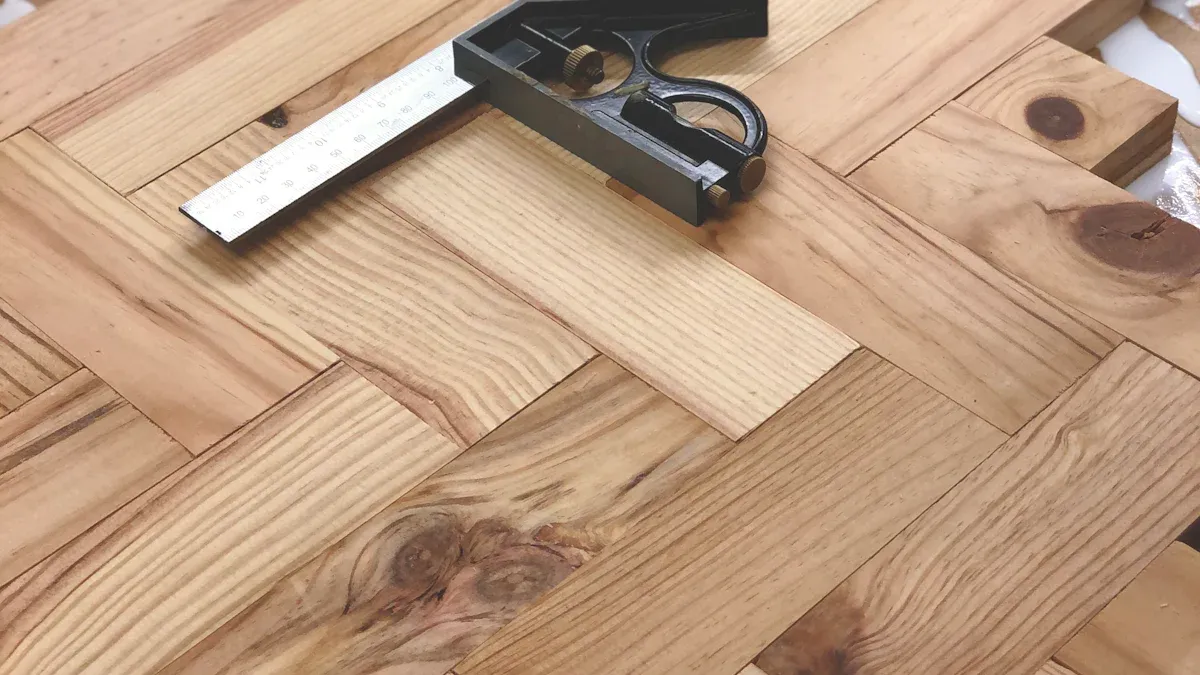
A successful hardwood flooring installation depends on careful preparation. Understanding a few key steps ensures your new floor looks beautiful and lasts for years. These insights will help you prepare for the installation process, whether you do it yourself or hire a pro.
The Importance of Acclimating Wood
You must acclimate your new wood flooring before installation. Acclimation is the process of letting the wood adjust to your home’s temperature and humidity. This step is critical for preventing future problems.
- Wood is a natural material that expands and contracts with moisture changes.
- If you install wood that is too moist, it will shrink and create gaps between the boards.
- If you install wood that is too dry, it will expand and can cause buckling or cupping.
The goal is for the wood to reach its Equilibrium Moisture Content (EMC), where it is stable in your home’s environment. For solid hardwood, you should acclimate it for at least three days. Engineered wood flooring requires a minimum of 48 hours.
Preparing Your Subfloor
Your subfloor is the foundation for your new flooring. A poorly prepared subfloor can ruin even the best installation. You must ensure the surface is completely clean, dry, and level. Any bumps or dips can create issues later. Once the subfloor is level, you should install a vapor barrier. This barrier protects the wood from moisture that can come up from below.
DIY vs. Professional Installation
You must decide whether to handle the hardwood flooring installation yourself or hire a professional. Your choice depends on your budget, skill level, and timeline. Complex laying patterns often require an expert. This table can help you weigh the pros and cons.
| Feature | DIY Installation | Professional Installation |
|---|---|---|
| Pros | Saves money on labor, you work on your own schedule, and you get a sense of accomplishment. | Experts provide a high-quality finish, work is done quickly, and you often get a warranty. |
| Cons | It is time-consuming, physically demanding, and mistakes can be very costly to fix. | Labor costs are much higher, and you have less control over the project’s daily schedule. |
Your choice of wood flooring pattern is a critical design decision. It is as important as the wood species. Simple patterns offer a versatile style, while intricate wood flooring patterns create a luxurious look at a higher cost. You can confidently choose the right wood flooring pattern for your home. Consider your room, personal style, and budget to select from the many flooring patterns available. This choice of wood patterns will elevate your home’s beauty for years to come.
FAQ
Which wood floor pattern is best for making a small room look bigger?
You should choose a diagonal pattern. The angled lines draw your eye across the room’s longest dimension. This visual trick creates an illusion of more space. This flooring design is an excellent choice for narrow hallways or small bedrooms.
Are intricate patterns like herringbone more difficult to clean?
No, the pattern itself does not make cleaning harder. You can sweep or vacuum any wood flooring pattern easily. However, the increased number of seams in an intricate design can trap more dirt. Regular cleaning will keep your floors looking great.
Can I mix different wood flooring patterns in my home?
Yes, you can mix patterns. Using different patterns can define separate areas in an open-concept home. For example, you could use a border to transition from a straight plank living room to a basket weave dining area. This adds custom character.
How much extra wood should I buy for my project?
You should always buy extra wood for cuts and mistakes. This is called the “waste factor.”
- Simple Patterns: Plan for 5-10% extra material.
- Complex Patterns: A diagonal or herringbone installation may require 15-20% extra wood.




