
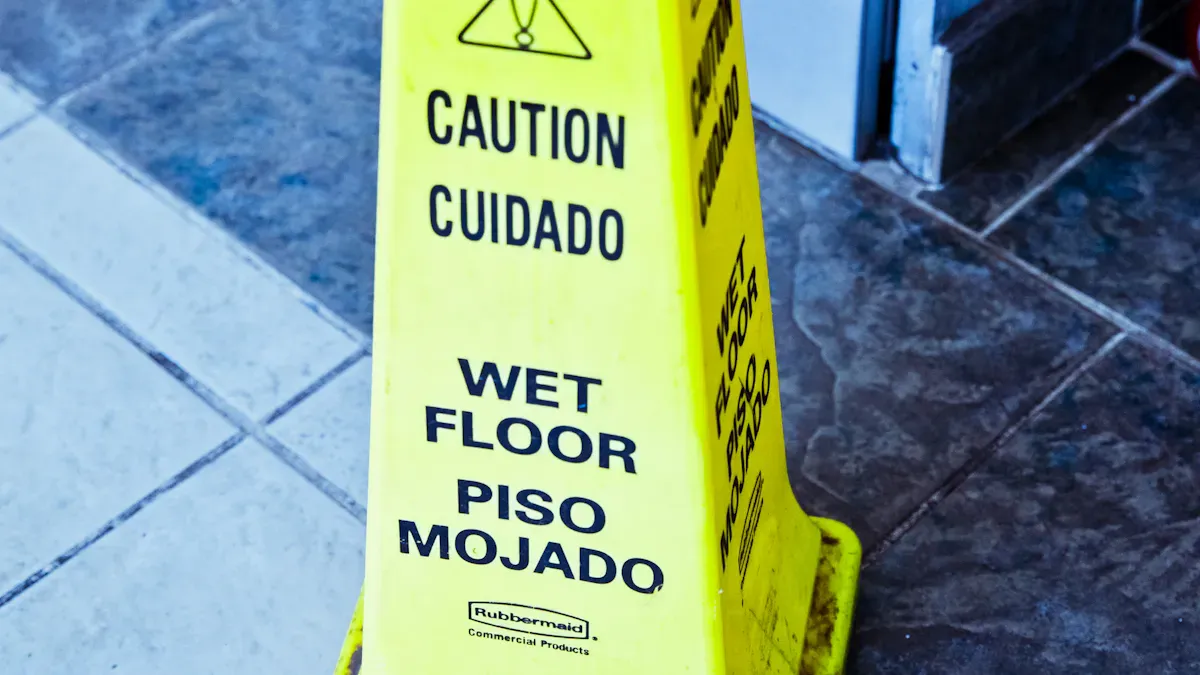
You face unique challenges when you install sheet vinyl flooring in a kitchen or bathroom. Water spills and high humidity often threaten the floor’s structure. Underlayment gives you a protective layer that shields your floor from moisture damage. Skipping underlayment in a kitchen or bathroom can lead to costly repairs and mold growth. Take a look at how underlayment helps in these spaces:
| How Underlayment Protects Floors in Kitchens and Bathrooms | Explanation |
|---|---|
| Barrier layers reduce upward moisture transfer | Underlayment acts as a barrier that limits moisture from the subfloor reaching the flooring above, crucial in moisture-prone areas like kitchens and bathrooms. |
| Non-porous surfaces reduce water penetration risks | Underlayment for sheet vinyl flooring creates a non-porous surface, which prevents liquid from seeping through and damaging the floor. |
| Stable flooring supports long-term bathroom durability | Underlayment helps maintain the floor’s integrity, even after repeated exposure to water in a bathroom. |
You protect your investment and keep your kitchen and bathroom safe when you choose the right underlayment.
Understanding Underlayment for Sheet Vinyl Flooring
What Is Underlayment?
You use underlayment as a layer between your subfloor and sheet vinyl flooring. This layer acts as a foundation that supports your floor. Underlayment helps create a smooth surface, which makes installation easier. You find several types of underlayment for sheet vinyl flooring in moisture-prone areas. Each type offers unique benefits:
- Cork underlayment gives you natural insulation. It absorbs sound and resists mold and mildew. You can use cork in bathrooms and basements because it handles humidity well.
- Rubber underlayment provides strong moisture resistance. It absorbs impact and reduces noise. You choose rubber for areas with heavy foot traffic and high humidity.
Underlayment improves comfort and protects your flooring from damage. You select the right underlayment to match your needs and the conditions in your home.
Functions of Underlayment in Kitchens and Bathrooms
You rely on underlayment to manage moisture in kitchens and bathrooms. These rooms often have high humidity and frequent spills. Underlayment prevents water from reaching your sheet vinyl flooring. It acts as a waterproof barrier and blocks moisture from moving up through the subfloor. You also benefit from underlayment because it stops mold growth and keeps your floor stable.
- Underlayment manages moisture in high-humidity rooms.
- It provides waterproofing to protect your floor.
- It serves as a vapor barrier to block moisture migration.
You protect your investment when you install underlayment in kitchens and bathrooms. This layer keeps your floor safe and extends its lifespan. You avoid costly repairs and enjoy a comfortable, durable surface.
Key Features of Flooring Underlayment in Moisture-Prone Areas

Moisture Resistance and Mold Prevention
You need strong moisture resistance when you install underlayment in kitchens or bathrooms. Water can seep through the floor and cause damage. Mold grows quickly in damp places. Underlayment acts as a moisture barrier that stops water from reaching your sheet vinyl flooring. You get better moisture and mold protection when you use the right materials and follow proper installation steps.
Scientific studies show that using a 6 mil polyethylene vapor retarder or an approved underlayment with a built-in moisture barrier helps control moisture and prevent mold growth. Industry standards like ASTM F2170 and ASTM F1869 measure moisture levels before you install flooring. You should overlap seams and keep indoor humidity between 30% and 50% for the best results. These steps help you avoid mold and keep your floor safe.
Durability and Longevity
You want your floor to last for many years. Underlayment adds strength and support to your sheet vinyl flooring. It helps your floor handle heavy foot traffic and daily use. A good moisture barrier keeps water from breaking down the materials. You avoid warping, bubbling, and other problems when you use quality underlayment. This means you spend less money on repairs and replacements.
You should choose underlayment that resists wear and tear. Durable underlayment keeps your floor looking new and feeling comfortable. You also get peace of mind knowing your kitchen or bathroom floor will stay strong.
Compatibility with Sheet Vinyl Flooring
You must pick underlayment that works well with sheet vinyl flooring. Some materials offer better support and moisture barrier features than others. Check the table below to see how different underlayment types compare:
| Underlayment Material | Benefits | Considerations |
|---|---|---|
| Foam | Lightweight, easy to install | Not a moisture barrier, can trap water |
| Felt | Sound control, insulation | May not be as moisture resistant |
| Particle Board | Inexpensive, levels base | Ineffective against moisture, hard to remove |
| Rubber | Absorbs sound, adds warmth | Can be more expensive |
| Plywood and OSB | Provides a level base | Lacks warmth and cushioning |
You should always check manufacturer guidelines before you choose underlayment. This helps you find the best match for your sheet vinyl flooring and ensures you get the right moisture barrier. The right flooring underlayment gives you comfort, safety, and long-lasting results.
Importance of Subfloor Preparation
You must prepare your subfloor before you install underlayment for sheet vinyl flooring. A clean, flat, and dry subfloor gives you the best results. If you skip this step, you risk problems with your floor later.
Substrate preparation is eminently important for a successful flooring installation of any kind, but it’s even more critical for a vinyl flooring installation that includes luxury vinyl tile and plank. Of primary concern is how level and flat the substrate is. Since vinyl flooring materials have ‘drape,’ they will conform to the surface they are applied to and irregularities will telegraph through.
When you install underlayment on an uneven subfloor, you create weak spots. These spots can cause your sheet vinyl flooring to shift or buckle. You may also see bumps or dips in your floor. This makes your kitchen or bathroom look messy and can lead to damage.
When not installed on a level surface, a luxury vinyl plank floor can shorten in length when it rides over high and low areas, and it can also lift on edges or ends where a substrate irregularity exists.
You should always check for cracks, holes, or moisture before you lay underlayment. Sweep away dust and debris. Fill in gaps with a patching compound. Make sure the surface is dry. If you find moisture, fix the problem before you continue.
In addition to sealing the edges of the flooring, it is also recommended to properly prepare the subfloor before installation to create a flat, level, and dry surface for the flooring.
You want your underlayment to sit smoothly on the subfloor. This helps your sheet vinyl flooring last longer. It also keeps your floor safe from water damage and mold.
It is not recommended to install vinyl flooring over an uneven subfloor. An uneven subfloor can cause the vinyl planks to shift or buckle, leading to a damaged or uneven flooring surface.
You get the best performance from your underlayment when you start with a solid foundation. Take your time with subfloor preparation. This step protects your investment and gives you a beautiful, long-lasting floor.
Comparing Underlayment for Vinyl Flooring Options
Foam Underlayment
You often see foam underlayment used with sheet vinyl flooring because it is affordable and easy to install. Foam gives your flooring a soft feel underfoot and provides some insulation. You notice average sound dampening, which helps reduce noise in busy rooms. Foam underlayment does not act as a moisture barrier. If water gets trapped under the foam, mold and must can develop. You need to add a separate vapor barrier if you want to protect your flooring from moisture. Foam underlayment works best in dry rooms. In kitchens and bathrooms, you must take extra steps to prevent water damage.
Tip: Always check if your foam underlayment includes a built-in moisture barrier before using it in moisture-prone areas.
Advantages of foam underlayment:
- Cost-effective choice for many flooring projects
- Provides cushioning under sheet vinyl flooring
- Offers limited insulation
- Delivers average sound dampening
Disadvantages of foam underlayment:
- Does not block moisture
- Can trap water, leading to mold
- Less effective at absorbing sound compared to felt
Cork Underlayment
Cork underlayment stands out for its natural moisture resistance and sound absorption. You benefit from cork’s cellular structure, which absorbs vibration and reduces sound transmission. This makes your flooring quieter and more comfortable. Cork contains suberin, a waxy substance that helps repel moisture and resist mold. However, cork is not a vapor barrier. If you install cork underlayment over concrete, you need a separate polyethylene moisture barrier to protect your flooring. Cork underlayment improves insulation and works well in kitchens and bathrooms when you add extra moisture protection.
- Cork underlayment improves Impact Insulation Class (IIC) and Sound Transmission Class (STC) ratings.
- Cork resists mold and mildew but can absorb moisture if not properly sealed.
Felt Underlayment
Felt underlayment offers better sound control and insulation for your flooring. You notice improved comfort and reduced noise in your kitchen or bathroom. Felt underlayment provides some moisture protection, but it is not suitable for concrete or damp areas. Felt can retain moisture, which may cause problems in wet rooms. You should avoid using felt underlayment in places where water spills are common. Felt works best in dry spaces where you want extra sound control.
| Underlay Type | Moisture Protection |
|---|---|
| Foam | Varies (often needs a separate vapor barrier) |
| Felt | Low (not for concrete or damp areas) |
| Cork | Good (needs a separate vapor barrier on concrete) |
| Rubber | Superior (acts as a built-in vapor barrier) |
| Benefits | Drawbacks |
|---|---|
| Better sound control | Potential moisture retention issues |
| Improved insulation | |
| Moisture protection |
You compare each underlayment for vinyl flooring option based on moisture resistance, sound absorption, and comfort. You make the best choice for your kitchen or bathroom by considering the unique needs of your flooring.
Rubber Underlayment
You can choose rubber underlayment for your vinyl flooring when you want strong moisture protection. Rubber underlayment acts as a dual-action barrier. It blocks both liquid water and water vapor from reaching your flooring. The dense, closed-cell structure of rubber keeps water out. This helps prevent damage to your subfloor and your vinyl flooring. You also stop mold from growing because rubber does not let moisture pass through. This is important in kitchens and bathrooms where water spills are common.
Rubber underlayment gives your vinyl flooring extra durability. It cushions your floor, making it more comfortable to walk on. You also get less noise because rubber absorbs sound. You protect your flooring from warping and mold. You also extend the life of your vinyl flooring. Rubber underlayment works well under tile and stone, too. It keeps mortar and grout safe from moisture, which helps prevent cracks.
- Rubber underlayment blocks water and vapor.
- It stops mold and keeps your flooring strong.
- You get a quiet and comfortable floor.
Plywood Underlayment
You may use plywood underlayment to create a smooth base for your vinyl flooring. Plywood helps level your subfloor and supports your vinyl flooring. You must test for moisture before you install plywood. Moisture can cause plywood to warp, rot, or grow mold. You can use calcium chloride tests or relative humidity tests to check the subfloor. These tests help you know if your subfloor is dry enough for installation.
Plywood underlayment needs a moisture barrier in kitchens and bathrooms. You can use polyethylene sheets, liquid-applied vapor barriers, or special underlayments with built-in moisture protection. Without a barrier, plywood can get damaged by water. This can lead to problems with your vinyl flooring. You should always add a moisture barrier when you install plywood in damp rooms.
- Test for moisture before installing plywood.
- Add a moisture barrier to protect your flooring.
- Choose the right barrier for your room.
Specialty Moisture Barrier Underlayment
You can pick specialty moisture barrier underlayment for the best protection in wet areas. These underlayments use advanced materials to keep your vinyl flooring safe. They last longer and resist tearing better than traditional felt. Specialty underlayments stop water from reaching your flooring. They also let vapor escape, which helps prevent mold and mildew.
Here is a comparison of specialty moisture barrier underlayment and traditional felt:
| Feature | Synthetic Underlayment | Traditional Felt Underlayment |
|---|---|---|
| Durability | High, engineered to resist tearing | Moderate, can degrade over time |
| Moisture Resistance | Superior, designed to prevent moisture | Limited, susceptible to absorption |
| Performance in Extreme Weather | Excellent, withstands harsh conditions | Poor, can buckle and trap moisture |
| Breathability | Yes, allows vapor escape | No, can trap moisture |
| Lifespan | Longer, due to material properties | Shorter, prone to decomposition |
Specialty moisture barrier underlayments give your vinyl flooring the best defense against water. You get a longer-lasting and safer floor in your kitchen or bathroom.
Pros and Cons of Popular Underlayment Types
You want to make the best choice for your kitchen or bathroom floor. Each underlayment type has strengths and weaknesses. This table helps you see the main pros and cons:
| Underlayment Type | Pros | Cons |
|---|---|---|
| Foam | Easy to install, soft underfoot, affordable | Poor moisture barrier, can trap water |
| Cork | Good sound absorption, resists mold | Needs extra moisture barrier on concrete |
| Felt | Great for sound control, adds insulation | Holds moisture, not for wet areas |
| Rubber | Blocks water, reduces noise, durable | Higher cost, heavy to handle |
| Plywood | Levels subfloor, strong support | Needs moisture barrier, can warp if wet |
| Specialty Moisture Barrier | Superior moisture protection, long-lasting | May cost more, sometimes harder to cut |
Tip: Always match your underlayment to your room’s needs. Kitchens and bathrooms need strong moisture protection.
Foam Underlayment
- You find foam easy to work with. It feels soft and costs less.
- You must add a vapor barrier for wet rooms.
Cork Underlayment
- You get quiet floors and natural mold resistance.
- You need a plastic sheet under cork on concrete.
Felt Underlayment
- You enjoy better sound control.
- You should avoid felt in damp spaces.
Rubber Underlayment
- You choose rubber for top moisture defense.
- You may pay more and need help moving heavy rolls.
Plywood Underlayment
- You use plywood for a flat, strong base.
- You must protect it from water with a barrier.
Specialty Moisture Barrier Underlayment
- You pick this for the best water protection.
- You may spend more, but you get peace of mind.
Note: Always check your flooring manufacturer’s guide before you decide. The right underlayment keeps your floor safe and strong for years.
Step-by-Step Guide to Selecting the Right Underlayment for Sheet Vinyl Flooring
Assess Your Subfloor and Room Conditions
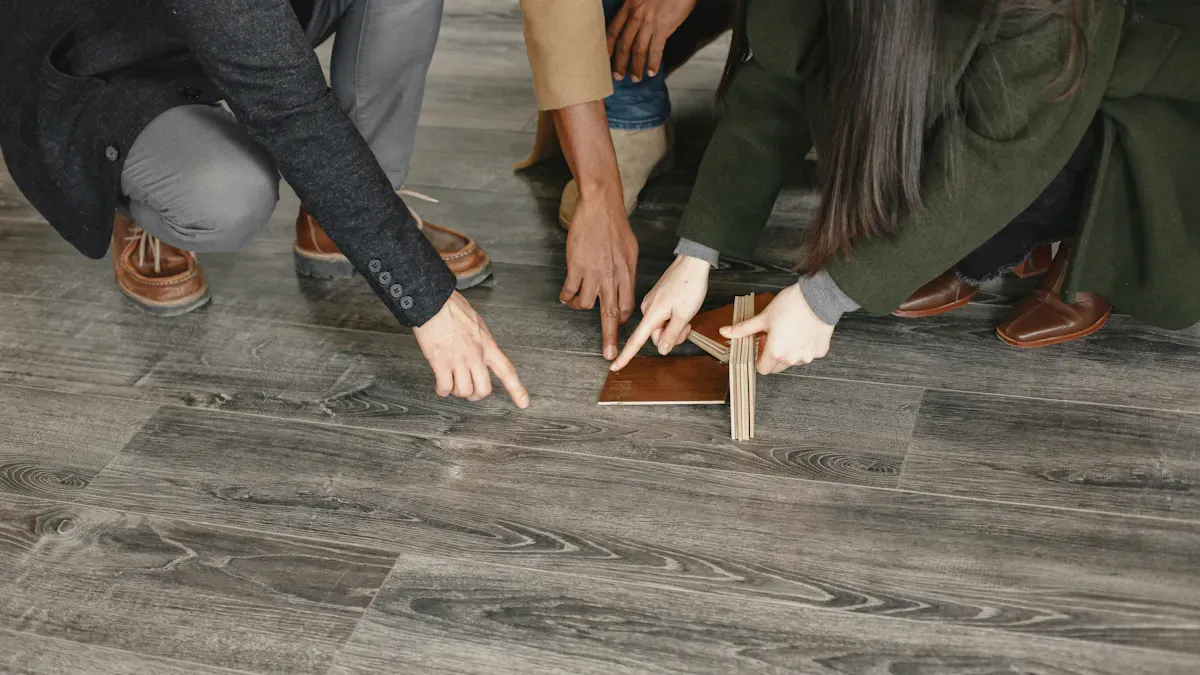
You need to start by looking at your subfloor and the room where you plan to install your flooring. This step helps you choose the best underlayment for sheet vinyl flooring. Every room and subfloor is different. Some rooms have more moisture. Some subfloors are rough or uneven. You must check these things before you begin.
- Check if your subfloor is even or has bumps. Uneven or rough subfloors need thicker, more supportive underlayment for sheet vinyl flooring. Fiber or felt layers can help smooth out rough spots.
- Think about noise. If you live in a multi-level home or want a quiet space, cork or rubber underlayment works well for sound insulation.
- Look for moisture problems. Kitchens, bathrooms, and basements often have more water. You need underlayment for sheet vinyl flooring with a strong moisture barrier in these rooms. Vapor retarders are important if you have a concrete subfloor.
- Decide if you want to do the work yourself. Foam underlayment is easier for DIY projects. Cork or rubber may need a professional for proper underlayment installation.
Tip: Take your time to inspect the subfloor. Fix any cracks or holes before you start underlayment installation. This step helps your floor last longer.
Prioritize Moisture Protection Features
You must protect your floor from water. Moisture can cause big problems under your sheet vinyl flooring. Mold and mildew grow fast in wet places. You need underlayment for sheet vinyl flooring that blocks water and keeps your floor dry.
- Choose an underlayment with a waterproof membrane. This layer stops water from reaching the subfloor.
- Make sure the underlayment has a moisture barrier. This barrier helps prevent mold and mildew from growing under your floor.
- Look for products that are made for kitchens and bathrooms. These underlayments give you the best protection in wet areas.
- Remember, not all underlayments are the same. Some, like rubber or specialty moisture barrier underlayments, give you better water protection.
If you skip moisture protection, you risk mold and damage to your subfloor. Good moisture resistance helps your floor last longer and keeps your home healthy.
Note: Using moisture-resistant underlayment for sheet vinyl flooring extends the life of your floor and keeps your space safe.
Review Manufacturer Recommendations
You should always check what the flooring manufacturer suggests. Each brand has its own rules for underlayment for sheet vinyl flooring. Following these rules helps you keep your warranty and get the best results.
Here is a table that shows what some brands recommend:
| Underlayment Type | Benefits | Considerations |
|---|---|---|
| Cork | Noise reduction | Not a moisture barrier; retains moisture |
| Foam | Cost-effective cushioning | Can trap water; not a moisture barrier |
| Felt | Better sound control | May require vapor barrier |
| Rubber | Sound absorption, warmth | N/A |
| Plywood/OSB | Level base | Limited warmth/cushioning |
| Whisper Step | Universal compatibility, moisture control | N/A |
| SoundCheck™ | Class II moisture control | Requires Class I barrier over concrete |
- Always follow the instructions from the flooring brand. This keeps your warranty safe.
- The right underlayment for sheet vinyl flooring depends on your subfloor. Concrete needs a Class I moisture barrier. Wood subfloors may need Class II.
- Do not use two layers of underlayment unless the manufacturer says it is okay. Sometimes, you can use a thin moisture barrier over cork pads.
Tip: Reading the manufacturer’s guide helps you avoid mistakes and keeps your floor strong for years.
Compare Costs and Installation Requirements
You want to choose underlayment that fits your budget and skill level. Each type of underlayment has a different price and installation process. Some options cost less but need extra steps. Others cost more but save you time and effort.
Here is a table that shows the average cost per square foot for popular underlayment types:
| Underlayment Type | Cost per Square Foot |
|---|---|
| Basic Foam | $0.30 – $0.90 |
| Felt | $0.40 – $1.20 |
| Cork | $0.60 – $1.80 |
| Premium Rubber and Fiber | $0.80 – $2.50+ |
| Specialty Moisture Barriers | +$0.25 – $0.75 |
You see that basic foam underlayment costs the least. You pay more for cork, rubber, or specialty moisture barriers. These higher-priced options often give you better moisture protection and sound control.
You also need to think about installation. Some underlayments are easy to install by yourself. Others need special tools or help from a professional.
- Foam underlayment: You can cut foam with scissors or a utility knife. You roll it out and tape the seams. Foam is light and simple to handle.
- Felt underlayment: You lay felt in strips and overlap the edges. You may need to staple or tape it down. Felt is heavier than foam but still manageable.
- Cork underlayment: You cut cork with a sharp knife. You must lay it flat and tape the seams. Cork can break if you bend it, so you need to work carefully.
- Rubber underlayment: You roll out rubber sheets. You may need help because rubber is heavy. You cut it with a strong knife and tape the seams.
- Specialty moisture barrier underlayment: You follow the instructions on the package. Some products have adhesive strips. Others need you to overlap and tape the seams. These underlayments often go under foam, felt, or cork.
Tip: If you want to save money, you can install foam or felt underlayment yourself. If you want the best moisture protection, you may need to hire a professional for rubber or specialty underlayments.
Make Your Final Selection
You have learned about the types, costs, and installation steps for underlayment. Now you can make a smart choice for your kitchen or bathroom.
Follow these steps to pick the right underlayment:
- Check your subfloor and room. If you see moisture or uneven spots, choose an underlayment that solves these problems.
- Decide your budget. Foam and felt cost less. Cork, rubber, and specialty barriers cost more but give you better protection.
- Think about installation. If you want to do it yourself, pick foam or felt. If you want the best results, ask a professional to install rubber or specialty underlayment.
- Read the manufacturer’s guide. Make sure your underlayment matches your sheet vinyl flooring. This keeps your warranty safe.
- Choose the best fit. Pick the underlayment that gives you the right mix of price, protection, and comfort.
🛠️ Note: The right underlayment helps your floor last longer and keeps your kitchen or bathroom safe from water damage.
You make a smart investment when you choose underlayment that matches your needs. You get a floor that looks good, feels comfortable, and stays strong for years.
Why Choose skspcflooring for Your Underlayment Needs
You want your sheet vinyl flooring to last in kitchens and bathrooms. You need underlayment that stands up to moisture and daily wear. skspcflooring gives you reliable solutions that help protect your investment.
Here’s why you should consider skspcflooring:
- Certified Quality: You get products that meet international standards like ISO9001, ISO14001, EN, ASTM, and GB. These certifications show that skspcflooring cares about safety and durability.
- Moisture Protection: You find underlayment and flooring options designed to resist water. This feature helps prevent mold and keeps your floors strong in kitchens and bathrooms.
- Eco-Friendly Choices: You choose materials that are safe for your home and the environment. skspcflooring uses sustainable practices and modern designs.
- Wide Selection: You can pick from Chevron SPC Flooring, Rigid Core SPC Flooring, SPC Tile Flooring, and EIR SPC Flooring. Each product offers different thicknesses and styles to match your needs.
- Trusted Experience: You benefit from a company with over 30 years of industry knowledge. The team at skspcflooring understands what works best in moisture-prone areas.
🏆 Tip: When you select skspcflooring, you get expert advice and tailored solutions for your project.
| Feature | skspcflooring Advantage |
|---|---|
| Quality Certifications | ISO9001, ISO14001, EN, ASTM, GB |
| Moisture Resistance | Superior water protection |
| Product Variety | Multiple SPC flooring options |
| Customer Support | Professional and responsive team |
You can contact skspcflooring for custom solutions and competitive pricing. You receive professional service from start to finish. If you want flooring that lasts and protects your home, skspcflooring is a smart choice.
Visit skspcflooring.com to explore products or ask for a quote.
You protect your kitchen and bathroom floors when you choose the right underlayment. Always check moisture levels, subfloor type, and expected foot traffic before you decide. Industry experts recommend careful surface preparation and using materials that match your needs.
Quality underlayment keeps your warranty safe and boosts comfort, sound control, and durability.
- High-quality underlayment blocks moisture, reduces mold risk, and extends your floor’s life.
- Smart choices lower repair costs and help your floor look great for years.
FAQ
What is the best underlayment for sheet vinyl flooring in bathrooms?
You should use a specialty moisture barrier underlayment. This type blocks water and prevents mold. Rubber underlayment also works well in wet areas. Always check your flooring manufacturer’s recommendations.
Can I install sheet vinyl flooring without underlayment?
You can install sheet vinyl flooring without underlayment, but you risk moisture damage and uneven surfaces. Underlayment protects your floor and helps it last longer. It also improves comfort and sound control.
How do I know if my subfloor needs extra preparation?
You should inspect your subfloor for cracks, bumps, or moisture. Sweep away dust and fill holes with patching compound. A flat, dry surface gives you the best results. Use a moisture test if you have doubts.
Does underlayment affect the warranty of my vinyl flooring?
You must follow the manufacturer’s guidelines for underlayment. Using the wrong type can void your warranty. Always read the instructions before you install underlayment or sheet vinyl flooring.




