
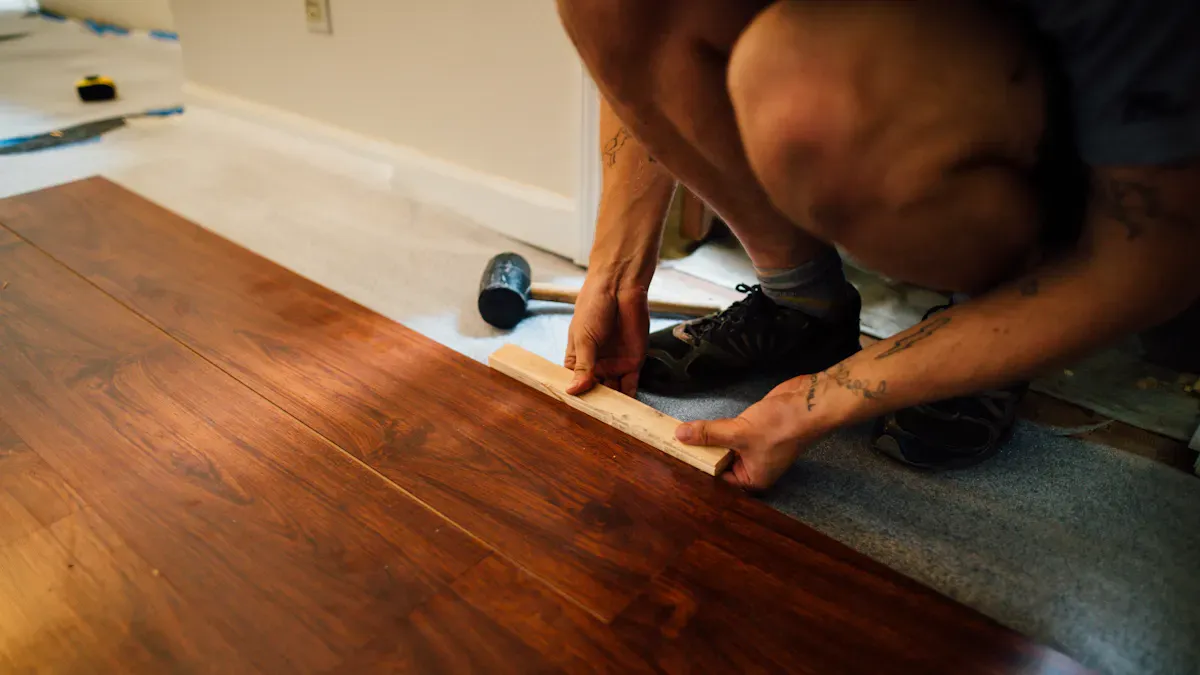
You might wonder if you can install vinyl plank flooring without underlayment on radiant heating. Many manufacturers recommend checking if your flooring works with underfloor heating systems. You should always ensure the heating system is set up correctly before installation. Ask yourself, does vinyl flooring need underlayment? Following these steps helps protect your floor and keeps it performing well.
Does Vinyl Flooring Need Underlayment for Radiant Heating?
Manufacturer Guidelines and skspcflooring Recommendations
When you ask, “does vinyl flooring need underlayment” for radiant heating, you should always check the manufacturer’s instructions first. Most brands, including skspcflooring, want you to confirm that your vinyl flooring works with radiant heat. You also need to know the right type of underlayment for your project. Each underlayment type offers different benefits and works differently with radiant heating systems.
Here is a table that shows how common underlayment types compare:
| Underlayment Type | Benefits | Compatibility with Radiant Heating |
|---|---|---|
| Cork | Noise reduction, cushioning | Not a moisture barrier, can retain moisture |
| Foam | Cost-effective, some cushioning | Not a moisture barrier, can trap water |
| Felt | Better sound control, insulation | Can include vapor barrier |
| Rubber | Sound absorption, warmth | Protects against water damage |
| Plywood/OSB | Level base | No warmth or cushioning |
You should always check if your luxury vinyl flooring can handle radiant heat. Most manufacturers set a maximum temperature, usually between 80°F and 85°F. You need to use a thermostat with a floor sensor to keep the heat at a safe level. This helps protect your floor from damage.
skspcflooring recommends that you follow these steps:
- Confirm that your vinyl flooring is compatible with radiant heating.
- Check the maximum temperature allowed for your floor.
- Use a thermostat with a sensor to control the heat.
- Choose an underlayment that matches your subfloor and heating system.
Radiant heating works well with luxury vinyl flooring when you install it correctly. You must always follow the guidelines to keep your floor safe and long-lasting.
Industry Standards and Best Practices
Industry standards help answer the question, “does vinyl flooring need underlayment” for radiant heating. Experts suggest a few important steps to make sure your floor lasts and works well.
- Prepare the area. Clean the subfloor and check for moisture. Use a moisture barrier if needed.
- Acclimate your vinyl flooring. Let it sit in the room for at least 48 hours before you install it.
- Test your radiant heating system. Make sure it works and keep the temperature below 85°F.
- Choose the right installation method. Floating vinyl plank flooring works best because it allows for natural movement.
- Lay the planks. Start in a corner and use spacers for even gaps.
- Trim and adjust. Cut extra pieces and fit the planks tightly.
- Finish the job. Check your work and add trim or baseboards.
You may still wonder, “does vinyl flooring need underlayment” if you follow these steps. The answer depends on your subfloor and the type of vinyl you choose. If your subfloor is uneven or you need extra moisture protection, underlayment helps. If your subfloor is smooth and dry, you might not need it. Always check the manufacturer’s instructions and industry standards.
You want your floor to last a long time and work well with radiant heating. Following these best practices and guidelines helps you make the right choice. When you ask, “does vinyl flooring need underlayment,” remember to think about your subfloor, the type of underlayment, and the heating system you use.
Underlayment for Vinyl Flooring: Pros and Cons
Benefits of Skipping Underlayment
You might think about skipping underlayment when you install vinyl plank flooring over radiant heating. This choice can offer some advantages:
- You save money because you do not need to buy extra materials.
- You finish your project faster since you skip one installation step.
- You allow heat from the radiant system to move directly into your room. This can make your floor warm up quickly.
- You avoid adding extra height to your floor, which helps when you have low door clearances.
Tip: If your subfloor is smooth, clean, and dry, you may not need underlayment for vinyl flooring. Always check the manufacturer’s instructions before you decide.
Risks and Potential Issues
Skipping underlayment can also bring some risks. You need to know what problems might happen:
- You may hear more noise when you walk on your vinyl plank flooring. Underlayment helps reduce sound.
- You might feel less comfort underfoot. Underlayment adds a soft layer that makes walking easier.
- You risk moisture problems if your subfloor is concrete or in a basement. Moisture can damage your floor over time.
- You may see uneven spots if your subfloor is not perfectly flat. Underlayment helps smooth out small bumps and dips.
Note: You should always check for moisture and level your subfloor before you install your floor. This helps prevent future issues and keeps your floor looking great.
By understanding both the benefits and risks, you can make a smart choice for your home.
Importance of Underlayment in Radiant Heating Installations
Impact on Heat Transfer and Efficiency
You want your radiant system to work well with your vinyl plank flooring. The importance of underlayment becomes clear when you look at how it affects heat movement. Underlayment can help your radiant heating system use less energy. It acts as insulation and keeps the warmth from escaping. This means your room stays cozy without using extra power.
- Underlayment provides insulation, which helps lower energy use.
- It adds soundproofing, making your space quieter.
- It protects against moisture, which keeps your floor strong and efficient.
Some studies show that improving the underlayment, like using special foam, can make a big difference. For example:
- Enhanced underlayment can boost the thermal transfer of radiant systems.
- Modified foam underlayment can increase thermal conductivity by almost half.
- This improvement can lead to over 24% more heat moving through your floor, making your radiant heat system more efficient.
When you choose the right underlayment, you help your radiant system warm your home faster and save energy.
Comfort and Flooring Performance
You want your vinyl plank flooring to feel good under your feet. Underlayment plays a big role in comfort and performance. It helps reduce noise, so you hear fewer footsteps and echoes. It adds a soft layer, making your floor feel warmer and more comfortable.
Underlayment also helps spread the radiant heat evenly. This means you get steady warmth across your floor. You should pick an underlayment with a low R-value. This lets the heat from your radiant system reach the surface of your vinyl plank flooring quickly.
- Noise reduction
- Cushioning for comfort
- Extra warmth
- Moisture protection
You get a better living space when you use underlayment with radiant heat. Your floor lasts longer, feels better, and stays safe from moisture. Always remember the importance of underlayment when you install vinyl plank flooring over radiant systems.
Subfloor Types and the Role of Underlayment
Concrete Subfloors and Underlayment Needs
Concrete subfloors present unique challenges when you install vinyl flooring over radiant heating. Concrete emits moisture vapor even if the surface feels dry. This moisture can cause vinyl flooring to warp or deteriorate from underneath. You need a moisture-resistant underlayment to protect your investment.
- Concrete subfloors continuously release moisture vapor.
- Moisture can damage vinyl flooring by causing warping and buckling.
- Moisture-resistant underlayment acts as a protective barrier.
If your floor has an attached cork pad, you should install a very thin moisture barrier. Always follow the manufacturer’s instructions to avoid voiding the warranty. For vinyl flooring, thin foam or cork underlayment works well. SPC and WPC floors may not require underlayment, but you must ensure compatibility. Too soft an underlay can affect locking systems.
It is recommended to use an underlayment with as low of an R-value as possible, like Self Leveling Cement, to ensure efficient heat transmission when installing over heated floors.
Wood Subfloors and Underlayment Considerations
Wood subfloors require careful selection of underlayment. You must choose materials that withstand heat from radiant systems. Not all underlayments are suitable. Some may degrade or release odors when exposed to heat. Look for underlayments designed for radiant heat compatibility. These usually have higher density and conduct heat efficiently.
- Choose underlayment that can handle heat.
- Avoid materials that degrade or off-gas.
- Select heat-conductive, high-density underlayments.
- Check manufacturer specifications to protect your warranty.
You ensure effective heat transfer and maintain the durability of your vinyl flooring by picking the right underlayment.
Existing Flooring as a Subfloor
Sometimes you want to install vinyl flooring over existing floors. You must check if the old floor is stable, clean, and dry. If the existing flooring is level and free from moisture, you may not need additional underlayment. However, if you notice uneven spots or suspect moisture issues, adding a suitable underlayment improves performance and protects your new vinyl floor.
Tip: Always inspect the existing floor before installation. Address any moisture or leveling concerns to prevent future problems.
When Is Underlayment Necessary for Vinyl Flooring?
Moisture Protection Requirements
You need to think about moisture when you install vinyl flooring over radiant systems. Moisture can cause big problems for both your floor and the radiant heating below. Underlayment acts as a barrier that keeps water away from your vinyl and the radiant system. This helps prevent damage and keeps your floor safe.
- Underlayment blocks moisture, which is important for radiant heating systems.
- It helps stop water from causing electrical problems with radiant wires.
- Some underlayments, like AirGuard® Premium, have antimicrobial protection. This stops mold and mildew from growing under your floor.
- Air Flow Technology in some underlayments manages moisture well and works with most radiant systems.
If you want your radiant heat system to last, always check for moisture and use the right underlayment.
Sound Reduction and Insulation Benefits
You want your home to feel quiet and comfortable. Underlayment helps reduce noise and adds insulation. This is important when you use radiant heating because you want warmth to spread evenly and sound to stay low. Look at this table to see how different underlayments work:
| Underlayment Type | Sound Reduction | Moisture Resistance | Thermal Insulation |
|---|---|---|---|
| Cork | Good | Moderate | Good |
| Foam | Average | Poor | Average |
| Felt | Better | Moderate | Good |
| Rubber | Excellent | High | Excellent |
Some popular choices include QuietWalk, FloorMuffler, and MuteMat 3. These work well with radiant floors and help keep your space peaceful.
Leveling and Smoothing the Subfloor
A smooth, level subfloor is key for a good vinyl flooring installation over radiant systems. Underlayment and self-leveling compounds help fill in low spots and cover bumps. This gives you a flat surface for your vinyl and protects the radiant wires below.
- Self-leveling compounds flow into dips and make the floor even.
- You can install your floor faster because these compounds dry quickly.
- They also cover radiant heating wires, so you do not damage them during installation.
When you use underlayment for radiant heat, you get a floor that looks great, feels comfortable, and lasts longer.
Choosing the Right Luxury Vinyl Underlayment for Radiant Heating
Suitable Underlayment Types for Vinyl Flooring
When you install vinyl flooring over a radiant system, you need to pick the right luxury vinyl underlayment. The right choice helps your floor last longer and keeps your home comfortable. You want an underlayment that works well with radiant heat and supports your luxury vinyl flooring.
Here are some important points to remember:
- Electric radiant floor heating works with vinyl floors, but you must keep the temperature below 81°F.
- Always check that your luxury vinyl underlayment is approved for use with radiant systems.
- If you use radiant heating as your main heat source, do a heat loss calculation to make sure your room stays warm.
- Underlayment for luxury vinyl is very important over concrete slabs. It controls moisture, reduces sound, adds warmth, and keeps the floor stable.
You should look for luxury vinyl underlayment that offers moisture protection and sound reduction. These features help your radiant system work better and make your space more comfortable.
Underlayment Options Compatible with Radiant Heating Systems
You have several options when choosing luxury vinyl underlayment for radiant heating. Some products are made just for this purpose. They help your radiant system work efficiently and keep your floor warm.
Here are some top choices:
- QuietWarmth paired with QuietWalk gives extra comfort for luxury vinyl floors. This combination works well with radiant systems.
- Radiant Heat Underlayment is made for floors with radiant heating. It improves heat transfer and keeps the surface warm.
- Make sure your flooring is at least 4mm thick and approved by the manufacturer for radiant use.
| Underlayment Option | Key Features | Works with Radiant? |
|---|---|---|
| QuietWarmth + QuietWalk | Comfort, sound reduction, heat flow | Yes |
| Radiant Heat Underlayment | Designed for radiant, efficient heat | Yes |
| Moisture Barrier Foam | Moisture control, basic insulation | Yes |
You should always match your luxury vinyl underlayment to your radiant system and flooring type. This ensures your radiant floor heating works well and your floor stays in great shape.
Practical Installation Tips from skspcflooring
Preparing the Subfloor for Radiant Heating
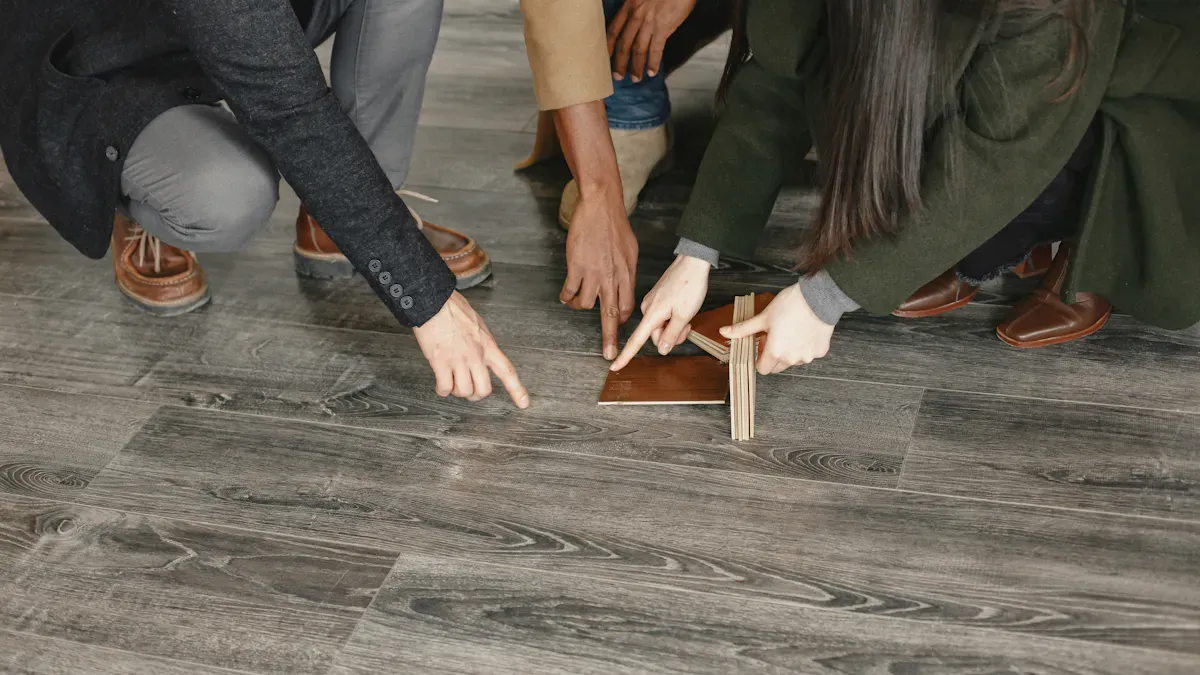
You need to prepare your subfloor carefully before starting the installation. Begin by making sure the surface is clean, level, and dry. Remove dust, debris, and any old adhesive. Next, install an insulating underlayment like ThermalSheet. This step improves the efficiency of your radiant heat system. Dry-fit the underlayment to check for proper coverage. Test the heating system with a digital ohmmeter to confirm it works. Lay out the heating mats according to your plan, but never cut the heating cables. Place and secure the floor sensor in the correct spot. Run the cold lead to the thermostat box. Pour self-leveling cement to cover the heating system. Make sure the cement is the right thickness and flatness. Follow the manufacturer’s instructions for vinyl flooring installation.
Ensuring Proper Heat Distribution
You want your floor to feel warm everywhere. To achieve even heat distribution, clear the work area and check the subfloor for moisture. Use a moisture barrier if needed. Let your vinyl flooring acclimate to the room for at least 48 hours. This step helps prevent expansion or contraction after installation. Check that your radiant heat system works and keep the temperature below 85°F. Choose floating vinyl plank flooring for your installation. This method allows the floor to move naturally. Start laying planks from the corner, making sure each piece fits snugly. Use spacers to keep gaps even. Trim excess pieces and secure the planks tightly. Review your installation and check that the radiant heat system works well.
Tip: Always test your radiant heat system before and after installation to ensure proper performance.
Avoiding Common Installation Mistakes
You can avoid mistakes by following a few simple rules. Do not rush the installation process. Take time to check the subfloor and heating system. Never skip the acclimation step for your vinyl flooring. Avoid cutting heating cables or mats. Make sure you use the correct underlayment for your radiant heat system. Keep the floor sensor in the right place. Pour self-leveling cement evenly to protect the heating system. Follow the manufacturer’s instructions for every step of the installation. Double-check your work before finishing.
Note: Careful preparation and attention to detail help your installation succeed and keep your floor performing well.
You need to choose underlayment that works with radiant heat. Industry experts say you should use heat-conductive materials and keep underlayment thin. Some materials can break down or release odors when exposed to radiant heat. You must check your subfloor for stability. If you skip underlayment, you save money but lose insulation. Always follow manufacturer guidelines. For best results, prepare your subfloor, select compatible products, and test your radiant heat system before installing vinyl flooring.
FAQ
Can you install vinyl flooring directly over radiant heat?
Yes, you can install vinyl flooring over radiant heat. You must check that your flooring is compatible. Always follow the manufacturer’s instructions for best results. This helps your floor last longer and work well with radiant heat.
Does radiant heat damage vinyl flooring?
Radiant heat does not damage vinyl flooring if you use the right products. You must keep the temperature below the recommended limit. Use a thermostat to control the heat. This keeps your floor safe and helps radiant heat work efficiently.
What is the best underlayment for vinyl flooring with radiant heat?
Choose an underlayment that works well with radiant heat. Look for products with low R-value. These allow heat to pass through easily. Moisture barriers also help protect your floor and radiant heat system.
How do you keep radiant heat working well under vinyl flooring?
You should prepare your subfloor and use the right underlayment. Keep the radiant heat system at the correct temperature. Test the system before and after installing your floor. This ensures radiant heat spreads evenly.
Can you use radiant heat as your main heating source with vinyl flooring?
Yes, you can use radiant heat as your main heating source. Make sure your room is well insulated. Check that your vinyl flooring and underlayment are approved for radiant heat. This gives you a warm and comfortable space.




