
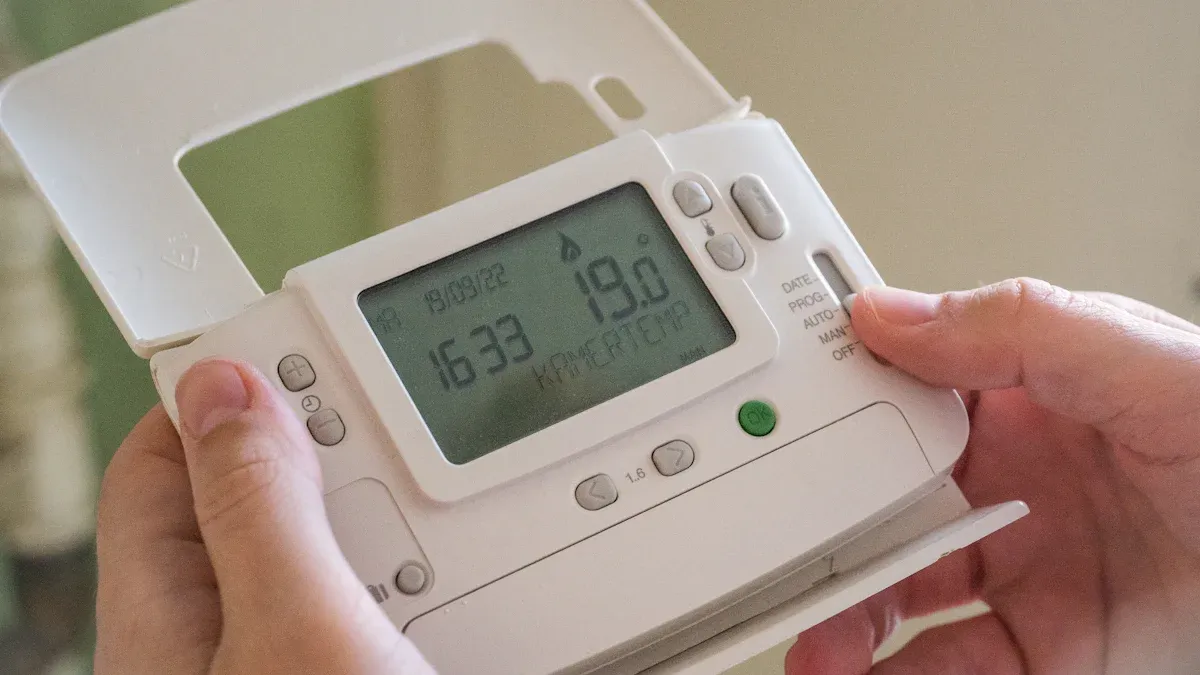
You may wonder if wooden block flooring often with a chevron design works well with radiant heating. Before you start, you need to double-check a few important things to ensure a safe installation. Pay close attention to temperature control, material quality, and how wood floors respond to heat and moisture. The table below shows the main safety concerns you should keep in mind when using radiant heating under wood flooring:
| Safety Concern | Explanation |
|---|---|
| Temperature Control | Radiant heating systems should be run for 7 days prior to installation to avoid hot spots. |
| Quality of Materials | Poor quality engineered flooring is more likely to fail under temperature fluctuations. |
| Over-Drying of Flooring | Covering floors with rugs can create hot spots, raising temperatures above safe limits. |
| Sensitivity to Temperature and Moisture | Wood is sensitive to changes in temperature and humidity, which can lead to severe failures. |
With proper checks, you can enjoy lasting comfort and performance from your wood flooring.
Is Wooden Block Flooring Often with a Chevron Design Safe for Radiant Heating?
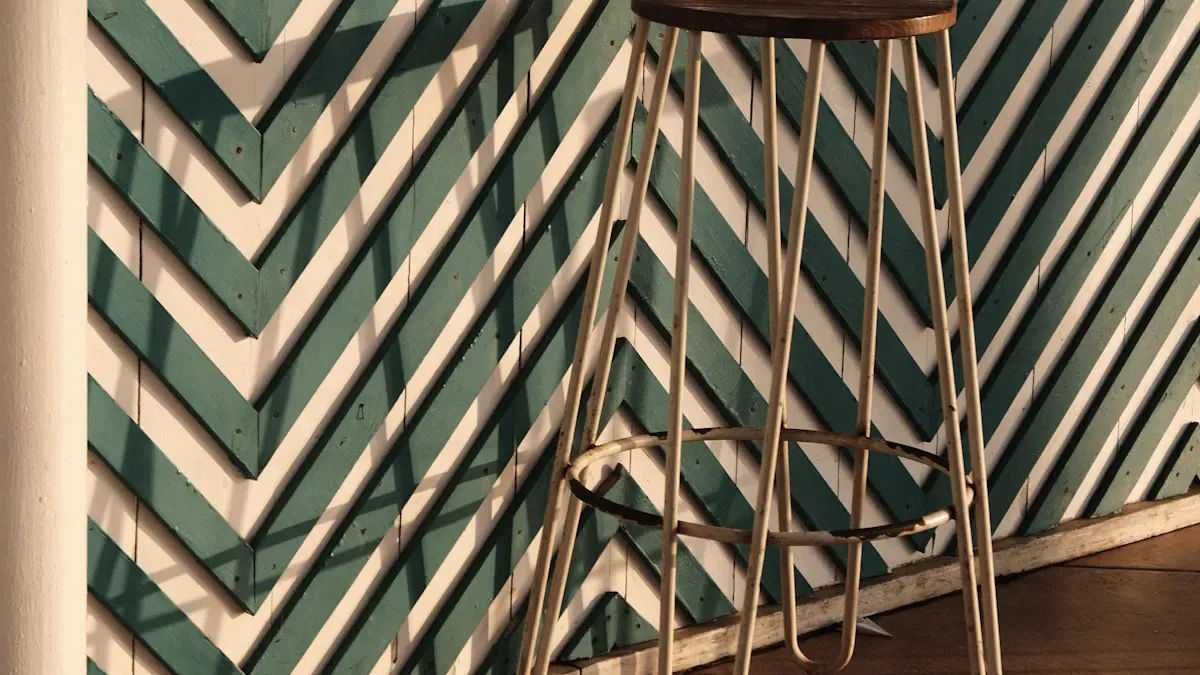
Direct Answer for Homeowners
You can safely use wooden block flooring often with a chevron design with radiant heating in your home. Many homeowners choose this combination because it brings warmth and style together. You need to follow important guidelines to protect your wood floors and keep them looking beautiful. Radiant systems work well with wood flooring when you control the temperature and moisture. You must check the recommended limits before you start.
Tip: Always keep the surface temperature of your wood floors between 60° and 80° Fahrenheit. This range helps prevent damage and keeps your floor comfortable.
Wooden block flooring often with a chevron design adds a unique pattern to your space. You can enjoy the benefits of radiant heating if you prepare your floors properly. You must let the wood acclimate to your home’s environment. You also need to monitor humidity levels. When you follow these steps, you protect your investment and enjoy lasting comfort.
Key Safety Considerations
You must pay attention to several safety factors when using radiant heating under wood flooring. These steps help you avoid problems like warping, cracking, or uneven heating.
- Keep the relative humidity in your home between 30% and 50%. This range helps your wood floors stay stable.
- Make sure the equilibrium moisture content of your wood flooring stays between 6% and 9%. This prevents swelling or shrinking.
- Avoid sudden changes in temperature. Gradually increase the radiant heat to let the wood adjust.
- Use a reliable thermostat to control the radiant system. This prevents overheating and protects your wooden block flooring often with a chevron design.
- Check that your heating system spreads warmth evenly. Uneven heating can cause hot spots and damage your wood floors.
| Safety Factor | Why It Matters |
|---|---|
| Temperature Control | Prevents overheating and protects wood floors |
| Humidity Management | Stops warping and keeps wood flooring stable |
| Moisture Content | Prevents swelling or shrinking of wood flooring |
| Gradual Heating | Allows wood to adjust safely |
| Even Heat Distribution | Avoids hot spots and damage |
Note: Rugs and mats can trap heat and create hot spots. Move them often to keep your wood floors safe.
You can enjoy radiant heating with wooden block flooring often with a chevron design when you follow these safety steps. You protect your floors and create a cozy home.
Essential Checks Before Installing Radiant Heating Under Chevron Wooden Block Flooring
Choosing the Right Wood Type and Thickness
You need to select appropriate wood materials for your chevron flooring. The right wood type and thickness help your floor handle heat from radiant systems. Engineered wood works best because it resists warping and shrinking. Solid wood can expand or contract more, which increases moisture sensitivity. Thinner boards transfer heat better and reduce the risk of damage. Most experts recommend boards between 12mm and 20mm thick for radiant heating. You should avoid very thick boards because they block heat flow.
Tip: Choose engineered wood blocks with stable cores for better performance over radiant heating.
Moisture Content and Acclimation
Moisture plays a big role in the success of installing wood floors over radiant heating. You must check moisture readings before installation. If you skip this step, your floor may warp or crack. Here are the main moisture guidelines:
- Moisture readings should not exceed 10% in any location.
- The moisture variation between the subfloor and the flooring should not exceed 2% at the time of installation.
- For wood subfloors, moisture readings should not exceed 8% in any location.
- Readings for the subfloor must be within 2% of the flooring at the time of installation.
You must let your chevron wood blocks acclimate before installation. This step helps the wood reach moisture equilibrium with your home.
Radiant-heated floors require more time for installation. It is crucial to acclimate the flooring material for a minimum of 10-12 days to achieve moisture equilibrium with the environment before installation.
You protect your wood floors when you follow these moisture checks and acclimation steps.
Subfloor Preparation and Leveling
You need to prepare your subfloor carefully before installing wood floors over radiant heating. A clean, dry, and stable subfloor prevents future problems. Remove old coatings and make sure the substrate is at the right temperature. Moisture tests help you spot issues early. You can use solutions like reactive penetrants and high-performance adhesives to stop moisture from causing damage.
- Surface Preparation: Ensure the substrate is dry, clean, and stable.
- Moisture Mitigation: Conduct moisture tests and use moisture barriers or adhesives.
- Self-Levelers: Apply self-leveling compounds to create a smooth surface.
- Flatness vs Levelness: Flatness means the surface is smooth; levelness means it is truly horizontal.
- Underlayment Requirements: Pick underlayment that protects against moisture and provides sound insulation. Make sure it works with radiant heating.
You must choose the right subfloor material. Plywood should be at least 5/8 inch thick and stable. Concrete slabs must be fully cured, dry, and leveled with a vapor barrier. Oriented Strand Board (OSB) needs to be at least 5/8 inch thick and free of moisture damage.
For radiant heating, thin underlayment materials work best. They help heat move through your wood floors efficiently. Avoid thick or insulating materials that block heat. Always follow manufacturer guidelines for the best results.
Note: Careful subfloor preparation and leveling help you avoid costly repairs and keep your chevron wood floors safe.
Floor Adhesives and Underlay Compatibility
You must select the right floor adhesives and underlay materials when installing chevron wooden block flooring over radiant heating. These choices help your floor stay stable and safe. The wrong adhesive or underlay can cause problems like poor heat transfer, moisture damage, or even floor failure.
Adhesive Selection Tips:
- Pick adhesives that work with radiant heating systems. Look for products labeled as “high-temperature resistant” or “suitable for heated floors.”
- Use flexible adhesives. These adhesives allow your wood blocks to expand and contract as temperatures change.
- Avoid water-based adhesives unless the manufacturer says they are safe for radiant heating. Water-based adhesives can break down under heat and moisture.
- Read the adhesive manufacturer’s instructions. Follow their guidelines for application and curing times.
Tip: Always test a small area before full installation. This step helps you check compatibility and avoid surprises.
Underlay Compatibility:
You need to choose an underlay that supports heat transfer and protects your floor. The right underlay helps your radiant heating system work efficiently.
- Select underlays designed for use with radiant heating. These underlays let heat pass through easily.
- Avoid thick or insulating underlays. Thick underlays block heat and reduce system efficiency.
- Look for underlays with moisture barriers. Moisture barriers protect your wood flooring from condensation and spills.
- Make sure the underlay is compatible with both your flooring and heating system. Check product labels and ask your supplier if you are unsure.
Adhesive and Underlay Comparison Table:
| Feature | Recommended Adhesive | Recommended Underlay |
|---|---|---|
| Heat Resistance | High-temperature resistant | Designed for radiant heating |
| Flexibility | Flexible, elastic | Thin, non-insulating |
| Moisture Protection | Moisture-resistant | Moisture barrier included |
| Compatibility | Check manufacturer guidelines | Check product labels |
Note: You must avoid underlays that contain foam or cork unless they are specifically rated for radiant heating. These materials can trap heat and cause uneven heating.
- Clean and dry the subfloor before applying adhesive or underlay.
- Lay the underlay flat and make sure it covers the entire area.
- Apply adhesive according to the manufacturer’s instructions.
- Place chevron wood blocks carefully, pressing them firmly into the adhesive.
- Allow proper curing time before turning on the radiant heating system.
You protect your chevron wooden block flooring and radiant heating system when you follow these steps. The right adhesive and underlay choices help your floor last longer and perform better.
Types of Radiant Heating and Suitability for Wooden Block Flooring
Hydronic Radiant Heating Systems
Hydronic radiant heat systems use hot water that flows through tubes under your floor. You can choose this method for larger spaces because it offers high energy efficiency. You may find the installation process more complex and costly. Hydronic radiant heating works well with wood flooring, especially engineered types. You get steady warmth and fewer cold spots. Many homeowners prefer hydronic radiant heat for its long-term performance.
| Feature | Hydronic Systems | Electric Systems |
|---|---|---|
| Installation Complexity | More complex and costly to install | Easier to install, especially in smaller rooms |
| Heating Method | Uses hot water circulated through tubing | Uses electric cables or mats |
| Energy Efficiency | More energy-efficient for large areas | Generally less efficient for larger spaces |
| Cost | Varies by location and installation type | Typically lower installation costs |
Hydronic radiant heat systems provide uniform warmth and operate silently. You avoid fan noise and air movement.
Electric Radiant Heat Systems
Electric radiant heat systems use cables or mats under your wood flooring. You can install these systems quickly, especially in smaller rooms. Electric radiant heat works best for spaces where you want fast installation and lower upfront costs. You get consistent performance with solid wood cores, which maintain high latent heat. Laminate flooring with high-density fiberboard improves thermal conductivity by over 15%. PCM wood flooring gives you scalable solutions for energy-efficient and comfortable buildings.
- Radiant heat systems are 25–30% more efficient than forced-air heating.
- You enjoy uniform warmth without cold spots.
- These systems operate silently, so you never hear fan noise.
- Homes with radiant heating tend to sell faster.
- Radiant heat systems last over 25 years and often come with long warranties.
Electric radiant heat systems suit smaller areas and renovations. You can control the temperature easily and enjoy quick installation.
System Controls and Temperature Management
You must use reliable controls to manage your radiant heat system. Thermostats help you set safe temperatures for your wood flooring. You can prevent overheating and protect your floor from damage. Gradual temperature changes allow your wood blocks to adjust safely. You should monitor humidity and floor temperature regularly. Smart controls let you schedule heating times and maintain comfort. You keep your radiant heating system efficient and your wood flooring safe when you use proper controls.
Tip: Always check the manufacturer’s guidelines for temperature limits. You protect your chevron wood flooring and radiant heat system with careful management.
Best Installation Practices for Radiant Heat and Chevron Wooden Block Flooring
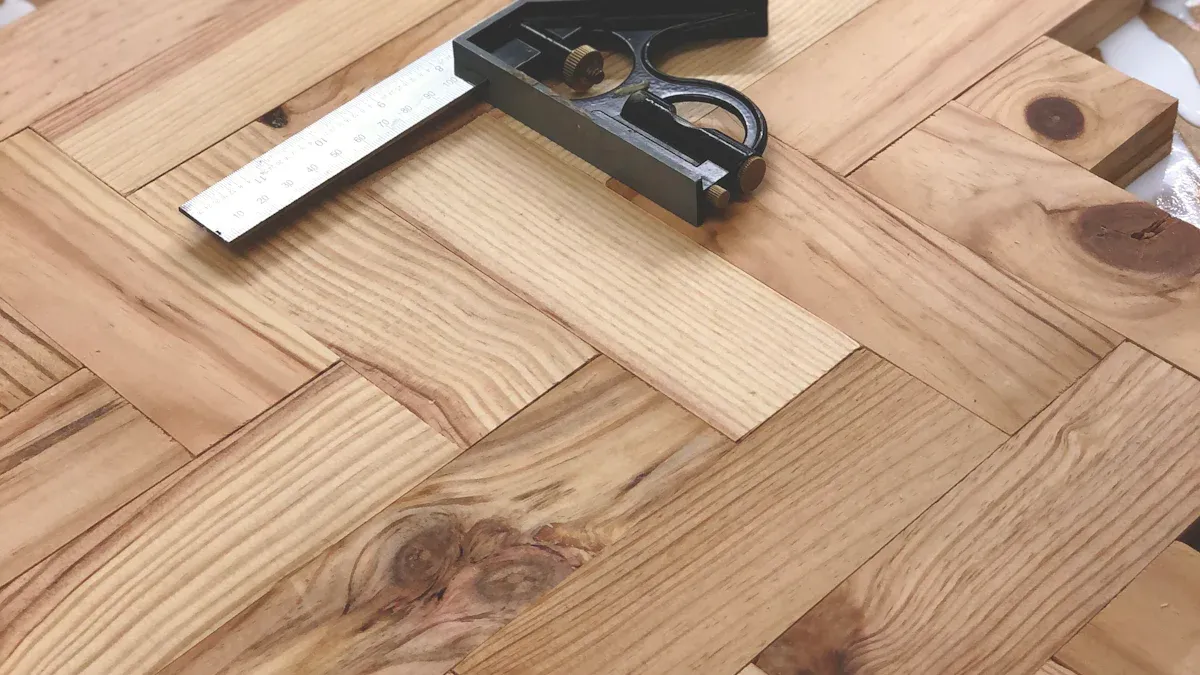
Professional Assessment and Planning
You need a professional installation to ensure your chevron wooden block flooring works well with radiant heat. A qualified installer checks your subfloor and heating system before starting. You should look for these qualifications:
- Operate new hydronic radiant heat systems at 64°–72°F for at least four weeks to dry subfloor moisture.
- Pressure test older water-type systems and keep them at a minimum of 64°F for six days before flooring delivery.
- Use a moisture meter to check wood subfloors for moisture content below 12%.
- Make sure concrete subfloors are dry and have a pH level between 6 and 9.
- Maintain relative humidity between 35% and 65% and temperature between 60° and 80°F during installation.
You protect your investment when you follow these steps. Careful planning prevents future issues and helps your radiant heat system perform efficiently.
Acclimating Chevron Wood Blocks
Acclimation is a key step for proper installation. You must let your chevron wood blocks adjust to the room’s climate before installation. Place the blocks in the space for at least ten days. This process helps the wood reach moisture equilibrium. You avoid warping and cracking when you keep humidity between 30% and 50%. You also need to monitor the temperature so the radiant heat does not cause sudden changes.
Tip: Acclimate your wood blocks in the same room where you plan to install them. This ensures the best results.
Installation Techniques for Chevron Patterns
You need special techniques to keep the chevron pattern stable over radiant heat systems. Installers use uncoupling membranes designed for thermal expansion. Thin-set mortars rated for heated substrates help secure the blocks. You can choose denser materials like marble or granite for better heat transfer if you want a mixed design. You must select the right installation method:
- Floating installation allows natural expansion and contraction.
- Glue-down installation requires compatible adhesive to avoid damage to the radiant heat system.
- Nail-down installation must be done carefully to prevent hitting heating elements.
- Keep subfloor temperature below 85ºF and boiler temperature under 110ºF.
- Use plywood or concrete for subfloors and place heating tubes properly.
You maintain the beauty and performance of your chevron floor when you follow these installation techniques.
Avoiding Damage to Radiant Heating Systems
You want your radiant heating system to last for many years. You must take steps to protect it during and after the installation of chevron wooden block flooring. Mistakes can lead to costly repairs or even system failure. Here are some important ways to avoid damage:
-
Know Where the Heating Elements Are
Before you start, get a clear map of the heating tubes or cables. Mark their locations on the subfloor. This helps you avoid drilling or nailing into them by accident. -
Use the Right Tools and Fasteners
Choose tools that will not harm the heating system. If you need to nail or screw down boards, use shorter fasteners. Always check the depth before you begin. -
Follow Manufacturer Guidelines
Read the instructions for both the radiant heating system and the flooring. Each system may have special requirements. Following these rules keeps your warranty valid. -
Avoid Heavy Impact
Do not drop heavy objects on the floor during installation. Sudden impacts can crack heating tubes or damage cables. -
Check for Leaks or Electrical Issues
After you finish installing the floor, test the radiant heating system. Look for leaks in hydronic systems or electrical faults in electric systems. Fix any problems before you use the floor.
Tip: Always turn off the radiant heating system during installation. Wait until the adhesive or finish has fully cured before turning it back on.
| Common Mistake | How to Avoid It |
|---|---|
| Drilling into heating tubes | Mark tube locations before drilling |
| Using long nails or screws | Use short fasteners and check depth |
| Turning on heat too soon | Wait for adhesives to cure |
| Ignoring system guidelines | Read all instructions carefully |
You protect your investment when you follow these steps. Careful planning and attention help your radiant heating system and chevron wooden block flooring work together for many years.
Maintenance Tips for Long-Term Safety and Performance
Monitoring Floor Temperature and Humidity
You need to check the floor temperature and humidity often. Radiant systems work best when you keep the surface temperature between 60°F and 80°F. You can use a digital thermometer to measure the floor. Humidity levels should stay between 30% and 50%. If you see big changes, adjust your radiant heating system. Stable conditions help your chevron wooden block flooring last longer.
Tip: Place a hygrometer in the room. This tool helps you track humidity and spot problems early.
Preventing Excess Moisture and Warping
Moisture can cause wood floors to warp or crack. You must protect your floor from spills and leaks. Clean up water right away. Use mats near doors to stop water from getting on the floor. Radiant heating helps keep floors dry, but you should still watch for signs of moisture. If you see gaps or raised blocks, check your radiant system and fix any leaks.
Here is a simple table to help you remember what to do:
| Action | Why It Matters |
|---|---|
| Clean spills quickly | Stops moisture damage |
| Use door mats | Keeps water off floor |
| Check for leaks | Prevents warping |
Regular Inspections and Care
You should inspect your chevron wooden block flooring every few months. Look for cracks, gaps, or changes in color. Test your radiant heating system to make sure it works well. If you find problems, call a professional for help. Regular care keeps your floor safe and your radiant system running smoothly.
Reminder: Turn off the heating system before cleaning or doing repairs. This step protects both your floor and the radiant system.
You can enjoy beautiful chevron wooden block flooring with radiant heating for many years if you follow these maintenance tips.
Summary Checklist for Homeowners Using Radiant Heating with Chevron Wooden Block Flooring
Pre-Installation Essentials
You need to prepare your home before starting the installation process. Check the moisture content of your wood blocks and subfloor. Make sure the subfloor is clean, dry, and level. Select engineered wood blocks with the right thickness for radiant heating. Acclimate your chevron blocks in the room for at least ten days. Confirm that your radiant heating system works and spreads heat evenly. Review the step-by-step installation guide from your flooring supplier.
Tip: Keep the humidity between 30% and 50% in your home. This helps your wood flooring stay stable.
Installation Steps
Follow these steps to ensure a safe and effective installation:
- Turn on the radiant heating system for seven days before installation.
- Lay out the chevron pattern and check for fit.
- Use adhesives and underlays rated for heated floors.
- Place each block carefully to maintain the chevron design.
- Allow adhesives to cure fully before turning the heat back on.
| Step | Action |
|---|---|
| 1 | Prepare radiant heating system |
| 2 | Arrange chevron blocks |
| 3 | Apply compatible adhesive and underlay |
| 4 | Install blocks in chevron pattern |
| 5 | Wait for curing before heating |
Note: Always follow the installation instructions from your flooring manufacturer.
Ongoing Maintenance Tips
You can keep your chevron wooden block flooring in great shape with regular care. Monitor floor temperature and humidity often. Clean up spills right away. Inspect your floor for cracks or gaps every few months. Use foam insulation or spray foam under your flooring to prevent heat loss. If you have a slab foundation, install insulating thermal underlayments. Seal any gaps and cracks to block cold air and maintain warmth.
- Place a hygrometer in the room to track humidity.
- Use mats near doors to stop water from reaching the floor.
- Test your radiant heating system regularly.
Reminder: Turn off the heating system before cleaning or repairs.
You protect your investment and enjoy lasting comfort when you follow these maintenance steps.
Why Choose skspcflooring for Chevron Wooden Block Flooring with Radiant Heating?
Quality Standards and Certifications
You want your chevron wooden block floors to last for years. skspcflooring meets strict international standards. The company holds certifications like ISO9001, ISO14001, EN, ASTM, and GB. These certifications show that you get safe and reliable products. When you use radiant heating, you need wood flooring that passes these tests. You can trust that each product meets high safety and quality marks.
Note: Certified products help you avoid problems with radiant systems and keep your home safe.
Product Durability and Compatibility
You need floors that handle daily use and changing temperatures. skspcflooring designs its products for strength and long life. The chevron wooden block flooring works well with radiant heating. The materials resist warping and shrinking. You get stable floors even when the radiant system runs often. The company tests each product for compatibility with radiant heat. You can enjoy warm, beautiful wood flooring without worry.
Here is a quick look at what you get:
| Feature | Benefit for You |
|---|---|
| High durability | Withstands daily wear |
| Radiant compatibility | Safe for heated floor systems |
| Moisture resistance | Reduces risk of warping |
Professional Support and Service
You may have questions about installing radiant heating under chevron wood flooring. skspcflooring offers expert advice and support. The team helps you choose the right product for your project. You get guidance on installation and care. If you face any issues, you can contact their service team for help. Good support makes your radiant flooring project easier and safer.
Tip: Reach out to skspcflooring for advice before you start your radiant installation. You will save time and avoid mistakes.
You can safely use wooden block flooring often with a chevron design with radiant heating when you follow the right steps. Careful preparation, correct installation, and regular maintenance help you enjoy long-lasting comfort. Wooden block flooring often with a chevron design adds style and warmth to your home. For the best results, choose skspcflooring for high-quality flooring that works well with radiant heat.
FAQ
Can you install chevron wooden block flooring over any radiant heating system?
You can install chevron wooden block flooring over most radiant heating systems. Always check that your system and flooring are compatible. Follow the manufacturer’s guidelines for best results.
How do you prevent wood floors from warping with radiant heat?
You keep floors from warping by controlling temperature and humidity. Use a thermostat to avoid overheating. Keep humidity between 30% and 50%. Acclimate your wood blocks before installation.
What is the best wood type for radiant heated floors?
Engineered wood works best for radiant heated floors. It resists warping and shrinking. Solid wood is more sensitive to heat and moisture changes.
How soon can you turn on radiant heating after installing chevron wood floors?
Wait until adhesives or finishes fully cure. This usually takes 48 to 72 hours. Always follow the product instructions for exact timing.
Do rugs affect radiant heating under wood floors?
Yes, rugs can trap heat and create hot spots. Move rugs often to allow even heat distribution. Use thin rugs if needed.




