
You want to know if cut vinyl flooring is truly waterproof in your daily life. Manufacturers often claim their flooring is waterproof, but you should look beyond the marketing. In reality, the floor itself resists water, but your installation and care choices make a big difference. With proper installation and regular maintenance, you can keep your waterproof flooring performing at its best.
What Does Waterproof Mean for Cut Vinyl Flooring?
When you hear the term “waterproof” in the context of cut vinyl flooring, you might picture a floor that never lets water through. The reality is more complex. You need to understand how manufacturers define waterproof and how this applies to your daily life.
Material Waterproof vs. System Waterproof
Manufacturers often describe cut vinyl flooring as waterproof because the planks themselves resist water damage. You can spill water on the surface, and the waterproof material will not absorb it. This makes vinyl flooring a strong choice for high-moisture areas like kitchens and bathrooms.
Tip: The waterproof nature of vinyl planks protects against everyday spills, but the entire floor system depends on installation quality.
You should know that the waterproof performance of your floor relies on more than just the material. The system includes seams, joints, and edges. If you do not seal these areas properly, water can seep through and reach the subfloor. This can cause damage over time.
- The waterproof material in luxury vinyl plank (LVP) flooring blocks water from penetrating the planks.
- The overall waterproof floor systems depend on how well you install and seal the flooring.
- Seams and joints are common places where water can get through if not sealed correctly.
- Perimeter sealing is essential for waterproof applications in high-moisture areas.
Luxury vinyl plank flooring offers complete waterproof protection because it uses 100% waterproof construction throughout all layers. This means water cannot penetrate the planks, even during prolonged exposure or submersion. In contrast, waterproof laminate flooring relies on sealed cores and edges for moisture resistance. If the seals break, water can get in and damage the floor. Vinyl flooring has a much lower water penetration rate, making it ideal for places where moisture is a concern.
Water Resistance vs. Waterproof Claims
You may see both “waterproof” and “water-resistant” claims when shopping for flooring. These terms are not the same. Waterproof means the material will not let water pass through, even after long exposure. Water resistance means the floor can handle spills and moisture for a short time, but water may eventually get through.
| Term | What It Means | Where It Matters |
|---|---|---|
| Waterproof | No water penetration, even after long exposure | Bathrooms, kitchens, laundry rooms |
| Water-resistant | Handles spills, but not prolonged moisture | Living rooms, bedrooms |
Manufacturers use waterproof claims to highlight the durability and resistance of vinyl flooring. You can trust waterproof vinyl flooring to protect against everyday spills and pet accidents. However, you must pay attention to installation and maintenance. If you leave gaps or do not seal the edges, water can find its way under the floor.
- Individual luxury vinyl planks are waterproof, but the system’s performance depends on installation.
- Seams and joints can allow water to penetrate if not sealed.
- Proper sealing during installation is essential for maintaining waterproof integrity.
- Water can seep through seams, especially during prolonged exposure.
You need to choose waterproof flooring for areas with frequent moisture. You also need to follow proper installation practices to maximize durability and performance. Waterproof vinyl flooring gives you peace of mind in high-moisture environments, but you must take care of the floor to keep it working as intended.
Common Failure Points in Waterproof Vinyl Flooring
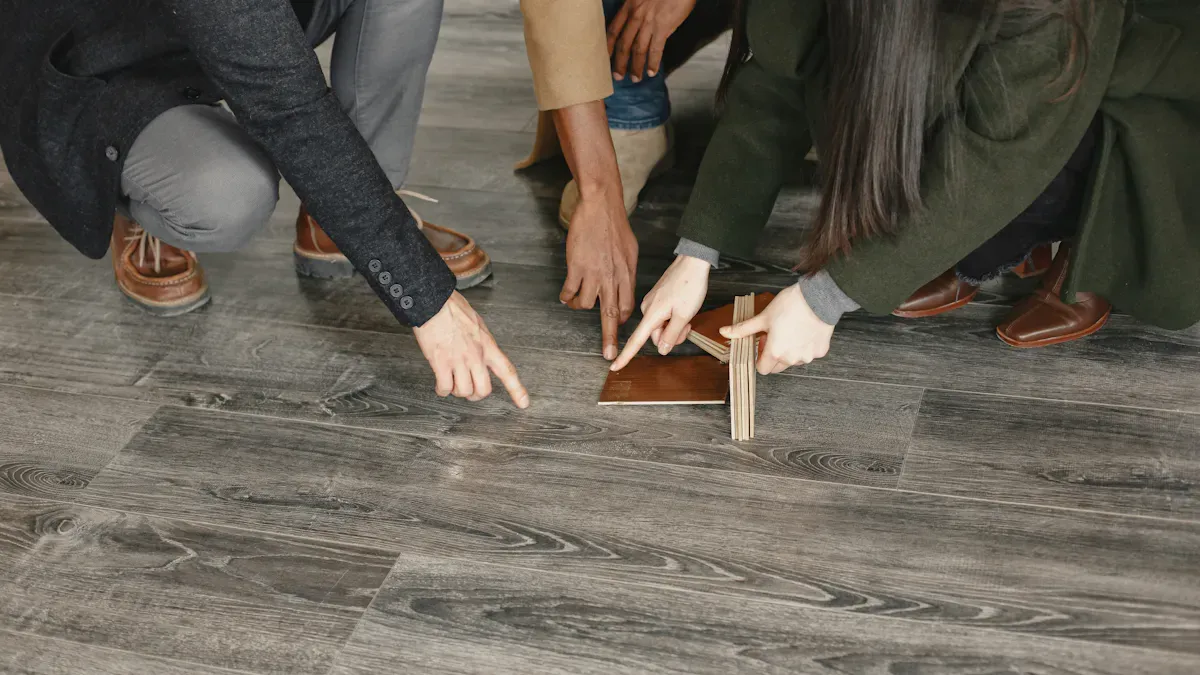
You want your waterproof flooring to protect your home from spills and leaks. You need to know where problems can happen. Understanding these failure points helps you keep your floor safe and dry.
Seams and Joints
Seams and joints connect each piece of cut vinyl flooring. These areas can let water through if you do not install them correctly. Water can seep between planks, especially after a big spill or when you mop the floor. You must check these seams often. If you see gaps, you should fix them right away. Regular inspection and maintenance of seams between planks prevents water from getting under the flooring.
Tip: Always press planks tightly together during installation. Use a flexible sealant for extra waterproof protection in high-moisture rooms.
Edges and Perimeter Gaps
Edges and perimeter gaps sit along walls and doorways. Water can leak through these spaces if you do not seal them well. You can use silicone caulk for vinyl baseboards. Specialty edge trim pieces curve upward along walls to block water. Waterproof foam tape beneath threshold strips at doorways adds another layer of resistance. Expansion gaps filled with flexible sealant help keep water out. You must check these areas often to make sure the seals stay strong.
- Proper sealing with silicone caulk for vinyl baseboards
- Use of specialty edge trim pieces that curve upward along walls
- Application of waterproof foam tape beneath threshold strips at doorways
- Creation of expansion gaps filled with flexible sealant
- Regular inspection and maintenance of seams between planks to prevent water seepage
Note: Sealing edges and gaps protects your floor from water damage. You should not skip this step during installation.
Water Under the Flooring
Water can get under your waterproof flooring in several ways. Plumbing leaks, floods, or damp foundations can trap moisture beneath the floor. The waterproof nature of luxury vinyl plank creates a sealed environment. Moisture cannot escape, so mold can grow in the dark, damp space under the flooring. Mold causes health risks like respiratory problems, allergies, and sensitivities. You must fix leaks quickly and dry the area before installing new flooring.
- Water infiltration under vinyl flooring often occurs due to plumbing leaks, floods, or damp foundations, which can trap moisture beneath the flooring.
- The waterproof nature of luxury vinyl plank can inadvertently create a sealed environment that fosters mold growth, as moisture has no escape.
- Mold can thrive in the dark, damp conditions beneath the flooring, leading to health risks such as respiratory problems, allergies, and other sensitivities.
Alert: If you suspect water under your floor, remove the affected planks and dry the area. This prevents mold and keeps your home safe.
You can keep your waterproof flooring strong by paying attention to seams, edges, and what happens under the floor. You protect your home from water damage when you follow these steps.
The Role of Installation in Waterproof Flooring Performance
Subfloor Preparation
You need to start with a clean and dry subfloor. If you skip this step, you risk problems with your flooring. Improper subfloor preparation can cause bubbling and warping. Moisture can sneak in and damage your floor. You should always check for moisture in the concrete slab before you install anything. Rooms with extreme temperature changes can also affect the performance of waterproof floor systems. Using a vapor barrier and sealing seams helps keep water out and protects the durability of your flooring.
Common mistakes during installation include:
- Ignoring moisture levels in the concrete slab
- Installing in rooms with extreme temperature fluctuations
- Failing to use a vapor barrier when necessary
You can avoid these issues by following the right steps from the beginning.
Perimeter Sealing and Expansion Gaps
You must pay attention to the edges of your floor. Water often tries to find its way in through the perimeter. Proper sealing techniques, like using silicone caulk around the edges, stop water from getting underneath. Filling expansion gaps with flexible sealant creates a barrier that keeps water on top of the flooring. Sealing perimeters is very important in places like kitchens and bathrooms. These steps help prevent water damage and keep your flooring looking new.
Key points for perimeter sealing and expansion gaps:
- Use silicone caulk around the perimeter to block water
- Fill expansion gaps with flexible sealant to contain spills
- Always seal perimeters in moisture-prone areas
Floating vs. Glue-Down Methods
You have two main choices for installing vinyl flooring: floating or glue-down. Floating floors lock together and rest on top of the subfloor. This method makes installation quick and easy. Glue-down floors stick directly to the subfloor, creating a strong bond. Both methods can work well for waterproof floor systems if you prepare the subfloor and seal the edges. Choose the method that fits your space and needs. Good installation helps your flooring last longer and keeps water out.
Everyday Scenarios: How Waterproof Vinyl Flooring Handles Spills and Leaks
Kitchen and Bathroom Spills
You often deal with spills in the kitchen and bathroom. Waterproof vinyl flooring gives you strong protection against water and moisture. When you drop water or juice on the floor, you can wipe it up without worry. Vinyl flooring in a bathroom stands up to splashes from the sink or shower. You do not need to stress about damage from everyday spills.
Here is a quick comparison of how cut vinyl flooring performs against laminate flooring in these rooms:
| Feature | Cut Vinyl Flooring | Laminate Flooring |
|---|---|---|
| Waterproof | Yes | No |
| Durability | High | Moderate |
| Ideal for Spills | Yes | No |
You see that waterproof vinyl flooring is ideal for kitchen and bathroom spills. Laminate flooring cannot handle moisture as well.
Pet Accidents and Cleaning
Pets sometimes have accidents on the floor. Waterproof flooring makes cleanup easy. You should act quickly to clean up the liquid to prevent stains. Blot the area with a clean cloth instead of rubbing. If you use vinyl flooring in a bathroom or kitchen, check for leaks underneath the planks or tiles. If liquid leaks under the floor, lift the flooring and clean with diluted bleach. Make sure you have good ventilation.
- Blot immediately with a clean cloth.
- If residue remains, apply a pH neutral cleaner.
- Buff gently with clean sections of cloth.
- Rinse thoroughly and dry completely.
If you do not see leaks, clean the spill as you would any other liquid. Use a vinegar rinse or enzyme cleaner for odors.
Appliance Leaks and Flooding
Sometimes appliances leak or minor flooding happens. Waterproof vinyl flooring is designed to block water completely. You can clean up spills from dishwashers or washing machines without long-term damage. The sealed surface keeps moisture on top, so you can wipe it away. Waterproof flooring withstands prolonged exposure to moisture, which is important during appliance leaks.
- Waterproof vinyl flooring is effective against everyday spills and leaks.
- It is not flood-proof, so standing water for long periods may cause damage.
- Manufacturer warranties usually cover short-term moisture exposure, not major flooding.
- Many people think waterproof flooring can handle any amount of water, but it is best for everyday spills and cleaning.
You protect your home when you choose waterproof flooring for the kitchen and bathroom. You handle spills, pet accidents, and appliance leaks with confidence.
Types of Waterproof Vinyl Flooring Compared
You have many choices when it comes to types of waterproof vinyl flooring. Each type has its own strengths and best uses. Let’s look at how sheet vinyl, luxury vinyl plank and tile, and laminate or engineered wood compare.
Sheet Vinyl
Sheet vinyl comes in large rolls. You install it in one or two big pieces. This creates a seamless surface on your floor. Water cannot get through the seams because there are very few. You get a strong waterproof barrier. Sheet vinyl is easy to clean and costs less than other options. You may find it with a cushioned backing, which feels soft underfoot. If you damage the surface, you might need to replace a large section. Sheet vinyl works well in kitchens, bathrooms, and laundry rooms.
Sheet vinyl is more waterproof than other types because it has fewer seams. You do not need to worry about water getting to the subfloor.
Luxury Vinyl Plank (LVP) and Tile (LVT)
Luxury vinyl plank flooring looks like real wood or stone. You install it piece by piece. The planks lock together tightly. Many brands rate these planks as 100% waterproof. You can use them in high-humidity areas. If you install the planks correctly, water stays on top. If you do not seal the seams well, water can seep through. Luxury vinyl flooring has a thick wear layer. This makes it very durable for busy homes. You can replace a single plank if it gets damaged.
Here is a table to help you compare the main types:
| Flooring Type | Waterproof Performance | Key Advantages | Limitations |
|---|---|---|---|
| Sheet Vinyl | Installed in large rolls with minimal seams, creating a seamless waterproof barrier. | Lowest cost, easy cleaning, available with cushioned backing. | Limited aesthetic appeal, damage may require replacing larger sections. |
| Luxury Vinyl Plank | Water-resistant with seams; high-quality products are tightly sealed. | Rated as 100% waterproof, suitable for high humidity areas. | Seams can allow water seepage if not installed properly. |
| Porcelain and Ceramic | Tiles are impervious to water; grout lines require maintenance. | Absolute water imperviousness, unmatched durability, infinite design possibilities. | Requires regular grout sealing, cracks or chips need professional repair. |
Laminate and Engineered Wood
Laminate and engineered wood look like real wood. They offer some water resistance, but not as much as vinyl plank flooring. Waterproof laminate resists spills and works in kitchens or bathrooms. Engineered wood can warp if you expose it to too much water. You should use it in living rooms or bedrooms. Luxury vinyl plank gives you the best moisture protection for basements, bathrooms, and commercial spaces.
Here is a quick look at their waterproof limitations:
| Flooring Type | Waterproof Limitations | Ideal Use Cases |
|---|---|---|
| Waterproof Laminate | Offers superior resistance to spills and moisture, suitable for high-traffic areas. | Kitchens, bathrooms, rental properties. |
| Engineered Wood | Generally less resistant to moisture; can warp if exposed to excessive water. | Living rooms, bedrooms, less humid areas. |
| Luxury Vinyl Flooring | Highly resistant to moisture, ideal for moisture-heavy environments. | Basements, bathrooms, commercial spaces. |
You can choose the right floor for your space by thinking about how much water it will face. Vinyl plank flooring gives you a strong mix of style, durability, and waterproof protection.
Tile and Other Alternatives
You may wonder how tile compares to vinyl flooring when you look for waterproof options. Ceramic and porcelain tiles offer strong water resistance. You can use them in bathrooms, kitchens, and laundry rooms. These tiles do not absorb water. You can clean spills easily. Grout lines between tiles need regular sealing. If you skip this step, water can seep through and damage the subfloor.
Stone tiles, like marble or granite, also resist water. You must seal them often. If you do not, stains and moisture can cause problems. Stone tiles feel cold underfoot. You may want to add rugs or heating systems for comfort.
Some homeowners choose rubber flooring. You see rubber floors in gyms and playrooms. Rubber resists water and cleans up quickly. It feels soft and safe for kids. You can install rubber tiles or rolls. You may not find as many design choices as with vinyl or tile.
Concrete floors give you another alternative. You can seal concrete to block water. Sealed concrete works well in basements and garages. You can stain or paint concrete for a custom look. Concrete feels hard and cold. You may want to use mats or area rugs.
Here is a quick comparison table:
| Flooring Type | Water Resistance | Maintenance Needs | Comfort Level | Design Options |
|---|---|---|---|---|
| Ceramic Tile | Excellent | Grout sealing | Moderate | High |
| Stone Tile | Excellent | Frequent sealing | Low | High |
| Rubber Flooring | Good | Low | High | Moderate |
| Sealed Concrete | Good | Occasional resealing | Low | Moderate |
Tip: You should check the maintenance needs before you choose a flooring type. Some options require more care to stay waterproof.
You can explore many types of waterproof vinyl flooring and tile alternatives. Each option offers unique benefits. You should match your choice to your room’s needs and your lifestyle.
Maximizing Waterproof Performance with skspcflooring
Choosing the Right Product
When you choose waterproof flooring, you want the best fit for your space. skspcflooring offers both SPC and WPC options. Each type has unique features. Use the table below to compare them:
| Feature | SPC Flooring | WPC Flooring |
|---|---|---|
| Waterproof | Yes | Yes |
| Comfort | Harder underfoot | Softer underfoot |
| Thickness | Thinner, good for height limits | Thicker, more cushion |
| Sound Insulation | Minimal | Excellent |
SPC flooring works well in areas where you need a thin, tough surface. WPC flooring gives you extra comfort and sound insulation. Both types of planks keep water out, so you can use them in kitchens, bathrooms, or basements. Always match the product to your needs for the best waterproof results.
Proper Installation Practices
You need to install your vinyl plank flooring with care. Start with a clean, dry subfloor. Lay the planks tightly together to stop water from slipping through the seams. Seal the edges and expansion gaps, especially in rooms with lots of moisture. Use the right tools and follow the instructions from skspcflooring. Good installation helps your waterproof vinyl plank last longer and keeps your floor safe from water.
Tip: Always check the seams and edges after installation. Fix any gaps right away to keep your flooring waterproof.
Ongoing Maintenance and Care
You can keep your waterproof flooring in top shape with simple steps:
- Sweep or vacuum daily to remove dirt.
- Mop weekly with a pH-neutral cleaner made for waterproof vinyl plank.
- Skip steam mops to protect the wear layer.
- Wipe up spills fast to avoid stains.
- Place mats in busy spots, but avoid rubber backs.
- Add felt pads to furniture legs.
- Trim pet nails to prevent scratches.
- Do not use wax or polish.
- Block strong sunlight with curtains.
- Follow care tips from skspcflooring for your luxury vinyl flooring.
These habits help your vinyl plank flooring stay waterproof and beautiful for years.
Who Should Choose Cut Vinyl Flooring?
Best Use Cases
You want a floor that stands up to daily life. Cut vinyl flooring works well in many places because it is strong and easy to clean. You can use waterproof vinyl flooring in homes, offices, and busy public spaces. Here are some of the best places to install this type of flooring:
- Office foyers and showrooms
- Hotel lobbies and leisure areas
- Hospitals, clinics, and schools
- Museums and libraries
- Airports and retail spaces
- Stages and performance areas
You can even find waterproof vinyl flooring outdoors in places like marinas and pool decks. This makes it one of the best waterproof flooring choices for both residential and commercial settings. You get a surface that handles spills, heavy traffic, and frequent cleaning.
User Scenarios
You may wonder how this flooring fits your life. The table below shows how cut vinyl flooring performs in different situations:
| Aspect | Advantages (User Scenarios) | Disadvantages (User Scenarios) |
|---|---|---|
| Durability | You can use it in homes with kids and pets. It handles heavy traffic in kitchens and entryways. | Heavy furniture or sharp objects can damage the floor. You may need to replace planks. |
| Comfort | You feel a softer surface than tile. It keeps your feet warm and reduces noise in apartments. | |
| Maintenance | You clean it easily with a broom or mop. It needs less care than other flooring types. | You cannot refinish it. If it wears out, you must replace the plank or tile. |
| Installation | You can install it yourself with click-lock or peel-and-stick options. | |
| Cost | You save money compared to hardwood or stone. | |
| Design | You choose from many styles, colors, and patterns. |
You get the best waterproof flooring for rooms like the bathroom, kitchen, or entryway. You enjoy easy cleaning and long-lasting durability. If you want a floor that looks good and works hard, waterproof vinyl flooring is a smart choice.
You can trust cut vinyl flooring to deliver waterproof performance in daily life. SPC vinyl plank resists swelling and warping, making it ideal for kitchens and bathrooms. Shaw and Mohawk collections also offer waterproof protection for busy homes. You keep your floor strong by hiring skilled installers and following regular maintenance routines like sweeping and mopping. Vinyl flooring works well in humid climates and needs less care than hardwood. You make a smart choice when you select waterproof flooring for moisture-prone areas.
FAQ
Can you install cut vinyl flooring in bathrooms or kitchens?
Yes, you can install cut vinyl flooring in bathrooms or kitchens. This flooring type handles moisture well. You get a surface that resists water and stands up to daily spills in wet areas.
Is waterproof vinyl that is approved for wet areas safe for basements?
You can use waterproof vinyl that is approved for wet areas in basements. This flooring keeps water out and helps prevent mold. Always check the subfloor for moisture before you start installation.
How do you keep a durable waterproof floor looking new?
Sweep or vacuum your durable waterproof floor often. Mop with a pH-neutral cleaner. Wipe up spills quickly. Place mats at doors. These steps help your floor stay clean and last longer.
Can you use waterproof flooring in any room?
You can use waterproof flooring in any room. It works well in living rooms, bedrooms, kitchens, and bathrooms. This flooring gives you peace of mind in spaces where spills or moisture may happen.
What should you do if water gets under the vinyl planks?
If water gets under the planks, lift them and dry the area. Make sure the subfloor is dry before you put the planks back. This step helps prevent mold and keeps your floor safe.




