

You want your floors to look perfect, but dents from heavy furniture can cause potential damage over time. When you compare luxury vinyl flooring vs laminate flooring, you notice different strengths. Luxury vinyl flooring uses multiple layers to resist dents and water, while laminate flooring often needs replacement if it gets damaged. The right steps can help you protect your floors and keep them looking new for years.
Luxury Vinyl Flooring vs Laminate Flooring: Dent Susceptibility
Durability of Luxury Vinyl Flooring
You want your floors to last, so you need to know how luxury vinyl flooring stands up to dents. This flooring uses several layers to protect against everyday wear. The top layer often includes tough materials that help resist scratches and stains. You can test the durability by scratching the surface with a house key. If you see only small marks, the wear layer is strong. If you see a white line, the layer is weaker. You can also spill mustard or red wine on a sample and wipe it clean after an hour. If the surface stays clear, you know it resists stains well.
Luxury vinyl flooring is made from soft synthetic and composite materials. These materials give the floor some flexibility. Heavy or sharp objects, like kettlebells or knives, can cause dents if dropped. The floor can handle some impact, but it is not immune to punctures or scratches. When you compare luxury vinyl flooring vs laminate flooring, you notice that luxury vinyl is softer and more likely to show dents from heavy furniture.
- Scratch resistance depends on the thickness and quality of the wear layer.
- Stain resistance is high if the top layer is well-made.
- Dents can happen if you place heavy furniture or drop sharp items.
Durability of Laminate Flooring
Laminate flooring uses a different construction to fight dents. The top layer contains aluminum oxide, which helps prevent scratches and fading. This makes laminate a good choice for homes with pets, children, or lots of foot traffic. Under the surface, laminate has a high-density fiberboard (HDF) core. This core gives the floor a solid feel and helps it resist dents from heavy objects.
The rigid, wood-based core makes laminate flooring strong. You can place heavy furniture on it, and it will not dent as easily as softer floors. The design of laminate flooring helps it stand up to dropped items and daily use. When you look at luxury vinyl flooring vs laminate flooring, you see that laminate is harder and less likely to dent under pressure.
- The aluminum oxide wear layer protects against scratches and dents.
- The HDF core adds strength and stability.
- Laminate works well in busy areas and under heavy furniture.
Key Differences in Resistance to Heavy Furniture
You need to know how each flooring type handles heavy furniture. The main difference comes from the materials and construction. Laminate flooring uses a hard, dense core and a tough top layer. This gives it strong resistance to dents. Luxury vinyl flooring uses softer materials, so it can show dents more easily.
Industry experts use tests to measure dent resistance. For laminate flooring, the AC Rating System checks how well the floor stands up to wear, including dents. Luxury vinyl flooring does not have a rating system like this, but it often uses a thick wear layer for protection. In lab tests, weights are dropped from different heights to see if the floor dents. The higher the weight can drop without causing damage, the better the dent resistance.
- Laminate flooring has an AC Rating that shows its durability.
- Luxury vinyl flooring relies on the thickness of its wear layer.
- Both types can resist dents, but laminate usually performs better with heavy furniture.
When you compare luxury vinyl flooring vs laminate flooring, you see clear differences in dent resistance. Laminate flooring is harder and resists dents from heavy furniture. Luxury vinyl flooring is softer and may show dents if you do not use protectors. If you want to weigh the pros and cons of luxury vinyl flooring, remember that it offers great water resistance and comfort, but you need to take extra care to prevent dents.
Why Heavy Furniture Causes Dents
The Impact of Heavy Furniture on Flooring
You might notice marks on your floor after moving a couch or table. Heavy furniture can press down hard on flooring materials. When you place a sofa or bed without pads, the legs push into the floor. This pressure can compress the surface and leave dents. Softer floors, like luxury vinyl, show these marks more easily. Harder floors, like laminate, can also get damaged if the weight stays in one spot for a long time. You want to avoid potential damage by understanding how pressure works.
Tip: Always check the bottom of your furniture legs. Smooth, padded surfaces help protect your floors.
How Weight Distribution Affects Both Flooring Types
The way you spread out the weight of heavy furniture matters. If all the weight sits on a small area, the floor can dent. You can lower the risk by using pads or sliders under each leg. This spreads the weight over a bigger space and helps keep your floor safe.
- Heavy furniture can cause dents in luxury vinyl and laminate flooring, especially when weight is concentrated in a small area.
- Using protective measures like furniture pads and distributing weight can help reduce the risk of damage.
You should move your furniture from time to time. This keeps dents from forming in one spot.
Common Furniture Items That Cause Dents
Some items in your home are more likely to cause dents. You should watch out for:
- Sofas and sectionals
- Beds and dressers
- Dining tables and chairs
- Bookshelves and cabinets
- Pianos and large appliances
These pieces often have small legs or narrow bases. They put a lot of pressure on the floor. You can use area rugs or mats under these items for extra protection. This simple step helps prevent dents and keeps your floors looking new.
How to Protect Luxury Vinyl Flooring and Laminate from Dents
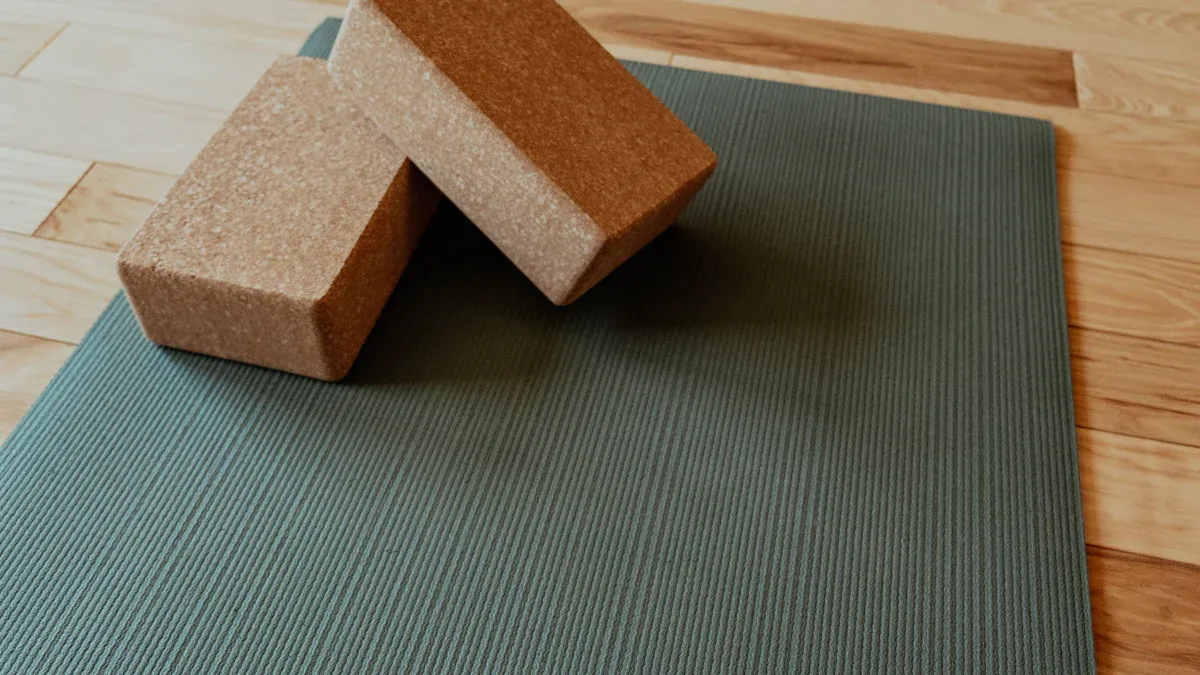
Use Furniture Pads and Floor Protectors
You want your floors to stay smooth and free from dents. Furniture pads and floor protectors give you a simple way to shield your luxury vinyl flooring and laminate from damage. When you place heavy furniture in your home, even small movements can scratch or dent the surface. Furniture pads act as a soft barrier between the furniture legs and your floor. They absorb impact and reduce friction, which helps keep your floors looking new.
You can find many types of furniture pads. Some use thick felt, while others use rubber or silicone. For the best results, choose pads that are at least 1/4 inch thick. For example, X-Protector 24 Heavy-Duty Felt Furniture Pads measure 1.5 inches in diameter and use solid felt with strong adhesive. These pads work well for chairs, tables, and sofas. They stick firmly to the bottom of furniture legs and stay in place, even when you move the furniture.
- Furniture floor protectors help you avoid scratches and dents on luxury vinyl and laminate flooring.
- Even small shifts in heavy furniture can cause damage over time.
- Pads on furniture legs create a buffer that absorbs impact and friction.
- Purchasing furniture pads is one of the best preventative measures for your floors.
- These pads help distribute the weight of heavy furniture, stopping the legs from pressing into the floor.
You should check the pads regularly. Replace them if they wear out or fall off. This simple step gives you long-lasting protection.
Place Coasters or Sliders Under Furniture Legs
You can add another layer of protection by using coasters or sliders under the legs of your heavy furniture. These tools make it easy to move furniture without scratching or denting your floors. Coasters and sliders spread the weight over a larger area, which lowers the risk of dents.
When you use protective padding or coasters, you prevent dents and scratches on both luxury vinyl and laminate flooring. Sliders come in many shapes and sizes. Some use felt, while others use smooth plastic. You can use them for sofas, beds, and even large cabinets. Place them under each leg before you move the furniture. This way, you avoid dragging the legs across the floor.
Tip: Always lift heavy furniture when possible. If you must slide it, use sliders to protect your floors.
You can keep a set of sliders handy for cleaning or rearranging your room. This small investment saves you time and money on repairs.
Distribute Weight Evenly Across the Floor
You can prevent dents by spreading the weight of heavy furniture across a wider area. When you concentrate weight in one spot, the floor can compress and form dents. By using protective measures like wider furniture legs, pads, or area rugs, you help distribute the load.
The type of support under your furniture makes a difference. Here is a table that shows how different castors and wheels help distribute weight and protect your floors:
| Type of Castor | Benefits | Applications |
|---|---|---|
| Minimal Ground Damage Castors | Absorb shocks, reduce noise, ideal for quiet environments. | Healthcare facilities, Hospitality |
| Polyurethane Castors | Balance between durability and floor protection, reduce ground pressure. | Industrial settings |
| Larger and Wider Wheels | Distribute weight evenly, navigate obstacles easily. | Residential applications |
You can use larger or wider wheels on furniture to spread the weight. Area rugs or mats under heavy furniture also help. These protective measures keep your floors safe from dents and extend their lifespan.
When you combine furniture pads, coasters, and weight distribution, you create a strong defense for your floors. You protect luxury vinyl flooring and laminate from the pressure of heavy furniture. These preventative measures keep your home looking beautiful and your floors in top condition.
Rearrange Heavy Furniture Regularly
You can protect your luxury vinyl flooring and laminate by moving your heavy furniture from time to time. When you leave a sofa, bed, or cabinet in one spot for a long period, the weight can press into the floor. This pressure may cause dents that become hard to remove. You do not need to move your furniture every week. You can shift it a few inches or change its position every few months.
Tip: Mark the original spot with painter’s tape before moving your furniture. This helps you return it to the right place if you want.
You can follow these simple steps to reduce the risk of permanent dents:
- Move your heavy furniture a few inches every few months.
- Rotate or swap the position of chairs, tables, or beds in your room.
- Check for dents or marks when you rearrange your furniture.
When you rearrange your furniture, you spread the weight over different parts of the floor. This keeps any one spot from getting too much pressure. You help your floors stay smooth and free from dents.
Add Area Rugs or Mats Under Heavy Furniture
You can use area rugs or mats to add a strong layer of protection under your heavy furniture. Rugs and mats act as a cushion between the furniture and your floor. They spread out the weight and stop the legs from pressing directly into the surface. You can choose rugs or mats that match your room’s style and give enough coverage under each piece.
When you pick a rug or mat, look for one with a non-slip backing. This keeps the rug in place and stops it from sliding when you move your furniture. You can place rugs or mats in high-traffic areas and under large items like sofas, beds, or bookshelves. This helps protect your luxury vinyl flooring and laminate from dents and scratches.
- Choose rugs or mats that fit your room and cover the area under your heavy furniture.
- Use non-slip backings to keep rugs in place.
- Place rugs or mats in busy spots and under large items to protect your floors from direct contact and wear.
You can keep your floors looking new by using these simple tools. Rugs and mats make your home feel cozy and help your floors last longer.
Best Practices for Moving Heavy Furniture on skspcflooring
Lift Furniture Instead of Dragging
You should always lift heavy furniture when you want to move it on luxury vinyl flooring or laminate. Dragging furniture can cause scratches, dents, or even buckling in the floor. Luxury vinyl flooring is softer than hardwood, so it dents more easily if you drag heavy items. Laminate flooring can also get damaged if you put too much pressure on the joints. Most manufacturers design their floors to handle a certain amount of weight, but dragging heavy objects can exceed this limit and cause problems.
Tip: Ask a friend or family member to help you lift large items. This makes the job safer and protects your floor.
Use Moving Blankets or Sliders for Protection
You can use moving blankets or furniture sliders to protect your floors during a move. Moving blankets act as a cushion and guard against dents, scrapes, and scratches. Place a blanket or shock-absorbing mat along the path where you plan to move the furniture. Furniture sliders make it easy to glide heavy items across the floor without causing damage. You can find sliders made of felt or smooth plastic. These tools help you move furniture safely and keep your floors looking new.
- Moving blankets absorb shocks and prevent scratches.
- Sliders spread the weight and reduce friction.
- Both options make moving heavy furniture easier and safer.
Prepare the Floor Before Moving Furniture
You should always prepare your floor before moving any heavy furniture. Start by cleaning the area. Dirt or small debris can scratch the surface if you move something over it. Next, check the bottom of your furniture. Attach felt pads or rubber bumpers to the legs if you have not done so already. If you cannot lift the furniture, use sliders or glides to minimize damage.
Here is a simple checklist to follow:
- Clean the floor to remove dust and debris.
- Attach pads or bumpers to furniture legs.
- Use sliders or moving blankets if lifting is not possible.
Note: Regular cleaning and using protective tools will help your skspcflooring stay beautiful and last longer.
Maintenance Tips to Keep Your Floors Looking New
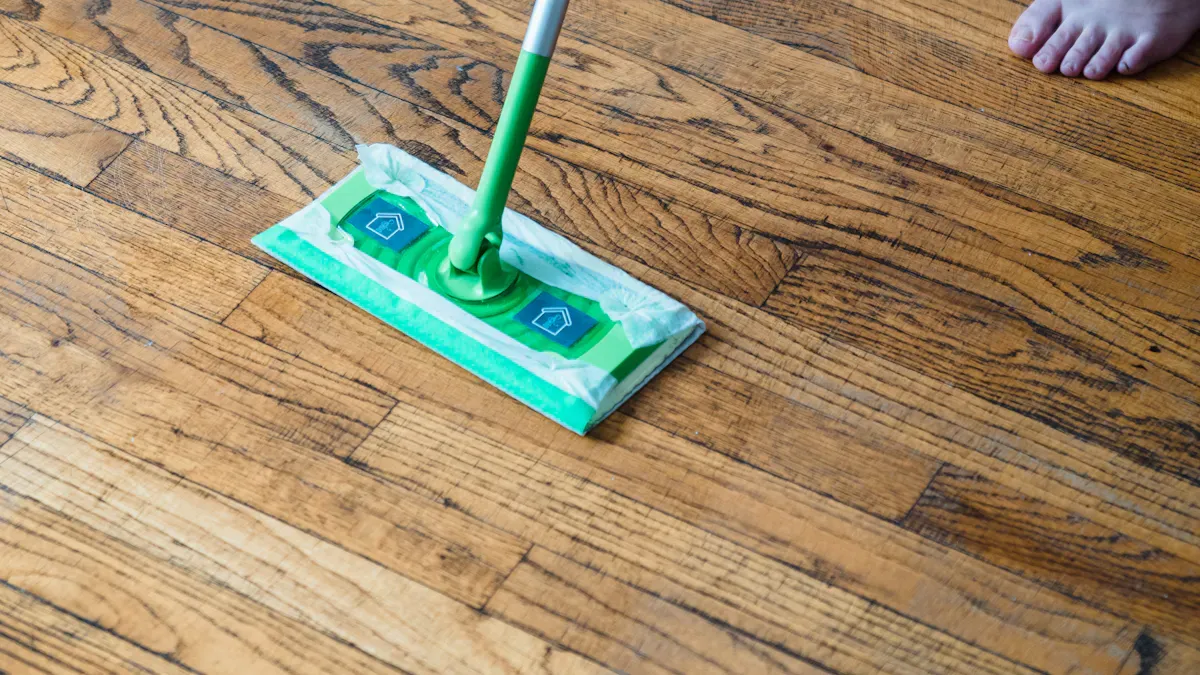
Regular Cleaning and Inspection
You can keep your luxury vinyl flooring and laminate looking new with a simple cleaning routine. Sweep or vacuum daily, especially in busy areas. This removes dirt and grit that can scratch the surface. Use a vacuum without a beater bar to avoid marks. For luxury vinyl, a quick sweep followed by a damp mop works well. You do not need special cleaners—just use a neutral pH cleaner or a mix of vinegar and water. For laminate, sweep or vacuum often and use a laminate floor cleaner with a damp microfiber mop. Do not let water pool on the surface.
Tip: Regular cleaning helps prevent scratches and keeps your floors shiny.
Check your floors often for early signs of wear or dents. Inspections help you spot small problems before they become bigger issues. This keeps your floors safe and beautiful.
Addressing Small Dents Quickly
If you notice a small dent, you can fix it before it leads to potential damage. For luxury vinyl plank floors, use a hairdryer on low heat to warm the dented spot. Press down gently with a clean cloth or a spoon wrapped in a soft cloth. This can make the dent less visible. For laminate, follow the manufacturer’s repair instructions or use a laminate repair kit.
Note: Quick repairs stop small dents from turning into bigger problems.
Avoiding Excessive Moisture and Sunlight
You should protect your floors from too much moisture and sunlight. Water can cause laminate to warp, and sunlight can fade luxury vinyl over time. Use rugs in entryways to catch water from shoes. Close curtains or blinds during the brightest part of the day to block direct sunlight. Always clean up spills right away.
- Place mats near doors and sinks.
- Use window coverings to reduce fading.
- Keep humidity levels steady in your home.
These steps help your floors last longer and look their best.
You can prevent dents in luxury vinyl flooring and laminate by taking simple steps. Place pads, coasters, and area rugs under heavy furniture. Move items with care and clean your floors often. Many homeowners forget to use furniture pads or drag heavy objects, which leads to dents. Proactive care helps your floors last longer:
- Use walk-off mats to catch dirt and moisture.
- Clean regularly to reduce wear.
- Follow manufacturer guidelines for cleaning.
- Protect high-traffic zones with area rugs.
- Schedule periodic maintenance.
Your floors from skspcflooring will stay beautiful and durable with these habits.
FAQ
What type of furniture pads work best for luxury vinyl and laminate flooring?
You should use thick felt pads or rubber protectors. These pads absorb impact and reduce friction. Choose pads with strong adhesive to keep them in place. Replace worn pads often for the best protection.
Can I use rolling chairs on luxury vinyl or laminate floors?
You can use rolling chairs, but add a chair mat under the wheels. This mat spreads the weight and prevents dents or scratches. Clean the area often to remove grit.
How often should I move heavy furniture to prevent dents?
Move your heavy furniture every few months. Shifting items even a few inches helps distribute weight. This simple habit keeps your floors smooth and dent-free.
Will area rugs damage my flooring?
Area rugs protect your floors. Choose rugs with non-slip backings. Avoid rubber or latex backings that may discolor the surface. Clean under rugs regularly to prevent dirt buildup.
What should I do if I notice a dent in my floor?
You should act quickly. For luxury vinyl, use gentle heat and pressure to reduce the dent. For laminate, use a repair kit. Address dents early to keep your floors looking new.




