
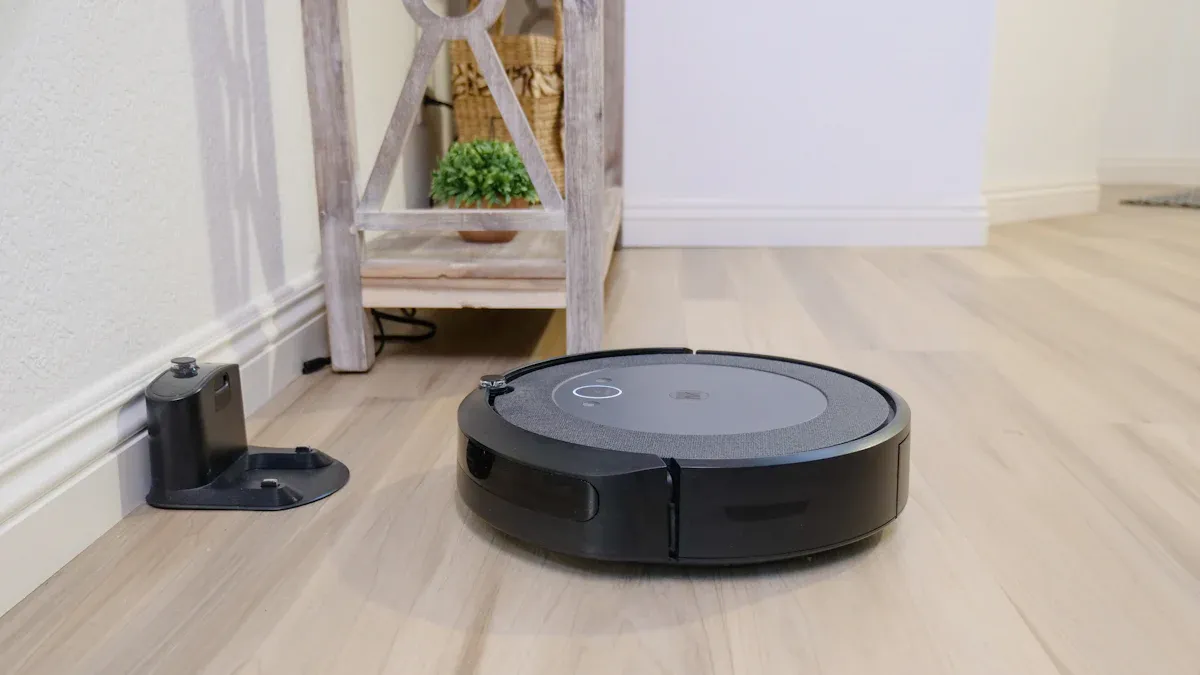
You want a peaceful home, so you need to clean your floors without making noise. Use soft, non-motorized tools for vinyl plank flooring cleaning. Gentle cleaning techniques help protect your floors and keep your apartment calm. Choose quiet times for cleaning. Stay away from loud machines or harsh scrubbing. Your neighbors will appreciate the quiet, and your floors will look great.
Quiet Vinyl Plank Flooring Cleaning Tools
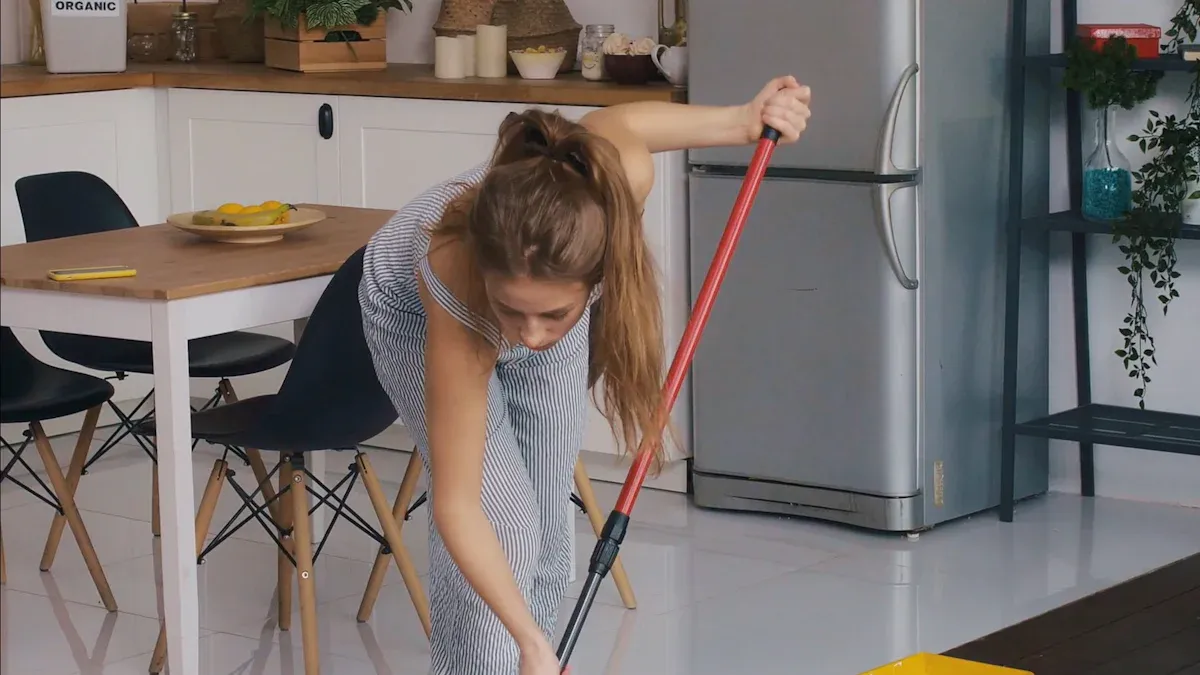
Cleaning your vinyl plank floors quietly starts with the right tools. You want to keep noise to a minimum while still getting great results. The following tools help you clean effectively without disturbing anyone nearby.
Microfiber Mops for Silent Cleaning
Microfiber mops work well for quiet cleaning. The soft fibers glide smoothly over vinyl plank floors. You do not need to press hard or scrub. The mop picks up dust, dirt, and even pet hair with little effort. Microfiber mops do not make scraping sounds, so you can clean early in the morning or late at night. You can use them dry for dusting or damp for mopping. Many microfiber mop heads are washable, so you can reuse them and save money.
Tip: Use a flat microfiber mop for the best coverage and less noise. Avoid mops with hard plastic parts that might bump against the floor.
Soft Brooms for Gentle Sweeping
Soft brooms offer another quiet option for sweeping vinyl plank floors. They use flexible rubber bristles that move smoothly and do not scratch the surface. These brooms work well for both dry and wet cleaning. The rubber bristles attract dust, hair, and small debris, so you do not need to sweep back and forth many times.
Here is a table showing why soft brooms are a smart choice for quiet sweeping:
| Feature | Description |
|---|---|
| Bristle Material | Ultra-durable rubber bristles that are flexible and safe for delicate surfaces |
| Versatility | Can be used wet or dry, making it adaptable for different cleaning needs |
| Surface Safety | Safe for delicate surfaces like vinyl, implying suitability for quiet sweeping |
| Broom Material | 100% natural rubber, which is gentle on surfaces |
| Cleaning Capability | Attracts dirt, hair, dust, and leaves, ensuring effective cleaning without noise |
| Surface Compatibility | Suitable for various surfaces including vinyl, enhancing its quiet sweeping ability |
Manual Dustpans for Noise-Free Collection
Manual dustpans help you collect dirt and debris without making noise. Choose a dustpan with a rubber edge. The rubber edge helps the dustpan sit flat on the floor, so you do not scrape or bang it. Hold the dustpan steady and sweep gently. You can empty the dustpan into a trash bin quietly. Manual dustpans do not need batteries or motors, so you avoid extra noise.
Note: Store your dustpan and broom together for quick, quiet cleanups whenever you need them.
Tools to Avoid for Quiet Cleaning
Not all cleaning tools work well for quiet cleaning. Some tools make a lot of noise or can even damage your vinyl plank floors. You want to keep your home peaceful, so you should avoid these items:
-
Vacuum Cleaners with Hard Beater Bars
Many vacuums have hard, spinning brushes. These brushes can slap against the floor and make loud noises. They can also scratch the surface of your vinyl planks. If you must use a vacuum, choose one with a soft brush or a “hard floor” setting. -
Rotary Floor Buffers or Polishers
These machines spin quickly and create a lot of vibration. The motors are loud. The spinning pads can also leave marks on your floor. You do not need heavy-duty machines for regular vinyl plank cleaning. -
Metal-Edged Brooms or Dustpans
Metal edges scrape and clang against the floor. This sound travels easily through apartment walls and floors. Metal can also leave scratches or dents. -
Steam Mops
Steam mops use hot steam to clean. The steam can loosen the glue under your vinyl planks. The hissing sound is also noisy. Vinyl plank floors do not need steam cleaning. -
Stiff-Bristled Brushes
Hard brushes make scratching sounds. They can wear down the protective layer on your floor. Soft tools work better and keep things quiet.
Tip: Always test a new cleaning tool in a small corner first. Listen for noise and check for marks. If you hear scraping or see scratches, switch to a softer tool.
You want to protect your floors and keep your neighbors happy. Choosing the right tools makes cleaning easy and quiet.
Step-by-Step Vinyl Plank Flooring Cleaning Routine
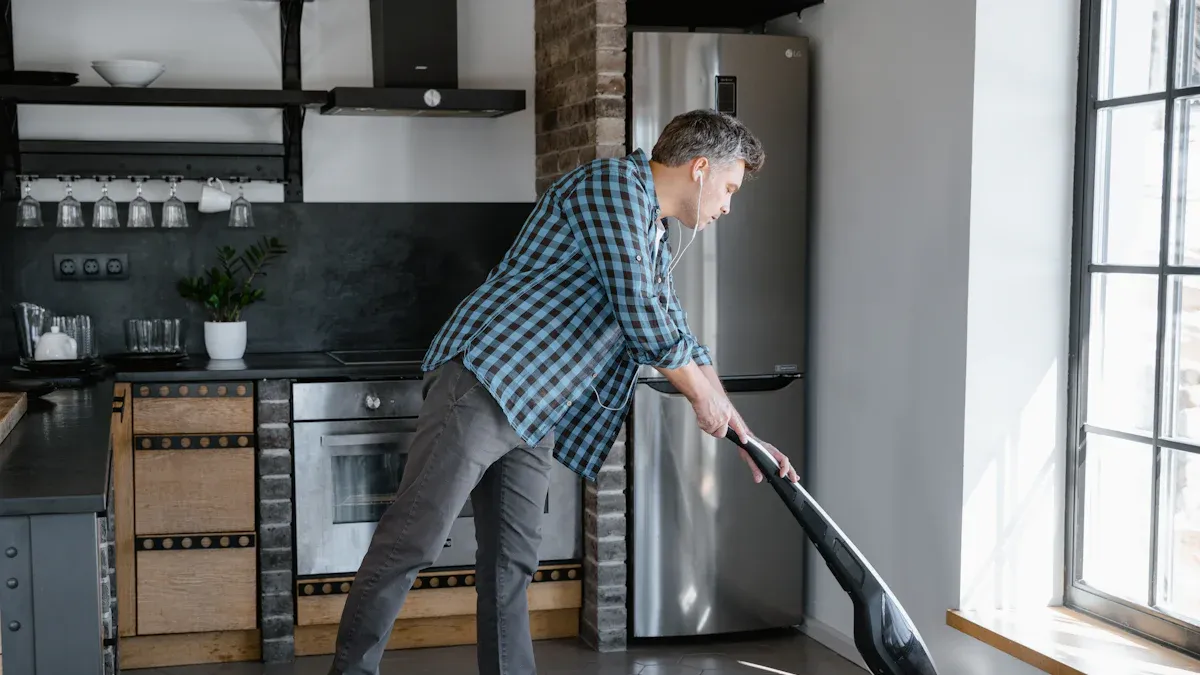
Cleaning your vinyl plank floors quietly helps you keep your home peaceful. You can follow a simple routine that reduces noise and protects your floors. Each step uses gentle tools and techniques that work well in apartments or shared spaces.
Dusting Without Disturbance
Dusting is the first step in vinyl plank flooring cleaning. You want to remove loose dirt and dust without making noise. Start with a soft broom or a microfiber dust mop. Move the broom slowly across the floor. You do not need to press hard. The soft bristles pick up dust and hair easily.
Tip: Use a dust mop that does not contain fabric softeners. Fabric softeners can leave residue on your floor.
You can also use a vacuum with a hard floor setting. Make sure the vacuum does not have rotating beater bars. These bars can make loud noises and scratch your floor. Sweep or vacuum in one direction to avoid scattering dust.
Here is a simple sequence for quiet dusting:
- Sweep or vacuum to remove loose dirt and debris.
- Collect dust in a manual dustpan with a rubber edge.
- Empty the dustpan gently into a trash bin.
You keep your floors clean and your apartment quiet when you dust this way.
Silent Mopping Techniques
Mopping helps you remove sticky spots and stains. You want to mop without making noise or leaving streaks. Use a flat microfiber mop for best results. Dampen the mop with water or a cleaner made for vinyl plank floors. Avoid soaking the mop. Too much water can seep into the seams.
Note: Choose a specially formulated cleaner for vinyl plank floors. This cleaner does not leave residue and works well for streak-free results.
Move the mop in straight lines. Do not scrub hard. The microfiber mop glides smoothly and picks up dirt. You can mop early in the morning or late at night without disturbing anyone.
Here is a table showing silent mopping tips:
| Step | Action | Noise Level |
|---|---|---|
| Dampen Mop | Use water or vinyl plank floor cleaner | Low |
| Mop in Lines | Glide mop gently across the floor | Low |
| Rinse Mop | Rinse mop head in sink, not on floor | Low |
| Dry Floor | Let floor air dry or use a soft towel | Low |
You achieve a clean floor and keep your home calm with these silent mopping techniques.
Spot Cleaning with Minimal Noise
Sometimes you see spills or tough spots on your vinyl plank floors. You can clean these areas quietly with the right method. Start by removing dirt with a broom or dust mop. If the spot remains, use a damp mop to wipe it away.
For stubborn stains, use isopropyl alcohol. Dampen a clean white cloth with alcohol. Gently rub the spot. Rinse the area with a damp cloth and blot dry. You do not need to scrub hard or use noisy machines.
Alert: Always test any cleaning solution on a small area first. Make sure it does not damage your floor.
Here are quiet spot cleaning methods:
- Use a broom or dust mop to remove dirt and dust.
- Follow up with a damp mop for sticky spots.
- For tough stains, use isopropyl alcohol on a white cloth, rinse, and blot dry.
You keep your vinyl plank flooring cleaning routine simple and quiet. Your floors stay spotless, and your neighbors enjoy a peaceful environment.
Quiet Drying Methods
You want your vinyl plank floors to dry quickly and quietly. Loud fans or noisy blowers can disturb your neighbors. You can use simple and silent methods to dry your floors after cleaning.
Start by opening your windows if the weather allows. Fresh air helps water evaporate faster. You do not need to turn on a fan. Sunlight also speeds up drying. If you have curtains, pull them back to let the light in.
Use a soft, clean towel to dry any wet spots. Gently press the towel on the floor. Do not rub hard. You can walk across the floor with a towel under your feet. This trick dries the floor and keeps things quiet.
Here are some quiet drying tips:
- Open windows for airflow.
- Use a soft towel to blot wet areas.
- Let sunlight help with drying.
- Avoid using electric fans or blowers.
Tip: Place a dry towel at the entrance to catch any extra moisture. This keeps your floor safe and prevents slips.
If you need to dry a large area, use several towels. Lay them flat on the floor. Step on the towels to soak up water. Replace wet towels with dry ones as needed. You can finish your vinyl plank flooring cleaning routine without making noise.
A table can help you compare drying methods:
| Drying Method | Noise Level | Effectiveness | Best For |
|---|---|---|---|
| Air Dry (Windows) | Silent | Good | Everyday cleaning |
| Sunlight | Silent | Good | Daytime drying |
| Soft Towels | Silent | Excellent | Spills and wet spots |
| Electric Fan/Blower | Loud | Fast | Not recommended |
You can keep your home peaceful and your floors safe by choosing quiet drying methods. These steps help you finish your cleaning without disturbing anyone.
Quiet Cleaning Solutions for Vinyl Plank Floors
Low-Odor and No-Rinse Cleaners
You want your apartment to stay fresh and peaceful during cleaning. Low-odor and no-rinse cleaners help you achieve this goal. These products clean effectively without leaving strong smells or sticky residues. You do not need to rinse the floor after using them, which saves time and reduces noise.
- Ecolution® Neutral Floor Cleaner uses a neutral pH formula. It cleans vinyl plank floors without damaging the surface. You will not find soap residue after cleaning.
- State® Scentastic™ offers a neutral pH and works safely on vinyl. It cleans and deodorizes without harming the finish. You can skip rinsing, making it ideal for quick cleaning in apartments.
These cleaners make vinyl plank flooring cleaning simple and quiet.
Applying Solutions Without Splashing
You can apply cleaning solutions without making a mess or noise. Soft, microfiber mops help you spread the cleaner gently. The mop glides over the floor and absorbs liquid, preventing splashes. You avoid loud noises and keep your apartment calm.
Mix your cleaning solution in a basin placed in the tub or shower. This method contains splashes and keeps your workspace tidy. You pour the solution onto the mop, not directly onto the floor. You control the amount and avoid puddles.
Tip: Always wring out the mop so it feels damp, not wet. This step prevents excess moisture and keeps your floors safe.
Avoiding Harsh Chemicals and Steam
Harsh chemicals and steam cleaners can damage vinyl plank floors. They create strong odors and loud hissing sounds. You want to protect your floors and keep your home quiet. Choose gentle, neutral cleaners instead. Avoid products with bleach, ammonia, or strong acids. Steam mops can loosen the glue under the planks and cause warping.
You keep your floors looking new and your apartment peaceful by using safe cleaning solutions. Quiet methods help you maintain a calm environment for everyone.
Additional Tips for Noise Reduction in Apartments
Cleaning During Neighbor-Friendly Hours
You can keep your apartment peaceful by cleaning during hours that respect your neighbors. Most apartment buildings set quiet hours from 10 p.m. to 5 a.m. or 8 a.m. These hours may change on weekends. You should plan your cleaning for the daytime. This helps you avoid disturbing anyone who might be sleeping or relaxing.
- Quiet hours usually start at 10 p.m.
- Quiet hours end between 5 a.m. and 8 a.m.
- Daytime is best for cleaning tasks.
- Weekends may have different quiet hours.
Tip: Check your building’s rules for specific quiet hours. You can set reminders on your phone to help you remember the best times for cleaning.
Using Rugs and Carpets to Absorb Sound
Rugs and carpets help reduce noise in your apartment. You can place them in high-traffic areas like hallways, living rooms, and entryways. Thick rugs absorb footsteps and the sound of moving furniture. This keeps your cleaning routine quieter.
Try these ideas to make your space even more peaceful:
- Use area rugs under tables and chairs.
- Place runners in hallways.
- Add small mats near doors and sinks.
A table can help you see where rugs work best:
| Area | Rug Type | Benefit |
|---|---|---|
| Living Room | Area Rug | Reduces echo |
| Hallway | Runner | Softens footsteps |
| Entryway | Door Mat | Traps dirt, less noise |
Regular Maintenance to Prevent Noisy Deep Cleans
You can avoid loud, deep cleaning sessions by taking care of your floors every day. Simple habits keep your vinyl plank floors looking new and quiet to clean.
- Place door mats at entrances to catch dirt before it spreads.
- Attach felt pads under furniture legs to stop scratches and dents.
- Sweep, vacuum, or use a microfiber mop often to remove grit.
- Prevent dust and dirt buildup to protect the floor’s finish.
Note: Regular maintenance means you spend less time scrubbing or using noisy tools. Your floors stay beautiful, and your neighbors enjoy a quiet environment.
Sealing Perimeter Gaps for Better Soundproofing
You may notice that even with rugs and quiet cleaning tools, sound can still travel between apartments. Small gaps around the edges of your vinyl plank floors often let noise pass through. These gaps usually appear near walls, under baseboards, or around door frames. Sealing these spaces helps you create a quieter home.
You can use acoustical caulk to block these perimeter gaps. Acoustical caulk stays flexible and does not crack as your floor expands or contracts. This type of sealant works better than regular caulk for stopping airborne noise. You can find it at most hardware stores.
Here are simple steps you can follow:
- Inspect the edges of your vinyl plank flooring. Look for any visible gaps between the floor and the wall.
- Clean the area so dust and dirt do not prevent the caulk from sticking.
- Cut the tip of the acoustical caulk tube at a 45-degree angle.
- Squeeze a steady bead of caulk into each gap.
- Smooth the caulk with a damp finger or a caulking tool.
- Let the caulk dry according to the instructions on the package.
Tip: Wear gloves when applying caulk to keep your hands clean.
A table can help you see the benefits of sealing perimeter gaps:
| Benefit | Description |
|---|---|
| Reduces Noise | Blocks sound from traveling through gaps |
| Improves Privacy | Keeps conversations and music inside |
| Enhances Comfort | Makes your apartment feel more peaceful |
| Prevents Dust Entry | Stops dust and small debris from sneaking in |
You do not need special skills to seal these gaps. You just need patience and the right materials. By sealing perimeter gaps, you make your cleaning routine even quieter and your living space more comfortable.
Why Choose skspcflooring for Quiet Vinyl Plank Flooring Cleaning
Durable and Easy-to-Clean SPC Flooring
You want a floor that stands up to daily life and makes cleaning simple. skspcflooring SPC flooring uses a layered construction with a strong protective wear layer. This layer guards your floor against scratches and stains. You can clean your floor without worrying about damage. The waterproof SPC core stops moisture from causing problems. You do not need to scrub hard or use noisy machines. Cleaning becomes easier and quieter because the floor resists dirt and spills. You save time and keep your home peaceful.
Tip: The wear layer lets you use soft mops and gentle cleaners. You avoid harsh scrubbing and loud tools.
Eco-Friendly and Low-Maintenance Options
You care about the environment and want a floor that fits your lifestyle. skspcflooring offers SPC flooring made with eco-friendly materials. The manufacturing process follows strict quality standards like ISO9001 and ISO14001. You get a floor that is safe for your family and the planet. Maintenance stays simple. You do not need special chemicals or heavy equipment. Regular sweeping and mopping keep your floor looking new. You reduce waste and avoid strong odors in your apartment.
Here is a quick comparison table:
| Feature | Benefit |
|---|---|
| Eco-Friendly | Safe for your home |
| Low Maintenance | Easy to clean |
| Durable | Lasts for years |
Professional Support from skspcflooring
You want help when choosing the right flooring. skspcflooring gives you professional support from start to finish. The team answers your questions and helps you select the best SPC flooring for your needs. You receive guidance on installation and care. If you need custom solutions, skspcflooring works with you to find the right fit. You can contact them by email or phone for fast assistance.
😊 You feel confident knowing experts support your flooring choices.
skspcflooring combines durability, eco-friendly design, and expert support. You enjoy quiet cleaning and a beautiful home.
You can keep your apartment peaceful with quiet vinyl plank flooring cleaning. Use soft mops, gentle cleaners, and clean at the right times. These steps help you protect your floors and respect your neighbors. Choosing skspcflooring makes cleaning even easier. You also enjoy these benefits:
- Easy maintenance with simple sweeping and mopping
- Less noise in your home
- Durable floors that last
- More tranquility for you and your neighbors
Small changes in your routine can make a big difference for everyone.
FAQ
How often should you clean vinyl plank floors to keep them quiet?
You should sweep or dust-mop your floors every few days. Mop once a week for best results. Regular cleaning prevents dirt buildup and keeps your routine quiet.
Can you use vinegar to clean vinyl plank floors?
You should avoid vinegar. Vinegar is acidic and can damage the protective layer on your floor. Use a neutral pH cleaner made for vinyl plank flooring instead.
What is the quietest way to remove pet hair from vinyl plank floors?
Use a dry microfiber mop or a soft rubber broom. These tools pick up pet hair without making noise. You do not need a vacuum.
Will using rugs help reduce cleaning noise?
Yes! Rugs and carpets absorb sound. Place them in busy areas to make sweeping and mopping quieter. Rugs also protect your floor from scratches.




