
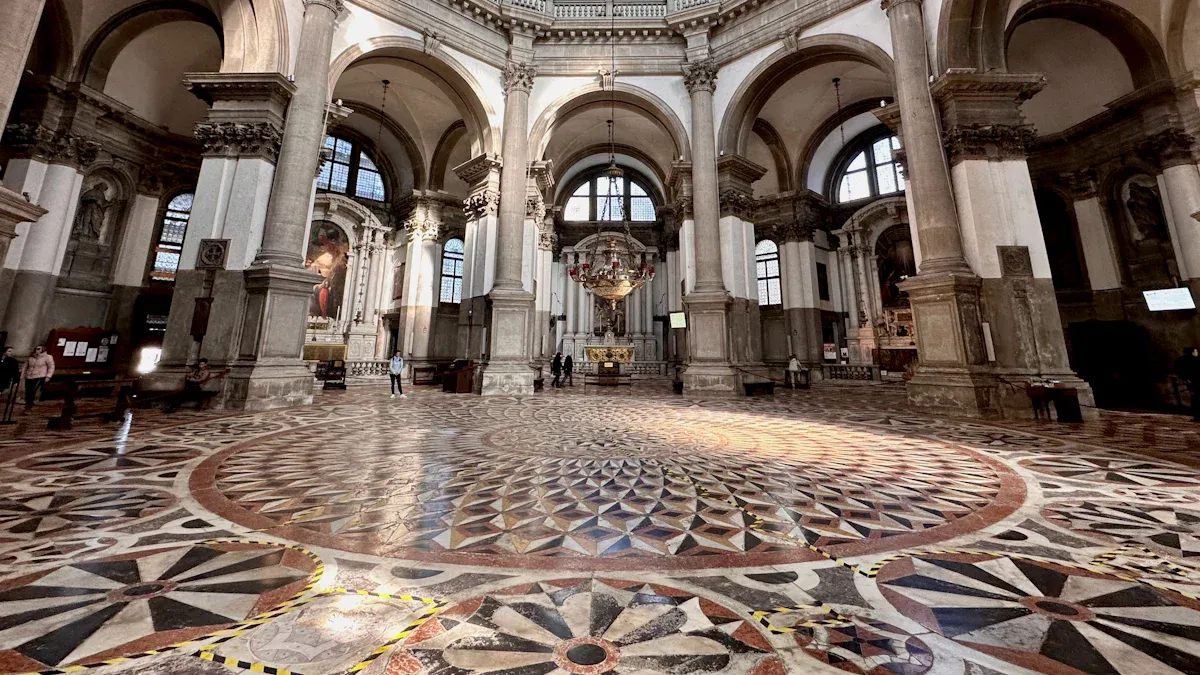
Selecting the right church flooring for your church is a major decision. You need flooring that balances five key elements.
Durability, acoustics, maintenance, aesthetics, and budget are all crucial.
The correct flooring material keeps your sacred spaces beautiful and functional for years. Your flooring choice greatly impacts the spiritual atmosphere. Good church floor designs help you find the perfect flooring to balance practical needs.
The Five Pillars of Flooring Selection
Your church flooring must serve your community for decades. You need to consider five key factors to make the best choice. These pillars will guide your decision-making process.
Durability for High-Traffic Areas
Your church sees constant foot traffic. People walk through entryways, fellowship halls, and aisles every week. The flooring you choose must withstand this heavy use without showing premature wear. Durability also includes safety. You must select a flooring material that minimizes the risk of slips and falls, especially in areas that can get wet.
Note: The American National Standards Institute (ANSI) provides guidelines for slip resistance. For interior floors that may get wet, you should look for a wet Dynamic Coefficient of Friction (DCOF) of 0.42 or greater.
| Classification | Reference Category | Criteria |
|---|---|---|
| Interior, Dry | ID | ≥ 0.42 dry DCOF |
| Interior, Wet | IW | ≥ 0.42 wet DCOF |
Acoustics for Worship and Reflection
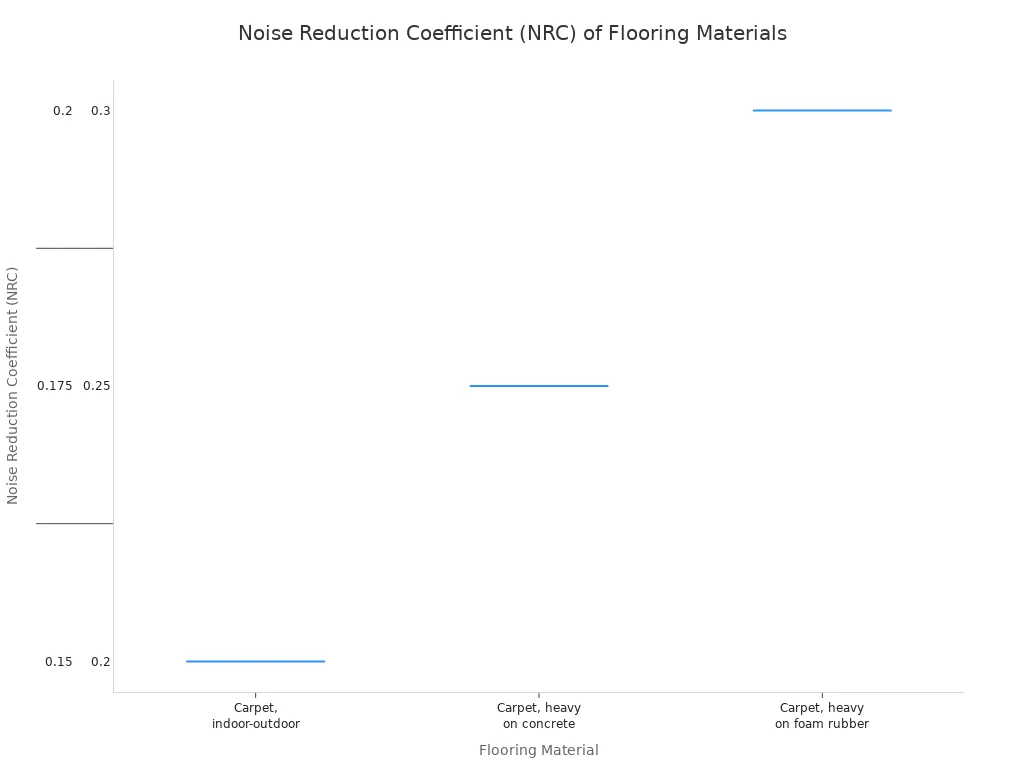
The sound within your sacred space is essential for worship. Your flooring choice directly impacts how sound travels. Hard surfaces like stone or tile reflect sound, which can create echoes and make speech difficult to understand. Soft surfaces like carpet absorb sound, creating a quieter, more intimate atmosphere for prayer and worship. The right flooring helps ensure every word of a sermon is clear and every note of music enhances the worship experience.
The Noise Reduction Coefficient (NRC) measures how well a material absorbs sound.
Maintenance and Long-Term Care
You must consider the long-term upkeep of your new flooring. Your church needs a solution that fits its maintenance capabilities and budget. Ask yourself who will be responsible for cleaning. Some flooring requires daily sweeping and mopping, while others may need periodic professional deep cleaning or refinishing. Choosing a low-maintenance material saves your church valuable volunteer time and financial resources over the life of the floor.
Aesthetics and Spiritual Atmosphere
The visual character of your church flooring sets the tone for worship. Your flooring choice should complement your church’s architecture and create a reverent atmosphere. Colors, patterns, and textures all contribute to the feeling of the space. For example, historic buildings like Saint Brigid Catholic Church carefully selected materials to preserve their original design. They matched new wood flooring to the aged wood and custom-dyed carpet to enhance the sanctuary’s aesthetic. This shows how deliberate flooring choices maintain a building’s unique spirit.
The right flooring can make a space feel warm and welcoming or grand and awe-inspiring. Consider how light interacts with the flooring surface at different times of day.
Your goal is to select a flooring material that supports the spiritual purpose of your church. The right design can guide focus, inspire peace, and welcome all who enter.
Budgeting for Initial Cost and Lifetime Value
You must look beyond the initial price tag when budgeting for flooring. A better approach is to consider the lifetime value of your investment. High-quality flooring can provide a strong return through durability, lower maintenance costs, and increased property value. Some materials offer a better long-term return than others.
Investing in the right flooring is a wise financial decision. While some options have a higher upfront cost, they often save money over time. Consider these points:
- Hardwood flooring can offer a significant return on investment, adding measurable value to your property.
- Luxury Vinyl Plank (LVP) provides a strong return because its durability and low maintenance are very appealing.
- Tile is a solid investment for its longevity, especially in areas prone to moisture.
Choosing a durable, low-maintenance material reduces future spending on repairs and intensive cleaning. This makes your initial investment work harder for your community for years to come.
Traditional Flooring Materials for Sacred Spaces
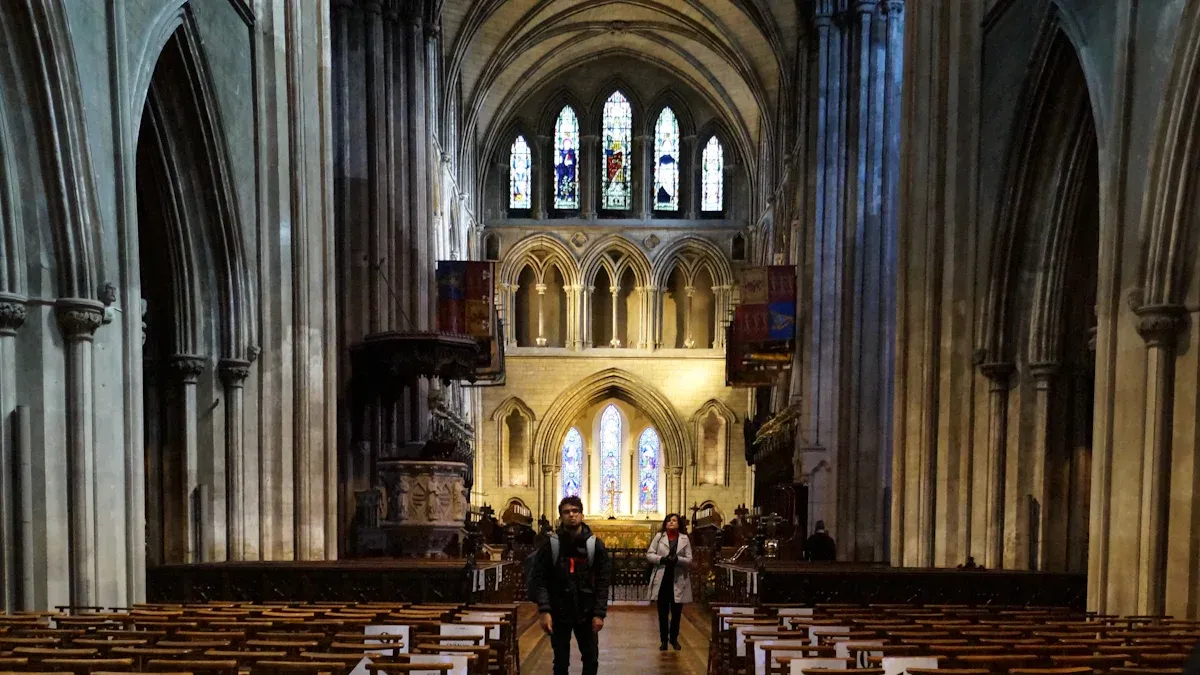
Traditional flooring materials offer timeless beauty and proven performance. You can choose from several options that have graced sacred spaces for centuries. These flooring materials help you create a foundation of reverence and durability for your church.
Hardwood Flooring
Hardwood flooring brings natural warmth and character to any space. Oak and maple are popular choices for their classic appeal and strength. You will find that solid hardwood improves acoustics, making it a great option for worship platforms. The right hardwood flooring can last for decades.
Note: While hardwood is a beautiful choice, you must consider its specific needs. Proper maintenance is key to its longevity.
Here are some key points about hardwood floors for churches:
- Pros: Hardwood offers a timeless look, is very durable, and can be refinished multiple times. This flooring adds to your property’s value.
- Cons: Hardwood is sensitive to moisture and requires periodic refinishing. It can also be noisy without the right underlayment.
Natural Stone (Marble, Slate, Granite)
Natural stone flooring creates a sense of grandeur and permanence. Granite is an excellent choice for high-traffic areas because it resists scratches and stains. Marble is softer but offers unmatched elegance. You must seal stone flooring to protect it from damage.
| Stone | Porosity | Hardness | Best For |
|---|---|---|---|
| Marble | More Porous | Softer | Lower-traffic areas, walls |
| Granite | Less Porous | Harder | High-traffic entryways, halls |
Granite’s durability makes it a smart long-term investment for a busy church. Marble can last for generations in the right setting with proper care.
Ceramic and Porcelain Tile
Ceramic and porcelain tile floors for churches offer incredible design versatility and durability. This type of church flooring is easy to clean and holds up well against heavy foot traffic. When selecting tile, you should check its PEI rating, which measures hardness and durability.
For areas with heavy traffic, you need a tile with a high rating.
- PEI 1-2: Best for light traffic, like residential bathrooms.
- PEI 3: Good for residential floors and light commercial use.
- PEI 4: Suited for restaurants, hotels, and hospital lobbies.
- PEI 5: Designed for the heaviest traffic, like in malls and public building entrances.
For church halls and entryways, you should choose a tile with a PEI 5 rating to ensure maximum performance and safety.
Soft Flooring Solutions for a Welcoming Atmosphere
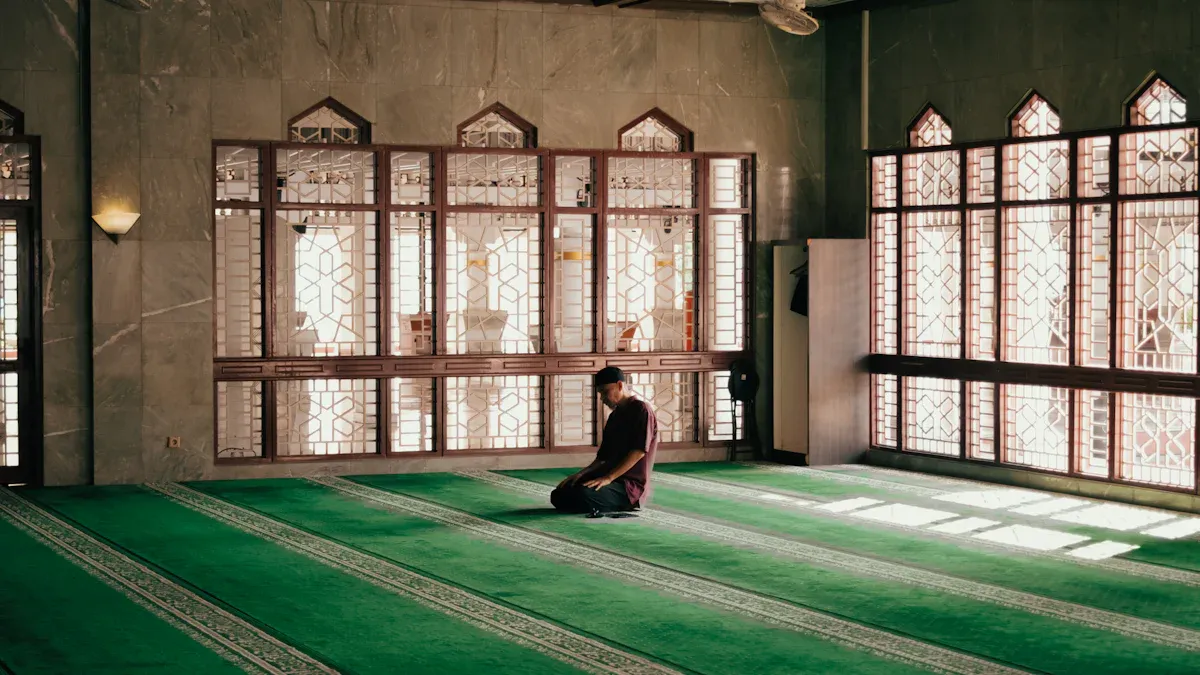
Soft flooring options help you create an inviting atmosphere for parishioners. Carpets for churches offer excellent sound absorption and underfoot comfort, making your space feel warm and peaceful. You have two main types of soft flooring to consider for your church. Each offers unique benefits for different areas of your building.
Broadloom Carpet
Broadloom carpet comes in large rolls, creating a seamless look across your floor. This type of flooring enhances the elegance and unity of a sanctuary or worship hall. Solution-dyed nylon is a popular choice for its superior performance. You will find this material offers many advantages.
- It provides excellent underfoot comfort for long periods of standing or kneeling.
- It has superior noise reduction qualities for a peaceful worship environment.
- The material is extremely durable and resists abrasion well.
- It is easy to maintain with regular vacuuming.
This flooring choice gives your space a unified, elegant appearance that supports a reverent mood.
Carpet Tiles
Carpet tiles are small, modular squares of carpeting. You can install them individually to create unique patterns or a uniform look. The main benefit of this church flooring is easy replacement. If a tile becomes stained or damaged, you can simply swap it out for a new one. This makes carpet tiles a very practical flooring solution for high-traffic zones like classrooms or fellowship halls.
Carpet tiles give you great design flexibility. You can mix colors and patterns to define different areas or create pathways. This modern flooring option combines the comfort of carpet with the practicality of a modular system, making it a smart choice for a busy church.
Modern Materials in Church Floor Designs
Modern flooring materials offer innovative solutions for your church floor designs. These options combine advanced technology with beautiful aesthetics. You can achieve a specific design without the drawbacks of traditional materials. This makes them excellent choices for modern church floor designs.
Luxury Vinyl Tile (LVT) and Plank (LVP)
Luxury Vinyl Tile (LVT) and Plank (LVP) are versatile flooring materials. They give you the look of natural materials like stone or hardwood at a lower cost. This flooring is a great choice for many church floor designs.
- Appearance: LVT can look just like real stone. For example, some products offer the look of polished marble without the difficult maintenance.
- Affordability: This flooring gives you a high-end design without the high price tag of natural stone or hardwood.
- Durability: LVT is built to last. It resists scuffs, scratches, and stains, making it perfect for high-traffic areas in your church.
- Easy Installation: Many LVT products have locking systems and pre-attached underlayment. This simplifies installation and saves you time and money.
Polished and Stained Concrete
Polished concrete is a durable and budget-friendly flooring option. It creates a modern, clean design that works well in large spaces like fellowship halls. This flooring is very resilient and can handle heavy foot traffic and furniture movement.
Maintenance is simple. You only need a microfiber cloth for dust and a mop with water for tougher spots. A polished concrete floor can last for decades with minimal upkeep.
This makes it one of the most cost-effective long-term flooring materials for a busy church. The sleek design fits well with contemporary church floor designs.
Engineered Hardwood
Engineered hardwood gives you the beauty of real hardwood with added stability. It is made of multiple layers, with a real hardwood veneer on top. The lower layers are often plywood bonded in a cross-grain construction. This design makes engineered hardwood less likely to swell or warp from humidity changes compared to solid hardwood. If your building experiences seasonal climate shifts, engineered hardwood is a superior choice over solid hardwood. This flooring material allows you to have the timeless look of hardwood in more areas. The stability of engineered hardwood makes it a smart choice for many church floor designs, blending the classic appeal of hardwood with modern performance. You get the authentic look of hardwood flooring because the top layer is real hardwood. This flooring combines the best of both worlds: the beauty of hardwood and the stability of a modern design.
Specialized Flooring Considerations for Church Zones
Different areas in your church have unique needs. You must choose flooring that matches the function of each zone. This ensures every space serves its purpose effectively, from quiet worship to busy fellowship.
Sanctuaries and Worship Halls
The sanctuary is the heart of worship. Your flooring choice here directly impacts acoustics. You want a material that supports clear speech and beautiful music.
- SPC flooring is an excellent choice. It offers superior sound clarity and reduces unwanted noise.
- Hardwood flooring helps create a balanced acoustic environment by absorbing some sound.
- Mixed flooring is a smart strategy. You can use carpet in certain areas to absorb sound and hardwood where you want sound to reflect.
A good flooring plan minimizes hollow sounds during worship. The right material contains sound, creating a peaceful atmosphere for your congregation.
Entryways and Fellowship Halls
Your church entryway sees constant foot traffic. You need a durable and easy-to-clean flooring solution. Fellowship halls also require a resilient surface that can handle events and gatherings.
- Linoleum and laminate are popular choices. They are highly durable and their smooth surfaces make cleaning simple.
- High-quality carpet can also withstand heavy use. It is easy to maintain with regular vacuuming.
- You can protect your main flooring by placing a heavy-duty mat at the entrance to trap dirt and debris.
Choir Lofts and Performance Areas
Choir lofts and performance areas have special acoustic requirements. The flooring should enhance musical performances. You can create a lively sound with a reflective surface like polished marble or hardwood.
To reduce unwanted noise like squeaks, you should install a quality underlayment. A dense rubber underlayment with a high Impact Insulation Class (IIC) rating is ideal. This sound-deadening layer is crucial for a professional-sounding worship experience.
This approach to flooring ensures the choir’s voices are supported, not muffled.
Classrooms and Administrative Offices
Your church classrooms and offices are hubs of activity. You need flooring that can handle daily wear while supporting a productive environment. The right material balances durability, easy maintenance, and comfort for students and staff.
You have several excellent flooring options for these busy spaces.
- Luxury Vinyl Tile (LVT) is easy to maintain. You should use chair pads with this material to prevent scratches from moving furniture.
- Homogeneous Sheet Vinyl offers a soft, scratch-resistant surface. Its welded seams create a seamless floor, which is ideal for areas with spills, like art rooms.
- Rubber flooring provides a comfortable, quiet, and slip-resistant surface. It absorbs sound well, creating a better learning atmosphere.
Broadloom carpet is another great choice. It makes rooms quieter than hard surfaces and feels softer underfoot. You should look for carpets with a built-in moisture barrier to prevent stains. Materials with high texture retention ratings will also increase the floor’s lifespan in a high-traffic church setting.
Seamless flooring offers unbeatable strength for administrative corridors and classrooms. This type of floor resists wear from shoes, chairs, and rolling carts. Maintenance is simple, often requiring just basic mopping without any need for stripping or waxing. These floors do not harbor bacteria or mold, which promotes a healthier space for everyone. The material also dampens sound, which helps control noise levels in a busy building.
Key Factors in Flooring for a Church Remodel
A church remodel is a major undertaking. You must consider several key factors to ensure the project is a success. Proper planning for your new flooring will help you avoid costly surprises and create a beautiful, functional space for your community.
Assessing Your Current Floor
Before you choose new materials, you must evaluate your existing floor. A thorough inspection helps you understand the true flooring needs for a church remodel. Look for signs of structural problems that could affect your new installation.
- Sagging or Dipping: Floors that dip in the middle or along edges may signal failing support beams.
- Spongy Feel: A bouncy or spongy sensation when you walk can indicate weakened joists from rot or water damage.
- Visible Cracks and Gaps: Large cracks in concrete or gaps between floorboards can point to foundation issues.
- Weak Flooring and Rot: Poor ventilation can trap moisture, causing rot and a musty smell.
Identifying these issues early in the remodel process allows you to address them before installing new flooring, saving you time and money.
Integrating New and Existing Designs
Your new flooring for a church remodel should complement the building’s existing character. A thoughtful design creates a seamless flow between old and new spaces. You can use transition products to connect different flooring materials smoothly. For example, a T-molding strip can bridge the gap between tile and hardwood at a doorway.
A cohesive color scheme helps unify the overall design. You can pair traditional textures like stone with smooth, modern finishes for a balanced look. The right design choices ensure your remodel enhances your church’s unique spiritual atmosphere.
Planning for Installation Downtime
Remodeling a church requires careful scheduling to minimize disruption. The installation time for your new flooring depends on the material and the complexity of the layout. You should plan for your church to be closed or have limited access during this period.
| Flooring Type | Approx. Installation Time (per 1000 sq ft) |
|---|---|
| LVT/Laminate | 1-2 days |
| Hardwood | 2-4 days |
| Broadloom Carpet | Generally faster than hardwood |
Discuss the timeline with your installer to create a clear plan. This helps you inform your congregation about any temporary changes to services or events during the remodel. Proper planning is essential for a smooth flooring for a church remodel project.
Comparing Materials: A Head-to-Head Look
Choosing the right flooring materials involves balancing several key performance factors. You need to understand how different options stack up against each other. This direct comparison will help you select the best foundation for your sacred space.
Durability and Lifespan
The durability of your floor determines how long it will last under daily use. Some materials are naturally tougher than others. Hardwood‘s durability is measured by the Janka hardness rating. A higher number means the wood is more resistant to dents and wear.

Other materials offer different lifespans.
- Luxury Vinyl Tile (LVT) can last 10 to 20 years in commercial settings. Its lifespan depends on the thickness of its protective wear layer.
- Commercial Carpet generally has a lifespan of 5 to 15 years. High-quality carpet in a well-maintained church can last on the longer end of that range.
- Porcelain Tile and Concrete are champions of longevity. With proper care, these surfaces can last for many decades, often for the life of the building itself.
Acoustic Performance
Your floor plays a huge role in how your space sounds. You must consider two types of sound: impact noise and airborne sound. Impact noise comes from footsteps or dropped items. Airborne sound includes speech and music.
The Impact Insulation Class (IIC) rating tells you how well a floor assembly blocks impact noise. A higher IIC rating means better sound insulation. As you can see, carpet provides excellent impact sound reduction.
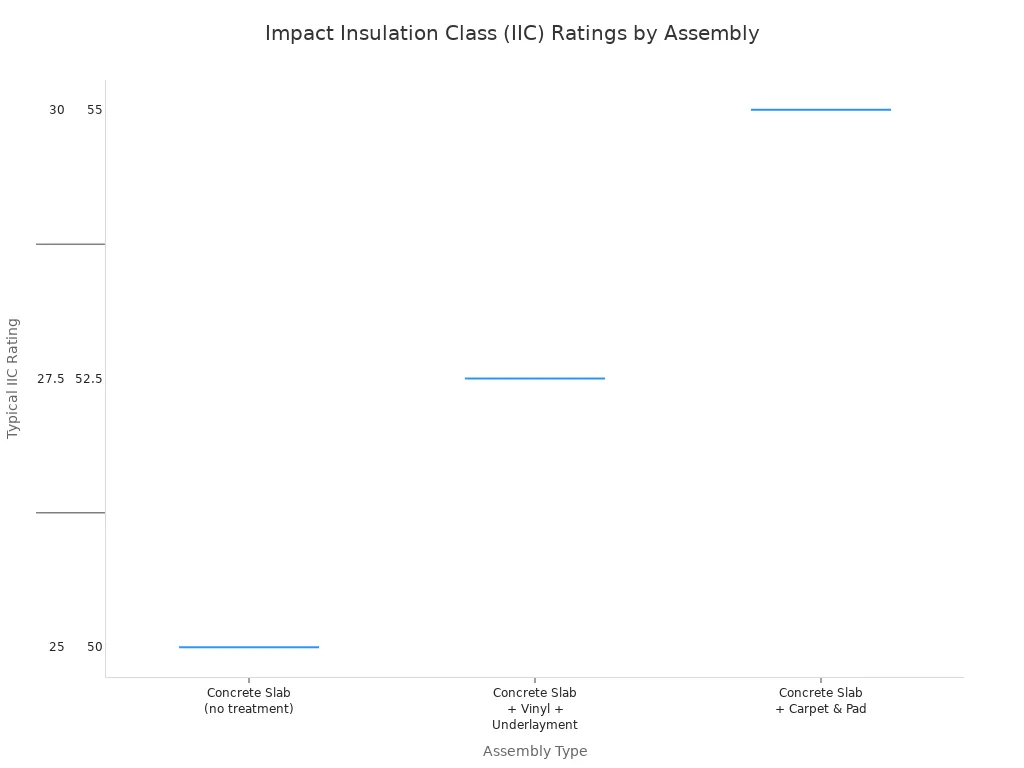
For airborne sound, you look at the Sound Transmission Class (STC).
- Carpet is excellent at absorbing sound. Its soft fibers trap sound waves, which reduces echo and creates a quieter environment.
- Hardwood and other hard surfaces reflect sound. This can make a room feel lively and enhance music, but it can also make speech harder to understand without other acoustic treatments.
Your choice creates a specific sound environment. Carpet absorbs sound for quiet reflection, while hard surfaces reflect it for vibrant worship.
Maintenance Requirements
You must match your floor’s maintenance needs with your church’s resources. Some surfaces require more effort to keep them looking their best. A clear understanding of long-term care helps you make a sustainable choice.
| Material | Daily Care | Periodic Care | Long-Term Care |
|---|---|---|---|
| LVT/LVP | Sweep or dust mop. | Damp mop with a pH-neutral cleaner. | No waxing or polishing needed. |
| Hardwood | Sweep or dust mop. | Clean with a hardwood-specific cleaner. | Requires refinishing every 7-10 years. |
| Carpet | Vacuum regularly. | Spot clean spills immediately. | Professional deep cleaning every 12-18 months. |
| Porcelain Tile | Sweep and damp mop. | Deep clean grout lines as needed. | Grout may need to be resealed every few years. |
| Polished Concrete | Dust mop. | Damp mop with water and a neutral cleaner. | May need occasional re-polishing in high-wear areas. |
Tip: Consider your team of volunteers or staff. Choose a floor that your team can realistically maintain without becoming overburdened.
Cost and Installation
You must balance your budget with your long-term goals when choosing a new floor. The total cost includes both the materials and the professional installation. Prices can vary greatly based on the material you select and the complexity of your project.
💡 Tip: Always get detailed quotes from installers. These quotes should break down the costs for materials, labor, subfloor preparation, and removal of the old floor.
Polished concrete is often a very cost-effective choice. The price depends on the level of finish and the size of the project.
- Most finished concrete floors cost between $2 and $8 per square foot.
- You can expect to pay $10 per square foot or more for complex designs with multiple colors or patterns.
- Large projects can sometimes cost as little as $1.00 per square foot.
- As of October 2025, you can estimate the cost to polish concrete to be between $7.72 and $9.15 per square foot.
Comparing different materials helps you see where your budget can go furthest. For example, you will find a significant price difference between soft surfaces like carpet tiles and hard surfaces like engineered hardwood. The table below shows the typical installed price ranges for these popular options.
| Flooring Type | Price Range (installed per square foot) |
|---|---|
| Commercial Carpet Tiles | $5.49 to $7.99 |
| Engineered Hardwood (Low Gloss Polyurethane) | $10.99 to $19.99 |
| Engineered Hardwood (Oil Finished) | $16.99 to $18.99 |
This chart gives you a visual comparison of the installation costs. You can see that engineered hardwood represents a larger initial investment than commercial carpet tiles.
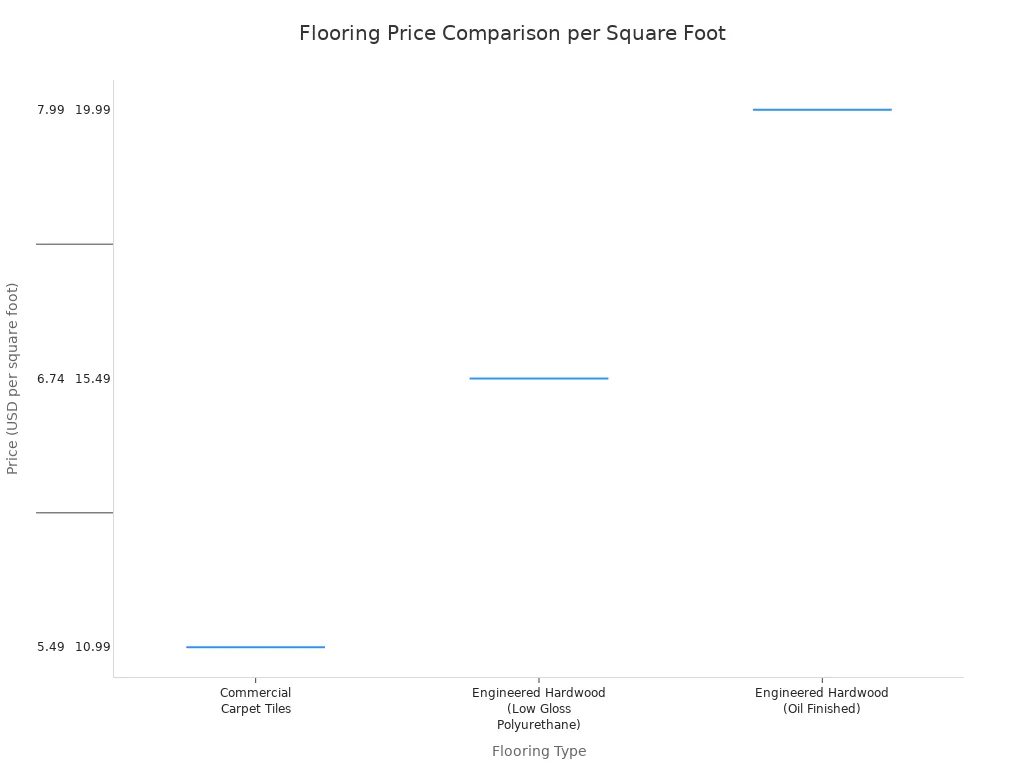
Remember that the final installation cost also depends on the condition of your subfloor. If your subfloor needs significant repairs or leveling, your labor costs will increase. A clear plan and a detailed quote will help you manage your budget effectively.
Ideal Chapel Flooring Options
Chapels often require a more intimate and reflective atmosphere than larger sanctuaries. Your chapel flooring choice should support this unique purpose. You have several excellent flooring options to create a peaceful and welcoming space.
Creating Intimacy with Wood and Carpet
You can create a warm, inviting feel by combining materials. Hardwood is a classic choice for chapel flooring. The natural beauty of hardwood adds a sense of tradition and reverence. You can use hardwood for aisles and altar areas. This specific use of hardwood provides a solid, resonant surface. For seating areas, you can pair the hardwood with carpet. This combination offers the best of both worlds. The rich look of hardwood complements the soft comfort of carpet. You will find that hardwood is a durable and timeless material. The right hardwood can last for generations. Consider a classic oak hardwood or a warm maple hardwood. Your choice of hardwood sets a beautiful foundation. This approach to chapel flooring makes the space feel both special and comfortable.
The Simplicity of Quarry Tile
Quarry tile offers a simple, earthy, and durable surface. This material provides a humble and grounded feeling perfect for quiet reflection. Its natural clay colors create a warm, rustic look that has been used for centuries. You will find these tile floors for churches are extremely durable and easy to maintain.
Quarry tile is an excellent choice for a chapel flooring design that emphasizes simplicity and permanence. Its unglazed surface also provides natural slip resistance.
Using LVT for Versatility
Luxury Vinyl Tile (LVT) gives you incredible design flexibility for your chapel flooring. You can choose LVT that mimics the appearance of natural stone or even hardwood. This versatility allows you to achieve a high-end look on a more modest budget. LVT is also very durable and easy to clean, making it a practical choice. These modern flooring options allow you to customize the look of your chapel without sacrificing performance.
Your final church flooring choice should balance durability, acoustics, maintenance, aesthetics, and budget. You must consider your community’s unique needs and the long-term vision for your church.
Investing in the right foundation supports fellowship and the enduring mission of your church. A thoughtful selection creates a beautiful space that enhances every moment of worship and reflection. This investment supports your community’s worship for years to come.
FAQ
What is the best flooring for a church sanctuary?
You should choose flooring that balances acoustics, durability, and aesthetics. Many churches use a mix of materials. For example, you can use hardwood in aisles and carpet under pews. This combination offers both beauty and sound control for your worship space.
How does flooring affect church acoustics?
Your flooring choice greatly impacts sound. Hard surfaces like tile or stone reflect sound, which can enhance music but create echoes. Soft surfaces like carpet absorb sound. This creates a quieter, more intimate atmosphere for sermons and prayer.
What flooring is most durable for a church entryway?
You need a very durable floor for high-traffic entryways. Porcelain tile with a PEI 5 rating is an excellent choice. Luxury Vinyl Tile (LVT) and polished concrete also offer superior durability and are easy to clean, making them ideal for busy areas.
Are there budget-friendly flooring options for churches?
Yes, you have several cost-effective choices.
Luxury Vinyl Tile (LVT) and Luxury Vinyl Plank (LVP) give you the look of natural materials at a lower price. Polished concrete is another affordable option with very low maintenance costs, making it a great long-term investment.




