
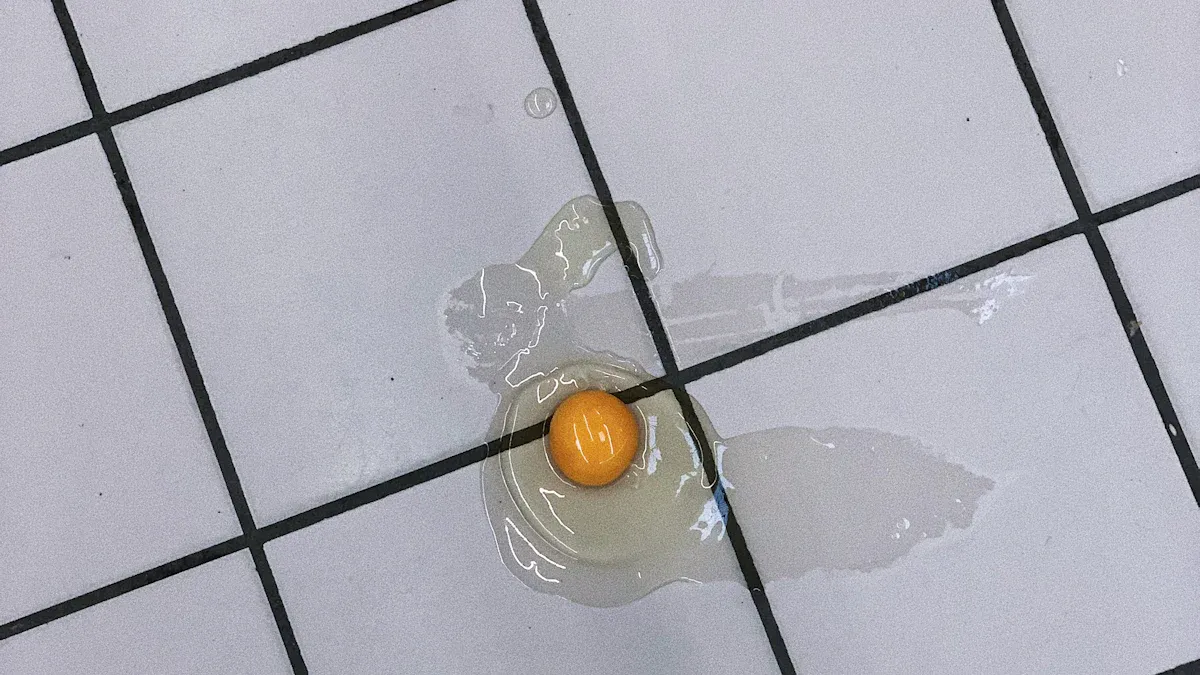
Did You Know? Water damage is a major homeowner concern. About 1 in 60 insured homes files a related claim each year.
You must understand key terms to make a smart choice. A waterproof material is 100% impervious to water, offering maximum waterproof protection. A water-resistant flooring surface repels water, but its core remains vulnerable to prolonged moisture. Your best options for waterproof flooring include luxury vinyl plank and porcelain tile. You can also find excellent waterproof laminate and water-resistant laminate flooring. Selecting the right flooring water resistant to moisture is a crucial part of any waterproof flooring project. The growing market shows many want this waterproof peace of mind from a truly waterproof solution.
Top Waterproof Flooring and Water-Resistant Choices
You have many excellent flooring choices. Each one offers a unique blend of style, performance, and water protection. Understanding the top options helps you select the perfect fit for your home and lifestyle.
Luxury Vinyl (LVP/LVT): The All-Around Waterproof Champion
Luxury vinyl is a top contender for any room in your house. It is a completely waterproof flooring option. This material comes in planks (LVP) that mimic wood or tiles (LVT) that look like stone. Its secret lies in its core construction.
Most luxury vinyl plank flooring uses one of two waterproof core types:
| Core Material | Composition | Key Feature |
|---|---|---|
| SPC (Stone Plastic Composite) | A rigid core made of limestone and stabilizers. | Extremely dense and durable. |
| WPC (Wood Plastic Composite) | A core made of wood fibers and plastic polymers. | Softer and quieter underfoot. |
Both SPC and WPC cores make the flooring 100% waterproof. Water simply cannot penetrate the planks or cause them to swell. This makes luxury vinyl plank an ideal waterproof flooring for basements, bathrooms, and kitchens. Beyond its waterproof quality, you get amazing durability and a huge variety of designs.
Top Brands to Consider: When you shop for LVP, you will find many trusted names. Some of the top-rated brands include:
- Proximity Mills
- COREtec
- Provenza
- Mannington
- Mohawk
- Shaw
- Karndean
Costs for this waterproof flooring can vary. Standard LVP material often costs between $2.00 and $5.00 per square foot. Professional installation typically adds another $2.00 to $4.00 per square foot.
Porcelain & Ceramic Tile: Unmatched Durability
Tile is a timeless and classic waterproof flooring choice. Both porcelain and ceramic are made from clay and fired in a kiln, but a key difference sets them apart for wet areas. Porcelain tile has a very low water absorption rate. It absorbs less than 0.5% of moisture. This makes it a truly waterproof material. Ceramic tile absorbs more water, typically between 3% and 7%. For this reason, you should choose porcelain for maximum waterproof protection.
When you select tile, you also need to consider its durability. The Porcelain Enamel Institute (PEI) rating tells you how much foot traffic a tile can handle.
| PEI Rating | Recommended Use |
|---|---|
| Group 1-2 | Light traffic areas like bathroom floors. |
| Group 3 | All residential floors, including kitchens and hallways. |
| Group 4 | Heavy residential and light commercial traffic. |
| Group 5 | Very heavy traffic, suitable for commercial spaces. |
For most homes, a tile with a PEI rating of 3 or 4 offers excellent durability. While tile is a fantastic waterproof flooring solution, remember that the grout lines between tiles will need to be sealed to prevent moisture and stains.
Water-Resistant Laminate Flooring: Realistic and Resilient
If you love the look of hardwood but need more protection from spills, water-resistant laminate flooring is an excellent choice. Modern technology has made laminate more resilient than ever. Manufacturers use several techniques to protect the planks:
- Advanced Core Boards: High-density fiberboard cores resist swelling from moisture.
- Watertight Locking Systems: The edges of the planks lock together tightly, creating a seal that stops water from seeping between them.
- Surface Coatings: A tough, waterproof wear layer on top repels spills and protects the plank.
This type of water-resistant flooring can typically handle standing water for about 24 to 48 hours before any damage occurs. This gives you plenty of time to clean up everyday spills. For even greater peace of mind, you can look for products labeled as waterproof laminate. These options offer enhanced protection, often with warranties covering standing water for longer periods.
Waterproof vs. Water-Resistant: A Key Difference A truly waterproof flooring material can be fully submerged in water for an extended time with no damage. A water-resistant material will repel water from its surface for a limited time, but prolonged exposure can still damage its core.
Engineered Hardwood: Real Wood with Added Stability
You might love the timeless beauty of real wood but worry about moisture. Engineered hardwood offers a great compromise. This flooring has a top layer of real hardwood, so you get that authentic look and feel. Its core, however, is what makes it more stable in humid spaces. The planks have multiple layers stacked in a criss-cross pattern. This construction makes the wood better at handling changes in temperature and humidity.
The core material is key to its performance. You will find several types that enhance stability:
- High-density fiberboard (HDF) core: This dense core uses compressed wood fibers and resin. It provides excellent moisture resistance, making it a good choice for basements.
- Plywood core: This core has many layers of wood veneer. The grain direction alternates in each layer. This design minimizes how much the plank expands or shrinks.
- Strand woven bamboo core: This option uses compressed bamboo strands. It creates an exceptionally strong and stable core for your waterproof flooring.
Important Note: While more stable than solid wood, engineered hardwood is water-resistant, not fully waterproof. It can still fail with large humidity swings or excess moisture. The top wood layer and the core react to moisture differently. This imbalance can cause warping or cupping, especially if the top layer shrinks faster than the core.
Engineered hardwood is a fantastic choice for many rooms, but it is not a completely waterproof solution like vinyl or tile. It provides the beauty of wood with added protection, but it is not the best waterproof flooring for a flood-prone basement.
Sealed Concrete: Modern and Tough
For a modern, industrial look, you can choose sealed concrete. This option is incredibly durable and, when sealed correctly, becomes a completely waterproof surface. The concrete slab itself is porous, but a high-quality sealer creates a protective barrier. This makes it an excellent waterproof flooring for basements, garages, and utility rooms.
You have several types of sealers to create a waterproof barrier. Your choice depends on your needs and the location of the floor.
- Penetrating sealers: These soak into the concrete to form a hydrophobic (water-repelling) barrier inside the slab. They are great for preserving the natural look of the concrete.
- Topical sealers: These form a protective film on the surface. They guard against stains and wear and can give you a glossy or matte finish.
- Advanced Sealers: For areas with high moisture or water pressure, you can use advanced systems. Products like Ion-Bond Armor penetrate deep into the concrete to create a powerful, elastomeric waterproof barrier from within.
Sealed concrete offers many benefits, but you should also consider its drawbacks.
| Pros of Sealed Concrete Flooring | Cons of Sealed Concrete Flooring |
|---|---|
| Moisture Protection: A proper seal creates a waterproof surface that prevents water seepage and reduces mold. | Initial Cost: Professional sealing has an upfront cost, though it is cheaper than fixing water damage later. |
| Enhanced Durability: It protects the floor from wear, spills, and chemicals. | Maintenance: Some topical sealers need reapplication every few years to maintain the waterproof seal. |
| Improved Appearance: Sealers can add a beautiful finish and make cleaning much easier. | Slippery Surface: Glossy sealers can be slick when wet. You can add anti-slip additives to improve safety. |
Ultimately, a sealed concrete floor can be a stylish and fully waterproof option when you use the right products and preparation.
Room-by-Room Guide to Flooring Water Resistant to Moisture
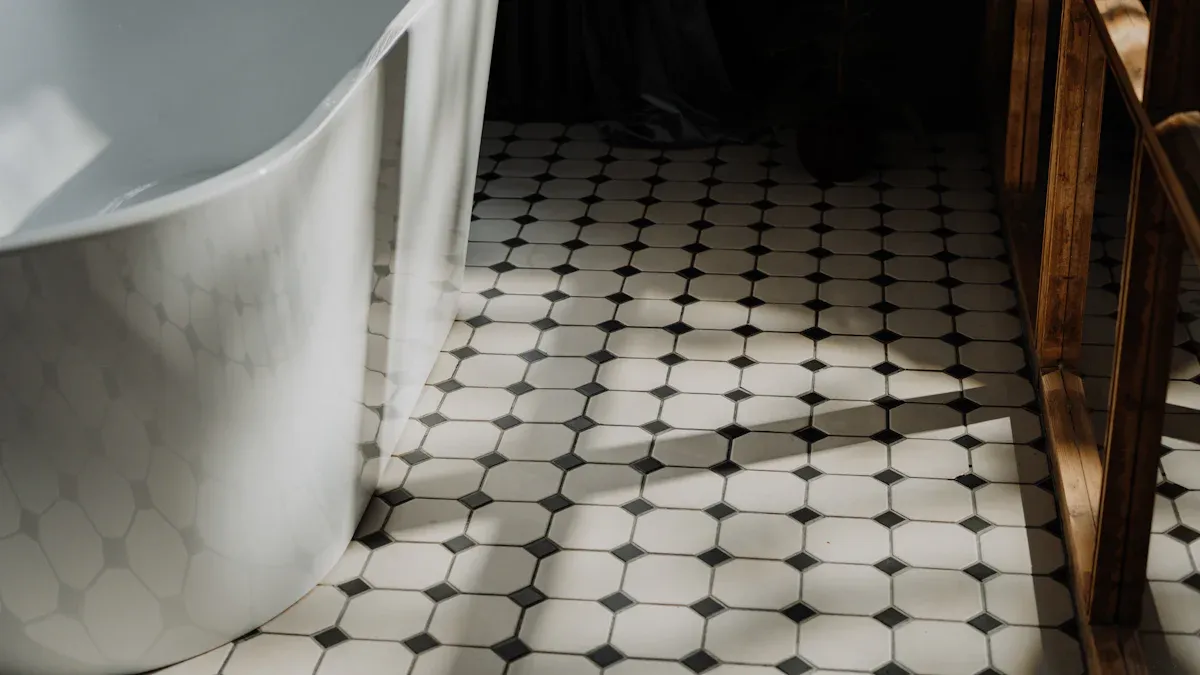
Choosing the right flooring depends on the room’s moisture level. You should match the material’s water-resistance to the space for the best results. This guide helps you pick the perfect floor for every part of your home.
High-Moisture Areas: Bathrooms & Basements
You need maximum protection in high-moisture areas like bathrooms and basements. These spaces face constant humidity, splashes, and potential leaks. Your best choice is a 100% waterproof material.
Contractor Recommendations for Basements:
- Porcelain or Ceramic Tile: This is a top choice. It resists water damage and is easy to clean after a flood.
- Luxury Vinyl (LVP/LVT): This option is affordable and sturdy. It handles regular moisture well.
- What to Avoid: You should not use wood floors or fabric carpets. They are easily damaged by water and can lead to mold.
For the best waterproof flooring for the bathroom, you can rely on porcelain tile or luxury vinyl. These materials create a waterproof barrier that protects your subfloor from damage. Choosing the right floor is the most important step for these high-moisture areas.
Moderate-Moisture Areas: Kitchens & Entryways
Kitchens and entryways handle frequent spills and tracked-in moisture. You need a durable and easy-to-clean surface here. Both luxury vinyl and porcelain tile are excellent choices. They offer exceptional durability and are simple to maintain. This makes them a great waterproof kitchen flooring solution. For entryways, you have several strong options that withstand rain and snow:
- Luxury Vinyl Plank (LVP): This flooring is completely waterproof and very durable.
- Porcelain Tile: This material is dense and highly water-resistant.
- Waterproof Laminate: Modern laminate offers great moisture protection and a realistic wood look.
These options provide a great balance of style and function for these busy parts of your home.
Low-Moisture Areas: Bedrooms & Living Rooms
Bedrooms and living rooms are low-moisture spaces. However, a flooring water resistant to spills still offers great benefits. It gives you peace of mind against accidental drink spills or pet mishaps. Using the same flooring water resistant material from your kitchen into your living room also creates a seamless, open look. These durable floors handle heavy foot traffic and furniture movement well, making them a practical choice for any busy household.
Key Factors for Your Decision
You must consider several key factors to find the perfect flooring. Your budget, lifestyle, and design preferences will guide you to the best choice for your home.
Budgeting: Material vs. Installation Costs
You need to look at the total cost of your project. This includes both the flooring material and the professional installation. Material costs can vary widely.
| Vinyl Type | Average Cost per Square Foot (Materials Only) |
|---|---|
| Luxury Vinyl Plank | $2 – $7 |
| Vinyl Tile | $2 – $6 |
Professional installation adds to your total expense. You should also budget for extra tasks that may be necessary.
- Floor preparation work can cost between $0.75 and $1.50 per square foot.
- New moldings often cost around $3 to $4 per linear foot.
- Coordinating transitions for doorways are about $50 each.
Durability for Your Lifestyle
Your lifestyle plays a big role in choosing a floor. You need a material with the right durability for your family. Homes with children and pets require flooring that can handle scratches and spills.
Top Choices for Busy Homes:
- Luxury Vinyl Plank (LVP): This flooring has an ultra-tough surface. It resists scratches from pet claws and dents from toys.
- Tile: This material offers extreme durability. It is an excellent choice for areas with heavy foot traffic and potential messes.
The long-term durability of your floor is also important. With proper care, luxury vinyl flooring can last for 25 years. Laminate flooring typically has a shorter lifespan of around 15 years.
Design and Aesthetic Options
Your new floor should match your home’s style. Luckily, water-resistant flooring comes in many beautiful designs. You can find options that look just like natural materials. This allows you to get the look you want with added protection. A beautiful and resilient floor can also lead to improved home value.
Current trends offer many exciting choices:
- Realistic Wood Looks: Wide planks with deep grains create a natural, expansive feel.
- Stone and Tile Replicas: Advanced printing can mimic the look of slate, marble, or travertine.
- Mixed Materials: You can combine wood-look planks with stone-look tiles for a custom design.
Installation and Long-Term Care
Proper installation and maintenance protect your investment. You can ensure your new floors look great and perform well for years.
DIY vs. Professional Installation
You can choose between doing the installation yourself or hiring a professional. A DIY installation can save you money on labor. However, you must also consider the cost of tools and potential mistakes. A professional installation costs more upfront but often includes a warranty on the work.
| Aspect | DIY Cost Estimate | Professional Cost Estimate |
|---|---|---|
| Labor | Your time | $2 – $8/sq ft |
| Tools | $100 – $500 | Included in service |
| Total (500 sq ft) | $1,600 – $5,500 | $2,500 – $7,500 |
Some flooring types are very DIY-friendly.
- Luxury Vinyl Plank (LVP): This flooring uses a simple click-lock installation system.
- Click-Lock Vinyl Tiles: These snap together easily without messy adhesives.
- Engineered Hardwood (Click-Lock): This offers a real wood look with a straightforward installation.
Cleaning and Maintenance Tips
You must follow the manufacturer’s care instructions to protect your warranty. Many warranties require specific cleaning methods. Using the wrong cleaner can damage the floor and void your coverage. Some companies also state that a professional installation is necessary to keep the warranty valid. Always check the warranty details before you begin cleaning or a DIY installation project.
Keep Your Receipts! For some flooring like carpet, you may need to show proof of professional cleaning every 12 to 18 months to maintain your warranty.
Understanding Grout and Sealing Needs
If you choose tile, you must maintain the grout. Grout is porous and can absorb water and stains. Sealing it creates a barrier that stops moisture. This provides crucial protection against mold and mildew growth.
For high-moisture areas like a main bathroom, you should seal the grout every six months. For guest bathrooms or other less-used spaces, sealing it every one to two years is usually enough. However, if you use epoxy grout, you may not need to seal it at all. It is naturally waterproof.
You make the best choice by matching the flooring water resistant to your room. You need 100% waterproof flooring for ultimate waterproof protection in wet areas. Waterproof kitchen flooring and water-resistant laminate flooring offer a great balance. This water-resistant flooring, including waterproof laminate and water-resistant laminate flooring, provides a waterproof surface.
Final Steps for a Waterproof Project:
- Always get samples to see the material in your home.
- Consult a professional to confirm your waterproof flooring choice. They find the best waterproof solution and flooring water resistant for your project. This ensures a fully waterproof installation of your water-resistant laminate flooring or other waterproof flooring. A waterproof choice is a smart choice.
FAQ
What is the best waterproof flooring for a bathroom?
You should choose a 100% waterproof material for bathrooms. Your top choices are porcelain tile and luxury vinyl plank (LVP). Both options prevent water from reaching the subfloor. They also stand up well to constant humidity and are very easy to clean and maintain.
Can I install water-resistant flooring myself?
Yes, you can install some types yourself. Many luxury vinyl and laminate floors use a click-lock system that is very DIY-friendly. However, a professional installation guarantees the job is done right. This is often required to keep your product warranty valid.
How do I know if my flooring is truly waterproof?
You must check the product’s official specifications. Look for terms like “100% waterproof” on the box or in the warranty details. Water-resistant products usually state a time limit for how long they can handle spills, such as 24 or 48 hours.
Pro Tip 💡 Always read the warranty. It provides the clearest information on the product’s water protection level and what is covered. This simple step helps you avoid costly mistakes.
Does waterproof flooring prevent all water damage?
The flooring material itself will not be damaged by water. However, water can still seep through gaps at the wall or between poorly installed planks. A proper, sealed installation is crucial to protect your subfloor and prevent mold growth underneath the flooring.




