
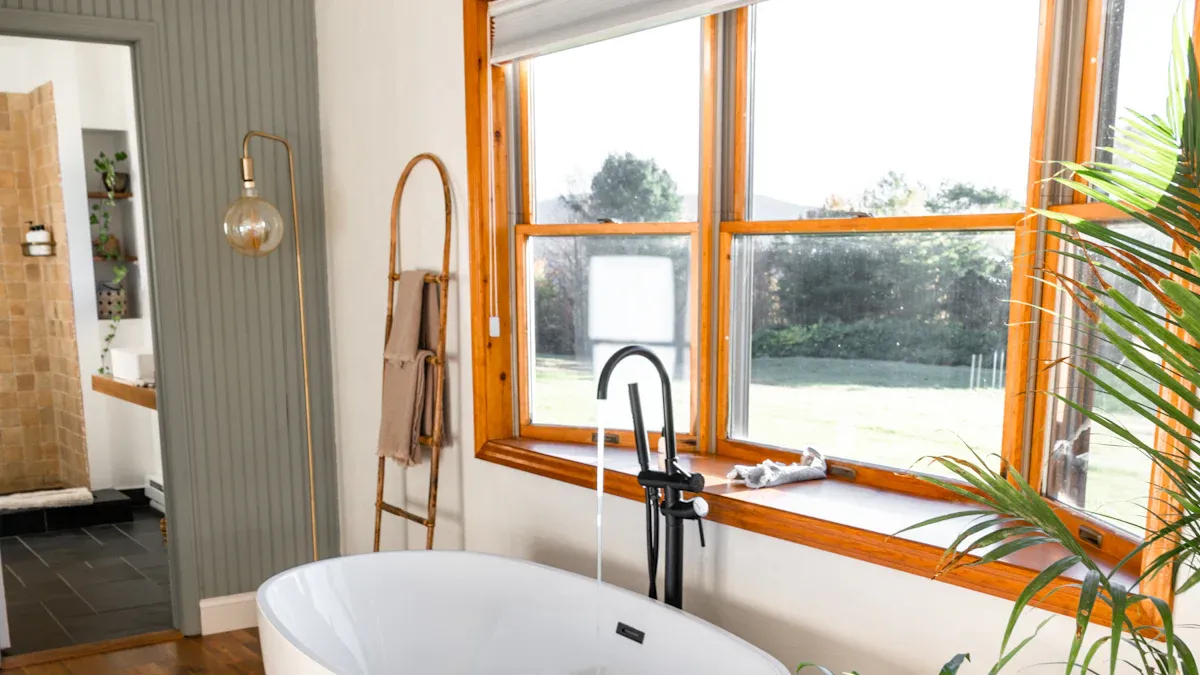
You can use engineered hardwood flooring in bathrooms. The engineered construction of engineered hardwood provides excellent moisture resistance. This engineered design handles moisture far better than solid wood. You get the beauty of real wood with less risk of water damage. Your success with engineered hardwood depends on choosing the right product.
Pro Tip: Proper installation and simple maintenance are key. This complete engineered approach ensures you can enjoy your beautiful engineered hardwood floor for years. 🪵
Why Engineered Hardwood Flooring in Bathrooms Works
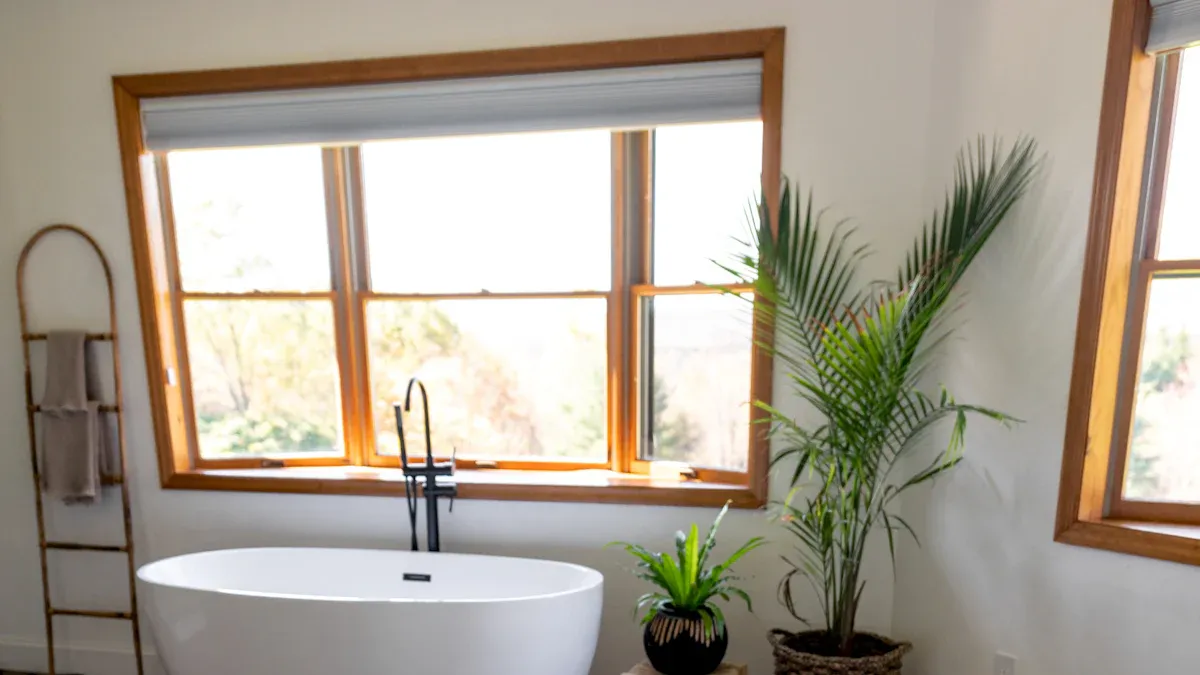
You might think wood and water are enemies. This is often true. However, engineered hardwood flooring changes the rules. Its special construction makes it a great choice for your bathroom. The secret lies in its smart design, which provides durability and stability. Let’s explore why engineered hardwood flooring in bathrooms is a practical and beautiful option.
The Power of Multi-Layer Construction
The strength of engineered hardwood comes from its layers. Unlike solid wood, an engineered plank is made of multiple sheets of wood bonded together. The top layer is real hardwood. You see and feel its natural beauty. Below this veneer, you find a core of plywood or high-density fiberboard.
This engineered core is where the magic happens. The layers are arranged in a cross-ply construction. Each layer’s grain runs in the opposite direction to the one above and below it. This engineered design counteracts wood’s natural tendency to move. It creates exceptional stability. Specialized adhesives bond these layers, and many of these glues offer their own moisture resistance. This robust, engineered structure makes the flooring less likely to warp or cup in humid spaces.
Did You Know? The cross-grain pattern in engineered hardwood provides the dimensional stability needed for rooms with changing humidity, like bathrooms, basements and wet areas.
Superior Moisture Resistance vs. Solid Hardwood
When you compare engineered hardwood to solid hardwood, the difference in performance is clear. Solid wood is a single, solid piece. It absorbs moisture from the air. This causes it to swell, warp, or gap. Engineered hardwood flooring handles moisture much better. Its layered construction limits how much the wood can expand or contract. This gives the engineered product superior durability.
This table shows you the key differences in how each flooring type responds to humidity.
| Feature | Solid Hardwood | Engineered Hardwood |
|---|---|---|
| Humidity Response | Prone to warping, expanding, or contracting with changes in humidity. | Multi-layered construction with crisscross patterns provides superior stability, significantly reducing the risk of warping, expanding, or contracting. |
| Suitability for Bathrooms | Generally not recommended due to high moisture levels. | Ideal for environments with temperature and humidity fluctuations, such as bathrooms, due to enhanced stability. |
This enhanced stability is why you can confidently choose engineered hardwood for your bathroom project. The engineered design provides peace of mind.
Unmatched Warmth and Aesthetic Value
Engineered hardwood offers more than just durability. It brings a unique warmth and aesthetic value to your bathroom that other materials cannot match. Imagine stepping out of the shower onto a floor that feels comfortable and warm, not cold and sterile like tile.
Engineered wood has a better thermal resistance, or R-value, than many other hard surfaces. A thicker plank of engineered hardwood provides more insulation. This means it holds warmth longer.
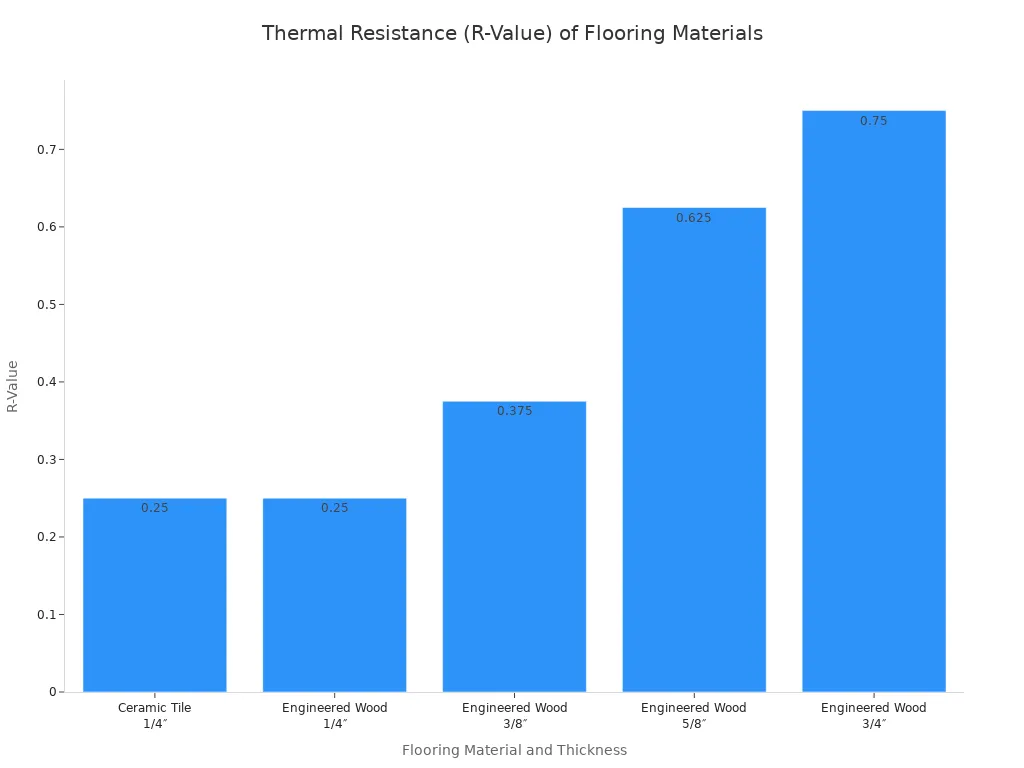
Beyond comfort, the visual appeal is undeniable. Using wood-inspired planks is a popular design trend. It helps create a relaxing, spa-like atmosphere in your home. You get the authentic look of real wood because the top layer is real wood. This allows you to bring a natural, elegant design element into a room where it was once considered impossible. The engineered hardwood flooring in bathrooms combines beauty with engineered practicality.
Choosing the Best Hardwood Floors for Bathrooms
Selecting the right engineered hardwood flooring in bathrooms is crucial for long-term success. Not all engineered products are created equal. You need to look closely at the finish, the core, and the manufacturer’s warranty. Making an informed choice ensures your new floor can handle a bathroom environment. Let’s review what makes the best hardwood floors for bathrooms.
Selecting a High-Quality Waterproof Finish
The finish is your floor’s first line of defense. Most engineered hardwood floors come with a factory-applied finish. You should look for products with multiple coats of UV-cured urethane that includes aluminum oxide. This combination creates a very durable shield. It helps the engineered hardwood resist scratches and stains from daily use.
Important Note: While these advanced finishes are highly water-resistant, they are not completely waterproof. Urethane has tiny pores. Water can seep through over time. You should always wipe up spills quickly to protect your engineered hardwood flooring.
The Importance of a Stable Core
The core is the heart of an engineered plank. Its quality determines the floor’s stability and its ability to resist moisture. You will typically find two main types of cores:
- High-Density Fiberboard (HDF): This engineered core is made from recycled hardwood, resin, and wax. It is compressed under intense pressure. This process makes HDF extremely dense, hard, and more resistant to humidity than plywood. Its uniform design provides excellent stability.
- Plywood: This engineered core uses multiple layers of wood veneer. The grain of each layer runs in a different direction. This cross-grain design also creates a very stable plank.
For bathrooms, an HDF core is often the superior choice. Its engineered construction is less susceptible to swelling in damp conditions.
Top Brands for Bathroom Applications
Some brands design their engineered hardwood specifically for wet areas. You should look for manufacturers that explicitly warranty their products for bathroom installation. For example, some companies offer engineered hardwood with a waterproof warranty, guaranteeing protection against water for a set period. Brands like LIFECORE and MSI have product lines designed for rooms like bathrooms. This special design gives you confidence that your engineered hardwood can perform well.
The Critical Role of Proper Installation
A beautiful engineered hardwood floor in your bathroom depends heavily on a flawless installation. You cannot skip steps in a high-moisture environment. Following the correct procedures ensures your floor remains stable and protected for years. This process involves preparing the subfloor, acclimating the wood, and creating a perfect seal.
Subfloor Preparation and Moisture Barriers
Your installation journey begins before you even lay the first plank. You must prepare your subfloor correctly. The subfloor needs to be clean, dry, and level. Any imperfections can affect the final look and performance of your engineered hardwood.
A crucial step for any bathroom project is adding a protective layer.
- You should always use a moisture barrier underlayment.
- This sheet goes between your subfloor and the new engineered flooring.
- It blocks moisture from rising up from the concrete or crawlspace below.
This simple addition is one of the most effective ways to protect your investment. It is a non-negotiable part of the installation process for any engineered floor in a wet area.
Acclimation to Bathroom Humidity
You must allow your new engineered hardwood to get used to its new home. This process is called acclimation. Wood naturally expands and contracts with changes in temperature and humidity. Your bathroom has a unique climate. You need to let the engineered planks adjust to it before the installation.
Pro Tip: Place the unopened boxes of flooring in the bathroom for at least 72 hours. This allows the wood to reach equilibrium with the room’s typical humidity level. Skipping this step can lead to gapping or buckling later on.
Proper acclimation gives your floor the stability it needs to perform well over time. You should also ensure your bathroom has good ventilation. An exhaust fan helps remove excess moisture from the air, protecting your engineered hardwood floor.
Sealing Edges and Gaps for a Watertight Seal
The final step of the installation creates a watertight barrier. This is where you defend your floor against splashes and spills. Your engineered hardwood needs room to move. You must leave an expansion gap of about ½ inch to ¾ inch around the entire perimeter of the room. This includes around walls, vanities, the tub, and the toilet.
You must seal this gap correctly.
- Fill the entire perimeter expansion gap with a 100% silicone sealant. You can also use a specialized flexible sealant designed for flooring.
- Apply the sealant before you install your baseboards or trim. This creates a hidden, waterproof gasket.
- Pay special attention to sealing around pipes and fixtures. You need a complete seal where the floor meets the tub apron and toilet flange.
These installation options provide a robust defense against water. Never fill the gap tightly with a rigid material or caulk it after installing trim. A flexible sealant allows the engineered hardwood to move naturally while keeping moisture out. These careful installation options ensure your beautiful engineered floor lasts.
Simple Maintenance to Protect Against Moisture
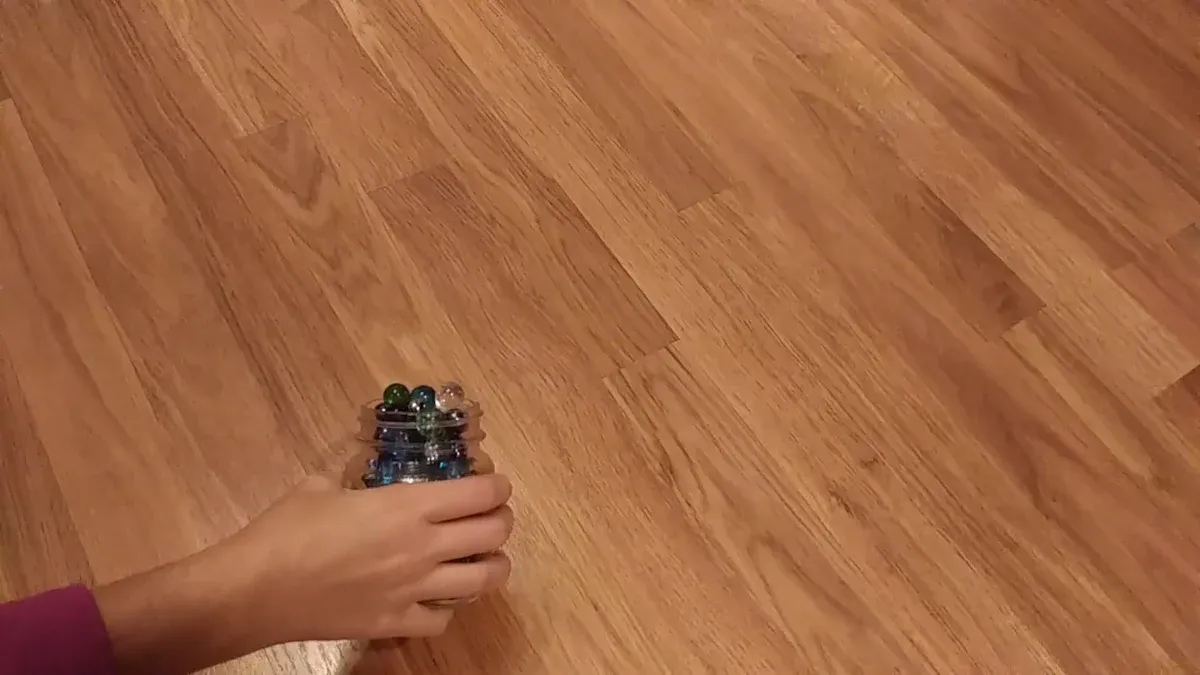
Proper care is essential to keep your engineered hardwood floor looking great in a bathroom. Your engineered floor is built to handle humidity, but it still needs your help. Following a simple maintenance routine protects your investment and ensures its beauty lasts. This care involves managing daily spills, using the right cleaners, and taking steps for long-term protection.
Daily Care and Spill Management
You must act quickly when water gets on your floor. Water can start to seep into your engineered hardwood within minutes. You should wipe up any spills or splashes immediately with a dry cloth. If water sits for 24 to 48 hours, it can cause serious damage like swelling, warping, or staining. Quick action is the best defense against moisture. A daily sweep or dust mop also helps. It removes dirt and grit that can scratch the engineered finish.
Remember: Even if your engineered floor is rated as “waterproof,” standing water can still find its way into seams. Never let puddles sit.
Approved Cleaning Methods
You should clean your engineered hardwood floor with the right products. Never use harsh chemicals like bleach or ammonia. These can damage the finish. Instead, choose a pH-neutral cleaner designed for wood floors. Many brands offer safe and effective options.
- Bona Hardwood Floor Cleaner
- Weiman Hardwood Floor Cleaner
- Method Squirt + Mop Hardwood Floor Cleaner
Always spray the cleaner onto a microfiber mop, not directly onto the floor. This method prevents excess moisture from getting into the plank seams. This simple step helps protect your engineered hardwood.
Long-Term Protection and Upkeep
A few extra steps will guarantee the long-term durability of your engineered floor. You can protect the surface from daily wear and tear. Place bath mats in front of the shower, tub, and sink. These mats catch most of the water. You should also put felt pads on the legs of any movable furniture, like a vanity stool. This prevents scratches. Maintaining a consistent humidity level in your home also helps prevent the engineered wood from expanding or contracting too much. This proactive care is key to preserving your beautiful floor.
Engineered Hardwood vs. SPC Flooring
You may also consider SPC (Stone Plastic Composite) flooring for your bathroom. Both engineered hardwood and SPC are popular choices. Each engineered product offers distinct advantages. Understanding their differences helps you make the best decision for your home.
Aesthetics: Real Wood vs. Realistic Imitation
Your choice often starts with the look you want to achieve. The main difference is authenticity.
- Engineered Hardwood: This flooring has a top layer of real wood. You get the genuine grain, texture, and warmth that only natural wood provides. This authentic design adds unique character and value to your space.
- SPC Flooring: This is an engineered product with a printed design layer. High-quality SPC can look very realistic. However, it is still an imitation of wood.
The beautiful design of engineered hardwood is unmatched if you want the true look and feel of wood.
Durability and Waterproof Capabilities
Both floors offer excellent durability, but they handle water differently. SPC flooring is 100% waterproof. Its engineered core of limestone and plastic will not swell or warp, even when submerged in water. This gives it maximum protection in a bathroom.
Engineered hardwood offers high water resistance, not complete waterproofing. Its engineered construction provides superior stability and durability against humidity. However, you must clean up spills quickly. The overall durability of engineered hardwood is excellent for daily use, but SPC has the edge in pure waterproof performance. The durability of each engineered product suits different needs.
Cost and Installation Comparison
Your budget and installation plan are important factors. This table shows a quick comparison.
| Feature | Engineered Hardwood | SPC Flooring |
|---|---|---|
| Material Cost | Higher | Lower |
| Installation | More complex; often requires a professional. | Simpler; often a DIY-friendly click-lock system. |
| Long-Term Value | Adds higher resale value to your home. | Good durability, but less impact on resale value. |
When you weigh cost and environmental considerations, you see a clear trade-off. The engineered hardwood flooring costs more upfront. However, its beauty and impact on home value are significant. The easier installation of SPC can save you money on labor.
You can confidently choose engineered hardwood flooring in bathrooms. The unique engineered construction offers excellent durability against moisture. Your successful installation is vital for the engineered hardwood. This engineered product adds great value and a beautiful design. You get lasting durability from your engineered hardwood. This engineered approach ensures your engineered hardwood provides years of enjoyment and lasting durability.
FAQ
What is the best engineered hardwood for a bathroom?
You should select engineered hardwood with a high-density fiberboard (HDF) core. Look for a durable, multi-layer urethane finish. Choose brands that offer a specific warranty for bathroom installations. This gives you the best protection against moisture.
Can I install engineered hardwood in a bathroom myself?
You can install it yourself if you have experience. However, a bathroom installation is tricky. You must prepare the subfloor and seal all gaps perfectly. A professional installer ensures a watertight seal, protecting your investment.
How do I clean my bathroom’s engineered hardwood floor?
You can sweep or dust mop the floor daily. For deeper cleaning, use a pH-neutral wood floor cleaner. Spray the cleaner onto a microfiber mop, not the floor itself. This method prevents excess moisture from seeping into the seams.
What happens if my bathroom floor gets very wet?
You must wipe up large spills or puddles immediately. 💧
Standing water is the biggest threat. Even with a water-resistant finish, moisture can eventually seep into the seams and core. Quick action prevents swelling, staining, and long-term damage.




