
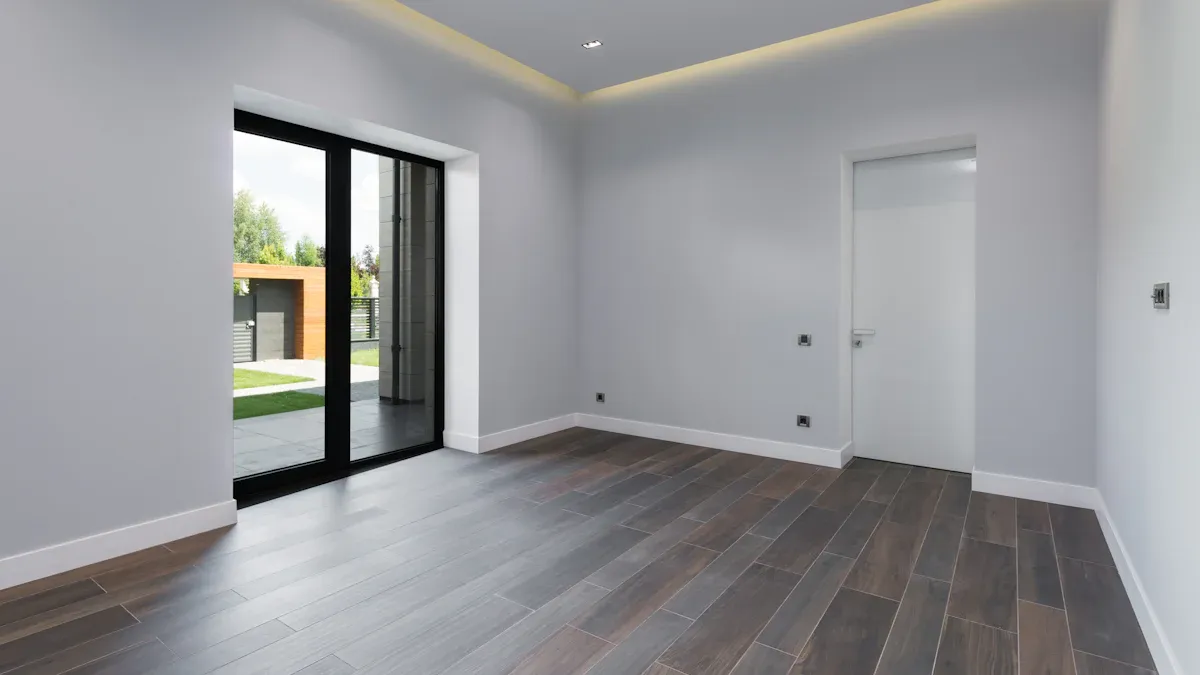
Vinyl flooring covers almost 18% of homes in the United States, just behind carpeting. You see it everywhere because it offers a mix of strengths and weaknesses. Many people pick it for its budget-friendly price, fast installation, and realistic look. Luxury vinyl tile now leads the market, holding over 65% of vinyl flooring sales. When you think about the pros and cons of vinyl tile, you notice it stands up to heavy wear, resists water, and stays comfortable underfoot. Families like it for easy cleaning and a lifespan of up to 30 years.
Benefits of Vinyl Flooring
Affordable Option
You want a floor that looks great but does not break your budget. Vinyl flooring stands out for its affordability. When you compare the cost per square foot to other popular flooring materials, you see a clear difference:
| Flooring Material | Cost per Square Foot |
|---|---|
| Luxury Vinyl Flooring | $1.50 – $12.00 |
| Hardwood Flooring | $8.00 – $20.00 |
| Ceramic Tile | $1.00 – $30.00 |
Vinyl flooring gives you a stylish look at a much lower price than hardwood. You can even find options that mimic the appearance of wood or stone. Many homeowners choose vinyl because it offers a high return on investment. When you install new vinyl tile flooring, you can expect to recoup 60-80% of your investment if you sell your home. This long-term savings makes vinyl flooring a smart choice for families who want value and durability.
💡 Tip: If you want to update your floors without spending a fortune, vinyl flooring offers one of the best benefits for your wallet.
Easy Maintenance
You do not need to spend hours cleaning your floors. Vinyl flooring makes daily care simple. Most of the time, you only need to vacuum or mop to keep it looking fresh. The maintenance tasks for vinyl tile flooring are less frequent and less expensive than for other types of floors. Take a look at how vinyl compares to other common options:
| Flooring Type | Routine Maintenance Frequency | Periodic Maintenance Frequency | Cost Comparison |
|---|---|---|---|
| LVT | Regular vacuuming and mopping | As recommended by contractor | Lower than VCT |
| VCT | Higher frequency required | More intensive cleaning needed | Higher maintenance cost |
You save time and money because you do not need special cleaners or treatments. Vinyl flooring resists stains and scuffs, so you do not have to worry about spills or muddy shoes. This easy maintenance is one of the main benefits of vinyl flooring, especially for busy households.
Water Resistance
You want a floor that can handle spills, splashes, and steam. Vinyl flooring is water resistant and stands up well in kitchens, bathrooms, and laundry rooms. Laboratory tests show that vinyl tile flooring is highly resistant to common household stains and spills. The waterproof layer keeps liquids from soaking in, so your floor stays strong and looks good.
| Flooring Type | Water Absorption Characteristics |
|---|---|
| Vinyl Tiles | Completely waterproof, ideal for wet areas like bathrooms. |
| Laminate Flooring | Not waterproof; can absorb water if seams are not sealed. |
| Ceramic Tiles | Water resistant; effective if grout seams are maintained. |
Vinyl flooring does not absorb liquid, making it perfect for rooms where water is a concern. You can use it in kitchens and bathrooms without worry. Luxury vinyl flooring is 100% waterproof, so it withstands drips, steam, and even mold or mildew. This water resistant quality means your floors last longer and stay cleaner.
🛁 Note: If you have pets or kids, or if you want a worry-free floor for high-moisture areas, vinyl flooring gives you peace of mind.
Comfort Underfoot
You want your floors to feel comfortable when you walk or stand on them. Vinyl tile flooring offers a softer feel than many hard surfaces. The construction of the tile plays a big role in how it feels under your feet. Thicker vinyl tiles have more cushion and absorb more impact. This makes them a good choice for rooms where you spend a lot of time standing, like kitchens.
Take a look at how the thickness and layers affect comfort:
| Evidence Description | Key Points |
|---|---|
| Thicker wear layer increases durability | Thicker layers provide better cushioning and stability, enhancing comfort in high-traffic areas. |
| Backing layers reduce sound transfer | The underlayment contributes to a softer feel underfoot, improving overall comfort. |
| Thicker layers feel softer underfoot | They also offer greater sound insulation and reduce wear and tear over time. |
You may notice that thicker vinyl flooring feels softer and quieter. The backing layer helps reduce noise, which is helpful in busy homes. However, standing on vinyl tile for long periods can still cause discomfort. Ergonomic studies show that people feel discomfort after standing on vinyl tile flooring for a long time.
| Study Focus | Findings |
|---|---|
| Prolonged Standing on Vinyl Tile | Participants reported discomfort during extended periods of standing on vinyl tile flooring, indicating a negative impact on comfort levels. |
If you plan to stand for hours, you might want to use mats or rugs in those areas. For most daily activities, vinyl tile flooring gives you a good balance of comfort and support.
🦶 Tip: Choose thicker vinyl tiles with a quality backing layer for the best comfort underfoot, especially in high-traffic rooms.
Wide Design Variety
You can find vinyl tile flooring in almost any style you want. Manufacturers offer a huge range of colors, patterns, and textures. You can match your floor to your favorite look, whether you want something modern, classic, or bold.
- Styles include wood, stone, and abstract designs.
- Available colors: Multi, Black, Gray, Silver, Gold, Brown, Taupe, Beige, Cream, White, Red, Orange, Green, Blue, Purple.
You have more choices with vinyl tile flooring than with many other types of floors. The designs can mimic natural wood or stone, or you can pick bright colors and unique patterns. This flexibility lets you create a custom look for every room.
Here is how vinyl tile compares to ceramic tile in terms of design and other features:
| Feature | Vinyl Tile | Ceramic Tile |
|---|---|---|
| Look & Style | Vast selection of designs and styles; customizable | Lasts forever but limited to current trends; expensive to install and remove |
| Durability | Extremely durable with a wear layer; less prone to cracking | Durable but can crack if not installed correctly |
| Stability | Flexible, absorbs impact | Stable but prone to damage due to lack of flex |
| Installation | Easy to install and replace | Messy, time-consuming installation and removal |
| Cost | Generally lower cost | Higher cost due to installation and materials |
You can see that vinyl flooring gives you more design options and is easier to update if you want a new look. You do not have to worry about trends changing, because you can always find a style that fits your taste.
🎨 Note: If you want a floor that matches your personal style, vinyl tile flooring gives you almost endless choices.
Pros and Cons of Vinyl Tile
Durability Concerns
When you look at the pros and cons of vinyl tile, durability often comes up first. You want your floors to last, but vinyl tile flooring has a lifespan that depends on the type and how you use it. Luxury vinyl tile (LVT) can last between 15 to 25 years, while standard vinyl tile may last around 10 to 15 years. Some luxury vinyl plank (LVP) products can last up to 30 years if you care for them well.
- Luxury vinyl tile (LVT): 15–25 years
- Standard vinyl tile: 10–15 years
- Luxury vinyl plank (LVP): 20–30 years
You may notice damage over time, especially in busy areas. Common causes include stains, scratches, cracks, and peeling. The table below shows what homeowners report most often:
| Cause of Damage | Description |
|---|---|
| Stains and Discoloration | Spills, sun exposure, heating vents, and certain footwear can leave marks. |
| Scratches and Damage | Grit, dirt, dragging furniture, and high heels can scratch the surface. |
| Cracks | Improper installation or problems with the subfloor can lead to cracks. |
| Peeling | Corners may peel due to adhesive wear, but you can often fix this with glue. |
You need to weigh the pros and cons of vinyl tile if you expect heavy foot traffic or have pets. Vinyl flooring resists water and stains, but it can still show wear if you do not protect it. Using mats and cleaning regularly helps extend the life of your floor. If you want a floor that lasts for decades, you should compare the durability of vinyl tile to other options.
🛠️ Tip: Place rugs in high-traffic areas and avoid dragging furniture to help your vinyl tile flooring last longer.
Environmental Impact
You may wonder about the environmental impact when you consider the pros and cons of vinyl tile. Vinyl flooring relies on petrochemicals, which raises sustainability concerns. The production process releases volatile organic compounds (VOCs) that can affect indoor air quality and your health. Vinyl flooring contains chemicals like phthalates, which can leach out over time.
- Vinyl flooring production uses petrochemicals.
- VOCs such as formaldehyde, benzene, and toluene can enter your home’s air.
- Recycling and disposal are difficult because vinyl tile is not biodegradable.
- Landfills fill up with old vinyl flooring, and toxic emissions can result.
- Vinyl flooring is made from Polyvinyl Chloride (PVC), which poses risks during manufacturing and disposal.
You can make better choices by looking for certifications like FloorScore or GreenGuard. These labels show that the product meets air quality and sustainability standards. Some manufacturers offer recycled or bio-based materials, and you can choose low-VOC or VOC-free options to reduce harmful emissions.
🌱 Note: If you want to lower your environmental impact, check for eco-friendly certifications and ask about recycled content before you buy.
Installation and Removal Challenges
You may find that installation and removal present their own pros and cons of vinyl tile. Vinyl tile flooring is quick to install compared to ceramic tile or hardwood. You can finish a room in a single afternoon, while ceramic tile may take 1 to 3 days and hardwood flooring can take several days.
| Flooring Type | Installation Time |
|---|---|
| Vinyl Tile | A single afternoon |
| Ceramic Tile | 1 to 3 days |
| Hardwood Flooring | A few days |
Vinyl plank flooring is easy and fast to install. You do not need special tools, and you can often do it yourself. However, you may face challenges if your subfloor is uneven or has high moisture. Old adhesive and dirt can cause installation failures that are hard to fix. Click-lock planks may lift at the edges if the substrate is not level.
| Challenge | Description |
|---|---|
| Uneven substrate | Bumps and dents can appear if the subfloor is not smooth. |
| High moisture level | Excess moisture can damage tiles and weaken adhesive. |
| Old adhesive and dirt accumulation | Poor cleaning leads to installation problems that are difficult to repair. |
| Lifting edges of click-lock planks | Unlevel surfaces can cause edges to lift, making the floor unstable. |
Removing vinyl tile flooring can also be tough. Adhesive may stick to the subfloor, and you might need special tools to get it off. You should weigh the pros and cons of vinyl tile installation and removal before starting your project.
⚒️ Tip: Prepare your subfloor carefully and follow manufacturer instructions to avoid common installation problems.
Limitations in Certain Spaces
Vinyl tile flooring works well in many rooms, but you need to know its limits. Some spaces can cause problems for this type of floor. If you plan to use vinyl tile in every room, you should think about these challenges first.
You may notice that vinyl tile flooring does not handle high temperatures or strong sunlight very well. When you put it in rooms with lots of direct sunlight, the color can fade over time. Sunrooms, enclosed patios, or rooms with large windows often get too much UV exposure. The surface may start to look dull or discolored. You want your floors to look new for years, so you should avoid using vinyl tile in these bright, sunny spaces.
Heat can also cause trouble for vinyl tile. If you install it near fireplaces, wood stoves, or in rooms that get very hot, the tiles may warp or lose their shape. High temperatures can make the adhesive weak, which leads to tiles lifting or curling at the edges. You want a floor that stays flat and secure, so it is best to choose another material for these areas.
Heavy furniture and equipment can damage vinyl tile flooring. If you place pianos, gym equipment, or large appliances on top, the tiles may dent or even puncture. You might see marks that do not go away, even if you move the item. Luxury vinyl tile is tougher than standard vinyl, but it can still get dents from heavy loads. You should use furniture pads or choose a different floor for rooms with lots of weight.
Here is a quick list of spaces where vinyl tile flooring may not be the best choice:
- Sunrooms or rooms with lots of direct sunlight
- Enclosed patios with high UV exposure
- Rooms near fireplaces or wood stoves
- Garages or workshops with heavy equipment
- Spaces where you move heavy furniture often
⚠️ Note: If you want to keep your floors looking their best, avoid using luxury vinyl tile in rooms with extreme heat, strong sunlight, or heavy objects.
Luxury vinyl tile works great in kitchens, bathrooms, and living rooms, but you need to think about the special needs of each space. When you pick the right room, you get the most out of your flooring investment. If you want a floor that stands up to sunlight, heat, or heavy use, you may want to look at other options.
Comparing Vinyl Flooring to Other Options
Vinyl Tile vs. Ceramic Tile
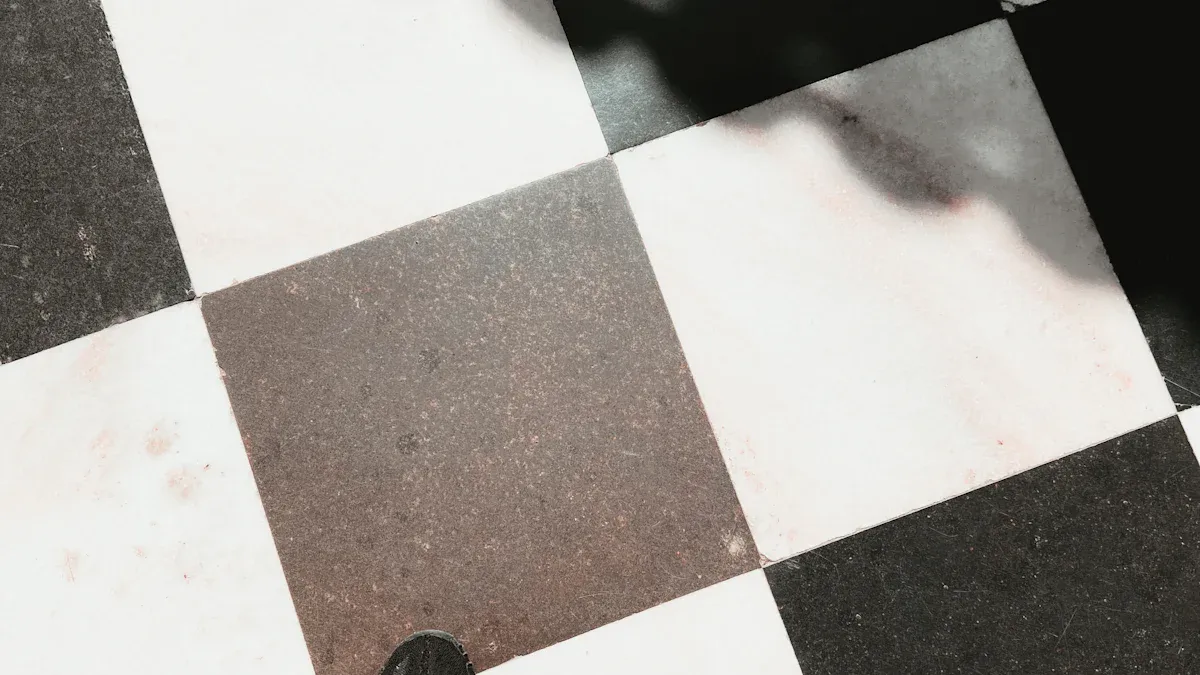
You may wonder how vinyl tile compares to ceramic tile. Both options work well in kitchens and bathrooms. Vinyl flooring stands out for easy cleaning and quick installation. Ceramic tile lasts longer, often over 40 years with proper care. You can see the main differences in the table below:
| Feature | Vinyl Tile Flooring | Ceramic Tile Flooring |
|---|---|---|
| Lifespan | Shorter lifespan compared to ceramic | Can last over 40 years with proper maintenance |
| Water Resistance | Fully waterproof, ideal for moisture areas | Highly resistant to water, won’t warp |
| Heat Resistance | Can warp or soften under extreme heat | Resistant to high temperatures, compatible with radiant heat systems |
| Maintenance | Low maintenance, easy to clean | Requires grout maintenance, slightly more labor-intensive |
| Scratch Resistance | Susceptible to scratches from sharp objects | Durable but grout lines can stain or mold if not cleaned regularly |
When you look at costs, vinyl flooring is usually less expensive. You pay $4 to $7 per square foot for vinyl, while ceramic tile ranges from $5 to $20 per square foot. Professional installation for ceramic tile can cost twice as much as vinyl. Self-adhesive vinyl tiles cost $1.50 to $3 per square foot, making them a budget-friendly choice.
💡 If you want a floor that is easy to install and maintain, vinyl tile offers a practical solution.
Vinyl Tile vs. Hardwood
You might prefer the look of hardwood, but vinyl tile flooring gives you many style choices. Hardwood floors show natural knots and grain patterns. Vinyl tile uses digital design to create a wide variety of colors and styles. Hardwood planks are longer, which can change the look of your room.
| Feature | Hardwood Flooring | Vinyl Flooring |
|---|---|---|
| Lifespan | Longer lifespan, requires maintenance | 5 to 25 years |
| Durability | Susceptible to cuts and scratches | More durable, but can be scratched |
| Moisture Resistance | Prone to moisture damage | Impervious to moisture damage |
| Repairability | Can be refinished | Must be replaced if damaged |
Hardwood floors last longer but need regular care. Vinyl flooring resists moisture and works well in busy homes. You must replace damaged vinyl tiles, while you can refinish hardwood.
Vinyl Tile vs. Laminate
You may also compare vinyl tile to laminate flooring. Vinyl flooring is 100% waterproof, so it fits bathrooms, kitchens, and basements. Laminate flooring is water resistant but can swell if wet. Vinyl flooring installs faster and handles uneven subfloors better.
| Feature | Vinyl Flooring | Laminate Flooring |
|---|---|---|
| Water Resistance | 100% waterproof | Water resistant, can swell if wet |
| Ideal Locations | Bathrooms, kitchens, basements | Living rooms, bedrooms |
| Installation Ease | Faster installation, forgiving of subfloor imperfections | Requires a level, dry subfloor |
🛠️ Vinyl flooring gives you more flexibility for rooms with moisture or uneven floors.
Vinyl Plank Flooring vs. Vinyl Tile
When you choose between vinyl plank flooring and vinyl tile, you need to look at how each type works in your home. Both options use polyvinyl chloride (PVC) as the main material, but they look and feel different. Vinyl plank flooring often looks like wood or stone. Vinyl tile gives you more design choices, so you can match any style.
Here is a quick comparison to help you see the main differences:
| Category | Vinyl Plank Flooring | Vinyl Tile |
|---|---|---|
| Material | Made from polyvinyl chloride (PVC) | Made of ceramic, porcelain, or natural stone |
| Appearance | Imitates wood, stone, or ceramic | Offers a broader range of designs |
| Installation | Features a click-lock system for easy DIY | Requires mortar, grouting, and specialized skills |
| Durability | Durable but susceptible to scratching | Extremely durable and resistant to damage |
| Maintenance | Low-maintenance but may need earlier replacement | Requires regular cleaning and resealing |
You can install vinyl plank flooring yourself with a click-lock system. This makes it a good choice if you want to save money on labor. Vinyl tile often needs mortar and grout, so you may need a professional for the job. Vinyl tile stands up better to heavy use and damage, but both types are easy to clean.
💡 Tip: If you want a floor that looks like wood and is easy to install, vinyl plank flooring is a smart pick. For more design options and extra durability, vinyl tile works well.
When you think about resale value and satisfaction, keep these points in mind:
- High-quality vinyl floors in kitchens and bathrooms make your home more appealing.
- Too much vinyl flooring can turn off buyers, who may see it as a quick fix.
- Using vinyl in key areas, like bathrooms, can boost your home’s value.
- Buyers prefer higher quality materials because they last longer and look better.
- Low-quality vinyl can lower your home’s value and make it harder to sell.
- For rental homes, vinyl flooring handles wear and tear well.
- In living rooms, buyers often like hardwood, but luxury vinyl can work if it matches your home’s style.
🏠 Note: Choose the right type of vinyl for each room to get the best mix of style, value, and durability.
Factors to Consider Before Installing Luxury Vinyl Flooring
Room Type and Usage
You need to think about how you use each room before you pick luxury vinyl flooring. Some rooms get more foot traffic than others. High-traffic areas like hallways, kitchens, and entryways need floors that can handle a lot of movement. If you have kids or pets, you want a floor that resists scratches, stains, and dents. You also want something easy to clean. Your style matters, but you should balance looks with how practical the floor is for your space. Setting a budget helps you narrow down your choices.
Here is a table to help you see what matters most for busy rooms:
| Factor | Description |
|---|---|
| Durability | Flooring should withstand constant foot traffic without wearing out. |
| Resistance to Scratches, Stains, and Dents | Important for homes with kids or pets. |
| Maintenance Requirements | Some floors are easier to clean than others. |
| Aesthetic Preferences | Choose a style that fits your taste and needs. |
| Budget Constraints | Set a budget that works for your family. |
🏡 Tip: For busy rooms, pick a floor that is tough and easy to care for.
Subfloor Condition
You must check your subfloor before you install luxury vinyl flooring. The subfloor is the surface under your new floor. If it has cracks or damage, your new floor may not last as long. Even small bumps can show through thin vinyl tiles. A smooth, clean subfloor helps your floor look better and last longer.
| Condition of Subfloor | Impact on Luxury Vinyl Flooring |
|---|---|
| Damaged or Cracked | Can cause problems and shorten floor lifespan |
| Minor Imperfections | May be hidden, but big flaws will show |
| Properly Prepared | Helps your floor last as long as possible |
🔧 Note: Fix cracks and clean the subfloor before you start. This step protects your investment.
Exposure to Sunlight
Sunlight can change how your floor looks over time. Rooms with lots of direct sunlight may cause vinyl flooring to fade or discolor. If you plan to use luxury vinyl in a sunroom or near big windows, you should look for products with UV protection. You can also use curtains or blinds to block strong sunlight during the day.
- Too much sun can make colors fade.
- Heat from sunlight may cause tiles to warp.
☀️ Tip: Protect your floors from direct sunlight to keep them looking new. Use window coverings or choose UV-resistant flooring for bright rooms.
Lifestyle and Household Needs
Your lifestyle shapes the best flooring choice for your home. You need to think about who lives in your house and how you use each room. Vinyl tile flooring works well for many families, but you should match it to your daily habits and needs.
If you have kids, you want a floor that stands up to spills, scratches, and lots of running. Vinyl tile resists stains and cleans up fast. You do not need to worry about muddy shoes or dropped snacks. Pet owners also benefit from vinyl flooring. Dogs and cats sometimes scratch floors or have accidents. Vinyl tile does not soak up liquids, so you can wipe up messes easily.
Active households need floors that handle heavy traffic. If you host parties or have guests often, you want a surface that does not show wear quickly. Vinyl tile holds up well in busy spaces. You can use it in entryways, kitchens, and playrooms.
Some people spend lots of time cooking or standing in the kitchen. Vinyl tile feels softer underfoot than ceramic or hardwood. You get more comfort when you stand for long periods. If you work from home, you may want a quiet floor. Vinyl tile absorbs sound better than many hard surfaces.
Here is a quick table to help you match vinyl flooring features to your lifestyle:
| Household Type | Key Needs | Vinyl Tile Benefit |
|---|---|---|
| Families with kids | Easy cleaning, durability | Stain and scratch resistance |
| Pet owners | Water resistance | No odor or stain absorption |
| Busy households | High traffic, comfort | Tough wear layer, soft feel |
| Home offices | Quiet, comfort | Sound absorption, cushioning |
🏡 Tip: Think about your daily routines and who uses each room. Vinyl tile flooring gives you flexibility, but you should choose the right style and thickness for your household.
You make the best choice when you match your flooring to your lifestyle. Consider your family, pets, and how you use each space. Vinyl tile flooring offers solutions for many needs, but you get the most value when you pick features that fit your home.
Is Vinyl Tile Flooring Right for You?
Quick Decision Checklist
You want to make sure vinyl tile flooring fits your needs. Use this checklist to guide your decision. Think about each point before you buy:
- Room Usage: Pick a style that matches your room’s design.
- Budget: Plan for both flooring and installation costs.
- Thickness: Choose between thin and thick tiles for durability and ease of installation.
- Climate: Make sure the flooring can handle your local temperatures.
- Home Value: Select flooring that adds value to your home.
- Installation: Decide if you want sheet or tile forms based on your DIY skills.
- Maintenance: Prepare for regular cleaning and sealing.
- Warranty: Check the warranty terms before you buy.
- Lifestyle: Pick durable options if you have pets or children.
- Environmental Concerns: Look for flooring made from recycled materials.
✅ Tip: Review each item on this list. You will feel more confident about your choice.
Who Should Consider Vinyl Tile
Vinyl tile flooring works well for many people. You may find it a good fit if you want easy care and a wide range of styles. Families with kids or pets often choose vinyl tile because it resists stains and scratches. If you need a floor for kitchens, bathrooms, or laundry rooms, vinyl tile stands up to water and heavy use. You can install it yourself if you like DIY projects. People who want a budget-friendly option also benefit from vinyl tile.
| Best For | Why Vinyl Tile Works Well |
|---|---|
| Busy families | Easy to clean, resists damage |
| Pet owners | Handles spills and scratches |
| DIY enthusiasts | Simple installation process |
| Budget-conscious buyers | Lower cost than other flooring |
| Style seekers | Many colors and patterns available |
Who Might Want to Look Elsewhere
Vinyl tile flooring does not suit every situation. You may want to consider other options if you need a floor for rooms with strong sunlight or high heat. Vinyl tile can fade or warp in these conditions. If you want a floor that lasts for decades, hardwood or ceramic tile may be better. People who care about the environment sometimes choose natural materials instead of vinyl. If you plan to place heavy furniture or equipment in a room, vinyl tile may dent or puncture.
⚠️ Note: Think about your room’s needs and your long-term plans. You may find another flooring type fits better if you want maximum durability or eco-friendly materials.
Vinyl tile flooring gives you many benefits, such as easy cleaning, water resistance, and affordable prices. You may notice some downsides, like limited durability and environmental concerns. Before you choose vinyl flooring, think about your lifestyle and the rooms in your home. Use the decision checklist to help you compare your options.
📝 Tip: Review your needs and priorities. The right flooring choice will make your home more comfortable and practical.
FAQ
How do you clean vinyl tile flooring?
You can sweep or vacuum daily. Use a damp mop with mild soap for deeper cleaning. Avoid harsh chemicals. Dry the floor after mopping. This routine keeps your vinyl tile looking fresh.
Can you install vinyl tile flooring yourself?
You can install vinyl tile flooring on your own. Peel-and-stick tiles make the process simple. Read the instructions carefully. Prepare the subfloor before starting. Use a utility knife to cut tiles as needed.
Does vinyl tile flooring scratch easily?
Vinyl tile resists scratches from normal use. Heavy furniture or sharp objects can cause marks. Place pads under furniture legs. Avoid dragging items across the floor. Regular care helps prevent damage.
Is vinyl tile flooring safe for pets?
You can use vinyl tile flooring in homes with pets. The surface resists stains and water. Clean up accidents quickly. Vinyl does not absorb odors. Your pets can walk and play without harming the floor.
What rooms work best for vinyl tile flooring?
You can use vinyl tile flooring in kitchens, bathrooms, laundry rooms, and entryways. These spaces see spills and heavy traffic. Vinyl tile handles moisture and cleans easily. Avoid using it in sunrooms or near fireplaces.




