
When you compare luxury vinyl plank flooring vs laminate flooring, you notice big differences in how they handle daily life. Luxury vinyl plank is more durable and completely waterproof. Laminate flooring costs less but does not stand up well to water. Here is a quick look at the main features:
| Feature | Luxury Vinyl Plank (LVP) | Laminate Flooring |
|---|---|---|
| Durability | More durable, resists scratches and dents | Durable, but scratches and water can cause damage |
| Water Resistance | Completely waterproof | Not waterproof, can swell with moisture |
| Cost | $2—$5 per sq. ft. | $0.50—$5 per sq. ft., usually cheaper |
Luxury Vinyl Plank Flooring vs Laminate Flooring: Overview
What Is Luxury Vinyl Plank (LVP)?
Luxury vinyl plank gives you a modern flooring option that looks like real wood. You get a product made from several synthetic layers. The core of luxury vinyl plank is a thick, solid vinyl. This makes it strong and flexible. The top layer is a clear wear layer that protects against scratches and stains. Underneath, a printed vinyl layer shows the wood pattern. You will find that luxury vinyl plank flooring vs laminate flooring offers better water resistance. LVP can handle spills and moisture without swelling or warping.
Here is a quick look at how luxury vinyl plank is built:
| Feature | Luxury Vinyl Plank Flooring |
|---|---|
| Core Material | Solid vinyl core |
| Layers | Multiple layers, including wear and printed vinyl |
| Thickness | 1.5 mm to 5 mm |
| Water Resistance | High |
| Comfort | Varies, usually less than laminate |
Luxury vinyl plank flooring vs laminate flooring stands out because LVP is entirely synthetic. You can install it in kitchens, bathrooms, and basements without worry. The design of luxury vinyl plank makes it a top choice for rooms with high moisture.
What Is Laminate Flooring?
Laminate flooring gives you a different type of floor. You get a product made from wood byproducts, like fiberboard, bonded with resins. The top layer is a photo image that looks like wood. A clear wear layer sits above this image to protect it from scratches. The core of laminate flooring is thicker than LVP, which makes it feel softer underfoot.
Here is a table to help you compare luxury vinyl plank flooring vs laminate flooring:
| Feature | Laminate Flooring |
|---|---|
| Core Material | Wood byproducts with resins |
| Layers | Laminated layers with photo image |
| Thickness | 6 mm to 12 mm |
| Water Resistance | Moderate |
| Comfort | More comfortable due to thickness |
You will notice that laminate flooring does not handle water as well as luxury vinyl plank. If you install laminate in a bathroom or basement, you risk swelling and damage. When you look at lvp vs laminate, you see that laminate flooring works best in dry areas like bedrooms and living rooms.
Tip: When choosing between luxury vinyl plank flooring vs laminate flooring, think about where you want to install it. LVP is better for wet areas, while laminate flooring feels softer in dry spaces.
Appearance and Style in LVP vs Laminate
Realism and Variety
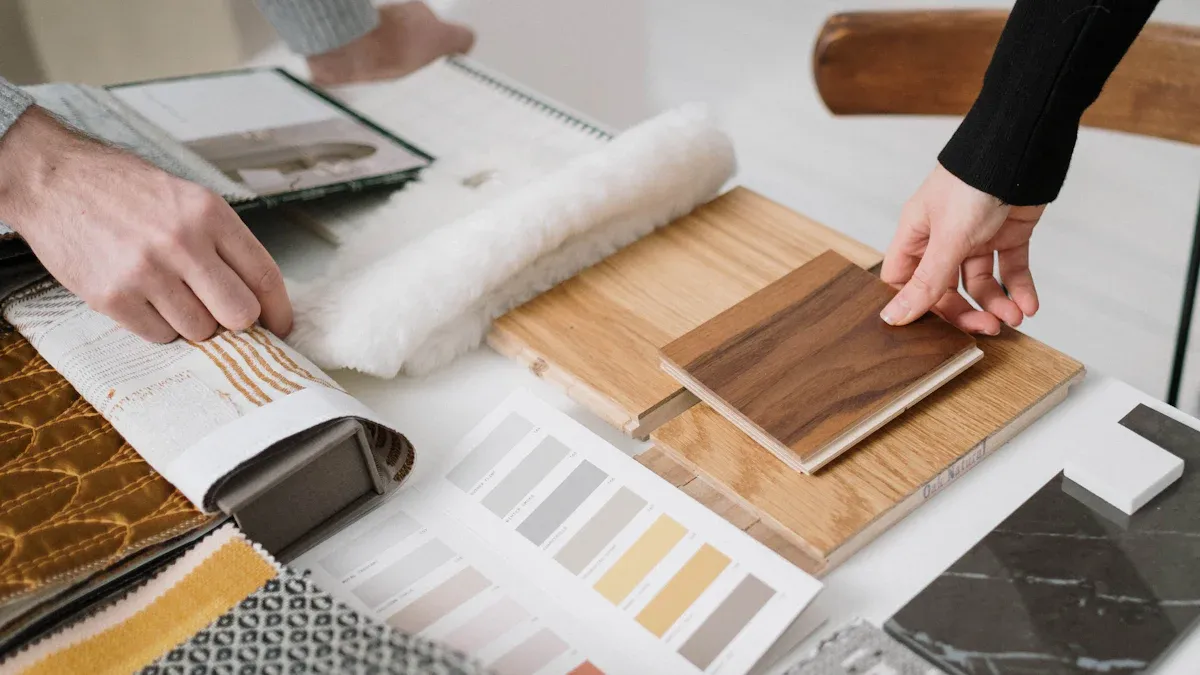
When you choose new flooring, you want it to look great in your home. Both luxury vinyl plank (LVP) and laminate flooring offer many styles. LVP gives you a wide range of looks, including wood, stone, and tile. Laminate flooring also comes in many colors and textures, but it focuses more on wood designs.
Here is a quick comparison of their design options:
| Feature | Luxury Vinyl Plank (LVP) | Laminate Flooring |
|---|---|---|
| Design Options | Wide range including realistic wood, stone, tile | Variety of colors and textures |
| Realism | High-definition printing for intricate patterns | Mimics natural wood but less depth |
| Style Flexibility | Rustic, modern, traditional styles available | Classic wood tones to contemporary finishes |
| Cost-effectiveness | Generally higher than laminate | More cost-effective option |
You can find LVP that looks almost exactly like real wood or stone. The high-definition printing on LVP creates detailed patterns. Laminate flooring copies the look of wood, but it does not have as much depth or realism.
Popular style trends for both floors include wide-plank wood looks, light and natural tones, and even stone or concrete designs. You can also pick patterns like herringbone or chevron for a bold look. Matte finishes are common, giving your floor a soft, modern feel.
| Trend | Description |
|---|---|
| Wide-plank wood looks | Extra-wide planks that mimic reclaimed wood or European oak. |
| Light and natural tones | Blonde oak and pale maple shades for a bright, airy space. |
| Stone and concrete aesthetics | Vinyl that looks like stone or concrete for a modern touch. |
| Herringbone and chevron patterns | Patterned floors for added style in entryways or dining rooms. |
| Matte finishes | Soft, non-shiny surfaces for a modern look. |
| Waterproof wood-look | Seamless wood style in kitchens, bathrooms, and open spaces. |
Tip: If you want a floor that matches any style, LVP gives you more choices and realistic looks.
Texture and Finish
Texture and finish help your floor feel as good as it looks. LVP often has sharper visuals and polished, wood-like surfaces. You will notice that it feels smooth and looks shiny. Laminate flooring uses textured finishes to copy the feel of real wood. This gives you a floor with more grip and detail.
| Flooring Type | Texture and Finish Options |
|---|---|
| Luxury Vinyl Plank | Sharper visuals; polished wood-like surfaces |
| Laminate Flooring | Textured finish and wood-like detail |
You can run your hand over laminate and feel the grooves, just like real wood. LVP feels smoother but still looks very realistic. Both options let you pick the finish that fits your home best.
Durability and Waterproof Features
Water Resistance in LVP vs Laminate
You want your floors to stand up to spills, leaks, and even a flood. Luxury vinyl plank flooring gives you true waterproof protection. You can install it in kitchens, bathrooms, and basements without worry. LVP keeps its shape and strength even after months of moisture. Laminate flooring, on the other hand, does not offer the same level of water resistance. If you have a flood or a big spill, laminate can swell, warp, or even fall apart.
Here is a table that shows how both floors perform in flood or high-moisture situations:
| Performance Aspect | Luxury Vinyl Plank (LVT) | Laminate Flooring |
|---|---|---|
| Waterproof | Yes | No |
| Structural Integrity After Moisture | Maintains integrity after months | Begins warping within weeks |
| Water-Related Wear After 5 Years | Minimal signs | Edge swelling and surface delamination after 1 year |
| Recovery from Flood Damage | Can be dried in place, replaceable pieces | Often requires full replacement |
| Mold Growth Post-Flood | Reduced due to non-porous structure | Higher risk due to porous nature |
You can see that LVP offers lifetime waterproofing. Laminate flooring, even flood-rated laminate, cannot match this level of protection. In real-life situations, LVP stays strong:
- In a kitchen leak, LVP remained intact while laminate warped.
- During a rainstorm, LVP dried without issues, but laminate did not recover.
- An overflowing bathtub caused LVP to look untouched, while laminate needed replacement.
- Flood-rated laminate may slow down water damage, but it still cannot survive a major flood.
- If you want true flood protection, LVP is the better choice.
Note: Flood-rated laminate can resist small spills, but it cannot handle a real flood. LVP is the only flooring in this comparison that is truly waterproof.
Scratch and Dent Resistance
You want your floor to look good for years. Both LVP and laminate offer strong scratch resistance. LVP has a tough wear layer that protects against scratches from pets, toys, and shoes. Laminate flooring also resists scratches, but it can chip or dent if you drop something heavy. LVP provides better overall durability because it combines scratch resistance with dent resistance.
Laminate flooring, even flood-rated laminate, can dent if you drag furniture or drop a heavy object. LVP, with its flexible core, bounces back from dents more easily. You get peace of mind when you choose LVP for busy homes with kids or pets.
- LVP: High scratch resistance and dent resistance.
- Laminate: Good scratch resistance, but less dent resistance, especially in flood-rated laminate.
Tip: If you want a floor that stands up to daily wear and tear, LVP gives you better overall durability.
Longevity
You want your new floor to last. LVP and laminate both offer long life, but LVP lasts longer, especially in homes with moisture or flood risks. Laminate flooring, even flood-rated laminate, can start to show edge swelling and surface problems after just one year if exposed to water. LVP keeps looking good for decades, even after a flood.
Here is a quick look at the average lifespan of each flooring type:
| Flooring Type | Average Lifespan |
|---|---|
| Luxury Vinyl Plank | 25 years |
| Laminate Flooring | 20 years |
You can expect LVP to last up to 25 years with proper care. Laminate flooring usually lasts about 20 years, but flood-rated laminate may not reach this age if exposed to water. LVP’s waterproof design and dent resistance help it outlast laminate in almost every situation.
Remember: If you want a floor that survives a flood and keeps looking great, LVP is the clear winner for durability and lifetime waterproofing.
Comfort and Feel Underfoot
Underfoot Comfort
When you walk across your floor, comfort matters. Luxury vinyl plank (LVP) flooring stands out for its soft and warm touch. Many LVP products include a cushioned backing. This extra layer helps reduce foot fatigue and gives you a gentle, springy feeling underfoot. You may notice that standing on LVP for long periods feels easier on your feet and legs. Some luxury vinyl planks use wood composite cores, which add to the softness.
Laminate flooring also feels soft, but it focuses more on looking like real hardwood. The comfort you feel with laminate depends on its thickness and the texture of the surface. Thicker laminate planks can feel softer, but they usually do not have the same cushioned backing as LVP. If you want a floor that feels gentle and warm, LVP often gives you a better experience.
Tip: If you spend a lot of time standing in your kitchen or living room, LVP’s cushioned backing can make a big difference in daily comfort.
Noise Levels
Noise can affect how peaceful your home feels. LVP flooring helps keep your space quiet. Its layered construction, especially when it includes a cushioned backing, absorbs impact sounds. This means footsteps, dropped toys, or running pets sound softer. Some LVP brands, like COREtec’s Soft Step, can dampen sound up to 70% better than other vinyl floors. You will notice less echo and fewer harsh noises, which is helpful in busy homes or apartments.
Laminate flooring can be noisier. Without a built-in cushion, it may amplify footsteps or the sound of moving chairs. You can add an underlayment to reduce noise, but LVP’s design already includes sound-dampening features. If you want a quieter home, especially in multi-level spaces, LVP gives you a clear advantage.
Note: For families with kids or pets, LVP’s ability to soften noise can help create a calmer, more comfortable environment.
Installation: LVP vs Laminate
DIY Friendliness
You might want to install your new floor yourself. Both luxury vinyl plank (LVP) and laminate flooring offer click-lock systems that make DIY installation possible. You can cut the planks with simple tools and snap them together. Many homeowners find this process straightforward.
However, you should watch out for some common challenges:
- You need to keep humidity levels between 35% and 55%. High or low humidity can damage the planks.
- The subfloor must be flat. If the floor is uneven, you can get problems like stress on the locking system or uneven wear.
- Mistakes can cause buckling, end peaking, or missing chunks at the board edges.
Tip: Always check the manufacturer’s instructions before you start. Take your time to prepare the subfloor and let the planks adjust to the room’s climate.
Laminate flooring and LVP both let you finish a room in a weekend. If you follow the steps carefully, you can get a professional look without hiring help.
Professional Installation
You may prefer to hire a professional for your flooring project. Professional installers have the right tools and experience. They can handle tricky cuts, transitions, and large spaces with ease.
Here is what you can expect for installation costs:
- Luxury vinyl plank (LVP) installation usually costs between $2.00 and $5.00 per square foot.
- The total cost per square foot, including materials and installation, often ranges from $7 to $12 for LVP.
- Laminate flooring installation costs are similar, but laminate materials often cost less.
A professional can finish the job quickly and reduce the risk of mistakes. You get peace of mind knowing your floor will last longer and look its best.
Note: If you want a flawless finish or have a large area to cover, hiring a professional can save you time and stress.
Maintenance and Cleaning for Luxury Vinyl Plank and Laminate
Daily Care
You want your floors to look clean and bright every day. Both luxury vinyl plank (LVP) and laminate flooring make daily cleaning easy. You can sweep or vacuum to remove dust and dirt. For sticky spots or spills, use a damp mop. Avoid soaking the floor with water. Too much moisture can damage laminate and may seep into seams.
You can use simple cleaning solutions that you make at home. Try mixing one cup of distilled white vinegar with a gallon of warm water. This eco-friendly solution removes dirt without leaving a film. If you have greasy messes, add a few drops of dish soap to hot water. For tough stains, make a paste with baking soda and water. Gently rub the spot, then wipe it clean.
Here are some quick tips for daily care:
- Sweep or vacuum every day to keep grit off the surface.
- Mop at least once a week to maintain shine.
- Use a vinegar and water solution for regular cleaning.
- Treat tough stains with a baking soda paste.
Tip: Always use a soft mop or cloth. Avoid abrasive scrubbers that can scratch the surface.
Long-Term Upkeep
You want your floors to last for years. Regular cleaning helps, but you also need to plan for deep cleaning. The frequency depends on how busy your home is. If you have pets or kids, mop once a week. In high-traffic homes, deep clean every week. For average households, every other week works well. Low-traffic areas need deep cleaning about once a month.
| Household Activity Level | Cleaning Frequency |
|---|---|
| High-traffic homes | Weekly deep cleaning |
| Average households | Every other week |
| Low-traffic areas | Monthly |
You do not need to refinish LVP or laminate floors. Their protective layers keep them looking good. Just avoid harsh chemicals and too much water. With simple care, your floors will stay beautiful and strong for many years.
Note: Consistent cleaning keeps your floors looking new and helps prevent scratches and stains.
Cost Comparison: LVP vs Laminate
Material Costs
When you shop for new flooring, price often plays a big role in your decision. Both luxury vinyl plank (LVP) and laminate flooring offer a wide range of prices. You can find budget-friendly options and high-end choices for each type. The table below shows the average cost per square foot, including installation:
| Flooring Type | Average Cost per Square Foot Installed |
|---|---|
| Luxury Vinyl Plank (LVP) | $4 – $16 |
| Laminate Flooring | $4 – $14 |
LVP sometimes costs more than laminate, especially for premium brands or thicker planks. Laminate flooring usually gives you a lower starting price, which can help if you want to cover a large area without spending too much.
Tip: Always check what is included in the price. Some products come with attached underlayment, while others require you to buy it separately.
Installation Costs
You might wonder how much it costs to install these floors. Both LVP and laminate use similar click-lock systems, which makes installation quick and easy. Professional installers often charge by the square foot. The table below compares the typical installation costs:
| Flooring Type | Cost per sq. ft. (Installed) |
|---|---|
| Laminate | $2 – $8 |
| Vinyl | $2 – $7 |
You can save money by installing the floor yourself, but hiring a pro ensures a smooth finish. In most regions, LVP and laminate have similar installation costs. Sometimes, LVP costs a little less to install because it is more flexible and easier to cut.
Lifetime Value
You want your floor to last and look good for years. LVP and laminate have different lifespans and maintenance needs. The table below shows how long each type usually lasts:
| Flooring Type | Estimated Lifespan |
|---|---|
| Luxury Vinyl Plank (LVP) | 10 to 20 years |
| Laminate Flooring | 5 to 15 years |
LVP resists scratches and stains, so you spend less on repairs and cleaning. Laminate may need replacement sooner, especially in busy homes or wet areas. Over time, LVP often gives you better value because it lasts longer and needs less upkeep.
Note: If you want a floor that saves you money in the long run, LVP is a smart choice for busy families or high-traffic spaces.
Environmental Impact of Luxury Vinyl Plank and Laminate
Sustainability
You may want to know how your flooring choice affects the planet. Both luxury vinyl plank (LVP) and laminate flooring have unique impacts on the environment. LVP often uses synthetic materials, while laminate usually contains wood byproducts. The table below shows how these two flooring types compare in terms of sustainability:
| Feature | Luxury Vinyl Plank (LVP) | Laminate Flooring |
|---|---|---|
| Carbon Footprint | Higher initial emissions, offset by longevity | Generally lower manufacturing emissions |
| Material Sourcing | Varies, recyclability depends on product | Often contains recycled wood fibers |
| Lifecycle Durability | Typically lasts longer, reducing replacements | Shorter lifespan may increase lifecycle impacts |
You can see that LVP has a higher carbon footprint at first, but it lasts longer. Laminate flooring often uses recycled wood fibers, which helps reduce waste. However, laminate does not last as long, so you may need to replace it more often.
Some environmental concerns include:
- Laminate flooring contains chemicals that can harm the environment.
- Most laminate ends up in landfills after use.
- Few recycling programs exist for laminate flooring.
- LVP faces challenges with recyclability and disposal.
- New technology is helping lower the environmental impact of LVP production.
Tip: If you want a greener option, look for products with recycled content or certifications from trusted organizations.
Indoor Air Quality
You want your home to have clean, healthy air. Flooring can affect indoor air quality because of chemicals used in manufacturing. LVP flooring is designed to meet strict low-VOC (volatile organic compound) standards. This means less off-gassing and a lower risk of harmful chemicals in your home. Laminate flooring may release more VOCs, depending on the adhesives and materials used.
Key points to consider:
- LVP usually meets low-VOC standards, reducing chemical exposure.
- Laminate can have higher VOC emissions, which may affect air quality.
- Certifications like FloorScore and GreenGuard Gold show that a product meets strict VOC limits.
- GreenGuard Gold certification is especially important for families with children or people with allergies.
Note: Always check for certifications when choosing flooring. Certified products help keep your indoor air safer and healthier.
Best Uses and Room Suitability for LVP and Laminate
Kitchens and Bathrooms
You want a floor that stands up to water and daily messes in kitchens and bathrooms. Luxury vinyl plank (LVP) gives you 100% waterproof protection. You can mop up spills without worry. LVP feels soft underfoot and cleans up easily. Many homeowners choose LVP for these rooms because it resists stains and moisture. Porcelain tile also works well, but it feels harder and colder. Engineered hardwood needs quick cleanup after spills, so it is less practical for busy families.
| Flooring Type | Water Resistance | Durability Rating | Notes |
|---|---|---|---|
| Porcelain Tile | Low water absorption | 9.5/10 | Lasts 25-30 years in high-traffic areas. |
| Luxury Vinyl Plank | 100% waterproof | N/A | Comfortable, easy cleanup, suitable below-grade. |
| Engineered Hardwood | Better moisture resistance | N/A | Requires immediate spill cleanup. |
| Natural Stone Tile | Requires sealing | N/A | Unique patterns, high-end appearance. |
Tip: LVP gives you stylish designs and soft comfort, making it a top choice for kitchens and bathrooms.
Living Areas and Bedrooms
You spend a lot of time in living rooms and bedrooms. Comfort and style matter most here. Laminate flooring offers a wide range of wood looks and feels good underfoot. It works well for families with kids because it resists scratches. LVP also fits these spaces, especially if you want easy cleaning and water resistance. Hardwood floors look beautiful and last for years, but they cost more and need special care.
| Flooring Type | Pros | Cons |
|---|---|---|
| Hardwood | Durable, allergen-free, recyclable, attractive | Expensive, requires special care, hard surface, less comfortable |
| Engineered Hardwood | Strong core, versatile color options | N/A |
| Luxury Vinyl | Easy installation, inexpensive, water-resistant | Non-recyclable, thinner vinyl can be damaged |
| Laminate | Good for kids, inexpensive, wide range of styles | Hard surface, no soundproofing, minimal insulation |
| Carpet | Warmth, soundproofing, soft underfoot | Prone to collect dirt, wears over time, shorter lifespan, environmental impact |
Note: Laminate gives you affordable style, while LVP offers easy maintenance and comfort for busy living spaces.
Basements and High-Moisture Spaces
Basements often have moisture problems. You need a floor that can handle dampness. LVP stands out because it is fully waterproof and highly durable. You can install it below ground level without worry. Waterproof laminate works in basements with minimal moisture, but it is not fully waterproof. Homeowners like both options for easy installation and cleaning.
| Flooring Type | Pros | Cons |
|---|---|---|
| Luxury Vinyl Plank | Fully waterproof, highly durable, wide range of styles | Slightly more costly, may feel cold underfoot, extra subfloor prep required |
| Waterproof Laminate | Affordable, realistic wood-like appearance, scratch-resistant | Not fully waterproof, limited design options compared to LVP |
- LVP is highly favored for basements due to its waterproof properties and durability.
- Waterproof laminate is popular but best for areas with minimal moisture.
- Both types make cleaning and maintenance simple.
Tip: Choose LVP for basements and high-moisture spaces if you want long-lasting protection and peace of mind.
When you choose between luxury vinyl plank and laminate flooring, think about your needs for each room. LVP gives you strong water resistance, soft comfort, and many design choices. Laminate costs less at first and feels firm like hardwood. You get easy cleaning with both, but LVP handles moisture better. For kitchens, bathrooms, or basements, LVP works best. Laminate fits well in dry living spaces. Pick the floor that matches your lifestyle and budget for a home that looks great and lasts.
FAQ
What makes LVP a good choice for homes with pets?
You get a floor that resists scratches and stains. LVP stands up to pet accidents and heavy foot traffic. You can clean up messes quickly. Many pet owners choose LVP because it stays beautiful and strong, even with active animals.
Can I install LVP in a bathroom or basement?
Yes, you can install LVP in bathrooms and basements. LVP is waterproof. You do not need to worry about spills or moisture. You get peace of mind in high-moisture spaces. Many homeowners pick LVP for these rooms because it lasts and looks great.
How does LVP compare to laminate in durability?
LVP lasts longer than laminate. You get better resistance to water, scratches, and dents. LVP keeps its shape after spills or heavy use. Laminate can swell or chip. Many people choose LVP for busy homes because it handles daily wear better.
Does LVP have a stronger locking mechanism than laminate?
Many brands design LVP with a stronger locking mechanism. You get a secure fit that prevents gaps and movement. This feature helps your floor stay flat and tight. You can walk on LVP with confidence, knowing the planks will not shift.
What should I look for in high quality LVP?
You should check the thickness of the wear layer. A thicker wear layer means more protection. Look for a realistic design and a strong core. High quality LVP often comes with a warranty. You get a floor that looks real and lasts for years.
Tip: Always read product reviews before you buy LVP. You can learn from other homeowners’ experiences.




