
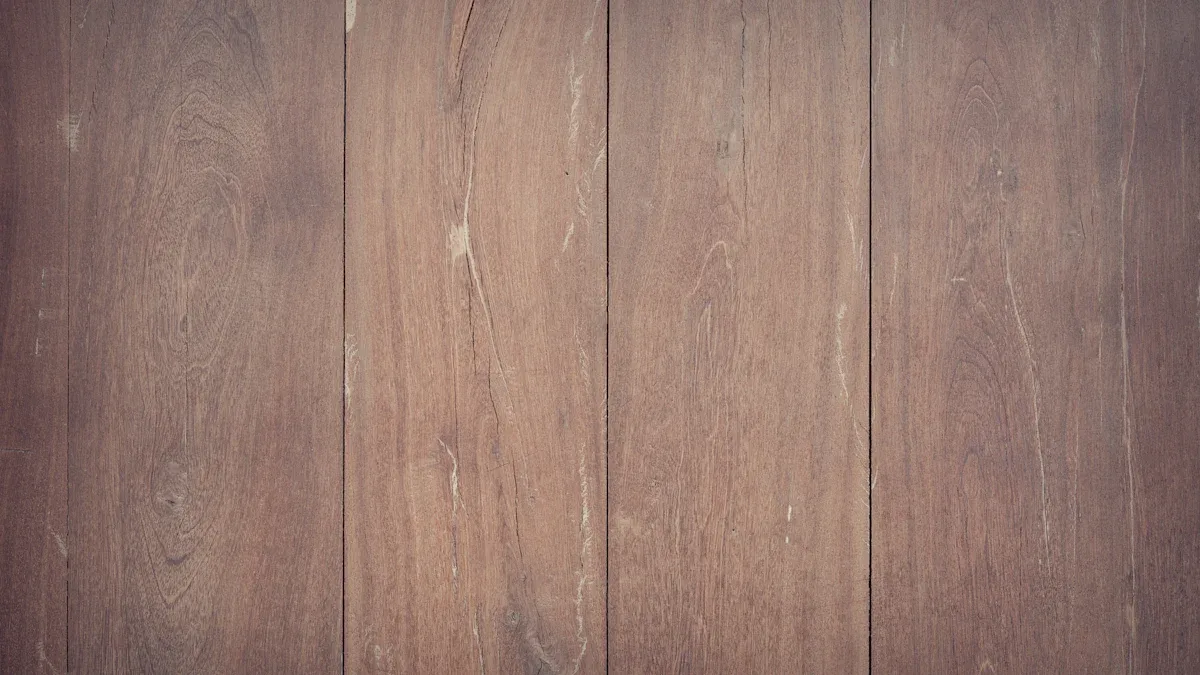
Vinyl plank flooring stands out as a popular choice among homeowners, representing nearly 18 percent of the U.S. flooring market. This flooring option offers a blend of benefits and drawbacks that can significantly impact your decision. Many people choose vinyl plank flooring for its durability, water resistance, and easy maintenance. However, understanding the vinyl plank flooring pros and cons is essential for making an informed choice that suits your lifestyle and budget.
Advantages of Vinyl Plank Flooring
Durability
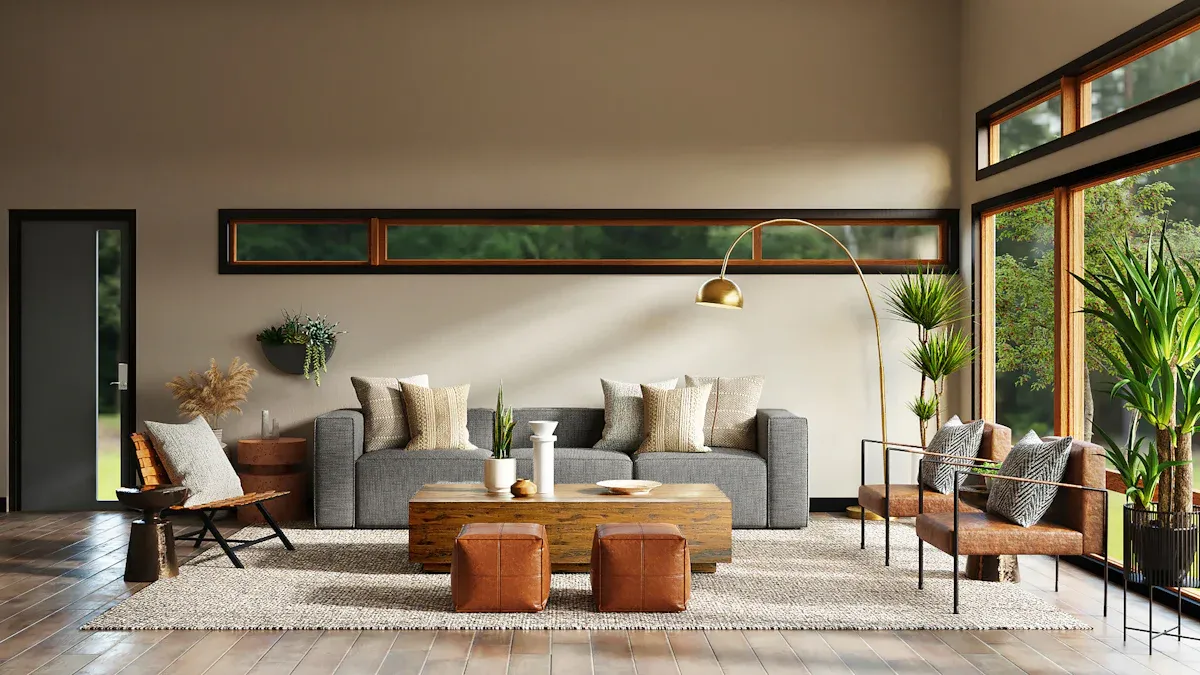
Vinyl plank flooring is known for its impressive durability. This flooring option can withstand heavy foot traffic, making it ideal for busy households. The thickness of the wear layer, measured in mils (thousandths of an inch), plays a crucial role in its durability. Commercial-grade vinyl typically features wear layers of 20 mils or more, allowing it to resist scratches, dents, and wear over time. Laboratory tests have shown that top-performing vinyl products maintain their surface integrity even under constant use. This durability makes vinyl plank flooring a reliable choice for both residential and commercial settings.
Maintenance
One of the standout advantages of vinyl flooring is its low maintenance requirements. You can keep your floors looking great with minimal effort. Here are some recommended maintenance routines:
- Sweep or dry mop daily to remove dirt and debris.
- Use a microfiber mop with manufacturer-approved cleaners; avoid soaking the floor.
- Clean spills immediately to prevent staining.
- Never drag furniture; use flat, non-staining pads.
- Avoid vacuums with beater bars that can scratch the surface.
These simple steps ensure your vinyl plank flooring remains in excellent condition. Regular maintenance typically takes only a few minutes each day, making it an easy choice for busy lifestyles. The annual costs for cleaning supplies are low, averaging between $35 to $60 per 1,000 square feet. This affordability contributes to the overall cost-effectiveness of vinyl plank flooring.
Cost-Effectiveness
When considering the cost of installation, vinyl plank flooring stands out as a budget-friendly option. Luxury vinyl plank (LVP) usually costs between $2 and $7 per square foot, while sheet vinyl is even more affordable, ranging from $1 to $5 per square foot. Compared to hardwood, laminate, and tile, vinyl plank flooring offers significant savings. For example, hardwood can cost between $6 and $25 per square foot, while tile often ranges from $15 to $20.
The long-term costs associated with vinyl plank flooring are also lower. Its durability means you won’t need frequent repairs or replacements. This flooring type resists scratches, stains, and scuffs, reducing ongoing maintenance costs. Overall, vinyl plank flooring provides a cost-effective type of flooring that combines affordability with durability and low maintenance.
Aesthetic Appeal
Vinyl plank flooring offers a wide range of aesthetic options that can enhance any interior space. You can find various patterns and textures, including traditional planks, geometric designs, and even herringbone styles. The textures range from smooth and matte to embossed surfaces that closely mimic natural materials like wood and stone. This versatility allows you to customize your flooring to match your personal style and home decor.
- Colors and Finishes: You can choose from a broad color palette, from light neutrals to deep, rich tones. Finishes vary as well, with options like high gloss or matte to suit different interior styles.
- Sizes and Arrangements: Vinyl plank flooring comes in various sizes, from long planks to square tiles. This variety allows for creative layouts that can transform your space.
Luxury vinyl plank flooring uses advanced printing and embossing technologies to replicate the look and feel of natural materials authentically. For instance, you can find styles that mimic classic hardwood species like oak and walnut, as well as natural stone designs such as marble and slate. This ability to replicate natural materials makes vinyl flooring a popular choice among homeowners and interior designers alike. Many designers appreciate luxury vinyl plank for its aesthetic appeal, warmth, and ease of installation compared to other flooring options.
Water Resistance
One of the standout features of vinyl plank flooring is its impressive water resistance. This quality makes it an excellent choice for high-moisture environments like bathrooms and basements. Unlike hardwood or laminate, vinyl planks do not absorb moisture, which prevents issues such as warping, swelling, or rotting.
- Scientific Evidence: Laboratory tests show that vinyl tiles absorb only 0.2% moisture under constant water exposure, which is significantly better than traditional flooring options. The multi-layer construction of vinyl plank flooring, including urethane wear layers and core layers, forms a waterproof barrier that maintains its integrity even after prolonged exposure to water.
- Real-World Performance: Homeowners have reported that vinyl plank flooring withstands floods, pipe bursts, and high humidity without warping or delamination. Many manufacturers offer warranties covering moisture protection for 5-10 years, provided that proper installation and maintenance practices are followed.
To maximize the water resistance of your vinyl flooring, ensure proper subfloor preparation. This includes moisture testing, using vapor barriers, and applying moisture-resistant adhesives. Recommended products like COREtec Plus and Shaw’s Floorté Pro Series demonstrate exceptional water resistance and durability, making them reliable options for wet areas.
Disadvantages of Vinyl Plank Flooring
Fading Over Time
One significant drawback of vinyl plank flooring is its tendency to fade over time, especially when exposed to direct sunlight. UV rays break down the pigments in the flooring, leading to a dull and washed-out appearance. The extent of fading correlates with the amount and duration of sunlight exposure. In sunny rooms, you may notice uneven fading, which can detract from the overall aesthetic of your space.
To mitigate fading, consider these protective measures:
- Apply UV-blocking window films to reduce harmful rays.
- Use blinds, curtains, or shades to limit direct sunlight during peak hours.
- Rearrange furniture periodically to prevent permanent discoloration.
- Choose luxury vinyl plank products with built-in UV protection technologies, such as UV-inhibiting compounds.
Some manufacturers offer warranties that cover fading, indicating confidence in their products’ durability. Selecting fade-resistant vinyl flooring can help maintain your floor’s appearance over time, especially in sunlit areas.
Difficulty in Removal
Removing vinyl plank flooring can pose challenges, particularly if it is glued down. The difficulty varies by vinyl type. Loose lay or floating vinyl is easier to remove, while glue-down vinyl requires more effort. You may need to scrape adhesive and possibly use heat or chemicals to loosen it.
Here are some common challenges you might face during removal:
- Adhesive Residue: Glue-down vinyl often leaves behind sticky residue that requires careful scraping.
- Tools Required: You will need utility knives, floor scrapers, and possibly heat guns to soften the adhesive.
- Safety Gear: Always wear gloves, goggles, and dust masks to protect yourself during the process.
- Potential Damage: Removing glued vinyl can damage the planks, especially if they break during removal.
If you plan to reuse the flooring, careful disassembly is crucial. You may want to hire a professional if you are unsure about the removal process, especially if your flooring contains asbestos.
Limited Lifespan Compared to Other Flooring
While vinyl plank flooring offers many advantages, its lifespan is generally shorter than that of other flooring types. On average, vinyl plank flooring lasts between 10 to 25 years, depending on the quality and maintenance. In comparison, hardwood can last over 50 years, while tile can exceed 50 years as well.
Here’s a quick comparison of average lifespans:
| Flooring Type | Average Lifespan | Durability Notes |
|---|---|---|
| Vinyl Plank (LVP) | 10 to 25 years | Lifespan depends on product quality and usage; good for high moisture and traffic areas |
| Hardwood | 50+ years | Requires regular maintenance; can increase home value |
| Laminate | 15 to 25 years | Durable but prone to scratches; lifespan depends on quality |
| Tile (Ceramic/Porcelain) | 50+ years | Very durable and water resistant; longevity depends on care |
With proper care, you can extend the life of your vinyl flooring, but it may not match the longevity of hardwood or tile. If you prioritize long-term costs and durability, consider these factors when making your flooring choice.
Environmental Concerns
When considering vinyl plank flooring, you should also think about its environmental impact. The production and disposal of vinyl flooring raise several concerns. Here are some key points to consider:
- Energy-Intensive Production: Manufacturing vinyl plank flooring requires significant energy. The process involves polyvinyl chloride (PVC) derived from petrochemicals, contributing to a notable carbon footprint.
- Volatile Organic Compounds (VOCs): Traditional vinyl flooring can emit VOCs, which may affect indoor air quality. However, advancements in manufacturing have reduced these emissions through eco-friendly formulations.
- Recycling Challenges: The multi-layer composition of vinyl flooring complicates recycling efforts. Many facilities struggle to process these materials, leading to increased landfill waste.
- Take-Back Programs: Some manufacturers offer take-back and recycling programs. These initiatives promote circular economy principles by allowing you to return old flooring for responsible disposal or repurposing.
- Certifications: Look for products certified by organizations like FloorScore or LEED. These certifications help you identify environmentally friendlier options.
Interestingly, compared to hardwood, vinyl plank flooring uses less water and raw materials. It also has a longer lifespan with low maintenance, which can mitigate its environmental impact over time.
If you prioritize sustainability, consider eco-friendly vinyl flooring options available on the market:
- Recycled Vinyl Flooring: Made from post-consumer or post-industrial vinyl waste, this option reduces landfill waste while maintaining durability and style variety. It often features low VOC emissions, promoting healthier indoor air.
- Non-PVC Vinyl Flooring: This type avoids harmful chemicals found in traditional PVC by using bio-based polymers or thermoplastic polyurethane. It emits fewer VOCs and reduces health risks associated with PVC.
- Waterproof Vinyl with Eco-Friendly Backing: This flooring incorporates recycled fibers or bio-based components in the backing material. It enhances sustainability without compromising moisture resistance or durability.
- Bio-Based Vinyl Flooring: Crafted from renewable resources like natural oils and plant-based polymers, this flooring reduces reliance on fossil fuels and lowers carbon footprint.
- Certifications to Look For: Products certified by FloorScore or GreenGuard ensure low emissions and eco-friendly manufacturing, supporting healthier indoor environments.
By choosing products from manufacturers committed to eco-friendly practices, you can balance luxury and sustainability in your flooring choice.
Comparison with Other Flooring Types
Vinyl Plank vs. Hardwood
When comparing vinyl plank flooring to hardwood, you will notice several key differences. Vinyl plank flooring is highly durable and resistant to scratches and moisture. It suits high-traffic areas like kitchens and bathrooms. In contrast, hardwood offers timeless beauty but can be prone to scratches and water damage.
| Aspect | Vinyl Plank Flooring | Hardwood Flooring |
|---|---|---|
| Durability | Highly durable, resistant to scratches and moisture | Durable but prone to scratches, dents, and water damage |
| Water Resistance | Excellent water resistance | Poor water resistance, especially solid hardwood |
| Maintenance | Easy to clean, minimal upkeep | Requires regular care and refinishing ($3-$8/sq ft) |
| Cost | More affordable, budget-friendly | Higher upfront cost for materials and installation |
| Installation | Easier, often DIY-friendly | More complex, usually requires professional installation |
| Longevity | Shorter lifespan, cannot be refinished | Can be refinished multiple times, lasting 50+ years |
| Resale Value | Moderate, depends on quality | High, adds significant resale value |
Vinyl plank flooring typically costs $3 to $5 less per square foot compared to hardwood. This affordability makes it an attractive option for budget-conscious homeowners.
Vinyl Plank vs. Laminate
Vinyl plank flooring and laminate flooring share some similarities, but they also have distinct differences. Both options are budget-friendly and easy to install. However, vinyl flooring is fully waterproof, making it ideal for moisture-prone areas. Laminate, on the other hand, has a wood core that can swell and warp when exposed to water.
- Installation: Laminate flooring uses a click-lock system, making it straightforward for DIY projects. Vinyl plank flooring offers various installation methods, including peel-and-stick and glue-down options.
- Durability: Vinyl flooring generally outperforms laminate in durability, especially in high-traffic areas. Laminate can scratch easily and may not withstand heavy use as well as vinyl.
Vinyl Plank vs. Tile
When you compare vinyl plank flooring to tile, comfort and maintenance become significant factors. Vinyl plank flooring feels softer and warmer underfoot, making it more comfortable for standing. Tile, while durable, can be hard and cold without underfloor heating.
| Aspect | Vinyl Plank Flooring | Tile Flooring |
|---|---|---|
| Comfort | Softer and warmer underfoot; better comfort without heating | Hard and cold; comfortable if paired with underfloor heating |
| Maintenance | Low maintenance; no sealing or refinishing needed; easier cleaning; fewer crevices for dirt and mold | Requires periodic sealing (especially natural stone); grout cleaning needed; resistant to scratches but can crack under impact |
| Cost | Lower upfront material and installation cost; easier DIY installation | Higher upfront and labor cost; longer lifespan; potentially better resale value |
Vinyl plank flooring offers a more affordable and comfortable option for many homeowners. Tile may provide better durability and resale value but comes with higher costs and maintenance requirements.
Weighing the vinyl plank flooring pros and cons is crucial for your flooring decision. Consider your specific needs, lifestyle, and budget when evaluating options. For busy households, luxury vinyl plank (LVP) flooring excels due to its water resistance, scratch resistance, and pet-friendliness. It handles spills and heavy foot traffic well.
Here are some key factors to keep in mind:
- Affordability: Vinyl plank flooring is generally less expensive than hardwood.
- Durability: It offers good durability but has a shorter lifespan than other hard surfaces.
- Water Resistance: Vinyl plank flooring is water-resistant, making it suitable for kitchens and bathrooms.
Vinyl plank flooring can be a great choice for many, but it’s important to be aware of its limitations. Make sure to choose the right type for your environment to avoid common mistakes during installation.
FAQ
What is vinyl plank flooring made of?
Vinyl plank flooring consists of multiple layers, including a wear layer, design layer, core layer, and backing layer. These layers work together to provide durability, water resistance, and an appealing appearance.
Can I install vinyl plank flooring myself?
Yes, you can install vinyl plank flooring yourself. Many products feature a click-lock system or peel-and-stick options, making installation straightforward. Just follow the manufacturer’s instructions for best results.
How do I clean vinyl plank flooring?
To clean vinyl plank flooring, sweep or vacuum regularly to remove dirt. Use a damp microfiber mop with a manufacturer-approved cleaner. Avoid harsh chemicals and excessive water to maintain the floor’s integrity.
Is vinyl plank flooring suitable for pets?
Absolutely! Vinyl plank flooring is pet-friendly due to its durability and scratch resistance. It also resists stains and moisture, making it an excellent choice for homes with pets.
How long does vinyl plank flooring last?
Vinyl plank flooring typically lasts between 10 to 25 years, depending on the quality and maintenance. Higher-quality products can last longer, especially with proper care and upkeep.




