
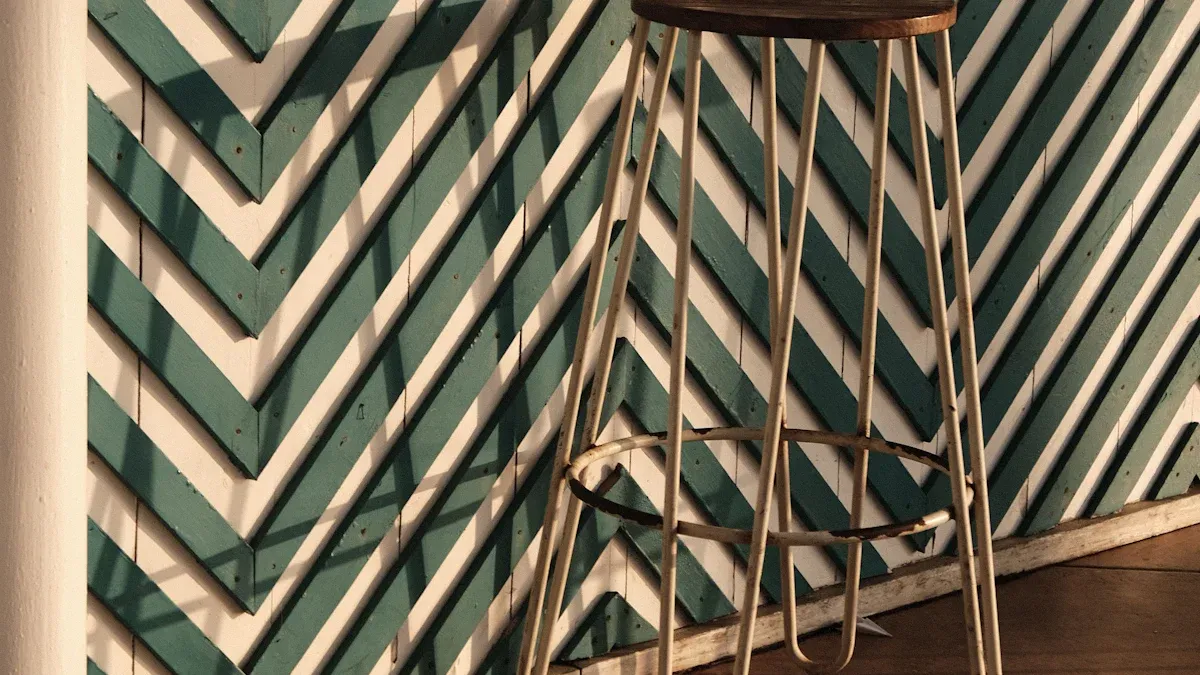
Vinyl plank flooring patterns can truly transform your space. These stylish designs enhance the aesthetic appeal of any room, making them feel more inviting and sophisticated. With options like herringbone and chevron, you can elevate your home’s aesthetic effortlessly. Not only do vinyl flooring patterns add beauty, but they also offer practicality. Their durability and moisture resistance make them ideal for various areas in your home, from kitchens to bathrooms.
Popular Vinyl Plank Flooring Patterns
When it comes to stylish vinyl plank flooring patterns, a few designs stand out for their beauty and versatility. Let’s explore some of the most popular options that can elevate your space.
Herringbone
The herringbone pattern is a timeless choice that adds elegance to any room. This design features planks arranged in a zigzag formation, creating a dynamic visual effect. Interior designers often recommend the herringbone pattern for modern homes due to its sophisticated look. It works well in larger open spaces, enhancing the overall aesthetic. The installation process is moderately complex, but the result is worth the effort. You can achieve a classic and luxurious feel with this visually appealing pattern.
Chevron
Similar to herringbone, the chevron pattern offers a bold and contemporary twist. This design consists of planks arranged in a continuous V-shape, creating a sense of movement and energy. The chevron pattern is perfect for those looking to make a statement in their home. It adds a modern touch while maintaining a sense of elegance. While installation can be more complex due to the angled cuts required, the stunning visual impact makes it a popular choice among homeowners.
Diagonal Layouts
Diagonal layouts provide a unique way to install vinyl planks. By placing the planks at a 45-degree angle, you can create a sense of spaciousness in your room. This layout softens the angles in irregularly shaped spaces, making them feel more harmonious. Diagonal patterns also direct the gaze across corners, enhancing the perceived size of the room. Although this installation may increase labor costs, the bold look and visual expansion it offers are significant benefits.
Random Patterns
Random patterns in vinyl plank flooring offer a creative way to enhance your space. These unique patterns break away from traditional layouts, allowing you to express your style. With random plank patterns, you can mix different colors and textures, creating a one-of-a-kind look that captures attention.
You can achieve a casual yet sophisticated vibe with random patterns. This style works well in both modern and rustic settings. The beauty of random patterns lies in their ability to blend seamlessly with various decor styles. You can choose from a variety of colors and finishes to match your existing furniture and design elements.
When considering random patterns, think about the following benefits:
- Visual Interest: Random patterns create a dynamic look that draws the eye. This can make your space feel more inviting and lively.
- Flexibility: You can easily adapt random patterns to fit any room. Whether you want a bold statement or a subtle backdrop, these patterns can accommodate your vision.
- Easy Installation: Many vinyl flooring patterns, including random layouts, are designed for straightforward installation. You can often install them yourself, saving time and money.
To make the most of random patterns, consider pairing them with geometric designs. This combination can add depth and dimension to your flooring. You can also experiment with different plank sizes to enhance the overall effect.
Choosing the Right Vinyl Flooring Patterns for Your Space
Selecting the right vinyl flooring patterns can significantly enhance the look and feel of your home. Each room has its unique requirements and aesthetic goals. Here’s how to choose the best patterns for your living room, kitchen, and bedroom.
Living Room
In the living room, you want a flooring pattern that reflects your style while providing comfort. Consider these factors when making your choice:
- Visual Style: Choose between wood or stone looks. Different species and color variations can set the mood.
- Plank Width and Texture: These elements affect the floor’s character. Wider planks can create a more spacious feel.
- Pattern Variety: From classic geometric to modern abstract designs, select a pattern that resonates with your personal taste.
- Finish Type: The finish can influence the room’s ambiance. Matte finishes offer a subtle look, while high-gloss finishes add a touch of luxury.
- Color Undertones: Match the undertones of your vinyl flooring with your walls and furniture. This ensures harmony throughout the space.
By carefully considering these aspects, you can create a living room that feels inviting and stylish.
Kitchen
The kitchen is often the heart of the home, so you need a flooring pattern that balances functionality and style. Here’s how vinyl plank patterns can impact your kitchen:
| Aspect | Functional Impact | Stylistic Impact |
|---|---|---|
| Safety & Comfort | Patterns and textures improve grip and comfort underfoot, reducing fatigue during kitchen tasks. | N/A |
| Durability | Water and stain resistance protect against spills and moisture, preventing warping and mold growth. | N/A |
| Maintenance | Easy to clean and resistant to scratches and dents, suitable for high-traffic kitchen environments. | N/A |
| Style Variety | N/A | Wide range of patterns including wood-look, stone-look, geometric, traditional, and rustic styles for customization. |
| Space Perception | N/A | Lighter colors can make kitchens appear larger; darker tones add warmth and sophistication. |
| Visual Interest | N/A | Textured and patterned planks add depth, making floors a focal point or complementing other kitchen elements. |
Choosing a pattern that enhances both the functionality and style of your kitchen can create a true kitchen oasis.
Bedroom
In the bedroom, you want a relaxing atmosphere. The right vinyl plank patterns can help achieve this. Consider these options:
- Random Pattern: This involves mixing planks from different boxes to vary shades and textures. It creates a cozy, laid-back atmosphere ideal for bedrooms.
- Staggered Pattern: This features varying distances between plank ends in each row. It avoids aligned seams, contributing to a natural and effortless look.
Both patterns are forgiving and suitable for DIY installation. They help create a unique, inviting space that feels personal and comforting.
By selecting the right vinyl flooring patterns for each room, you can enhance your home’s overall aesthetic and functionality.
Bathroom
When it comes to your bathroom, choosing the right vinyl plank pattern can create a sophisticated bathroom retreat. You want a design that combines style with practicality. Here are some key factors to consider when selecting vinyl flooring for your bathroom:
-
Water Resistance: Bathrooms experience high humidity and frequent water exposure. Look for luxury vinyl flooring that offers excellent water resistance. This feature prevents warping and mold growth, ensuring your flooring lasts longer.
-
Slip Resistance: Safety is crucial in bathrooms. Opt for vinyl planks with textured surfaces. These surfaces provide better grip, reducing the risk of slips and falls when the floor is wet.
-
Color and Style: Choose colors that complement your bathroom decor. Light colors can make small spaces feel larger and brighter. Darker shades add warmth and elegance. Consider patterns that mimic natural materials, such as wood or stone, to enhance the overall aesthetic.
-
Easy Maintenance: Bathrooms require regular cleaning. Luxury vinyl plank flooring is easy to clean and maintain. You can simply sweep or mop to keep it looking fresh. This convenience makes it an ideal choice for busy households.
-
Installation Flexibility: Vinyl planks are often easier to install than traditional tiles. You can choose a straightforward layout or get creative with patterns. For example, a herringbone or diagonal layout can add visual interest without complicating the installation process.
By considering these factors, you can select a vinyl plank pattern that not only enhances the beauty of your bathroom but also meets your practical needs. With the right choice, you can transform your bathroom into a stylish and functional space.
Combining Colors and Textures to Transform Your Space
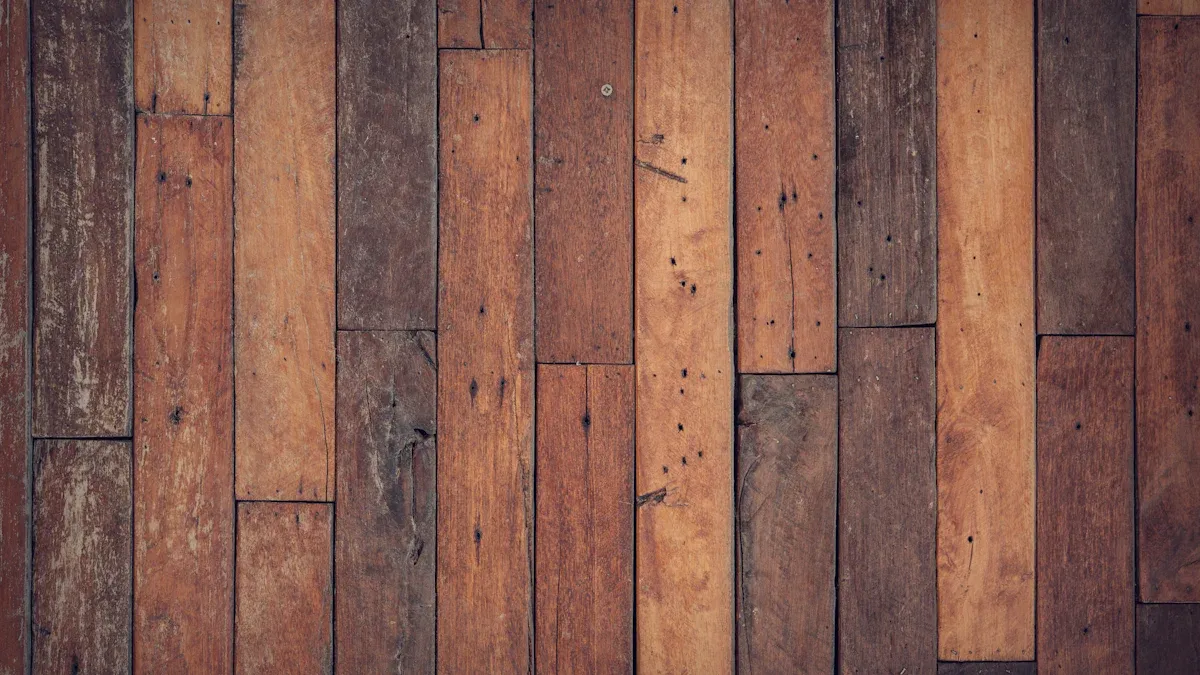
Combining colors and textures in vinyl plank flooring can significantly enhance your space. You can create a unique atmosphere by carefully selecting your flooring design. Here are some effective strategies to consider.
Monochromatic Schemes
Monochromatic schemes involve using varying shades of a single color. This approach creates a cohesive and sophisticated look. For instance, you might choose different tones of gray for your flooring, walls, and furniture. This technique promotes visual harmony and can make a room feel more spacious. Darker shades can evoke warmth and intimacy, while lighter tones can brighten a space and create an airy feel. By leveraging color psychology, you can influence the mood of your room. For example, light oak flooring can enhance brightness in smaller areas, making them feel larger and more inviting.
Contrasting Colors
Contrasting colors can add excitement and energy to your space. When you mix and match different colors, you create visual interest. For example, pairing dark walnut planks with light-colored walls can create a striking effect. This contrast draws attention and can serve as a focal point in your room. However, ensure that the colors complement each other to maintain a balanced look. You might consider using transition strips to separate different colors effectively. This method helps avoid jarring changes and maintains a smooth flow throughout your space.
Textured Finishes
Textured finishes can elevate your vinyl plank flooring by adding depth and character. Textures can range from embossed wood grains to smooth, sleek surfaces. These finishes not only enhance the aesthetic appeal but also provide practical benefits. Textured surfaces can improve grip, making them safer in high-traffic areas. When mixing textures, aim for a balance that enhances your overall design. For instance, combining a smooth plank with a more textured one can create a dynamic look. Remember to consider the purpose of each space when selecting textures.
By thoughtfully combining colors and textures, you can achieve a stunning transformation in your home.
Installation Tips for Vinyl Plank Patterns
Installing vinyl plank flooring can be a rewarding DIY project. To achieve the best results, you need to prepare properly and follow a systematic approach. Here are some essential tips to guide you through the installation process.
Preparing the Subfloor
Before you start laying down your vinyl planks, you must prepare the subfloor. A well-prepared subfloor ensures a smooth and durable finish. Follow these steps to get your subfloor ready:
- Remove Baseboards: Carefully take off baseboards to avoid damage. This step helps ensure a seamless fit with the walls.
- Clear Old Flooring: Remove any existing flooring and transition strips. This creates a clean surface for your new planks.
- Clean Thoroughly: Sweep and vacuum the subfloor to remove dust and debris. Check for levelness to ensure a flat surface.
- Fill Cracks: Use concrete filler to fill any cracks or uneven areas. Once it dries, sand the surface smooth.
- Install Underlayment (Optional): If desired, lay down floor padding in the direction of plank installation. Tape the seams to keep it in place.
Safety Tip: Avoid sanding existing linoleum or vinyl flooring, especially in homes built before 1980. This can pose asbestos risks.
Tools Needed
Having the right tools makes the installation process smoother and more efficient. Here’s a list of essential tools you will need:
- Utility Knife: For cutting planks to size.
- Tape Measure: To measure spaces accurately.
- Spacers: To maintain expansion gaps around the edges.
- Tapping Block: To help fit planks together without damaging them.
- Seam Roller: To ensure tight seams between planks.
- Chalk Line: For marking straight lines on the subfloor.
Step-by-Step Installation Guide
Now that your subfloor is prepared and you have your tools ready, follow this step-by-step guide for installing your vinyl plank flooring:
- Acclimate the Planks: Before installation, let the planks acclimate in the room for at least 48 hours. This helps prevent expansion or contraction issues later.
- Plan Your Layout: Decide on the direction of the planks. Typically, you should lay them parallel to the longest wall or the main light source.
- Start Laying Planks: Begin in a corner of the room. Use spacers to maintain a 1/4 inch gap between the planks and the wall. This gap allows for natural expansion.
- Stagger the Seams: Ensure that seams do not align. Staggering the seams by at least six inches enhances the floor’s strength and visual appeal.
- Cut Planks as Needed: Measure and cut planks to fit around obstacles like vents and door jambs. Undercut door frames to allow planks to slide underneath for a clean look.
- Use the Tapping Block: As you fit the planks together, use the tapping block to ensure a snug fit without damaging the edges.
- Finish with Baseboards: Once all planks are installed, reattach the baseboards. This covers the expansion gaps and gives your floor a polished look.
Common Mistakes to Avoid:
- Installing over uneven or wet subflooring can cause planks to warp or buckle. Always ensure the subfloor is dry and level.
- Skipping acclimation can lead to expansion issues. Always acclimate planks for at least 48 hours.
- Not leaving expansion gaps can cause buckling. Remember to leave about a 1/4 inch gap around edges.
By following these installation tips, you can achieve a beautiful and durable vinyl plank floor that enhances your space. Proper preparation and attention to detail will ensure your flooring lasts for years to come.
Maintenance and Care for Vinyl Plank Flooring
Maintaining your vinyl plank flooring is essential for preserving its beauty and longevity. Here are some effective strategies for cleaning, long-term care, and repairing any damage.
Cleaning Tips
To keep your vinyl planks looking their best, follow these cleaning recommendations:
- Sweep Daily: Use a soft-bristle broom or a vacuum to remove dirt and debris. This prevents scratches and scuffs.
- Spot Clean Spills: Clean spills immediately with a damp cloth to avoid staining and moisture damage.
- Weekly Cleaning: Mop your floors weekly with a pH-neutral cleaner diluted in warm water. Ensure the mop is damp, not soaking wet.
- Deep Cleaning: Every few months, perform a deep clean using a vinyl floor cleaner or a vinegar solution. Scrub gently with a soft brush, rinse, and dry thoroughly.
By following this routine, you can maintain the durability and aesthetic appeal of your flooring.
Long-term Care
For long-term care, consider these best practices:
- Use Furniture Pads: Place pads under furniture legs to prevent scratches. Avoid dragging heavy items across the floor.
- Manage Moisture: Wipe up spills promptly and use minimal water when mopping to prevent bubbling or curling.
- Protect from Sunlight: Use curtains or blinds to shield your floors from direct sunlight, which can cause fading.
- Regular Maintenance: Sweep daily and mop weekly with vinyl-safe cleaners to keep dirt at bay and maintain shine.
Implementing these practices will help you avoid wear and tear over time.
Repairing Damaged Planks
If you encounter damage, you can often repair it without replacing the entire floor. Here are some effective techniques:
- Minor Scratches: Use a vinyl repair kit with colored putty to fill and blend scratches.
- Heat Treatment: For shallow dents, apply heat with a hair dryer to soften the vinyl. Then, reshape the dent by applying pressure.
- Replacing Planks: If a plank is severely damaged, you can remove and replace it. Carefully pry up the damaged plank and install a new one from your spare stock.
By addressing damage promptly, you can keep your vinyl plank flooring looking great for years to come.
Stylish vinyl plank patterns offer numerous benefits that can transform your space. They provide high durability, water resistance, and ease of maintenance, making them ideal for various rooms in your home. With options like herringbone and chevron, you can elevate your home’s aesthetic while expressing your unique style.
Don’t hesitate to explore different patterns and colors. Experimenting with vinyl plank designs allows you to personalize your space creatively. Whether you prefer bold geometric shapes or subtle textures, the possibilities are endless. Embrace your creativity and make your home a true reflection of you!
FAQ
What are the benefits of vinyl plank flooring?
Vinyl plank flooring offers durability, water resistance, and easy maintenance. It mimics the look of natural materials while being more affordable. You can install it in various rooms, including kitchens and bathrooms, without worrying about moisture damage.
How do I clean vinyl plank flooring?
To clean vinyl plank flooring, sweep or vacuum regularly to remove dirt. Use a damp mop with a pH-neutral cleaner weekly. Avoid excessive water, as it can damage the planks. For spills, wipe them up immediately to prevent stains.
Can I install vinyl plank flooring myself?
Yes, you can install vinyl plank flooring yourself. The process is straightforward, especially with click-lock planks. Ensure you prepare the subfloor properly and follow the installation guide. With the right tools, you can achieve professional-looking results.
How long does vinyl plank flooring last?
Vinyl plank flooring can last 10 to 20 years with proper care. Factors like foot traffic, maintenance, and exposure to sunlight affect its lifespan. Regular cleaning and avoiding excessive moisture will help extend its durability.
Is vinyl plank flooring suitable for pets?
Yes, vinyl plank flooring is suitable for homes with pets. Its durability and scratch resistance make it a great choice. Additionally, it is easy to clean, which helps manage pet hair and accidents effectively.




