
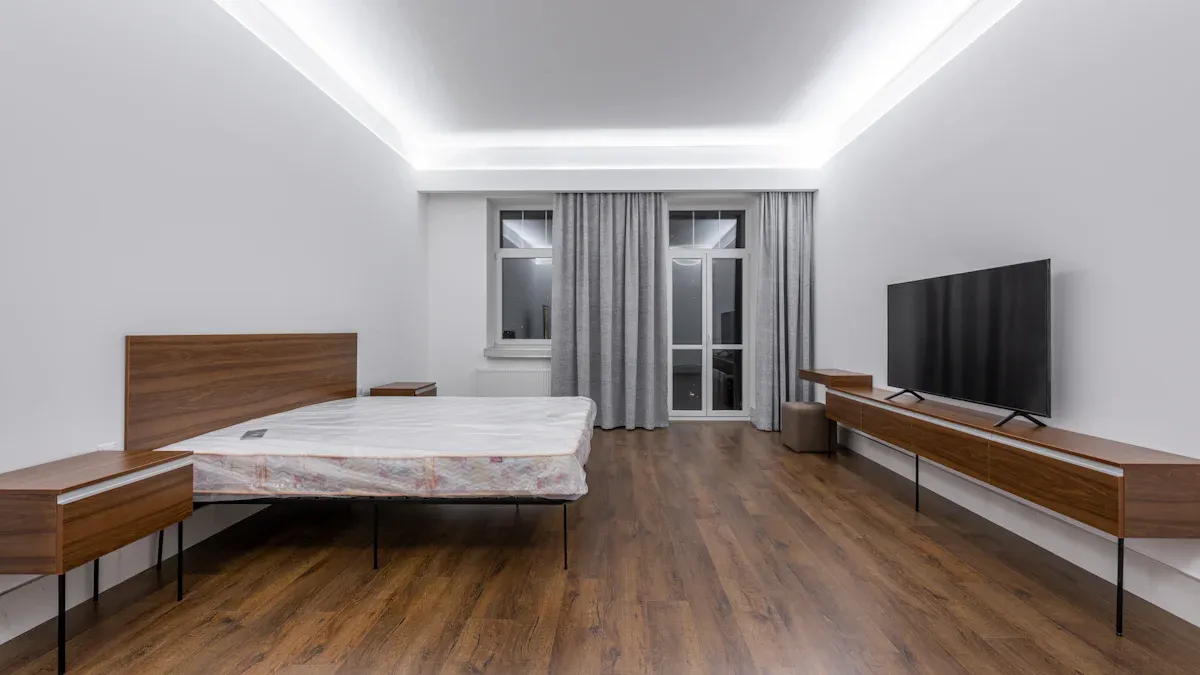
When you look for new flooring, you want something that looks great and lasts. SPC vinyl flooring gives you many options for both style and strength. You can use it in living rooms, kitchens, bathrooms, and even busy offices. With so many vinyl flooring patterns available, you can easily match your taste and needs. Modern SPC vinyl flooring mimics wood or stone, offers water resistance, and stands up to heavy use. You also help the environment because many types use recyclable materials. Choosing the right flooring patterns and SPC vinyl flooring style changes the feel and function of your space.
What Makes SPC Vinyl Flooring Unique?
SPC Vinyl Flooring Construction and Benefits
You might wonder what sets SPC vinyl flooring apart from other options. SPC stands for Stone Plastic Composite. Manufacturers create SPC vinyl plank flooring by combining limestone powder, PVC, and stabilizers. This mix forms a dense, rigid core that makes the planks tough and long-lasting. You get a floor that is more resistant to scratches, dents, and moisture than traditional vinyl plank flooring. The rigid core also means your floor will not expand or contract much when temperatures or humidity change.
SPC vinyl flooring works well in busy homes and commercial spaces. The planks resist dents and scratches, so you do not have to worry about heavy foot traffic or moving furniture. The surface is completely waterproof, so you can use SPC vinyl plank flooring in kitchens, bathrooms, or basements without fear of warping or swelling. The wear layer on top protects against stains and keeps your floor looking new for years. You only need to sweep and mop to keep it clean.
Tip: Because SPC vinyl flooring is rigid, you need a flat and even subfloor for the best results.
Advantages of SPC Vinyl Plank Flooring for Patterns
SPC vinyl plank flooring gives you more design choices than many other floors. The planks come in many widths and lengths, so you can create unique patterns. You can lay vinyl planks in straight lines, herringbone, or even basket weave designs. The rigid core lets you cut and fit the planks into borders or inlays, making your floor stand out.
You will find that SPC vinyl flooring can look like wood, stone, or even ceramic tile. This variety helps you match any room style. The click-lock system makes installation easy, so you can try more complex patterns without much trouble. The dense core also helps reduce noise, especially if you choose planks with a sound-reducing underlayer. With SPC vinyl plank flooring, you get a floor that is both beautiful and practical. It is also scratch and indentation resistant, so your patterns stay sharp and clear over time. Many homeowners choose waterproof vinyl planks for rooms where spills are common.
Popular Vinyl Flooring Patterns for Every Space
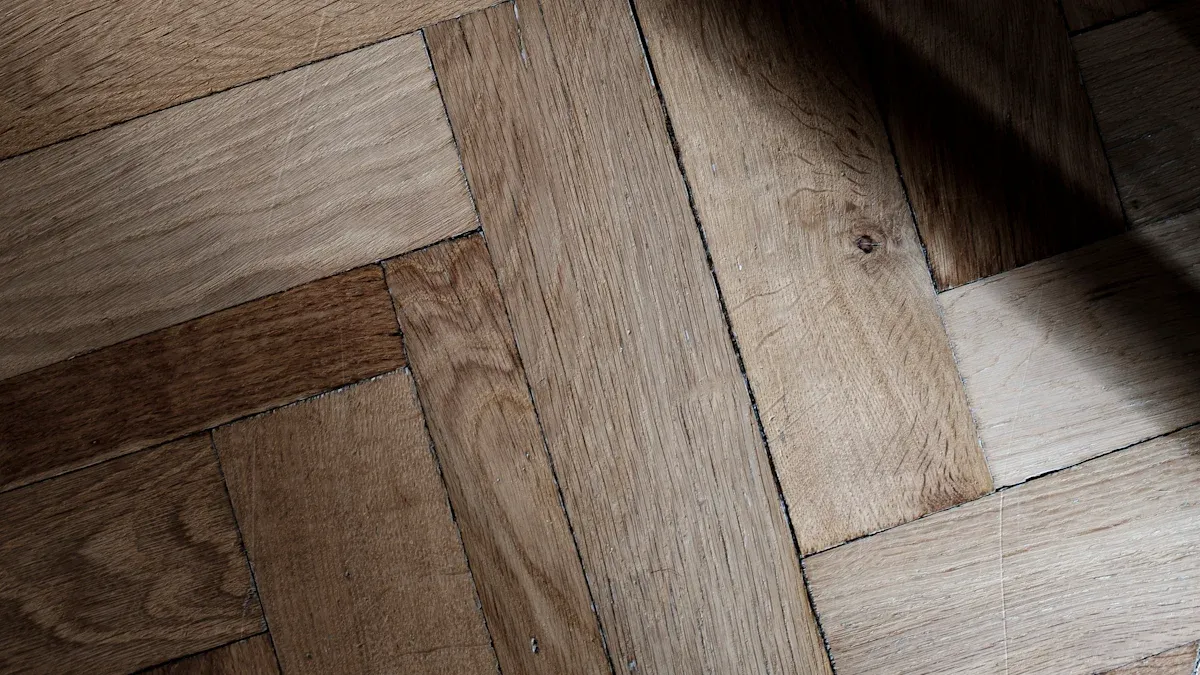
When you choose vinyl flooring patterns, you open up many design possibilities for your home or business. Each pattern creates a different look and feel. Some patterns make rooms look bigger, while others add texture or movement. You can use these patterns to match your style, whether you want something classic or modern. Let’s explore the most popular options and see how they work in different spaces.
Straight Lay (Grid) Flooring Patterns
The straight lay, or grid pattern, is one of the simplest and most popular vinyl flooring patterns. You install vinyl planks or tiles in straight lines, either parallel to the walls or at a 90-degree angle. This pattern creates clean lines and a minimalist look. Many people like this style because it works well in both modern and traditional rooms.
- You get a timeless and versatile appearance.
- The straight lay pattern makes rooms feel open and organized.
- It provides a neutral backdrop, so your furniture and decor stand out.
- You can use this pattern with underfloor heating because it avoids thick overlaps.
Tip: If you want a subtle twist, try the corridor or soldier variation. These add interest while keeping the clean, orderly look.
This pattern is easy to install and wastes little material. You can use it in living rooms, bedrooms, or offices. The straight lay pattern also works well in commercial spaces where you want a professional and tidy look.
Offset (Brick) Vinyl Plank Flooring Patterns
The offset, or brick pattern, is another favorite for vinyl plank flooring. You stagger each row by half or a third of a plank, much like bricks in a wall. This pattern adds movement and breaks up the lines, making the floor look more natural.
- The offset pattern creates a sophisticated and timeless effect.
- It draws the eye across the room, making spaces feel larger and more connected.
- You can install it easily by offsetting each row, which also reduces waste.
- This pattern works well for both DIY and professional installers.
Interior designers often use the offset pattern to add stability and subtle style. It mimics the look of brick walls and gives your floor a dynamic, yet understated, appearance. You can use this pattern in kitchens, hallways, or any area where you want a balanced and even surface. Many commercial spaces choose this pattern for its durability and easy installation. You also find it in homes where comfort and style matter.
Herringbone Vinyl Flooring Patterns
Herringbone vinyl flooring patterns have become very popular in modern interiors. You lay the vinyl planks in a zigzag, V-shaped design. This pattern adds depth and movement to your floor, making it a great choice for open spaces.
- Herringbone patterns give your room a classic and elegant look.
- The design adds dimension and helps define different areas in open rooms.
- Vinyl planks in this pattern distribute foot traffic evenly and hide small scratches.
- You can use herringbone in kitchens, living rooms, bedrooms, or offices.
Luxury vinyl plank flooring in a herringbone pattern offers durability and water resistance. You get the beauty of hardwood with easier maintenance. This pattern works with both traditional and modern styles. However, installing herringbone takes more time and skill. You need to measure angles carefully and fit border pieces with precision. The cost is usually higher than straight lay patterns because of the extra labor and material needed.
Note: If you want a bold statement, herringbone is a great choice. Just remember that installation is more complex, so planning is important.
When you look at recent trends, you see that wood-look vinyl planks and bold geometric patterns are top choices for homes. In commercial spaces, nature-inspired patterns and modular designs are popular. You can use these vinyl flooring patterns to create a space that fits your needs and style.
Diagonal Flooring Patterns
Diagonal flooring patterns bring a bold and modern look to any room. You lay the planks at a 45-degree angle to the walls, which creates a dynamic and eye-catching effect. This pattern works well if you want to make a small or narrow room feel bigger. The diagonal lines guide your eyes across the space, making it appear more open and spacious.
- Diagonal flooring adds strong visual interest and impact.
- You can use this pattern to highlight special features in your home.
- Hallways and kitchens often look larger with diagonal patterns.
- Urban homes use diagonal boards to blend classic style with a modern twist.
Note: Diagonal patterns require more planning and careful cutting. You may need extra material because of the angled cuts.
You can use diagonal flooring in entryways to catch attention right away. Open-concept living areas also benefit from this pattern, as it helps create flow and focal points. If you want your floor to stand out and make a statement, diagonal flooring is a smart choice.
Basket Weave Vinyl Flooring Patterns
Basket weave vinyl flooring patterns give your space a timeless, woven look. This pattern reminds you of traditional textile art and brings classic elegance to any room. You can choose bold color contrasts or stick to a single color for a softer effect. The basket weave pattern creates subtle shadows and highlights, adding depth and visual interest.
Basket weave patterns work especially well in formal areas like dining rooms and entryways. They help define zones in open spaces without breaking up the flow. The pattern is moderately complex to install, but it is easier than some other intricate designs like herringbone or chevron. You get a balanced mix of elegance and manageable installation.
This pattern stands out because it looks sophisticated and unique. Many design-conscious buyers love basket weave vinyl flooring, which can even boost your home’s resale value. If you want a floor that feels both classic and special, basket weave is a great option.
Random and Varied Plank Patterns
Random and varied plank patterns create a natural, relaxed feel in your home. You mix planks of different widths and sometimes even different finishes. This approach mimics the look of real hardwood floors, where plank sizes often vary. The result is a floor that feels organic and handcrafted.
- Mixing plank widths breaks up visual monotony and draws the eye across the floor.
- Alternating wide and narrow planks adds movement and a custom look.
- Combining different textures and finishes creates depth and captures light in interesting ways.
- This pattern works well in open-concept homes, making spaces feel larger and more connected.
Modern vinyl flooring uses advanced printing to copy real wood grain and color changes. You can choose from many widths and finishes to create a unique, custom pattern. This flexibility lets you match any style, from rustic to modern. If you want your floor to look natural and one-of-a-kind, random and varied plank patterns are an excellent choice.
SPC Vinyl Flooring Design and Style Ideas
Color and Finish Options for SPC Vinyl Flooring
You have many options when you choose SPC vinyl flooring. The color and finish set the mood for your space. You can pick from light, medium, or dark shades. Light colors make rooms feel bigger and brighter. Darker tones add warmth and a cozy feeling. Matte finishes hide dust and scratches, so your floor looks clean longer. Glossy finishes reflect more light and give a modern look, but they may show marks more easily. You will find ample variety in finishes, from smooth to textured. This variety lets you match your floor to any design style, from rustic to modern.
Wood Look and Stone Look SPC Vinyl Plank Flooring
SPC vinyl flooring gives you realistic visuals that look like real wood or stone. You can choose luxury vinyl planks that copy oak, maple, or walnut. Stone-look designs mimic marble, slate, or concrete. The table below compares wood-look and stone-look SPC vinyl plank flooring with other materials:
| Aspect | Wood-Look Tile (Porcelain) | SPC Vinyl Plank (LVT) |
|---|---|---|
| Realism | Highly realistic with 3D printing and embossing | Equally realistic; broader range of styles and colors |
| Durability | Extremely durable, but can crack | Durable, pet/kid-friendly; softer than tile |
| Water Resistance | Water-resistant with proper installation | Completely water-resistant |
| Maintenance | Grout lines need more care | Easier maintenance; no grout lines |
| Styles & Sizes | Many colors and wood species | Broader style range; more sizes and thickness options |
| Installation | More complex, higher cost | Easier, faster, less subfloor prep |
| Consumer Preference | Preferred for durability | Favored for easy care and installation |
You get a wide variety of pattern ideas and visuals with SPC vinyl flooring. Many people prefer it for its easy care and quick installation.
Texture Choices and Surface Effects
Texture adds depth and comfort to your floor. You can pick from smooth, embossed, or textured finishes. Embossed textures make your floor look and feel like real wood or stone. Matte finishes help prevent slips and hide scratches. Textured surfaces improve slip resistance, which makes them safer for kitchens and bathrooms. Thicker cores and wear layers add comfort underfoot and help your floor last longer. You have many options to match your design needs and keep your space safe.
Tip: Choose a textured or matte finish for high-traffic areas. These options offer better grip and hide everyday wear.
Luxury vinyl tiles and luxury vinyl flooring both offer a variety of design options, so you can create a space that fits your style.
Mixing Plank Sizes and Widths for Unique Patterns
You can create a truly unique floor by mixing different plank sizes and widths in your SPC vinyl flooring. This approach gives you more creative freedom in your design. Many people use this method to achieve a rustic or antique look. When you combine wide and narrow planks, your floor stands out and feels custom-made. This technique also helps make small rooms look bigger.
Mixing plank sizes lets you experiment with different design patterns. You do not need complex custom work to get a one-of-a-kind floor. You can try several popular patterns:
- Stagger pattern: Alternate plank lengths to create a randomized but planned look. This pattern works well if you want to use multiple colors or designs.
- Diagonal pattern: Lay planks at a 45-degree angle. This adds depth and makes your space feel larger.
- Herringbone pattern: Connect planks at right angles to form a zigzag. This design brings a sophisticated and unique appearance to any room.
- Random pattern: Arrange planks without a set order. This ensures your floor has a totally unique design.
Tip: Use a mix of plank widths and lengths to highlight the natural beauty of your SPC vinyl flooring. This method works especially well in open spaces and living areas.
You can match your floor to any style, from modern to farmhouse. The flexibility of SPC vinyl flooring means you can change your design as trends evolve. You get a floor that looks interesting and feels personal. Mixing plank sizes and widths is a simple way to add character and depth to your home.
Installation Tips for Vinyl Flooring Patterns with SPC
Preparing the Subfloor for SPC Vinyl Flooring
You need a solid foundation before installing vinyl plank flooring. Start by cleaning the subfloor. Remove all dust, dirt, and debris. This step helps your new floor stick well and look smooth. Next, check the subfloor for levelness. Use a level to find dips or high spots. Fix these with a leveling compound or sand them down. Repair any cracks or holes with filler and let it dry completely. Make sure the subfloor is dry. If you install over concrete or in a damp area, use a moisture barrier. For wood subfloors, only use smooth, flat panels that do not flex. Avoid installing over old, cushioned flooring. Remove all staples and glue from previous floors. Sand or fill any uneven spots greater than 1/8 inch. These steps help prevent future problems and keep your floor looking great.
Planning Layouts and Staggering Seams
Good planning makes vinyl plank installation easier and helps your floor last longer. Always leave a 1/4 inch gap around the room edges. This gap lets the planks expand and contract. Start your layout from the longest wall. Mark a center line to guide your first row. When installing vinyl planks, stagger the seams. Cut the first plank of the second row to a random length. Keep at least 6 inches between seams in nearby rows. This staggered pattern stops weak spots and makes your floor stronger. Avoid lining up seams in adjacent rows. Use a tape measure, spacers, and a tapping block for precise work. Blend different plank shades for a natural look. Adjust the first and last row sizes to keep the pattern even.
Tip: Avoid H-joints and step patterns. These can weaken your floor and spoil the look.
Cutting, Fitting, and Acclimating SPC Vinyl Planks
You need to cut and fit planks carefully for a professional finish. Use a sharp utility knife or vinyl cutter for clean edges. Measure each plank before cutting. Dry-fit the planks first to check the pattern and fit. Acclimate your SPC vinyl planks by leaving them in the room for at least 48 hours before installation. This step helps the planks adjust to the room’s temperature and humidity. Follow the manufacturer’s installation instructions for best results. Always check that each plank clicks into place and sits flat. Take your time with corners and doorways for a neat finish.
Following these steps ensures your installation looks great and lasts for years.
Avoiding Common Mistakes in SPC Vinyl Flooring Installation
You want your SPC vinyl flooring to look great and last a long time. Avoiding common mistakes during installation helps you get the best results. Here are the most frequent errors and how you can prevent them:
-
Improper subfloor preparation
Always make sure the subfloor is clean, dry, and flat. Dust, moisture, or bumps can cause your flooring to shift or wear out early. -
Skipping acclimation
Place your SPC planks in the room for at least 48 hours before installation. This step lets the material adjust to the room’s temperature and humidity, which prevents warping or gaps later. -
Not leaving expansion gaps
Leave a small gap, about 6-10mm, around the edges of the room. This space allows the flooring to expand and contract with changes in temperature. -
Incorrect use of click-lock systems
Gently press the planks together. Do not hammer them, or you might damage the locking system. Follow the manufacturer’s instructions for the best fit. -
Improper cutting and fitting
Measure each plank carefully before cutting. Use the right tools to avoid rough edges or pieces that do not fit well. -
Ignoring layout and pattern alignment
Plan your layout before starting. Careful planning keeps the pattern straight and the seams staggered, which makes your floor look professional. -
Rushing the installation
Take your time. Rushing can lead to misaligned planks or weak spots. Double-check each row as you go. -
Neglecting post-installation care
After installation, keep the room at a stable temperature and avoid heavy traffic for 24-48 hours. Clean the floor gently and use felt pads under furniture to protect the surface.
Tip: Buy 5-10% extra material. This extra helps cover mistakes and future repairs.
By following these steps, you can avoid the most common problems and enjoy a smooth, long-lasting floor.
Real-World Inspiration: SPC Vinyl Flooring Patterns in Action
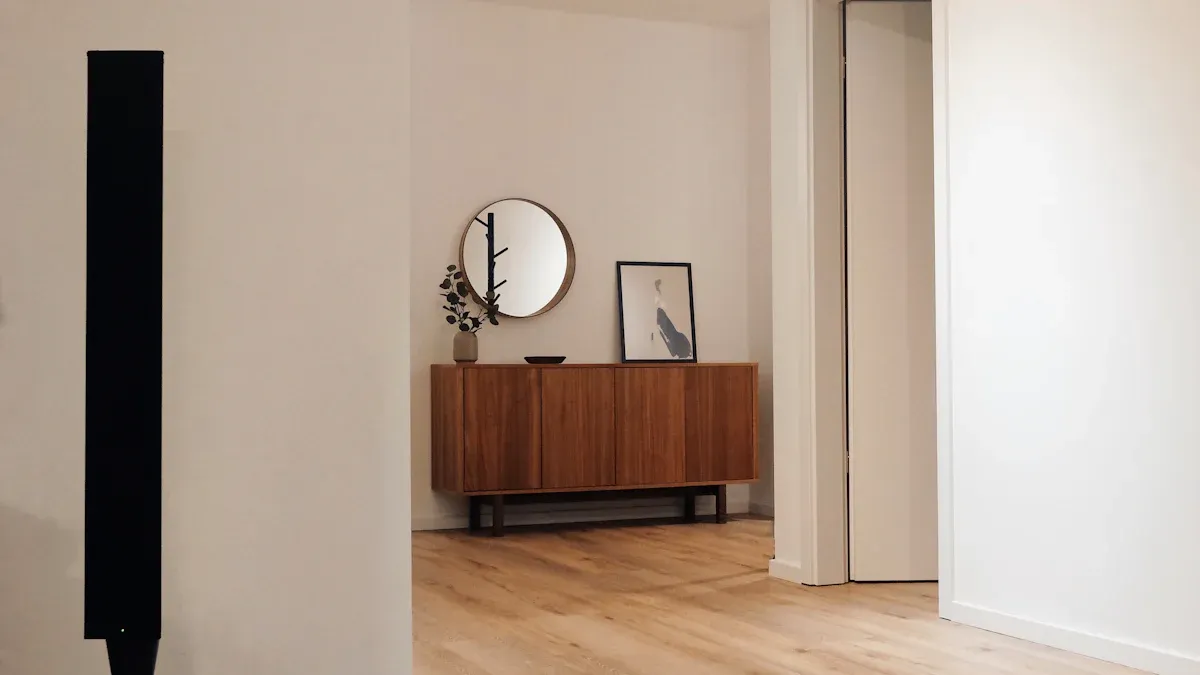
Modern Home Flooring Patterns
You can transform your home with creative spc vinyl flooring patterns. Many modern interiors use a mix of colors and layouts to set the mood. Here are some popular ideas you might see:
- Contrasting color planks, such as soft gray and whitewashed tones, create a coastal vibe.
- Rich brown and black planks give your space an industrial edge.
- Herringbone and chevron patterns add movement and energy to your floors.
- Neutral colors like light gray, beige, and taupe work well in minimalist or Scandinavian rooms, making them feel calm and open.
- Bold colors, such as espresso brown or black, help you achieve a dramatic, luxury look.
- Mixed-color patterns fit perfectly in eclectic or bohemian homes, giving you a playful and personal style.
Tip: Try combining different plank widths and colors to make your floor unique and modern.
Classic and Traditional Vinyl Plank Flooring Styles
You can enjoy the timeless look of classic flooring with spc vinyl flooring. These styles often copy the beauty of hardwood or stone. They fit well in both traditional and modern homes. You might see patterns inspired by historic designs, such as parquet or wide planks from Colonial times. Some floors use vintage marble veining or running bond layouts. These patterns connect your home to history and craftsmanship. Modern spc vinyl flooring uses advanced technology to make these classic looks durable and easy to care for. You get the charm of old-world floors with the benefits of water resistance and scratch protection. Many homeowners choose these styles for their elegance and versatility.
High-Traffic and Commercial Space Solutions
You need strong and reliable flooring for busy spaces. Spc vinyl flooring stands out in high-traffic areas like schools, stores, and offices. Facility managers and designers often pick this flooring because it resists scratches and holds up under heavy use. You can find it in both luxury vinyl plank and tile styles, which look like real wood or stone. The flooring is 100% moisture resistant, so it works well in places where spills or wet shoes are common. You can choose from many sizes and thicknesses to match your space. The wide range of patterns lets you create a look that fits your brand or design theme. Cleaning and maintaining these floors is simple, which saves you time and effort.
Choosing the right SPC vinyl flooring pattern and style helps you create a space that looks great and lasts for years. You can pick from many designs, such as wood, stone, or modern patterns, offered by top brands:
| Manufacturer | Patterns and Designs Available |
|---|---|
| Karndean Designflooring | Wood, stone, parquet, traditional oaks and maples |
| Decno Floorings | Natural wood, stone, versatile styles |
| Sensse Floor | Wood, stone, contemporary looks |
| AJ Floor | Natural wood, modern patterns |
- The wear layer protects against scratches and dents.
- The rigid core resists moisture and impacts.
- Regular cleaning and using furniture pads keep your floor looking new.
- Proper installation and subfloor prep add to the floor’s lifespan.
For best results, follow manufacturer guidelines or ask a flooring professional for advice. This ensures your SPC vinyl flooring stays beautiful and strong for many years.
FAQ
What is the best pattern for small rooms?
You can make a small room look bigger with diagonal or straight lay patterns. Light colors and simple designs help open up the space. Try to avoid busy or dark patterns in tight areas.
Can you install SPC vinyl flooring over existing tile?
Yes, you can install SPC vinyl flooring over tile if the surface is flat, clean, and dry. Fill any deep grout lines first. This helps prevent uneven spots and keeps your new floor stable.
How do you clean and maintain SPC vinyl flooring?
Sweep or vacuum your floor regularly. Use a damp mop with mild cleaner for deeper cleaning. Avoid harsh chemicals or abrasive tools. Place mats at entrances to catch dirt and protect your floor.
Does SPC vinyl flooring work in bathrooms and kitchens?
SPC vinyl flooring resists water and moisture. You can use it in bathrooms, kitchens, and laundry rooms. The rigid core prevents swelling or warping, even in wet areas.
Can you mix different patterns or colors in one room?
Yes, you can mix patterns or colors for a custom look. Use borders or accent areas to separate styles. This approach adds personality and highlights special parts of your space.




