
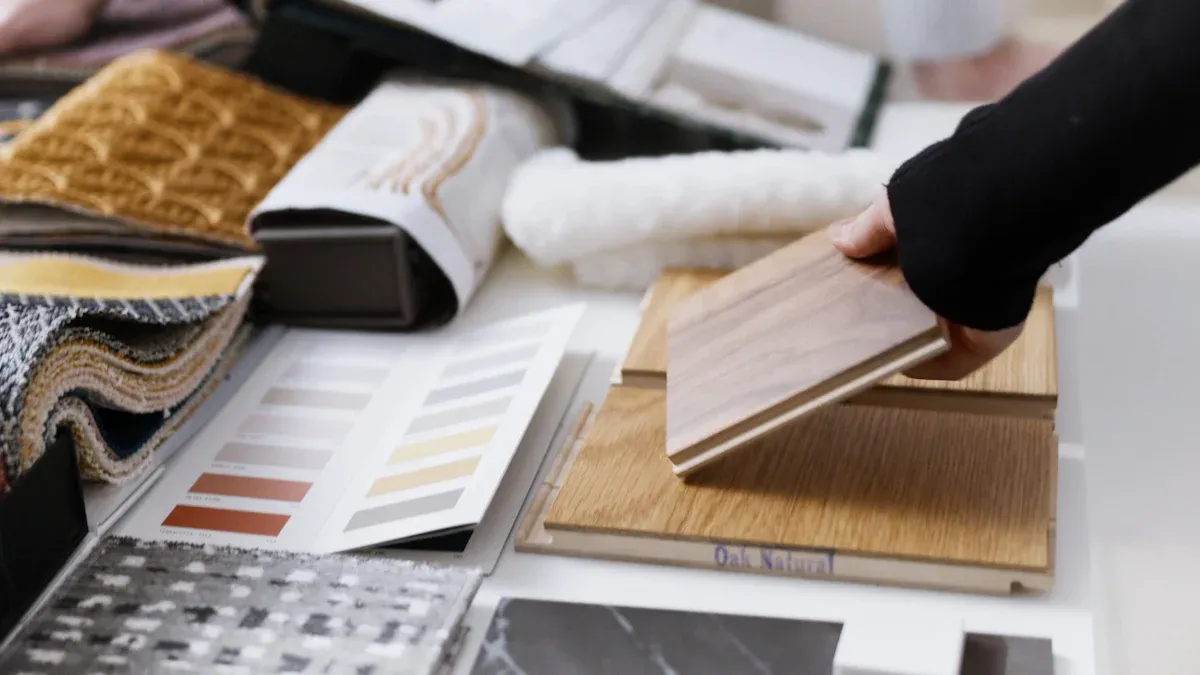
You might choose pvc laminate flooring when you want a water-resistant and durable surface for your home. Many people select pvc because it handles heavy traffic and frequent spills with ease. Vinyl and laminate products like these resist stains and moisture better than traditional options. You can find this flooring in many colors and textures, including slip-resistant vinyl designs.
- pvc laminate flooring offers simple installation, often with interlocking edges.
- Vinyl and laminate flooring need little maintenance and stay affordable.
- These surfaces provide thermal and sound insulation, making your rooms more comfortable.
Key Differences: PVC Laminate Flooring vs. Traditional Laminate
PVC and Traditional Laminate Composition
You will notice a big difference in how these two types of flooring are made. Traditional laminate flooring uses a core of high-density fiberboard (HDF). This core comes from recycled wood fibers. It gives the flooring strength and helps it resist impacts. However, this wood-based core can soak up water if it gets wet for too long.
PVC laminate flooring uses a different approach. The core is made from polyvinyl chloride (PVC) or advanced composites like Wood Plastic Composite (WPC) or Stone Plastic Composite (SPC). These materials are 100% synthetic. They do not absorb water. This makes vinyl flooring much more stable and waterproof than traditional laminate. You can see the main differences in the table below:
| Aspect | PVC Laminate Flooring Core | Traditional Laminate Flooring Core |
|---|---|---|
| Core Material | 100% synthetic materials, mainly PVC or composites like WPC/SPC | High-density fiberboard (HDF) from recycled wood fibers |
| Thickness Range | 1.5mm to 5mm (luxury vinyl planks) | 6mm to 12mm |
| Water Resistance | Waterproof due to synthetic core | Can be damaged by water |
| Durability & Comfort | High moisture resistance and durability | Stable but can swell or warp if wet |
Durability and Lifespan
When you choose flooring, you want it to last. Vinyl flooring stands out for its durability. The synthetic core in PVC laminate flooring gives it superior moisture resistance and helps it handle heavy use. You can install it in busy areas without worrying about quick wear or damage from spills.
Traditional laminate flooring also offers good durability, especially in dry rooms. The HDF core makes it strong and stable under normal conditions. However, if water gets into the seams, the core can swell or warp. This can shorten the lifespan of the floor. Vinyl flooring, on the other hand, keeps its shape and strength even after spills or standing water.
Tip: If you have pets, kids, or lots of foot traffic, vinyl flooring will give you peace of mind and a longer-lasting surface.
Moisture and Water Resistance
Water resistance is one of the most important differences between these two types of flooring. Vinyl flooring, especially those with an SPC core, is fully waterproof. You can use it in kitchens, bathrooms, and basements. It will not swell or warp, even if water sits on it for a long time. Some brands, like AHF Products’ TimberTru and Unilin’s Waterfront Collection, are designed to be 100% waterproof.
Traditional laminate flooring has improved over the years. Some new products use special coatings and locking systems to keep water out. These water-resistant laminates can handle small spills if you clean them up quickly. However, the HDF core can only resist water for 24 to 72 hours, depending on the brand. If water stays on the floor too long, the core will absorb it and the floor may fail.
- Vinyl flooring has a much lower failure rate from water exposure. Its advanced polymer core blocks water and keeps the floor strong.
- Laminate flooring can fail quickly if water gets into the seams. You may need to replace the whole floor if it gets damaged by water.
Note: For rooms where spills or moisture are common, you should pick vinyl flooring for the best protection.
Installation Methods
When you install laminate flooring, you usually use a floating floor method. You do not need glue, nails, or staples. Most laminate planks have a tongue-and-groove or click-lock system. You snap or fold the planks together. This method makes installation quick and easy for many homeowners. Before you start, you lay a foam or felt underlayment on the subfloor. The underlayment adds cushioning, reduces sound, and helps protect against moisture. You need a level and sturdy subfloor to prevent gaps or problems later. Common tools for laminate installation include a pull bar, tapping block, spacers, a power saw, and a chalk line.
Vinyl flooring, including PVC laminate flooring, often uses similar installation methods. Many vinyl planks also feature a click-lock system. You can install them as a floating floor over most existing surfaces. Some vinyl flooring options allow glue-down installation for extra stability. You do not need special skills to install most vinyl products. The process is simple and fast, which saves you time and money. Vinyl flooring works well in rooms where you want a quick update or need to cover an old floor.
Tip: Always check that your subfloor is clean, dry, and level before you start installing any type of flooring. This step helps your new floor last longer and look better.
Appearance and Style Options
You have many choices when it comes to the look of your flooring. Both laminate and vinyl flooring offer a wider range of designs than ever before. Modern technology lets manufacturers create high-resolution images and textures. These features help both types of flooring mimic natural wood and stone.
| Feature | Laminate Flooring | PVC Vinyl Flooring (Luxury Vinyl Plank, Rigid Core) |
|---|---|---|
| Visual Mimicry | Uses photographic layer; realistic photo of wood | State-of-the-art imaging; near-exact natural wood look, including grain texture |
| Surface Texture | Textured surfaces common | Textured surfaces and wide planks enhance authenticity |
| Core Material | High-density fiberboard (HDF) core | Crushed stone and plastic resins for rigidity and comfort |
| Water Resistance | Improved with moisture-resistant core | Waterproof and highly resilient PVC material |
| Style and Design Options | High-resolution designs mimicking wood | High-resolution designs with advanced imaging and texture |
| 2025 Trend Verdict | Excellent style and design options | Excellent style and design options |
Laminate flooring uses a photographic layer to create a realistic wood look. You can find many colors, plank widths, and finishes. Matte finishes and textured surfaces are popular trends. Vinyl flooring, especially luxury vinyl plank, uses advanced imaging technology. This process creates a near-exact copy of natural wood, including detailed grain textures. The core made from crushed stone and plastic resins adds comfort and strength. Both types of flooring offer a wider range of designs, so you can match any room style. You can choose from classic oak, trendy gray tones, or even stone and tile looks.
Note: If you want the most realistic wood look and feel, vinyl flooring often gives you a more authentic result than laminate.
Cost Comparison
You want to know how much each flooring type will cost. The price depends on the material and installation. Laminate flooring usually has a lower material cost, but the installation can be more expensive. Vinyl flooring, including luxury vinyl plank, may cost a bit more for materials, but the installation is often cheaper. This means the total installed cost for both types is usually similar.
| Flooring Type | Material Cost (per sq ft) | Installation Cost (per sq ft) | Total Installed Cost (per sq ft) |
|---|---|---|---|
| Laminate Flooring | $0.50 – $5.00 | $2.00 – $3.50 | $4.00 – $14.00 |
| Luxury Vinyl Plank (PVC-based) | $0.60 – $7.00 | $1.50 – $3.00 | $2.00 – $13.00 |
Traditional laminate flooring costs about $0.50 to $5.00 per square foot for materials. The total installed cost ranges from $4.00 to $14.00 per square foot. Vinyl flooring, including PVC-based luxury vinyl plank, costs about $0.60 to $7.00 per square foot for materials. The total installed cost ranges from $2.00 to $13.00 per square foot. Vinyl flooring often has a lower installation cost because the process is easier and faster. You can save money if you choose vinyl for large areas or if you want to install the flooring yourself.
Remember: Always compare both material and installation costs before you choose your new flooring. This step helps you stay within your budget and get the best value.
When PVC Laminate Flooring Is the Best Choice
High-Moisture Areas
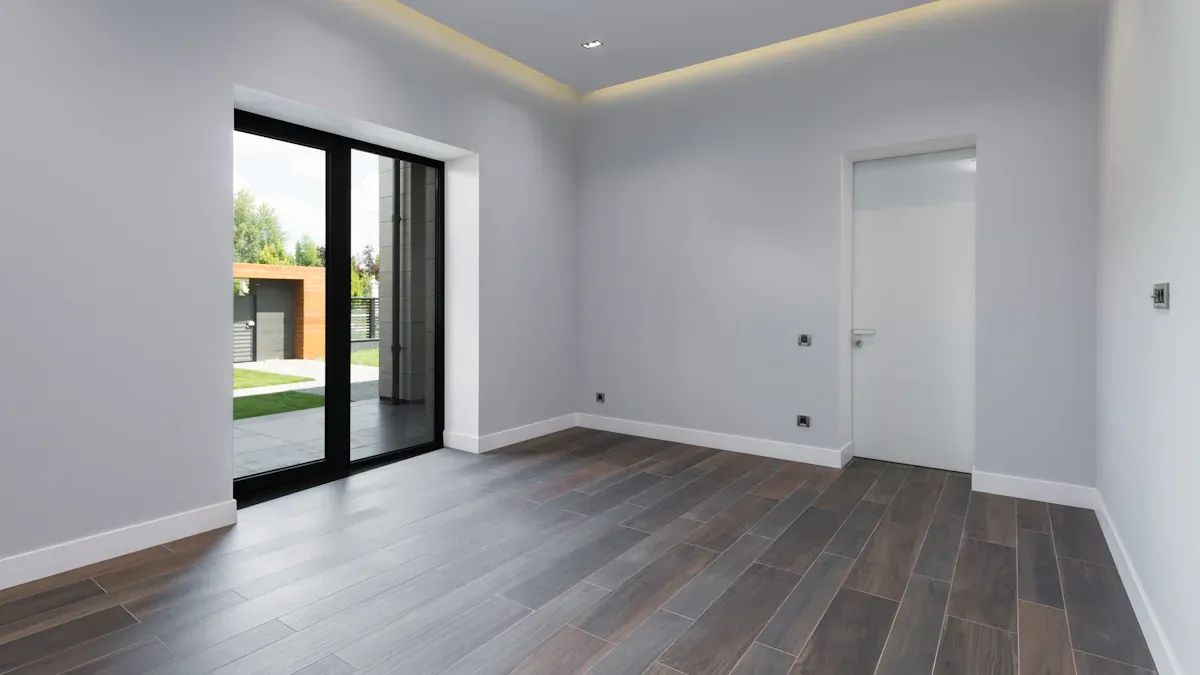
You want your floors to last, even in rooms where water is a daily challenge. PVC laminate flooring stands out as the top choice for high-moisture areas in your home. This type of vinyl flooring is 100% waterproof, so you do not have to worry about spills, splashes, or humidity damaging your floors. You can use it in places where traditional laminate might fail.
Here are some of the most common high-moisture areas where you should consider pvc laminate flooring:
- Kitchens: Frequent spills and splashes make kitchens a perfect place for waterproof flooring.
- Living rooms and bedrooms: These rooms benefit from extra durability and resistance to accidental spills or humidity.
- Entryways and hallways: Wet shoes and tracked-in moisture can damage regular laminate, but vinyl flooring handles it well.
- Laundry rooms and basements: You can use pvc laminate flooring here if the product is designed for higher moisture. Always follow the manufacturer’s guidelines.
Note: Bathrooms with standing water or flooded basements need special care. For these spaces, luxury vinyl plank or tile works better than any laminate.
You can see how pvc laminate flooring compares to traditional laminate in wet areas:
| Feature | PVC Laminate (Vinyl) Flooring | Traditional Laminate Flooring |
|---|---|---|
| Water Resistance | Fully waterproof, ideal for bathrooms, kitchens, basements | Water-resistant to a limited degree; can swell or warp with prolonged moisture exposure |
| Durability | Highly durable, resists scratches, stains, and water damage | Durable with scratch resistance but vulnerable to moisture damage |
| Suitability for Moisture-Prone Areas | Recommended and superior choice due to waterproof nature | Not recommended unless premium waterproof variant is used |
| Comfort Underfoot | Softer and more comfortable, easier maintenance in wet conditions | Firmer, less comfortable, requires careful maintenance to avoid water damage |
| Maintenance | Easy to clean, no special cleaners needed | Requires care to prevent water damage, not ideal for wet areas |
Vinyl flooring gives you peace of mind in any room where water is a concern. You can mop up spills without worrying about damage. This makes it a smart choice for busy families and anyone who wants a worry-free floor.
Homes with Pets or Children
If you have pets or children, you know how quickly floors can get messy. PVC laminate flooring makes life easier for families. It has a tough, protective layer that resists scratches, dents, and stains. This means your dog’s nails or your child’s toys will not ruin your floors.
PVC also keeps your home safer. It is made with low VOC emissions, so you do not have to worry about harmful chemicals. The smooth, sealed surface does not trap dust, pet hair, or allergens. This helps if someone in your family has allergies or asthma.
You will find cleaning simple. Spills and dirt stay on the surface, so you can wipe them away quickly. Vinyl flooring does not absorb liquids, so you avoid stains and odors. The affordable price and stylish look make it a practical choice for busy households.
- Scratch-resistant surface protects against pet claws and dropped toys.
- Stain resistance keeps your floors looking new, even after spills.
- Hypoallergenic properties help keep your air cleaner.
- Easy cleaning saves you time every day.
Consumer Reports tested vinyl and laminate flooring in homes with kids and pets. Both types performed well, but vinyl flooring offered better water and spill resistance. You get a floor that stands up to daily life and keeps your home looking great.
Heavy Traffic Zones
Some rooms in your home see more action than others. Entryways, hallways, and family rooms often have heavy foot traffic. PVC laminate flooring is built to handle these busy spaces. The strong wear layer resists scratches, dents, and stains, even when people and pets move through all day.
Vinyl flooring is also easy to maintain in high-traffic zones. You can keep it looking good with simple cleaning and a few smart habits:
- Use felt pads or glides under furniture legs to prevent scratches.
- Place rugs in high-traffic areas to reduce wear.
- Use plastic flooring pads under caster chairs to avoid damage.
- Put welcome mats at entrances to catch dirt and debris.
- Regularly trim pet nails to minimize scratching.
- Maintain indoor humidity between 35-65% for best results.
- Clean up spills right away to prevent stains.
- Sweep, dust, or vacuum often to remove dirt and grit.
- Use a damp microfiber mop for cleaning, but avoid too much water.
- Lift furniture instead of dragging it across the floor.
Vinyl flooring is a top pick for commercial spaces and busy homes because it resists wear and tear better than traditional laminate. You get a floor that looks good and lasts longer, even in the busiest parts of your house.
Tip: Choose pvc laminate flooring for any area where you want a strong, easy-to-clean, and long-lasting surface.
Easy Maintenance Needs
You want a floor that looks great and stays clean with little effort. PVC laminate flooring makes this possible. You can keep your vinyl floors in top shape by following a few simple steps. Unlike traditional laminate, vinyl flooring resists water, stains, and scratches, so you spend less time worrying about damage.
Here is a simple cleaning routine for your PVC laminate flooring:
- Sweep or dust daily with a soft-bristle broom or dry microfiber mop. This removes dust and dirt without scratching the surface.
- Clean up spills right away using a dry or slightly damp cloth. This prevents stains and keeps your flooring looking new.
- Avoid using too much water. Never use wet mops or steam cleaners, as excess moisture can harm the floor.
- Once a week, vacuum with a hard floor setting or use a well-wrung microfiber mop and a laminate-safe cleaner. Always dry the floor after mopping.
- Place furniture pads under chairs and tables. Use area rugs and doormats to protect high-traffic spots.
- Keep pet nails trimmed and control indoor humidity to reduce scratches and wear.
- Stay away from harsh chemicals, abrasive tools, wax, or oil-based products. These can damage the finish.
- For tough stains, use acetone or a laminate-safe cleaner. For gum or wax, harden it with ice before gently scraping it off.
Tip: PVC laminate flooring lets you clean up messes quickly. You do not have to worry about water soaking in or causing warping.
Vinyl flooring stands out because you can mop it with a damp cloth without fear of damage. Traditional laminate needs more careful cleaning. Too much water can cause swelling or warping in laminate, but vinyl floors handle moisture with ease. You get a hassle-free experience and more time to enjoy your home.
- PVC laminate flooring offers a simpler, more durable, and low-maintenance solution compared to traditional laminate.
- You can use regular sweeping and occasional mopping to keep vinyl floors looking their best.
Allergy-Friendly Environments
If you or your family members have allergies, you want a floor that helps keep the air clean. PVC laminate flooring and vinyl flooring both offer hypoallergenic benefits. These floors do not trap dust, pollen, or pet hair. The smooth, sealed surface makes it easy to remove allergens with regular cleaning.
Vinyl flooring has a protective top coat that resists stains and wear. You can wipe away dirt and allergens quickly. Both vinyl and laminate flooring resist mold and mildew, which helps prevent allergy flare-ups. You should always check for low VOC (volatile organic compound) emissions when choosing flooring. Low VOC levels mean fewer chemicals in the air, which is better for people with allergies or asthma.
Many PVC laminate flooring products meet strict indoor air quality standards. Some carry certifications such as FloorScore, CARB Compliance, and even the Asthma & Allergy Friendly® mark. These certifications show that the flooring releases very low levels of VOCs and helps reduce allergens in your home.
| Certification / Standard | What It Means for Allergy Sufferers | Applies to PVC Laminate Flooring? |
|---|---|---|
| FloorScore | Ensures low VOC emissions for better indoor air quality | Yes |
| CARB Compliant | Regulates formaldehyde and VOC emissions in composite wood products | Yes |
| Asthma & Allergy Friendly® | Tests for allergen removal and low VOC emissions | Yes, if tested and approved |
Note: Choosing vinyl flooring with these certifications gives you peace of mind. You help create a healthier home for everyone.
PVC laminate flooring does not support the growth of germs or bacteria. You can keep your floors clean and safe with simple cleaning. This makes vinyl flooring a smart choice for allergy-friendly environments.
When Traditional Laminate May Be Preferable
Budget-Friendly Renovations
If you want to save money on your next home project, traditional laminate flooring gives you a big advantage. You can cover a large area without spending as much as you would on hardwood or tile. The table below shows how laminate compares to other popular flooring types:
| Flooring Type | Material Cost per Sqft | Installation Cost per Sqft |
|---|---|---|
| Laminate | $1 – $5 | $2 – $5 |
| Hardwood | $5 – $10 | $4 – $8 |
| Tile | $6 – $10 | $5 – $10 |
You can see that laminate flooring costs much less for both materials and installation. If you choose to install it yourself, you can cut your total costs by up to half. For a 200-square-foot room, you might spend between $1,000 and $2,400 for laminate, while hardwood or tile could cost much more. This makes laminate a smart choice for budget-friendly renovations.
Tip: If you want to refresh your space without breaking the bank, laminate flooring is a great option.
Classic Wood-Look Preferences
You may love the look of real wood in your home. Traditional laminate flooring does a great job of copying the classic wood style. It uses advanced printing and special texturing to match the look and feel of real wood grain. The thicker boards and natural warmth help create a cozy, authentic look.
Laminate flooring often feels warmer and more solid underfoot than vinyl. You get a surface that looks and feels like wood, which many people prefer for living rooms and bedrooms. While vinyl flooring offers many designs, laminate usually gives you a more classic wood appearance.
- Laminate uses embossed-in-register texturing for a realistic wood feel.
- The boards have a natural thickness and warmth.
- You get a timeless look that fits many home styles.
Low-Moisture, Low-Traffic Rooms
Traditional laminate flooring works best in rooms that stay dry and do not get a lot of foot traffic. You can use it in bedrooms, home offices, and dining rooms. These spaces usually have low moisture and moderate use, so laminate will last longer and look better.
- Bedrooms and offices are good choices because they stay dry.
- Dining rooms benefit from easy cleaning and stain resistance.
- Living rooms and hallways can use laminate if you pick a higher wear rating.
You should avoid using traditional laminate in bathrooms or laundry rooms, where water can cause damage. For kitchens, only use water-resistant laminate and make sure you install it carefully.
Note: Always check the room’s moisture level before choosing laminate flooring. This helps you get the best results and longest life from your floor.
DIY Installation Simplicity
You might want to install new flooring yourself to save money and enjoy a hands-on project. Traditional laminate flooring makes this process easy for most homeowners. You use a click-lock system, which means you snap the planks together without glue or nails. This floating floor method lets you lay the planks over many existing surfaces. You do not need special tools or skills.
PVC laminate flooring, also called vinyl flooring, gives you even more choices for installation. You can pick from click-lock planks, peel-and-stick tiles, or glue-down options. Peel-and-stick tiles are the simplest for beginners. You just peel off the backing and press the tile onto the clean floor. Click-lock vinyl planks work much like laminate, snapping together for a floating floor. Some vinyl products come with pre-attached underlayment, which saves you a step.
Here is a quick look at the steps for each type:
Laminate Flooring Installation:
- Let the planks adjust to your room’s temperature.
- Remove baseboards and prepare the floor.
- Lay down underlayment.
- Plan your layout and leave space for expansion.
- Snap planks together in staggered rows.
- Reinstall baseboards.
Vinyl Flooring Installation:
- Acclimate the planks or tiles.
- Remove baseboards and clean the floor.
- Add underlayment if needed.
- Plan your layout.
- For peel-and-stick or glue-down, clean the surface with denatured alcohol.
- Install planks or tiles one by one.
- Reinstall baseboards.
Tip: Peel-and-stick vinyl tiles offer the fastest and easiest installation for DIYers. You can finish a small room in just a few hours.
Both types of flooring can come with pre-attached underlayment, making your job even easier. You get a smooth, comfortable surface with less effort. If you want a simple, mess-free project, traditional laminate and peel-and-stick vinyl are your best bets.
Deciding Between PVC Laminate and Traditional Laminate
Assessing Your Needs
You want to choose the right flooring for your home. Start by thinking about your daily life and the rooms you want to update. Ask yourself where you need the most protection from water or heavy use. Some rooms, like kitchens and basements, see more spills and moisture. Others, like bedrooms, stay dry most of the time.
Here are some important factors to consider:
- Water resistance: Vinyl flooring works best in rooms with lots of moisture.
- Durability: Vinyl stands up to dents and stains. Laminate resists scratches but does not like water.
- Maintenance: Both are easy to clean, but vinyl handles spills better.
- Installation: You can install both types yourself. Vinyl also comes in peel-and-stick options.
- Comfort: Vinyl feels softer and warmer underfoot.
- Environmental impact: Laminate may use more eco-friendly materials. Vinyl is less green but lasts longer in wet areas.
You can use this table to compare your options:
| Factor | PVC Laminate (Vinyl Flooring) | Traditional Laminate Flooring |
|---|---|---|
| Water Resistance | Superior; ideal for kitchens, bathrooms, basements | Less water-resistant; can swell with moisture |
| Durability | Resists stains, dents, and wear | Scratch-resistant; less moisture-tolerant |
| Maintenance | Easy to clean; stain-resistant | Easy to maintain; avoid water |
| Installation Ease | Click-lock and peel-and-stick options | Click-lock or tongue-and-groove |
| Comfort Underfoot | Softer and warmer | Harder and cooler |
Balancing Cost, Style, and Performance
You want your new flooring to look good, last long, and fit your budget. Laminate often costs less at first. Vinyl may cost more, but it can save you money over time because it lasts longer in wet or busy spaces. Think about how much you want to spend now and in the future.
Both types offer many design choices. Laminate gives you a classic wood look with a thicker surface. Vinyl can mimic wood, stone, or tile and often feels softer. If you want a certain design or texture, check samples before you decide.
Tip: Choose the flooring that matches your room’s needs and your favorite design. A good balance between cost, style, and performance will make you happy for years.
Key Questions to Ask
Before you pick your flooring, ask yourself these questions:
| Question Area | What to Consider |
|---|---|
| Durability and Longevity | Will the flooring handle spills and heavy use? |
| Budget | What is the upfront cost? Will you save money over time? |
| Style and Aesthetics | Do you want a softer, warmer feel or a firmer, wood-like look? |
| Comfort and Underfoot Feel | Is comfort important for your family? |
| Maintenance and Cleaning | How easy is it to keep clean? Are you ready to replace it if water causes damage? |
You can use these questions to guide your decision. Think about your family, your pets, and your daily routine. The right flooring will fit your needs and your style.
You should choose PVC laminate flooring for wet or busy spaces in your home. This type of flooring gives you strong water resistance and easy care. Traditional laminate works well in dry, low-traffic rooms where you want a classic look. Think about your daily needs and your budget before you decide. The right flooring helps you enjoy your space with less worry.
Tip: Always match your flooring to your lifestyle for the best results.
FAQ
What makes PVC laminate flooring waterproof?
PVC laminate flooring uses a synthetic core made from polyvinyl chloride. This material does not absorb water. You can use it in kitchens, bathrooms, and basements without worrying about swelling or warping.
Can you install PVC laminate flooring over existing floors?
Yes, you can install PVC laminate flooring over most flat surfaces. Make sure the old floor is clean, dry, and level. Click-lock and peel-and-stick options make installation easy for you.
Does PVC laminate flooring scratch easily?
PVC laminate flooring has a tough wear layer. This layer resists scratches from pets, shoes, and furniture. You can keep your floor looking new by using rugs and felt pads under furniture.
Is traditional laminate flooring safe for people with allergies?
Traditional laminate flooring does not trap dust or pet hair. You can clean it easily. Many brands offer low VOC options. Always check for certifications like FloorScore to ensure better air quality in your home.
How do you clean and maintain PVC laminate flooring?
You can sweep or vacuum your floor daily. Use a damp mop for deeper cleaning. Avoid harsh chemicals and too much water. Quick cleanups help your floor last longer and look its best.




