
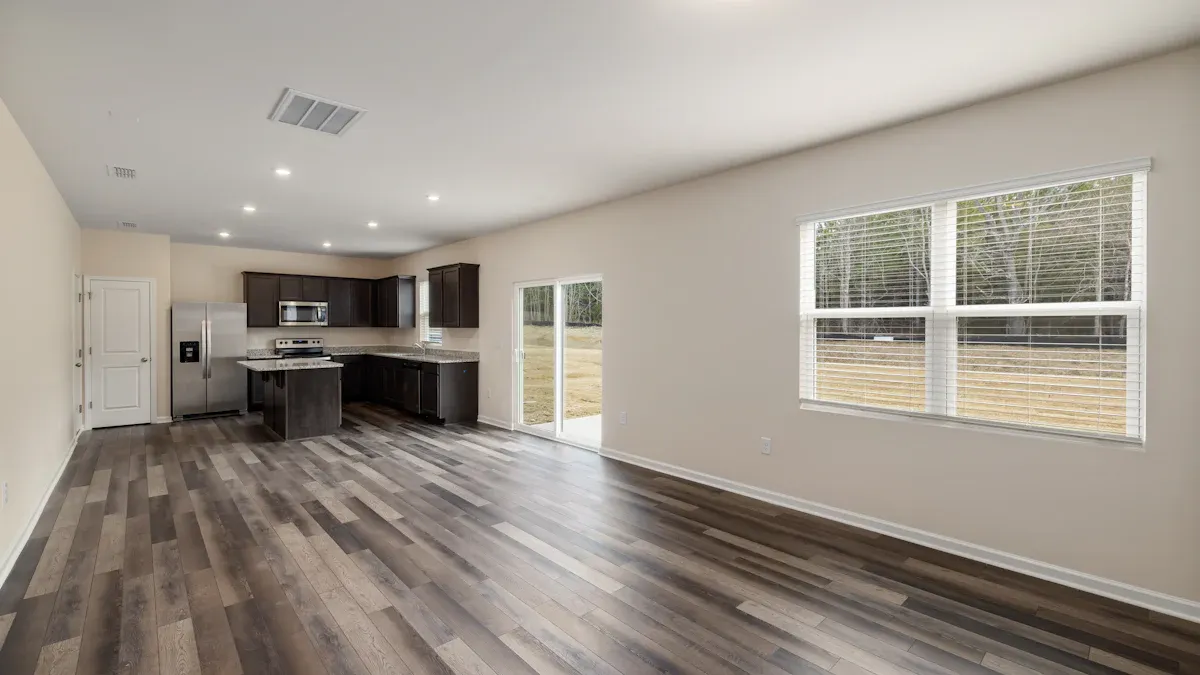
When you choose flooring, knowing the chemical difference between polyvinyl chloride and vinyl can help you protect your family’s health. Studies show that children living with vinyl flooring face a higher risk of asthma, especially when phthalates are present.
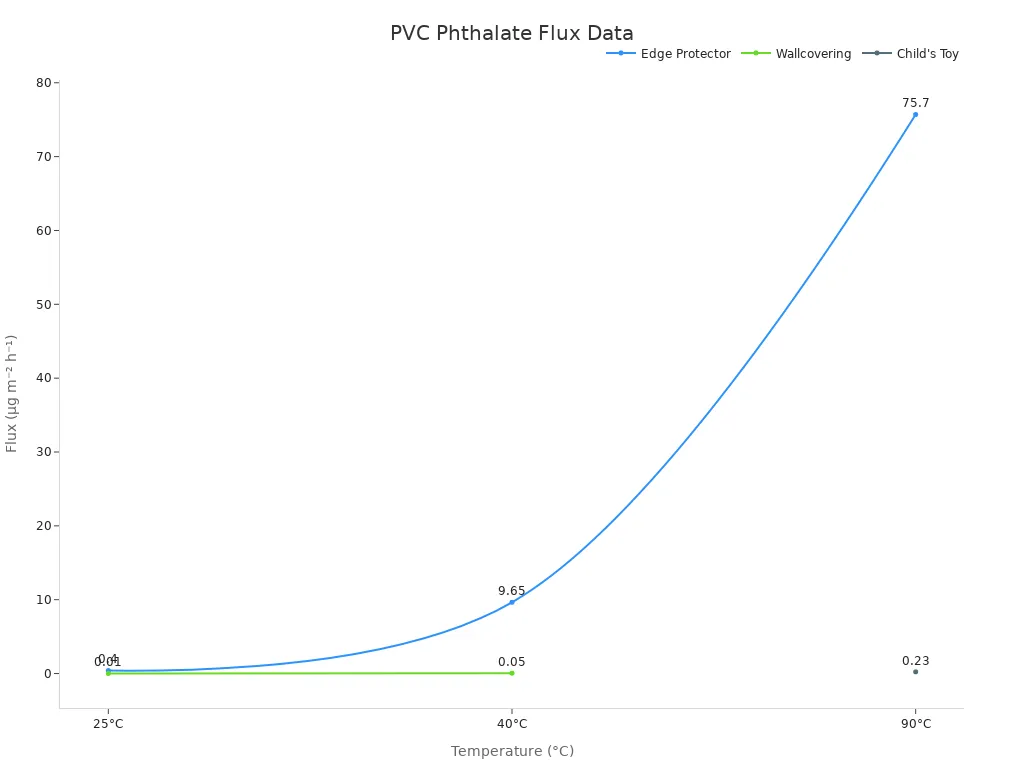
You might notice that the flooring industry often uses “vinyl” to refer to products made from polyvinyl chloride. This distinction matters because chemical additives in vinyl flooring can affect safety, recycling, and even market trends. Understanding polyvinyl chloride vs vinyl helps you make safer flooring choices for your home.
Polyvinyl Chloride vs Vinyl: Defining the Terms
What Is Polyvinyl Chloride (PVC)?
You may see polyvinyl chloride in many products around your home. Polyvinyl chloride is a synthetic plastic polymer. Manufacturers create it by joining many small vinyl chloride molecules together. This process forms a strong, flexible material. Polyvinyl chloride stands out for its durability, chemical resistance, and ability to be shaped into many forms. Experts at Armstrong Flooring and Advanced Plastiform explain that polyvinyl chloride is a thermoplastic, which means it softens when heated and hardens when cooled. You find polyvinyl chloride in pipes, window frames, and especially in vinyl flooring. Its waterproof and fire-resistant qualities make it a popular choice for flooring in kitchens, bathrooms, and basements. Scientific studies show that polyvinyl chloride can resist acids, alkalis, and many solvents, making it safe for many indoor uses.
The Chemical Structure of Vinyl
Vinyl is a word you hear often in the flooring world. Chemically, vinyl refers to a group of molecules that contain a specific structure: two carbon atoms double-bonded to each other, with one attached to a hydrogen atom and the other to a group called a substituent. When you look at vinyl flooring, you are really looking at products made from polyvinyl chloride. The vinyl group is the building block for polyvinyl chloride. By linking many vinyl chloride units, you get the strong and flexible polyvinyl chloride polymer. This structure gives vinyl flooring its strength, flexibility, and resistance to moisture.
Vinyl vs PVC: Industry Terminology in Flooring
You might feel confused by the terms vinyl and polyvinyl chloride. In the flooring industry, vinyl is a broad term for resilient flooring products. These include sheet vinyl, luxury vinyl tile, and vinyl plank flooring. However, the main ingredient in all these products is polyvinyl chloride. Industry research, such as the report from ‘Innovations in Resilient Flooring,’ explains that vinyl refers to the product category, while polyvinyl chloride is the chemical substance. This distinction matters because health and environmental concerns often focus on polyvinyl chloride, not just vinyl flooring in general. ASTM standards list vinyl as a separate category among resilient flooring types. When you compare polyvinyl chloride vs vinyl, remember that vinyl flooring always contains polyvinyl chloride as its main component. Understanding vinyl vs pvc helps you make better choices for your home and health.
Tip: When shopping for flooring, always check if the product uses polyvinyl chloride or if it is labeled as “PVC-free.” This can help you choose safer and more sustainable options.
Common Misconceptions About Vinyl and Polyvinyl Chloride
Many people feel confused when they hear the terms vinyl and polyvinyl chloride. You might think these words mean two completely different materials. In reality, the polyvinyl chloride vs vinyl debate often comes down to how people use the words, not what the products are made of. Vinyl is a broad term for many products, but in flooring, it almost always means polyvinyl chloride is the main ingredient.
You may also hear that all vinyl flooring is the same. This is not true. Manufacturers use different formulas for each type of vinyl flooring. Some products have extra layers for strength or special coatings for scratch resistance. Others use different plasticizers or additives to change how the flooring feels or looks. These changes affect how the flooring performs in your home.
Note: PVC, or polyvinyl chloride, is a synthetic material made from oil and salt. It is one of the most researched plastics in the world. Scientists have found that PVC is not much different from other plastics in terms of safety and performance. For example, PVC window frames can save energy because they keep heat inside better than aluminum frames.
Here are some common misconceptions you might hear about polyvinyl chloride vs vinyl in flooring:
- People often believe that vinyl and polyvinyl chloride are totally different, but vinyl flooring almost always contains polyvinyl chloride.
- Some think all vinyl products are low quality. In fact, vinyl flooring can be very durable and water-resistant.
- You may hear that all vinyl flooring is bad for the environment. While there are concerns about production and disposal, PVC offers benefits like energy efficiency and long life.
- Many believe that all vinyl flooring is unsafe. Most health concerns come from certain additives, not from polyvinyl chloride itself.
When you shop for flooring, knowing the truth about polyvinyl chloride vs vinyl helps you make better choices. You can look for products with safer additives and ask questions about how the flooring was made.
Chemical Composition of Vinyl Flooring
Polyvinyl Chloride as the Main Ingredient
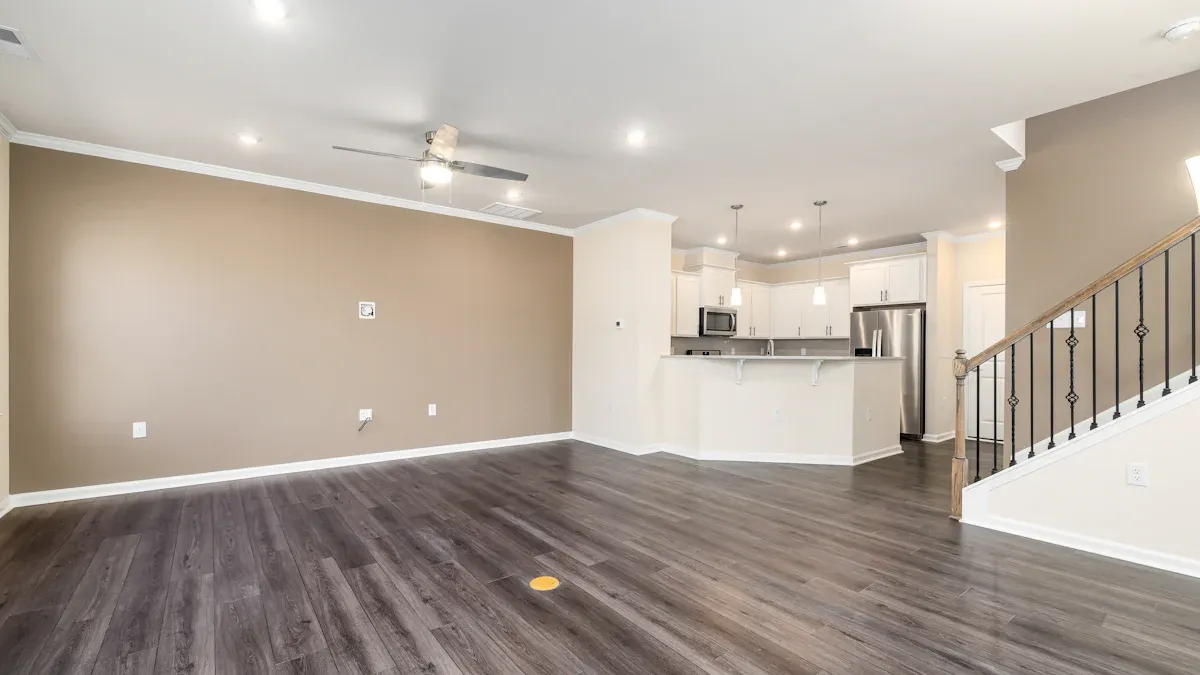
When you look at vinyl flooring, you see a product built mainly from polyvinyl chloride. Polyvinyl chloride, or PVC, forms the backbone of almost every vinyl flooring product you find in stores today. The U.S. Environmental Protection Agency and industry leaders confirm that manufacturers use polyvinyl chloride as the primary ingredient. This choice comes from PVC’s low cost, flexibility in design, and strong performance in homes and businesses. You benefit from a floor that resists water, stands up to daily wear, and offers many style options.
PVC flooring uses polyvinyl chloride in a way that lets you enjoy both durability and easy cleaning. Polyvinyl flooring and spc flooring both rely on this material for their core strength. The material composition and structure of polyvinyl chloride give vinyl flooring its unique qualities. You get a floor that can handle spills, heavy foot traffic, and even pets.
Note: Polyvinyl chloride is not just a plastic. It is a carefully engineered material that shapes how your vinyl flooring looks and performs.
Additives and Their Role in Vinyl Flooring
You might wonder why vinyl flooring feels soft underfoot or why it comes in so many colors and patterns. The answer lies in the additives mixed with polyvinyl chloride during production. Manufacturers add plasticizers, stabilizers, pigments, and fillers to change how the flooring behaves and looks.
Plasticizers, such as phthalates or newer alternatives, make PVC flexible and comfortable. Stabilizers protect the flooring from heat and sunlight, so it lasts longer. Pigments give you a wide range of colors and designs. Fillers help control cost and improve certain properties, like fire resistance.
Scientific studies show that these additives play a big role in how vinyl flooring performs. Over time, the industry has moved away from some older, riskier additives like DEHP and heavy metals. Now, you see safer plasticizers and stabilizers in most new pvc flooring. However, because these additives are not chemically bonded to the polyvinyl chloride, they can slowly leave the flooring and enter the air in your home. Researchers use advanced methods to study how these chemicals move and how they might affect your health.
| Additive Type | Purpose in Vinyl Flooring | Example Additives |
|---|---|---|
| Plasticizers | Flexibility, comfort | DOTP, DEHP, DINCH |
| Stabilizers | Heat and UV protection | Calcium-zinc, organotin |
| Pigments | Color and design | Titanium dioxide, iron oxides |
| Fillers | Cost control, fire resistance | Calcium carbonate |
Tip: Ask about the types of additives used in your vinyl flooring. Choosing products with safer additives can help protect your indoor air quality.
How Chemical Composition Impacts Flooring Performance
The chemical composition of your vinyl flooring affects more than just appearance. It shapes how the floor feels, how long it lasts, and how safe it is for your family. When manufacturers adjust the mix of polyvinyl chloride and additives, they can make the flooring harder, softer, more flexible, or more resistant to damage.
Studies show that changes in the material composition and structure of flooring materials lead to real differences in performance. For example, adding more plasticizer can make the floor softer and easier to install, but it may also increase the chance of chemical emissions. Using different stabilizers can improve resistance to sunlight and heat, which helps your floor look new for longer.
You also see these effects in spc flooring, which uses a special core made from stone powder and polyvinyl chloride. This combination gives you a floor that resists dents and water even better than standard polyvinyl flooring.
Callout: The right chemical composition can make your vinyl flooring last longer, look better, and stay safer for your family.
When you choose vinyl flooring, you are really choosing a blend of polyvinyl chloride and carefully selected additives. This blend determines how your floor will perform in your home for years to come.
Vinyl Flooring: Types and Manufacturing Processes
Types of Vinyl Flooring Products
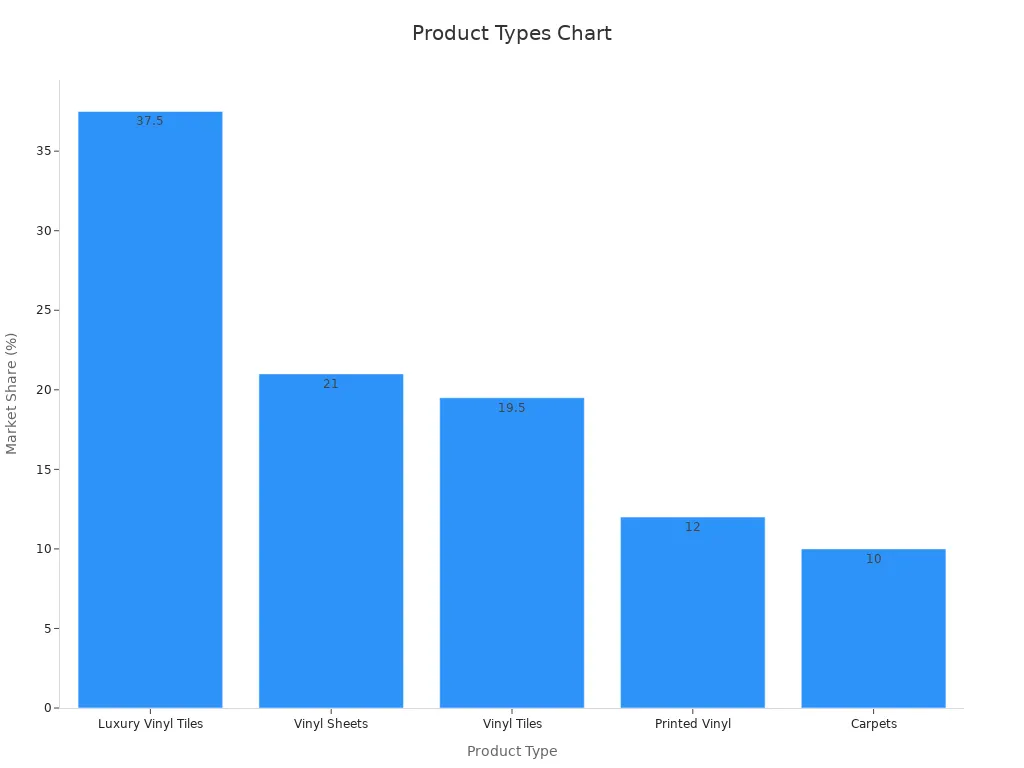
You can choose from many types of vinyl flooring for your home or business. The market offers luxury vinyl tile, vinyl sheets, vinyl planks, and vinyl composition tiles. Each type has its own benefits and uses. Luxury vinyl flooring stands out for its realistic look and strong wear layer. Vinyl sheets cover large areas quickly and cost less. Vinyl planks give you the look of wood with easy care. Vinyl composition tiles work well in busy places like schools and hospitals.
| Product Type | Description and Benefits | Main Application |
|---|---|---|
| Luxury Vinyl Tile | Durable, water-resistant, many designs | Homes, offices |
| Vinyl Sheet Flooring | Easy to install, covers big spaces, affordable | Hospitals, schools, kitchens |
| Vinyl Plank Flooring | Looks like wood, simple to clean, strong | Living rooms, bedrooms |
| Vinyl Composition Tiles | Tough, many colors, budget-friendly | Commercial, high-traffic areas |
You will also see different installation methods, such as glue-down, loose lay, and click systems. These types of vinyl flooring make it easy to find the right fit for any space.
How Vinyl Flooring Is Made
You might wonder how manufacturers create vinyl flooring. The process starts with raw materials like polyvinyl chloride resin, plasticizers, stabilizers, pigments, and fillers. Workers blend these to form a vinyl compound. Next, machines heat and shape the compound using calendering or extrusion. This step forms sheets or planks with the right thickness.
Manufacturers then press layers together under heat and pressure. They add a design film and a strong wear layer. A UV coating protects the surface and makes cleaning easy. After cooling, machines cut the flooring to size. Quality control checks every piece for defects, strength, and safety. Research and development teams keep improving the process. They focus on energy savings, waste reduction, and better performance.
Tip: Modern factories use automation and strict quality checks to make sure your vinyl flooring lasts and stays safe.
The Role of Polyvinyl Chloride in Manufacturing
Polyvinyl chloride plays the most important role in making vinyl flooring. This material gives your floor its strength, flexibility, and long life. Polyvinyl chloride is a thermoplastic, so it softens with heat and hardens as it cools. This property lets manufacturers mold it into many shapes and textures.
Polyvinyl chloride resists chemicals, water, and everyday wear. It also helps spc flooring and spc vinyl flooring stay stable and tough. You will find that spc flooring uses a mix of stone powder and polyvinyl chloride for extra strength. This makes spc flooring and spc vinyl flooring perfect for busy homes and businesses. Polyvinyl chloride’s unique features make it the backbone of all types of vinyl flooring, including luxury vinyl flooring, luxury vinyl tile, and luxury vinyl plank.
Polyvinyl Chloride vs Vinyl: Side-by-Side Comparison in Flooring
Chemical Structure and Ingredients
When you compare vinyl vs pvc in flooring, you see important differences in chemical structure and ingredients. Polyvinyl chloride, or PVC, is a polymer made from vinyl chloride monomers. This polymer contains about 57% chlorine. In flooring, manufacturers rarely use pure PVC. Instead, they mix PVC resin with many additives. These additives include plasticizers, heat stabilizers, lubricants, flame retardants, pigments, and fillers. Sometimes, the actual PVC content in pvc flooring can be as low as 25% by mass. The rest comes from these additives, which change the flexibility, color, and strength of the flooring.
Vinyl, as a term, covers a broad group of materials. In flooring, vinyl almost always means a product made with PVC as the main ingredient. However, other types of vinyl exist, such as polyvinyl acetate or polyvinyl alcohol, but these are not used in flooring. The key differences in flooring come from the types and amounts of additives used. For example, spc flooring uses a special mix of stone powder, PVC, and stabilizers. This gives spc flooring a dense, rigid core that improves durability and dent resistance.
| Aspect | Polyvinyl Chloride (PVC) | Vinyl (General) |
|---|---|---|
| Chemical Structure | Linear polymer of vinyl chloride monomers (CH2=CHCl) with ~57% chlorine content | Broad category of polymers containing vinyl group (-CH=CH2), including PVC, PVAc, PVA, etc. |
| Ingredients | PVC polymer plus additives: plasticizers, heat stabilizers, lubricants, flame retardants, fillers, pigments, biocides, blowing agents | Various vinyl polymers with differing chemical compositions depending on type (e.g., PVAc, PVA) |
| Flexibility | Typically rigid but can be softened with plasticizers to increase flexibility | Can be flexible or rigid depending on polymer type and formulation |
| Application in Flooring | PVC is widely used, often plasticized for flexibility; actual PVC content can be as low as 25% by mass with additives making up the rest | Vinyl as a category includes materials used in flooring but also in other products like records, synthetic leather, upholstery |
| Environmental Concerns | Manufacture releases toxic chlorine gas; recycling requires special processes due to additives and chlorine content | Vinyl materials vary; some (like PVAc) are less harmful environmentally than PVC |
| Recyclability | Recyclable but requires removal of additives and special handling | Vinyl materials including PVC can be recycled with proper sorting and techniques |
Note: The many additives in pvc flooring help improve performance, but they also make recycling more difficult and can raise environmental concerns.
Durability and Performance Differences
You want your flooring to last, especially in busy spaces. Durability and longevity depend on the type of vinyl flooring you choose. Standard pvc flooring uses flexible vinyl layers. These layers make the floor softer, but they also make it more likely to dent or scratch. In contrast, spc flooring stands out for its strength. SPC stands for Stone Plastic Composite. Manufacturers make spc flooring by combining about 60% limestone powder with PVC and stabilizers. This creates a dense, rigid core that resists dents and scratches much better than regular pvc flooring.
Performance tests show clear differences. For example, spc flooring has a dent resistance of about 1500 psi, while pvc flooring only reaches about 800 psi. Scratch resistance is also higher in spc flooring, with a pencil hardness of 4H compared to 3H for standard pvc flooring. The wear layer on spc flooring is thicker, often 20 mil or more, which helps it last longer in commercial spaces. You can expect spc flooring to last 15 to 25 years, while pvc flooring may only last 10 to 15 years.
| Flooring Type | Dent Resistance (psi) | Scratch Resistance (Pencil Hardness) | Wear Layer Thickness | Expected Lifespan (Commercial) | Indentation Recovery |
|---|---|---|---|---|---|
| SPC (Luxury Vinyl) | Higher dent resistance (~1500 psi) | Higher scratch resistance (4H) | Thicker wear layer (20+ mil) | Longer lifespan (15-25 years) | Full recovery (100%) |
| PVC Flooring | Lower dent resistance (~800 psi) | Lower scratch resistance (3H) | Thinner wear layer (0.2-0.3 mm) | Shorter lifespan (10-15 years) | Partial recovery (85-95%) |
In real-world settings, spc flooring has shown almost no wear after five years in busy hospitals. On the other hand, hotels with standard vinyl flooring often need to replace high-traffic areas after only three years. The higher density and special core of spc flooring make it a top choice for durability and longevity.
Callout: If you want the best durability, choose spc flooring. It resists dents, scratches, and heavy use better than standard pvc flooring.
Safety and Health Considerations
When you think about safety and health, you need to look at what goes into your flooring and what comes out of it over time. Both pvc flooring and vinyl flooring can release chemicals into the air. These chemicals include volatile organic compounds (VOCs) and phthalates. Phthalates are plasticizers that make flooring flexible, but they can also cause health problems. Studies show that children living with vinyl flooring have higher levels of phthalates in their bodies. These chemicals link to asthma and other respiratory problems.
PVC flooring can also release toxic gases like hydrogen chloride and dioxins if it burns. Some manufacturers use organotin compounds as stabilizers in pvc flooring. These chemicals can harm the nervous system and make recycling more dangerous for workers. The production of pvc flooring often uses toxic substances such as asbestos, mercury, and PFAS. These chemicals can harm workers and people living near factories.
You can lower health risks by choosing phthalate-free and certified low-emission vinyl flooring. Look for certifications like FloorScore and GreenGuard Gold. These labels show that the flooring meets strict standards for indoor air quality. Good ventilation in your home also helps reduce exposure to VOCs.
- PVC flooring releases toxic gases when burned, which can be dangerous in a fire.
- Vinyl flooring emits VOCs and phthalates, which can affect indoor air quality.
- Some additives in pvc flooring, like organotin compounds, pose health risks.
- Recycling pvc flooring is difficult and can release microplastics.
- Product quality and manufacturing methods affect the level of health risk.
- Choosing certified, low-emission vinyl flooring and keeping rooms well-ventilated can help protect your health.
Tip: Always ask for safety certifications when you buy vinyl flooring. This helps you avoid products with harmful chemicals.
When you look at the key differences in flooring, you see that spc flooring and other high-quality vinyl flooring types offer better durability and often safer options. Polyvinyl flooring with fewer harmful additives and strong certifications can give you peace of mind for your family.
Environmental Impact of Vinyl Flooring
When you choose vinyl flooring, you need to think about more than just how it looks or feels. The environmental impact of pvc and spc flooring matters for your home and the planet. You can see big differences in how these products affect the world around you.
Raw Materials and Manufacturing
Vinyl flooring starts with pvc, which comes from oil and salt. The process to make pvc uses a lot of energy. Factories release greenhouse gases and sometimes toxic chemicals during production. You may not see this at home, but it affects air and water near the factories. When you pick spc flooring, you choose a product that mixes pvc with stone powder. This stone powder comes from natural sources and helps reduce the amount of pvc needed. Using less pvc can lower the impact on the environment.
Tip: Ask your flooring supplier if they use recycled pvc or energy-saving methods in their manufacturing process.
Use and Durability
You want your flooring to last a long time. Durability helps the environment because you do not need to replace your floor as often. Spc flooring stands out for its durability. You can use spc flooring in busy areas, and it will resist dents, scratches, and water damage. This means you throw away less flooring over time. When you use spc flooring, you help reduce waste in landfills. The long lifespan of spc flooring also means fewer resources get used for repairs or new floors.
| Flooring Type | Average Lifespan | Durability | Replacement Frequency |
|---|---|---|---|
| Standard PVC | 10-15 years | Medium | Higher |
| SPC Flooring | 20-25 years | High | Lower |
Indoor Air Quality
You care about the air you breathe at home. Some vinyl flooring can release chemicals called VOCs (volatile organic compounds). These chemicals can affect your health and the environment. Spc flooring often uses safer additives and releases fewer VOCs. You can look for certifications like FloorScore or GreenGuard Gold. These labels show that the flooring meets strict air quality standards.
Note: Good ventilation in your home helps lower the impact of any emissions from pvc or spc flooring.
Recycling and End-of-Life
When your flooring reaches the end of its life, you need to think about what happens next. Recycling pvc and spc flooring is hard because of the many additives and layers. Most old vinyl flooring ends up in landfills. Pvc does not break down easily. It can stay in the ground for hundreds of years. Burning pvc flooring can release toxic gases, which harm the air and people nearby.
Some companies now collect old spc flooring and recycle it into new products. This process is still new, but it can help lower the impact on the environment. You can ask your flooring supplier if they offer recycling programs for spc flooring.
Environmental Pros and Cons Table
| Aspect | SPC Flooring | Standard PVC Flooring |
|---|---|---|
| PVC Content | Lower (uses stone powder) | Higher |
| Durability | Very high | Medium |
| Lifespan | 20-25 years | 10-15 years |
| VOC Emissions | Lower (with safe additives) | Can be higher |
| Recyclability | Difficult, but improving | Difficult |
| Landfill Impact | Lower (less frequent disposal) | Higher |
How You Can Make a Greener Choice
You can help the environment by choosing spc flooring with recycled content. You can also look for products with eco-friendly certifications. Ask about the source of the pvc and the use of safe additives. When you care for your spc flooring, you make it last longer and reduce waste. You can also support recycling programs when you replace your old flooring.
Callout: Every time you choose durable spc flooring, you help protect the environment by reducing waste and saving resources.
You play a big role in the environmental impact of your home. By learning about pvc, vinyl, and spc flooring, you can make choices that are better for your family and the planet.
Making an Informed Flooring Choice
Factors to Consider When Choosing Vinyl Flooring
You want flooring that fits your life and your home. Start by thinking about your daily routine. If you have children or pets, you need flooring solutions with high durability and easy cleaning. Many residential spaces benefit from spc flooring because it resists scratches, dents, and water. This type of vinyl flooring stands up to heavy use and lasts for years.
Affordability matters for most families. Vinyl flooring offers a lower cost than hardwood or stone. You can find spc flooring that matches your budget and still delivers strong performance. Look for transparent pricing so you can compare the true cost of different types. Installation is another key factor. Many spc flooring products use click-lock or loose-lay systems. These make installation quick and simple, even for DIY projects.
Design variety lets you match your style. Vinyl flooring comes in many colors and patterns. You can choose flooring solutions that look like wood or stone. Water resistance is important for kitchens and bathrooms. Spc flooring keeps water out and protects your home.
Tip: Read consumer reviews and ratings to learn how different types of vinyl flooring perform in real homes.
Questions to Ask About Vinyl vs PVC Products
When you shop for residential flooring, ask questions to make sure you get the best value. Here are some important questions:
- What is the main material in this flooring? Is it spc, standard vinyl, or another type?
- How does the durability compare between spc flooring and other types?
- What is the expected lifespan and cost of this flooring?
- Does the product use phthalate-free or low-VOC materials for better indoor air quality?
- What installation methods are available? Can you install it yourself?
- Are there money-back guarantees or trial periods to reduce risk?
- How does this product compare to laminate vs vinyl flooring in terms of cost, durability, and installation?
- Does the supplier offer recycling programs for old spc flooring?
| Key Factor | What to Ask Your Supplier |
|---|---|
| Durability | How does spc flooring resist scratches and dents? |
| Cost | What is the total cost, including installation? |
| Installation | Is click-lock or loose-lay installation available? |
| Types | Which types of spc flooring are best for residential use? |
| Affordability | Are there options that fit your budget? |
You can make a smart choice by comparing features, cost, and installation options. This helps you find the right spc flooring for your residential needs.
You now know that vinyl flooring in residential spaces uses pvc as its main ingredient. Chemical differences in pvc, spc, and additives shape the cost, safety, and durability of your flooring. Research shows that the right flooring can improve cleanliness and health by making cleaning easier and reducing exposure to harmful substances. In residential settings, spc flooring stands out for its long life and lower cost over time. Understanding terms like spc, pvc, and vinyl helps you make smart choices for your home’s safety, cost, and environmental impact.
FAQ
What is the main difference between vinyl flooring and laminate flooring?
You will find that vinyl flooring uses polyvinyl chloride as its main ingredient. Laminate flooring uses a wood-based core with a printed surface. Vinyl resists water better. Laminate flooring feels more like real wood under your feet.
Can you install vinyl flooring over old laminate?
You can install vinyl flooring over old laminate if the surface is clean, dry, and level. Remove any loose boards. Make sure the old laminate flooring does not have moisture damage before you start.
Is vinyl flooring safer than laminate flooring for families?
Vinyl flooring can release chemicals like VOCs. Laminate flooring may also emit VOCs from adhesives. You should look for products with safety certifications. Good ventilation helps keep indoor air healthy for your family.
How do you clean and maintain vinyl and laminate flooring?
You can sweep or vacuum both types of flooring. Use a damp mop for vinyl flooring. For laminate flooring, avoid too much water. Use cleaners made for each type to keep your floors looking new.
Tip: Always check the manufacturer’s care guide for the best cleaning methods.




