
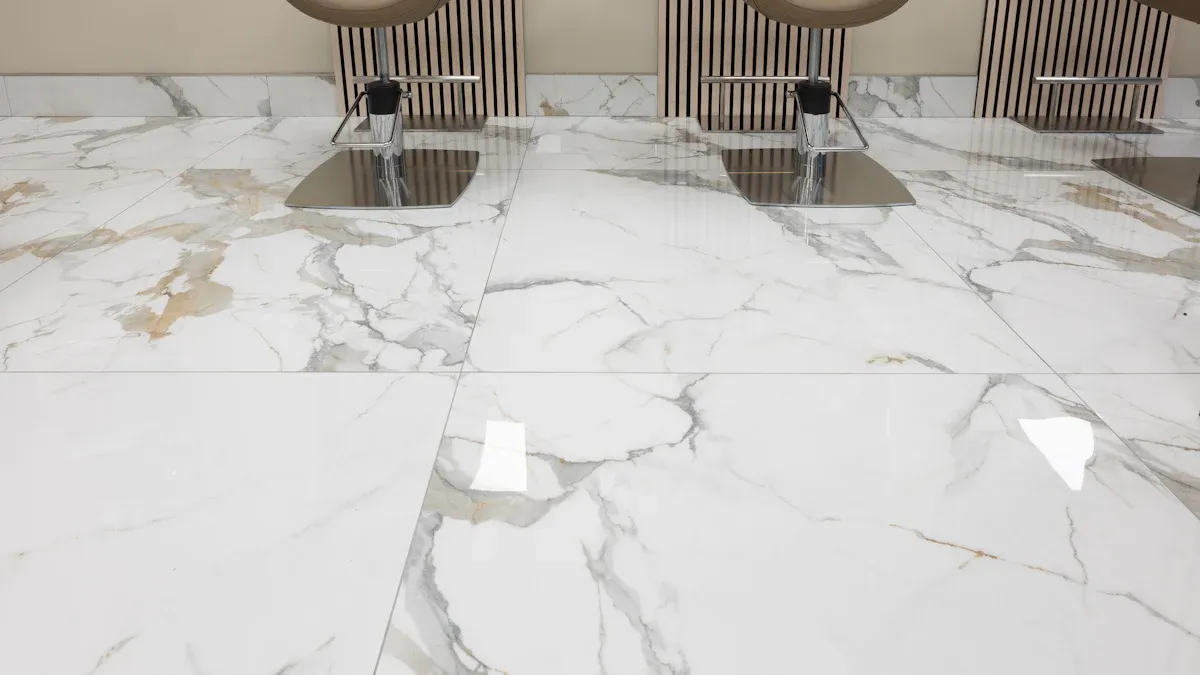
You might wonder, is pvc and vinyl the same? In the world of flooring, many people use these words as if they mean exactly the same thing. However, pvc is a type of vinyl, made from polyvinyl chloride, while vinyl can describe a broader group of plastics. The popularity of both keeps growing. Take a look at the latest numbers:
| Metric | Value | Timeframe/Region |
|---|---|---|
| Global vinyl flooring market size | USD 38.94 billion | 2024 |
| % of North American renovations with LVT | Over 70% | 2023 |
| Asia-Pacific year-on-year volume increase | 8.5% | Recent years |
Understanding is pvc and vinyl the same helps you make better choices for your home.
Is PVC and Vinyl the Same in Flooring?
The Relationship Between Vinyl and PVC
You may often hear people ask, “is pvc and vinyl the same?” The answer is not as simple as it seems. PVC stands for polyvinyl chloride. It is a type of plastic made from vinyl chloride. When you see the word vinyl in flooring, it can mean a group of materials that include PVC. Many people use the terms vinyl and pvc as if they mean the same thing, but there are important differences.
Let’s look at how these materials compare in flooring:
| Aspect | PVC (Polyvinyl Chloride) Flooring | Vinyl Flooring (Tiles) |
|---|---|---|
| Material Identity | PVC is the chemical name; vinyl is often used to refer to the same material in tile form | Vinyl refers to flooring sold in tiles, often considered the same material as PVC but differing in form |
| Form | Typically sold in rolls | Sold in tiles of various sizes |
| Load Resistance | Vinyl tiles withstand higher loads | Vinyl tiles have better impact resistance |
| Flexibility & Softness | PVC tiles are softer, more flexible, with a rubber-like structure | Vinyl tiles are soft and adapt to the floor, absorbing sound well |
| Installation System | PVC rolls are laid differently than vinyl tiles which use a click system | Vinyl tiles fit together like a puzzle with a click system |
| Sound Absorption | PVC is softer and quieter | Vinyl flooring is known for excellent sound absorption |
| Usage Examples | Used in shops, gyms, doctors’ surgeries, canteens due to softness | Vinyl tiles suitable for heavier use and frequent walking areas |
| Chemical Resistance | Both PVC and vinyl resist chemicals, oils, salts, and water | Both materials share chemical resistance properties |
This table shows that while there are similarities between pvc and vinyl floors, you will find differences in how they look, feel, and perform. For example, you might choose PVC rolls for a gym because they feel soft and quiet. You might pick vinyl tiles for a busy hallway because they handle heavy foot traffic well.
Common Misconceptions About Vinyl and PVC
You may notice that people often use the words vinyl and pvc interchangeably. This can cause confusion when you shop for flooring. Some believe that is pvc and vinyl the same in every way, but this is not true. You need to know what sets them apart so you can make the best choice for your space.
Here are some common misconceptions:
- Many think all vinyl flooring is made from pvc, but vinyl can also mean other types of synthetic flooring.
- Some believe that pvc and vinyl have the same durability. In reality, products like SPC (stone plastic composite) vinyl flooring last longer and resist damage better than regular pvc flooring.
- People often assume installation is the same for both. PVC rolls and vinyl tiles use different methods. Vinyl tiles often use a click system, while pvc rolls are glued or laid flat.
- You might hear that both materials work in any room. In fact, you should choose based on how much traffic, moisture, and wear the floor will face.
Tip: Always check the product label and ask questions before you buy. This helps you avoid surprises and get the right flooring for your needs.
When you look at consumer preferences, you see that people want affordable, durable, and easy-to-maintain floors. Reports show that many choose pvc for its water resistance and comfort. Others pick vinyl for its style options and strength in busy areas. The market now offers many choices, from luxury vinyl tiles to flexible pvc rolls, so you can find what fits your home or business.
Is pvc and vinyl the same? Not exactly. They share some features, but their differences matter when you want the best results for your flooring project.
What Is PVC Flooring?
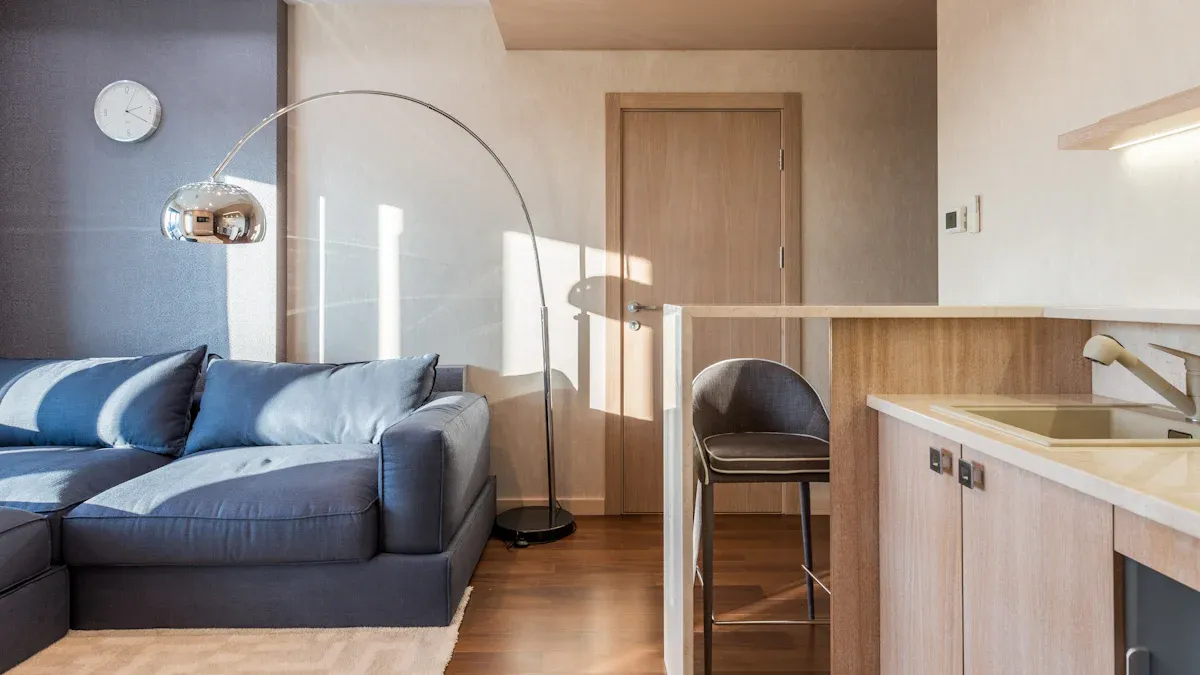
Composition and Structure of PVC
When you look at pvc flooring, you see a product designed for strength and comfort. Manufacturers start with polyvinyl chloride, a plastic made from common salt and natural gas. They process these raw materials into chlorine and ethylene, which combine to form the base polymer. This process, called free radical polymerization, creates a strong backbone for the material. Chlorine atoms in the structure give pvc its stiffness and chemical resistance.
To make pvc floor tiles flexible and durable, companies add plasticizers, stabilizers, and other chemicals. These additives help the tiles resist heat, water, and everyday wear. Health Product Declarations and Environmental Product Declarations list the exact ingredients, so you know what goes into your floor. You can trust that pvc flooring meets strict safety and quality standards.
PVC floor tiles stand out for their fire resistance and waterproof qualities. The material does not burn easily, and it keeps water from soaking through. This makes pvc flooring a smart choice for busy spaces. Studies show that pvc floor tiles can last 10 to 15 years, and sometimes even longer if you take good care of them.
Note: ASTM standards like F1700 and F1913 set the rules for testing the strength and stability of pvc floor tiles. These standards help ensure your floor will hold up under heavy use.
Typical Uses of PVC in Flooring
You will find pvc floor tiles in many places because they are tough and easy to clean. Hospitals, schools, and offices often use pvc flooring. These spaces need floors that can handle lots of foot traffic and still look good. Retail stores and hotels also choose pvc floor tiles for their durability and style options.
Here are some common places where you might see pvc flooring:
- Hospitals and healthcare centers
- Schools and universities
- Retail shops and shopping malls
- Offices and business centers
- High-traffic hallways and entryways
PVC floor tiles work well in homes too, especially in kitchens, bathrooms, and basements. The waterproof surface keeps spills from causing damage. Many commercial buildings in the U.S. use pvc flooring because it is cost-effective and easy to maintain. In Asia-Pacific, rapid urban growth has led to more pvc floor tiles in new buildings.
Design trends show that luxury vinyl tiles and advanced pvc flooring offer many colors and patterns. You can pick a style that matches your space while enjoying the benefits of a strong, quiet, and safe floor.
What Is Vinyl Flooring?
Types of Vinyl Flooring (Sheet, Plank, Tile)
You can choose from three main types of vinyl flooring: sheet, plank, and tile. Each type offers unique benefits for your home or business.
| Performance Metric | Sheet Vinyl | Vinyl Tile / Vinyl Plank |
|---|---|---|
| Durability & Stability | Less durable and stable; produced in large rolls | More durable and stable; hot-pressed for hard layers |
| Water Resistance | Superior due to fewer seams | Good, but seams can let water in if not cleaned quickly |
| Installation | Harder to install; needs a pro | Easier for DIY; click-lock or glue-down |
| Repairability | Hard to repair; may need full replacement | Easy to repair; swap out single pieces |
| Appearance & Design | Limited styles; best for seamless looks | Many styles; can look like wood or stone |
| Cost | Cheaper ($1–$4 per sq ft) | More expensive ($2–$5 per sq ft) |
| Suitability for High Traffic | Works but repairs are tough | Great for busy areas; easy to fix |
Sheet vinyl comes in large rolls. You get a smooth, waterproof surface with almost no seams. Vinyl plank and vinyl floor tiles come in smaller pieces. You can install them in patterns or designs that look like wood or stone. Planks feel softer and warmer underfoot, while tiles resist scratches and last longer. You might pick sheet vinyl for a bathroom and planks or tiles for a living room or hallway.
Modern product lines offer even more choices. For example:
| Product Line | Key Features | Warranty | Backing Type |
|---|---|---|---|
| FlexStep™ Pro | High performance, scratch and stain resistance | Lifetime limited residential | Not stated |
| CushionStep™ | Comfort, soft and warm feel | 25-year limited residential | Not stated |
| StrataMax Pro® | Budget-friendly, easy maintenance | 10-year limited residential | Stone-encapsulated felt |
| Felt-Backed Options | Traditional felt-based backing | Varies by product | Felt-backed |
How Vinyl Flooring Is Made
You might wonder how vinyl flooring gets its strength and style. The process starts with mixing PVC and special additives. These ingredients give the material its flexibility, color, and durability. Manufacturers create a base layer for stability. Next, they use high-resolution digital printing to add realistic patterns, such as wood grain or stone.
A clear wear layer goes on top. This layer protects against scratches and stains. Some brands use advanced coatings like Diamond 10 Technology for extra strength. The flooring then goes through curing and finishing steps. These steps add texture or shine and make the surface tough.
Quality control is important. Each batch gets tested for color, thickness, and durability. Any defects get fixed before packaging. Planks and tiles are shrink-wrapped, while sheet vinyl is rolled up for shipping.
Recent trends have improved vinyl flooring even more. Engineered Vinyl Click (EVC) technology makes installation faster and easier. Stone Polymer Core (SPC) flooring uses limestone and PVC for a strong, stable core. You now see wider planks, matte finishes, and waterproof options. These changes help vinyl flooring stay popular in homes and businesses.
Tip: Always check for a strong wear layer and a good warranty when you shop for vinyl flooring. This helps your floor last longer and look better.
Vinyl and PVC Difference in Flooring
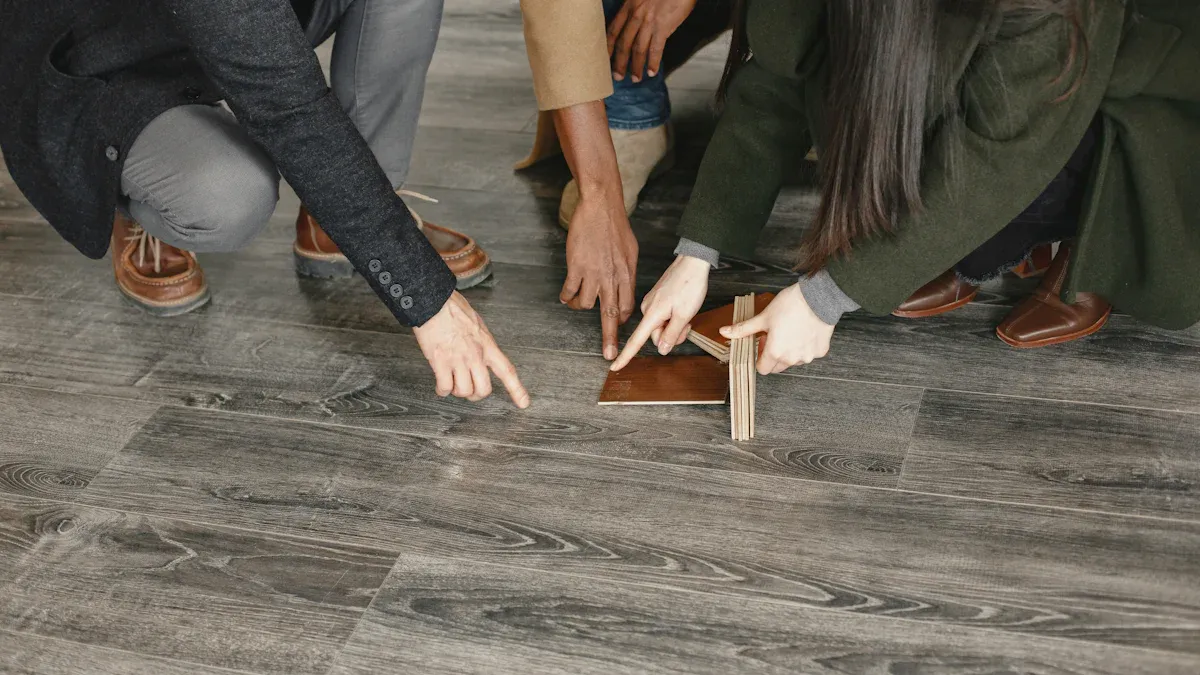
Durability and Performance
You want your floor to last, so understanding the difference between vinyl and pvc matters. Both types of flooring go through strict tests to measure how well they stand up to daily life. These tests include wear resistance, moisture resistance, flexibility, and impact resistance. Here is a table that shows some of the main tests used for both materials:
| Test Type | Description | Purpose |
|---|---|---|
| Wear Resistance | Measures resistance to abrasion | Ensures long-term durability under daily use |
| Moisture Resistance | Tests the floor’s ability to resist water | Ensures longevity in damp environments like kitchens |
| Flexibility Testing | Assesses the floor’s ability to bend without cracking | Ensures resilience in high-traffic areas |
| Impact Resistance | Tests how the floor holds up to heavy impacts | Ensures floor won’t crack or break under pressure |
Manufacturers use European standard EN 660-2 to test abrasion. This test uses rotating wheels to see how much the surface wears down. A newer test, prEN 14565, uses a hexapod to mimic real walking with sand, which gives you a better idea of how the floor will look after years of use.
Vinyl and pvc difference in performance shows up in real life. Vinyl tiles and planks often have a thicker wear layer, so they resist scratches and dents better. Pvc floor tiles feel softer and more flexible, which helps in places where you want comfort underfoot, like gyms or playrooms. Both types resist water, but vinyl flooring with a sealed surface keeps out spills and stains even better.
You should also know about health and environmental impacts. Studies show that phthalates in vinyl and pvc can release chemicals into the air. Some research links these chemicals to higher asthma risks, especially in children. Production of both materials can also release carbon dioxide and other pollutants, especially when factories use coal power. These facts help you weigh the pros and cons of each option.
Installation Methods
When you look at installation, you see another key difference between pvc and vinyl. Vinyl flooring comes in planks, tiles, or sheets. You can often install vinyl planks and tiles yourself using a click-lock system. This method snaps pieces together like a puzzle. Sheet vinyl usually needs glue and works best with a professional installer.
Pvc floor tiles often come in rolls or flexible tiles. You usually glue these down or lay them flat. This method works well for large, open spaces. Some pvc tiles use interlocking edges, but most need adhesive for a secure fit.
Here is a quick list of common installation methods and what you need to know:
- Click-lock (floating): Easy for DIY, used for vinyl planks and tiles.
- Glue-down: Used for both vinyl and pvc floor tiles, gives a strong hold.
- Loose lay: Some pvc tiles can be laid without glue, but only in low-traffic areas.
- Sheet installation: Sheet vinyl and pvc rolls need careful cutting and gluing.
Installation costs can change based on your location. In cities, labor costs for vinyl flooring range from $3 to $6 per square foot, which is higher than in rural areas. Floating or click-lock methods cost less for labor, while glue-down methods cost more. You may also pay extra for subfloor prep, removing old floors, or adding underlayment.
Tip: Always check your subfloor before installing. A smooth, clean surface helps your new floor last longer.
Appearance and Style Options
You want your floor to look good and match your style. The difference between pvc and vinyl shows up in the design choices you get. Vinyl flooring offers a wide range of patterns, colors, and textures. You can find vinyl planks that look like wood, stone, or ceramic. High-resolution printing and textured surfaces make vinyl floors look very realistic.
Pvc floor tiles also come in many colors and patterns, but they usually have a simpler look. You often see pvc tiles in solid colors or basic designs. These work well in schools, hospitals, or gyms where function matters more than style.
Here are some ways you can use style to your advantage:
- Choose vinyl planks for a wood-look floor in your living room.
- Pick pvc floor tiles for a bright, easy-to-clean surface in a playroom or gym.
- Use sheet vinyl for a seamless look in bathrooms or kitchens.
Vinyl and pvc difference in appearance can help you decide which fits your space best. Vinyl gives you more options for home design, while pvc tiles focus on comfort and durability in busy areas.
Note: Both vinyl and pvc flooring can fade if exposed to strong sunlight for long periods. Use curtains or blinds to protect your floors and keep them looking new.
Maintenance and Cleaning
You want a floor that looks good and stays clean with little effort. Both pvc and vinyl flooring offer surfaces that are easy to maintain. You can sweep or vacuum these floors every day to remove dust and dirt. For deeper cleaning, you only need a damp mop and a mild cleaner. Avoid using harsh chemicals or abrasive pads. These can scratch the surface or dull the shine.
Here are some simple steps to keep your floor looking new:
- Sweep or vacuum daily to pick up dirt and grit.
- Wipe up spills right away. Both pvc and vinyl are water resistant, but standing water can cause problems over time.
- Use a damp mop with a gentle floor cleaner once a week.
- Place mats at doors to catch dirt before it gets inside.
- Put felt pads under furniture legs to prevent scratches.
Tip: If you see scuff marks, use a soft cloth and a little baking soda to rub them away. This works well for both pvc and vinyl floors.
You will find that pvc floors in schools or hospitals handle heavy cleaning well. Vinyl planks and tiles in homes resist stains from food or drinks. Both types of flooring do not need waxing or polishing. This makes them easy to maintain and saves you time.
Cost Comparison
You want to know how much you will spend on your new floor. The difference between pvc and vinyl shows up in both the price you pay at first and the money you spend over time. Many people look at the initial cost, but you should also think about how long the floor will last and how much it costs to keep it looking good.
Here is a table that compares two popular types of flooring: SPC (Stone Plastic Composite) and LVT (Luxury Vinyl Tile, which is pvc-based):
| Cost Aspect | SPC Flooring (Stone Plastic Composite) | LVT Flooring (Luxury Vinyl Tile, PVC-based) |
|---|---|---|
| Initial Material & Installation Cost | $2.50 – $5.00 per sq.ft. | $2.00 – $4.50 per sq.ft. |
| Lifespan | 15 – 25 years | 10 – 15 years |
| Annual Maintenance Cost | Lower | Higher |
| Durability | Superior scratch and dent resistance | Moderate durability |
| Long-term Savings | 20-30% savings over time in commercial settings | Higher replacement and maintenance costs |
| Installation | Easier and bulk pricing available | Standard installation costs |
You can see that LVT, which uses pvc, often costs less at first. SPC costs a bit more, but it lasts longer and needs less care. Over time, you might save 20-30% with SPC in places like stores or offices because you do not have to replace it as often. LVT may need more repairs or replacement, which adds to the total cost.
When you choose between these floors, think about more than just the price tag. Consider how long you want the floor to last and how much work you want to do to keep it clean. If you want a floor that is easy to maintain and stands up to heavy use, SPC might be the better choice. If you need a lower upfront cost and plan to replace the floor sooner, LVT could work for you.
Note: Environmental rules can affect the cost of pvc flooring. Factories must follow safety and waste rules, which can change the price of the finished product.
The vinyl and pvc difference in cost and care can help you decide which floor fits your needs best. Always look at the total cost, not just the price per square foot.
Practical Implications: Choosing Between PVC and Vinyl
Best Uses for PVC and Vinyl Flooring
You want your flooring to match the needs of your space. Both PVC and vinyl flooring work well in different places. In busy areas like schools, hospitals, and gyms, PVC flooring stands out for its comfort and strength. You see it in places where people walk a lot and where cleaning happens often. Vinyl flooring, especially in tile or plank form, fits homes, offices, and stores. It gives you many style choices and handles spills and scratches well.
Many real-world projects show how you can use flooring to fit the space. For example:
- Airports and schools often use tile flooring for durability and easy cleaning.
- Commercial spaces like stadiums and recreation centers pick tiles for high-traffic areas.
- Homes use tile flooring for comfort and style, such as in bathrooms or kitchens.
In hospitals, designers choose vinyl sheet flooring for patient rooms because it is easy to clean and comes in bright colors. In lobbies, they might use terrazzo for a fancy look. Offices and showrooms use flooring to match their brand and make spaces feel modern. You can see how the right choice depends on what you want your floor to do.
If you look at satisfaction rates, you find that 87% of users like the look of vinyl tiles. They enjoy how vinyl can mimic wood or stone at a lower cost. About 90% say vinyl tile is easy to clean. Over 60% of homeowners find installation simple, thanks to click-lock and peel-and-stick options. These features save time and effort.
Factors to Consider (Room Type, Budget, Lifestyle)
When you pick between PVC and vinyl flooring, you need to think about your room, your budget, and your lifestyle. Each factor changes what works best for you.
-
Room Type
Kitchens and bathrooms need floors that resist water. Vinyl tiles and planks work well here because they keep out moisture and clean up easily. Bedrooms and living rooms need comfort and warmth. Carpet is common, but vinyl flooring also gives a soft feel and is easy to keep clean. In high-traffic areas, you want strong floors. PVC flooring and vinyl tiles both handle lots of footsteps. -
Budget
Your budget shapes your choices. Hardwood costs more, but vinyl flooring and PVC options give you style and strength at a lower price. Luxury vinyl plank and tile offer a high-end look without the high cost. If you want to save money, these floors make sense. -
Lifestyle
If you have kids or pets, you need floors that resist scratches and stains. Vinyl flooring and PVC tiles both work well. They are easy to clean and do not trap dust, which helps if you have allergies. If you want eco-friendly options, look for products with recycled content.
A study from Brazil used a life cycle assessment to compare flooring types over 30 years. Ceramic floors cost less but harm the environment more. Wood floors help the environment but cost more. Vinyl flooring costs the most but gives you a balance of style and function. Another study from Sri Lanka created a matrix to help you pick floors based on energy use, cost, comfort, and looks. Vinyl tile scored well for the environment and price.
Real estate trends show that luxury vinyl plank and tile are popular for kitchens, bathrooms, and busy spaces. They are waterproof, easy to clean, and look great. You get the best value when you match your floor to your room and needs.
Tip: Always match your flooring to your space, budget, and how you live. This helps your floor last longer and look better.
You might also notice that many people use PVC and vinyl for more than just floors. Products like pvc vinyl fence and pvc vinyl decking offer the same benefits—strength, easy care, and style. Homeowners choose vinyl fencing for privacy and curb appeal. You see pvc vinyl fence and vinyl fencing in many neighborhoods because they last long and need little upkeep. Pvc vinyl decking gives you a safe, slip-resistant surface for outdoor spaces. These products show how PVC and vinyl work well in many parts of your home.
PVC and vinyl flooring share some features, but they are not identical. You can make a smart choice when you know the difference.
- Think about your space and how much traffic it gets.
- Set your budget before you shop.
- Match the floor to your lifestyle and cleaning needs.
Remember: The right floor makes your home safer, more comfortable, and easier to care for.
FAQ
What is the main difference between PVC and vinyl flooring?
You will find that PVC is a specific type of vinyl polymer. Vinyl flooring can include several materials, but most modern vinyl floors use PVC as the main ingredient. The terms often overlap, but not all vinyl products are exactly the same as PVC.
Can you install PVC or vinyl flooring in bathrooms?
Yes, you can install both in bathrooms. These floors resist water and handle moisture well. You should always check the manufacturer’s instructions for best results. Proper installation helps prevent water from seeping underneath.
Is vinyl flooring safe for homes with kids and pets?
Vinyl flooring is safe for most homes. You should look for products labeled as phthalate-free or low-VOC. These options reduce chemical exposure. Always follow cleaning guidelines to keep your floor safe and healthy for everyone.
How long does PVC or vinyl flooring last?
You can expect PVC or vinyl flooring to last 10 to 25 years. The lifespan depends on the product quality and how well you care for it. High-traffic areas may show wear sooner, but regular cleaning helps extend the life.
How do you clean and maintain vinyl or PVC floors?
- Sweep or vacuum daily to remove dirt.
- Mop with a damp cloth and mild cleaner.
- Avoid harsh chemicals or abrasive pads.
Tip: Place mats at entrances to keep your floor looking new.




