
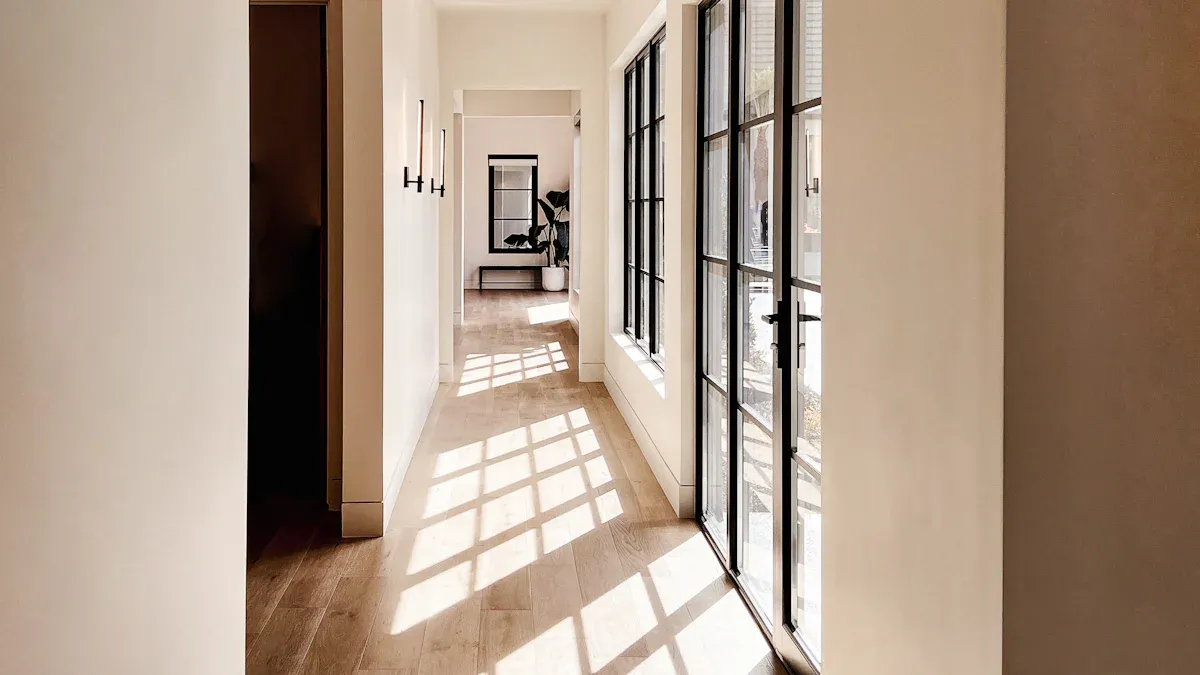
Vinyl lifeproof flooring gives you strong protection in busy homes. The waterproof construction keeps floors safe from spills and moisture. You get a 22-mil wear layer, which means this vinyl flooring resists scratches, stains, and fading even in high-traffic areas. Many families choose this durable flooring because it can last over 20 years with proper care.
| Performance Attribute | Details |
|---|---|
| Waterproof | 100% waterproof, ideal for kitchens and bathrooms |
| Scratch Resistance | Designed to protect against heavy wear and tear |
| Slip Resistance | 50% more slip resistant than ordinary tile |
You will notice that vinyl lifeproof flooring works well for busy spaces, but you should also think about possible downsides before making your choice.
What Is Vinyl Lifeproof Flooring?
Key Features of Vinyl Plank Flooring
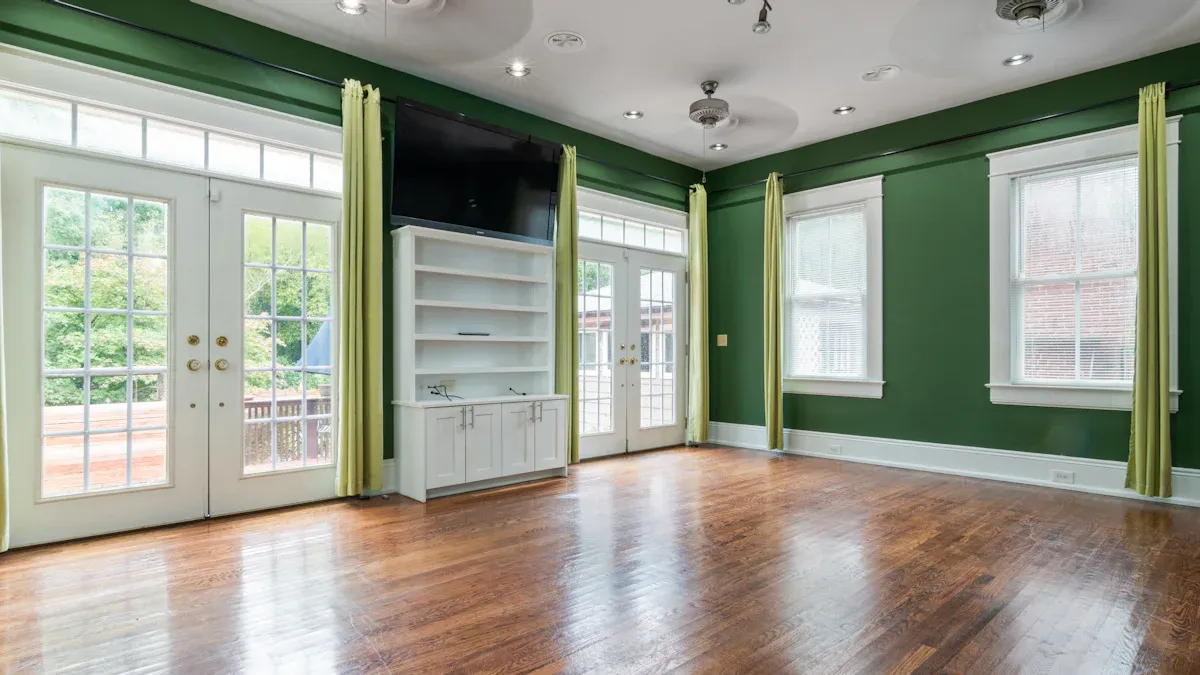
Vinyl plank flooring gives you a practical and stylish option for your home. You can use it in many places, such as kitchens, bathrooms, and living rooms. This type of flooring stands out because it is strong, easy to clean, and looks like real wood or stone. Many people choose vinyl plank flooring because it fits both homes and businesses.
Here is a table that shows the main features of vinyl plank flooring:
| Key Feature | Details |
|---|---|
| Versatility | Works in homes and businesses, including kitchens and bathrooms |
| Durability | Multi-layer design with PVC and fiberglass for strength and flexibility |
| Water Resistance | Handles moisture well, perfect for bathrooms and laundry rooms |
| Affordability | Costs less than real wood or stone |
| Ease of Installation | Click-lock system makes it simple to install |
| Ease of Maintenance | Needs only sweeping, mopping, and sometimes deep cleaning |
| Design Options | Offers many styles that look like wood or stone |
| Market Growth | Market value reached $29.10 billion in 2023 and keeps growing |
| Segment Growth | Luxury vinyl tiles grow fast because of realistic designs and good prices |
| Regional Demand | North America has high demand, especially in homes |
| Market Drivers | Urban growth and higher incomes increase demand |
How Vinyl Lifeproof Flooring Is Made
You get vinyl lifeproof flooring from a careful manufacturing process. Factories use a mix of plastic and stone powder to create a strong core. Workers use machines to press and shape the planks. Each plank gets a UV coating for extra protection. The click-lock system is added so you can install the flooring easily. Factories test every plank for quality before packaging. You can find many colors, textures, and thicknesses, so you can match your style. The process uses safe materials, and the flooring resists insects and mildew.
Why Vinyl Lifeproof Flooring Is Popular for High-Traffic Areas
You will notice that vinyl plank flooring is a top choice for high-traffic spaces. The 22-mil wear layer protects against scratches and dents. You can use it in busy rooms, like hallways and kitchens, without worrying about damage. The waterproof and anti-slip features make it safe for families and pets. Many people like that you can install it yourself, saving money. Vinyl flooring lasts up to 30 years with good care, so you get long-term value. The market keeps growing because more people want durable and stylish flooring for busy homes.
Pros of Vinyl Lifeproof Flooring
Waterproof Protection for High-Traffic Areas
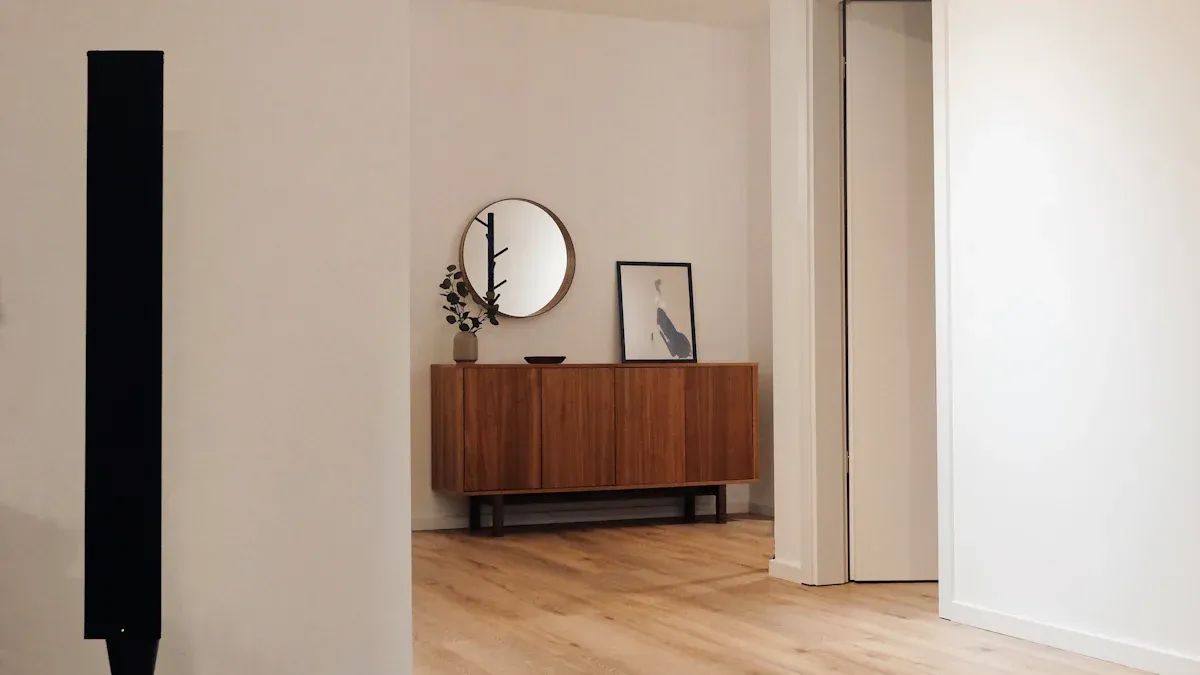
You want flooring that stands up to daily life, especially in busy spaces. Vinyl lifeproof flooring gives you 100% waterproof protection. The waterproof construction keeps water from soaking into the planks. You can use this flooring in kitchens, bathrooms, and laundry rooms without worry. Spills, splashes, and even pet accidents will not damage the floor. This waterproof flooring also helps prevent mold and mildew, which keeps your home healthier. You get peace of mind knowing your floors stay safe from moisture. Many families choose this option because it works well in high-traffic areas where water and dirt are common.
Tip: Waterproof floors are a smart choice for families with kids or pets. You can clean up messes quickly and keep your home looking fresh.
Durability and Scratch Resistance
You need durable flooring that can handle heavy use. Vinyl lifeproof flooring uses a 22-mil wear layer, which means it resists scratches, dents, and stains. The surface has a special scratch protect coating that guards against daily wear. You can move furniture or play with pets without worrying about damage. The rigid ISOCORE technology adds strength and hides small bumps in the subfloor. This makes the floor last longer and look better over time.
Here is a table that shows the key performance metrics for durability and scratch resistance:
| Performance Metric | Description |
|---|---|
| Wear Layer Thickness | 22 mil wear layer suitable for low and high traffic areas, indicating strong durability. |
| Scratch Protect Surface Coating | New coating described as the ultimate in scratch and stain resistance. |
| Warranty | Lifetime Residential Warranty backing durability claims. |
| Ultra-Fresh Treatment | Inhibits mold and mildew growth, contributing to surface integrity and longevity. |
| ISOCORE Technology | Provides a rigid core that enhances durability and hides subfloor imperfections. |
| Installation Type | Click lock system with pre-attached underlayment for comfort and stability. |
| Waterproof | 100% waterproof, adding to durability in various environments. |
You get a lifetime residential warranty, so you know the flooring will last. The ultra-fresh treatment stops mold and mildew, which helps the floor stay strong. You can trust this durable flooring to keep its good looks for years.
Easy Maintenance and Cleaning
You want floors that are easy to clean and care for. Vinyl lifeproof flooring makes this simple. You only need to sweep, vacuum, or mop with a damp cloth. You do not need special cleaners or wax. The surface resists stains, so spills wipe up fast. You save time and money because the maintenance costs are up to 60% lower than other types of flooring.
- You can clean vinyl floors with a vacuum, broom, or damp mop.
- You do not need special products to keep the floor looking new.
- The stain resistance means you can wipe up spills before they set.
- You can replace single planks if needed, which saves money over time.
- Deep cleaning every six months keeps the floor fresh and bright.
Vinyl flooring is easy to clean and maintain, which makes it a favorite in homes, hospitals, and hotels. The waterproof surface and stain resistance help you keep your floors looking great with little effort. You get a clean, healthy home without extra work.
Simple Installation with Click-Lock System
You can install vinyl lifeproof flooring with ease, even if you have never done a flooring project before. The click-lock system lets you connect each plank without glue or nails. This system creates a tight, waterproof seal that keeps your floors safe from spills and moisture. Many homeowners choose this flooring because of its easy installation process.
Here is a step-by-step overview of how you can install this flooring:
- Gather common tools like a jigsaw, tapping block, mallet, spacers, crowbar, and nail pulling pliers.
- Start by connecting the planks at the short ends.
- Angle and snap the long sides together using a tapping block and mallet.
- Use spacers to keep expansion gaps along the walls.
- Install transition strips by cutting metal brackets, screwing them into the subfloor, and snapping vinyl pieces into place.
- Keep the subfloor clean and level for best results.
- Handle the planks carefully to avoid damaging the locking edges.
You do not need professional training to complete this installation. Many people finish the job in a weekend. Once you lock the planks together, they stay secure and resist water. Reviews show that the click-lock system holds up well over time, even in busy homes. You get a floor that looks great and lasts for years.
Tip: Always check that your subfloor is clean and dry before starting. This helps the planks fit together smoothly and keeps your flooring stable.
Comfort and Noise Reduction Benefits
You want your home to feel comfortable and quiet. Vinyl lifeproof flooring gives you both. The planks have a built-in underlayment that adds a soft feel underfoot. You can walk, stand, or play on this flooring for hours without discomfort. The surface stays warm, even in cooler months, so you do not get cold feet.
This flooring also helps reduce noise. The multi-layer design absorbs sound, making your rooms quieter. You will notice less echo and fewer footsteps, which is helpful in busy homes with kids or pets. The underlayment blocks noise from traveling between floors, so you enjoy more peace and privacy.
Many people choose luxury vinyl tile for bedrooms, living rooms, and playrooms because of these comfort features. You get a soft, quiet surface that makes your home more enjoyable.
Note: If you want even more comfort, you can add area rugs or mats on top of your vinyl flooring. This gives extra cushioning and style.
Style and Design Variety
You can match any room in your home with the wide range of styles offered by vinyl lifeproof flooring. This flooring comes in many colors, from bright whites to deep browns and grays. You can choose patterns that look like real wood, stone, or even abstract designs. The variety lets you create a modern, rustic, or classic look.
- You will find luxury vinyl tile in different plank sizes. Wide planks make rooms feel bigger, while narrow planks add a cozy touch.
- Textures range from smooth to embossed, so you can pick a finish that feels just right.
- The designs mimic natural materials, giving you the look of hardwood or stone without the high cost or maintenance.
Luxury vinyl tile stands out for its realistic appearance and flexibility. Consumer reports praise this flooring for its value and style options. You can update your kitchen, bathroom, or living room with a look that fits your taste. Compared to other brands, this flooring offers more choices at a better price. You get both beauty and durability in one package.
Callout: With so many design options, you can refresh your space without a major renovation. Try mixing plank sizes or colors for a custom look.
Cons of Vinyl Lifeproof Flooring
Potential for Scratching and Dents
You may expect vinyl plank flooring to resist all damage, but it still has some weaknesses. Heavy furniture, sharp objects, or dragging chairs can leave scratches or dents on the surface. The top wear layer protects against most daily wear, but it does not make the flooring indestructible. If you drop something heavy or move appliances without padding, you might see marks or even small tears.
- Softness in the core can make dents more likely, especially in high-traffic areas.
- Deep scratches may show up if you have pets with sharp claws or if you use rolling chairs often.
- Sunlight can cause color fading over time, especially in rooms with large windows.
Tip: Place felt pads under furniture legs and use rugs in busy spots to help protect your vinyl plank flooring.
Expert reviews point out that while vinyl plank flooring offers good durability, it can still suffer from dents and scratches. Some users also find it hard to remove glue if you choose a glue-down installation. You should think about these risks, especially if your home has a lot of activity or heavy furniture.
Pattern Repetition and Visual Appearance
When you install vinyl plank flooring, you want it to look as natural as possible. Many brands, including Lifeproof, design their planks to mimic real wood or stone. However, pattern repetition can sometimes affect the overall look of your flooring. In large, open rooms, you might notice the same grain or knot pattern repeating across the floor. This can make the surface look less authentic.
The Allure Vinyl Flooring review shares that repeating patterns become more noticeable in big spaces. This is a common concern for homeowners who want a natural look. Some Lifeproof products, like Scratch Stone, use more pattern variation to avoid this problem. These designs help your flooring look more realistic and less artificial. On the other hand, products like Shenandoah Oak may still show some repetition, especially if you use them in wide, open areas.
If you want to reduce pattern repetition, try mixing planks from different boxes during installation. This simple step can help your vinyl plank flooring look more like real wood or stone.
Environmental Impact of Vinyl Plank Flooring
You may wonder about the environmental impact of vinyl plank flooring. The production and disposal of this type of flooring raise some concerns. Vinyl plank flooring uses PVC, a plastic material that can release harmful chemicals during manufacturing and when burned. Studies from the Ecology Center’s Healthy Stuff Lab found that older vinyl flooring contained toxic chemicals like phthalates and other hazardous substances. These chemicals can harm both the environment and human health.
- Major retailers have worked to remove phthalates and contaminated recycled vinyl from their flooring products.
- Testing in 2018 showed no detectable phthalates in new vinyl plank flooring, which means manufacturers have made progress.
- Safer plasticizers now replace phthalates, but some questions remain about their long-term safety.
- The production of PVC can still release dangerous substances, such as chlorine gas, vinyl chloride, and dioxins.
- Environmental groups and architects recommend using greener materials when possible, such as bio-based linoleum.
Note: Certifications like FloorScore® and GREENGUARD show that many vinyl plank flooring products meet indoor air quality standards. However, industry experts and organizations like the American Institute of Architects still encourage you to consider the full environmental impact before choosing PVC-based flooring.
You should weigh the benefits of vinyl plank flooring against these environmental concerns. If sustainability is important to you, look for products with safety certifications or consider alternative flooring options.
Warranty Limitations and Coverage
When you choose vinyl Lifeproof flooring, you expect strong protection for your home. The warranty gives you peace of mind, but you need to know what it covers and what it does not. Most Lifeproof vinyl flooring comes with a limited lifetime residential warranty. This warranty promises that your floor will not wear out, stain, or fade under normal use.
However, you should read the fine print. The warranty often has limits. It may not cover damage from improper installation, accidents, or misuse. If you install the flooring in a commercial space, the warranty period is usually much shorter, sometimes only five or ten years.
Here is a table to help you understand common warranty terms:
| Warranty Feature | What It Means for You |
|---|---|
| Wear Layer Protection | Covers wear-through of the top layer |
| Stain and Fade Coverage | Protects against permanent stains and fading |
| Water Damage | Only covered if you follow installation guidelines |
| Transferability | Usually not transferable to new homeowners |
| Commercial Use | Shorter coverage period, often with more exclusions |
| Installation Errors | Not covered if you do not follow manufacturer’s steps |
Tip: Always keep your purchase receipt and follow the installation instructions. If you do not, you might lose your warranty coverage.
You should also know that some claims require you to prove that you maintained the floor properly. For example, if you use harsh chemicals or fail to clean up spills, the warranty may not apply. If you see a problem, contact the manufacturer right away. Waiting too long can make your claim invalid.
Subfloor Preparation Requirements
Before you install Lifeproof vinyl flooring, you need to prepare the subfloor. This step is very important. A good subfloor helps your floor last longer and look better. If you skip this step or do it poorly, you may see problems like shifting, uneven wear, or peeling.
You should always inspect the subfloor before starting. Look for cracks, moisture, or uneven spots. If you find any of these issues, fix them first. Moisture is a big concern, especially in kitchens, bathrooms, or basements. You may need to use a moisture barrier to keep water from damaging your new floor.
Here are key steps for proper subfloor preparation:
- Check for cracks or holes and repair them to create a smooth surface.
- Test for moisture, especially in areas with high humidity or risk of spills.
- Use a moisture barrier if needed to protect against water damage.
- Apply leveling compound to fix uneven spots and ensure stability.
- Clean the subfloor so no dust or debris remains.
- Follow the manufacturer’s adhesive guidelines if you use glue-down planks.
Note: Installation audits often check for moisture levels, surface evenness, and correct installation methods. These checks help make sure your floor stays safe, durable, and attractive.
If you skip subfloor preparation, you risk voiding your warranty. You also make it more likely that your floor will shift, peel, or wear out too soon. Take your time with this step. A well-prepared subfloor gives you the best results and helps your Lifeproof vinyl flooring last for many years.
Cost Overview of Vinyl Lifeproof Flooring
Material Costs
When you plan your flooring project, you want to know how much you will spend on materials. Lifeproof vinyl plank flooring offers a balance between quality and price. You can expect to pay between $2.50 and $4.00 per square foot for the material. This price puts Lifeproof in the mid-range compared to other vinyl options. Take a look at this table to see how Lifeproof compares to other types of vinyl flooring:
| Flooring Type | Material Cost per sq.ft (USD) |
|---|---|
| LifeProof Vinyl Plank | $2.50 – $4.00 |
| Standard Vinyl Plank | $2.00 – $7.00 |
| Luxury Vinyl Plank (LVP) | $3.00 – $10.00 |
| Vinyl Sheets | $1.00 – $2.00 |
| Vinyl Composition Tile | $1.00 – $4.00 |
You get a product that looks like luxury flooring but at a lower cost. This makes Lifeproof a smart choice if you want style and durability without spending too much.
Installation Expenses
Installation costs can change your total budget. If you hire a professional, you will pay between $2 and $5 per square foot for installation. For a 500 square foot room, the labor cost ranges from $1,000 to $2,500. You also need to consider underlayment and accessories, which add $250 to $500 to your project. Here is a quick breakdown:
| Cost Component | Cost Range (USD) |
|---|---|
| Materials (500 sq ft) | $1,250 – $2,000 |
| Professional Installation | $1,000 – $2,500 |
| Underlayment & Accessories | $250 – $500 |
| Total Project Cost | $1,500 – $5,000 |
If you choose to install the flooring yourself, you can save on labor. Lifeproof uses a click-lock system, so you do not need glue or nails. This makes installation easier and faster for most homeowners.
Tip: Always check your subfloor before starting installation. A smooth, clean surface helps your flooring last longer.
Long-Term Value and Durability
You want flooring that gives you good value over time. Lifeproof vinyl plank flooring stands out for its durability and long lifespan. The strong wear layer protects against scratches and dents, even in busy homes. You can expect your flooring to last 20 years or more with proper care. This long life means you get more value for your money.
Luxury vinyl flooring also resists water and stains, so you spend less on repairs and cleaning. Many homeowners see Lifeproof as an exceptional value because it combines style, strength, and easy maintenance. You get the look of luxury without the high price, and your floors stay beautiful for years.
Is Vinyl Lifeproof Flooring Right for Your High-Traffic Home?
Key Factors to Consider
When you choose flooring for a busy home, you want to make the best decision. Many experts suggest looking at several important features before you buy. Here are some key factors to help you decide if Lifeproof is the right flooring for your space:
- Thickness: Look for flooring between 5 to 8 millimeters. Thicker planks last longer in high-traffic areas.
- Wear layer: Choose a wear layer of at least 20 mil. This helps protect against scratches, fading, and daily wear.
- Texture and color: Pick a texture that looks real but is easy to clean. Darker colors hide dirt and grime better.
- Installation method: Click-lock systems work well for DIY projects. Glue-down types give more stability if you want professional results.
- Water resistance: 100% waterproof flooring options are best for kitchens, bathrooms, and laundry rooms.
- Core construction: SPC (stone-plastic composite) cores make the flooring strong and rigid.
- Warranty: Check for coverage on wear, stains, fading, and water damage.
- Underfloor heating: Make sure the flooring supports this feature if you need it.
- Underlayment: This adds comfort and reduces noise.
- Eco-friendliness: Low VOC emissions help keep your indoor air clean.
- Brand reputation: Choose brands known for quality and good customer support.
Tip: Always check your subfloor. It should be smooth, dry, and free of bumps before you install any flooring options.
Comparing Vinyl Plank Flooring Alternatives
You have many flooring options for high-traffic homes. Vinyl plank flooring is popular, but you may want to compare it with other brands. The table below shows how Lifeproof matches up with other choices:
| Brand | Key Points |
|---|---|
| Proximity Mills | Similar price, better warranties, thicker wear layers, ethical sourcing, boutique experience |
| Liberty Home | Good inventory, easy to install, great for quick projects |
| Doma | Trendy designs, durable, low/zero VOC, slightly higher price |
| COREtec | More expensive, cork base for sound dampening and strength |
| Newton | Budget-friendly, strong specs, fewer options than Lifeproof |
Lifeproof flooring stands out for its easy availability and affordable price. You can find it at Home Depot, which makes shopping simple. Some other brands offer better warranties, more design choices, or eco-friendly materials. If you want the widest selection or the best warranty, you may want to explore other flooring options. Still, Lifeproof gives you a good balance of price, style, and performance for busy homes.
Note: Always compare the features, price, and warranty before you pick your flooring. This helps you find the best fit for your needs.
When you consider Lifeproof flooring for your high-traffic home, you see clear strengths and a few drawbacks.
- Pros:
- 100% waterproof construction works well in busy, moisture-prone spaces.
- Durable 22-mil wear layer resists scratches and stains.
- Click-lock system makes installation easy and affordable.
- Cons:
- Plastic composition raises environmental concerns.
- Pattern repetition may affect the natural look in large rooms.
- Warranty limits could impact resale value.
You should choose this flooring if you want durability, easy care, and value. If you need more eco-friendly options or unique designs, explore alternatives.
FAQ
How do you clean Lifeproof vinyl flooring?
You can sweep or vacuum the floor daily. Use a damp mop with mild soap for deeper cleaning. Avoid harsh chemicals or wax. Quick cleanup of spills helps keep your floor looking new.
Can you install Lifeproof vinyl flooring over existing tile?
Yes, you can install Lifeproof vinyl flooring over most flat, clean tile surfaces. Make sure the tile is level and free of cracks. Remove any loose tiles before starting.
Does Lifeproof vinyl flooring work with pets?
Lifeproof vinyl flooring resists scratches and stains from pets. The waterproof surface protects against accidents. Place mats under food bowls and trim pet nails to help prevent damage.
Will heavy furniture damage Lifeproof vinyl flooring?
Heavy furniture can cause dents if you do not use protection. Place felt pads under furniture legs. Avoid dragging items across the floor. This helps keep your flooring in good shape.
Is Lifeproof vinyl flooring safe for people with allergies?
Yes, Lifeproof vinyl flooring does not trap dust, pollen, or pet hair. You can clean it easily. This makes it a good choice for people with allergies.




