
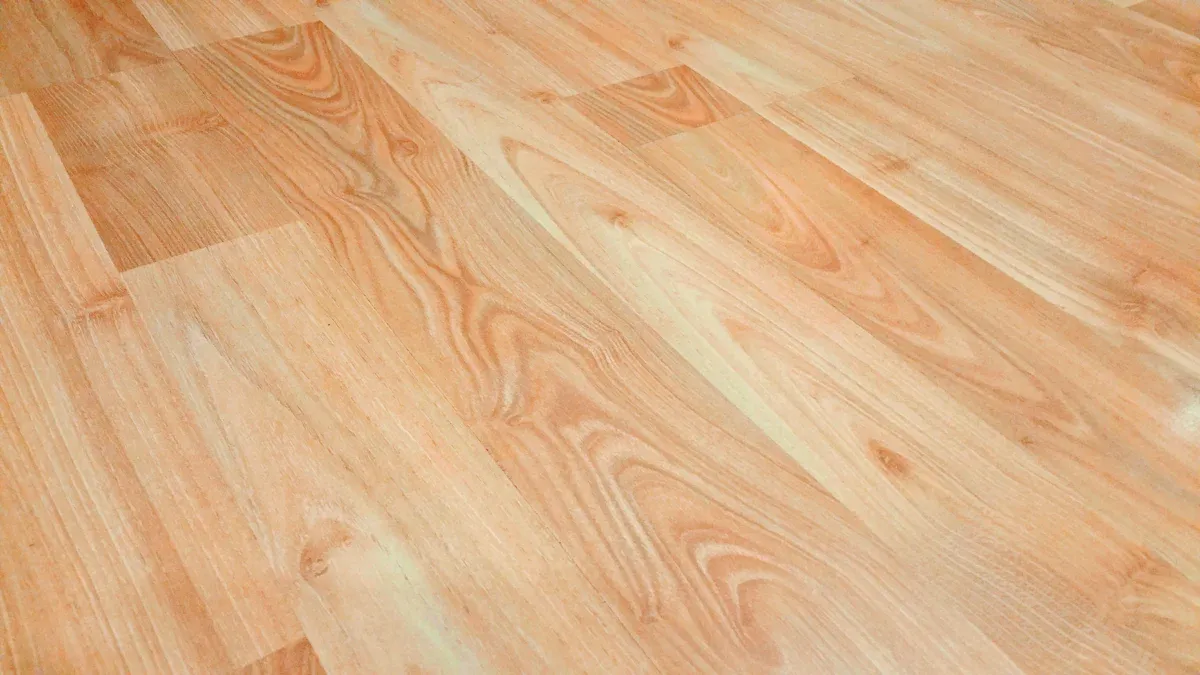
You want your home to stay comfortable all year. Loose lay vinyl plank flooring helps you achieve that by staying stable when temperatures change. Many homeowners ask if loose lay vinyl plank flooring can handle cold winters and hot summers. You will notice that this flooring resists expansion and contraction, even with high humidity or extreme heat. Unlike other flooring types, loose lay vinyl plank flooring outperforms them in stability. You do not have to worry about gaps or warping. Loose lay vinyl plank flooring remains a reliable choice for homes in places with big temperature swings. You can enjoy durable flooring without constant repairs or adjustments.
How Loose Lay Vinyl Plank Flooring Reacts to Temperature Fluctuations

Winter Temperature Changes and Flooring Performance
You may worry about how lvt flooring will handle cold winter months. Cold air can make some floors shrink or crack. Lvt flooring stands out because it resists these problems. When you install lvt in your home, you do not need to fear cold drafts or icy floors. The material stays flexible even when the temperature drops. You will not see cracks or splits in your lvt flooring. Cold weather does not cause the planks to become brittle. You can walk on your lvt flooring with confidence during the coldest days.
Cold air often brings dry conditions. Some floors lose moisture and change shape. Lvt flooring keeps its form. You will not notice gaps between the planks. The surface stays smooth and even. Cold temperatures do not make the flooring curl at the edges. You can place lvt flooring in rooms that get very cold, such as basements or entryways. The planks stay in place and do not shift. You will enjoy a warm look in your home, even when the weather outside feels freezing.
You may use heaters to keep your home warm. Lvt flooring handles the extra heat from radiators or underfloor heating systems. The planks do not warp or buckle. You can trust the performance of lvt flooring in cold climates. The material does not react to sudden temperature changes. You will not need to repair or adjust your flooring every winter. Lvt flooring gives you peace of mind when the temperature drops.
Summer Temperature Changes and Flooring Performance
Hot summers can test the strength of any flooring. Lvt flooring rises to the challenge. High temperatures and strong sunlight do not damage the planks. You can install lvt flooring in rooms with large windows or direct sun. The surface does not fade or lose color. The UV-resistant layer protects your lvt flooring from sunlight. You will see the same rich color year after year.
Here is how lvt flooring stands up to summer heat and sunlight:
| Property | Description |
|---|---|
| Heat Resistance | Lvt flooring can withstand high temperatures without warping or bending. |
| Fade Resistance | Lvt flooring maintains color fidelity even with continuous sun exposure due to UV-resistant layers. |
You may notice that some floors expand in the heat. Lvt flooring resists this problem. The planks do not swell or lift. You will not see buckling or uneven surfaces. Lvt flooring stays flat and secure, even when the temperature rises. You can use air conditioning or fans without worrying about the flooring moving or shifting.
Humidity often increases in summer. Lvt flooring does not absorb moisture. The planks stay dry and stable. You can clean spills or wet footprints without damage. Lvt flooring works well in kitchens, bathrooms, and sunrooms. The material does not react to sudden temperature changes. You will not need to replace planks after a hot spell.
You can trust lvt flooring to keep its shape and color through every season. The performance stays strong, no matter how hot or cold it gets. Lvt flooring gives you a reliable surface for your home, year-round.
Common Issues with Loose Lay Vinyl Plank Flooring During Temperature Changes
Expansion and Contraction Due to Temperature
You may notice changes in your flooring when the temperature rises or falls. Vinyl plank flooring reacts to heat and cold through expansion and contraction. When the temperature increases, the planks experience thermal expansion. This process can cause the flooring to push against walls or other surfaces. If you do not allow for an expansion gap, the planks may buckle or lift. When the temperature drops, contraction can occur, leading to small gaps between the planks. You should always consider thermal expansion and contraction during installation.
Tip: Always leave a recommended expansion gap of ¼ inch to ½ inch around the room’s perimeter to prevent temperature-related issues.
Loose lay vinyl plank flooring may move more during thermal expansion. You can reduce damage by following proper installation steps and monitoring humidity levels.
Gapping, Buckling, or Shifting in Extreme Temperature Fluctuations
Extreme temperature fluctuations can cause your flooring to shift or develop gaps. The most common causes include:
| Cause of Issue | Description |
|---|---|
| Extreme temperature fluctuations | These cause contraction in the vinyl planks, leading to gaps. |
| Improper acclimation | Failing to acclimate the flooring before installation can lead to issues. |
| Insufficient expansion gaps | Not leaving enough space around the room’s perimeter can exacerbate buckling and gapping issues. |
| Inadequate expansion space | Gaps occur when installers do not leave enough expansion space, which is crucial due to temperature and humidity changes. |
| PVC expansion | Vinyl flooring expands when heated, and if this expansion is not accommodated, it leads to buckling and lifted edges. |
You should acclimate your flooring before installation. Always check humidity levels in your home. If you see buckling or shifting, inspect the expansion gap and humidity variations.
Moisture and Condensation Concerns
Moisture can affect the stability of your flooring. High humidity levels or excess moisture may lead to swelling and damage. Loose lay vinyl plank flooring offers strong moisture resistance, but you should still watch for condensation. Absorbed moisture can reduce the stability of the planks and increase the risk of damage. Flooring with moisture resistance performs better in humid conditions. You can protect your flooring by controlling humidity and cleaning up excess moisture quickly.
Note: Flooring with built-in moisture resistance helps prevent damage from humidity and excess moisture.
You should monitor humidity levels and moisture resistance features to keep your flooring in top condition.
Real Tips for Maintaining Loose Lay Vinyl Plank Flooring in Hot and Cold Climates

Installation Best Practices for Temperature Fluctuations
You want your flooring to last through every season. Proper installation helps you avoid problems caused by temperature changes and humidity. Start by acclimating your loose lay vinyl plank flooring before installation. This step prepares the planks for seasonal weather changes and prevents expansion or contraction.
Follow these steps for best results:
- Store your flooring in the room where you plan to install it. This keeps the planks at a stable temperature and humidity level.
- Maintain a temperature between 65°F and 85°F (18°C – 29°C) for at least 48 hours before installation. This range helps the flooring adjust to the environment.
- Stack boxes flat and keep them aligned. This prevents warping and damage.
- Always check the manufacturer’s guidelines for specific acclimation instructions. Each brand may have unique requirements for proper installation.
Leave an expansion gap of ¼ inch to ½ inch around the room’s perimeter. This space allows the flooring to expand and contract with temperature fluctuations and humidity changes. You reduce the risk of buckling, gapping, or shifting. Use moisture barriers in areas with high humidity or frequent moisture exposure. These barriers add resistance and protect your flooring from seasonal weather changes.
Everyday Care and Maintenance in Winter
Winter brings cold temperatures, snow, and salt. You need a strong cleaning routine to protect your flooring from damage. Place heavy-duty outdoor mats at every entrance. These mats trap snow, dirt, and moisture before they reach your flooring. Use moisture-absorbing indoor mats to catch water and salt. Extend mat coverage to at least six steps in high-traffic areas for extra resistance.
Keep your home’s humidity between 30% and 50%. Use a humidifier if the air feels dry. This step prevents your flooring from becoming brittle or warped. Sweep or vacuum regularly to remove salt and grit. Mop with a damp microfiber mop and a gentle cleaner. Avoid harsh chemicals that can damage the surface.
Tip: Inspect high-traffic zones often. Clean more frequently during winter months to remove grit and salt. This routine helps maintain durability and resistance to moisture.
| Winter Maintenance Task | Purpose |
|---|---|
| Place entrance mats | Trap dirt, snow, and moisture |
| Maintain indoor humidity | Prevent brittleness and warping |
| Sweep/vacuum regularly | Remove salt and grit |
| Mop with gentle cleaner | Protect surface from damage |
You keep your flooring looking new and strong by following these cleaning and maintenance steps during winter.
Everyday Care and Maintenance in Summer
Summer brings heat, humidity, and strong sunlight. You need a cleaning routine that protects your flooring from expansion, moisture, and fading. Use blinds or curtains to shield your flooring from direct sun. This step prevents color loss and maintains resistance to UV rays. Place heavy-duty doormats and washable rugs at entrances. These mats catch sand, dirt, and moisture before they reach your flooring.
Sweep or vacuum with a soft-bristle broom or microfiber mop. Mop with a damp mop and mild cleaning solutions like dish soap in warm water. Avoid steam cleaning, abrasive tools, wax, or polish. These methods can cause damage and reduce durability.
Control humidity in your home. Use dehumidifiers during humid months and humidifiers when the air feels dry. High humidity can lead to moisture infiltration, expansion, warping, or mildew. Loose lay vinyl plank flooring resists water and humidity, but you still need to manage indoor conditions for long-lasting performance.
Note: Use furniture pads under heavy items. This step prevents denting and protects your flooring from damage during seasonal weather changes.
| Summer Maintenance Task | Purpose |
|---|---|
| Use blinds/curtains | Prevent fading and UV damage |
| Place entrance mats/rugs | Trap sand, dirt, and moisture |
| Sweep/vacuum regularly | Remove debris and maintain resistance |
| Mop with mild cleaner | Protect surface from damage |
| Control indoor humidity | Prevent expansion, warping, and mildew |
| Use furniture pads | Prevent denting and maintain durability |
You keep your flooring clean, strong, and beautiful by following these cleaning and maintenance routines in summer. Proper installation, seasonal cleaning, and humidity control help your loose lay vinyl plank flooring resist damage and stay durable through every temperature change.
skspcflooring Solutions for Loose Lay Vinyl Plank Flooring in Variable Temperatures
Quality Standards and Climate Resilience
You want your flooring to stand strong against every temperature change. skspcflooring uses strict quality standards to make sure your loose lay vinyl plank flooring performs well in all climates. The company follows international certifications like ISO9001, ISO14001, EN, ASTM, and GB. These standards help your flooring resist damage from heat, cold, and moisture. You get flooring that stays stable during temperature fluctuations. The planks do not warp or crack when the temperature rises or falls. You see smooth surfaces and tight seams even when the weather changes quickly.
skspcflooring designs flooring with advanced materials. These materials keep the planks flexible and strong. You can install this flooring in rooms with direct sunlight or cold drafts. The flooring does not fade or lose color. You get a product that lasts for years, no matter how often the temperature shifts. The company tests each batch of flooring to make sure it meets climate resilience goals. You can trust your flooring to handle every season.
Note: Flooring from skspcflooring gives you peace of mind. You do not need to worry about sudden temperature changes or humidity.
Professional Support and Tailored Advice
You may face challenges with flooring when the temperature changes quickly. skspcflooring offers expert support to help you solve these problems. The team uses specialized methods to fight heat and humidity. You get advanced installation techniques that match your local climate. The company creates customized maintenance plans for your home. These plans help you avoid repairs and keep your flooring durable.
If you notice moisture or structural issues, skspcflooring provides expert repair services. You get advice that fits your needs. The team listens to your concerns and gives you solutions that work for your space. You can ask questions about temperature, humidity, or flooring care. The company helps you keep your flooring in top condition.
Here is what you can expect from skspcflooring’s support:
- Specialized methods for heat and humidity
- Advanced installation for climate conditions
- Customized maintenance plans
- Expert repair services for moisture and structure
You get reliable help every step of the way. Your flooring stays strong and beautiful, even when the temperature changes.
When to Call a Professional for Loose Lay Vinyl Plank Flooring
Signs of Serious Problems Related to Temperature Changes
You may notice small changes in your flooring during temperature fluctuations. Some problems need professional attention. Watch for these warning signs:
- Lifted edges or bubbles on the surface show deeper issues with your flooring.
- Moisture underneath the planks can lead to peeling and damage.
- Areas where the floor feels loose or shifts when stepped on may signal adhesive problems.
- Persistent gaps, separating seams, and cracked tiles often point to installation issues.
- Movement of planks when you walk can create tripping hazards and disrupt the look of your flooring.
- Extensive damage covering a large area means the problem is not isolated.
- Ongoing moisture issues affecting the subfloor can weaken your flooring.
- Uneven floors may indicate structural problems.
- Improper subfloor preparation and moisture imbalances can cause significant trouble.
- Ignoring these signs may result in mold growth and costly replacements.
Loose lay vinyl plank flooring reacts to temperature changes differently than other types. Unlike hardwood or laminate, which may warp or buckle, loose lay vinyl can shift over time. It does not have a locking system to block water from seeping through gaps. You need to watch for these signs, especially when temperature changes quickly.
Tip: If you see more than one of these problems, call a professional. Quick action can save your flooring and prevent bigger issues.
Professional Solutions vs. DIY Fixes
You may want to fix flooring problems yourself. Some issues need expert help, especially those caused by temperature fluctuations. Professionals offer several advantages over DIY fixes:
| Advantage | Description |
|---|---|
| Assess Subfloor Preparation | Professionals can evaluate and level the subfloor, ensuring a flat surface for tile adherence. |
| Correct Installation Errors | Experts identify and rectify mistakes in the installation process that could lead to issues. |
| Use High-Quality Materials | Professionals utilize superior adhesives and materials that enhance durability and performance. |
| Maintain Indoor Conditions | They provide guidance on managing humidity and temperature, which is crucial for flooring stability. |
| Handle Repairs with Precision | Experts can efficiently manage repairs or reinstallation, ensuring long-lasting results. |
You get better results when you trust professionals with your flooring. They know how to manage temperature and humidity. They use high-quality materials and advanced techniques. You avoid repeated repairs and keep your flooring strong. DIY fixes may work for small problems, but serious issues need expert care.
Note: Professional help protects your investment and keeps your flooring safe during every season.
You want your flooring to stay strong in every season. Loose lay vinyl plank flooring gives you reliable performance during temperature changes. You see that this flooring resists damage from temperature. You do not worry about cracks or warping. You keep your flooring clean and dry to protect it from temperature. You use mats and control humidity to help your flooring last. You follow installation tips to prevent problems from temperature. You notice that flooring from skspcflooring stands up to temperature fluctuations. You trust this flooring to handle every temperature. You enjoy beautiful flooring in every room. You choose skspcflooring for climate-resilient flooring that lasts through every temperature.
FAQ
Can loose lay vinyl plank flooring handle sudden temperature changes?
You can trust loose lay vinyl plank flooring to stay stable during sudden temperature changes. The material resists expansion and contraction. You will not see gaps or warping when the temperature shifts quickly.
How does temperature affect the durability of my flooring?
Temperature plays a big role in the durability of your flooring. High or low temperature can cause some movement. You keep your flooring strong by controlling indoor temperature and following care tips.
What should I do if my flooring shifts during temperature fluctuations?
You should check for proper expansion gaps around your flooring. You can call a professional if you see movement after temperature fluctuations. Quick action helps you prevent bigger problems with your flooring.
Tip: Always acclimate your flooring before installation. This step helps your flooring adjust to the room’s temperature.
Is loose lay vinyl plank flooring suitable for rooms with direct sunlight or cold drafts?
You can install loose lay vinyl plank flooring in rooms with direct sunlight or cold drafts. The flooring resists fading and stays flexible. You enjoy beautiful flooring even when the temperature changes in these spaces.
| Room Type | Flooring Performance in Temperature |
|---|---|
| Sunroom | Resists fading and warping |
| Basement | Stays flexible in cold drafts |
| Entryway | Handles temperature changes well |




