
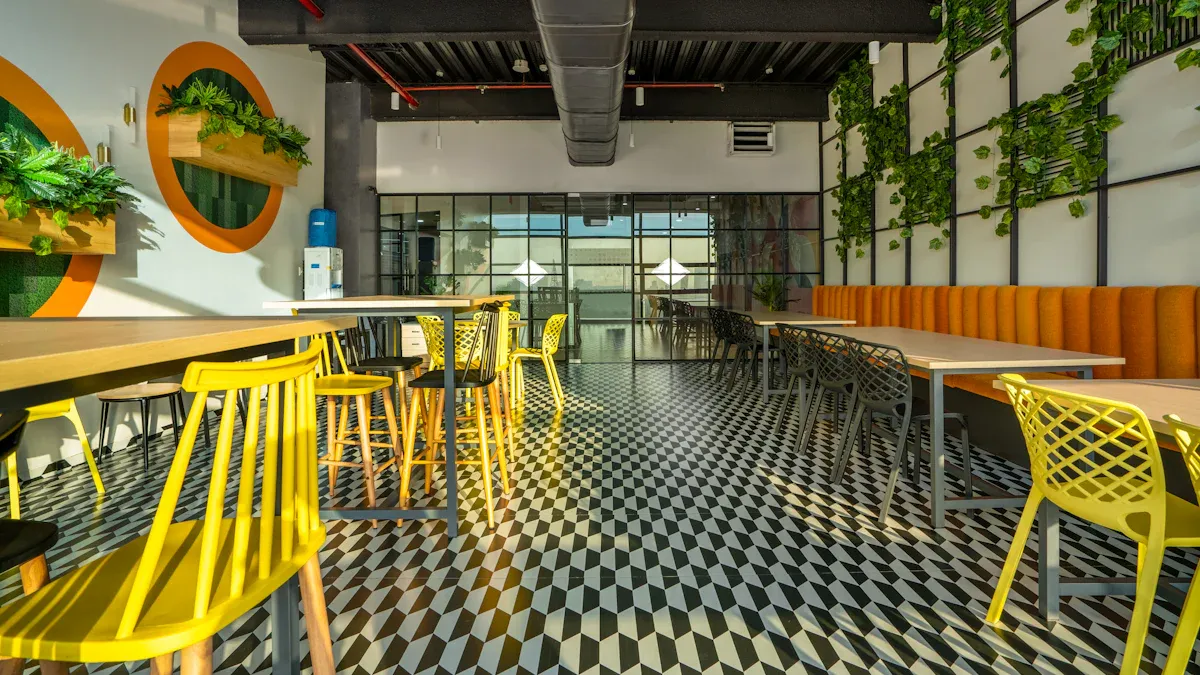
The National Restaurant Association Show and the 2025 show revealed groundbreaking innovations for the foodservice industry. These new trends are transforming flooring in restaurants. Your restaurant can now access advanced materials, from hyper-durable LVT to unique, digitally printed foodservice products.
This year’s focus combines extreme performance with powerful aesthetics. You will see a major shift toward sustainable materials and seamless, modern designs that elevate the guest experience.
Top LVT Trends from the 2025 Show
Luxury Vinyl Tile (LVT) continues to dominate the restaurant flooring market. The trends from the 2025 National Restaurant Association Show prove that this material is only getting better. You will find LVT is now tougher, more realistic, and more hygienic than ever before.
Unmatched Durability for High Traffic
Your restaurant floor endures constant stress from foot traffic, spills, and moving furniture. The latest LVT products are engineered specifically for the demanding foodservice environment. Manufacturers are creating thicker wear layers and stronger core structures. These improvements ensure your floor resists scratches, dents, and stains for years.
Several companies showcased impressive new products:
| Manufacturer | Product/Innovation | Key Feature |
|---|---|---|
| MSI | CrystaLux Ultra | A transparent top layer that boosts durability against scratches and scuffs. |
| Southwind | Summit LVT | An extra-thick (19mm) plank with a commercial-grade 30 mil wear layer. |
| Mannington | Adura Bevolution | Features a soft, smooth bevel that refines the look while maintaining strength. |
Innovations in Realistic Textures
Modern LVT no longer just imitates wood and stone; it replicates them with stunning accuracy. These visual innovations allow you to achieve a high-end look without the maintenance challenges of natural materials. Advances in vinyl technology create textures that are almost indistinguishable from the real thing.
Two key technologies make this possible:
- Advanced digital printing creates high-resolution images that capture the unique grain of wood or the veining of stone.
- Registered embossing aligns the physical texture of the plank with the printed image, so you can feel the grain and grooves.
New Anti-Microbial Top Coats
Hygiene and safety are top priorities in any restaurant. New LVT options now include anti-microbial top coats that provide an extra layer of protection. This technology uses an ionic silver additive in the top coat. The silver actively stops bacteria from growing. Tests show it reduces common bacteria by over 99.99% within 24 hours, meeting the ISO 22196:2011 standard.
Note: This built-in protection works continuously to inhibit the growth of odor-causing microbes. It helps keep your floors cleaner and safer for guests and staff between your regular cleanings.
Advanced Acoustic Underlayment
The sound of your restaurant greatly affects the guest experience. A loud, echoing dining room can feel chaotic and unpleasant. The 2025 LVT trends address this problem with advanced acoustic underlayment. This technology is a special layer built into or placed under the LVT. It absorbs sound, reduces echoes, and creates a more comfortable atmosphere for your patrons. A quieter space also improves staff communication, which enhances overall operational safety.
You will find that new LVT products offer impressive sound reduction capabilities. For example, some multi-layer LVT flooring from Proximity Mills is designed to reduce noise from foot traffic by up to 19dB. Other solutions, like Healthier Choice’s Vapor Bloc acoustic foam, can decrease unwanted noise by a remarkable 22 decibels. These underlayments work to quiet the clatter of footsteps, moving chairs, and background conversations.
Pro Tip: Look for products with high ratings for both Impact Insulation Class (IIC) and Sound Transmission Class (STC). IIC measures how well a floor blocks impact noises (like footsteps), while STC measures its ability to block airborne sounds (like voices).
For instance, some manufacturers offer specialized acoustic flooring with excellent ratings:
- Impact Insulation Class (IIC): A rating of 57 shows strong performance in quieting impact noises.
- Sound Transmission Class (STC): A rating of 62 indicates superior effectiveness in reducing airborne sounds between rooms.
By choosing an LVT system with advanced acoustic properties, you invest directly in your restaurant’s ambiance. This helps you create a welcoming environment where guests can relax and enjoy their meals without being overwhelmed by noise.
Sustainable Flooring in Restaurants: A Key 2025 Focus
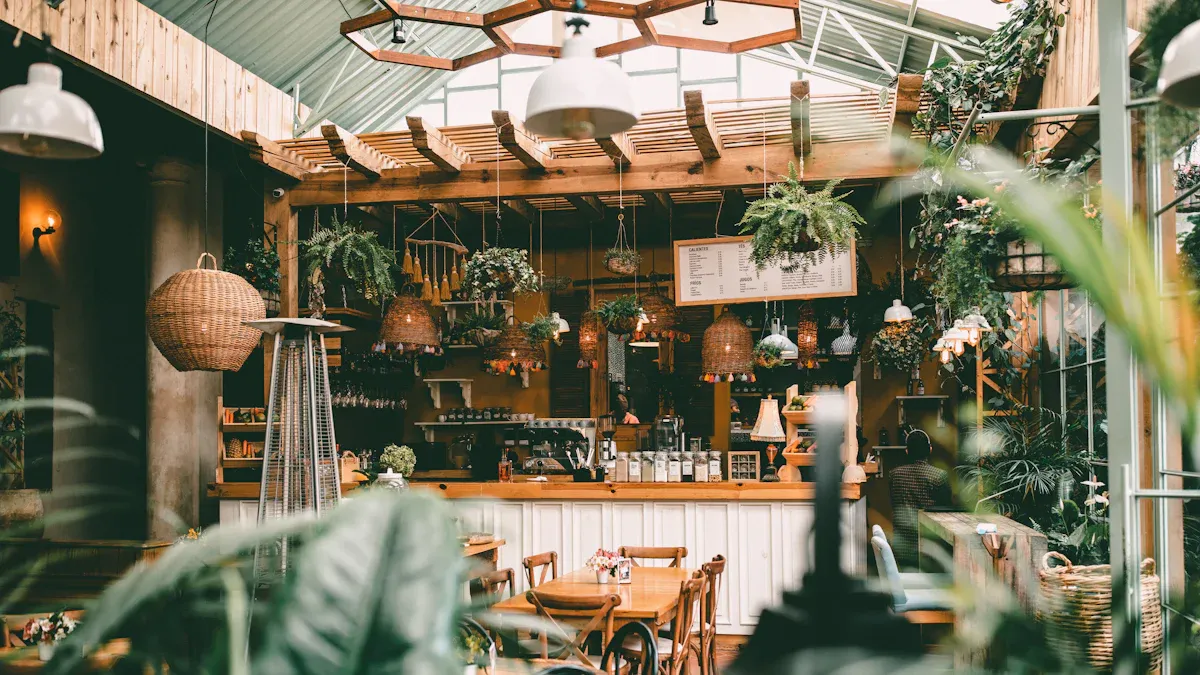
The 2025 trends show a major shift toward sustainability in the foodservice industry. You can now choose flooring that is both beautiful and environmentally responsible. This focus on green building helps your restaurant reduce its carbon footprint while enhancing its brand image. Choosing sustainable foodservice products is a powerful statement to your customers.
The Rise of Biophilic Design
Biophilic design connects people with nature. This approach uses natural light, plants, and materials to create a calming atmosphere. For flooring in restaurants, this means using materials that mimic or come from nature. These designs can make your dining space feel more inviting and relaxing for guests.
Many restaurants successfully use this concept.
- The zero-waste restaurant Silo in London uses cork flooring tiles.
- This material provides a warm, textured look that supports its sustainable interiors.
Eco-Friendly Materials on Display
The show highlighted many new eco-friendly options. You can find beautiful and durable floors made from sustainably sourced materials. These include reclaimed wood, bamboo, and recycled composites. These materials offer unique aesthetics while minimizing environmental impact. They prove that you do not have to sacrifice style or performance to be eco-conscious.
Choosing a floor with recycled content or one that is recyclable at the end of its life is a great way to support a circular economy. This reduces waste and conserves natural resources.
Carbon-Negative Flooring Options
The most exciting sustainable innovation is carbon-negative flooring. This technology goes beyond being neutral. The manufacturing process actually removes more carbon from the atmosphere than it produces. Companies like Durkan/Mohawk and Interface are leading these efforts.
Interface, for example, created the first carbon-negative carpet tile. It uses a special CQuest™BioX backing combined with unique yarns. When measured from production to the factory gate, these tiles have a net-negative carbon footprint. Choosing these advanced materials helps your business actively fight climate change.
Durable Natural Material Composites
Sustainability in 2025 also means long-lasting performance. You can now find durable natural material composites that blend eco-friendly elements with powerful binders. These floors offer the beauty of nature with the strength needed for a commercial setting. Materials like cork, rubber, and linoleum (made from linseed oil) are excellent examples of this trend. They provide a unique look while standing up to daily wear and tear.
These composites give your restaurant several key advantages:
- Enhanced Durability: The blend of natural fibers and modern polymers creates a surface that resists scuffs, scratches, and heavy foot traffic.
- Improved Comfort: Many composites, especially cork and rubber, have natural cushioning. This reduces leg fatigue for your staff and lessens the noise from dropped items.
- Sustainable Story: You can tell your guests a compelling story about your commitment to the environment by choosing floors made from renewable or recycled materials.
Cork flooring is a fantastic choice for durability. With proper care, a high-quality cork floor is estimated to have a lifetime of 50 years. This makes it a smart long-term investment for your restaurant. Some manufacturers even offer a minimum 10-year warranty for outdoor cork flooring. This warranty covers issues like fading and warping, proving the material’s resilience.
Pro Tip: When selecting a natural composite, check its commercial rating. Look for products with a protective top coat designed for high-traffic environments. This ensures the floor maintains its appearance and integrity in your busiest areas.
Large-Format Porcelain: A Modern Restaurant Choice
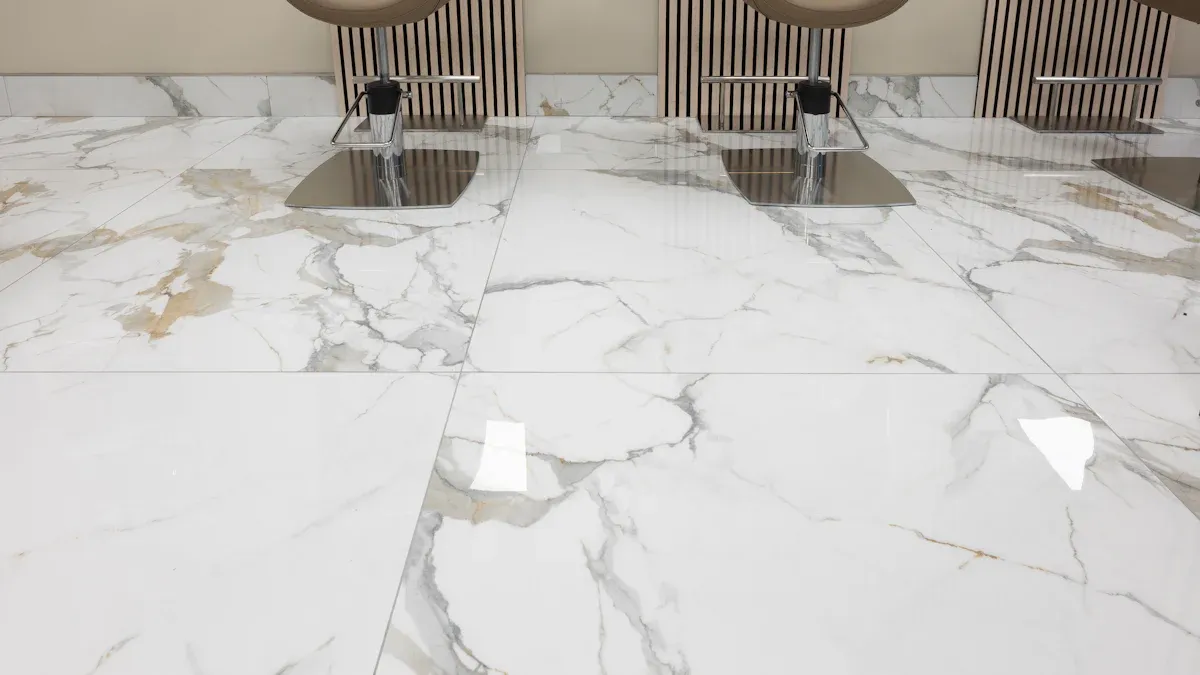
Porcelain tile remains a top choice for its durability, but the latest trends focus on size. Large-format porcelain tiles create a sophisticated and modern look. These oversized tiles give your space a clean, high-end feel that impresses guests the moment they walk in.
Creating a Seamless, Expansive Look
Large tiles make any room feel bigger and more open. With fewer grout lines breaking up the floor, you create a continuous, flowing surface. This minimalist style is perfect for contemporary restaurant designs.
You can achieve several key design goals with this look:
- Visual Continuity: The floor appears as a single, elegant slab.
- Spacious Feel: Your dining area looks less cluttered and more expansive.
- Luxurious Ambiance: The seamless effect mimics expensive natural stone.
Improving Hygiene with Minimal Grout
Fewer grout lines also mean a cleaner, safer floor. Grout is often the weak link in a tile floor. It can trap grime, bacteria, and cleaning chemicals, which requires strict cleaning routines. Over time, this can lead to deterioration. By virtually eliminating grout lines, you avoid these problems. This improves hygiene and overall guest safety. You will also save money on maintenance because you will not need costly repairs or frequent regrouting.
Did You Know? Traditional grout lines can require replacement every one to two years in a busy kitchen. A seamless floor avoids this recurring expense.
Ultra-Thin Profiles for Easy Installation
New ultra-thin porcelain profiles make installation faster and more affordable. These slim tiles are lightweight and can often be installed directly over your existing flooring. This process is quick, easy, and helps you avoid the cost and mess of demolition. This is one of the most practical trends for flooring in restaurants.
Some thin porcelain materials may even cost less than traditional tiles. You can get a high-end designer look for your restaurant at a fraction of the cost of full slabs. This makes it an excellent choice for any foodservice business looking to upgrade its space efficiently.
New Stain-Proof Grout Technologies
Even with large-format tiles, the few grout lines you have must perform perfectly. Traditional cement-based grout easily absorbs spills, leading to permanent stains from wine, coffee, and grease. This creates a maintenance nightmare. The 2025 show revealed advanced grout technologies that solve this problem for good.
The market is shifting toward epoxy-based grouts. These products offer superior performance compared to older options. Epoxy grout is highly valued for its exceptional durability. It resists water, stains, mold, and chemicals. This makes it a perfect choice for high-moisture areas like your kitchens and restrooms. You get long-term value with minimal maintenance.
New products with specialized features are also gaining popularity. Look for grouts with these benefits:
- Stain-Proof Formulas: They create a non-porous barrier that liquids cannot penetrate.
- Anti-Microbial Properties: They actively inhibit the growth of mold and mildew, improving hygiene and safety.
- Fast-Curing Times: This allows your restaurant to reopen faster after an installation.
- Low-VOC Formulas: These options improve indoor air quality for your staff and guests.
A great example of this new technology is LATICRETE’s SPECTRALOCK® 1. This pre-mixed grout is stainproof against common spills when you clean them up promptly. It is also ten times stronger than standard pre-mixed grouts and meets the tough ANSI A118.3 performance standard.
By choosing a modern, stain-proof grout, you protect your investment in a beautiful porcelain floor. You will spend less time and money on deep cleaning and repairs. This allows you to focus on what matters most: running your restaurant.
Customization Trends: Digital Printing for Your Brand
Imagine your floor as a blank canvas for your brand. The latest customization trends use digital printing to turn this idea into a reality. You can now create a truly unique dining environment that tells your story from the ground up. This technology allows you to move beyond standard flooring options and design a space that is exclusively yours.
Unique Branding on the Floor
Your floor is one of the largest surfaces in your restaurant. You can use it to make a powerful brand statement. Digital printing lets you embed your logo, brand colors, or custom patterns directly into the flooring material. This creates a cohesive and immersive experience for your guests. A custom floor can guide customers through your space, highlight special zones, or simply add a memorable design element that sets you apart from the competition.
Limitless Design Possibilities
Digital printing technology gives you complete creative freedom. You can replicate any image, pattern, or texture with incredible accuracy. Whether you want the look of reclaimed barn wood, intricate mosaic tiles, or a completely abstract design, printing makes it possible. To get the best results, you need to provide your design in the correct format.
Pro Tip: Most printers have specific file requirements to ensure a high-quality final product. Here are some common guidelines:
Higher Resolution Printing Effects
The quality of digital printing has improved dramatically. New machines for 2025 can produce images with stunning clarity and detail. This means your custom designs will look sharper and more vibrant than ever before. These high-resolution effects allow for photorealistic textures and intricate patterns that were previously impossible to achieve on a large scale.
New printing technology offers impressive capabilities. Some machines can now print at resolutions that rival high-quality photo prints.
| Feature | Detail |
|---|---|
| Product Name | TWF1000 High-resolution Wall and Floor Printing Machine |
| Availability | New Arrival for 2025 |
| Functionality | 2-in-1 Wall and Floor Printer |
| Maximum Print Resolution | 2880dpi |
This level of detail ensures your custom floor will be a true work of art, elevating your restaurant’s entire aesthetic.
Faster On-Demand Services
In the past, ordering custom flooring meant long lead times and project delays. The 2025 trends show that this is no longer the case. Advances in digital printing technology and streamlined production now offer you incredibly fast turnaround times. This speed allows you to update your restaurant’s look without significant downtime.
You can now get a fully customized floor in a fraction of the time it used to take. This efficiency helps you keep your business running smoothly during a renovation or brand refresh.
This new speed is possible because manufacturers can print flooring as you order it. This on-demand model eliminates the need for large, pre-printed inventories. For example, Mannington Commercial uses this technology for its Wayfinding LVT collection. They can print your custom design quickly, even for a single piece, with no minimum order requirements. This domestic production gives you amazing flexibility and fast delivery.
The production process itself is also much quicker. Many companies offer impressive timelines from design approval to shipment.
- Graphic Image Flooring, for instance, typically has a production time of just five business days for most custom vinyl projects.
- This clock starts once you approve the final artwork and handle the payment.
- Keep in mind that larger or more complex designs may require a bit more time.
These faster on-demand services give you a major advantage. You can react quickly to new design ideas, prepare for a seasonal promotion, or repair a damaged section of your floor without waiting weeks for a replacement. This agility helps you keep your restaurant looking fresh and exciting for your guests. 🚀
Applying 2025 Trends to Your Restaurant Zones
Choosing the right floor depends on the specific needs of each area. You can apply the 2025 trends to create zones that are functional, safe, and stylish. This strategic approach ensures every part of your space performs at its best.
Entryway and Waiting Area Flooring
Your entryway makes the first impression. You need a floor that is both durable and welcoming. For a high-traffic foodservice environment, materials like LVT and porcelain tile are excellent choices because they resist wear and are easy to clean.
| Flooring Type | Why It Works for Entryways |
|---|---|
| Luxury Vinyl Tile (LVT) | Resists scratches and scuffs from heavy foot traffic. |
| Porcelain Tile | Offers superior wear resistance and is nearly waterproof. |
You can also use flooring to define your waiting area. Consider using modular carpet tiles in this space. They create a cozy, intimate feel and improve acoustics, making the wait more pleasant for your guests.
Main Dining Room Flooring
The right flooring in restaurants sets the mood for the entire dining experience. You need to balance looks, sound control, and easy maintenance. LVT with an acoustic underlayment is a top contender. It quiets the room and comes in realistic wood or stone designs. Engineered wood is another great option for a high-end look with good durability.
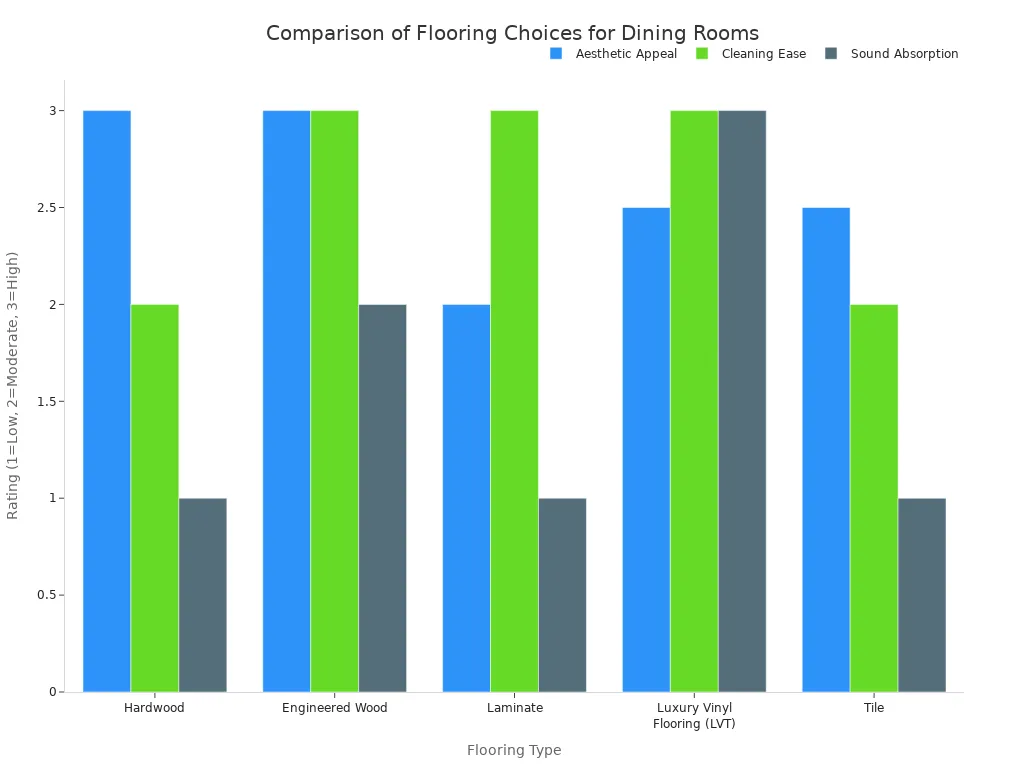
This chart helps you compare how different materials meet the unique needs of a dining room.
Bar Area Flooring Solutions
The bar area faces constant spills and heavy foot traffic. Safety and durability are your top priorities here. Epoxy flooring systems are an ideal solution. They create a seamless, non-porous surface that is completely waterproof and stain-resistant. This makes cleanup easy and prevents damage.
You can also use large-format porcelain tiles with the new stain-proof epoxy grouts. This combination gives you a durable, slip-resistant surface that looks fantastic. Choosing the right foodservice products for your bar floor protects your investment and keeps your restaurant looking pristine.
Kitchen and Restroom Flooring
Your kitchen and restrooms have the strictest flooring requirements in your entire restaurant. These areas demand materials that prioritize hygiene, durability, and safety. You must choose floors that comply with regulations from the USDA and FDA.
Your commercial kitchen floor needs to meet several key standards:
- It must be slip-resistant to protect your staff from falls.
- The surface needs to be durable enough for heavy equipment and constant foot traffic.
- It should resist damage from chemicals, cooking oils, and moisture.
- The floor must be easy to clean and maintain for operational efficiency.
Epoxy flooring systems are a top-tier choice for both kitchens and restrooms. This material creates a seamless, non-porous surface. It is completely impervious to water, bacteria, and chemicals, which makes cleaning simple and effective.
For public restrooms, sealed concrete is another excellent option. It is a durable and water-resistant solution that is often very cost-effective. You can easily maintain it by mopping with warm water. For an even higher level of performance, you can look into specialized systems. Products like Stonshield SLT or Stonclad UF offer ultra slip-resistant, seamless surfaces designed for demanding, wet environments. These advanced options provide maximum durability and help you create a clean, safe space for both your employees and your guests.
The 2025 show and National Restaurant Association Show revealed a clear direction. New flooring in restaurants combines extreme durability, sustainable design, and amazing flexibility. You should evaluate your restaurant’s unique needs for traffic, maintenance, and brand identity. This helps you select a trend that delivers long-term value.
Investing in the right floor is a smart move. It is an investment in your restaurant’s safety, atmosphere, and daily operations.
FAQ
What is the most durable flooring for a restaurant?
Epoxy systems and large-format porcelain offer top-tier durability for kitchens and bars. For dining areas, you can use new luxury vinyl tile (LVT) with a thick commercial wear layer. It provides excellent resistance to scratches and heavy foot traffic.
How can I make my restaurant quieter with flooring?
You can reduce noise by choosing LVT with a built-in acoustic underlayment. This feature absorbs sound from footsteps and moving chairs. Look for products with high IIC and STC ratings to create a more peaceful atmosphere for your guests. 🤫
Is sustainable flooring expensive?
The cost of sustainable flooring varies. Materials like cork or linoleum can be very affordable. While some advanced options have a higher initial price, they offer long-term value. You have many budget-friendly choices that also enhance your brand’s eco-friendly image.
How long does it take to install a custom printed floor?
You can get a custom floor faster than ever. Many companies now offer on-demand digital printing. Production often takes just five to ten business days after you approve the final design. This speed helps you minimize restaurant downtime during a renovation.




