
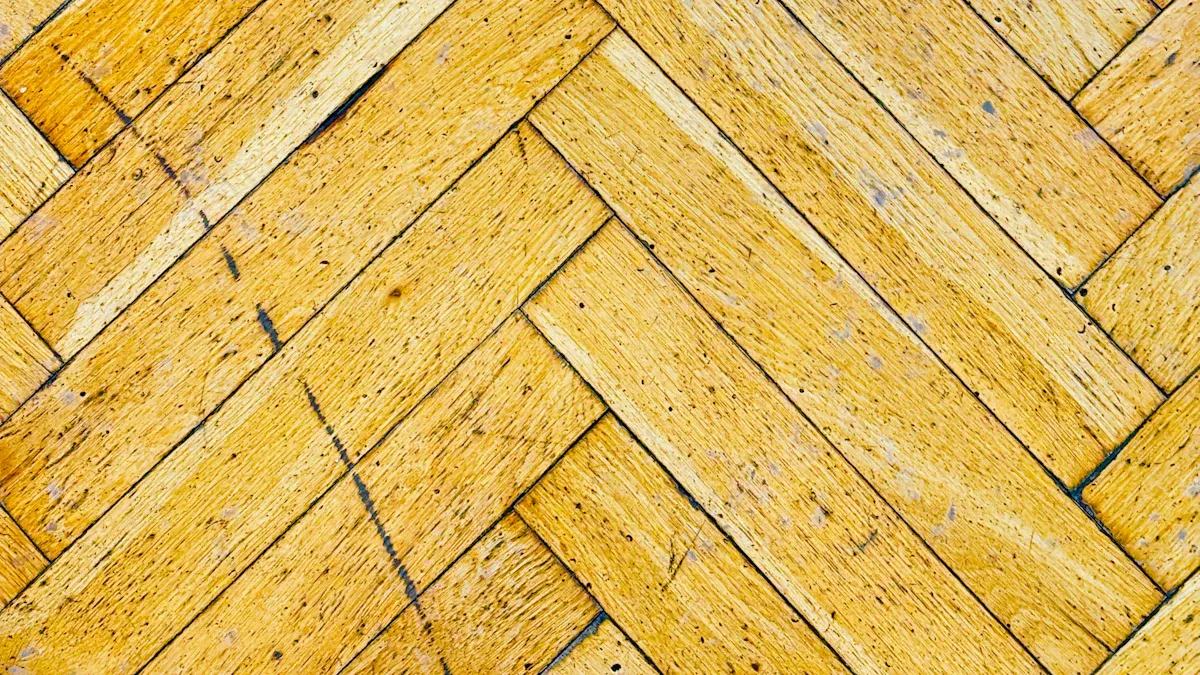
Sunlight can change the look of your hardwood floors. You might notice fading or even discoloration on herringbone floors after a while. This happens because sunlight can bleach hardwood, which takes away the natural color. Water can also cause problems for hardwood, making it warp or lose its shine. If you want to learn how to lay herringbone floor and keep your floors looking fresh, you need to plan ahead and use smart installation steps.
- Sunlight is a main cause of fading in hardwood floors.
- Water can also damage hardwood and change its color.
How Sunlight Causes Sun Damage on Herringbone Floors
Effects of UV Rays on Flooring Materials
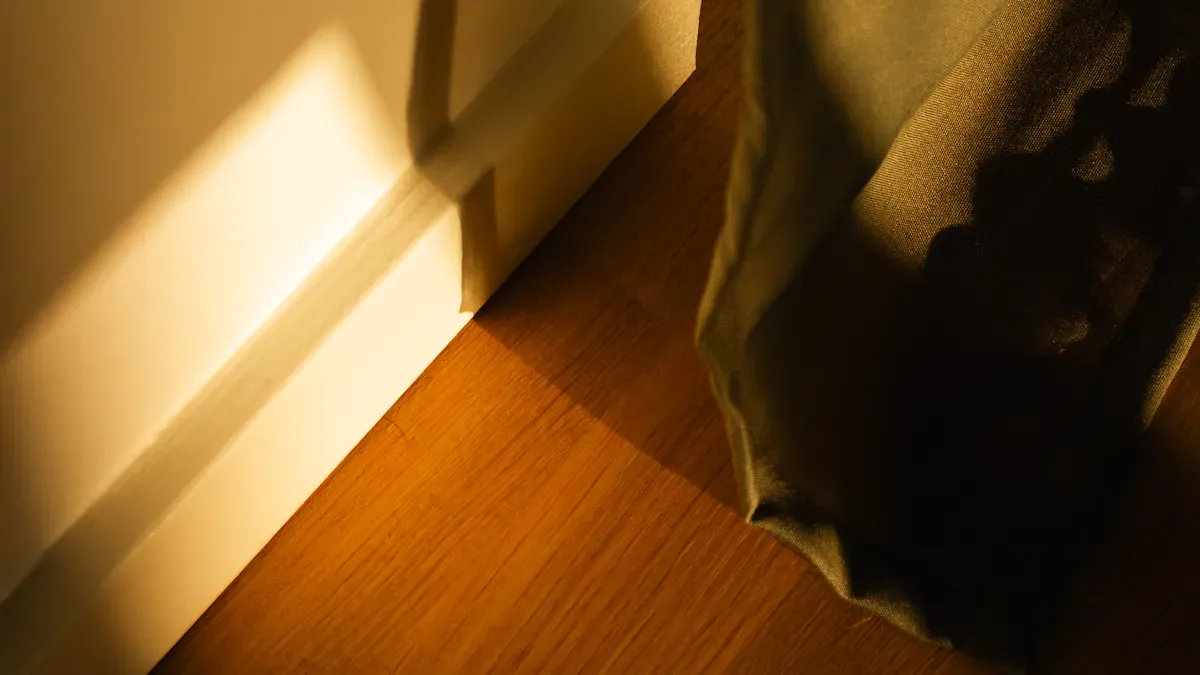
You might not see it right away, but uv rays can cause real problems for your floors. When sunlight shines through your windows, uv rays hit your herringbone pattern and start to break down the surface. This process leads to sun damage, which changes the color and strength of both hardwood and SPC flooring. Over time, you will notice that the once-bright look of your hardwood floors begins to fade.
- uv rays cause degradation and color changes in wood and SPC flooring materials.
- Long-term exposure leads to accelerated aging and decreased performance.
- Protective measures like uv coatings can help mitigate these effects.
If you want your floors to last, you need to think about how much sunlight enters your room. Sun damage does not just make your floors look old. It can also make them weaker and less durable. You can protect your hardwood by choosing products with uv-resistant coatings. These coatings act like a shield, blocking out harmful rays and keeping your floors looking new.
How Different Finishes React to Sunlight
Not all finishes protect your floors from sun damage in the same way. You have two main choices: water-based finishes and oil-based finishes. Water-based finishes are best if you want to keep the original color of your hardwood. They stay clear over time and help prevent fading. Oil-based finishes can make the wood look richer, but they often turn yellow as they age. This change can make your floors look different after years of sun exposure.
Water-based finishes tend to keep a “water-white” appearance. They cause minimal color change to the wood, which helps preserve the natural look of lighter woods like maple and ash. Oil-based finishes darken and enrich the wood’s color, especially on species like cherry, mahogany, and walnut. Under prolonged sunlight, oil-based finishes may make the wood appear darker and more saturated. Water-based finishes help your floors keep a lighter, more natural tone, even after years of uv exposure.
Tip: If you want your herringbone floors to look bright and natural for a long time, choose a water-based finish. This choice helps you avoid sun damage and keeps fading to a minimum.
Common Signs of Sun Fading
You can spot sun damage on your floors if you know what to look for. The most common sign is fading, where the color of your hardwood floors becomes lighter or uneven. Sometimes, you will see patches where the sun hits the floor the most. These spots may look dull or washed out compared to the rest of the room. In some cases, the wood may even turn yellow or gray.
- Hardwood flooring retains its appearance for decades with minimal fading, even in sun-exposed areas, suggesting that homes with such flooring may have a better resale value due to reduced sun fading.
- The exceptional color stability of hardwood floors means they do not require replacement due to fading, which enhances the long-term value of homes with this type of flooring.
If you notice these changes, you are seeing the effects of uv rays and sun damage. Regular checks help you catch fading early. When you take action quickly, you can protect your floors and keep your home looking its best.
Choosing Materials and Finishes to Prevent Sun Damage
Best Wood Types and SPC Options for Sunlight Exposure
You want your herringbone floors to look beautiful for years. The type of material you choose makes a big difference in how well your floors stand up to sun damage. Some hardwoods resist fading better than others. Oak, maple, and walnut are popular choices for hardwood floors because they have dense grains and natural color stability. These woods handle sunlight better than softer species like pine or fir.
SPC flooring gives you even more protection against fading. SPC stands for Stone Plastic Composite. This material has a strong core and a UV-resistant topcoat. The topcoat blocks harmful rays from the sun. You will not see the same fading, warping, or cracking that often happens with traditional hardwood. SPC flooring works well in rooms with lots of windows or direct sunlight. If you want the look of hardwood with extra protection, SPC flooring from skspcflooring is a smart choice.
Note: SPC flooring offers advanced UV protection, making it a superior option for areas with high sunlight exposure.
Stains and Colors That Hide Fading
The color and stain you pick for your hardwood floors can help hide signs of sun damage. Lighter stains, such as natural oak or pale gray, show less fading over time. These colors do not highlight small changes in shade. Medium tones like honey or chestnut also work well. They blend with the natural changes that happen as your floors age.
Darker stains can look rich and dramatic, but they may show sun damage more quickly. You might notice lighter patches where the sun hits the floor most. If you want to keep your floors looking even, choose a stain that matches the natural wood color. This approach helps any fading blend in with the rest of the floor.
A simple table can help you compare stain options:
| Stain Color | Fading Visibility | Best Use Areas |
|---|---|---|
| Light/Natural | Low | Sunlit rooms, hallways |
| Medium/Honey | Moderate | Living rooms, bedrooms |
| Dark/Espresso | High | Low-light areas |
Tip: Lighter and medium stains offer better protection against fading and help your floors look fresh longer.
Protective Coatings and Sealants
You need to seal and protect your hardwood floors to keep them safe from sun damage. The right finish acts as a shield, blocking UV rays and stopping color changes. Some finishes work better than others for this purpose.
- 2K Invisible Protect A.T. gives strong protection for herringbone floors. This product keeps the natural look of the wood while adding a tough barrier.
- UV-cured urethane is another top choice. Many factories use this finish for hardwood floors. It creates a hard, clear layer that resists scratches and sun damage.
Sealing your floors with these products helps you avoid fading and keeps your hardwood looking new. Some sealants need reapplication more often than others. Traditional sealants may last only 6 to 12 months in places with strong sunlight. AntiEtch sealants can last several years, so you do not need to worry about frequent maintenance.
Remember: Regular sealing and the use of UV-resistant finishes give your floors the best protection against sun damage.
If you want to keep your hardwood floors in top shape, always choose a finish that offers strong UV protection. This step helps you maintain the beauty and value of your home. When you use the right materials and finishes, you can enjoy your herringbone floors without worrying about fading or sun damage.
Planning Your Floor Layout with Sunlight in Mind
Room Orientation and Window Placement
You need to think about how sunlight enters your space before you start the installation. Rooms that face south or west get strong afternoon sun. This sunlight can speed up fading on your floors. North-facing rooms keep a more even tone and help reduce the risk of fading. You can use window films, blinds, or drapery to block UV rays. These barriers help prevent uneven color changes, especially in rooms with large windows or skylights.
- South- and west-facing rooms get more intense sunlight.
- North-facing rooms keep your floors looking consistent.
- Window films and drapery act as shields against UV rays.
You can also place area rugs in sun-exposed areas. Rugs add style and protect your floors from direct sunlight.
Tip: Use UV-resistant window films to limit sunlight and keep your floors looking new.
Positioning the Herringbone Pattern
The direction of your herringbone pattern can change how sunlight affects your floors. If you lay the pattern so the points face away from windows, you can make fading less noticeable. Sunlight will hit the boards at different angles, which helps blend any color changes. You should plan the installation so the pattern works with the room’s shape and the main light source.
Try to avoid placing the pattern so that long runs of boards line up with the strongest sunlight. This step helps you keep your floors looking even for years.
Using Transition Strips and Borders
Transition strips and borders give your installation a finished look. They also protect the edges of your floors from sun damage. Choose high-quality materials that have UV resistance. Darker colors often hide fading better over time. You can pick edging that matches your home’s style and stands up to your local climate. Durable options like composite save you time and money on repairs.
- UV-resistant transition strips last longer in sun-exposed areas.
- Darker borders can help hide any fading that does occur.
Note: Good planning and the right materials keep your floors beautiful and strong, even in rooms with lots of sunlight.
skspcflooring Installation Guide: How to Lay Herringbone Floor
Acclimating Flooring Materials
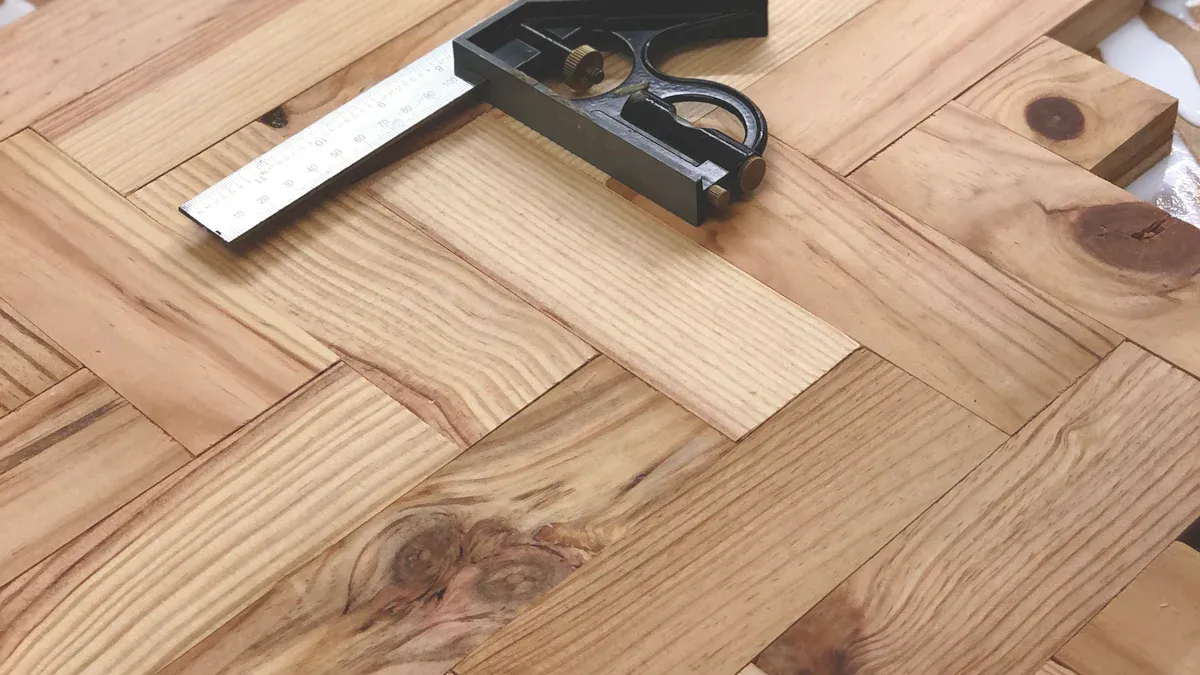
You need to prepare your materials before you start the installation. Place your herringbone planks in the room where you plan to install them. Let them sit for at least 48 hours. This step helps the planks adjust to the room’s temperature and humidity. If you skip this process, your floors might expand or shrink after you finish the installation. Always check the manufacturer’s instructions prior to installation for the best results.
Using UV-Resistant Adhesives
When you learn how to lay herringbone floor, you want your new surface to last. UV-resistant adhesives help protect your herringbone pattern from fading and wear. These adhesives keep the color of your planks consistent, even in rooms with lots of sunlight. You can see the benefits in several ways:
- UV-resistant technology in adhesives prevents color fading.
- Your floors keep a consistent look, even with direct sunlight.
- UV-resistant adhesives increase the lifespan of your herringbone flooring.
If you use the right adhesive during installation, you add another layer of uv protection to your floors. This step is important for homes with large windows or sunrooms.
Applying Protective Finishes During Installation
You need to apply a protective finish as you learn how to lay herringbone floor. The right finish blocks uv rays and keeps your floors looking new. You can choose from several options:
- Aluminum oxide finishes give strong durability and uv resistance.
- Polyurethane finishes come in water- or oil-based types and may include uv inhibitors.
- Natural oils with uv additives work well if you want an eco-friendly or matte look.
The timing of finish application matters. Use this table to see how your choices affect sun resistance:
| Guideline | Implication |
|---|---|
| Avoid prolonged exposure to direct sunlight | Prevents discoloration |
| Use drapes or blinds during peak sunlight | Reduces thermal expansion and fading |
| Consider glue down method in extreme sunlight | Enhances stability |
If you follow each step in this installation guide, you will know how to lay herringbone floor that stands up to sunlight. You can enjoy beautiful, long-lasting floors with proper uv protection.
Post-Installation Maintenance for Preventing Sun Damage
Using Window Treatments and UV Films
You can protect your herringbone floors by using window treatments and UV films. Blinds, curtains, and shades help block uv rays that cause fading. UV-filtering films stick to your windows and reduce the amount of sunlight entering your room. These solutions work well in rooms with large windows or skylights. You keep your floors looking bright and fresh by limiting direct sunlight. Window treatments also help maintain proper humidity levels, which supports the long-term health of your floors.
Tip: Choose window treatments that match your style and offer strong UV protection. This step is key for preventing sun damage.
Placing Area Rugs and Furniture
Area rugs and furniture play an important role in preventing sun damage. Rugs cover sun-exposed spots and add extra protection. You should place rugs in areas where sunlight hits the floor most often. Move rugs and furniture regularly so all parts of your floor get even light exposure. This practice stops uneven fading and keeps your floors looking consistent. You can also use plant placement to shade certain areas and add beauty to your space.
- Place rugs in sunlit areas.
- Rotate furniture and rugs every few months.
- Use plants to create shaded spots.
Regular Cleaning and Maintenance
Regular cleaning helps your floors stay shiny and prevents fading. Dirt and dust can dull the finish and make sun damage worse. You should sweep or vacuum often to remove grime. Use cleaning products made for hardwood or SPC floors. Avoid harsh chemicals that strip the finish and reduce protection. Keeping your floors clean stops scratches and keeps the natural beauty intact.
- Sunlight can cause floors to fade and lose their shine.
- Using the wrong cleaning products can strip the finish.
- Dirt and grime build-up makes fading worse.
- Cleaning with proper products keeps the protective layer strong.
Alert: Clean your floors regularly and use gentle products. This routine is essential for preventing sun damage and keeping your floors beautiful.
You can keep your herringbone floor looking bright and beautiful for years. Follow these steps:
- Pick fade-resistant materials and finishes from skspcflooring.
- Plan your layout to reduce sun exposure.
- Install your floor with care.
- Clean and protect your floor often.
Proactive planning and regular maintenance help you prevent sun fading. Your floor stays strong and stylish, even in sunny rooms.
FAQ
How long does it take to install a herringbone floor?
You can usually finish a standard room in two to three days. This includes time for acclimating the flooring, laying the pattern, and applying finishes.
Can I install herringbone SPC flooring in rooms with lots of sunlight?
Yes, you can. SPC flooring from skspcflooring has a UV-resistant topcoat. This layer protects your floor from fading, even in bright rooms.
What is the best way to clean herringbone floors?
Sweep or vacuum your floor often. Use a damp mop with a cleaner made for hardwood or SPC. Avoid harsh chemicals. These steps keep your floor looking new.
Do I need to reapply protective finishes often?
You should check your floor’s finish every year. High-traffic or sunny areas may need a new coat more often. Regular maintenance helps prevent sun damage.




