

You may wonder if click on tile flooring offers enough quiet for your apartment, especially if you have noise concerns. Sound can travel easily through hard surfaces, so footsteps and daily movement may become noticeable. Factors like the subfloor material, room layout, and building structure influence how much sound you hear. In noise-sensitive environments, you can use rugs or carpets to absorb sound, add large furniture to reduce noise, or insulate walls for extra comfort. These steps help you enjoy a peaceful home with click on tile flooring.
Click On Tile Flooring and Noise Concerns in Apartments
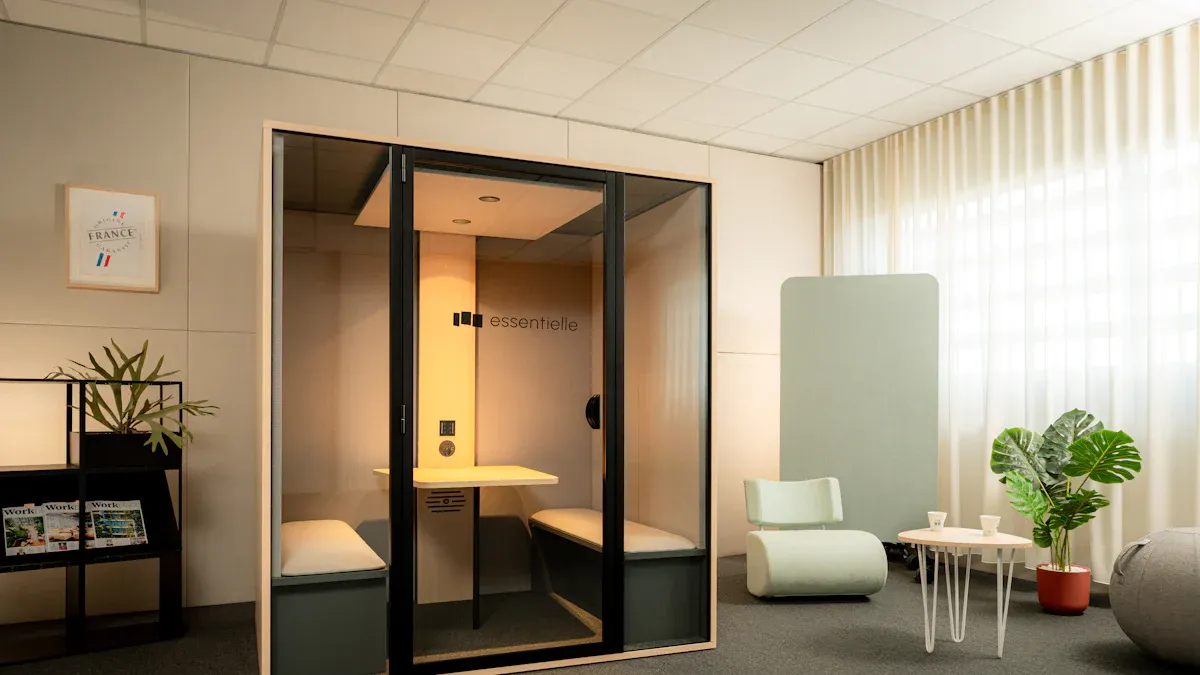
Sound Transmission and Amplification
You may notice that sound behaves differently with each type of flooring. Some floors, like ceramic tile, make footsteps and dropped items sound louder. This happens because hard surfaces reflect sound instead of absorbing it. Click on tile flooring uses a special multi-layer design. The rigid core and built-in acoustic underlayment help reduce sound. You get less echo and fewer loud noises compared to traditional tiles. The click-lock system allows the floor to float above the subfloor, which can change how sound moves through your apartment.
- Traditional ceramic tiles often amplify impact sounds, making noise travel between units.
- The multi-layer structure of click on tile flooring helps lower sound transmission and echo.
- The floating installation system can affect how sound moves, so you need to think about this when choosing your floor.
These considerations help you understand why sound insulation matters in apartments. You want a floor that keeps your home peaceful and quiet.
Common Noise Issues with Click On Tile Flooring
You may still have some concerns about noise, even with advanced flooring. Common sound issues include footsteps, moving chairs, and dropped objects. These sounds can bother you or your neighbors, especially in multi-story buildings. Sound amplification issues often happen when there is not enough insulation under the floor. You may also hear more noise if your apartment has large, empty rooms or high ceilings.
- Footsteps and furniture movement can create impact noise.
- Echoes may increase in rooms with little furniture or soft materials.
- Lack of proper underlay can make sound problems worse.
You can solve many of these issues by adding rugs, curtains, or more furniture. These simple steps help absorb sound and make your apartment quieter.
Impact of Subfloor and Building Structure
The subfloor and building structure play a big role in how sound travels. You need to look at what is under your click on tile flooring. Concrete subfloors reflect sound and can make noise louder. Wood subfloors absorb some sound, which helps reduce noise. Using a good underlay can make a big difference. It adds cushioning and helps with sound insulation.
- Concrete subfloors need underlay for better sound insulation and moisture protection.
- Wood subfloors benefit from underlay to smooth out bumps and add extra sound control.
- A suitable underlay reduces noise from footsteps and moving furniture.
The building’s design also affects sound. In apartments, you want to meet sound ratings for comfort and to follow building rules. The sound transmission class (STC) and impact insulation class (IIC) measure how well your floor blocks sound. These ratings show how much sound stays inside your apartment and how much travels to your neighbors.
| Flooring System | Impact Sound Reduction | Typical Components |
|---|---|---|
| LVT + Rubber Underlay | 20–24 dB | 2 mm wear layer, 3 mm SPC core, 2 mm rubber |
| Carpet Tile + Foam | 18–22 dB | 7 mm carpet tile, 5 mm PU foam backing |
You should always check these considerations before installing new flooring. Good sound insulation and proper installation help you enjoy a quiet home.
How Quiet Is Click On Tile Flooring Compared to Other Options
Carpet vs. Click On Tile Flooring for Quiet Flooring
You may notice that carpet feels soft and quiet under your feet. Carpet absorbs sound well. It helps reduce noise from footsteps and moving furniture. Many people choose carpet for bedrooms and living rooms because it creates a peaceful space. Click on tile flooring also works as quiet flooring, especially when you use a good underlayment. You can add rugs to rooms with click on tile flooring to help absorb more sound. This makes your home feel calm and comfortable.
Laminate, Vinyl Plank, and Click On Tile Flooring Noise Performance
You may wonder how vinyl click flooring compares to laminate and other options. Vinyl click flooring, also called lvp, uses a click-lock system. This system helps reduce sound by creating a tight fit between planks. Lvp with a built-in underlayment can lower noise even more. Laminate floors can sometimes make a hollow sound when you walk on them. Vinyl click flooring often feels quieter because of its dense core and sound-absorbing layers.
Tip: Look for lvp with a high Impact Insulation Class (IIC) and Sound Transmission Class (STC) rating. These sound ratings show how well the floor blocks noise.
Here is a table that shows how different types of vinyl click flooring perform in sound tests:
| Test Type | Standard Vinyl | Luxury Vinyl with Underlayment |
|---|---|---|
| Impact Insulation Class (IIC) | 45–50 | 65–70 |
| Sound Transmission Class (STC) | 50–55 | 60–65 |
You can see that luxury vinyl click flooring with underlayment offers better sound control. This makes it a great choice for apartments where you want less noise.
Traditional Tile, Hardwood, and Click On Tile Flooring
Traditional tile and hardwood floors look beautiful, but they can make sound louder. When you walk on these floors, you may hear footsteps echo. Vinyl click flooring, such as lvp and click-lock lvp, helps reduce this problem. The multi-layer design and underlayment in vinyl click flooring absorb sound. You get a quieter home with less noise traveling between rooms. Many people choose vinyl click flooring for apartments because it combines style, comfort, and quiet performance.
Solutions for Quiet Flooring with Click On Tile
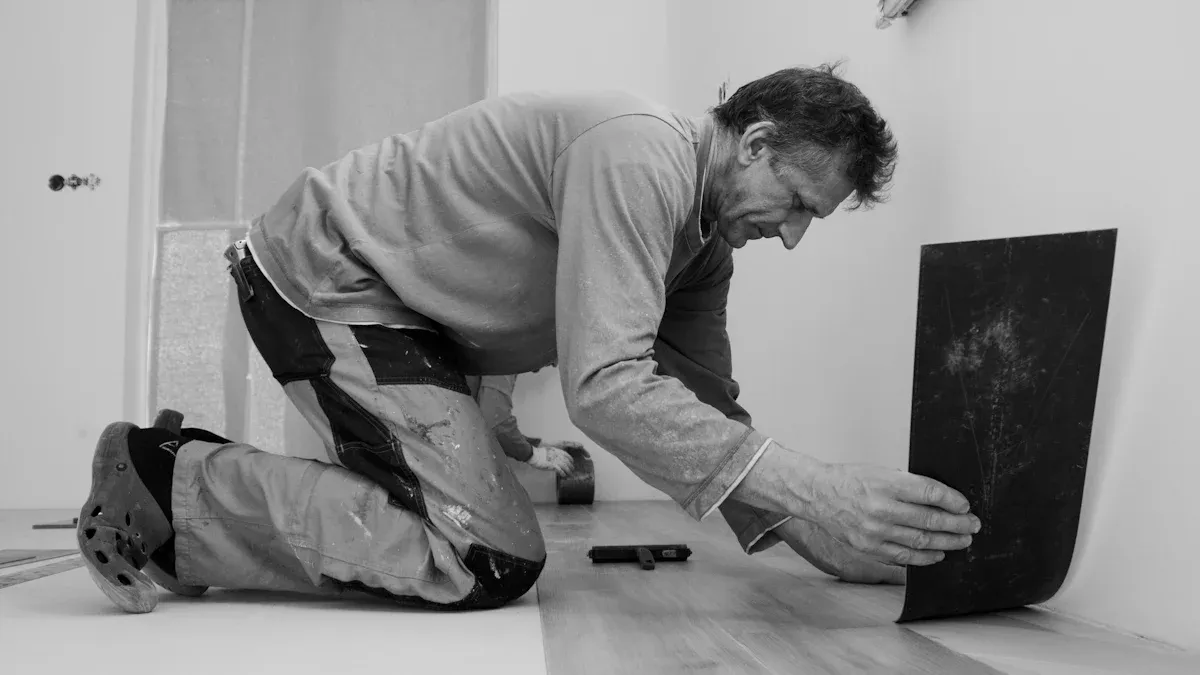
Using Underlayments and Sound Barriers for Noise Reduction
You can make your apartment quieter by choosing the right underlayment for your vinyl click flooring. Underlayment acts as a cushion and absorbs sound. It helps block both impact noise and airborne noise. You should look for underlayment with high STC and IIC ratings. These ratings show how well the material stops sound from moving between rooms. Many underlayments use recycled materials and resist mold and mildew. They also last a long time and do not compress, so you keep good sound proofing and durability.
| Feature | Description |
|---|---|
| Cost-Effective | Yes |
| Reduces Impact Sound | Yes |
| Reduces Airborne Noise | Yes |
| Perfect for Commercial Soundproofing | Yes |
| For Use with Variety of Floor Finishes | Yes |
| Recycled Materials | Yes |
| Durability | Resistant to ripping and bunching |
| Mold and Mildew Resistance | Yes |
| Compression Resistance | Yes, holds acoustical value over time |
| Installation Ease | Easy installation, will not slip or break down during installation |
| Conceals Subfloor Irregularities | Yes |
| Compatibility with Radiant Heat | Yes |
| Environmental Friendliness | Yes |
You can also use sound barriers like rubber or cork. These materials absorb sound and add comfort. Many vinyl click flooring products come with built-in acoustic underlayment. You get extra sound absorption and easier installation.
Tip: Choose tiles with IIC ratings of 60 or higher for the best quiet flooring results in apartments.
Installation Techniques for Minimizing Noise
You can reduce noise even more by using smart installation techniques. Add underlayment under your vinyl click flooring to block sound transfer. Fill gaps in the subfloor with insulation materials like acoustic mats. This step stops impact sounds from spreading. You can also use acoustic treatments in the ceiling below your floor. These treatments catch noise before it moves to other units.
- Add high-quality underlay for better sound insulation.
- Fill subfloor gaps with dense insulation.
- Use acoustic mats for extra sound proofing.
- Install ceiling treatments in lower units for more noise control.
These steps help you create a peaceful apartment with vinyl click flooring.
Choosing the Right Click On Tile Flooring Product
You need to look at several considerations when picking vinyl click flooring for quiet apartments. Check the core material composition. WPC cores provide extra cushioning and sound insulation. Look for products with textured surfaces. These surfaces improve slip resistance and make your floor look like natural materials. Built-in underlayment or sound barriers are important for reducing impact noise. Make sure your flooring meets environmental standards like FloorScore for better indoor air quality.
| Feature | Description |
|---|---|
| Core Material Composition | WPC provides cushioning underfoot, enhancing sound insulation. |
| Texture and Surface Finish | Textured surface improves slip resistance and mimics natural materials. |
| Acoustic Performance | Built-in sound barriers or underlayment reduce impact noise. |
| Environmental Standards | Certifications like FloorScore® ensure low VOC emissions. |
You can choose lvp with cork or foam underlayment for the best balance of soundproofing, durability, and style. These features help you enjoy quiet flooring and a comfortable home.
Apartment-Specific Noise Concerns and skspcflooring Solutions
Building Codes, HOA Rules, and Noise Requirements
You need to follow strict rules when you install new flooring in your apartment. Building codes set minimum standards for sound insulation. Most apartment complexes require floors to meet certain Impact Insulation Class (IIC) ratings. These ratings help you understand how well your floor blocks impact sound. You can see the requirements in the table below:
| IIC Rating | Requirement Description |
|---|---|
| 50-55 | Minimum requirement for floor assemblies in most apartment buildings |
| 60-65 | Typically needed for neighbor satisfaction and effective noise reduction |
The Department of Housing and Urban Development (HUD) and the Uniform Building Code (UBC) both highlight the importance of sound control. HOA rules often require you to prove your flooring meets these standards. You may need to show evidence of proper underlayment or pass a sound test. HOAs sometimes ask for area rugs or indemnity agreements to protect against noise complaints. Boards balance rule enforcement with owner rights, giving notice and a chance to be heard before making decisions.
Neighbor Relations and Upstairs/Downstairs Noise
You want to keep good relations with your neighbors. Noise from footsteps or moving furniture can cause complaints. Quick action helps prevent disputes. You should identify areas where sound leaks occur. Use practical solutions like acoustic panels, rugs, and quality underlayment. These steps help you minimize noise complaints and create a peaceful environment. Landlords who address sound issues keep tenants happy and avoid legal problems. Communication between neighbors and the board is important. Everyone gets a chance to share concerns before decisions are made.
Tip: Place rugs in high-traffic areas and use thick underlayment to reduce impact sound between floors.
Maintenance and Long-Term Quiet Flooring Performance
You need to maintain your flooring to keep your apartment quiet. Vinyl click flooring uses a multi-layer design that includes a wear layer, design layer, core layer, and backing layer. This structure gives you strong durability and helps the floor resist damage. When the floor stays intact, it keeps its sound insulation properties. You can reduce impact sound transmission by up to 20 decibels with click vinyl tiles. Using the right underlayment improves acoustic performance and makes your apartment suitable for multi-story living. Regular cleaning and checking for damage help you keep your floor’s durability and sound control over time.
Note: Choose skspcflooring products with certified underlayment for lasting sound reduction and reliable durability.
You can choose click on tile flooring for your apartment if you want a quiet and comfortable space. For the best results, use these tips:
- Pick tiles with high IIC and STC ratings.
- Add quality underlayment like cork or rubber.
- Use floating installation methods for better sound isolation.
Vinyl click flooring gives you durability, water resistance, and sound control. You get a peaceful home and meet apartment noise rules.
FAQ
What makes vinyl click flooring a good choice for apartments?
You get easy installation, water resistance, and strong durability. The multi-layer design helps reduce noise. You can use underlayment for extra sound control. This flooring works well in busy apartment spaces.
How do you reduce noise with vinyl click flooring?
Place rugs in high-traffic areas. Choose underlayment with high sound ratings. Add furniture to absorb sound. These steps help you create a quieter home.
Can you install vinyl click flooring over old floors?
Yes, you can install it over many surfaces. Make sure the old floor is clean, dry, and level. This helps the new floor stay strong and quiet.
Does vinyl click flooring need special cleaning?
You only need regular sweeping and damp mopping. Avoid harsh chemicals. Use soft pads under furniture to prevent scratches and keep your floor looking new.




