
You might wonder if vinyl plank flooring is truly waterproof in 2026. The answer is yes—today’s vinyl plank flooring offers strong protection against water. However, waterproof means the floor resists water in everyday situations, not that it can survive every possible water event. Take a look at how industry standards define this:
| Aspect | Description |
|---|---|
| Definition of Waterproof | ‘Waterproof’ does not mean impervious to all water conditions. |
| Manufacturer Guidelines | Following guidelines helps you understand the limits of waterproof claims. |
| Moisture Management | Moisture management is important—waterproof does not equal flood-proof. |
| Impact of Flooding | After flooding, the whole floor may need removal for drying, even if labeled waterproof. |
| Concrete Moisture Issues | Too much moisture from concrete can still cause issues. |
| Warranty Considerations | Warranties outline when the floor is considered waterproof after flooding. |
Waterproof vinyl plank flooring lets you relax about spills and pet accidents. Homeowners choose vinyl flooring because it makes cleaning easier and protects against most water-related damage. If you want to know what is vinyl plank flooring and why waterproof vinyl matters in your home, you have come to the right place.
What Is Vinyl Plank Flooring and Its Waterproof Qualities
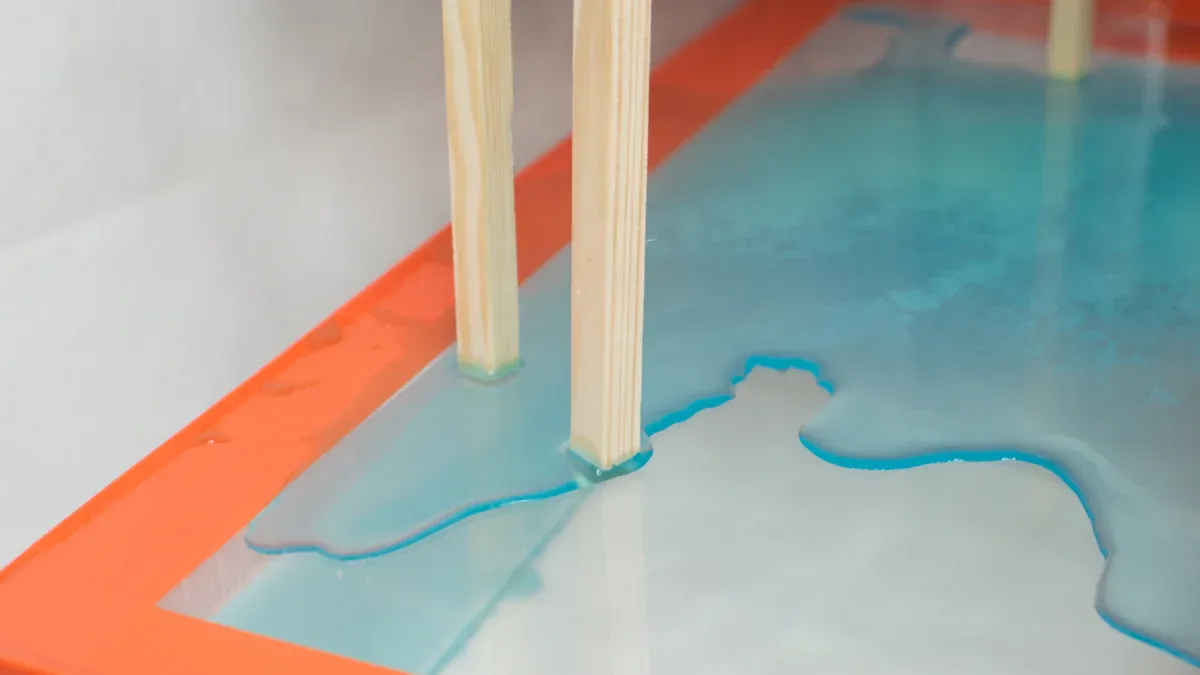
Defining Vinyl Plank Flooring
You may ask, what is vinyl plank flooring? This flooring type has become a favorite for homeowners who want a modern look and easy maintenance. Vinyl plank flooring mimics the appearance of wood, but it uses advanced materials to deliver durability and water resistance. Over the past five years, what is vinyl plank flooring has changed a lot. Manufacturers have moved from floppy sheet vinyl to luxury vinyl plank and luxury vinyl tile. These new products use a thick plastic core mixed with polyvinyl chloride resins. Some options include wood composites and limestone stabilizers, which make the planks stronger and more stable.
Today, you can choose from several categories of vinyl plank flooring:
- Luxury vinyl plank flooring offers a realistic wood look and feels sturdy underfoot.
- Luxury vinyl tile gives you the appearance of stone or ceramic, but with easier installation.
- Waterproof vinyl plank comes in rigid core options like SPC (stone polymer core) and WPC (wood polymer core), which improve performance and water resistance.
Manufacturers design waterproof vinyl plank flooring to meet the needs of busy households. You get a floor that stands up to spills, pet accidents, and daily wear. The best waterproof vinyl flooring combines style, strength, and easy care. If you want waterproof wood flooring without the worries of real wood, waterproof luxury vinyl flooring is a smart choice.
Here is a quick comparison of the main types:
| Flooring Type | Core Material | Water Resistance | Appearance |
|---|---|---|---|
| Luxury Vinyl Plank | PVC, wood composite | High | Wood-like |
| Luxury Vinyl Tile | PVC, stone composite | High | Stone/ceramic |
| SPC Vinyl Plank | Stone polymer core | Very High | Wood/stone |
| WPC Vinyl Plank | Wood polymer core | Very High | Wood/stone |
You can see that what is vinyl plank flooring now covers a wide range of products. The best luxury vinyl planks use advanced cores and stabilizers to deliver the waterproof nature you need for your home.
What Does Waterproof Mean for Vinyl Plank Flooring
When you hear the term waterproof vinyl plank, you may wonder what it really means. Waterproof vinyl plank flooring resists water from spills, pet accidents, and everyday moisture. You can mop the floor, clean up spills, or let your pets roam without worrying about water damage. Waterproof luxury vinyl flooring protects your home from most water challenges.
Manufacturers test waterproof vinyl flooring in labs. They spill water on samples and let it sit overnight. They also submerge samples in water for the same amount of time. These tests check if the flooring swells, deforms, softens, or delaminates. If the product stays strong, it earns a high water resistance score.
Tip: Waterproof vinyl plank flooring works best when you install it properly. Make sure you seal the edges and seams to keep water from getting underneath.
Waterproof nature means the flooring does not absorb water. You get peace of mind in kitchens, bathrooms, and basements. Waterproof wood flooring gives you the look of wood with the benefits of waterproof vinyl. The best waterproof vinyl flooring stands up to daily life and keeps its shape.
You should know that waterproof claims focus on surface protection. If water seeps through damaged seams or edges, it can get trapped underneath. This trapped moisture may cause mold or mildew. Manufacturers use the term waterproof vinyl plank for marketing, but you need to follow installation guidelines to get the full benefits.
Here are some key points about waterproof vinyl plank flooring:
- Waterproof vinyl plank resists spills and moisture on the surface.
- Waterproof vinyl flooring does not absorb water, so it stays stable.
- Luxury vinyl plank and luxury vinyl tile offer strong water resistance.
- Proper installation helps maintain the waterproof nature.
- The best luxury vinyl planks combine style and water resistance.
You can trust waterproof vinyl plank flooring to protect your home from most water challenges. If you want waterproof wood flooring with easy care, waterproof vinyl is a top choice. Luxury vinyl flooring gives you the look you want and the performance you need.
How Waterproof Vinyl Plank Flooring Works in 2026
Construction and Material Advances
You want a floor that stands up to water, and modern waterproof vinyl plank flooring delivers just that. Manufacturers have made big improvements in how they build these floors. Each plank uses several layers, and each layer has a special job. These layers work together to keep water out and make your floor last longer.
Here is a table that shows the main layers and their properties:
| Layer | Properties |
|---|---|
| Backing layer | Made from cork or foam; adds comfort and reduces noise. |
| Central core | Uses wood plastic composite (WPC) or stone plastic composite (SPC); gives strength and stops swelling from moisture. |
| Print layer | Shows the design, like wood or stone patterns. |
| Wear layer | Protects against scratches, stains, and fading. |
The central core is the heart of waterproof vinyl plank flooring. You can choose between WPC and SPC cores. WPC feels softer and warmer under your feet. It also helps with sound insulation, which makes it great for homes. SPC is denser and tougher. It resists dents and works well in both homes and busy places like stores or offices.
You get a floor that looks like real wood or stone, but with much better waterproof qualities. The wear layer on top keeps your floor looking new, even after years of use. The backing layer adds comfort and helps block sound. All these advances mean you can trust your waterproof vinyl floor to handle daily life.
Core Layers and Sealing Technology
The core layer is what makes waterproof vinyl plank flooring so effective. You can pick from two main types:
- WPC (Wood Plastic Composite): Feels soft and warm, gives good sound insulation, perfect for homes.
- SPC (Stone Plastic Composite): Very strong and dense, resists dents, works in homes and commercial spaces.
These cores do not let water pass through. They stop swelling and keep the planks stable, even if you spill water or mop the floor often.
Sealing technology is another key part of waterproof performance. Manufacturers use several methods to keep water from getting between the planks. Here is a table that shows some of the top sealing technologies and what they do:
| Sealing Technology | Function |
|---|---|
| Wax Treatments | Makes water bead up and roll off the surface. |
| Tight-Fitting Locking Systems | Creates tight seams, so water cannot slip through gaps. |
| Gasket-Like Compression | Uses rubber or polymer to block water between planks. |
| Multi-Point Locking | Spreads pressure evenly, making seams even tighter. |
| Overlapping Profiles | Makes it hard for water to find a way through the seams. |
| Enhanced Wear Layer | Adds extra protection against moisture and damage. |
| Sealed Surface Structure | Makes the surface denser, so water cannot get in. |
| UV-Cured Coatings | Adds a hard, protective layer that resists moisture. |
You get peace of mind with these features. The locking systems snap planks together tightly, so water stays on the surface. Wax treatments and special coatings add another layer of defense. Some floors even use rubber gaskets to seal the seams. These advances mean your waterproof vinyl plank flooring can handle spills, pet accidents, and regular cleaning.
Tip: Always follow the manufacturer’s instructions when installing waterproof vinyl plank flooring. This helps you get the best waterproof performance and keeps your warranty safe.
With these construction and sealing advances, you can trust your waterproof vinyl floor to protect your home from water. You get a floor that looks great, feels comfortable, and stands up to daily challenges.
Waterproof Vinyl Flooring vs. Water-Resistant Options
Key Differences Explained
You may wonder how waterproof vinyl flooring compares to water-resistant options. The main difference lies in how each type handles moisture. Waterproof vinyl flooring acts like a fortress, blocking water from reaching the core. Water-resistant planks offer some protection but can fail if exposed to water for too long.
Here is a table that shows the differences:
| Feature | Waterproof Flooring | Water-Resistant Flooring |
|---|---|---|
| Moisture Protection | Can handle standing water without damage | Can withstand spills if wiped up quickly |
| Construction | Built with an impenetrable surface and tight joints | Limited protection, can be compromised by prolonged exposure |
| Ideal Locations | Suitable for high moisture areas like kitchens and bathrooms | Best for low moisture areas like bedrooms and offices |
Water-resistant flooring is like a thin silk jacket. It protects against minor spills but not heavy rain. Waterproof vinyl flooring stands strong against extreme liquid encounters. You get peace of mind in places where water is common.
Tip: Choose waterproof vinyl flooring for bathrooms, kitchens, and basements. Water-resistant options work best in bedrooms or offices.
Real-Life Performance and Expectations
You want your floor to handle daily life. Waterproof vinyl plank flooring, especially those made from SPC or WPC, manages moisture and spills with ease. The core stays stable, so you do not see swelling or warping. You can use waterproof vinyl in high-humidity areas like bathrooms, basements, and laundry rooms.
Vinyl flooring offers excellent moisture resistance. Its closed-cell structure keeps water from seeping in. You clean it easily, so stains and mold do not become a problem. Luxury vinyl flooring gives you style and durability. Water-resistant planks need quick action after spills. If water sits too long, damage can happen.
Here is what experts say:
| Expert | Statement |
|---|---|
| Adam Ward, Mohawk | Vinyl offers customers better value, great performance in wear and against water. |
| Alan Smith, MSI | SPC products provide waterproof performance, enhancing consumer confidence. |
| Kim Apostolos, Happy Floors | Vinyl flooring makes spills and top-down moisture manageable. |
Waterproof vinyl flooring fits busy families and commercial spaces. You get a floor that does not absorb spills. Water-resistant options require more care. You must wipe up spills fast to avoid damage.
Note: Proper installation helps waterproof vinyl flooring perform at its best. Water can become trapped underneath if you do not follow guidelines.
You can trust waterproof vinyl to protect your home from most water challenges. Water-resistant options work well in dry spaces but need extra attention in wet areas.
Everyday Water Challenges: Spills, Flooding, and Moisture
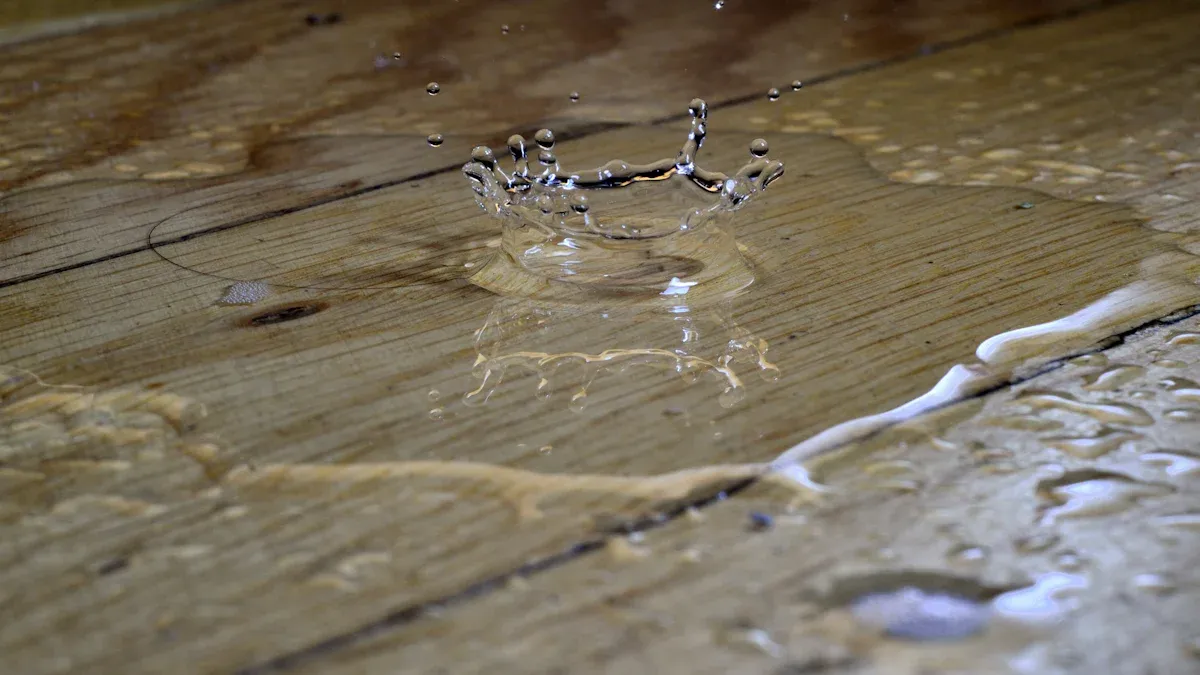
Handling Spills and Pet Accidents
You face spills and pet accidents almost every day. Waterproof vinyl flooring gives you strong moisture protection in these situations. The surface blocks water, so you can wipe up messes quickly. This flooring does not swell or warp like wood when exposed to humidity or minor spills. You get peace of mind in busy homes with kids or pets.
- Waterproof vinyl flooring acts as a barrier against everyday spills.
- The planks resist warping and swelling, even with frequent accidents.
- Quick cleanup is important. If you leave water or pet messes for too long, problems can still happen.
You should always clean up spills as soon as you see them. This keeps your floor looking new and prevents any long-term issues.
Kitchens, Bathrooms, and Basements
Kitchens, bathrooms, and basements are moisture-prone areas. You need a floor that stands up to water and daily use. Waterproof vinyl works well in these rooms because it resists water and is easy to maintain. Let’s compare how it performs against other flooring types:
| Feature | Waterproof Vinyl Plank Flooring | Traditional Hardwood | Laminate Flooring |
|---|---|---|---|
| Water Resistance | Yes | No | No |
| Durability | High | Medium | Medium |
| Maintenance | Low | High | Medium |
| Installation Ease | Easy (Click-lock) | Moderate | Easy |
| Aesthetic Variety | High | High | Medium |
You see that waterproof vinyl flooring gives you the best mix of water resistance, durability, and style. In basements, you should use a moisture barrier to protect both the floor and the subfloor. Regular maintenance and prompt cleanup of spills help prevent moisture buildup. Good indoor air management, like using dehumidifiers, also helps keep your floors in top shape.
Flooding and Prolonged Exposure
Flooding can challenge any floor, even waterproof options. If your home floods, you should act fast to protect your waterproof vinyl. Here is what you can do:
- Check if the water contains sewage or chemicals. If it does, you may need to replace the floor and subfloor.
- Dry the floor within 24 hours to stop swelling or warping.
- Look for water under the planks by stepping on the floor and listening for squishing sounds.
- Remove a small section if needed to check the subfloor and use a moisture meter.
Clean the floor with detergent and a mild disinfectant. Let it dry naturally with good airflow. If you see buckling, cut out the damaged vinyl and replace it. Always make sure the floor is completely dry before making repairs. Sometimes, you can repair light damage, but heavy damage may need new flooring.
Tip: Fast action after flooding helps your waterproof vinyl last longer and keeps your home safe.
Maintenance and Durability of Waterproof Vinyl Plank by skspcflooring
Preserving Waterproof Qualities
You want your waterproof vinyl plank flooring to last and stay resistant to water damage. Start by sweeping away debris every day. Mop with warm water and mild detergent. Avoid harsh chemicals and stick to pH-neutral cleaners. Clean up spills quickly to keep your floor waterproof. Check the seals around the edges often to make sure water cannot sneak underneath.
Choose luxury vinyl flooring with a 100% waterproof core. Prepare your subfloor so it is level and dry before installation. Use a quality vapor barrier and seal all seams. Leave a quarter-inch gap around the room’s perimeter for expansion. Align planks professionally to keep your waterproof flooring warranty safe.
Tip: Regular care and proper installation help you in maintaining waterproof flooring for years.
Cleaning and Care Tips
You can keep your vinyl flooring looking new with simple cleaning habits. Avoid cleaners with ammonia, mop-and-shine products, liquid or paste wax, and commercial floor cleaners not labeled safe for vinyl plank flooring. Use mild cleaners like dishwashing liquid, diluted distilled white vinegar, or plain water. Clean with a microfiber mop or a vacuum without a beater bar.
Apply felt pads to your furniture to prevent scratches. Place mats inside and outside your doors to catch dirt. Replace office chair wheels with ones safe for durable rigid core flooring. Clean as soon as the floor gets dirty, especially in high-traffic areas. Wipe up spills right away.
| Cleaning Product | Safe for Waterproof Vinyl? |
|---|---|
| Dishwashing Liquid | Yes |
| Diluted White Vinegar | Yes |
| Ammonia-based Cleaners | No |
| Mop-and-Shine Products | No |
Signs of Water Damage
You should inspect your waterproof vinyl plank flooring regularly. Look for buckling or warping, which means moisture may be trapped underneath. Gaps between planks can signal a shifting subfloor or weakened adhesive. Discoloration or stains, especially near edges, point to trapped moisture. Mold growth or musty odors show water damage. Bubbles or blisters under the surface suggest water buildup.
- Buckling or warping
- Gapping floor planks
- Discoloration
- Mold growth
- Bubbles or blisters
Step on the floor to check for soft or spongy spots. Look for green, black, or white spots that indicate mold. Quick action and regular inspections help you keep your waterproof flooring in top shape.
You can trust vinyl plank flooring to be waterproof in 2026. Experts agree that SPC and WPC types offer strong protection. You should check manufacturer details for warranty coverage. When you shop, consider these important factors:
- Choose the right material for your needs.
- Look for high waterproof ratings.
- Decide on installation method.
- Think about room usage and budget.
- Pick a style that fits your home.
Sweep or vacuum often. Clean spills quickly. Use pH-neutral cleaners. Avoid steam mops and standing water.
| Tip | Description |
|---|---|
| Subfloor prep matters | Make sure the surface is clean, level, and dry before installation. |
| Acclimate product | Let cartons sit in the room for 48-72 hours before installing. |
| Click-lock system | Install planks tightly for best waterproof performance. |
FAQ
Can you install waterproof vinyl plank flooring in bathrooms?
Yes, you can install waterproof vinyl plank flooring in bathrooms. The planks resist moisture and spills. You get easy cleaning and a stylish look. Make sure you seal the edges for best results.
How do you clean waterproof vinyl plank flooring?
You clean waterproof vinyl plank flooring with a damp mop and mild detergent. Avoid harsh chemicals. Use a microfiber mop or soft broom. Quick cleanup keeps your floor looking new.
Is waterproof vinyl plank flooring safe for pets?
Waterproof vinyl plank flooring is safe for pets. The surface resists scratches and stains. You can clean up accidents easily. Your pets can play without damaging the floor.
What makes SPC flooring different from other vinyl planks?
SPC flooring uses a stone polymer core. You get extra strength and stability. The planks resist dents and moisture. SPC works well in busy homes and commercial spaces.




