

You want to keep your floors looking fresh and free from damage. Everyday activities can leave marks on your vinyl plank flooring with underlayment. Simple tricks help you prevent dents and maintain a smooth surface.
Tip: Use easy solutions like pads, rugs, or underlayment to protect your floors.
You can choose methods that fit your home and budget. Protect your investment and enjoy beautiful flooring for years.
Use Furniture Pads to Prevent Dents
Why Furniture Pads Help Prevent Dents
You want your vinyl plank flooring to stay smooth and free from dents. Furniture pads make this possible. Flooring experts recommend using furniture pads to prevent dents and scratches on vinyl plank flooring. These pads work by spreading out the weight of your furniture. When you place protective pads under furniture legs, you reduce pressure on small spots. This stops rigid legs from digging into the floor. You also avoid scratches and marks that can happen when you move chairs or tables. Felt or cotton pads work best because they do not stain your floors.
- Furniture pads help distribute weight evenly.
- Protective pads prevent dents by creating a soft barrier.
- Pads stop rigid legs from pressing into the vinyl plank flooring.
How to Choose the Right Furniture Pads
You have many options when picking furniture pads. The right choice depends on your furniture and how you use your space. Felt pads stick to the bottom of furniture legs and give a soft, protective layer. These work well for most chairs and tables. Rubber caps are a good choice for items you move often, like kitchen chairs. They reduce friction and impact. For heavy furniture, use furniture glides. These make it easy to move large items and protect your floor from scratches.
- Felt pads: Soft and easy to attach, great for everyday use.
- Rubber caps: Best for chairs and tables that move often.
- Furniture glides: Ideal for heavy items that need to slide.
How to Install Furniture Pads for Best Results
You can install protective pads in a few simple steps. Clean the bottom of each furniture leg before attaching the pad. This helps the pad stick better. Place pads on all chairs, tables, and heavy items. Make sure the pads cover the entire contact area. For large appliances, use glides or thick pads to make moving easier and safer. Check your pads often and replace them if they wear out. This keeps your vinyl plank flooring safe from dents and scratches.
Tip: Use felt and rubber pads for the gentlest protection on your vinyl plank flooring.
Install Proper Underlayment for Vinyl Plank Flooring with Underlayment
What Is Underlayment and How Does It Work?
You may wonder what underlayment is and why it matters for your floors. Underlayment is a thin layer that sits between your subfloor and your vinyl plank flooring with underlayment. This layer acts as a cushion and helps your floor last longer. You get extra comfort when you walk, and your home stays quieter because underlayment absorbs sound. It also blocks moisture, which keeps your vinyl plank flooring with underlayment safe from water damage. When you use underlayment, you protect your floor from dents and wear.
- Underlayment improves sound performance and comfort.
- It creates a moisture barrier to protect your floor.
- It helps your vinyl plank flooring with underlayment last longer.
How Underlayment Helps Prevent Dents
You want your floors to look smooth and new. Underlayment gives your vinyl plank flooring with underlayment a shock-absorbing layer. This layer takes in the impact from footsteps and heavy furniture. When you walk or move furniture, the underlayment spreads out the pressure. This stops dents from forming in your vinyl plank flooring with underlayment. Underlayment also smooths out small bumps in the subfloor. This keeps your planks flat and prevents damage over time.
- Underlayment absorbs impacts and reduces the risk of dents.
- It levels the subfloor for better support.
- Your vinyl plank flooring with underlayment stays strong and beautiful.
Choosing the Best Underlayment with skspcflooring
You have many choices for underlayment materials. Each type has its own strengths. Here is a simple table to help you compare:
| Material | Advantages | Disadvantages |
|---|---|---|
| Foam | Good cushioning, affordable | Less sound absorption |
| Cork | Great for sound, eco-friendly | No moisture protection |
| Felt | Thick, good for sound and insulation | Can cost more |
| Rubber | Durable, soundproof, moisture protection | Higher price |
| Plywood | Levels uneven subfloors | No sound or heat insulation |
When you choose underlayment from skspcflooring, look for these features:
- Moisture resistance for wet areas
- Soundproofing for quiet rooms
- Thermal insulation for comfort
- Compatibility with your subfloor
- Easy installation methods
You can trust skspcflooring to offer high-quality options that fit your needs. The right underlayment will keep your vinyl plank flooring with underlayment looking new for years.
Rearrange Furniture Regularly to Prevent Dents
Why Moving Furniture Matters for Vinyl Plank Flooring
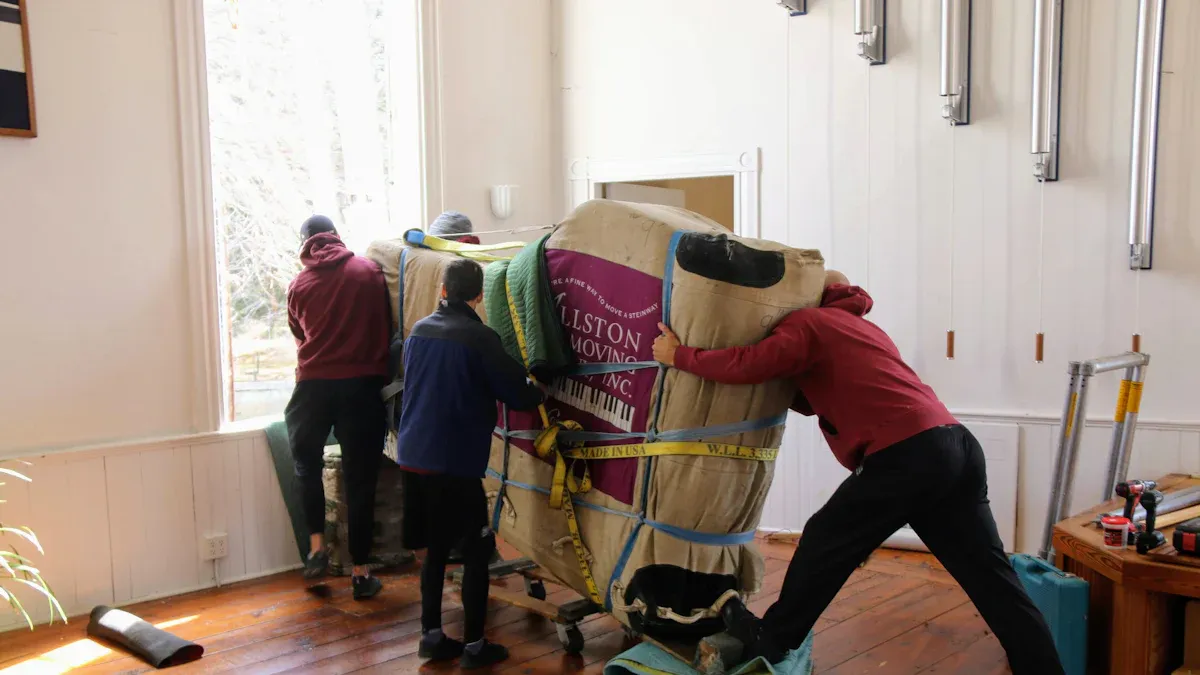
You want your vinyl plank flooring to look smooth and new. Heavy furniture can leave marks if it stays in one place for a long time. When you move your furniture, you help your floor stay strong and beautiful. Rearranging your furniture gives your floor a break from constant pressure. This simple habit protects your floor from dents and keeps it looking fresh.
- Rearranging furniture spreads weight across the floor.
- Moving items stops pressure from building up in one spot.
- You lower the chance of permanent dents and marks.
You do not need to move everything at once. Small changes make a big difference. Even shifting a chair or table a few inches helps your floor recover.
Simple Ways to Rearrange Without Hassle
You can rearrange your furniture without much effort. Start by planning where you want each piece to go. Draw a quick sketch or use sticky notes to mark new spots. Ask a friend or family member to help with heavy items. Use furniture sliders or felt pads to make moving easier and safer for your vinyl plank flooring.
Try these easy steps:
- Move chairs and small tables every few weeks.
- Shift your sofa or bed a few inches each month.
- Rotate rugs and mats to change pressure points.
- Swap the positions of light furniture for a new look.
Tip: Set a reminder on your phone to rearrange furniture every month. This habit helps prevent dents and keeps your floor in top shape.
You do not need to make big changes. Small moves protect your floor and give your room a fresh feel.
Use Area Rugs and Mats for Extra Protection
Benefits of Area Rugs on Vinyl Plank Flooring
You want your vinyl plank flooring to last for years. Area rugs give your floors an extra layer of defense. They help absorb the impact from footsteps and furniture. This means you see fewer dents and scratches. You also enjoy a softer surface under your feet. Area rugs can add color and style to your room while protecting your investment.
Using floor mats in high-traffic areas can greatly reduce the risk of scratches, while avoiding heavy furniture can prevent unsightly dents. By taking these precautions, you’ll improve the longevity and appearance of your flooring.
You can choose from many materials for your rugs and mats. Some work better than others for vinyl plank flooring. Consider these options:
- Natural Rubber: Provides excellent anti-slip properties and moisture resistance.
- Hybrid Pads: Combines felt and rubber for cushioning and anti-slip benefits.
- Latex: Offers good traction and is water-resistant, though may leave residue.
- PVC: Cost-effective but can release VOCs; suitable for outdoor use.
- Memory Foam: Excellent cushioning and noise reduction, but may require a non-slip version.
- Polyester: Good for high moisture areas and pet stains.
These materials help keep your rugs in place and protect your floor from damage.
Where to Place Rugs for Maximum Protection
You can place area rugs in spots that get the most use. Entryways, hallways, and living rooms see a lot of foot traffic. These high-traffic areas need extra care. Put mats near doors to catch dirt and moisture before it reaches your vinyl plank flooring. Place rugs under dining tables and chairs to stop dents from forming. You can also use mats in playrooms or home offices where chairs move often.
Try to cover spots where you move furniture or walk the most. This simple step keeps your floors looking new and reduces the need for repairs. Rotate your rugs every few months to spread out wear and keep your protection even.
Choose Furniture with Wider Legs to Prevent Dents
Why Wider Legs Are Better for Vinyl Plank Flooring
You want your vinyl plank flooring to stay smooth and free from dents. Choosing furniture with wider legs helps you reach this goal. Wider legs spread the weight of your furniture over a larger area. This means your floor does not get pressed in one spot for a long time. You see fewer dents and your floor stays looking new.
- Narrow furniture legs can cause deep indentations in your flooring.
- Wider legs help distribute weight evenly and reduce the risk of damage.
When you shop for new furniture, look for pieces with broad, flat legs. You can also add wider bases to your current furniture. This simple change protects your floor and keeps your home looking its best.
Tip: Use wider legs on heavy items like sofas, beds, and cabinets for the best results.
How to Add Leg Protectors for Extra Safety
You can make your furniture even safer for your vinyl plank flooring by adding leg protectors. These small accessories create a soft barrier between your furniture and the floor. They help prevent dents, scratches, and scuffs.
- Furniture coasters spread out the weight of heavy items and stop dents from forming.
- Rubber or felt pads work well for furniture that slides across the floor.
- Scotch™ Self-Stick Felt Pads can be cut to fit any size and help prevent nicks, dents, and scratches.
You can also use furniture glides for large or heavy pieces. These glides make it easy to move furniture without damaging your floor. Always check your leg protectors and replace them if they wear out. This keeps your vinyl plank flooring safe and looking great.
Note: Clean the bottom of each furniture leg before adding protectors. This helps them stick better and last longer.
By choosing wider legs and using the right protectors, you give your vinyl plank flooring the best defense against dents.
Avoid Dragging Heavy Items on Vinyl Plank Flooring
The Risks of Dragging Furniture
Dragging heavy furniture across your vinyl plank flooring can cause serious problems. You might think sliding a sofa or table is easier, but this action puts your floor at risk. When you drag heavy items, you create pressure points that can leave dents. Small rocks or dirt under the furniture can scratch the surface. Over time, these marks make your floor look old and worn.
Common types of damage from dragging heavy items include:
- Dents from the concentrated weight of furniture.
- Scratches caused by grit or debris trapped under the legs.
- Gouges that happen when sharp edges catch the floor.
You can avoid these problems by using simple habits. Always lift large items instead of dragging them. Place rugs or mats in busy areas to protect your floor. Use furniture pads or caps on the legs to reduce friction and prevent damage.
Tip: Lifting heavy furniture keeps your vinyl plank flooring smooth and free from scratches.
Safe Ways to Move Heavy Furniture
You do not have to struggle when moving heavy furniture. Many tools and accessories help you protect your vinyl plank flooring. These products make moving easier and safer for your floor.
| Tool/Accessory | Description |
|---|---|
| Heavy-Duty Furniture Sliders | Ideal for moving heavy items without damaging floors, thanks to extra-soft glider sleds. |
| Thermoplastic Rubber Casters | Non-marking and resistant to oil, water, and chemicals, ideal for protecting vinyl floors. |
| Polyurethane Casters | Offers excellent floor protection and durability, suitable for heavy furniture on vinyl floors. |
You can use furniture sliders under the legs before you move anything. These sliders let you glide furniture across the floor without leaving marks. Casters made from thermoplastic rubber or polyurethane also protect your floor. They roll smoothly and do not leave stains or scratches.
If you need to move something very heavy, ask for help. Two people can lift and carry large items safely. Always check the bottom of furniture for dirt before moving it. Clean surfaces prevent scratches and keep your vinyl plank flooring looking new.
Note: Using the right tools and lifting instead of dragging will help your floor last longer.
Maintain Clean Floors to Prevent Dents
How Dirt and Debris Cause Dents
You might not realize how much dirt and debris can harm your vinyl plank flooring. Small particles like sand, grit, or dust act like sandpaper under your feet and furniture. When you walk across the floor, these tiny pieces press into the surface. Over time, they create scratches and weak spots. Heavy furniture or sharp objects can then press into these areas and cause dents.
If you let spills or sticky messes stay on the floor, they can attract more dirt. Moisture from spills can also seep into seams and make the planks swell or shift. This weakens the floor and makes it easier for dents to form. Keeping your floor clean helps you avoid these problems and keeps your vinyl plank flooring looking new.
Tip: Regular cleaning is one of the best ways to prevent scratches and dents on your vinyl plank flooring.
- Sweeping or vacuuming removes grit that can scratch the surface.
- Cleaning up spills right away stops moisture from damaging the seams.
- Using a damp mop with a pH-neutral cleaner avoids extra water that can harm the floor.
Easy Cleaning Tips for Vinyl Plank Flooring
You can keep your vinyl plank flooring in top shape with a few simple cleaning habits. Start by sweeping or vacuuming every day to pick up dust and dirt. Use a soft broom or a vacuum with a hard floor setting. For sticky spots, wipe them up with a soft cloth or paper towel. If you need to mop, use warm water and a pH-neutral cleaner. Avoid steam cleaners and rough tools because they can damage the finish.
Here are some easy tips for daily and deep cleaning:
- Blot spills right away with a soft cloth.
- Use a damp mop with mild cleaner for sticky messes.
- For tough stains, try rubbing alcohol or a diluted vinegar solution.
- Deep clean your floor every season with a vinyl-approved cleaner.
- Check for shifting planks and rotate rugs to keep your floor even.
- Trim pet nails to prevent scratches.
- Manage sunlight with blinds or curtains to avoid fading.
By following these steps, you protect your floor from dents and keep it looking beautiful for years.
You can keep your vinyl plank flooring looking new when you follow these seven easy steps. Try one or two tips today and see instant results. You will prevent dents and protect your floors for years. For expert advice and high-quality flooring solutions, trust skspcflooring. Your home deserves the best care.
FAQ
What causes dents in vinyl plank flooring?
Heavy furniture, sharp objects, and dirt can cause dents. When you place too much weight in one spot, the floor can get damaged. Moving furniture without pads also increases the risk.
How often should you move your furniture to prevent dents?
You should move your furniture every few months. Small shifts help spread out the pressure. This keeps your vinyl plank flooring looking smooth and new.
Can you use any rug on vinyl plank flooring?
You should choose rugs with non-staining backings. Natural rubber or felt works best. Avoid rugs with latex or PVC if you want to prevent discoloration.
Do furniture pads really work on all types of furniture?
Yes, furniture pads help protect your floor from chairs, tables, and heavy items. You should check and replace worn pads often for the best results.
How do you clean vinyl plank flooring without causing dents?
Sweep or vacuum daily. Use a damp mop with a pH-neutral cleaner. Avoid steam cleaners and rough tools. Quick cleaning keeps your floor safe from dents and scratches.




