
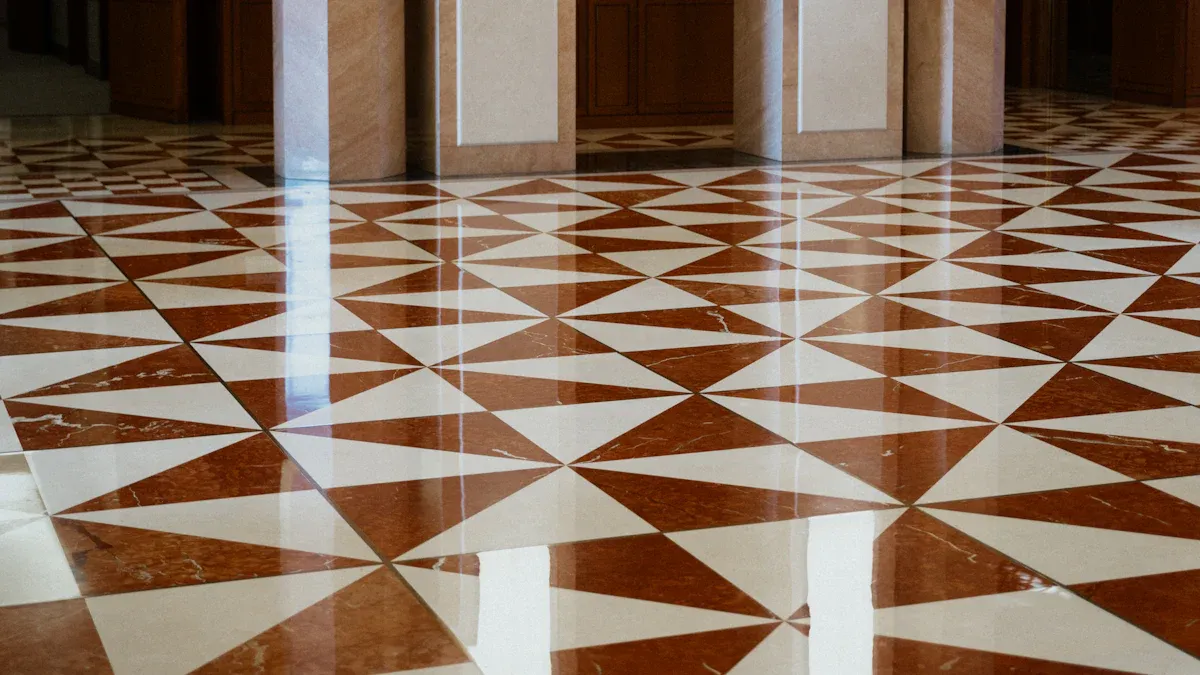
You have several excellent types of elevator flooring to consider. The best flooring for elevators often includes materials like Rubber, Luxury Vinyl Tile (LVT), and Carpet Tile. Your final choice balances durability with your building’s design. A high-traffic elevator demands a strong, resilient surface. Proper flooring ensures your elevator operates safely and looks great for years. 🏢
Exploring Top Elevator Flooring Materials
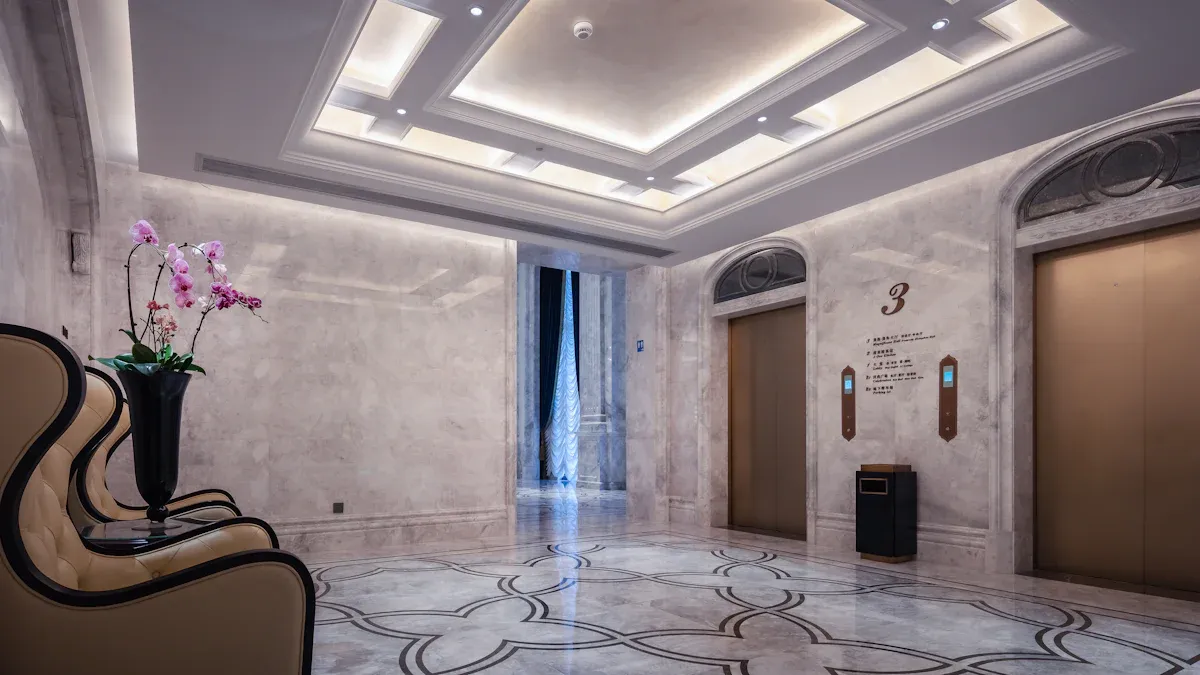
Choosing the right material is the most important step in your elevator flooring project. You need a surface that handles daily wear while matching your building’s style. Let’s explore the most popular types of elevator flooring to help you find the perfect fit for your property.
Rubber Flooring
Rubber is a workhorse material, making it a top choice for high-traffic environments. You will often find this durable flooring in hospitals, schools, and commercial buildings where performance is key. It provides exceptional slip resistance, even when wet, which greatly enhances passenger safety. Rubber also absorbs sound well, contributing to a quieter ride in your elevator.
This material is incredibly resilient and can withstand heavy foot traffic, rolling carts, and luggage with ease. When considering safety, you should look for products that meet specific fire testing standards.
Safety Compliance Note: For commercial installations, you need flooring that meets fire safety codes. Quality rubber flooring passes key tests:
- ASTM E 648 (Critical Radiant Flux): Achieves Class 1, the highest rating for flame spread resistance.
- ASTM E 662 (Smoke Generation): Passes with a smoke density value under 450.
While highly functional, rubber has a lower fire resistance compared to other materials. Its utilitarian appearance may also not suit luxury environments.
| Material | General Fire Resistance |
|---|---|
| Rubber | Low |
| Vinyl | Low |
Luxury Vinyl Tile (LVT)
Luxury Vinyl Tile (LVT) offers you the perfect blend of beauty and strength. This is one of the most versatile elevator flooring options available. LVT uses advanced printing technology to realistically mimic the look of natural materials like wood or stone, but without the high cost or maintenance. This gives you endless design possibilities to match any aesthetic.
A major advantage of LVT is its light weight. An elevator has strict weight limits, and heavy flooring can affect its balance and mechanics. LVT is significantly lighter than stone, which reduces strain on the elevator’s operating systems.
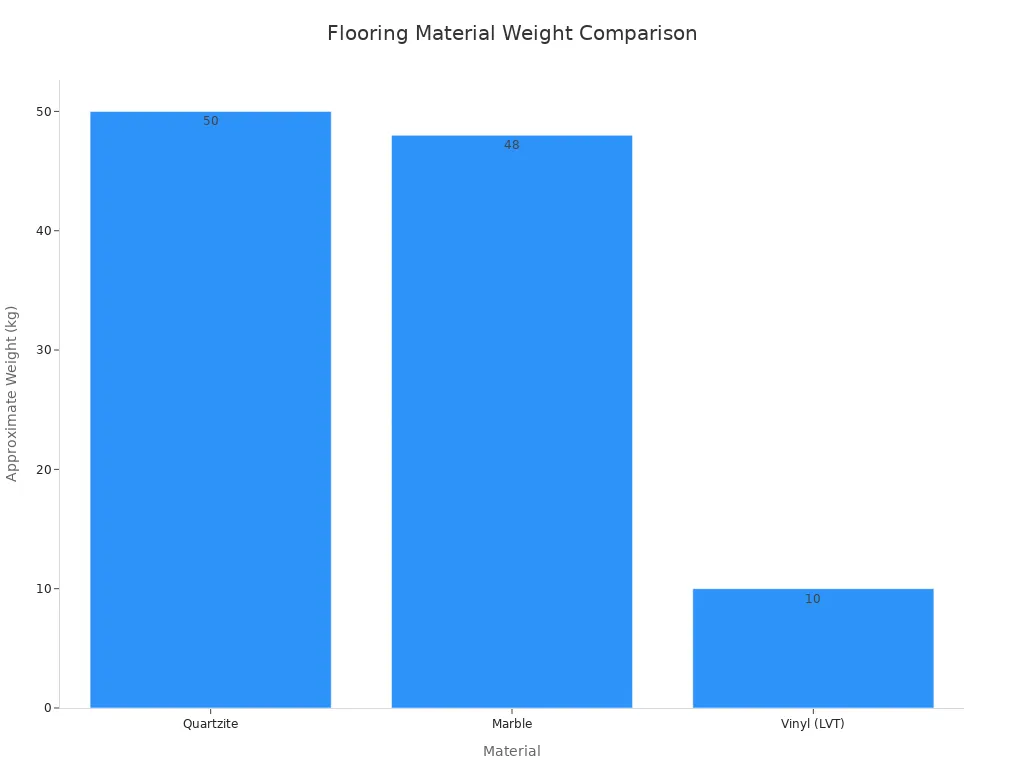
This flooring is also highly durable and easy to clean. It resists scratches, scuffs, and stains, making it ideal for a busy elevator. You can find LVT in various thicknesses, with common options for elevator use being 1/8" or 1/4". The tile format also makes repairs simple; you can replace a single damaged tile instead of the entire floor.
Carpet Tile
Carpet tile brings a sense of warmth and comfort to an elevator cab. It is an excellent choice for office buildings, hotels, and residential complexes where you want to create a welcoming, high-end feel. Carpet is unmatched for its sound-dampening qualities, ensuring the quietest ride possible for passengers.
When selecting carpet for an elevator, you must choose a commercial-grade product designed for heavy use. Look for specific features that ensure longevity:
- Low Pile Height: A short, dense pile is easier to clean and less likely to crush or snag. For commercial use, you should look for a pile height of around 0.122 inches.
- High Pile Density: A dense weave resists wear and matting. A pile density rating between 5,000 and 7,000 is recommended for high-traffic zones.
Like LVT, the tile format is a huge benefit. If a tile gets stained or damaged, you can easily swap it out with a new one. This makes maintenance efficient and cost-effective for your elevator.
Natural Stone and Quartz
Natural stone and quartz bring unmatched elegance to an elevator cab. Materials like marble or granite create a premium, high-end look that is perfect for luxury hotels, corporate headquarters, and upscale residential buildings. This type of flooring makes a powerful first impression.
However, you must consider the significant weight of these materials. An elevator has strict weight capacity limits for safe operation. Adding heavy flooring can disrupt its balance and mechanics. Natural stone is substantially heavier than other options. The thickness of the stone directly impacts its total weight.
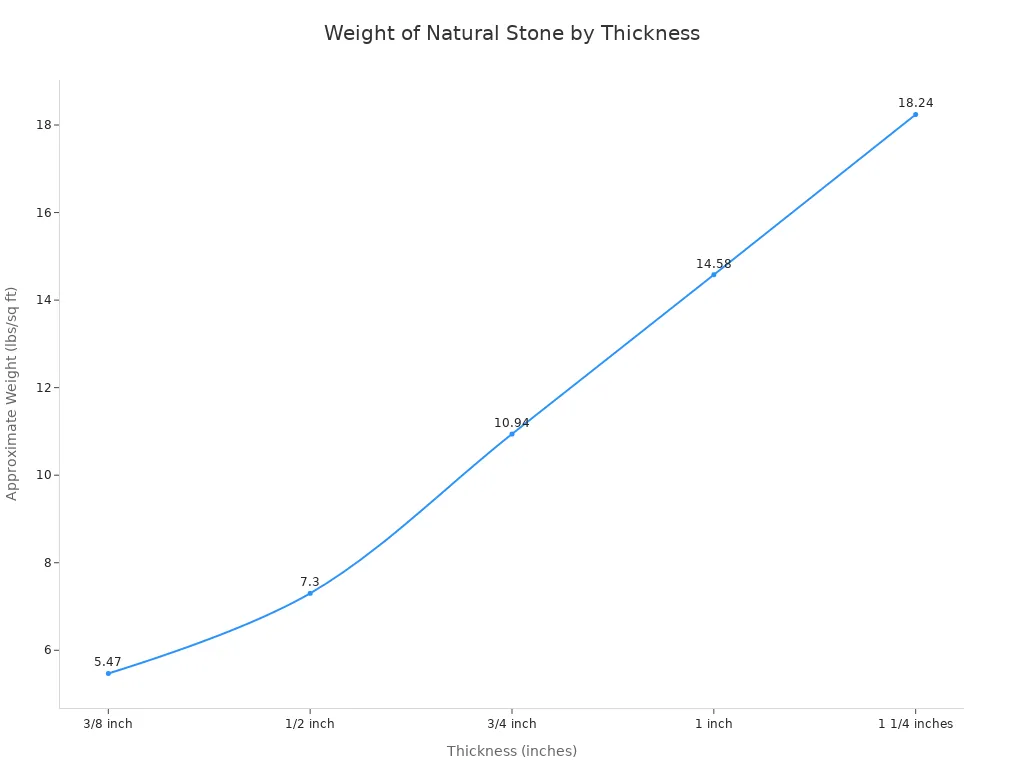
The table below shows you the approximate weight per square foot for stone at different thicknesses.
| Thickness (inches) | Thickness (mm) | Approximate Weight (lbs/sq ft) |
|---|---|---|
| 3/8 | 9.5 | 5.47 |
| 1/2 | 12.7 | 7.3 |
| 3/4 | 19 | 10.94 |
| 1 | 25.4 | 14.58 |
| 1 1/4 | 32 | 18.24 |
Stone also requires dedicated maintenance to keep its beautiful appearance. Many natural stones are porous and can be damaged by acidic cleaners or standing water.
Stone Care Essentials To protect your stone elevator flooring, you should follow a few key steps:
- Sweep daily. Dirt and grit can scratch the surface and create dull spots in high-traffic lanes.
- Use pH-neutral cleaners. Avoid acidic or abrasive products that can etch or damage the stone.
- Seal the flooring periodically. High-traffic elevators may need annual sealing to protect the stone from stains and wear.
Sheet Vinyl and PVC
Sheet vinyl and PVC offer you a highly practical and cost-effective flooring solution. Unlike tiles, this flooring comes in large rolls, creating a seamless surface across the entire elevator floor. This lack of seams prevents dirt, moisture, and bacteria from getting trapped, making it incredibly easy to clean and very hygienic. This feature makes it a great choice for hospitals, clinics, and service elevators.
Safety is another strong point for sheet vinyl. Many commercial-grade products are engineered for slip resistance. Smooth vinyl flooring often has a Dynamic Friction Coefficient (DFC) well above 0.4 in wet conditions, which helps prevent slips and falls. Some anti-slip PVC flooring options even have a friction coefficient greater than 0.6, offering enhanced passenger safety.
You can expect a long lifespan from this durable flooring. With proper installation and care, commercial-grade sheet vinyl can last between 10 to 15 years. For a busy elevator, you should choose a product with a thick wear layer of at least 20–28 mil to ensure it holds up to heavy foot traffic. While it may not offer the same luxury look as other materials, its functionality and value make it an excellent choice for many commercial properties.
In-Depth Look: Rubber Elevator Flooring
Rubber flooring is a popular choice for its incredible resilience. You need to understand its specific advantages and disadvantages to decide if it is the right fit for your building’s elevator.
Pros of Rubber
Rubber offers you several key performance benefits, making it a practical choice for many settings.
- Exceptional Durability: This flooring is built to last. It resists scuffs, scratches, and heavy impacts from carts or luggage.
- Superior Slip Resistance: You get excellent traction with rubber, even when the surface is wet. This greatly improves passenger safety.
- Sound Dampening: Rubber naturally absorbs noise. It helps create a quieter, more pleasant ride inside the elevator.
- Easy Maintenance: A simple cleaning routine is all you need to keep this flooring looking good.
Cons of Rubber
You should also be aware of some potential drawbacks, especially concerning air quality.
- Strong Odor: New rubber flooring has a distinct smell. The enclosed space of an elevator cab can trap this odor, making it very noticeable.
- Off-Gassing: Studies show that some rubber flooring can release chemicals into the air, a process called off-gassing. Research has identified substances like xylene, formaldehyde, and toluene in emissions from certain rubber products.
- High VOCs: Rubber flooring often has significantly higher levels of Volatile Organic Compounds (VOCs) compared to other materials.
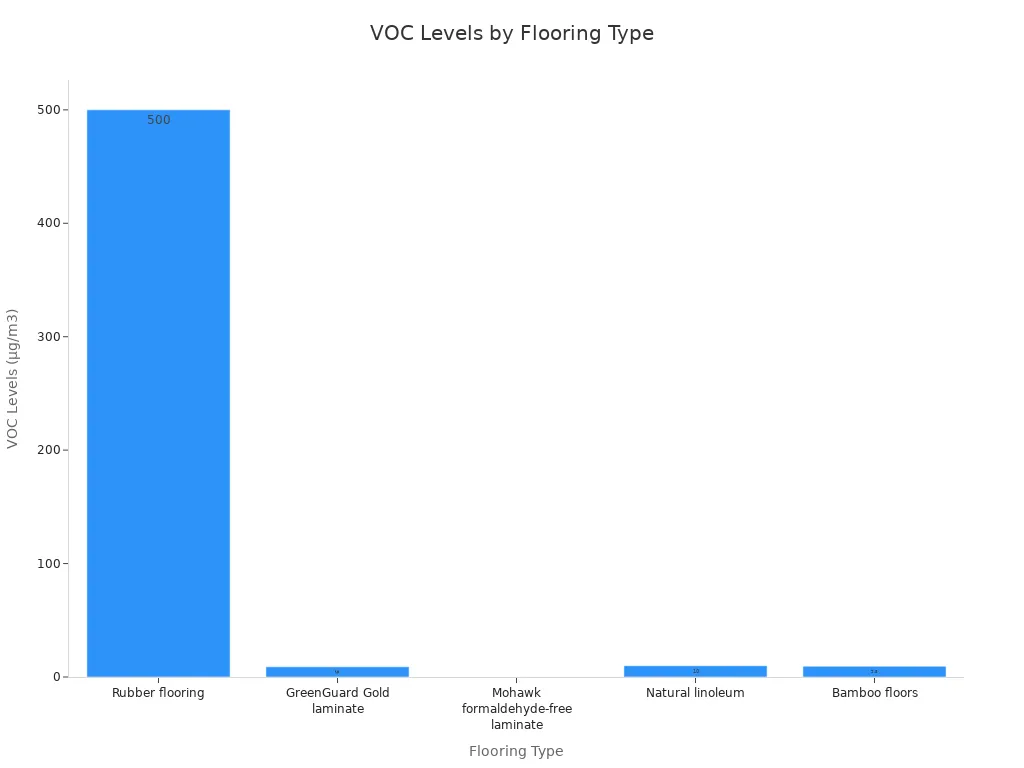
The odor from the flooring may decrease over time, but it might not disappear completely.
Best For
Rubber is an excellent material when function is your top priority. Its strengths make it ideal for specific environments.
Rubber flooring is the top choice for high-traffic, utility-focused areas. You will find it works best in hospitals, schools, gyms, and service elevators where durability and safety are more important than a luxury appearance.
Consider this option when you need a floor that can handle constant, heavy use day after day.
In-Depth Look: Luxury Vinyl Tile (LVT)
Luxury Vinyl Tile (LVT) gives you an incredible balance of style and function. This flooring is a top contender for many elevator projects. You should explore its specific benefits and drawbacks to see if it fits your building’s needs.
Pros of LVT
LVT provides many advantages for your elevator. Its greatest strength is design flexibility. You can achieve almost any look you want. Modern LVT offers you a wide range of trending styles and textures.
- Layouts like herringbone and chevron add visual interest.
- Wood-look planks with matte finishes create a sophisticated feel.
- Bold geometric patterns make a strong design statement.
- Textured surfaces realistically mimic stone and aged wood.
This flooring is also very durable and lightweight, which is crucial for an elevator. It resists scratches and scuffs from daily traffic. The tile format makes repairs easy. You can simply replace a single damaged tile instead of the entire floor. This saves you time and money on maintenance.
Cons of LVT
You should also consider a few potential downsides. While LVT is strong, it is not indestructible. Extremely heavy or sharp objects can sometimes dent or puncture the surface. The quality of the product matters greatly. Cheaper LVT may not look as realistic and can show wear more quickly than a high-quality commercial-grade option. Proper subfloor preparation is also essential. An uneven base can cause tiles to lift or create visible imperfections in the flooring over time.
Best For
LVT is an excellent choice when you want to combine modern aesthetics with practical performance. It is versatile enough for many different environments.
LVT is increasingly used in light commercial spaces like boutiques, offices, and rental units due to its resilience and design flexibility.
This flooring is perfect for you if your goal is to upgrade your elevator’s appearance without the high cost or weight of natural stone. It works well in office buildings, hotels, and multi-family residential properties where you want a durable, stylish, and easy-to-maintain surface.
In-Depth Look: Carpet Tile for Your Elevator
Carpet tile offers a unique combination of comfort and style for your elevator cab. You should weigh its distinct advantages and disadvantages to see if this flooring is the right choice for your building.
Pros of Carpet Tile
Carpet tile provides several key benefits that enhance the passenger experience. This flooring creates a warm and inviting atmosphere inside your elevator.
- Superior Sound Absorption: Carpet is the best material for dampening noise. It absorbs sounds from foot traffic and the elevator’s movement, ensuring a very quiet ride.
- Comfort Underfoot: The soft texture of carpet provides a comfortable surface for passengers to stand on. This adds a touch of luxury.
- Design Versatility: You can find carpet tiles in countless colors, patterns, and textures. This allows you to create a custom look that perfectly matches your building’s interior design.
- Simple Repairs: Damage is easy to fix. You can simply remove and replace a single stained or worn tile instead of redoing the entire floor.
Cons of Carpet Tile
You also need to consider the maintenance challenges that come with carpet. This type of flooring requires more attention than hard surfaces.
- Difficult to Clean: Spills can soak into the fibers and become permanent stains if not treated quickly. Odors can also get trapped in the carpet.
- Traps Dirt and Allergens: The fibers can hold onto dust, dirt, and allergens. This requires frequent and thorough vacuuming to keep the elevator clean and hygienic.
- Moisture Susceptibility: Carpet can absorb moisture from wet shoes or spills. This can lead to mold or mildew growth if the flooring does not dry completely.
Maintenance Alert You must use a commercial-grade, low-moisture cleaning method for deep cleaning. Soaking the carpet with water can damage the backing and the elevator subfloor.
Best For
Carpet tile is an excellent choice when your priority is creating a quiet, comfortable, and upscale environment. It performs best in buildings with moderate foot traffic where appearance and ambiance are important.
Carpet tile is ideal for corporate offices, luxury hotels, and high-end residential buildings. It helps you make a strong, welcoming impression on guests and tenants.
Consider this flooring when you want to elevate the passenger experience with a focus on comfort and sophisticated design.
In-Depth Look: Natural Stone and Quartz
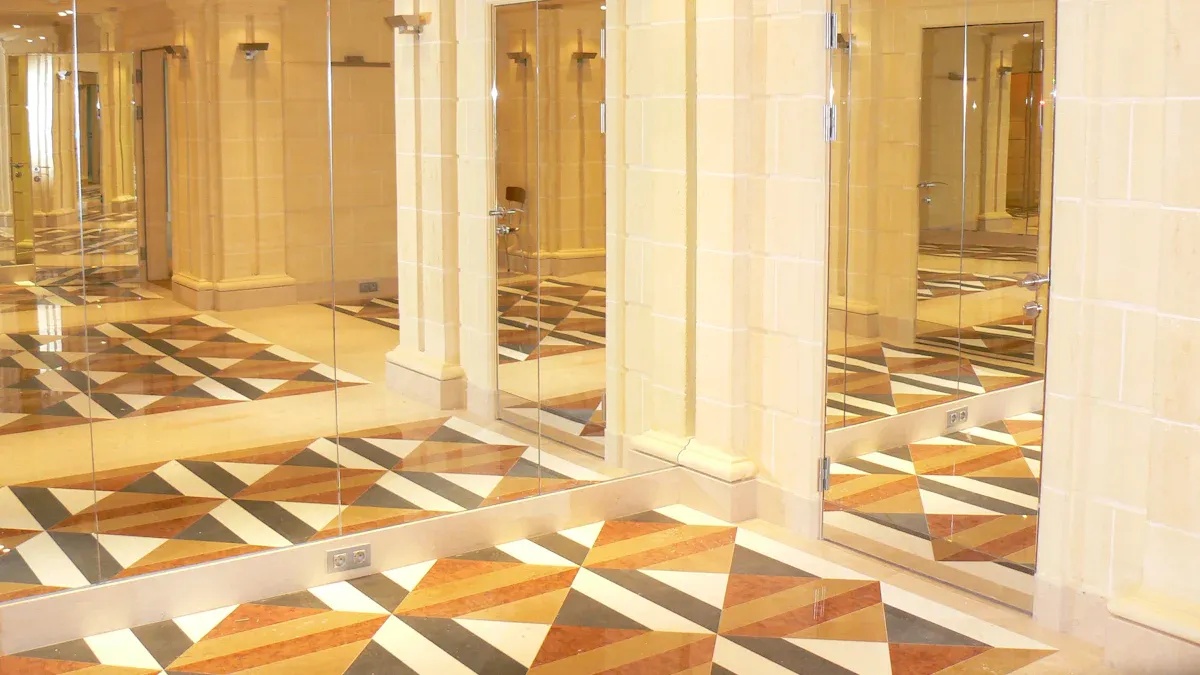
Natural stone and quartz flooring deliver a powerful statement of luxury and permanence. You can use materials like marble and granite to create an unmatched, high-end feel in your elevator. Let’s examine the pros and cons to see if this premium flooring option is right for your building.
Pros of Stone and Quartz
The primary benefit of stone and quartz is their stunning visual appeal. This type of flooring immediately communicates quality and sophistication.
- Unmatched Elegance: You get a timeless, luxurious look that elevates your building’s entire aesthetic.
- Extreme Durability: These materials are incredibly hard and resistant to scratches and wear from heavy foot traffic.
- Increased Property Value: A high-end finish like stone can enhance the perceived value of your property.
Modern technology also offers you solutions to stone’s traditional weight problem. You can find lightweight alternatives made with real natural stone. These panels give you the beauty of a solid slab without the heavy weight, making a stone elevator interior more achievable.
Cons of Stone and Quartz
The biggest challenge you face with solid stone flooring is its significant weight. An elevator has strict capacity limits, and adding heavy materials can cause serious problems. The weight of the stone reduces the elevator’s ability to carry passengers and goods. Exceeding the weight limit may force you into a costly design review to ensure the equipment can handle the extra load. This flooring also requires specialized care. Porous stones can stain easily, and you must use pH-neutral cleaners to avoid damaging the surface.
Weight Warning ⚖️ The heavy nature of solid natural stone has historically limited its use in an elevator. You must always verify that the total weight of your chosen flooring is within the elevator’s specified limits to ensure safe operation.
Best For
Stone and quartz are the ultimate choice when your goal is to create a premium, luxurious experience. This flooring is perfect for making a lasting impression.
You will find this flooring is best suited for corporate headquarters, five-star hotels, and exclusive residential buildings where design and prestige are the top priorities.
Choose this option when your budget allows for a higher initial investment and you want to provide an atmosphere of unparalleled elegance for every passenger.
How to Choose the Right Elevator Materials
Choosing the right elevator materials is a critical decision. You need to balance appearance, cost, and performance. This guide will help you navigate the key factors to select the best flooring for your building’s needs.
Assess Your Traffic Level
You should first think about how many people use your elevator each day. The amount of foot traffic is the most important factor in choosing your flooring. A busy commercial building has very different needs than a small residential complex.
- High-Traffic Areas: Hospitals, airports, and large office buildings see constant use. You need extremely durable materials like rubber or high-grade LVT. These options can handle heavy foot traffic, rolling carts, and luggage.
- Medium-Traffic Areas: Boutique hotels, smaller offices, and apartment buildings have moderate traffic. You can use commercial-grade LVT or carpet tile. These choices offer a good mix of style and strength.
- Low-Traffic Areas: Private residences or exclusive office floors have light traffic. You have more flexibility here. You might consider luxury options, but you still need a material rated for commercial use.
Consider Durability and Weight
The durability of your flooring determines how long it will last. You can use industry ratings to understand a material’s strength. For laminate flooring, the Abrasion Class (AC) rating tells you its wear resistance.
- AC1 & AC2: Good for light home use, like bedrooms.
- AC3: Works well for busy areas in a home.
- AC4: A solid choice for homes with pets or small offices.
- AC5: Built for heavy commercial spaces like stores and busy offices.
Different materials use different rating systems. This table helps you compare the durability of common flooring types.
| Flooring Type | Durability Rating | Suitable Traffic |
|---|---|---|
| Carpet | AC Rating | AC 3: High-traffic residential; AC 4: Heavy residential; AC 5: Extremely heavy commercial |
| Tile and Stone | PEI Rating | PEI 3: Heavy residential; PEI 4: Commercial with constant walking; PEI 5: Extra heavy commercial |
| Hardwood | Janka Rating | Domestic species: 800-1500; Exotics: >2000 |
| Vinyl and Laminate | Wear Layer Thickness | Commercial vinyl: 20 mil and above; Laminate: 20 mil and above |
A Note on Ratings: The North American Laminate Flooring Association (NALFA) provides a more complete rating. It tests for wear, scratches, impact, and stains. This gives you a better idea of overall performance.
You must also consider the weight of the flooring. Every elevator has a strict weight limit. Heavy materials like solid stone can reduce the elevator’s passenger capacity and strain its mechanical parts. Always confirm your chosen material’s weight is within the elevator’s approved limits.
Meet Safety and Compliance Codes
Your elevator flooring must meet strict safety codes. These rules protect passengers and your property. Two of the most important sets of rules are for fire safety and accessibility.
The ASME A17.1 code sets fire safety standards for all materials inside an elevator cab. Your flooring must meet specific ratings for flame spread and smoke density.
Fire Safety Requirements (ASME A17.1)
- Carpet: Must have a Class I rating. This means it has a flame spread of 25 or less.
- Other Materials: Slow-burning materials like vinyl or rubber must have a Class II rating or better. This means a flame spread of 75 or less.
- Smoke Density: All flooring must have a smoke density value below 450.
You must also follow the Americans with Disabilities Act (ADA). The ADA ensures that your elevator is safe and accessible for everyone. This includes rules about the flooring surface. Any change in floor level must be handled correctly.
| Level Change (inches) | Treatment Required |
|---|---|
| Up to 1/4 | Vertical, no edge treatment needed |
| 1/4 to 1/2 | Must be beveled with a gentle slope |
| Greater than 1/2 | Requires a ramp |
The ADA also requires the floor to be stable, firm, and slip-resistant. This means the surface should not move, deform under pressure, or be slippery. You must choose a material and finish that provides good traction to prevent falls.
Factor in Maintenance Needs
You must think about the cleaning and upkeep your flooring will need. The right choice can save you time and money on maintenance. Different materials require very different levels of care.
- Low-Effort Options: Rubber and sheet vinyl are the easiest to clean. You can quickly mop up spills and dirt. Their seamless or near-seamless surfaces prevent grime from getting trapped.
- Moderate-Effort Options: LVT is also simple to care for. You just need regular sweeping and mopping. However, you must be careful to clean between the tiles to keep them looking fresh.
- High-Effort Options: Carpet and natural stone demand the most work.
- Carpet: You need to vacuum it daily. Spills must be treated immediately to avoid stains.
- Stone: You must use special pH-neutral cleaners. It also needs to be sealed periodically to protect it from damage.
Thinking about your cleaning resources helps you pick a floor you can properly manage.
Align with Your Budget
Your budget is a major factor in this decision. The total cost of your project includes the material, installation, and any subfloor preparation. You will find that elevator flooring prices vary greatly. It is important to research different elevator flooring prices to find what works for you.
The material itself is a large part of the cost. Some materials have higher upfront prices but may last longer. The elevator flooring prices below give you a general idea. Keep in mind that actual prices can change based on quality and your location.
Comparing Elevator Flooring Prices 💰 This table shows you the estimated material prices per square foot. Remember that these elevator flooring prices do not include installation.
| Flooring Material | Estimated Material Prices (per sq. ft.) |
|---|---|
| Sheet Vinyl | $2 – $5 |
| Rubber | $4 – $12 |
| Carpet Tile | $5 – $15 |
| Luxury Vinyl Tile (LVT) | $5 – $12 |
| Natural Stone/Quartz | $15 – $50+ |
You should get several quotes to compare elevator flooring prices. This helps you understand the full cost of the project. A higher initial cost for a durable material might save you money over time. Lower elevator flooring prices might mean you need to replace the flooring sooner. Always balance the upfront cost with long-term value. The final cost depends on the specific product you choose and the complexity of the job. Comparing elevator flooring prices from different suppliers is a smart step.
Match Your Building’s Aesthetic
Your elevator is often the first space a visitor enters. Its design should match the rest of your building. The flooring you choose plays a huge role in creating the right look and feel. A good design choice makes a great first impression.
Your elevator flooring is a key part of your interior design. It should connect seamlessly with the style of your lobby and hallways.
Think about the message you want your design to send.
- For a Luxury Look: Natural stone or high-end LVT that mimics marble creates an elegant atmosphere. This design is perfect for upscale hotels and corporate offices.
- For a Modern Feel: Geometric patterns in LVT or sleek, solid-colored rubber can give your elevator a contemporary design.
- For a Comfortable Vibe: Carpet tile offers warmth and a welcoming feel. It works well in residential buildings and hotels.
Choose a material that supports your building’s overall character and design goals.
The Elevator Flooring Installation Process
Installing new flooring in your elevator is a precise job. You need to follow a clear process to ensure safety and a great result. This involves preparing the cab, choosing an installer, and planning for downtime.
Preparing the Elevator Cab
First, you must prepare the elevator cab for the new flooring. This is a critical step for a successful installation.
- Remove Old Materials: The existing flooring and any adhesive must be completely removed from the cab.
- Inspect the Subfloor: You need to check the subfloor of the cab for any damage or unevenness. A smooth, level base is essential.
- Clean the Cab: The entire cab should be thoroughly cleaned to remove all dust and debris.
- Protect the Walls: You should protect the existing elevator cab materials. Technicians will often hang protective pads on the cab walls to prevent scratches or dents during the work.
Professional Installation vs. DIY
You should always hire a professional for this job. A DIY installation is dangerous and can create serious problems. Improper work can void your elevator’s warranty and lead to costly repairs. A certified technician ensures the job is done safely and correctly.
This table shows you why a professional is the only choice for your elevator cab.
| Aspect | DIY Risks | Professional Benefits |
|---|---|---|
| Safety | High risk of injury or causing a malfunction. | Ensures the cab is safe and meets all codes. |
| Warranty | Voids the manufacturer’s warranty. | Keeps your warranty valid. |
| Cost | Mistakes lead to higher long-term costs. | Reduces future repair expenses. |
| Time | Takes much longer without proper experience. | Efficient installation with specialized tools. |
| Expertise | Lack of knowledge can lead to errors. | Deep understanding of elevator systems. |
Understanding Downtime
Your elevator will be out of service during the installation. You need to plan for this downtime to minimize disruption in your building. The cab must be taken out of service so the technicians can work safely.
Plan Ahead! 🗓️ You can schedule the installation during off-peak hours, like overnight or on a weekend. This helps reduce the impact on tenants and visitors.
Communicate clearly with everyone in the building. Let them know when the elevator cab will be unavailable. This simple step helps manage expectations and makes the process smoother for everyone.
Maintenance and Longevity Tips
Proper care is essential to protect your investment. You can extend the life of your elevator flooring with a consistent maintenance plan. Good care keeps your elevator looking great and functioning safely for years.
Daily Cleaning Routines
Your daily care routine is your first line of defense against wear and tear. You should sweep or vacuum the elevator floor every day. This simple step removes dirt and grit that can scratch the surface. For hard surfaces, you can use a damp mop to clean up minor scuffs and spills. This daily care prevents dirt buildup and maintains a clean appearance for passengers.
Deep Cleaning and Repairs
You will need to perform deep cleaning periodically. The right method depends on your flooring material. Proper care ensures you do not damage the surface. For rubber flooring, you should use a neutral cleaner with a pH around 7 or 8. You can also use warm water for routine care. Avoid harsh degreasers, as they can harm the rubber. For LVT, you can use a neutral pH formula designed for deep cleaning.
Pro Cleaning Tip 🧼 When deep cleaning, you should let the cleaning solution sit for a few minutes. This allows it to break down tough soil before you agitate and remove it. This extra care step makes cleaning more effective.
You should also inspect the flooring for damage. For tile-based floors like LVT or carpet, you can replace a single damaged tile. This is a cost-effective way to handle repairs.
When to Replace Your Flooring
You will eventually need to replace your flooring. Look for clear signs of wear. These include deep scratches, widespread stains, or peeling edges. Fading colors and worn-out patterns also indicate it is time for a change. A worn floor can be a safety hazard. Timely replacement is a key part of long-term elevator care.
You must balance durability, safety, and design when choosing your flooring. For most commercial properties, Rubber and LVT provide great value. Their durability and flexible design options make them smart choices. Proper maintenance protects your investment and your design.
Final Tip 💡 Always hire a professional for your elevator. This ensures a compliant installation and a beautiful final design.
FAQ
What factors influence final elevator flooring prices?
Many factors affect your final elevator flooring prices. The material you choose is the biggest factor. Installation labor, subfloor preparation, and your geographic location also impact the total prices. Complex designs or patterns can increase labor prices, raising the overall project prices.
Can you use other materials like stainless steel or glass?
Yes, you can use other materials. A stainless steel floor offers a sleek, modern, and extremely durable surface. You might see a glass floor in a scenic elevator for dramatic effect. These options are less common and have very different installation requirements and prices.
How long does an elevator flooring installation take?
A standard installation usually takes one day. The elevator must be out of service during this time. More complex jobs or extensive subfloor repairs might extend this timeline. Your installer can give you a precise schedule based on your project’s specific needs.
How can you get the best prices for your project?
You can get the best prices by getting multiple quotes from qualified installers. This allows you to compare material prices and labor costs. Choosing a durable material may have higher upfront prices, but it can save you money on future replacements.




