
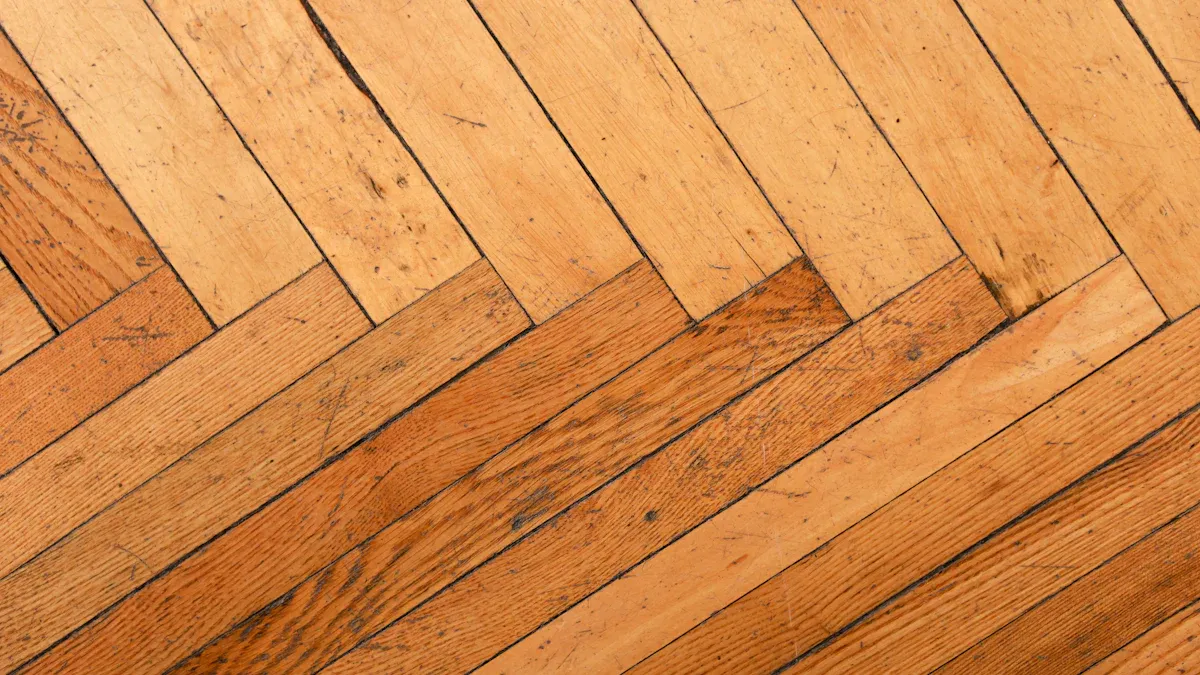
For a timeless foundation, you can choose classic floor patterns. A herringbone pattern adds elegance, while an intricate parquet design makes a luxurious statement. To achieve a modern aesthetic, a sleek chevron pattern creates directional flow for your wood flooring. The best timber floor pattern for your home balances your style and budget. This choice creates a beautiful wood floor that is both current and enduring. Your new wood pattern will define your home’s floor, making this wood flooring a key feature. These patterns make your flooring unique. The right flooring is key.
Classic Timber Floor Pattern Designs
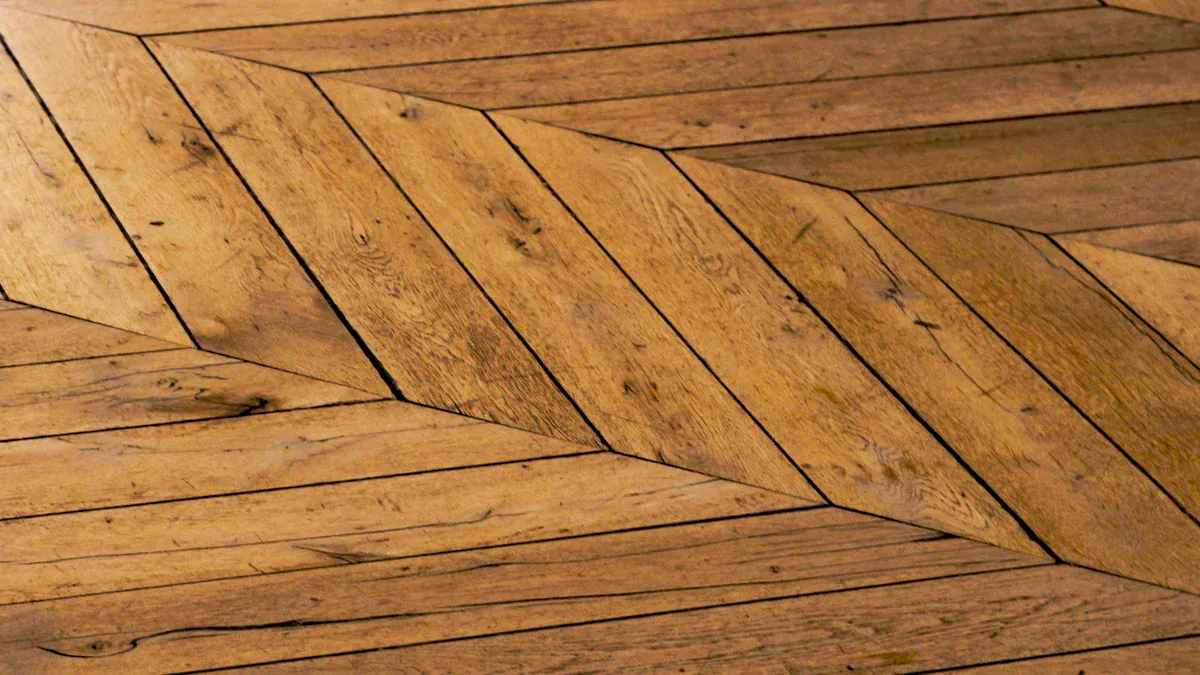
Classic timber floor patterns bring a sense of history and character to your home. These timeless designs have graced beautiful interiors for centuries. You can choose a classic pattern to create a foundation of enduring style. This flooring is available in both solid hardwood and engineered hardwood options. The solid hardwood offers a traditional feel, while engineered hardwood provides versatility.
Herringbone: The Definition of Elegance
The herringbone pattern is a true classic. It uses rectangular planks to create a beautiful, broken zigzag design. This flooring pattern adds visual interest and a feeling of luxury to any room. The history of the herringbone design is fascinating.
- Ancient Romans first used this interlocking pattern for building strong roads.
- The design moved indoors during the Renaissance, becoming a symbol of elegance.
- It decorated the floors of grand European palaces, showcasing artisan craftsmanship.
You have many choices for your herringbone floor. White Oak is a durable solid hardwood with a beautiful wood grain. Walnut offers a rich, warm color. Both solid and engineered hardwood are excellent for this pattern. Your new herringbone flooring will be a stunning feature. This solid hardwood flooring is a great choice.
Parquet de Versailles: A Luxurious Statement
You can choose Parquet de Versailles for the ultimate statement of luxury. This parquet pattern consists of precisely cut geometric blocks. The pieces form a large, tile-like square with an interwoven design. This flooring originated in the 17th century for the famous Palace of Versailles in France. The intricate pattern replaced traditional marble floors. It quickly became the standard for exquisite parquet flooring in palaces across Europe. This solid hardwood flooring adds unmatched grandeur. You can get this parquet flooring in solid or engineered versions.
Random Width: Authentic Rustic Charm
You can achieve an authentic, rustic look with a random width pattern. This style pays homage to historical traditions. Early builders used every part of a log, creating planks of different widths. This approach makes the floor look less manufactured and more organic. The varied wood grain adds to its handcrafted appeal. This traditional hardwood flooring is perfect for farmhouse or cabin-style homes. The solid hardwood flooring enhances the rustic charm. You can find this flooring in both solid and engineered hardwood.
Common Width Combinations You can create your own unique floor by mixing plank widths. Popular combinations for this flooring pattern often include 3”, 4”, and 5” boards or 4”, 6”, and 8” boards. This mix creates a truly custom wood floor.
This flooring is a great choice for a unique wood floor. The solid hardwood provides a classic feel. The engineered hardwood is also a great option. The solid hardwood has a beautiful grain. The engineered hardwood is very stable. The solid hardwood flooring is very durable. The engineered hardwood flooring is also durable. The solid hardwood has a unique wood grain. The engineered hardwood also has a great wood grain.
Modern Wood Flooring and Pattern Trends
Modern hardwood floors move away from intricate detail toward clean lines and open spaces. You can use these modern patterns to make your home feel current and spacious. These designs work beautifully with both solid hardwood and engineered hardwood. The modern hardwood floors you choose will define your space.
Chevron: Clean Lines and Directional Flow
You can create a sleek look with chevron patterns. This pattern uses planks cut at an angle. The planks meet at a point, forming a perfect “V” shape. The chevron pattern creates an optical illusion of movement and depth. Its V-shaped design guides your eyes, making a room feel longer and more expansive. This effect is great for making smaller rooms feel more open. You can choose from solid or engineered hardwood for your chevron floor.
Installing chevron patterns is more complex than other patterns. The wood planks require precise angle cuts. This process leads to more material waste and higher labor costs. You should plan for this in your budget.
| Feature | Chevron | Herringbone |
|---|---|---|
| Installation | High complexity (precise angle cuts) | Moderate complexity (rectangular pieces) |
| Material Waste | Higher (15-20%) | Lower (10-15%) |
| Cost | Higher labor and material cost | More budget-friendly |
Wide Plank: A Minimalist’s Choice
You can achieve a minimalist aesthetic with wide plank flooring. This style uses boards that are much wider than traditional hardwood. Wide plank flooring typically starts at 5 inches in width and can go up to 8 inches or more. The fewer seams on the floor make your space feel larger and more open. This flooring is an excellent choice for open-concept homes. In large rooms, wide planks of solid or engineered hardwood enhance the grand scale. You can find this flooring in both solid and engineered wood options. These modern hardwood floors are available in solid or engineered versions. The solid hardwood offers a classic feel, while the engineered hardwood is very stable.
Diagonal Layout: A Simple Twist on Design
You can add a dynamic feel to your room with a diagonal flooring layout. This pattern is a simple twist on the standard straight-lay design. The wood planks are installed at an angle to the walls. This creates a unique visual effect that can make a room feel larger and more interesting. The solid hardwood or engineered hardwood is laid diagonally.
Design Tip 💡 A diagonal pattern is typically installed at a 45-degree angle. You can also choose a subtle 10-degree angle for a more custom look. This simple change adds a lot of personality to your wood flooring. This pattern works well with many types of solid or engineered wood. These modern hardwood floors are a great choice. The solid hardwood is a durable option.
Exploring Intricate Parquet Pattern Options
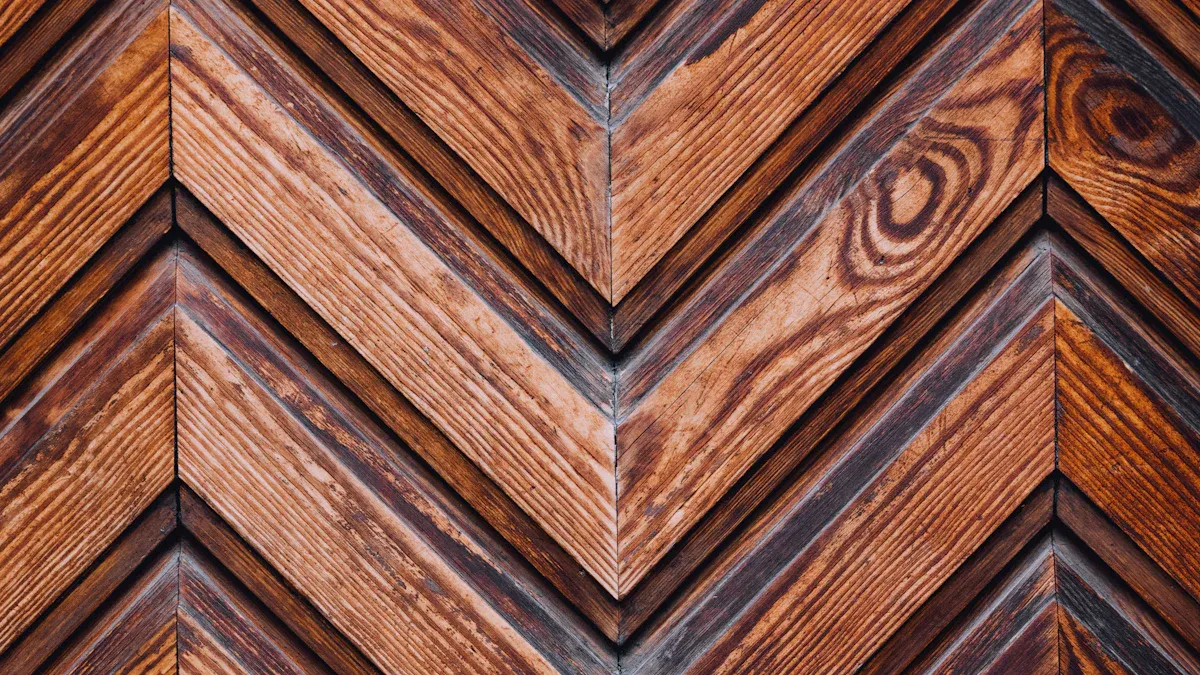
You can explore intricate parquet patterns for a truly unique floor. These detailed options add a layer of artistry to your home. This type of wood flooring turns your floor into a centerpiece. These custom flooring options showcase incredible craftsmanship and offer many design possibilities.
Basket Weave Parquet
You can choose a basket weave parquet for a classic, textured look. This pattern arranges small wood planks to look like a woven basket. The design creates a sense of depth and rhythm. You have several custom options for this beautiful flooring pattern.
- Standard Basket Weave: This option uses single-color wood for a soft, unified appearance.
- Double Basket Weave: This pattern uses more planks in each section for a bolder effect.
- Square Basket Weave: This style creates a pattern with large square sections.
- Custom Layouts: You can create a custom wood floor by changing the plank ratio or using bigger blocks to alter the scale.
Chantilly and Custom Parquet Designs
You can select a Chantilly parquet for a floor with historical elegance. This parquet pattern originated in a French castle. It features complex geometric motifs fitted into a square wood frame. The original design evolved into an intricate 16-square composition. This custom flooring is one of the most luxurious parquet options available. Creating a custom wood floor with Chantilly parquet makes a powerful statement. These custom flooring options allow you to have a truly one-of-a-kind floor.
End Grain Wood Flooring
You can install end grain wood flooring for exceptional durability and unique textures. This flooring exposes the end of the wood, showing the tree’s growth rings. This view of the wood grain creates a stunning visual pattern. The end grain is the strongest part of the wood, making this flooring incredibly tough. It withstands heavy traffic and resists scratches well. The visible wood grain and rich grain patterns make each floor completely custom. This is one of the most durable flooring options. The unique wood grain offers a special look. The grain is very prominent in this flooring.
How to Select the Perfect Timber Floor Pattern
Choosing the right timber floor pattern is a major decision. You must think about your room’s size, your home’s style, and your budget. A thoughtful choice ensures your new wood flooring is a beautiful and lasting feature. This guide will help you select the perfect pattern for your home.
Match the Pattern to Your Room’s Scale
The size of your room plays a big role in which floor patterns will look best. You can use a pattern to make a space feel larger or to enhance its existing grand scale.
For smaller rooms, you can choose a pattern that creates a sense of movement. A herringbone pattern is an excellent choice. Its interlocking zig-zag design adds depth and prevents a small room from feeling static. The diagonal lines in the pattern naturally draw your eye across the floor, making the space feel more expansive. Interior designers often use this technique to open up compact areas like bathrooms or narrow hallways.
In large, open-plan living spaces, you have more freedom to use bold patterns. Your goal is to add character without overwhelming the interior.
- Wide Plank Layouts: You can use wide plank hardwood to make a large room feel even more open and grand. This choice emphasizes the natural beauty of the wood.
- Herringbone and Chevron: These patterns add a high-end feel to big rooms. The repeating V-shapes create a sense of grandeur and movement.
- Diagonal Pattern: A diagonal hardwood layout works well in open-concept areas. It creates a unique focal point and a feeling of flow between zones.
Aligning Patterns with Interior Design Styles
Your flooring is a key element of your interior design. You should select a pattern that complements your home’s overall aesthetic. The right choice will tie your entire design together.
For traditional, classic, or Victorian homes, intricate patterns add historical authenticity. During the Victorian era, wood flooring with parquet patterns was a very common and fashionable choice. You can use a classic herringbone or a luxurious Parquet de Versailles to create an elegant, timeless interior. These detailed patterns work well with ornate furniture and rich color palettes.
In modern, open-concept homes, you can use flooring to create definition. Without walls, floor patterns can signal a change from one area to another.
Zone Your Space with Wood Flooring 💡 You can define different zones in an open-plan home by changing the installation pattern. For example, you might use a straight plank layout in the living area and switch to a herringbone pattern in the dining space. This creates a visual separation without a physical barrier. Using different plank widths or wood tones can also create a subtle but effective boundary.
Understanding Budget and Installation Factors
Your budget is a critical factor in choosing a timber floor pattern. The complexity of the pattern directly affects both material and labor costs. Simple straight-lay flooring is the most affordable option. More intricate patterns require more skill and time to install.
The herringbone pattern, for instance, involves many precise cuts. This increases labor time and material waste. You can expect the total cost for herringbone hardwood flooring, including materials and installation, to range from $11 to $23 per square foot. Some high-end wood options can push this cost even higher.
Extremely intricate patterns are a significant investment. The complexity of these installations requires specialized professionals, which raises labor costs considerably.
| Pattern | Estimated Cost (Installed) | Complexity | |
|---|---|---|---|
| Straight Plank | $8 – $15 per sq. ft. | Low | Standard Labor |
| Basket Weave & Parquet | $15 – $40+ per sq. ft. | Extreme | Highly Labor-Intensive |
Material waste is another important budget consideration. All flooring projects require you to order extra material. The amount of waste depends on the pattern.
| Installation Type | Typical Material Waste |
|---|---|
| Straight Plank | 10% |
| Diagonal Lay | 10-15% |
You should always discuss these factors with your installer. A clear understanding of the costs will help you choose a beautiful floor that fits your budget.
Choosing the right timber floor pattern is a key design decision. You must balance your style, room, and budget. Timeless wood patterns like parquet have graced homes for centuries. The perfect wood flooring pattern will define and elevate your home’s interior. From the elegance of parquet to the clean look of modern wood, your chosen flooring makes a statement. Feel confident selecting your wood flooring. This wood floor and timber floor pattern will remain a beautiful, lasting feature in your interior for years. This flooring is a great choice for any floor. This flooring is a great choice. This flooring is a great choice.
FAQ
What is the most durable hardwood floor pattern?
End grain is the most durable pattern. It uses the strongest part of the wood. However, the type of wood and the finish you choose are also very important for the overall durability of your hardwood floor.
Can I mix different hardwood patterns in my home?
Yes, you can mix patterns. Using different patterns helps define separate areas in an open-concept space. For example, you can use a straight plank layout in your living room and a herringbone pattern in your dining area. This creates a beautiful, custom hardwood floor.
Which hardwood patterns make a small room look bigger?
You can use diagonal or herringbone patterns to make a room feel larger. The lines in these designs draw your eye across the floor. This creates an illusion of more space. These patterns are a great choice for smaller rooms or narrow hallways.
How do I clean patterned hardwood floors?
You clean patterned floors the same way you clean any hardwood floor. You should sweep or vacuum regularly. Use a cleaner that is safe for your specific hardwood finish. Always follow the manufacturer’s care instructions to protect your investment.
Are intricate hardwood patterns going out of style?
No, intricate patterns are timeless. Classic designs like herringbone and parquet remain very popular. They add a touch of elegance and character to any home. These beautiful hardwood patterns are a lasting design choice that will not go out of style.




