
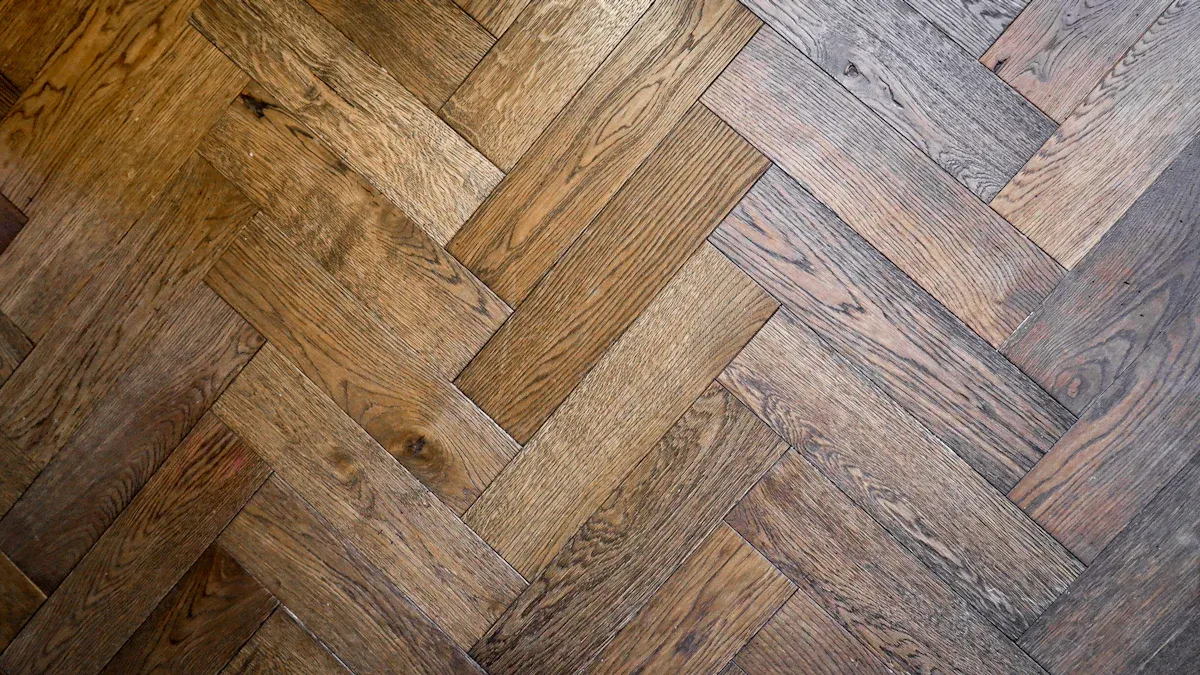
You can add timeless elegance to your home with beech chevron flooring, a hardwood flooring choice known for its durability. This hardwood flooring combines the hard-wearing nature of beech hardwood with the sophisticated chevron pattern. While other hardwood options like oak are more common, this unique beech flooring provides a distinctive look.
Note: Success with this beautiful beech flooring requires understanding key factors. This hardwood is sensitive to moisture. The complex flooring pattern demands careful installation. Proper care of the hardwood ensures its lasting durability. This hardwood is a premium beech flooring choice. This hardwood is also a beautiful beech flooring.
What Makes Beech Flooring a Durable Choice?
You want a hardwood flooring that lasts. Beech offers impressive durability for your home. Its strength comes from its natural hardness and dense structure. Understanding these characteristics helps you appreciate its long-term value and quality. Proper care is essential to maintain this durability for decades.
Janka Hardness and Everyday Resilience
The Janka Hardness Scale measures a hardwood’s resistance to dents and wear. A higher rating means a tougher wood. American Beech hardwood has a Janka rating of 1300. This score places it firmly in the medium range for hardwood flooring. Its dense and tough properties provide excellent resistance to shock. This quality makes it a great choice for areas with daily foot traffic. Your beech flooring will handle everyday bumps and knocks with resilience.
To give you a better perspective, you can see how European Beech compares to other popular hardwood options:
| Wood Type | Janka Hardness (lbf) |
|---|---|
| European Beech | 1,510 |
| Red Oak | 1,290 |
| Hickory | 1,820 |
This comparison shows that beech hardwood holds its own against common choices. Its inherent hardness provides good scratch and stain resistance. This resilience is a key part of its overall durability and quality.
Expected Lifespan and Proper Maintenance
Your beech hardwood flooring can last a lifetime with the right care. Consistent maintenance is the best way to protect your investment and ensure its lasting durability. A simple routine preserves the beauty and quality of the hardwood.
Follow this schedule to keep your hardwood flooring in top condition:
- Daily: You should sweep or dust mop the floor to remove grit.
- Weekly: You can vacuum using a bare floor setting.
- Monthly: You should clean the surface with a recommended wood flooring cleaner.
- Every 3-5 Years: You may need to apply a fresh maintenance coat of finish.
- Every Few Decades: You can sand and refinish the hardwood flooring completely to restore its original look.
Pro Tip: Always use cleaning products recommended by a hardwood flooring professional. The right product depends on your floor’s finish. You should also avoid using rubber-backed rugs. These can sometimes react negatively with the hardwood finish.
If your flooring has an oil finish, it may need special attention. You might need to reinforce the factory oil surface right after installation. Day-to-day cleaning should focus on dry methods like sweeping. This reduces the need for more intensive maintenance.
Understanding Its Vulnerability to Moisture
Every hardwood has a weakness. For beech, that weakness is moisture. This hardwood is more sensitive to humidity changes than many other types of hardwood flooring. This sensitivity affects its dimensional stability and long-term durability.
Beech wood has cells. These cells absorb water from the air. This process causes the hardwood to swell. When the air is dry, the wood releases moisture and shrinks. This constant movement can stress the flooring over time. For this reason, you should not install beech flooring in high-moisture areas like bathrooms or basements.
💧 You must watch for signs of moisture damage to protect your flooring. Look for these common issues:
- Changes in Appearance: You might see dark or discolored spots. The wood’s natural grain could show irregular patterns. You may also notice visible mold, which can be black, green, or white.
- Changes in Shape: Boards may warp, buckle, or lift off the subfloor. You might see “cupping,” where the edges of a plank are higher than its center.
- Changes in Feel: The hardwood flooring might feel soft or spongy in certain spots. You could also hear squeaks when you walk on it.
Catching these problems early is crucial. It helps you address the moisture source and prevent permanent damage to your high-quality hardwood flooring.
The Aesthetic Appeal of a Beech Chevron Floor
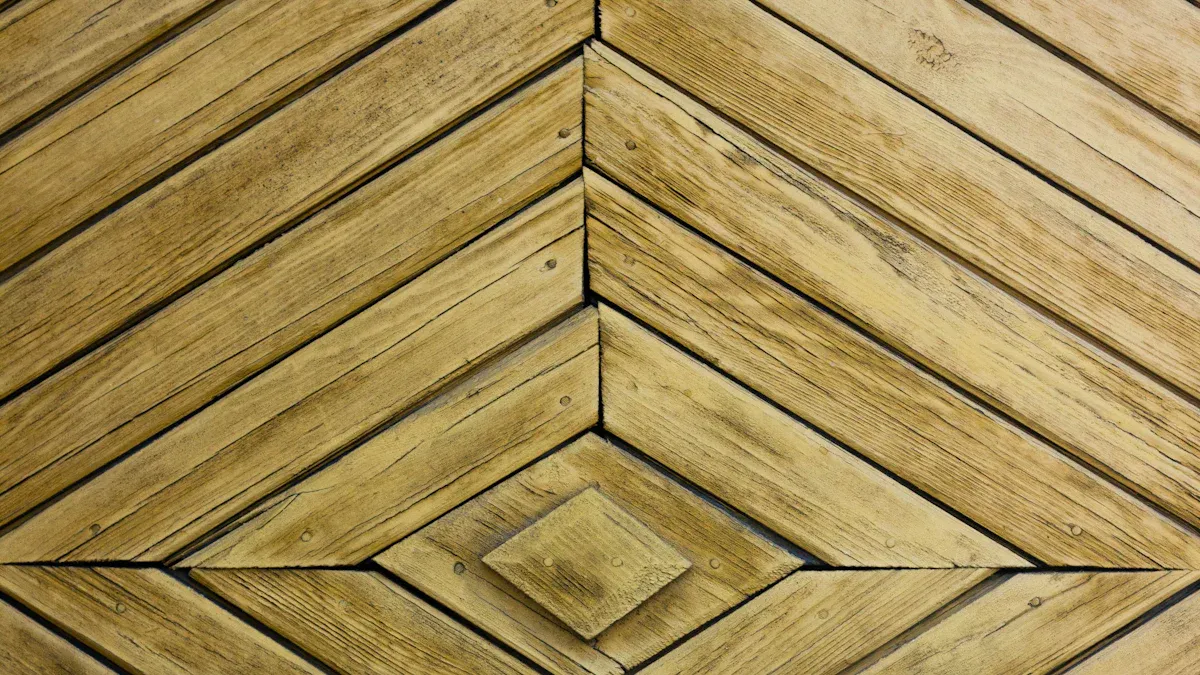
The beauty of your hardwood flooring comes from two things: the wood itself and the pattern you choose. Beech hardwood offers a clean, bright look. The chevron pattern adds a layer of classic sophistication. This combination creates a unique and visually stunning hardwood flooring surface.
The Natural Look of Beech Wood
You will appreciate the subtle and elegant appearance of beech hardwood. This hardwood has a consistent look that complements many design styles.
- Color: The hardwood is typically a pale cream color. You might see hints of pink or brown.
- Grain: The grain pattern is usually straight with a fine, uniform texture. This gives the hardwood flooring a clean, uncluttered feel.
Sunlight will change the color of your beech flooring over time. This is a natural process for any hardwood. Understanding this change helps you know what to expect.
| Wood Type | Initial Color | Sunlight Exposure Effect | Final Color |
|---|---|---|---|
| Unsteamed Beech | Light white-gray | Darkens and browns | Pale brown |
| Steamed Beech | Deep brown-red | Brightens | Pale brown |
Steamed beech hardwood shows better color stability, making it a reliable choice for your hardwood flooring.
How the Chevron Pattern Transforms a Room
The chevron pattern does more than just look good. It actively changes how you perceive a space. The V-shaped pattern creates a sense of movement and direction.
This directional quality is especially useful in certain areas of your home.
- In a long hallway, the chevron pattern guides your eye forward, making the space feel longer.
- In an open-plan area, you can use chevron patterns to define different zones, like a living room and a dining area, without using walls.
This classic parquet pattern adds architectural interest to your hardwood flooring. The angles of the chevron pattern reflect light in unique ways, adding depth to your flooring.
Chevron vs. Herringbone: A Clear Distinction
You might hear the terms chevron and herringbone used together. They are both types of parquet flooring, but they are not the same. The difference is in how the hardwood planks are cut and arranged. A chevron pattern creates a true V-shape. A herringbone pattern creates a broken zigzag effect.
This table shows you the key differences between the two parquet styles.
| Aspect | Herringbone | Chevron |
|---|---|---|
| Plank Cutting | Rectangular planks | Planks cut at an angle |
| Angle of Alignment | 90° angles between planks | Planks meet to form a ‘V’ |
| Visual Appearance | Overlapping, broken zigzag | Continuous V-shape |
Choosing between herringbone and chevron depends on the look you want. The clean lines of the chevron pattern offer a more modern and formal feel than the busier herringbone pattern.
Styling Your Beech Chevron Floor
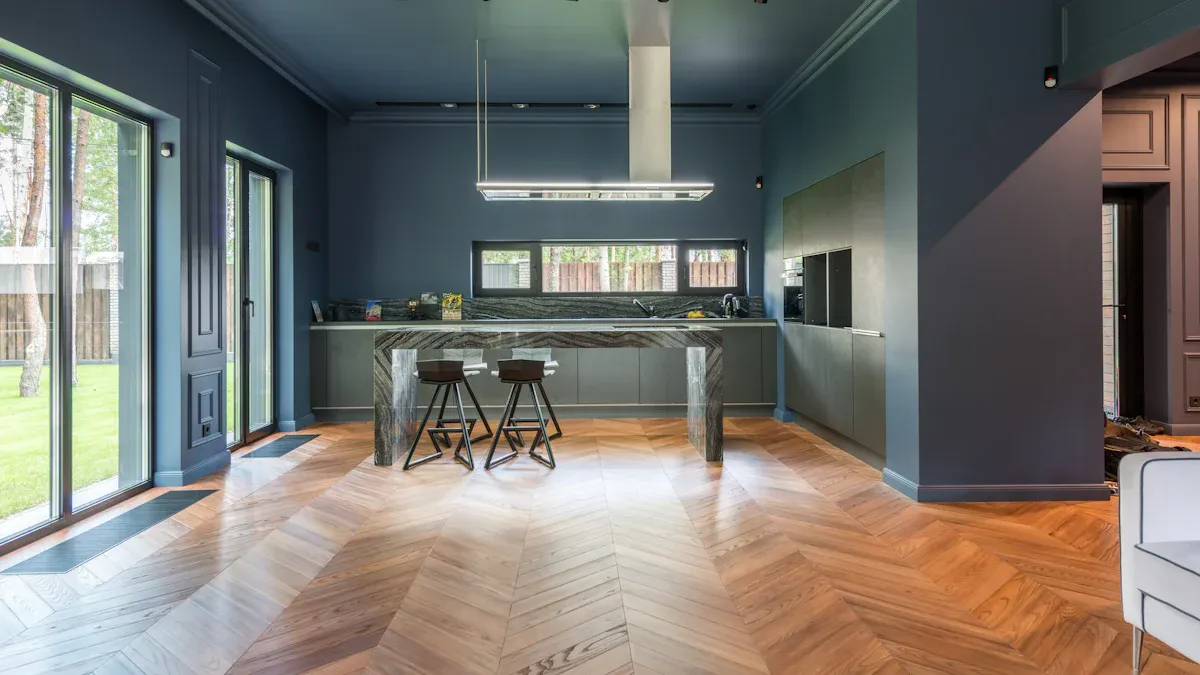
You can make your beech hardwood flooring a stunning centerpiece with the right styling choices. The light tone of the hardwood and the elegant chevron pattern provide a versatile foundation for many interior designs. Your choices in color, furniture, and finish will complete the look of your beautiful hardwood flooring.
Best Interior Design Pairings
Your new hardwood flooring fits well with several popular design styles. The clean lines of the hardwood and the geometric pattern create a sophisticated backdrop.
Design Tip: The simple elegance of this hardwood flooring shines in minimalist and Scandinavian designs. The light wood color and clean pattern enhance a sense of space and light. This hardwood flooring also complements modern aesthetics that value natural materials and uncluttered surfaces.
Coordinating with Colors and Furniture
You have many color options that pair beautifully with your beech hardwood flooring. The pale cream color of the hardwood acts as a neutral canvas. You can choose colors that create a calm atmosphere or a bold contrast.
🎨 Consider these paint color palettes for your walls:
- Soft Neutrals: Sage green, soft blue, and creamy whites create a serene feel.
- Warm Whites: Colors like Sherwin Williams Greek Villa offer a cozy, off-white look.
- Bold Blues: Deep shades like Sherwin Williams Naval provide a dramatic, modern contrast to the light hardwood flooring.
- Green-Grays: A color like Sherwin Williams Sea Salt gives your room a soft, coastal vibe.
Choose furniture with simple, clean lines. This prevents competition with the dynamic flooring pattern.
Choosing the Right Finish
The finish you select protects your hardwood flooring and defines its final look. Each option offers a different balance of appearance and durability for your hardwood.
- Matte Finish: This finish gives your hardwood flooring a natural, raw wood look. It excels at hiding minor scratches but may show spills more easily.
- Satin Finish: This popular choice offers a soft sheen that enhances the hardwood grain. It provides good protection against daily wear for your hardwood flooring.
- Gloss Finish: A gloss finish provides a mirror-like shine and maximum durability. It makes the hardwood flooring easy to clean but highlights every scratch and imperfection.
The finish also affects how the color and grain of the hardwood appear. Some treatments can create a more uniform color, while others make the grain pattern stand out dramatically.
| Treatment Type | Effect on Hardwood Appearance |
|---|---|
| Water-based Sealer + Oil | Creates a very uniform color. |
| Oil-based Stains | Can cause a blotchy look but makes the grain “pop”. |
| Varnishes/Lacquers | Makes the hardwood appear darker with more depth. |
Choosing the right finish is a key step in customizing your hardwood flooring.
Installation and Cost of Beech Chevron Flooring
Understanding the installation process and associated costs is crucial for your project’s success. The unique demands of the chevron pattern and the specific needs of beech hardwood require careful planning. A proper installation ensures you get a high-quality, beautiful floor that lasts for decades.
DIY vs. Professional Installation
You might consider a DIY installation to save money. However, a chevron pattern is one of the most complex hardwood flooring installations. The planks require precise angled cuts. The layout must be perfect to maintain the continuous V-shape across the room. Mistakes are costly and can waste expensive hardwood material.
Recommendation: You should hire a professional installer for your beech chevron flooring. An experienced professional has the right tools and skills for this detailed work. Their expertise guarantees a high-quality installation, protecting your investment and ensuring the structural integrity of your new hardwood floor. A professional installation is the best way to achieve a flawless finish.
Choosing a professional ensures the long-term performance and beauty of your hardwood flooring. The quality of the installation is just as important as the quality of the hardwood itself.
The Importance of Subfloor Preparation
A successful hardwood flooring installation begins with the subfloor. You cannot place beautiful hardwood over a poor foundation. The subfloor must be clean, flat, and dry. Proper preparation prevents future problems like squeaks, gaps, and board movement. This step is essential for a quality result.
First, you must ensure the subfloor is level. An uneven surface creates stress on the hardwood planks. The industry standard for a wood or concrete subfloor is a deviation no greater than 3/16 of an inch over a 10-foot span.
Second, you must manage moisture. Beech hardwood is very sensitive to humidity. The moisture content of the subfloor and the hardwood flooring must be compatible before installation. You can use a moisture meter to check the levels. The difference between the two should not exceed 4%.
This table outlines the key moisture standards for your installation.
| Material/Type | Moisture Content Standard |
|---|---|
| Plywood/OSB Subfloor | 6% – 12% |
| Concrete Subfloor (Tramex) | Below 4.5% |
| Solid Hardwood | 6% – 10% |
| Acceptable Moisture Difference | Within 2-4% between hardwood and subfloor |
You also need to choose the right underlayment. An underlayment provides moisture protection, sound insulation, and cushioning. If you have a concrete subfloor, you may need to install a 3/4-inch thick wooden subfloor first. This makes the hardwood installation easier.
Here are some common underlayment options for your flooring:
- Foam: This type offers good moisture protection and sound reduction.
- Rubber: It provides excellent moisture resistance and is easy to install.
- Felt: This option gives you great insulation and support but is often more expensive.
- Cork: Cork provides natural insulation from sound and cold, supporting the hardwood flooring system.
Breaking Down the Overall Cost
Beech chevron flooring is a premium product, and its cost reflects its quality and complexity. You should budget for three main categories: materials, labor, and additional supplies.
- Material Cost: This is the price of the beech hardwood planks themselves. The cost varies based on the manufacturer and the grade of the wood.
- Labor Cost: Professional installation for a chevron pattern is labor-intensive. You can expect labor costs to range from $8 to $20 per square foot. This higher price covers the installer’s time and skill needed for the precise cutting and fitting of the hardwood.
- Additional Supplies: You must also account for other materials needed for the installation. This includes underlayment, which can cost between $0.73 and $5 per square foot to install. You will also need adhesives or fasteners, which can add to your total project cost.
Your total investment in this beautiful flooring depends on these factors. Getting detailed quotes from qualified installers will help you create an accurate budget. This planning ensures your hardwood flooring installation goes smoothly from start to finish.
Your beech flooring offers a unique mix of durability, beauty, and style. This premium hardwood flooring is a smart investment. Hardwood flooring can increase home value, with some hardwood flooring projects showing a high return. The primary considerations for this hardwood are its moisture sensitivity and complex installation. For high-moisture areas, you might choose waterproof flooring like luxury vinyl instead of this hardwood flooring. This hardwood flooring requires a careful installation to ensure its durability. Weighing the benefits of this hardwood flooring against its needs helps you decide if this beautiful hardwood is right for your home. Proper care of the hardwood ensures its lasting durability and the durability of your flooring investment. This hardwood flooring has excellent durability. This hardwood is a great choice. This hardwood flooring is a premium hardwood. This hardwood flooring is a beautiful hardwood. This hardwood flooring is a durable hardwood. This hardwood flooring is a quality hardwood.
FAQ
Is this hardwood a good choice for homes with pets?
This hardwood has good durability. However, pet claws can scratch any hardwood flooring. You should keep your pet’s nails trimmed to protect the hardwood. The quality of the finish on your hardwood is very important. A strong finish on the hardwood provides the best defense for the hardwood. This hardwood is a quality hardwood.
Can you install this hardwood flooring over radiant heat?
You must be very careful. Beech hardwood is sensitive to temperature changes. You need a special type of engineered hardwood flooring for this purpose. This quality hardwood must be approved for radiant heat. The installation of this hardwood flooring requires expert knowledge to protect the hardwood. This hardwood is a premium hardwood.
What is the difference between the chevron and herringbone pattern?
The chevron pattern creates a clean V-shape. The herringbone pattern uses rectangular planks to make a broken zigzag. Both chevron and herringbone are types of parquet flooring. The herringbone pattern gives a different feel than the chevron pattern. This hardwood looks great in a herringbone pattern, too. This hardwood is a beautiful hardwood. The herringbone pattern is a classic parquet pattern. This hardwood is a quality hardwood. The herringbone pattern is a beautiful pattern.
Why is this hardwood flooring more expensive?
This premium hardwood flooring has a higher cost for two reasons. First, the chevron pattern requires more labor to install the hardwood. The installer must make precise cuts on each piece of hardwood. Second, the quality of the hardwood itself is high. This hardwood is a durable hardwood. This hardwood is a beautiful hardwood. This hardwood is a quality hardwood. This hardwood flooring is a premium flooring. This flooring is a beautiful flooring. This flooring is a durable flooring. This flooring is a quality flooring.




