
Choosing your floor is a big decision, especially since water damage claims average over $13,900. This makes the waterproof vs water resistant flooring debate crucial. True waterproof flooring is impervious to water and offers total protection. In contrast, water resistant flooring only repels water for a limited time before damage can occur.
For many homeowners, a waterproof feature has moved from a nice-to-have to a ‘must-have’ priority.
Understanding this difference helps you choose the right waterproof flooring to protect your home from water.
What Does ‘Waterproof Flooring’ Really Mean?
The term “waterproof” can be confusing because there is no single industry standard. Most products labeled as waterproof are excellent at handling surface water from everyday spills. However, this label does not mean the floor is invincible against all water exposure. True waterproof flooring should have a core that does not absorb water and tight-locking seals to prevent water from getting through the joints.
The Core Materials: Vinyl and Tile
The secret to waterproof flooring lies in its core materials. You will find that vinyl and tile are the top choices for true water protection.
- Luxury Vinyl Tile (LVT): This flooring uses advanced materials like Stone Polymer Composite (SPC) or Wood Polymer Composite (WPC) for its core. These cores are completely waterproof and will not swell or warp when exposed to water.
- Ceramic and Porcelain Tile: These are classic waterproof options. The tile itself is impervious to water, making it a durable choice for any wet environment.
Newer options like waterproof laminate also offer great protection, but vinyl and tile remain the most reliable.
Performance Against Spills and Floods
Your waterproof flooring will perform differently depending on the type of water event. It easily handles topical spills from a tipped glass or wet shoes. You can wipe up the mess without worry. However, a flood is a completely different situation.
Manufacturer warranties for waterproof flooring typically cover topical moisture only. They do not cover damage from floods, plumbing failures, or water coming from beneath the floor. In a flood with contaminated water, you will likely need to remove the flooring to clean and dry the subfloor properly.
Why the Subfloor Still Matters
Even with the best waterproof flooring, your subfloor remains vulnerable. Water can still find its way through the seams between planks or around the edges of a room. If this moisture reaches a wood subfloor, it can cause serious problems.
- Mold and mildew growth
- Rotting of the subfloor structure
This is why proper installation is so important. You should always install a moisture barrier underneath your flooring. This extra layer provides critical protection for your subfloor and the structural integrity of your home.
Understanding the Limits of ‘Water-Resistant Flooring’
Water-resistant flooring offers good protection against everyday accidents. It is not, however, the same as waterproof flooring. You should understand its limitations before making a choice. The key difference is how the material handles prolonged contact with water.
The Protective Top Layer and Vulnerable Core
Water-resistant flooring has a strong top layer designed to repel water. This wear layer is typically 0.5 mm to 0.7 mm thick. This thickness provides excellent protection without distorting the floor’s visual pattern. However, the core beneath this layer is often vulnerable. Many water resistant products use a high-density fiberboard (HDF) core. This core is made from wood fibers. If water gets past the top layer and reaches the core, the wood fibers will absorb the moisture and swell. This can cause permanent damage to your floor.
The Ticking Clock on Spills
Think of water resistant flooring as having a ticking clock when a spill occurs. The top layer gives you a window of time to clean up messes. You can wipe up a small spill quickly without any issue.
The problem starts when water sits for too long. The liquid will eventually seep through the seams between planks. Once water reaches the core, the clock runs out and damage begins. This makes quick cleanup essential.
Common Water-Resistant Materials
You have several water resistant options available for your home. These materials provide a balance of durability and affordability for areas with low moisture risk. Common choices include:
- Waterproof Laminate Flooring: Modern laminate has improved greatly. It features dense cores and tight-locking systems to better handle surface water.
- Loose Lay Vinyl: These planks are thicker than old sheet vinyl. They offer good resistance to water and are easy to install without glue.
- Glue Down Sheet Vinyl: This is a cost-effective choice for large spaces. It creates a surface with very few seams, reducing the chances for water to seep through.
These choices are great for many rooms, but they are not designed for constant exposure to moisture.
Waterproof vs Water-Resistant Flooring: A Direct Comparison
When you look at waterproof vs water resistant flooring, the differences become clear in three key areas: how much time you have for cleanup, how the floors hold up to moisture over time, and what they are actually made of. Understanding these distinctions will help you make the best choice for your home.
Cleanup Time: Minutes vs. Hours
The most immediate difference you will notice is the cleanup window for spills. Water resistant flooring gives you a limited time to clean up messes before the water can cause problems.
With water resistant flooring, you have a window of time to address spills before damage occurs. However, prolonged exposure to standing water will eventually cause issues.
In contrast, waterproof flooring offers you much greater flexibility. You can be sure that the material will remain undamaged even if you do not clean a spill immediately. This type of flooring is significantly more tolerant if a leak goes unnoticed for several hours, giving you long-term moisture protection and peace of mind.
Durability Against Moisture
The long-term durability of your floor depends heavily on how it handles repeated contact with water. Here, the performance gap between waterproof and water-resistant materials is significant.
- Waterproof Vinyl:
- This flooring is made from 100% waterproof materials.
- You can fully immerse modern luxury vinyl in water for long periods, dry it out, and reuse it without damage.
- Its excellent durability makes it a top choice for high-traffic commercial settings.
- Water-Resistant Laminate:
- This material uses a wood fiberboard core that softens, swells, and warps when it absorbs water.
- The warping damage is permanent, even after the floor dries. The top design layer can also peel if the core gets waterlogged.
- You will typically need to replace severely water-damaged laminate because it cannot be repaired.
Material Composition Differences
The core of the flooring plank is what truly separates waterproof from water-resistant options. The materials used in the core determine whether the floor will absorb water or repel it completely. This is the fundamental science behind the waterproof vs water resistant flooring discussion.
True waterproof flooring, like luxury vinyl, uses a core that is impervious to water. The two main types are SPC and WPC.
- WPC (Wood Polymer Composite) Core: Made with recycled wood, plastic composites, and foaming agents.
- SPC (Stone Polymer Composite) Core: Made with limestone, polyvinyl chloride, and stabilizers.
These core compositions are engineered to prevent swelling, warping, or breaking down when exposed to water. The chart below shows a typical breakdown of what is inside each core.
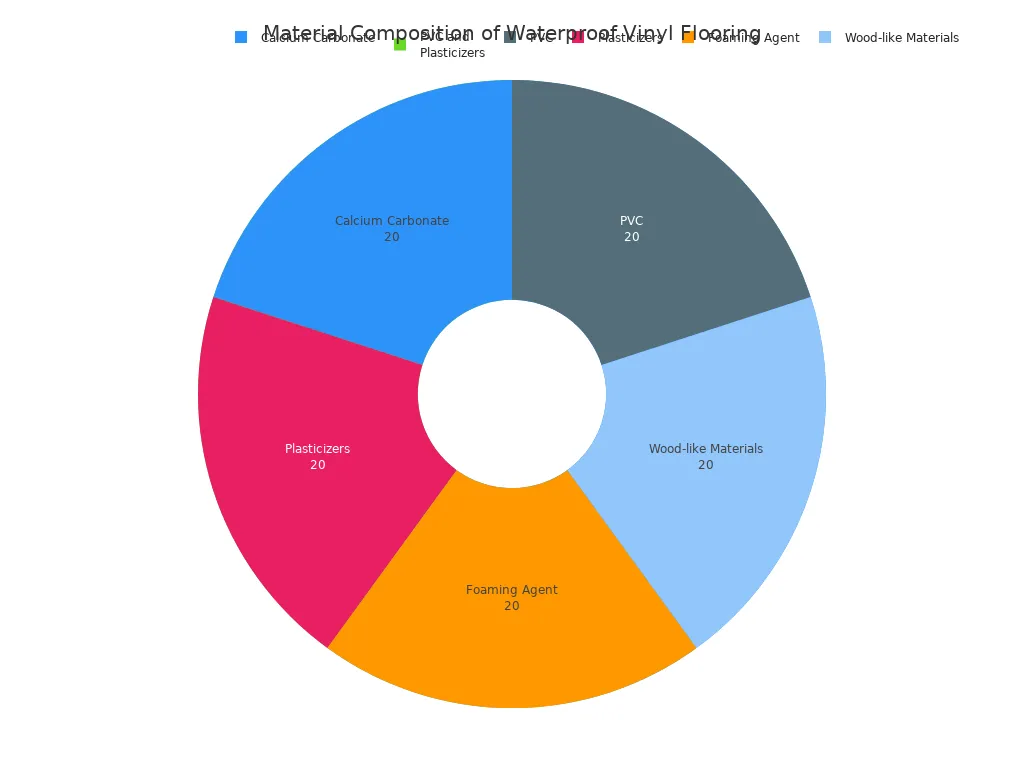
This table gives you a more detailed look at the materials that give waterproof flooring its superior durability and protection against water.
| Flooring Type | Core Composition |
|---|---|
| SPC | 60% calcium carbonate (limestone), PVC (polyvinyl chloride), and plasticizers |
| WPC | PVC, smaller amount of calcium carbonate, plasticizers, foaming agent, and wood-like materials |
Best Flooring for High-Moisture Rooms
Choosing the right floor for rooms with high humidity is one of the most important decisions you will make. Certain areas of your home need more protection than others. Using a fully waterproof material in these spaces protects your investment and prevents costly damage.
Bathrooms and Laundry Rooms
Your bathrooms and laundry rooms face daily humidity, splashes, and potential leaks. You need a floor that can handle constant moisture without failing. For bathrooms, you have several excellent waterproof options:
- Luxury Vinyl (LVT/LVP): This flooring is a top choice. It is completely waterproof, durable, and feels warmer under your feet than tile. It also helps make the room quieter.
- Ceramic and Porcelain Tile: These are traditional choices because they are waterproof. However, they can feel very cold and hard, and they often make rooms sound echoey.
For laundry rooms, several materials work well in high moisture environments.
| Flooring Material | Key Benefits for Laundry Rooms |
|---|---|
| Luxury Vinyl (LVT/LVP) | 100% waterproof, durable, and low maintenance. It will not swell or buckle from moisture. |
| Porcelain Tile | Extremely durable and resistant to water, mold, and mildew. |
| Engineered Wood | More stable than solid wood and resists warping in humid conditions. |
Kitchens
The kitchen is a hub of activity, which means it sees frequent spills and heavy foot traffic. You need a floor that is both durable and water-resistant. When deciding on a waterproof flooring for your kitchen, many homeowners compare luxury vinyl and porcelain tile.
| Feature | Waterproof Vinyl | Porcelain Tile |
|---|---|---|
| Pros | Less expensive, warmer underfoot, and will not crack if you drop something heavy. | Adds property value, has a very long lifespan, and offers a sleek, natural look. |
| Cons | Can be cut by sharp objects and may fade in direct sunlight over time. | Grout lines can get dirty, and tiles can crack if heavy items are dropped on them. |
Basements
Basements are unique because they are below ground. This location makes them naturally prone to moisture problems from the surrounding soil or foundation. For this reason, waterproof flooring is essential for any finished basement. It creates a protective barrier that stops water from causing mold, mildew, and rot. Using a waterproof product safeguards your lower level from damage and ensures the space remains healthy and usable for years.
Cost vs. Long-Term Value
When choosing a floor, you must balance the initial price with its long-term performance. A cheaper option today might lead to expensive problems tomorrow. Understanding the full cost helps you make a smarter investment for your home.
Upfront Price Differences
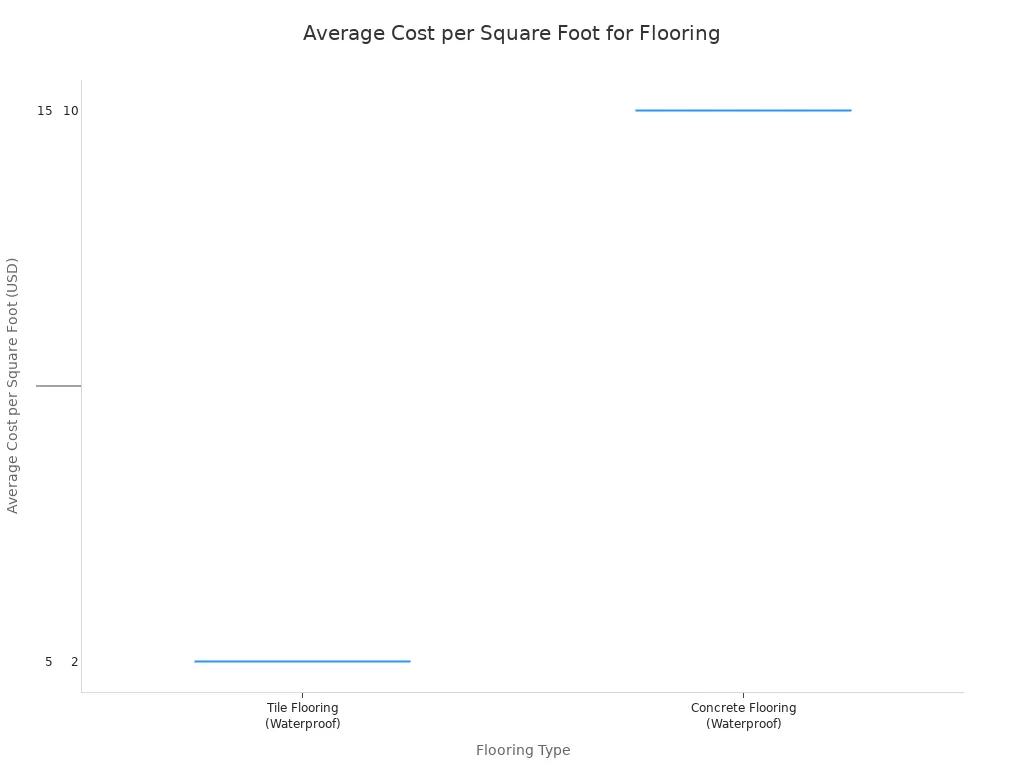
Waterproof materials often have a higher initial cost than water-resistant ones. For example, waterproof vinyl planks typically cost between $2 and $7 per square foot. Water-resistant laminate is more budget-friendly, usually ranging from $1 to $4 per square foot. While you might save money upfront with a water-resistant option, it is important to consider the potential for future expenses.
The chart below shows how these costs compare across different flooring types.
The Cost of Water Damage Repairs
The real financial risk comes from water damage. A simple spill on a water-resistant floor can lead to costly repairs if not cleaned immediately. Once water seeps into the core and subfloor, the expenses add up quickly. Repairing a subfloor can cost anywhere from $800 to over $4,000.
| Type of Water Damage Repair | Typical Cost Range |
|---|---|
| Replacing Damaged Planks | $3–$11 per square foot |
| Subfloor Repair (small area) | $250–$1,000+ |
| Full Subfloor Replacement | $750–$3,000+ |
These repairs can easily cost more than your initial flooring investment.
Which Offers Better Value for Your Home?
Waterproof flooring provides superior long-term value, especially in moisture-prone areas. You pay more initially but gain peace of mind and protection against expensive water damage. This investment also boosts your home’s resale value. Buyers appreciate durable, low-maintenance features and are often willing to pay more for a home that is protected from future issues. By preventing costly repairs and adding appeal to your home, waterproof floors prove to be the more sensible financial choice over time.
Installation and Warranty: What You Need to Know
Your new floor’s performance depends heavily on its installation and warranty. You must understand both to protect your investment. A great warranty means nothing if a poor installation voids it from day one.
Why Proper Installation is Crucial
Proper installation is the foundation of your floor’s warranty protection. Manufacturers have very specific instructions for a reason. If you do not follow them, you risk losing your coverage when you need it most. Your flooring installation must be done correctly to ensure warranty validity.
Many DIY installations void warranties. This happens because homeowners may not follow the manufacturer’s exact rules. It is often best to hire a professional for the installation.
Common installation mistakes that can void your warranty include:
- Using an uneven or damaged subfloor, which can cause planks to break or buckle.
- Not following the manufacturer’s specific installation guidelines.
- Failing to seal the room’s perimeter, which allows water to get underneath the floor.
Reading the Fine Print on Your Warranty
You should always read your warranty carefully. The terms “waterproof” and “water-resistant” have very specific meanings in these documents. Warranties almost always cover topical moisture from everyday household spills. They do not cover major water events. This table shows how two different warranties handle water.
| Feature | Water-Resistant (Example) | Waterproof (Example) |
|---|---|---|
| Claim | Water-resistant | Waterproof |
| Exclusions | Damage from prolonged water exposure or overly wet cleaning. | Damage from events beyond household spills, like flooding, leaking pipes, or appliance failures. |
Most warranties share common exclusions. They will not cover damage from flooding, continuous leaks, pet accidents, or moisture coming from the subfloor. Your warranty protects the flooring product itself, not the subfloor or surrounding structures.
Your choice in the waterproof vs water resistant flooring debate depends on your room. For areas with high moisture, choose waterproof flooring for total protection from water. In drier spaces, a water resistant flooring is a viable, budget-friendly choice.
A fully waterproof material like vinyl is 100% waterproof, offering long-term savings and peace of mind.
Assess your room’s risk to decide between water resistant options and the security of waterproof flooring. This final step in the waterproof vs water resistant flooring decision ensures you protect your home from water damage. This choice is not just about being water resistant.




