
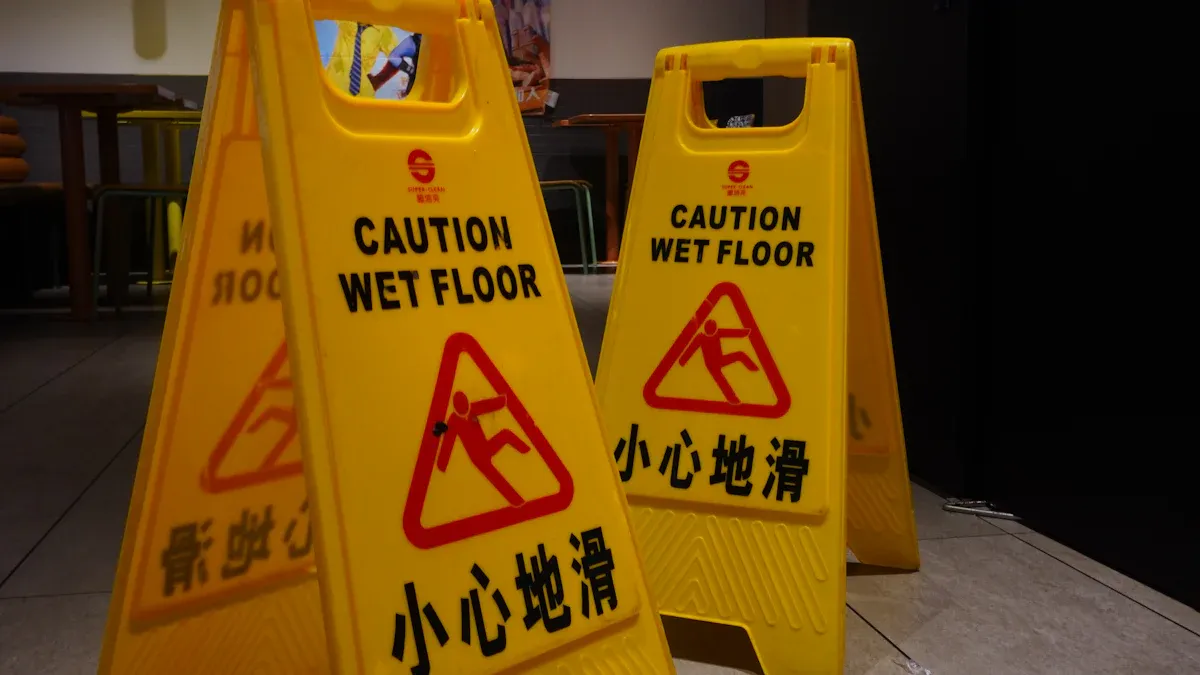
You want a home that feels safe and comfortable for everyone. Choosing slip resistant flooring helps prevent slips and falls, which can lead to serious injuries. Each year, slips and trips account for a large portion of injuries at home and work. The table below shows how important slip-resistant flooring can be for safety:
| Statistic | Value |
|---|---|
| Over a third of all reported major injuries | N/A |
| 20% of over-3-day injuries to employees | N/A |
| 2 fatalities per year | N/A |
| 50% of all reported accidents to members of the public | N/A |
| Cost to employers | £512 million/year |
| Cost to health service | £133 million/year |
Slip-resistant flooring protects your loved ones and adds value to your home.
Best Slip Resistant Flooring Options for Homeowners
Top Non-Slip Flooring Choices
When you choose slip resistant flooring, you make your home safer for everyone. Many homeowners look for non-slip flooring that combines safety, style, and durability. You can find several popular options that work well in different rooms.
- Luxury Vinyl Plank: This flooring stands out for its durability and moisture resistance. The textured surface gives you extra traction, making it a smart choice for kitchens, bathrooms, and entryways.
- Hardwood: Modern hardwood floors now come with textured finishes. These finishes improve slip resistance while keeping the classic look you love.
- Tile: Ceramic and porcelain tiles with engineered surfaces offer excellent slip-resistant properties. You can use them in wet areas like bathrooms, laundry rooms, and kitchens.
- Carpet: Carpet provides a soft, cushiony surface. It is one of the least slippery options, perfect for bedrooms and living rooms.
🏡 Tip: Safety organizations recommend carpet, tile with textured surfaces, hardwood with modern finishes, and luxury vinyl plank as top choices for residential slip-resistant flooring.
You can compare the slip resistance features of each flooring type in the table below:
| Flooring Type | Slip Resistance Features |
|---|---|
| Cork | Good grip, suitable for elderly and children, anti-slip feature |
| Vinyl | Anti-slip, easy to maintain, affordable, beautiful designs |
| Rubber | Extra grip, shock absorption, safe for kids and pets |
| Tile | Good grip even when wet, durable, suitable for heavy foot traffic |
| Carpet | Low pile for easier walking, soft and cushiony surface |
When you look at cost, non-slip flooring options fit a range of budgets. For example:
| Flooring Option | Cost Range |
|---|---|
| Slip Resistant Tape | $10.00 to $900.00 per roll |
| Slip Resistant Flooring | $3.00 to $50.00 per linear foot |
You can find a solution that matches your needs and your budget.
Key Benefits of Slip-Resistant Flooring
Slip-resistant flooring gives you more than just peace of mind. You protect your family from injuries, especially in areas where water or spills are common. This type of flooring reduces the risk of slips and falls, which is important for children, seniors, and anyone with mobility challenges.
Here are some key benefits you get when you install slip-resistant flooring:
- Enhanced safety: You see a significant drop in slip and fall accidents, especially in kitchens, bathrooms, and entryways.
- Protection against injuries: You lower the chance of accidents in wet or slippery conditions.
- Cost savings: You reduce expenses linked to accident claims and time lost from injuries.
- Improved hygiene: Easy-to-clean surfaces help you keep your home healthier.
- Compliance: You meet safety codes and avoid possible fines or legal issues.
| Safety Benefit | Description |
|---|---|
| Enhanced Safety | Significant reduction in slip and fall accidents, crucial in areas prone to spills and moisture. |
| Compliance with Safety Regulations | Ensures adherence to safety codes, avoiding fines and legal issues. |
| Improved Hygiene | Easy to clean surfaces promote better hygiene in sensitive environments like kitchens and hospitals. |
Slip-resistant flooring also adds value to your home. When you invest in quality non-slip flooring, you make your property more attractive to buyers. Stylish and durable floors suggest lower future maintenance costs, which appeals to families looking for a safe and beautiful home.
💡 Note: Choosing slip-resistant flooring creates a safe environment and boosts your home’s value. You get both safety and style in one smart investment.
Why Slip-Resistant Flooring Matters at Home
Preventing Slips and Falls
You want your home to be a safe place for everyone. Slip-resistant flooring plays a big role in preventing slips and falls. When you choose flooring with a non-slip surface, you lower the chance of accidents, especially in areas that get wet or messy. Many types of flooring offer different levels of slip resistance. Some materials work better than others when water is present. You can also add special treatments to your current floors to make them less slippery. Keeping your floors clean and well-maintained helps your slip-resistant flooring work even better.
- Choosing flooring based on slip resistance is crucial for safety.
- Various flooring materials have different levels of slip resistance, especially when wet.
- Treatments can enhance the slip resistance of existing flooring, reducing the risk of slips and falls.
- Proper cleaning and maintenance practices significantly impact the effectiveness of slip-resistant flooring.
Slip-resistant flooring gives you peace of mind. You know you are taking steps to protect your family and guests. By focusing on home safety, you create a space where everyone feels secure.
Who Needs Non-Slip Flooring Most
Some people in your home need extra protection. Senior citizens and young children face the highest risk for slip-and-fall accidents in residential settings. Seniors may have trouble with balance and weaker bones, which can lead to serious injuries like hip fractures or head injuries. Young children move quickly and explore their surroundings, which puts them in danger of cuts, bruises, or even concussions.
You should think about your household’s safety needs when choosing slip resistant flooring. If you have seniors, children, or anyone with mobility challenges, non-slip flooring becomes even more important. Pets can also benefit from non-slip flooring, as it helps them move around safely. By installing slip-resistant flooring, you meet the safety needs of everyone in your home.
Types of Slip Resistant Flooring

Vinyl Slip-Resistant Flooring
You can choose vinyl flooring if you want a safe and stylish surface for your home. Vinyl slip-resistant flooring works well in kitchens, bathrooms, and laundry rooms. You get extra protection in areas where water often spills. Many homeowners like vinyl because it is easy to clean and comes in many designs. Slip-resistant commercial vinyl flooring offers features that boost safety and comfort.
- Slip resistance helps prevent slips and falls, especially in wet spaces.
- Textured surfaces or anti-slip coatings give you better traction underfoot, making it safer for children and seniors.
- Fire resistance slows down the spread of flames and reduces smoke, adding another layer of safety.
Vinyl flooring stands out as one of the top flooring options for busy households. You can find non-slip flooring that matches your style and budget.
Tile Non-Slip Flooring
Tile flooring gives you a durable and attractive choice for slip-resistant surfaces. You can use ceramic tile or porcelain tile in bathrooms, kitchens, and entryways. Slip-resistant ceramic tile flooring has special finishes that improve traction. You should check slip resistance ratings before you buy tile. These ratings help you pick the right tile for each room.
| Material/Finish | DCOF Requirement | Recommendation |
|---|---|---|
| Porcelain Tile | ≥ 0.42 | Suitable for level, interior floors |
| Polished Surfaces | N/A | Not recommended for wet conditions |
| Semi-Polished Surfaces | N/A | Caution advised in wet areas |
Tiles with higher slip resistance ratings work best in wet areas. You get peace of mind knowing your floors help prevent accidents.
Rubber Slip-Resistant Flooring
Rubber flooring gives you a soft and safe surface for playrooms, gyms, and mudrooms. You get excellent traction and comfort underfoot. Rubber slip-resistant flooring works well for homes with kids and pets. The natural material resists slips and cushions falls.
| Feature | Description |
|---|---|
| Coefficient of Friction (COF) | High COF provides better traction |
| Surface Texture | Textured surfaces offer better grip |
| Material Composition | Rubber naturally resists slips |
| Cushioning | Soft feel enhances comfort and safety |
You can choose rubber flooring if you want a non-slip flooring option that protects your family and adds comfort. These types of slip-resistant flooring help you create a safer home for everyone.
Carpet and Non-Slip Carpet Tiles
You want a safe and comfortable floor in your home. Carpet and non-slip carpet tiles offer excellent choices for slip-resistant flooring. Carpet gives you a soft surface that cushions your steps. You reduce the risk of slipping because the texture of carpet grips your feet. Non-slip carpet tiles add another layer of safety, especially on hard surfaces like wood or tile. You can place these tiles in high-traffic areas to help prevent accidents.
- Non-slip carpet tiles enhance safety on hard surfaces.
- Traditional carpet provides a non-slip surface due to its texture.
- The effectiveness of non-slip features depends on the type of flooring and how well you maintain it.
- Washable rugs with non-slip backing work well in high-risk areas such as bathrooms and entryways.
You find many styles and colors to match your home décor. Carpet tiles allow you to replace small sections if they get damaged or stained. You keep your floors looking fresh and safe. Regular vacuuming and cleaning help maintain the slip-resistant qualities of carpet and carpet tiles. You protect your family and guests by choosing the right type of carpet for each room.
Cork Slip-Resistant Flooring
Cork flooring stands out among the types of slip-resistant flooring. You get a natural material that feels warm and soft underfoot. Cork’s unique structure gives you excellent grip, even when the floor gets wet. You can install cork in kitchens, bathrooms, or playrooms where spills happen often. The surface absorbs impact, which helps prevent injuries from falls.
Cork’s natural non-slip properties are exceptional. Even (or especially) when wet, cork provides a solid, secure footing that is unrivaled by any natural floor surface.
You also benefit from cork’s eco-friendly qualities. Cork comes from renewable resources, so you make a responsible choice for your home and the environment. You find cork flooring easy to clean and maintain. You enjoy a safe, stylish, and sustainable floor that keeps your loved ones protected.
Pros, Cons, and Best Uses for Each Non-Slip Flooring Type
Vinyl: Advantages and Drawbacks
Vinyl flooring gives you a practical choice for slip-resistant flooring in your home. You get a surface that is 100% waterproof, so cleaning up spills is easy. Many homeowners like vinyl because it feels comfortable underfoot and resists scratches better than laminate or wood. Premium vinyl has a square edge that stops liquid from seeping underneath, which helps keep your floors dry and safe.
Here is a quick look at the main advantages and disadvantages:
| Advantages | Disadvantages |
|---|---|
| Durable | Potential fading from sunlight exposure |
| Waterproof | Lower property value compared to other flooring |
| Easy to maintain | Challenges in removal of glue-down installations |
| Comfortable underfoot | Susceptibility to dents and scratches |
You can use slip-resistant commercial vinyl flooring in kitchens, bathrooms, and laundry rooms. The textured surface improves traction, which helps prevent slips and falls. However, you may notice dents or scratches over time, especially in high-traffic areas. Some types can fade if exposed to sunlight for long periods. If you choose glue-down installation, removing the flooring later can be difficult.
Tip: Vinyl does not absorb moisture, so it is a smart choice for rooms where spills happen often.
Tile: Where Non-Slip Flooring Works Best
Non-slip tile flooring stands out in areas that get wet or messy. You find slip-resistant ceramic tile flooring especially effective in bathrooms, kitchens, and laundry rooms. Many tiles use special finishes or technologies, like StepWise™ or MSI’s ZeroSlip™, to boost traction and improve safety. These features make tile a reliable option for spaces where water is common.
You should always check slip resistance ratings before you buy tile. Tiles with higher ratings give you better grip, which lowers the risk of accidents. Non-slip flooring like tile works well in pool areas and commercial kitchens too. You get a durable surface that handles heavy foot traffic and keeps your family safe.
Rubber: Ideal Spaces and Limitations
Rubber flooring gives you excellent traction and comfort, making it a good fit for playrooms, gyms, and mudrooms. You get a soft surface that cushions falls and helps protect kids and pets. Rubber’s natural slip-resistant qualities make it a strong choice for non-slip flooring.
However, rubber has some limitations in residential settings:
- Rubber is flammable, and fire-retardant options cost more.
- It may not match traditional home décor as well as wood or carpet.
- Rubber can become brittle from light, heat, or certain metals.
- Some rubber floors may develop odors, especially in rooms with poor ventilation.
- Moisture can damage seams, causing loosening or lifting.
- Some products release VOCs, which can affect indoor air quality.
You should consider these factors before installation. Rubber works best in spaces where safety and traction matter most, but it may not suit every room.
Carpet: Safety and Comfort
Carpet gives you a safe and cozy surface for your home. Many families choose carpet because it helps protect everyone, especially children and seniors. You can walk, sit, or play on carpet without worrying about hard falls. The soft texture feels gentle under your feet and makes each step comfortable.
- Carpet’s cushioned surface minimizes the impact of falls. This feature helps keep children and seniors safe if they trip or lose balance.
- The soft texture of carpet creates a warm and inviting space. You can relax, play, or rest on it with ease.
- Carpet provides a slip-resistant surface. You lower the risk of serious injuries from falls, which is important for households with young children or elderly family members.
You can use carpet in bedrooms, living rooms, and play areas. It works well in spaces where comfort and safety matter most. Carpet tiles give you extra flexibility. If one tile gets stained or damaged, you can replace it without changing the whole floor. You also find many colors and patterns to match your style.
🛋️ Tip: Regular vacuuming and cleaning help your carpet stay safe and look fresh. Choose low-pile carpet for easier walking and better slip resistance.
Cork: Unique Benefits
Cork flooring stands out for its natural safety and eco-friendly qualities. You get a floor that feels soft and warm, but also helps prevent slips. Cork’s unique structure gives you excellent grip, even when the floor is wet.
- Cork is highly frictional, so it provides non-skid properties that enhance slip resistance. You feel secure walking on cork, even in kitchens or bathrooms.
- Cork is a 100% rapidly renewable resource. The trees are never cut down during harvesting, which helps protect forests.
- The bark of cork oak trees regrows within nine years. This process supports environmental preservation and keeps the trees healthy.
- Cork oak trees absorb more CO2 while the bark regenerates. You help improve the environment by choosing cork flooring.
You can install cork in many rooms, including kitchens, playrooms, and bedrooms. It works well for families who want both safety and sustainability. Cork flooring also absorbs sound, making your home quieter and more peaceful.
🌱 Note: By choosing cork, you support a healthier planet and create a safer home for your loved ones.
How to Choose the Right Slip-Resistant Flooring
Considering Household Needs: Kids, Seniors, and Pets
You want your home to be safe for everyone. When you pick slip resistant flooring, think about who lives in your house. Kids, seniors, and pets all have special needs. Children run and play, so you need surfaces with good traction. Seniors need floors that lower the risk of falls. Pets can scratch floors and bring in dirt, so you want something durable and easy to clean.
Choose materials with a textured or matte finish to help reduce slipping. Look for flooring that resists water and scratches. Easy-to-clean surfaces help you keep your home safe and hygienic. The table below shows some popular flooring options and their benefits:
| Flooring Type | Benefits |
|---|---|
| Hardwood | Durable, easy to clean, warm appearance, can be refinished |
| Luxury Vinyl | Scratch-resistant, waterproof, easy to clean, mimics natural materials |
| Carpet | Soft, comfortable, absorbs sound, but prone to stains |
| Laminate | Low-maintenance, affordable, slip-resistant, easy to clean |
Tip: Focus on safety, durability, ease of maintenance, and how the floor looks in your home.
Matching Non-Slip Flooring to Style and Budget
You can find non-slip flooring that fits your style and your wallet. Start by setting your budget for both materials and installation. Vinyl flooring and linoleum give you affordable choices with good slip resistance. If you want more style or better durability, you might invest in higher-end options. Always think about the total cost, including cleaning and future replacement.
- Set your budget for materials and installation.
- Consider affordable options like vinyl flooring for high-traffic areas.
- Weigh the benefits of spending more for better safety and durability.
- Think about long-term costs, not just the price today.
Room-by-Room Slip-Resistant Flooring Recommendations
Each room in your home has different needs. You want the right non-slip flooring for each space. Here are some top recommendations:
- Tile: Use tiles with a high coefficient of friction for kitchens, bathrooms, and entryways. Textured tiles give you great traction, even when wet.
- Luxury Vinyl Plank: This works well in kitchens and bathrooms. It resists moisture and gives you good traction.
- Hardwood: Modern textured hardwood can be a safe choice if you keep it clean and dry.
Remember: Proper installation is key for safety. Always follow the manufacturer’s instructions or hire a professional for best results.
Installation Tips for Slip Resistant Flooring
DIY vs. Professional Installation
When you decide to install slip resistant flooring, you need to choose between doing it yourself or hiring a professional installation team. Each option has its own benefits and drawbacks. You can save money and learn new skills with a DIY approach, but you may face challenges if you lack experience. Professional installation gives you peace of mind with warranties and expert knowledge. The table below helps you compare both options:
| Aspect | DIY Installation | Professional Installation |
|---|---|---|
| Pros | – Cost savings on installation. | – Guarantees and warranties on work. |
| – Flexibility in scheduling. | – Efficiency in completing the project. | |
| – Opportunity to learn new skills. | – Knowledge of various flooring options and installation techniques. | |
| Cons | – Longer time to complete the project due to lack of experience. | – Higher costs associated with hiring professionals. |
| – Risk of errors leading to additional costs. | – Potential scheduling delays due to contractor availability. | |
| – Need for proper tools and equipment, which can add to costs. | – Disruption from having workers in your home. |
🛠️ Tip: If you want a smooth process and the best results, consider professional installation, especially for large rooms or high-traffic areas.
Preparing Your Home for Non-Slip Flooring
You can make your installation go smoothly by preparing your home ahead of time. Follow these steps to get ready:
- Consult your flooring installation contractor for advice and design ideas.
- Schedule a site evaluation to check the subfloor and fix any problems.
- Adjust door heights and remove baseboards if the new flooring changes the floor level.
- Set up a workspace and a waste disposal system for tools and debris.
- Clear the job site by removing all furniture and decorations.
- Protect your property by covering vents, outlets, and nearby furniture.
- Keep pets and children away from the installation area for safety.
🚧 Note: Good preparation helps your professional installation team work faster and keeps your home safe during the process.
Common Installation Mistakes to Avoid
You want your slip resistant flooring to last and perform well. Avoid these common mistakes during installation:
- Ignoring subfloor conditions
- Skipping installation instructions
- Incorrect acclimation of flooring materials
- Not considering room size and layout
- Overlooking moisture barriers
- Improperly placing underlayment
- Failing to plan for expansion gaps
- Neglecting to level the subfloor
- Using inadequate adhesives
- Ignoring temperature and humidity factors
If you choose professional installation, experts know how to avoid these problems. They follow the right steps to make sure your non-slip flooring works as it should.
Maintenance and Care for Slip-Resistant Floors
Cleaning Tips for Non-Slip Flooring
You want your non-slip floors to stay safe and look great. Good cleaning and care help you keep your floors in top shape. Follow these steps to maintain slip-resistant surfaces:
- Set your cleaning schedule based on how much traffic your floor gets. Busy areas need more frequent cleaning.
- Clean up spills right away. Wet spots or food can make even slip-resistant floors dangerous.
- Use floor mats in places where water or dirt collects, like entryways and kitchens.
- Choose cleaning tools that do not leave floors slippery. Microfiber mops work well because they use less water and dry quickly.
- Separate dirty and clean water when mopping. Dual chamber mop buckets help you avoid spreading dirt.
- Train everyone in your home about the risks of slips and the importance of reporting spills.
- Use ergonomic tools to clean faster and more safely.
Tip: Regular cleaning and care not only keep your floors safe but also extend their life.
Keeping Slip-Resistant Floors Safe Over Time
You need to check your slip-resistant flooring often to make sure it stays effective. Dirt, oil, and chemicals can build up and reduce traction. Heavy use can wear down textured surfaces. Simple habits help you keep your non-slip floors safe:
| Traffic Level | Cleaning Frequency |
|---|---|
| High Traffic | Daily |
| Medium Traffic | 2-3 times per week |
| Low Traffic | Weekly |
- The textured surface of many slip-resistant floors lasts a long time. You do not need to recoat or resurface them if you clean them regularly.
- Strong materials, like tile with high hardness, resist wear from heavy use and cleaning.
- Avoid harsh chemicals or rough tools that can damage the surface.
- Remove any buildup right away to keep traction high.
Remember: Good cleaning and care routines protect your investment and help you maintain safety for everyone in your home.
You make your home safer when you choose slip-resistant flooring. Many experts recommend luxury vinyl plank, textured hardwood, and high-traction tile for better safety in busy spaces. You see long-term benefits such as:
- Enhanced safety for all ages
- Durability that withstands heavy foot traffic
- Increased property value and market appeal
You protect your family and add comfort with slip resistant flooring. Take action today to upgrade your floors and enjoy peace of mind.
FAQ
What makes slip-resistant flooring important for restaurant safety?
You lower the risk of slips and falls when you install slip-resistant flooring. This helps you meet restaurant safety standards. You protect staff and guests from injuries, which keeps your business running smoothly.
Can I use commercial kitchen flooring in my home?
You can use commercial kitchen flooring at home. It gives you strong slip resistance and easy cleaning. Many homeowners choose it for laundry rooms or busy kitchens because it helps prevent accidents and supports restaurant safety practices.
How do I maintain slip-resistant floors for restaurant safety?
You keep slip-resistant floors safe by cleaning spills right away. Use the right cleaning products and tools. Regular checks help you spot worn areas. This routine supports restaurant safety and keeps your floors working well.
Is slip-resistant flooring more expensive than regular flooring?
You may pay more for slip-resistant flooring at first. Over time, you save money by avoiding accidents and repairs. Many options, like commercial kitchen flooring, offer good value and long-lasting safety.




