

Choosing between SPC tile and traditional tile matters for your property. SPC tile gives you advantages like water resistance, cost effectiveness, and easy installation. You see strong demand for SPC in both homes and businesses. The SPC flooring market reached USD 8.2 Billion in 2024 and will likely climb to USD 14.3 Billion by 2033.
- In 2023, the residential segment of SPC flooring held 55% market share.
- The commercial segment accounted for 45% of the SPC flooring market share.
SPC Tile and Traditional Tile Overview
What Is SPC Tile?
You may see SPC tile as a modern flooring choice for homes and businesses. SPC stands for Stone Plastic Composite. Manufacturers create SPC flooring by combining limestone and PVC. This mix gives you a strong, stable surface. You get a click-lock mechanism, which makes installation quick and easy. You do not need glue or grout. SPC flooring is completely waterproof. You can use it in kitchens, bathrooms, and basements without worry. The surface resists dents and scratches, so you can place it in high-traffic areas. You will notice that SPC tile feels softer and warmer underfoot. The IXPE pad helps absorb sound, making rooms quieter.
Tip: If you want a floor that is easy to clean, SPC flooring offers a seamless surface. You do not have to scrub grout lines.
SPC tile comes in many designs. You can choose styles that look like wood, stone, or other natural materials. This gives you flexibility in your flooring choices. You get the advantages of durability, comfort, and style in one product.
What Is Traditional Tile?
You may know traditional tiles as ceramic tile. Manufacturers use natural clay to make ceramic tile. They fire the clay at high temperatures to create a hard, durable surface. You install ceramic tile with mortar and grout. This process takes more time and skill. Ceramic tile is water-resistant, but moisture can affect it over time. You may see cracks if heavy objects fall on the tile. Ceramic tile feels cold and hard underfoot. It does not absorb sound well.
Traditional tiles offer a classic look. You can find many colors and patterns. Ceramic tile works well in kitchens, bathrooms, and entryways. You need to clean grout lines regularly to keep the floor looking fresh. If a tile breaks, you may need to replace it.
- Ceramic tile gives you a timeless style.
- SPC flooring gives you modern performance.
Durability of SPC Tile vs Traditional Tile
SPC Tile Durability
You want a floor that stands up to daily life. SPC flooring gives you impressive durability. Manufacturers design spc tile with a strong wear layer that resists scratches and dents. You can move furniture or walk with heavy shoes without worrying about damage. The advanced technology in spc flooring helps protect against scuffs and marks.
Here is how spc flooring performs in durability tests:
| Feature | SPC Tile Performance | Traditional Tile Performance |
|---|---|---|
| Impact Resistance | Excellent, minimal damage under heavy use | Varies, may show more damage |
| Scratch Resistance | Superior, advanced wear layer technology | Generally lower, prone to scratches |
You can expect spc flooring to last for many years. The average lifespan ranges from 10 to 30 years, depending on quality, installation, and maintenance. High-quality spc flooring often lasts between 15 and 25 years or more. If you install and care for your spc tile properly, you may see it last up to 30 years.
Common causes of damage include:
- Scratches and scuffs from moving furniture or dragging objects
- Discoloration and fading from sunlight or harsh cleaners
- Moisture damage and swelling if exposed to excessive water
- Dents and indentations from dropping heavy items
You get peace of mind with strong warranties. Many spc flooring products offer a limited 50-year residential warranty and a 10-year commercial warranty. These warranties show the confidence manufacturers have in the durability and longevity of spc flooring.
Tip: Place protective pads under furniture legs to prevent scratches and dents on your spc tile.
Traditional Tile Durability
You may choose ceramic tile for its classic look, but you should know how it performs in terms of durability. Ceramic tile offers a hard surface that resists wear in many settings. You see ceramic tile in kitchens, bathrooms, and entryways because it handles foot traffic well.
However, traditional tiles can show damage more easily than spc flooring. Impact resistance varies. If you drop a heavy object, ceramic tile may crack or chip. Scratch resistance is generally lower. You might notice marks from shoes, pets, or moving chairs.
Here is a quick comparison:
| Feature | SPC Tile Performance | Traditional Tile Performance |
|---|---|---|
| Impact Resistance | Excellent, minimal damage under heavy use | Varies, may show more damage |
| Scratch Resistance | Superior, advanced wear layer technology | Generally lower, prone to scratches |
Ceramic tile can last for decades if you care for it well. You need to clean grout lines and replace broken tiles when needed. Most traditional tile warranties are shorter and less comprehensive than those for spc flooring. You may not get the same level of coverage for residential or commercial use.
Common causes of damage for traditional tiles include:
- Cracks from dropped objects or heavy impacts
- Scratches from dragging furniture or abrasive materials
- Stains and discoloration in grout lines
- Chips along edges from wear and tear
You can extend the life of ceramic tile by using mats in high-traffic areas and cleaning regularly. If you want a floor with proven longevity, ceramic tile remains a solid choice, especially for spaces that need a timeless look.
Note: Regular maintenance helps ceramic tile keep its durability and appearance over time.
Water Resistance in SPC Flooring and Traditional Tile
SPC Flooring Water Resistance
You want a floor that stands up to spills, moisture, and even flooding. SPC flooring gives you strong water resistance. Manufacturers design SPC tile with a dense core made from limestone and PVC. This structure blocks water from seeping in. You can install SPC flooring in kitchens, bathrooms, laundry rooms, and basements without worry. The waterproof surface protects your property from damage.
SPC flooring does not absorb water. You can mop up spills quickly. The click-lock system creates tight seams, so water cannot get between the tiles. You do not see swelling or warping, even in high-moisture areas. Many homeowners choose SPC flooring for busy homes because it is waterproof and easy to clean.
Tip: If you want waterproof flooring for DIY projects, SPC tile offers clear advantages. You do not need special tools or skills to install it.
Case studies show that SPC flooring performs well during floods or heavy water exposure. You see the benefits in homes and businesses that need reliable, scratch and water-resistant floors.
| Flooring Type | Waterproof | Durability | Installation | Ideal Use Cases |
|---|---|---|---|---|
| SPC | Yes | Good | Easy | Busy homes, DIY |
You get peace of mind with SPC flooring. The surface resists stains and does not let water soak in. You can enjoy a clean, dry floor every day.
Traditional Tile Water Resistance
You may know ceramic tile as a classic choice for wet areas. Traditional tiles offer water-resistant surfaces, but they do not block water as completely as SPC flooring. Ceramic tile itself does not absorb much water, but the grout lines can let moisture through. Over time, water can seep into the grout and cause stains or mold.
Manufacturers report that traditional tile made from TF clay has a water absorption rate of 4.2%. This means ceramic tile can take in some water, especially if the glaze wears off. You need to seal grout lines and clean them often to keep your floor looking fresh.
- Ceramic tile works well in kitchens and bathrooms.
- You see ceramic tile in entryways and laundry rooms.
- Traditional tiles handle splashes and spills, but you must watch for water damage in grout.
Case studies show that ceramic tile remains waterproof in most situations. You get excellent durability, but installation takes more time and skill.
| Flooring Type | Waterproof | Durability | Installation | Ideal Use Cases |
|---|---|---|---|---|
| Ceramic Tiles | Yes | Excellent | Moderate | Kitchens, bathrooms |
You can trust ceramic tile for water resistance in many spaces. You must maintain grout and replace damaged tiles to keep your floor in top shape.
Note: If you want a floor that is both scratch and water-resistant, SPC flooring gives you more protection against spills and moisture than traditional tiles.
Installation Process for SPC Tile and Traditional Tile
Installing SPC Tile
You can install SPC tile quickly and easily. Many homeowners choose SPC flooring because it offers easy installation. You do not need special tools or professional help. The click-lock method lets you snap planks together without glue or grout. Start by letting the SPC planks adjust to the room temperature. Prepare the subfloor by making sure it is clean and level. You may want to add an underlay for comfort and smoothness.
Industry experts recommend two main methods for installing SPC flooring:
-
Glue Down Method
- Clean and dry the floor.
- Test moisture levels.
- Plan the layout and leave gaps for expansion.
- Apply adhesive as directed.
- Press SPC planks into place, avoiding air pockets.
- Clean any extra adhesive.
-
Click Lock Method
- Let planks acclimate.
- Level the subfloor.
- Fit an underlay.
- Start in a corner and maintain gaps.
You will notice that SPC flooring is suitable for DIY projects. The locking system makes the process faster than installing traditional tiles. You can finish a room in less time. Common challenges include making sure the subfloor is flat and avoiding gaps between planks.
Tip: Always check for moisture before installing waterproof flooring like SPC tile. This helps prevent future problems.
Installing Traditional Tile
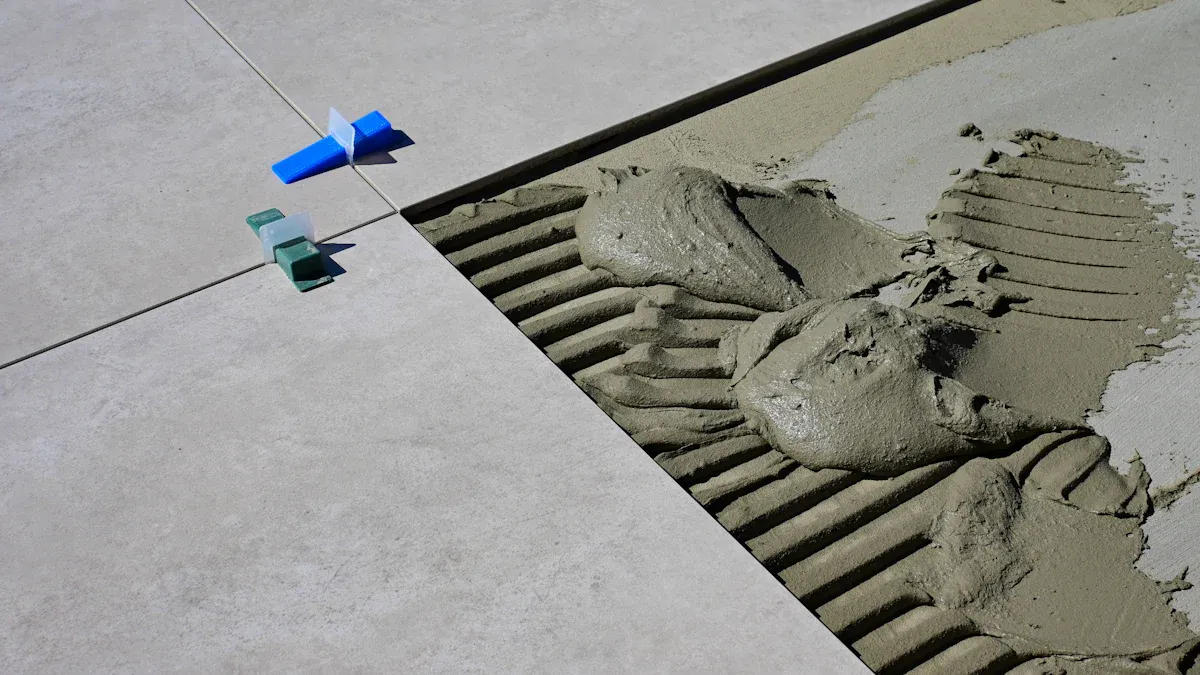
You may find that installing traditional tiles takes more time and skill. Ceramic tile requires careful planning and precision. You need to use adhesive and grout to set each tile. The process starts with preparing the subfloor. Make sure it is clean and level. Lay out the ceramic tile pattern before you begin.
Here is a typical installation process for ceramic tile:
- Spread adhesive on the floor.
- Place each tile in the correct position.
- Use spacers to keep gaps even.
- Wait for the adhesive to set.
- Apply grout between tiles.
- Clean off extra grout.
Traditional tiles often need professional installation. The process is labor-intensive and requires specialist tools. You may spend more time on ceramic tile installation than on SPC flooring. The need for adhesives and grouting makes the job longer and more complex.
| Flooring Type | Installation Time | Skill Level | DIY Friendly |
|---|---|---|---|
| SPC Flooring | Fast | Easy | Yes |
| Ceramic Tile | Slow | Advanced | No |
You should expect a longer installation time for ceramic tile. The results can look beautiful, but the process is not as simple as installing SPC tile.
Comfort Underfoot: SPC Tile vs Traditional Tile
SPC Tile Comfort
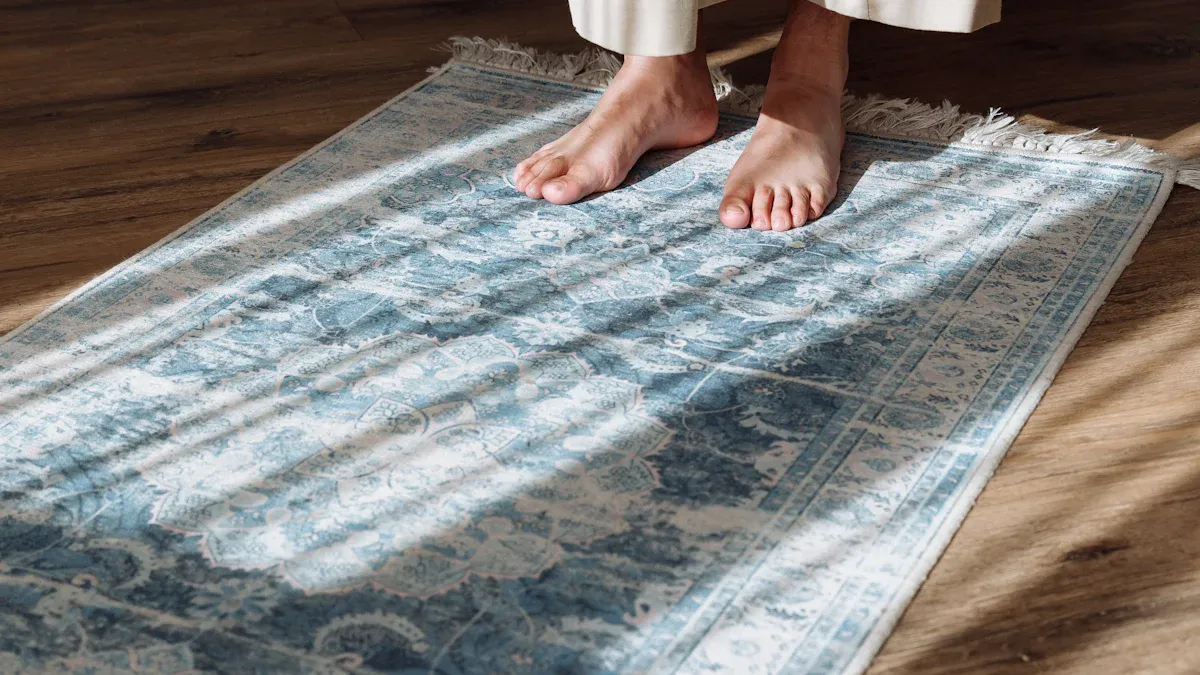
You want a floor that feels good when you walk or stand for long periods. SPC flooring gives you a cushiony feel underfoot. Many users rate SPC as more comfortable than ceramic tile. You notice the difference in kitchens, workplaces, and other areas where you spend a lot of time on your feet. The composite core in SPC helps absorb impact and reduces fatigue. You get a softer step, which is important if you have children or elderly family members.
SPC tiles also offer better thermal insulation than traditional tiles. You feel warmer in winter because SPC maintains a comfortable surface temperature. The insulation in SPC can improve heat retention by up to 35%. You can use area rugs or underfloor heating to make SPC flooring even cozier. SPC feels cooler than carpet but warmer than stone or ceramic tile. You enjoy a pleasant walking experience in every season.
- SPC flooring is rated as more comfortable underfoot than traditional tiles.
- You enjoy the cushiony feel of SPC, especially in busy areas.
- SPC tiles maintain comfortable temperatures and reduce fatigue.
Tip: If you want a floor that feels soft and warm, SPC flooring is a smart choice for homes and offices.
Traditional Tile Comfort
You may like the classic look of ceramic tile, but you should know how it feels underfoot. Ceramic tile has a rigid surface. You feel the hardness when you walk or stand for a long time. Many users say traditional tiles are less comfortable than SPC. You notice this in kitchens, hallways, and bathrooms where you spend time moving around.
Ceramic tile does not provide much thermal insulation. The surface feels cold, especially in winter or in rooms without heating. You may need to use rugs to make ceramic tile floors warmer. The hard surface can cause discomfort if you stand for long periods. You see this in commercial spaces and busy homes.
- Traditional tiles have a rigid surface that is less comfortable for extended use.
- Ceramic tile feels cold and hard, especially in winter.
- You may need rugs or mats to improve comfort.
Note: If comfort is important to you, SPC flooring offers a softer and warmer feel than ceramic tile or traditional tiles.
Maintenance and Cleaning for SPC Flooring and Traditional Tile
SPC Flooring Maintenance
You will find that spc flooring is low maintenance and easy to clean. You can sweep or vacuum the floor to remove dust and dirt. A simple mop with mild soapy water keeps the surface looking fresh. You may also use vinyl floor cleaners designed for spc flooring. These products help maintain shine without damaging the protective layer.
Here are some cleaning tips for spc flooring:
- Use a vacuum cleaner or sweep regularly.
- Mop with mild soapy water or a vinyl floor cleaner.
- Wipe up spills right away to prevent stains.
You should avoid abrasive cleaners, bleach, ammonia-based products, and steam mops. These can scratch, discolor, or warp the flooring. Excess moisture and acidic cleaners may also harm the surface. You do not need special tools or expensive products, which saves you time and money.
| Flooring Type | Annual Maintenance Cost | Replacement Cycle (Years) |
|---|---|---|
| SPC Flooring | $300 | 20 |
You will notice that spc flooring requires only basic care. The durability means you do not need to replace it often, which leads to long-term savings.
Tip: Clean up spills quickly and use gentle products to keep your spc flooring looking new.
Traditional Tile Maintenance
Traditional tile needs more frequent upkeep. You must sweep and mop the floor to remove dirt. You should use cleaners made for ceramic tile. Cleaning grout lines is important because they can stain or grow mold. You may need to reseal grout every few years to protect against moisture.
Here are some cleaning tips for traditional tile:
- Sweep and mop regularly.
- Use tile-safe cleaners.
- Scrub grout lines to prevent stains.
- Reseal grout as needed.
Avoid harsh chemicals and excess water, as these can damage both the tile and grout. You may spend more on cleaning products and maintenance over time.
| Flooring Type | Annual Maintenance Cost | Replacement Cycle (Years) |
|---|---|---|
| Traditional Tile | $600 | 12 |
You will see that traditional tile can last for years, but it needs more care and costs more to maintain than spc flooring.
Note: Regular grout cleaning and resealing help keep traditional tile floors in good condition.
Aesthetics and Design Options in SPC Tile and Traditional Tile
SPC Tile Looks
You can find many design options when you choose SPC tile. Manufacturers create SPC flooring to mimic the look of natural wood, stone, or even ceramic. You see patterns that look like oak, maple, or walnut. Some styles show the texture of real stone, such as marble or slate. This variety helps you match your floor to any room style.
SPC flooring uses advanced printing technology. This process gives you sharp, realistic images on each plank or tile. You get the beauty of natural materials without the high cost or extra care. Many homeowners like SPC flooring because it fits both modern and classic spaces. You can pick light or dark colors, smooth or textured finishes, and even trendy geometric patterns.
Tip: If you want a floor that looks like wood or stone but needs less work, SPC flooring is a smart choice.
You also enjoy the flexibility of SPC tile. You can install it in kitchens, bathrooms, or living rooms. The water resistance and easy installation make it popular with both homeowners and professionals. You get a stylish floor that lasts for years.
Traditional Tile Looks
You see a wide range of design choices with traditional tile. Ceramic tile comes in many colors and patterns. You can pick glossy or matte finishes. Porcelain tile is even more durable and often copies the look of natural stone. Some tiles show bold colors, while others have soft, neutral tones.
Interior designers often use these types of traditional tile:
- Ceramic tile: Made from clay and glazed for a smooth finish. It is affordable and common in many homes.
- Porcelain tile: Fired at higher temperatures, it is tougher and can look like stone.
- Natural stone: Each piece is unique. You get a luxury feel, but it costs more and needs extra care.
You can create custom patterns with traditional tile. Mix shapes and sizes to make borders or mosaics. Many people use traditional tile for classic or elegant designs. You may see it in kitchens, bathrooms, or entryways. The timeless look of ceramic or stone tile never goes out of style.
| Tile Type | Popular Looks | Best For |
|---|---|---|
| Ceramic | Solid colors, prints | Kitchens, bathrooms |
| Porcelain | Stone, wood effects | High-traffic areas |
| Natural Stone | Unique patterns | Luxury, custom designs |
You have many ways to express your style with traditional tile. The right design can make your space feel special and inviting.
Cost Effectiveness of SPC Tile vs Traditional Tile
SPC Tile Cost Factors
You want a floor that saves money over time. SPC flooring gives you a cost effective option for many properties. You pay less for materials and installation compared to traditional tiles. The average cost for SPC tile ranges from $3 to $7 per square foot. You also spend less on installation, usually between $1 and $3 per square foot. This makes SPC a smart choice for both homes and businesses.
- SPC tile is generally more affordable than ceramic tile or hardwood.
- You get easy installation with click-lock systems, which saves labor costs.
- SPC flooring lasts for years because of its durability, so you do not need frequent replacements.
Here is a quick look at installation costs:
| Flooring Type | Average Installation Cost (per sq ft) |
|---|---|
| SPC Flooring | $1 to $3 |
| Traditional Stone | $4 to $10 |
| Ceramic Flooring | $2 to $5 |
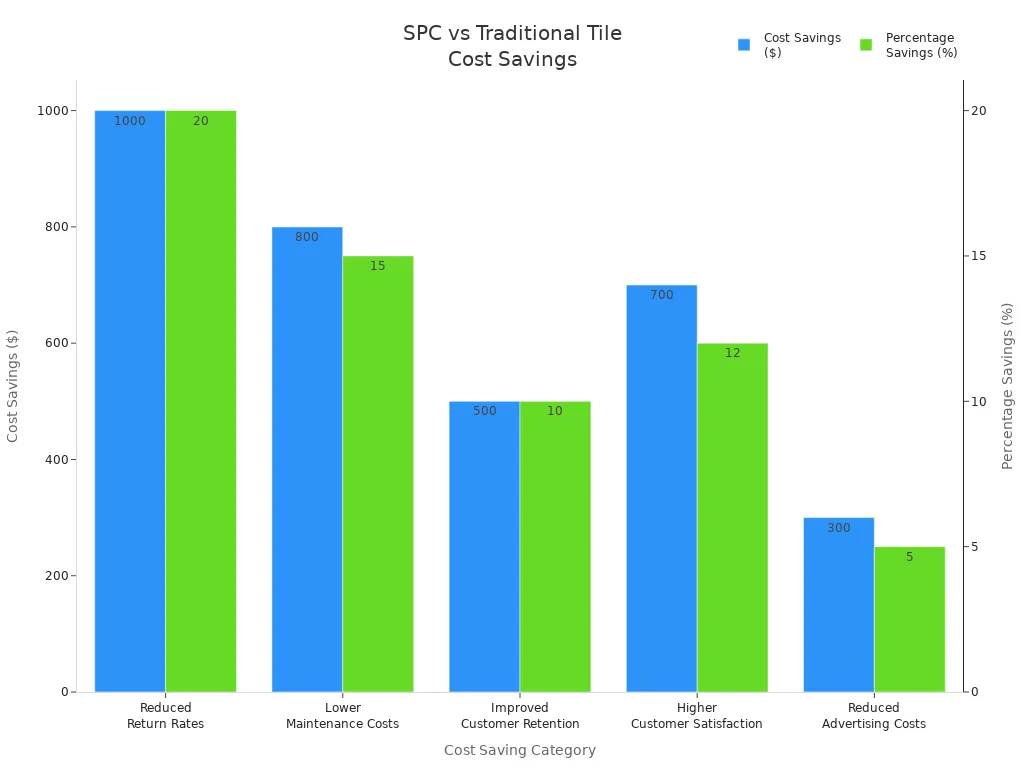
You also save money on maintenance. SPC flooring needs only basic cleaning, so you spend less on products and repairs. Over time, you see lower return rates and higher customer satisfaction. The chart below shows how SPC tile helps you save money in different ways.
Tip: You can choose SPC flooring for busy areas and enjoy long-term affordability.
Traditional Tile Cost Factors
You may like the look of ceramic tile, but you should know the costs. Traditional tiles cost between $3 and $15 per square foot. Installation for ceramic tile usually costs $2 to $5 per square foot. Stone tiles cost even more. You often need professional help for installation, which adds to the total cost.
- Ceramic tile needs more maintenance, such as grout cleaning and resealing.
- You may pay more for repairs if tiles crack or chip.
- Traditional tiles can last for decades, but you spend more on upkeep.
- Material cost for ceramic tile: $3 to $15 per square foot
- Installation cost: $2 to $5 per square foot
- Maintenance costs are higher than SPC flooring
You get a classic look with ceramic tile, but you pay more for installation and care. If you want a cost effective option, SPC flooring gives you better affordability and easier maintenance. You can still choose traditional tiles for style, but you should plan for higher costs.
SPC Tile and Traditional Tile in Commercial Spaces
SPC Tile for Commercial Use
You want a floor that can handle busy commercial areas. SPC flooring gives you a strong and reliable option for these spaces. Facility managers often choose SPC because it stands up to heavy foot traffic. The rigid core construction resists dents, scratches, and wear. You see SPC in retail stores, office buildings, and healthcare facilities. It keeps its good looks even when many people walk on it every day.
SPC flooring offers several benefits for commercial spaces:
- High durability, even in high-traffic zones
- Excellent moisture resistance, so spills do not cause damage
- Simple installation, which saves time and money
- Wide range of designs to match any style
- Minimal upkeep, so you spend less time on cleaning
You also get stability with SPC. It does not change shape with temperature swings. Heavy furniture or pets do not damage the surface. You can clean SPC floors quickly, which helps in busy environments. Many businesses pick SPC because it costs less over time. You do not need to replace it often, and maintenance stays low.
Here is a quick comparison of common reasons for choosing SPC or traditional tiles in commercial renovations:
| Benefit | SPC Tile | Traditional Tile |
|---|---|---|
| Durability | High | Moderate |
| Moisture Resistance | Excellent | Poor |
| Ease of Installation | Simple | Complex |
| Aesthetic Versatility | Wide range of designs | Limited options |
| Low Maintenance | Minimal upkeep required | Regular maintenance needed |
| Cost-Effectiveness | Generally lower cost | Higher initial investment |
Traditional Tile for Commercial Use
You may see ceramic tile in many commercial spaces. It gives a classic look and works well in some settings. Ceramic tile can last for years if you care for it. Many businesses use traditional tiles in lobbies, restrooms, and kitchens. The hard surface resists stains and scratches, but it does not match the durability of SPC in high-traffic commercial areas.
Ceramic tile needs regular cleaning and grout care. Water can seep into grout lines, which may lead to stains or mold. Installation takes more time and skill. You often need professionals to lay ceramic tile. The cost is higher at the start, and you may spend more on repairs if tiles crack or chip.
You get fewer design choices with traditional tiles compared to SPC. The surface feels hard and cold, which may not suit all commercial environments. Still, ceramic tile remains a solid choice for businesses that want a timeless look and do not mind extra upkeep.
Tip: If you want a floor that handles heavy use and needs less care, SPC flooring often outperforms ceramic tile in commercial spaces.
SPC Tile and Traditional Tile in Residential Spaces
SPC Tile in Homes
You want your home to feel comfortable and look stylish. SPC flooring gives you many benefits for residential spaces. You can install SPC quickly because it uses a click-lock system. You do not need glue or grout, so you save time and effort. Many homeowners choose SPC for living rooms, bedrooms, and kitchens. You get a surface that resists scratches and dents, which helps if you have pets or children.
SPC flooring feels warmer underfoot than ceramic tile. You notice the difference when you walk barefoot in the morning. The protective wear layer keeps your floor looking new for years. You can clean SPC easily with a mop or vacuum. You do not have to worry about grout lines or stains. SPC can mimic wood, stone, or other textures, so you find a style that matches your taste.
Here are common reasons people pick SPC for their homes:
- Easy installation
- Durable surface
- Simple cleaning
- Versatile designs
- Comfortable feel
Tip: If you want a floor that looks like wood but needs less care, SPC gives you that option.
Traditional Tile in Homes
You may prefer the classic look of ceramic tile in your home. Traditional tiles offer a timeless style that fits kitchens, bathrooms, and entryways. You need more time and skill to install ceramic tile. The process uses mortar and grout, which means you often hire professionals. Ceramic tile feels cool and hard underfoot. You might use rugs to make spaces warmer.
Ceramic tile lasts for decades if you care for it. You must clean grout lines often because they stain easily. You may need to reseal grout every few years. Traditional tiles come in many colors and patterns. You can create custom designs or use simple layouts. Some people choose ceramic tile for its durability, but you should know it can crack if you drop heavy objects.
Here is a table comparing key features:
| Feature | SPC Flooring | Ceramic Tile |
|---|---|---|
| Installation | Easy | Complex |
| Comfort | Warm | Cold |
| Maintenance | Simple | More frequent |
| Design Options | Versatile | Classic |
You see traditional tiles in homes that want a classic or elegant look. You need to plan for extra care and maintenance.
You see that spc tile offers water resistance, low maintenance, and affordability. Many property owners choose it for easy installation and comfort. Industry experts recommend both spc tile and traditional tile for their longevity and design options. The table below shows how each type fits different needs:
| Feature | Porcelain Tiles | SPC (Stone Plastic Composite) |
|---|---|---|
| Durability | Highly durable, scratch-resistant | Extremely durable, dent-resistant |
| Water Resistance | Fully waterproof | Waterproof |
| Best Use | High-traffic, luxury, outdoor spaces | Kitchens, bathrooms, commercial areas |
You get a wide range of design choices and environmentally friendly options with both. Consider your budget, cost, and the advantages of each design before you decide.
FAQ
What rooms work best for SPC tile?
You can use SPC tile in kitchens, bathrooms, basements, and laundry rooms. The waterproof surface protects your floors from spills and moisture. You get a durable option for busy spaces.
Tip: SPC tile also works well in living rooms and bedrooms for added comfort.
Can you install SPC tile over existing floors?
You can install SPC tile over most flat surfaces, including old tile, vinyl, or concrete. The click-lock system makes installation easy. You do not need to remove the old flooring first.
| Existing Floor | SPC Tile Installation |
|---|---|
| Tile | Yes |
| Vinyl | Yes |
| Concrete | Yes |
How do you clean traditional tile grout?
You should scrub grout lines with a brush and use a cleaner made for tile grout. Reseal grout every few years to prevent stains and mold. Regular cleaning keeps your floor looking fresh.
- Sweep and mop often
- Use grout cleaner
- Reseal as needed
Is SPC tile safe for pets?
You get a pet-friendly floor with SPC tile. The surface resists scratches and stains from paws and accidents. You can clean up messes quickly. SPC tile does not trap odors.
Note: SPC flooring helps keep your home clean and comfortable for pets.




