
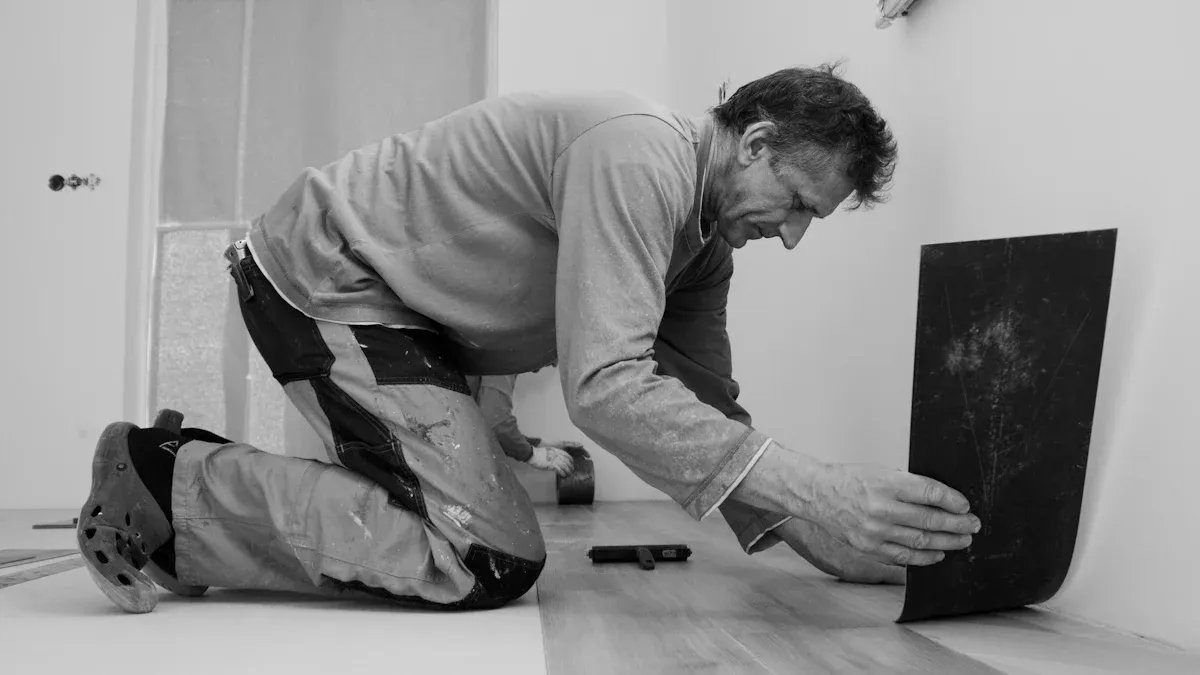
You often see the term SPC in flooring stores and wonder, what does spc stand for? SPC flooring means stone plastic composite, a type of waterproof vinyl flooring that uses limestone and polyvinyl chloride for strength. Many homeowners and businesses choose SPC for its durability and easy installation. Over the past five years, you notice more people using SPC flooring in homes and hotels. The table below shows how SPC leads the market in North America and continues to grow worldwide.
| Region | Market Share (%) | Notes |
|---|---|---|
| North America | Over 30% | Strong construction activity and awareness |
| Europe | Over 25% | High demand for durable, sustainable options |
| Asia Pacific | Fastest-growing | CAGR over 20% |
- Homeowners pick SPC for cost and style.
- Businesses prefer it in busy areas for design and strength.
What Does SPC Stand For and What Is SPC Flooring?
Definition of SPC (Stone Plastic Composite)
When you ask, “what does spc stand for,” you discover that SPC means Stone Plastic Composite. This material forms the core of a new generation of rigid core luxury vinyl flooring. Manufacturers use limestone powder, polyvinyl chloride (PVC), and stabilizers to create SPC flooring. The limestone powder gives the flooring its strength and stability. PVC adds flexibility and helps the floor resist impacts. Stabilizers, such as calcium-zinc compounds, make the flooring last longer. Some SPC vinyl flooring products include a UV-cured wear layer. This layer protects the surface from scratches and stains, making cleaning easier for you.
You notice that stone-plastic composite flooring stands out from other types because of its dense and rigid core. The manufacturing process blends limestone and stabilizers, resulting in a floor that is both tough and waterproof. This makes SPC flooring a popular choice for homes, offices, and hotels where durability and water resistance matter most.
Tip: If you want a floor that can handle spills, heavy foot traffic, and daily wear, SPC flooring offers a reliable solution.
Here is a table that shows how the composition of SPC flooring compares to other composite flooring materials:
| Flooring Type | Core Composition | Key Characteristics |
|---|---|---|
| SPC | Limestone powder and polyvinyl chloride | Superior durability, stability, denser, impact-resistant |
| WPC | Wood flour and plasticizers | Softer underfoot, better sound absorption |
Key Features of SPC Flooring
You find that SPC flooring offers many benefits for both homes and businesses. Industry experts highlight several key features that make rigid core luxury vinyl flooring a top choice:
- Durability and strength
- Water resistance
- Aesthetic versatility
SPC flooring is recognized for its ability to withstand heavy use and resist water. You can install it in kitchens, bathrooms, and basements without worrying about moisture damage. The stone plastic composite core makes the floor solid and less likely to dent or scratch. You also get a wide range of styles and designs, so you can match your floor to any room.
The table below lists important features of SPC flooring:
| Feature | Description |
|---|---|
| Slip Resistance | Textured or treated surface to prevent slipping, crucial for wet areas like bathrooms and kitchens. |
| Low VOC Emissions | Made with low levels of volatile organic compounds, improving indoor air quality. |
| Non-Toxic Materials | Contains no harmful substances like formaldehyde, safe for homes with children and pets. |
| Fire Resistance | Designed to resist fire, meeting various safety standards for peace of mind. |
| Durability | Exceptional durability and water resistance, ideal for high-traffic and moisture-prone areas. |
| Aesthetic Versatility | Offers a variety of designs and styles to suit different applications. |
You see that SPC flooring is more rigid and waterproof than other flooring types. The hybrid of compressed limestone and plastic creates a stiff and solid floor. Unlike traditional vinyl, SPC flooring is 100% waterproof and less likely to bend or warp. You can trust it to last for years, even in busy or wet spaces.
Note: Both SPC and WPC flooring are completely waterproof, but SPC flooring is denser and more impact-resistant. This makes it a better choice for areas where you expect a lot of activity.
Composition and Layers of SPC Flooring
Core Materials and Structure
You find that the core of SPC flooring uses a special blend of materials. Manufacturers mix limestone powder with polyvinyl chloride to create a strong and stable base. This blend forms the heart of stone-plastic composite flooring. The limestone gives the floor its hardness and helps it resist dents. Polyvinyl chloride adds flexibility and makes the floor less likely to crack.
Here is what you usually see in the composition of SPC flooring:
- About 60% limestone (calcium carbonate)
- The rest includes polyvinyl chloride and plasticizers
This mix creates a dense and rigid core. You notice that the core does not absorb water, so the floor stays dry even in wet areas. The structure of SPC flooring makes it a top choice for places like kitchens, bathrooms, and entryways.
Tip: The dense core of SPC flooring helps it last longer and keeps it looking new, even with heavy foot traffic.
Layer Breakdown of SPC Flooring
SPC flooring uses several layers to improve performance and comfort. Each layer has a special job. You can see how these layers work together in the table below:
| Layer | Function |
|---|---|
| Wear Layer | Protects against scratches and stains |
| Core Layer | Gives strength and stability |
| Underlayment | Adds comfort and reduces noise |
You get a tough wear layer on top. This layer makes cleaning easy and keeps your floor looking good. The core layer gives the floor its solid feel and helps it resist damage. The underlayment adds a soft touch and helps reduce sound, making rooms quieter.
- The wear layer increases durability and makes maintenance simple.
- The core layer provides stability and strength.
- The underlayment improves comfort and lowers noise.
You see that these layers work together to make SPC flooring strong, comfortable, and easy to care for. The design helps you enjoy a floor that lasts for years.
How Is SPC Flooring Manufactured?
Overview of the Manufacturing Process
You might wonder how manufacturers create SPC flooring. The process uses advanced technology and precise steps to ensure quality. Here is how stone-plastic composite flooring is made:
- Raw Material Mixing: Workers blend limestone powder, PVC, and stabilizers in exact amounts. This step forms the strong base for the flooring.
- Extrusion: The mixed materials enter an extrusion machine. The machine shapes the blend into rigid boards.
- Lamination: Decorative and wear-resistant layers are added to the core. These layers give the flooring its look and protect it from scratches.
- Cutting and Profiling: Machines cut the laminated sheets into planks. Each plank is shaped for easy installation.
- Quality Control: Every plank goes through strict checks. Inspectors look for accuracy and defects.
Tip: Each step in the process helps make SPC flooring strong, stable, and ready for busy spaces.
Quality Control and Industry Standards
You see that manufacturers use many quality control measures to keep SPC flooring consistent. These steps help you get a reliable product every time:
- Raw material selection ensures purity and correct composition.
- Extrusion and pressing monitor thickness and density.
- Cutting and shaping guarantee precise dimensions.
- Testing and inspection check durability, stability, and appearance.
- Advanced machinery and strict procedures keep production smooth.
- Environmental responsibility means eco-friendly practices.
Before SPC flooring reaches stores, it must meet important industry standards. The table below shows some key certifications and tests:
| Certification/Standard | Description |
|---|---|
| ISO 9001 | Quality management system for effective production and customer satisfaction |
| ISO 14001 | Environmental management for eco-friendly production |
| CE Certification | Health, safety, and ecological protection in Europe |
| Wear Resistance Testing | Checks durability against scratches and wear |
| Fire Resistance | Ensures flooring resists ignition and slows flame spread |
| Water Immersion Testing | Evaluates water resistance over time |
| Slip Resistance | Improves safety in wet areas |
| Impact Resistance Testing | Tests durability against sudden impacts |
| Environmental Testing | Checks VOC emissions and global standards like FloorScore |
You can trust that stone-plastic composite flooring meets strict requirements for safety, durability, and environmental impact. These standards help you choose flooring that lasts and keeps your space safe.
Benefits and Drawbacks of SPC Flooring
Advantages of SPC Flooring
When you look for an advanced flooring option, SPC flooring stands out for many reasons. You get a floor that is tough and reliable. Most SPC vinyl flooring products use low levels of volatile organic compounds, so you enjoy healthier indoor air. Families and pet owners often choose this type because it does not contain harmful chemicals.
You notice several benefits when you install rigid core luxury vinyl flooring in your home or business:
- Durability and strength help your floor resist impacts, scratches, and stains. You can use it in busy areas without worry.
- Waterproof properties make SPC flooring perfect for kitchens, bathrooms, and basements. Water does not damage the core.
- Easy maintenance means you only need to sweep and mop to keep your floor clean.
- Aesthetic versatility lets you pick from many designs, including styles that look like wood or stone.
- Temperature stability keeps your floor from expanding or shrinking when the weather changes.
- Sound insulation gives you a quieter space, thanks to the dense core.
- Eco-friendly materials make SPC flooring recyclable.
You also find that SPC vinyl flooring lasts longer than many other options. With proper care, you can expect your floor to last 20 to 30 years. Compared to standard vinyl or laminate, rigid core luxury vinyl flooring offers greater strength and longevity. The click-and-lock system makes installation simple, even for DIY projects.
Tip: If you want a waterproof vinyl flooring that looks great and lasts for years, SPC flooring is a smart choice.
Potential Disadvantages of SPC Flooring
You should know about some drawbacks before you choose SPC flooring. The rigid core makes the floor less cushioned than hardwood or luxury vinyl plank. You might feel the difference when you walk or stand for long periods.
Here are some common issues you may face:
- Thinner materials provide less comfort underfoot.
- You need a flat, clean subfloor for proper installation. Uneven surfaces can cause problems.
- SPC flooring does not work outdoors.
- High sunlight can fade the color over time.
- Heavy furniture or sharp objects may scratch the surface.
- Lower-grade products can swell or discolor if exposed to moisture.
- Once installed, adhesive types are hard to remove.
- You cannot refinish or repair damaged planks easily.
- SPC flooring does not add as much resale value as hardwood.
- Some products release VOCs during installation.
- If burned, SPC flooring releases toxic chemicals.
- Most types are non-biodegradable and may contribute to landfill waste.
Note: Always check the quality and certifications before you buy rigid core luxury vinyl flooring. This helps you avoid problems and ensures a safe environment.
SPC Flooring Compared to Other Flooring Types
SPC vs. WPC (Wood Plastic Composite)
When you compare rigid core luxury vinyl flooring to WPC, you notice several differences. SPC flooring uses a stone-based core, while WPC relies on wood flour and plastic. This difference affects durability and comfort. SPC flooring resists dents and scratches better than WPC. You get a tougher floor with SPC, which works well in busy areas.
| Feature | SPC Flooring | WPC Flooring |
|---|---|---|
| Durability | Exceptional resistance to dents, scratches, and heavy impacts due to a dense, stone-based core. | Softer and more cushioned, less resistant to heavy impacts. |
| Water Resistance | Nearly impenetrable barrier against water, maintains dimensional stability in wet conditions. | Excellent water resistance, but may experience minimal expansion with prolonged moisture exposure. |
You also notice a difference in price. WPC flooring usually costs more because of its production process. SPC flooring gives you a budget-friendly choice. Both types offer similar installation costs, so you can focus on performance and price.
SPC vs. Laminate Flooring
Rigid core luxury vinyl flooring stands out when you compare it to laminate. You get better water resistance with SPC flooring. Laminate can swell or warp if exposed to moisture. SPC vinyl flooring keeps its shape, even in wet areas like kitchens or bathrooms.
Sound insulation is another key difference. SPC flooring uses sound-absorbing layers and a dense core. You enjoy a quieter space compared to laminate flooring, which often lets more noise through. If you want a peaceful home or office, rigid core luxury vinyl flooring is a smart choice.
Laminate flooring may offer a softer feel underfoot. However, you sacrifice durability and water resistance. SPC flooring lasts longer and handles daily wear better.
SPC vs. Traditional Vinyl Flooring
You see big differences between rigid core luxury vinyl flooring and traditional vinyl plank flooring. SPC flooring uses a click-lock system, which makes installation quick and easy. Traditional vinyl flooring often needs glue or loose-lay methods, which take more time.
| Flooring Type | Installation Method | Installation Time |
|---|---|---|
| SPC Flooring | Click-lock system | Quick and easy |
| Traditional Vinyl | Glue-down, loose-lay, etc. | More time-consuming |
SPC flooring offers a rigid, waterproof core. Traditional vinyl flooring is flexible and may bend or warp over time. You get better stability and durability with SPC. Rigid core luxury vinyl flooring also provides more style options and a longer lifespan.
If you want a floor that installs fast, resists water, and lasts for years, SPC flooring gives you a reliable solution.
Installation, Maintenance, and Suitability of SPC Flooring
Installation Methods for SPC Flooring
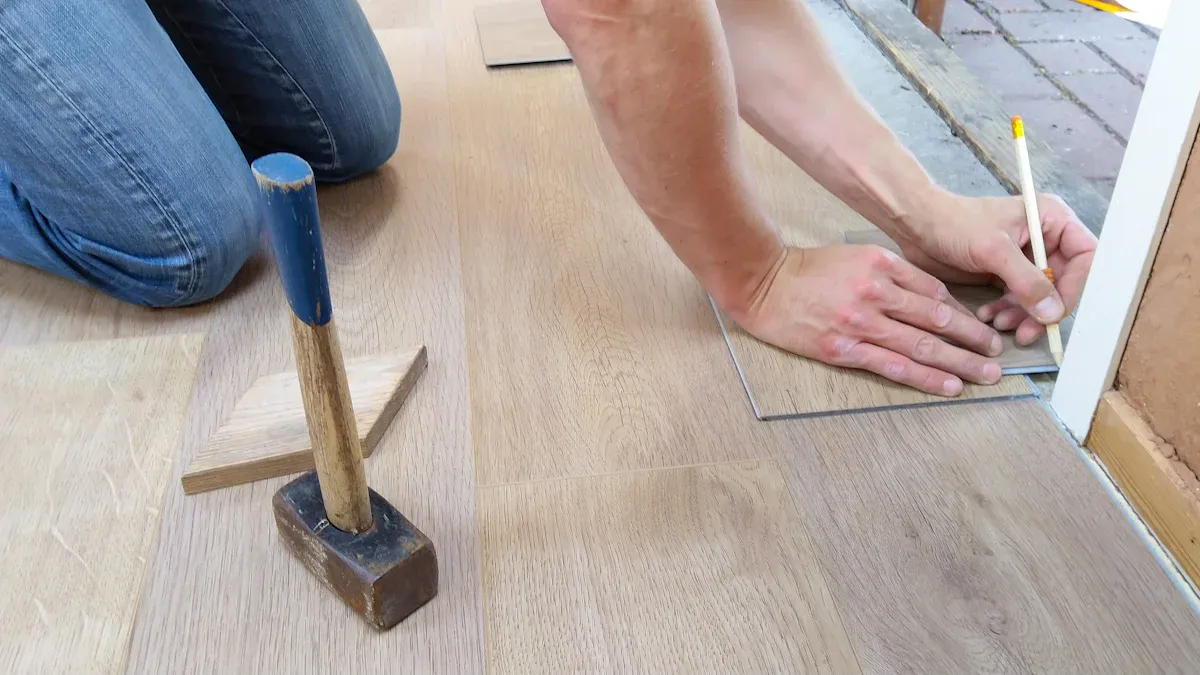
You can choose between professional and DIY methods for SPC flooring installation. Professional installers offer several advantages. They bring expertise and experience, which helps avoid common mistakes. You get faster results and warranty protection when you hire experts. Professionals also assess your subfloor and finish the job with clean trimming. However, professional installation costs more, usually between $2 and $5 per square foot. You may need to wait for an available installer, and finding someone with SPC expertise can be difficult.
If you decide to install rigid core luxury vinyl flooring yourself, you must prepare the subfloor. Clean, dry, and level surfaces prevent unevenness and squeaking. Let the flooring adjust to room temperature and humidity before starting. Leave small gaps around edges to allow for expansion. Always follow manufacturer guidelines for spacing to avoid buckling. Use a moisture barrier if needed, especially in damp areas.
Tip: Proper preparation and acclimation help prevent warping, gaps, and discoloration during SPC flooring installation.
Maintenance Tips for SPC Flooring
You can keep your SPC vinyl flooring looking new with simple care. Sweep or vacuum regularly using a soft-bristle broom or a vacuum for hard surfaces. Mop with a damp microfiber mop, making sure it is not too wet. Use a pH-balanced cleaner or mild soap solution. Avoid harsh chemicals and excess water.
Place rugs and mats at entryways to catch dirt and moisture. Use furniture pads and sliders to prevent scratches and dents when moving items. Protect the flooring from sharp objects and avoid dragging heavy furniture. Establish a routine cleaning schedule, including daily sweeping, weekly mopping, and monthly inspections for damage. Apply protective coatings or sealants if the manufacturer recommends them.
| Flooring Type | Cleaning Requirements | Similarities | Differences |
|---|---|---|---|
| SPC Flooring | pH-neutral cleaners, minimal moisture | Similar to vinyl | More sensitive to moisture than laminate |
| Laminate | Regular sweeping, specific damp mopping | Careful cleaning | Needs more frequent cleaning |
| Vinyl Plank Flooring | Mild cleaners, avoid excess water | Similar to SPC | Less sensitive to moisture than SPC |
Note: All cleaners are safe for SPC flooring, but using gentle products helps extend its lifespan.
Best Environments for SPC Flooring
You find that rigid core luxury vinyl flooring works best in moisture-prone areas. SPC flooring is 100% waterproof, so it performs well in kitchens, bathrooms, and basements. It does not warp or swell in humid conditions, unlike laminate or hardwood. You can use SPC flooring installation in places with frequent spills or pet accidents. High-traffic areas benefit from its durability and resistance to scratches, heat, and moisture. The flooring also adds elegance and comfort, making it suitable for homes, hotels, and offices.
| Factor | Description |
|---|---|
| Durability | Handles foot traffic and furniture movement |
| High Resistance | Resists scratches, heat, and moisture |
| Ease of Cleaning | Simple to maintain in busy spaces |
| Elegance | Looks attractive in public or private settings |
| Comfort | Feels warm and safe underfoot |
Callout: Choose SPC flooring installation for rooms that need waterproof, durable, and easy-to-clean surfaces.
When you ask what does spc stand for, you learn it means stone plastic composite. This flooring offers durability and water resistance, making it a smart choice for busy homes. You see that spc flooring stands out for easy installation and long-term savings. Many experts recommend checking your comfort needs before choosing.
| Factor | SPC Flooring Benefits | Considerations |
|---|---|---|
| Durability | Tough, resistant to scratches and dents | Hardness underfoot |
| Waterproof | Ideal for moisture-prone areas | Limited insulation |
| Ease of Installation | Simple click-and-lock system for DIY installation | Requires evaluation of comfort needs |
| Affordability | Cheaper than hardwood or stone, high-end look |
You should think about your space and needs. If you wonder what does spc stand for in modern flooring, remember it means a reliable, stylish option for many environments.
FAQ
What does SPC stand for in flooring?
SPC stands for Stone Plastic Composite. You get a flooring material made from limestone powder and polyvinyl chloride. This combination creates a strong, waterproof core for your floors.
Can you install SPC flooring in bathrooms and kitchens?
Yes, you can install SPC flooring in bathrooms and kitchens. The waterproof core keeps your floor safe from spills and moisture. You do not need to worry about warping or swelling.
How do you clean SPC flooring?
You should sweep or vacuum your SPC flooring regularly. Use a damp mop with a mild cleaner for deeper cleaning. Avoid harsh chemicals and do not use too much water.
Tip: Place mats at entrances to keep dirt off your SPC floors.
Is SPC flooring safe for homes with pets and children?
Yes, SPC flooring is safe for homes with pets and children. Manufacturers use non-toxic materials. The surface resists scratches and stains, so you get a durable and safe floor.




