
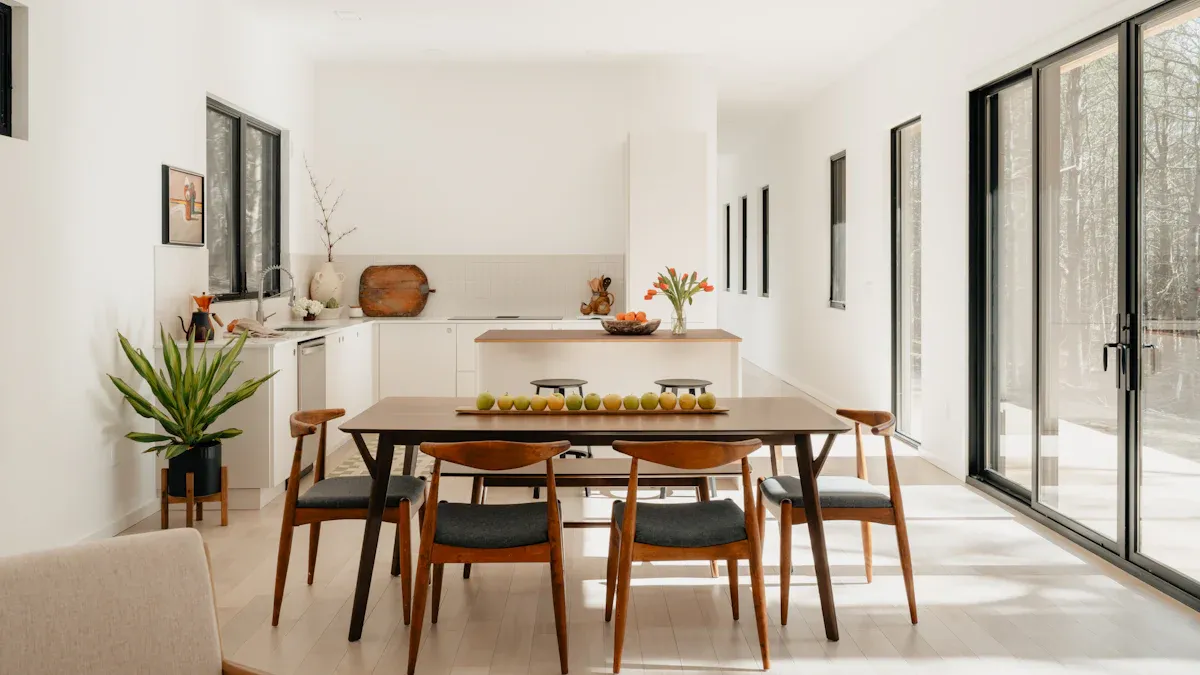
Vinyl plank flooring has gained immense popularity in recent years. In 2025, its market value reaches an impressive USD 33.9 billion. This growth reflects both the pros and cons to vinyl plank flooring. You might find its durability and water resistance appealing. However, consider the environmental concerns and potential for damage. Understanding these factors helps you make informed choices when selecting flooring for your home.
| Statistic | Value |
|---|---|
| Industry Value (2025) | USD 33.9 billion |
| Forecast Value (2035) | USD 63.8 billion |
| Forecast CAGR | 6.5% |
| Leading Segment in 2025 | Printed Vinyl Flooring (61%) |
| Residential Market Share (2025) | 47% |
| Residential Segment CAGR | 6.7% |
What is Vinyl Plank Flooring?
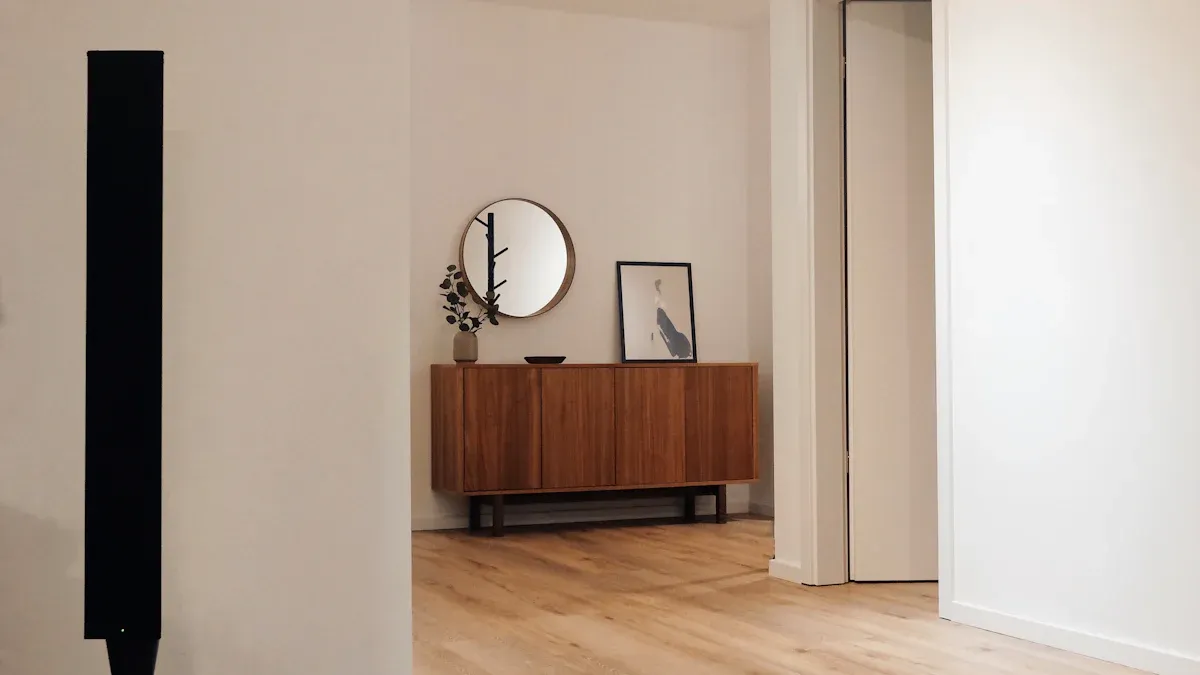
Vinyl plank flooring is a popular choice for homeowners looking for a stylish and durable flooring option. This type of flooring mimics the appearance of hardwood, stone, or tile, providing a beautiful aesthetic without the high cost. You can find vinyl plank flooring in various colors and patterns, allowing you to customize your space easily.
Modern vinyl plank flooring consists of several layers, each serving a specific purpose. Here’s a breakdown of the materials and construction methods used:
| Material/Method | Description |
|---|---|
| Primary Material | Made of polyvinyl chloride (PVC) with various compounds for color, flexibility, and hardness. |
| Core Layer | Foam plastisol layer about 25 mils thick, bonded to a felt backing made from fibrous components. |
| Decorative Layer | A thin vinyl coating printed with decorative patterns, covered by a wear layer for protection. |
| Wear Layer | A clear PVC layer about 10 mils thick that protects the printed pattern and provides a maintenance-free surface. |
| Additional Laminated Layer | Some manufacturers add a laminated layer for enhanced tear resistance and toughness. |
| Form | Available in both tile and sheet form, with tiles being easier to install but limited in pattern selection. |
This construction makes vinyl plank flooring both resilient and versatile. You can install it in various areas of your home, including kitchens, bathrooms, and living rooms. Its water resistance and durability make it an excellent choice for high-traffic areas.
Advantages of Vinyl Plank Flooring
Durability
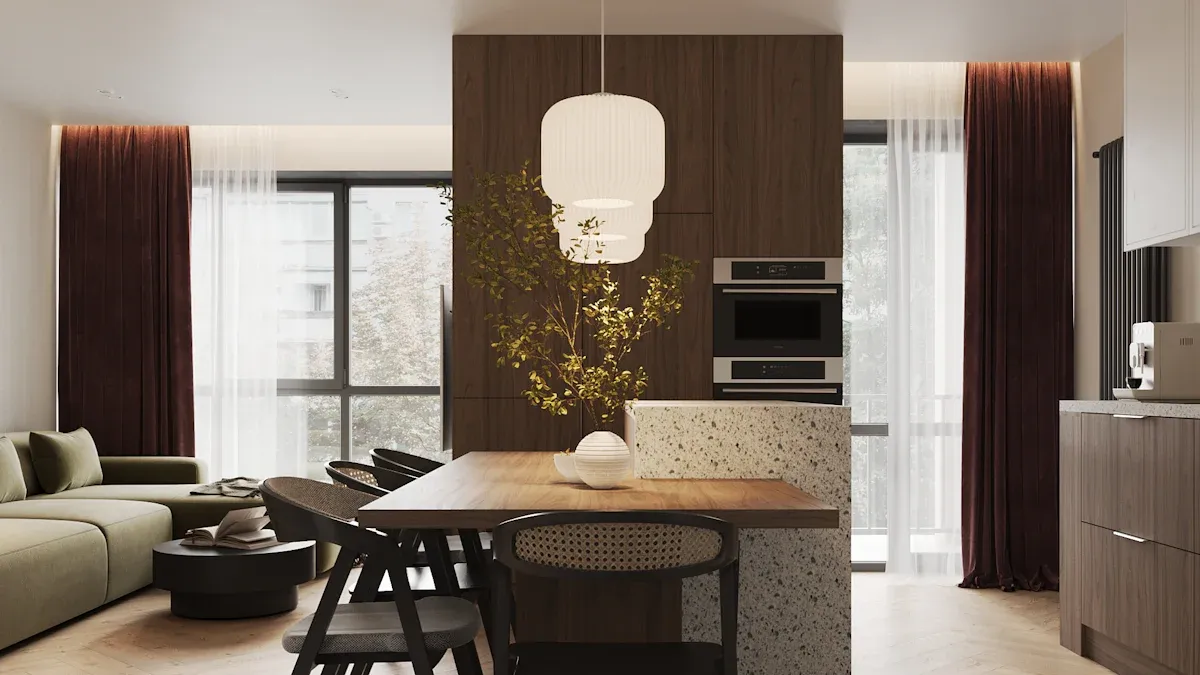
Vinyl plank flooring stands out for its impressive durability. It resists scratches, dents, and stains, making it ideal for homes with pets or high foot traffic. In fact, studies show that luxury vinyl planks can last over 20 years with proper care. This longevity surpasses that of laminate flooring, which typically lasts between 10 to 25 years.
| Flooring Type | Durability Features | Lifespan |
|---|---|---|
| Luxury Vinyl Plank | Waterproof, resistant to scratches, slightly prone to dents, high-quality options last longer | 20 years or more |
| Laminate Flooring | Tough wear layer, strong dent resistance, prone to chipping from heavy impacts | 10 to 25 years |
| Hardwood Flooring | Highly durable but susceptible to scratches and moisture damage | Longer than vinyl |
This table highlights how vinyl plank flooring compares favorably against other flooring types. You can confidently choose vinyl for its durability and maintenance benefits.
Water Resistance
Another significant advantage of vinyl plank flooring is its water resistance. Extensive laboratory tests demonstrate that vinyl plank flooring absorbs only 0.2% moisture when exposed to water. This performance shows an 85% improvement over traditional flooring options. Such water and moisture resistance make vinyl an excellent choice for areas prone to spills or humidity, like kitchens and bathrooms.
- Luxury vinyl planks (LVP) and luxury vinyl tiles (LVT) are particularly effective in high-moisture environments.
- Unlike hardwood, which can swell or buckle when exposed to water, vinyl remains stable and reliable.
- Stone Plastic Composite (SPC) and Wood Plastic Composite (WPC) versions of vinyl flooring are completely waterproof, enhancing their suitability for wet areas.
These features ensure that you can enjoy your flooring without worrying about water damage.
Easy Installation
Installing vinyl plank flooring is straightforward, making it a popular choice for DIY enthusiasts. You can use various cutting methods, such as score and snap or a tile cutter, to fit the planks to your space. Here are some essential steps for installation:
- Cutting Methods: Use score and snap, tile cutter, or circular saw for precise cuts.
- Installation Techniques: Start from one corner, maintain clearance from walls, and ensure planks interlock securely.
- Finishing Skills: Reinstall baseboards and use moldings to conceal gaps for a polished look.
With these simple techniques, you can achieve a professional finish without hiring a contractor. The ease of installation adds to the overall appeal of vinyl plank flooring.
Low Maintenance
One of the standout advantages of vinyl plank flooring is its low maintenance requirements. You can keep your floors looking great with minimal effort. Here are some recommended maintenance routines according to manufacturers:
- Protect floors with proper furniture pads.
- Sweep or dry mop daily to prevent scratches.
- Use a microfiber mop with manufacturer-approved cleaners.
- Clean spills as soon as they happen.
- Never drag furniture across the floor.
- Avoid using a vacuum with a beater bar.
- Use floor protectors on all furniture.
- Place mats at entrances and exits to trap dirt.
To maintain the beauty of your vinyl plank flooring, avoid using bleach or ammonia-based products. Do not soak the floors with excessive water or use steam mops. Instead, regularly sweep or vacuum to remove loose dirt. When damp mopping, use warm water and a non-abrasive, “no-rinse” floor cleaner. Following these guidelines ensures your flooring remains in excellent condition for years to come.
Aesthetic Variety
Vinyl plank flooring offers a wide range of design options, allowing you to customize your space to fit your style. In 2025, you can find various finishes and textures that closely mimic natural materials. Here are some popular trends:
- Textured Finishes: These provide realistic wood grain looks.
- Wider Planks: They enhance the authentic hardwood appearance and make spaces feel larger.
- Bold Patterns: Options include designs that mimic materials like terrazzo, marble, slate, and ceramic tile.
- Creative Color Palettes: Available colors include soft sage green, navy blue accents, blush tones, charcoal black, and two-tone finishes.
With advancements in technology, luxury vinyl flooring can replicate the appearance of natural wood or stone closely. Techniques like Embossed in Register (EIR) align texture with printed designs for realistic wood grain replication. This means you can achieve the look of high-end materials without the associated costs.
Cost-Effectiveness
When considering flooring options, cost is a significant factor. Vinyl plank flooring stands out for its affordability. The average cost per square foot ranges from $2 to $7, making it a budget-friendly choice compared to hardwood, which can cost between $4 and $13 per square foot. Additionally, installation costs for vinyl are generally lower than for hardwood.
| Flooring Type | Cost per Square Foot (Material) | Installation Cost per Square Foot |
|---|---|---|
| Vinyl Plank | $2 – $7 | N/A |
| Hardwood | $4 – $13 | $2.50 – $6 |
| Laminate | $1 – $5 | $2 – $4 |
The long-term savings associated with vinyl plank flooring are also noteworthy. Its durability means you can expect it to last 15 to 25 years, reducing the need for repairs or replacements. The low maintenance requirements lead to further savings over time. Plus, its water and stain resistance minimizes the risk of costly repairs from moisture damage. Overall, investing in vinyl plank flooring enhances your property’s value while keeping your budget intact.
Disadvantages of Vinyl Plank Flooring
Environmental Concerns
While vinyl plank flooring offers many benefits, it also raises environmental concerns. The production and disposal of vinyl flooring can have significant impacts. Here are some key issues to consider:
- The energy-intensive production processes contribute to a significant carbon footprint.
- Raw material extraction for PVC has environmental consequences, affecting ecosystems.
- Recycling challenges arise from the multiple layers of materials in vinyl flooring, complicating end-of-life management.
However, some manufacturers are taking steps to address these concerns. You can find products that incorporate recycled materials into their base layers. Many modern production facilities are increasingly utilizing renewable energy sources. Additionally, some companies have established take-back programs for recycling old vinyl flooring, which can help mitigate waste.
If you prioritize eco-friendliness, look for products certified by FloorScore or GreenGuard. These certifications ensure low emissions and eco-friendly production. Non-PVC vinyl flooring is another option, as it avoids harmful chemicals and improves indoor air quality.
Potential for Damage
Vinyl plank flooring can be prone to various types of damage, especially if you choose lower-quality options. Here’s a breakdown of common issues:
| Type of Damage | Description |
|---|---|
| Scratches and Dents | Many inexpensive vinyl flooring brands have a thin wear layer, leading to visible damage after a few months of use. |
| Water Damage | Some brands use inferior cores that absorb moisture, causing planks to warp or bubble when exposed to spills. |
| Aesthetic Concerns | Exposure to sunlight or harsh chemicals can cause fading or yellowing, diminishing the floor’s appeal. |
You should be cautious when selecting vinyl plank flooring. Some brands absorb moisture, leading to warping and bubbling. Poor sealing can exacerbate these water damage issues. Additionally, lower-quality vinyl can fade or yellow over time due to sunlight exposure. Harsh cleaning chemicals can also affect the appearance of your flooring.
Repairing damaged vinyl planks is generally easier than with laminate flooring. Common issues include scratches, dents, peeling edges, and seam separation. You can buff out scratches, use a heat gun for dents, reapply adhesive for peeling, and use seam sealers for separation.
Limited Lifespan
The longevity of vinyl plank flooring varies based on several factors. Most luxury vinyl flooring products last between 10 to 20 years. High-quality options with thicker wear layers can last up to 25 years or more. However, a thicker wear layer (20+ mil) can guarantee durability for up to 25 years, while thinner layers (10 mil or lower) typically last between 5 to 10 years.
Several key factors influence the lifespan of your flooring:
- Wear layer thickness
- Quality of materials and construction
- Installation method
- Foot traffic and usage
- Maintenance routine
Even the best vinyl flooring won’t last long if it’s not installed properly. Poor installation can lead to buckling, warping, or uneven wear. Proper maintenance is essential to keep your vinyl flooring looking its best and prolong its lifespan.
Comfort and Sound Insulation
When considering flooring options, comfort and sound insulation play crucial roles in your decision-making process. Vinyl plank flooring excels in both areas, making it a popular choice for many homeowners.
Vinyl plank flooring offers a softer and warmer feel underfoot compared to hardwood. This comfort stems from its resilient core, which provides a cushioned surface. You will appreciate this feature, especially if you have children or pets. While hardwood can be hard and cold, vinyl plank flooring creates a more inviting atmosphere. Carpet may provide softness and warmth, but it often lacks durability and can trap allergens, which may affect your comfort.
In terms of sound insulation, vinyl plank flooring performs exceptionally well. Here are some key points to consider:
- Impact Insulation Class (IIC): A higher IIC indicates better control of impact noise. For example, Parterre’s loose lay LVT has an IIC of 64, while rigid core click flooring scores 68. Both ratings suggest excellent sound insulation properties.
- Sound Transmission Class (STC): A higher STC rating signifies better control of airborne noise. An STC of 50 or above is considered good, indicating that vinyl plank flooring effectively reduces airborne noise.
To enhance soundproofing, consider installing underlayment beneath your vinyl flooring. This addition absorbs impact noise and minimizes disturbances from footsteps. Underlayment also increases the mass and density of the floor, effectively blocking airborne noise.
Resale Value Considerations
When it comes to resale value, vinyl plank flooring can significantly impact your home’s marketability. Real estate experts highlight several factors to consider:
- Installing vinyl plank flooring in moisture-prone areas, such as bathrooms and basements, can enhance resale value.
- Overusing vinyl in public spaces may deter potential buyers, as it can suggest a lower-quality renovation.
- High-quality vinyl materials are more desirable and can positively influence a home’s value. Conversely, low-quality options may detract from it.
Homebuyer perceptions of vinyl plank flooring are increasingly favorable. Here are some insights:
- Vinyl flooring can boost a home’s perceived value by up to $5,500.
- In moisture-prone regions, waterproof vinyl can increase marketability by up to 50%.
- Buyers appreciate luxury vinyl flooring for its durability and low maintenance, making it a popular choice.
- Quality flooring enhances the aesthetic appeal and functionality of a space. Buyers seek visually appealing, durable, and easy-to-maintain flooring options. The right flooring can lead to quicker sales and higher offers.
Luxury vinyl flooring is increasingly viewed as a smart design and investment choice, even in high-end markets. Buyers value low-maintenance and stylish flooring options, making vinyl plank flooring a wise choice for your home.
Practical Considerations
Cost Analysis
When budgeting for vinyl plank flooring, you should consider several key factors. Here’s a breakdown of what to include in your cost analysis:
- Material Costs: The price of vinyl planks varies based on style and brand.
- Installation Costs: Hiring professionals ensures proper installation but may incur additional labor costs.
- Subfloor Preparation: If your existing floor needs repairs or leveling, this can add to your budget.
- Underlayment: Some vinyl options require underlayment, which increases the total cost.
- Removal of Existing Flooring: This may involve extra costs for disposal and labor.
- Trim and Molding: New baseboards or transition strips might be necessary, impacting your budget.
- Moving Furniture: If not included in the installation package, this can add to costs.
- Disposal Fees: Removing old flooring may involve additional fees.
To manage your budget effectively, prioritize your needs. Choose materials that fit your design and budget. Factor in extras like trim and molding. Get multiple quotes from professionals to ensure fair pricing. Don’t forget to inquire about warranties for the flooring products.
Maintenance Requirements
Maintaining vinyl plank flooring is straightforward, but it varies based on foot traffic. In high-traffic areas, daily sweeping is essential to protect your floors. You may need to sweep multiple times throughout the day to preserve the finish. Establishing a regular cleaning schedule is vital for upkeep. Here are some tips:
- Daily sweeping or vacuuming is recommended in high foot traffic areas.
- Use a microfiber mop with manufacturer-approved cleaners for damp mopping.
- Clean spills promptly to prevent stains.
In low-traffic areas, you can maintain your flooring with less frequency. However, regular cleaning will keep your floors looking great.
Installation Options
You have two main options for installing vinyl plank flooring: DIY or professional installation. Each has its pros and cons.
| Installation Type | Pros | Cons |
|---|---|---|
| DIY | – Cost savings – Flexible scheduling – Skill development | – Longer time to complete – Risk of errors – Potential for overspending on materials |
| Professional | – Guarantees and warranties – Efficient completion – Knowledge of various flooring options | – Higher cost – Scheduling challenges – Disruption from workers |
If you choose DIY, ensure you follow the installation guide closely. Common mistakes include not removing baseboards, skipping underlayment, and failing to plan the layout. These errors can lead to gaps and uneven appearances. If you prefer professional help, look for experienced installers who can provide comprehensive service.
In summary, vinyl plank flooring offers numerous advantages, such as durability, water resistance, and aesthetic variety. However, it also presents some drawbacks, including environmental concerns and potential damage.
When choosing vinyl plank flooring for your home, consider factors like plank thickness, wear layer, and color selection. A thicker wear layer enhances durability, while color can influence the overall feel of your space.
Ultimately, assess your personal needs and preferences. Vinyl plank flooring can be a great fit for many homes, but understanding its pros and cons will help you make the best choice.
| Factor | Description |
|---|---|
| Plank Thickness | Consider the thickness of the planks, but remember that a thicker core does not always mean better quality. A thinner core made of hard minerals can outperform thicker options. |
| Wear Layer | The wear layer is crucial for durability. Thicker layers provide better protection against scratches and damage. Options include Urethane, Ceramic Bead, and Aluminum Oxide layers. |
| Color Selection | Choose a color that complements your space. Lighter shades create an airy feel, while darker hues add coziness. A wide range of colors is available to match different design preferences. |
FAQ
What is vinyl plank flooring made of?
Vinyl plank flooring consists of multiple layers, including a core layer made from PVC, a decorative layer that mimics wood or stone, and a wear layer for protection. This construction makes it durable and water-resistant.
How do I clean vinyl plank flooring?
To clean vinyl plank flooring, sweep or vacuum regularly to remove dirt. Use a damp microfiber mop with a manufacturer-approved cleaner for deeper cleaning. Avoid harsh chemicals and excessive water to maintain the floor’s appearance.
Can I install vinyl plank flooring over existing floors?
Yes, you can install vinyl plank flooring over existing floors, provided they are clean, dry, and level. Ensure that the surface is smooth to prevent any imperfections from showing through the new flooring.
Is vinyl plank flooring suitable for bathrooms?
Absolutely! Vinyl plank flooring is an excellent choice for bathrooms due to its water resistance. It can withstand moisture and spills, making it a practical option for high-humidity areas.
How long does vinyl plank flooring last?
Vinyl plank flooring typically lasts between 10 to 25 years, depending on the quality and thickness of the wear layer. Proper maintenance and care can extend its lifespan significantly.




