
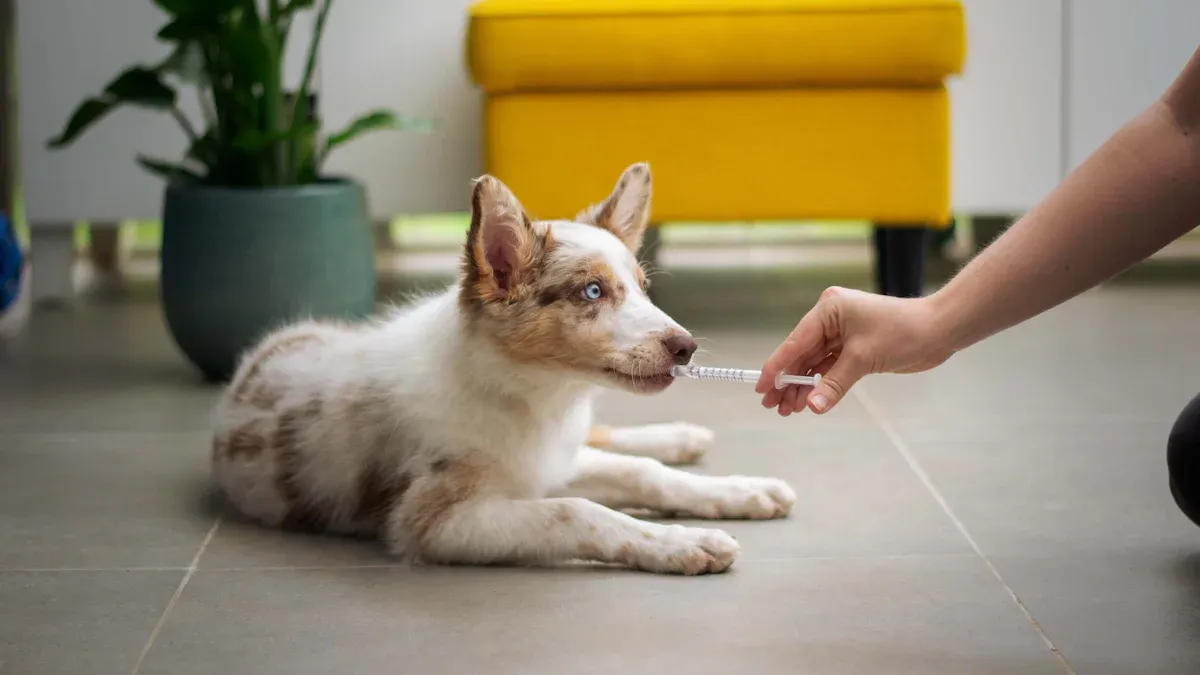
Choosing between vinyl vs laminate flooring with pets can feel overwhelming. Many pet owners select vinyl flooring for its water resistance, soft surface, and quiet feel under paws. You might notice that vinyl flooring stands out for easy cleaning and comfort in pet-friendly homes. Laminate flooring offers strong scratch resistance but may not handle spills or odors as well. When you look for flooring for homes with pets, consider what matters most—comfort, durability, or easy maintenance.
- Pet owners often prefer:
- Softness and traction for pets
- Water and stain resistance
- Durability and simple cleaning
Vinyl vs Laminate Flooring with Pets: Quick Comparison Table
Vinyl vs Laminate at a Glance
When you compare vinyl vs laminate flooring with pets, you want to see the facts side by side. This quick table helps you understand how each type works for homes with pets. You can use this guide to decide which flooring with pets fits your needs best.
| Feature | Vinyl Plank Flooring | Laminate Flooring |
|---|---|---|
| Cost | $4.50–$7.00 per sq ft | $3.00–$5.50 per sq ft |
| Durability | Lasts 15–20 years; thick wear layer | Lasts 10–15 years; AC4 or AC5 rating |
| Water Resistance | Fully waterproof | Limited; core can swell with moisture |
| Scratch Resistance | High (wear layer protects surface) | High (hard aluminum oxide top layer) |
| Comfort for Pets | Soft, absorbs noise, gentle on joints | Hard, amplifies noise, less forgiving |
| Maintenance | Easy; sweep and damp mop allowed | Dry or slightly damp cleaning only |
| Spill Response | No urgency; clean at your pace | Clean spills within 30 minutes |
| Cleaning Products | pH-neutral cleaners | Special laminate cleaners |
| Pet Bowl Area | Standard mat works | Waterproof mat needed |
Vinyl plank flooring stands out for pet owners who want easy care and comfort. You can sweep or vacuum daily, then use a damp mop for deeper cleaning. Vinyl flooring is fully waterproof, so you do not have to rush when your pet spills water or has an accident. Luxury vinyl flooring also feels softer and warmer, which helps your pets rest and play comfortably.
Laminate flooring gives you a hard, scratch-resistant surface. It looks like real wood or stone, but it can be slippery for pets. You must clean up spills quickly to avoid damage. Laminate flooring needs special cleaners and only allows dry or slightly damp cleaning. If you have active pets, you may need to trim their nails often to protect the surface.
Tip: For homes with pets, high-quality vinyl plank flooring or luxury vinyl flooring offers the best mix of comfort, water resistance, and easy cleaning.
Vinyl vs laminate flooring with pets comes down to your priorities. If you want comfort and simple maintenance, vinyl plank flooring or luxury vinyl flooring is the top choice. If you need scratch resistance and a lower price, laminate flooring may work, but you must stay alert for spills.
Comfort in Pet-Friendly Flooring
Surface Feel Under Paws
When you choose flooring for your home, you want your pets to feel safe and comfortable. The way a floor feels under paws can make a big difference in your pet’s daily life. Vinyl plank flooring gives a soft, cushioned surface that is gentle on your pet’s joints. This type of flooring absorbs the impact from running and jumping, which helps reduce stress on your pet’s legs and hips. Laminate flooring, on the other hand, feels much harder and can be slippery. Pets may struggle to get traction, especially older dogs or cats with mobility issues.
You can see the differences in comfort and safety in the table below:
| Flooring Type | Comfort for Pets | Surface Feel | Safety |
|---|---|---|---|
| Vinyl plank flooring | Softer, cushioned, gentle on joints | Less slippery, absorbs impact | Reduces risk of slips and injuries |
| Laminate flooring | Harder, less forgiving | Can be slippery, amplifies impact | Higher risk of slipping, especially for dogs |
Tip: If you have a senior pet or a dog that loves to run indoors, vinyl plank flooring can help prevent slips and falls.
Veterinarians and animal behaviorists often recommend luxury vinyl flooring for homes with pets. They note that it offers scratch resistance, waterproofing, and easy maintenance. These features help create a safe and comfortable environment for your furry friends.
Warmth and Insulation
Your pet spends a lot of time lying on the floor, so warmth matters. Vinyl plank flooring with felt backing and a smoothing compound keeps floors warmer than laminate. This insulation traps heat and blocks cold from concrete subfloors. Your pet will feel more comfortable resting on a warm surface, especially during colder months.
Laminate flooring holds some heat, but it does not insulate as well as vinyl. If you install laminate over concrete, the floor can feel cold unless you add rugs or heated underlayment. Vinyl plank flooring creates a cozier spot for your pet to nap.
Note: Floors for Paws’ PawSafe range uses a 3mm smoothing compound and felt backing to boost warmth and comfort for pets.
Noise and Sound Absorption
Noise can affect your pet’s comfort, especially in busy homes. Vinyl plank flooring absorbs sound from claws and paws, making your home quieter. This helps reduce stress for pets that are sensitive to loud noises. In multi-pet households, vinyl flooring keeps the noise level down, even when pets play or run.
Laminate flooring, by contrast, tends to amplify sounds. You may notice the tapping of claws or the thud of paws more on laminate. While you can add acoustic underlayment to reduce noise, vinyl plank flooring naturally provides a quieter environment.
Here is a quick comparison:
| Feature | Vinyl plank flooring | Laminate flooring |
|---|---|---|
| Surface Feel | Soft and cushioned, gentle on joints | Firm and rigid, less cushioning |
| Impact Sound | Absorbs noise from claws and paws | Amplifies sounds, louder |
| Noise Reduction | Naturally quieter, even without extra layers | Needs acoustic underlayment to reduce noise |
| Best for Multi-Pet Homes | Yes, due to superior noise absorption | Less ideal, can be noisy |
If you want a peaceful home for both you and your pets, vinyl plank flooring is a smart choice.
Slip Resistance for Dog Friendly Flooring
You want your pets to feel safe when they walk or run across your floors. Slip resistance matters, especially if you have older dogs or pets with mobility issues. Many types of vinyl flooring, such as Luvanto luxury vinyl tile, offer a slip resistance rating of R10. This rating means the floor performs well in both wet and dry conditions. Vinyl flooring often copies the look and feel of wood or stone, which helps create an anti-slip surface for your pets.
Laminate flooring does not usually have a slip resistance rating. Most brands focus on durability, using Abrasion Class (AC) ratings of 4 or 5. These ratings show how well the floor resists scratches, but they do not tell you how slippery the surface feels. Many laminate floors, even those with textured or grainy finishes, can still be slick under your pet’s paws. If you want to improve traction, look for laminate with hand-scraped, stone, or geometric patterns.
Here are some important points to consider for the best flooring for dogs:
- Vinyl flooring with a slip resistance rating (like R10) helps prevent slips for both pets and people.
- Laminate flooring often lacks clear slip resistance information and may be slippery.
- Textured finishes on both vinyl and laminate can improve grip for your pets.
- Older or disabled dogs benefit from anti-slip surfaces that reduce the risk of falls.
Tip: Place rugs or runners in high-traffic areas to add extra grip and comfort for your pets.
Resting Comfort for Pets
Your pet spends a lot of time lying on the floor, so comfort matters. Vinyl flooring feels soft and warm, making it a cozy spot for your dog or cat to rest. Many vinyl floors have a cushioned backing that adds extra support. This helps protect your pet’s joints and makes nap time more enjoyable.
Laminate flooring feels harder and less forgiving. Pets may not want to rest on it for long periods. You might notice your dog searching for a rug or bed instead of lying directly on the laminate. If you want to make laminate more comfortable, add soft mats or pet beds in your pet’s favorite spots.
Here is a quick comparison:
| Flooring Type | Resting Comfort for Pets | Surface Warmth | Support for Joints |
|---|---|---|---|
| Vinyl flooring | Soft, cushioned, inviting | Warmer | Good |
| Laminate flooring | Hard, less comfortable | Cooler | Less support |
You can help your pet feel at home by choosing flooring that supports their comfort and safety. Dog friendly flooring with a soft, anti-slip surface gives your pet a place to relax and play without worry.
Maintenance and Durability in Flooring with Pets
Scratch Resistance
When you live with pets, you want floors that can handle claws, running, and playtime. Scratch resistance is a top concern for pet owners. Both luxury vinyl plank and laminate flooring offer strong protection against scratches, but they do so in different ways.
- Luxury vinyl plank (LVP) flooring uses a thick, durable wear layer. Some products have wear layers up to 22 mil, which helps them resist scratches from pet claws.
- Laminate flooring often features an aluminum oxide top coat. This tough layer gives laminate its reputation for being scratch-resistant.
- Modern laminate floors use AC4 or AC5 durability ratings. These ratings show the floor can handle heavy foot and paw traffic.
- Both types of flooring with pets can hide minor scratches. Laminate often uses textured surfaces to make small marks less visible.
In scratch tests, LVP usually resists visible scratches from pet claws. Laminate flooring may show faint scratches, but these are hard to see. If you drop something heavy, laminate sometimes fares better against sharp impacts, while vinyl may dent or cut.
Tip: Trim your pet’s nails often and use rugs in play areas to keep your floors looking new.
Water and Spill Resistance
Accidents happen when you have pets. Water and spill resistance is important for any pet-friendly flooring. Vinyl flooring stands out as a true water-resistant flooring option. It can handle spills, pet accidents, and even standing water without damage.
- Luxury vinyl tile (LVT) and LVP have a waterproof core. This means water cannot seep between layers or cause swelling.
- You can leave water or pet messes on vinyl for hours or even days. The floor will not warp, swell, or grow mold.
- Laminate flooring has a water-resistant surface, but its core is made of compressed wood fibers. If water gets into the seams, the planks can swell, buckle, or even develop mold within a few days.
- Laminate requires you to clean spills within 30 minutes to avoid damage. If water sits too long, you may need to replace whole sections of the floor.
| Maintenance Aspect | Vinyl Flooring | Laminate Flooring |
|---|---|---|
| Water Resistance | Fully waterproof; synthetic barrier | Water-resistant surface; core can swell if wet |
| Spill Cleanup Urgency | No rush; easy cleanup | Clean within 30 minutes to prevent damage |
| Durability to Moisture | Handles repeated spills with ease | Swelling and warping with repeated accidents |
| Preventive Measures | Standard mat under pet bowls | Waterproof mat under pet bowls and beds |
Vinyl flooring is the best choice for water resistance. You can relax knowing your floor will not suffer from pet accidents or spills. Laminate flooring needs more attention and quick action to prevent lasting damage.
Cleaning and Daily Care
You want floors that are easy to clean, especially with pets in the house. Vinyl flooring makes daily care simple. You can sweep or vacuum every day to pick up pet hair and dirt. For deeper cleaning, use a damp mop and a pH-neutral cleaner. Vinyl’s waterproof nature means you do not have to worry about moisture during cleaning.
Laminate flooring needs a bit more care. You should sweep or vacuum daily, but only use a slightly damp mop for cleaning. Too much water can damage the seams. Always use a laminate-specific cleaner and avoid harsh chemicals. Spot clean pet accidents right away with enzyme cleaners to remove stains and odors.
Here are some cleaning tips for both types of flooring with pets:
- Sweep or vacuum daily to remove pet hair and dirt.
- Use pet-safe, non-toxic cleaners.
- Blot accidents quickly and treat with enzyme-based products.
- Place area rugs or runners in high-traffic spots.
- Trim your pet’s nails to reduce scratches.
- Wipe your pet’s paws before they enter the house.
Note: Vinyl flooring saves you time and effort. Its waterproof surface and scratch resistance make it easy to clean and maintain, even in busy pet homes.
Laminate flooring can look great in pet-friendly homes, but you must stay on top of cleaning. Quick action and the right products help keep your floors in good shape.
Stain Handling in Pet-Friendly Flooring
Pet stains like urine, vomit, and muddy paw prints can challenge any floor. You want a surface that resists stains and cleans up easily. Vinyl flooring stands out for its ability to handle pet messes. The waterproof surface blocks liquids from soaking in, so stains do not set. You can wipe up accidents with a damp cloth or mop, and the floor will look as good as new.
Laminate flooring also resists stains because of its hard plastic coating. This coating repels dirt and pet waste, making cleanup simple if you act quickly. However, laminate does not offer the same level of water resistance as vinyl. If pet urine or vomit sits too long, moisture can seep into the seams. This can cause bubbling, peeling, or even odors that are hard to remove.
Here is a quick comparison to help you see the differences:
| Flooring Type | Stain Resistance | Water Resistance | Comfort for Pets | Additional Notes |
|---|---|---|---|---|
| Vinyl | Highly resistant to liquids and stains; easy to clean | More waterproof | Softer and more comfortable underfoot | Requires correct cleaning methods; some designs may be slick |
| Laminate | Resistant due to hard plastic coating | Less water-resistant than vinyl | Harder and slicker, less comfortable | Plastic coating repels dirt and pet waste but can feel artificial |
Tip: Always clean up pet accidents as soon as possible. Even the best flooring can suffer if stains sit too long.
Vinyl flooring gives you peace of mind when pets have accidents. You do not have to worry about stains or lingering smells. Laminate can handle most stains if you clean them up right away, but it is less forgiving if moisture seeps into the seams. For homes with pets, vinyl’s stain resistance and easy cleaning make it a top choice.
- Vinyl flooring is highly resistant to staining, soiling, and scratches, and is easy to clean when pet accidents occur.
- Laminate flooring also resists scratches and stains but may be slippery if it has a smooth finish.
- Textured laminate finishes are recommended to improve traction for pets.
Repair and Replacement
Sometimes, pets cause more than just stains. Scratches, dents, or water damage may require you to repair or replace parts of your floor. Vinyl plank flooring makes repairs simple. For small scratches or dents, you can use a repair kit or liquid seam sealer. If a section suffers major damage, you can cut out the affected area and install a new piece. This process is quick and does not disrupt your whole room.
Laminate flooring repairs depend on the type and size of the damage. Minor scratches can be fixed with a marker or wax filler. If a plank gets damaged by water or deep scratches, you often need to replace the entire plank. Sometimes, you must remove several planks to reach the damaged one, which takes more time and effort.
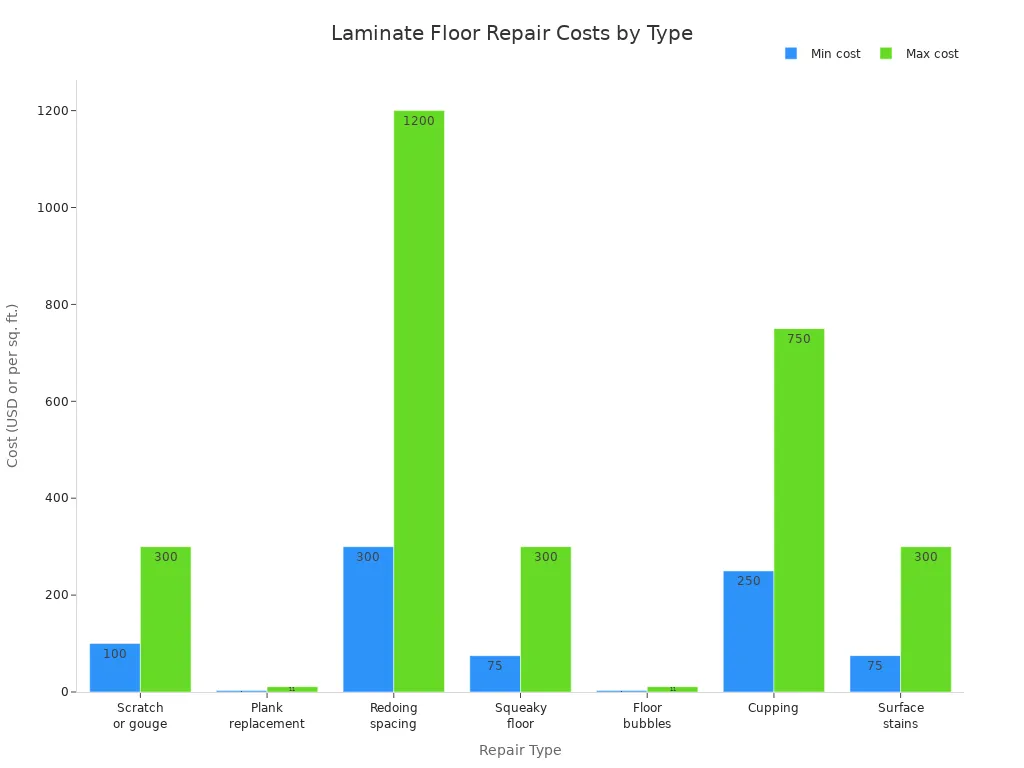
Here is a table showing the average costs for common laminate flooring repairs:
| Repair Type | Cost Range |
|---|---|
| Scratch or gouge | $100–$300 |
| Plank replacement | $3–$11 per sq. ft. |
| Redoing spacing | $300–$1,200 |
| Squeaky floor | $75–$300 |
| Floor bubbles | $3–$11 per sq. ft. |
| Cupping | $250–$750 |
| Surface stains | $75–$300 |
You will find that vinyl plank flooring is easier and less expensive to repair than laminate. Minor damages on vinyl often do not require plank replacement. Laminate repairs can be more complex, especially if water damage occurs. Both types allow you to replace individual planks, but vinyl makes the process less disruptive.
- Vinyl plank flooring is highly durable, waterproof, and easier to repair than laminate.
- Minor damages on vinyl, such as scratches and dents, can often be fixed without replacing planks.
- Laminate flooring is more vulnerable to moisture damage, often requiring full plank replacement.
- Repairing laminate planks is more complex and labor-intensive, sometimes needing removal and reinstallation of large floor sections.
Note: Prompt cleanup of pet accidents helps prevent costly repairs for both vinyl and laminate flooring.
When you choose flooring for a home with pets, consider how easy it is to fix scratches or replace damaged planks. Vinyl offers better durability and simpler repairs, while laminate may require more time and money if pets cause damage.
Practical Tips for Choosing Flooring for Homes with Pets
Selecting the Best Pet-Friendly Flooring
You want the best flooring for homes with pets, so you need to look at comfort, durability, and maintenance. Start by comparing the main features of vinyl and laminate flooring. The table below shows important factors to consider if you have multiple pets:
| Factor | Vinyl Flooring | Laminate Flooring |
|---|---|---|
| Water Resistance | Fully waterproof; ideal for frequent spills and pet accidents | Limited water resistance; core can swell if wet |
| Scratch Resistance | High with thick wear layer; absorbs impacts | High with hard surface; less forgiving to impacts |
| Comfort & Noise | Soft, cushioned, absorbs noise | Firm, amplifies sounds, harder on joints |
| Maintenance | Easy to clean; damp mopping allowed | Careful cleaning; dry or slightly damp only |
| Lifespan | 15–20 years | 10–15 years |
| Cost | $4.50–$7.00 per sq ft | $3.00–$5.50 per sq ft |
Luxury vinyl plank stands out as the best choice for large pets and busy homes. It offers comfort, water resistance, and durability. Laminate works well if you want strong scratch resistance and a lower price, but it needs quick spill cleanup.
Experts suggest you pick medium-tone colors and textured finishes. These hide pet hair and scratches. You can also use matte or satin finishes to reduce the look of paw prints.
Protecting Your Dog Friendly Flooring
You can keep your dog proof flooring looking new with a few simple steps:
- Place area rugs and mats in high-traffic spots, feeding areas, and entryways.
- Trim your pet’s nails often to prevent scratches.
- Use furniture pads to stop furniture from scratching the floor.
- Clean up pet accidents right away with pet-safe cleaners.
- Set up designated pet zones for eating and play. Use mats in these areas to catch spills and dirt.
- Place mats near doors to wipe your dog’s paws before they come inside.
Tip: Regular grooming and quick cleanup help your floors last longer and look better.
Cleaning Hacks for Flooring with Pets
You want floor types for dogs that are easy to clean. Try these cleaning hacks to keep your home fresh:
- Sweep or vacuum daily to remove pet hair and dirt.
- Use enzyme-based cleaners for urine accidents. These break down odors and stains.
- Mop vinyl floors with a damp mop and pH-neutral cleaner. For laminate, use a barely damp mop and a laminate-safe cleaner.
- Inspect your floors often for damage. Fix scratches or replace planks as needed.
- Train your pets to use certain areas for eating and bathroom needs. This keeps messes in one spot.
Note: Proper installation with a moisture barrier helps prevent odors and damage from pet accidents.
You can enjoy a clean, comfortable home with the right flooring and a few smart habits.
Vinyl flooring gives you comfort, warmth, and easy cleaning. Most pet owners find it works best for busy homes with pets. Laminate flooring offers strong scratch resistance, so it fits homes with active dogs. You may want laminate if you worry about claw marks, but it does not handle spills as well as vinyl.
- Choose vinyl for comfort and water resistance.
- Pick laminate for scratch protection in dry areas.
Think about your pet’s habits and your cleaning routine. The right floor helps you and your pets feel at home.
FAQ
Is vinyl flooring safe for pets?
Yes, vinyl flooring is safe for pets. It does not contain harmful chemicals when you choose products labeled as phthalate-free or FloorScore certified. Always check for safety certifications before you buy.
Can pet urine damage laminate flooring?
Pet urine can damage laminate flooring if you do not clean it quickly. The liquid may seep into the seams and cause swelling or odors. You should wipe up accidents right away to protect your floor.
Which flooring hides pet hair better: vinyl or laminate?
Both vinyl and laminate hide pet hair well, especially in medium-tone or textured finishes. Vinyl often works better because it resists static, so hair does not stick as much. You will find cleanup easier with vinyl.
How do I prevent scratches from my dog’s nails?
Trim your dog’s nails often. Place rugs or mats in high-traffic areas. You can also use furniture pads. These steps help protect both vinyl and laminate floors from scratches.
Can I use a steam mop on vinyl or laminate flooring?
You should not use a steam mop on either vinyl or laminate flooring. High heat and moisture can damage the surface and weaken the adhesive. Use a damp mop and a gentle cleaner for best results.




