
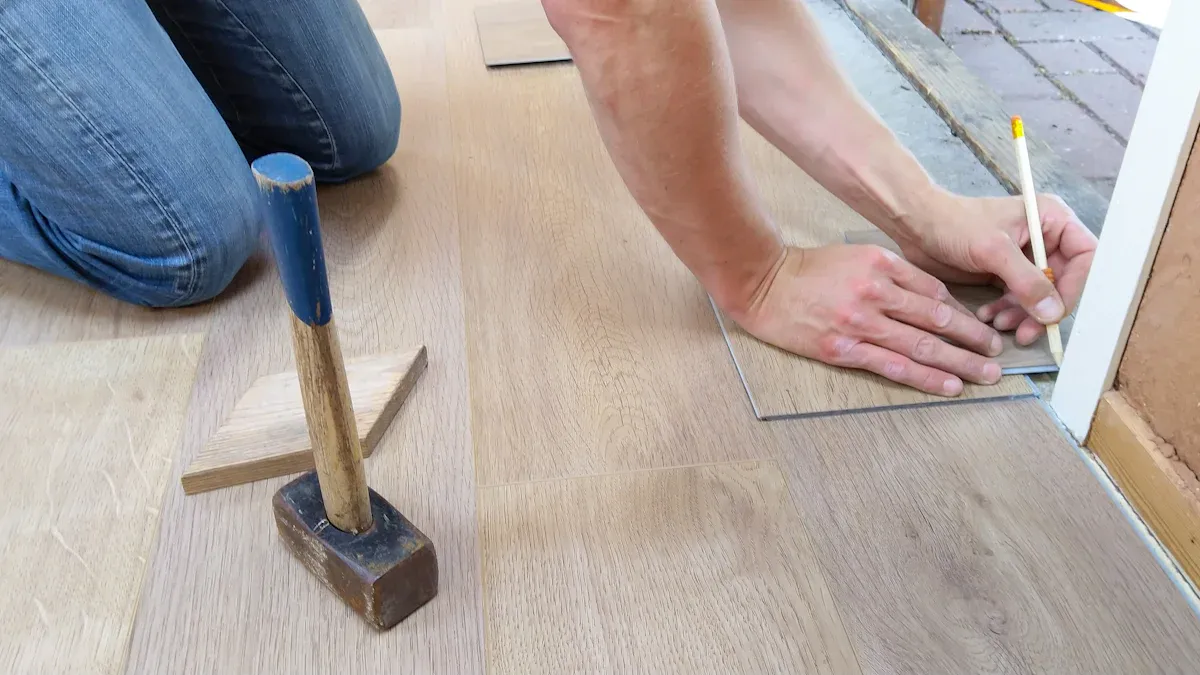
Many shoppers ask, is pvc the same as vinyl when choosing new flooring. You might see both terms on labels, but they do not mean the same thing. Knowing the difference helps you pick the right flooring for your space. Homeowners like you now look for options that are durable, water-resistant, and safe for families.
- Many people want pvc flooring that is phthalate-free and made with recycled content.
- Vinyl flooring remains popular for its easy care and stylish designs.
- The vinyl market is expected to hold 47% of global share by 2025, showing strong demand for these floors.
Is PVC the Same as Vinyl? Understanding the Relationship
What Is PVC in Flooring?
You may see the term PVC often when shopping for flooring. PVC stands for polyvinyl chloride. This material is a strong plastic used in many building products. You find it in pipes, window frames, and even credit cards. In flooring, PVC creates a surface that resists water, stains, and scratches. Many people choose PVC flooring for its durability and easy care.
PVC flooring comes in different forms. Some types are rigid, while others feel soft and flexible. The main ingredient is always polyvinyl chloride. Manufacturers sometimes add small amounts of other materials to change the look or feel. You can find PVC flooring in homes, schools, hospitals, and offices. It works well in places that need tough, long-lasting floors.
Note: The PVC flooring market keeps growing as more people want strong, low-maintenance floors for busy spaces.
What Is Vinyl Flooring?
You might wonder, what is vinyl? Vinyl flooring is a type of flexible floor made from polyvinyl chloride. The main difference between PVC and vinyl flooring comes from how the material is made. Vinyl flooring uses PVC as its base but adds plasticizers. These plasticizers make the flooring softer and easier to install.
Vinyl flooring comes in many styles. You can choose from luxury vinyl tiles, vinyl planks, and sheet vinyl. Each type offers different looks and benefits. Vinyl flooring is popular because it is water-resistant, easy to clean, and comfortable underfoot. Many homeowners like vinyl for kitchens, bathrooms, and basements.
Here is a table to help you see the difference between PVC and vinyl flooring composition:
| Flooring Type | Primary Composition | Additives/Fillers | Resulting Properties |
|---|---|---|---|
| PVC Flooring | Pure polyvinyl chloride | None or minimal | Can be soft or rigid |
| Luxury Vinyl Tile (LVT) | Mainly PVC | Small amount of calcium carbonate | Semi-rigid, flexible sheet flooring |
| Stone Plastic Composite (SPC) | 25% PVC | 75% calcium carbonate | Rigid sheet flooring, less flexible |
| Wood Plastic Composite (WPC) | PVC | Wood powder or stone powder | Semi-rigid, wood-like structure |
This table shows that vinyl flooring uses PVC as a base but changes the formula with fillers and additives. These changes affect how the floor feels and performs.
How Are PVC and Vinyl Connected?
You may ask, is PVC the same as vinyl? The answer is both yes and no. Polyvinyl chloride vs vinyl can be confusing because vinyl is actually a form of PVC. Vinyl flooring is made by adding plasticizers to polyvinyl chloride. This process makes the material flexible and perfect for floors.
Here are some key points to help you understand the connection:
- PVC is the main ingredient in vinyl flooring.
- Vinyl is a modified version of polyvinyl chloride, made flexible with plasticizers.
- All vinyl flooring is made from PVC, but not all PVC products are vinyl flooring.
- The difference between PVC and vinyl flooring comes from how flexible or rigid the final product is.
- Polyvinyl flooring is another term you may see, but it also refers to flooring made from polyvinyl chloride.
You will see both terms—PVC and vinyl—used in the flooring industry. Some companies use “PVC flooring” to describe rigid floors, while “vinyl flooring” often means flexible, soft floors. The distinction matters when you want to choose the right floor for your space. Polyvinyl chloride vs vinyl is a key topic in flooring because it affects how the floor looks, feels, and lasts.
Tip: When you shop, check the product label to see if it says PVC, vinyl, or polyvinyl flooring. This helps you know what you are getting.
The difference between PVC and vinyl flooring is important for your project. PVC vs vinyl is not just about names. It is about how the floor will perform in your home or business. Polyvinyl chloride vs vinyl is a common question, but now you know that vinyl flooring is a flexible form of PVC, made for comfort and style.
Key Differences Between PVC and Vinyl in Flooring
When you shop for new flooring, you will notice many options. Understanding the key differences between pvc and vinyl helps you make the right choice for your home or business. Both materials offer unique benefits, but their composition, structure, and types set them apart. Let’s explore the difference between pvc and vinyl flooring so you can pick the best option for your needs.
Difference Between PVC and Vinyl Flooring Composition
You may wonder what makes pvc flooring different from vinyl flooring. The answer starts with the material. Polyvinyl chloride is the main ingredient in both, but the way manufacturers use it changes the final product. Pvc flooring uses pure polyvinyl chloride, sometimes with plasticizers to make it flexible. Vinyl flooring is a broader category that includes many styles and materials, but most types use pvc as the base.
Here is a table to help you see the key differences in composition:
| Aspect | Vinyl Flooring | PVC Flooring |
|---|---|---|
| Composition | Made from various materials including pvc, fiberglass, linoleum, rubber | Made solely from pvc polymer materials |
| Layers | Multiple layers: wear layer, print film layer, backing layer | pvc material with plasticizers added for flexibility |
| Water Resistance | Varies depending on type and quality | Inherently water-resistant due to pvc nature |
| Durability | Durable, depends on formulation | Enhanced durability due to pvc and plasticizers |
| Applications | Broad residential and commercial use | Preferred in wet areas like bathrooms, kitchens, healthcare facilities |
You can see that polyvinyl chloride vs vinyl is not just about the name. The composition affects water resistance, durability, and where you can use the flooring. Pvc flooring works well in places with lots of moisture. Vinyl flooring gives you more choices in style and structure.
- pvc flooring is essentially vinyl flooring made from polyvinyl chloride.
- Vinyl flooring covers many types, including luxury vinyl tiles, vinyl composition tile, and sheet vinyl.
- Each specific type of vinyl uses a different mix of materials and layers.
Industry experts say that pvc flooring is cost-effective and flexible in design. However, health and environmental concerns about phthalates and vinyl chloride are pushing companies to create safer, greener options. Some architects and designers now ask for certifications that exclude pvc, showing a shift in the market.
Key Differences in Structure and Layers
The structure of your flooring affects how it looks, feels, and lasts. The key differences between pvc and vinyl show up in their layers and how they are built. Pvc flooring often has a simple structure. It uses polyvinyl chloride as the main layer, sometimes with added plasticizers for flexibility.
Vinyl flooring usually has several layers. These layers work together to give you comfort, style, and strength. Here is what you might find in a typical vinyl floor:
- Wear layer: Protects against scratches and stains.
- Print film layer: Gives the floor its color and pattern.
- Core layer: Adds stability and strength.
- Backing layer: Helps with installation and comfort.
Luxury vinyl flooring, such as lvt flooring and luxury vinyl plank, uses advanced layers for extra durability and design. Polyvinyl chloride vs vinyl matters here because the number and type of layers change how the floor performs. Homogeneous vinyl flooring has the same material throughout, while heterogeneous vinyl flooring uses different layers for better comfort and looks.
A table below shows how performance can change based on structure:
| Performance Metric | PVC Flooring | Homogeneous Vinyl Flooring | Heterogeneous Vinyl Flooring |
|---|---|---|---|
| Abrasion Resistance | Moderate (around 5,000+ revolutions) | Superior (5,000–8,000 revolutions) | Lower (3,000–5,000 revolutions) |
| Fire Rating | Class B1 (flame-retardant) | Class B1 (compliant with GB 8624) | Class B1, some products reach Class A |
| Slip Resistance | 0.5–0.6 (dry conditions) | 0.4–0.5 (rigid surface) | Higher (0.6–0.8, textured surface) |
| Aging Resistance | Long outdoor life (~10 years, no fading) | Moderate (5 years, slight fading) | Shorter (3 years, replacement needed) |
| Elastic Modulus | Soft (300–600 MPa) | Harder (500–800 MPa) | Softest (200–400 MPa) |
| Stain Resistance | Easy cleaning with damp cloth | Requires neutral detergent | Optional oil-repellent coating |
You can see that the key differences between vinyl and pvc flooring affect how long your floor lasts, how easy it is to clean, and where you can use it. Polyvinyl chloride vs vinyl is important when you want a floor that stands up to heavy use or needs special features like slip resistance.
Types of Vinyl Flooring: Sheet, Plank, and Tile
When you look at types of vinyl and pvc flooring, you will find many choices. Each specific type of vinyl offers different benefits. The most common types are sheet vinyl, vinyl plank, and vinyl tile. These types use polyvinyl chloride as the base, but their structure and installation methods set them apart.
| Vinyl Flooring Type | Market Share & Popularity | Key Features & Performance | Sector Usage |
|---|---|---|---|
| Luxury Vinyl Tile (LVT) | Largest market segment | Mimics natural materials, durable, easy maintenance | Residential and commercial applications |
| Vinyl Sheet | Valued for seamless installation and water resistance | Roll-based format, cost-effective, hygienic | Kitchens, bathrooms, residential areas |
| Vinyl Composition Tile (VCT) | Durable, affordable, variety of colors and patterns | Suitable for high foot traffic, commercial and institutional | Schools, hospitals, retail spaces |
- Luxury vinyl tiles and luxury vinyl plank are popular for their realistic wood and stone looks. They use advanced printing and click-lock systems for easy installation.
- Vinyl sheet flooring covers large areas with few seams. It works well in kitchens and bathrooms because it resists water and stains.
- Vinyl composition tile is tough and slip-resistant. You often see it in schools, hospitals, and stores.
Vinyl sheet flooring holds a big share of the market. Dry-back vinyl sheet flooring leads the segment, while loose-lay vinyl sheet flooring grows fast because you can install it easily. Commercial spaces like hospitals and hotels use vinyl flooring for its durability and easy care. Homeowners choose luxury vinyl flooring for its style and comfort.
When you compare types of vinyl and pvc flooring, think about where you will use the floor. Polyvinyl chloride vs vinyl matters most when you need a specific type of vinyl for a special space. The key differences help you match the right floor to your needs.
Tip: Always check if your flooring is a specific type of vinyl, such as lvt flooring or luxury vinyl tiles, to get the best performance for your space.
Durability and Performance of Vinyl Flooring vs. PVC
Wear Resistance and Longevity
When you choose new flooring, you want it to last. Both vinyl and pvc flooring offer high durability, but their wear resistance depends on how they are made. Manufacturers use laboratory tests like the Taber Abrasion Test (EN 660-2) to measure how well these floors stand up to wear. This test uses a special machine to rub the surface thousands of times, then measures how much material is lost.
| Wear Resistance Grade | Volume Loss per 100 Revolutions (mm³) | PVC Content (%) | Description |
|---|---|---|---|
| T Class | ≤ 2.0 | 80+ | Highest wear resistance |
| P Class | 2.0 – 4.0 | 60 – 75 | High wear resistance |
| M Class | 4.0 – 7.5 | 40 – 50 | Moderate wear resistance |
| F Class | 7.5 – 15.0 | 20+ | Lowest wear resistance |
Floors with thicker wear layers and higher polyvinyl chloride content show less wear. For example, a 0.7mm wear layer protects better than a 0.3mm layer. You get longer-lasting flooring when you pick products with more pvc and a thicker wear layer. Vinyl flooring, especially luxury vinyl, often uses these features to boost longevity.
Water and Moisture Protection
You need floors that can handle spills and moisture. Both vinyl and pvc flooring resist water because polyvinyl chloride does not absorb moisture. This makes them perfect for kitchens, bathrooms, and basements. Vinyl flooring uses multiple layers to block water from reaching the subfloor. Pvc flooring, made mostly from polyvinyl chloride, offers even more protection in wet areas.
Tip: If you want extra safety against water damage, look for flooring labeled as waterproof or water-resistant. These products use advanced sealing and thicker pvc layers.
Vinyl and pvc flooring also dry quickly after cleaning. You do not have to worry about mold or mildew. This feature helps keep your home safe and healthy.
Suitability for High-Traffic Areas
You want your floors to look good even in busy spaces. Vinyl and pvc flooring both work well in high-traffic areas. Field data shows that SPC vinyl flooring, which uses a rigid core with pvc, stands up to heavy foot traffic in offices, stores, and hospitals. These floors resist scratches, dents, and stains. With proper care, they can last 15 to 20 years.
PVC-based resilient flooring also performs well under heavy loads. Brands like Shaw Contract design their pvc flooring for commercial use. These floors have abrasion-resistant finishes and strong warranties. You can clean and repair them easily, which saves you time and money.
- Vinyl flooring with high pvc content gives you high durability.
- Polyvinyl chloride in both types adds enhanced flexibility and strength.
- You can trust these floors for busy homes, schools, and businesses.
Installation Methods for PVC and Vinyl Flooring
DIY Installation: What to Expect
You can install many types of pvc flooring and vinyl flooring by yourself. Modern flooring products offer several easy methods. You might see interlocking planks, glue-down tiles, loose lay, or peel-and-stick options. Interlocking (click-lock) planks fit together like puzzle pieces. Glue-down flooring uses adhesive for a strong hold. Loose lay tiles rely on a special backing to grip the floor. Peel-and-stick tiles have adhesive already applied; you just peel off the backing and press them down.
Many homeowners find luxury vinyl and pvc flooring simple to install. Peel-and-stick pvc flooring is especially beginner-friendly. You do not need special tools for most DIY projects. However, you should always follow the instructions from the manufacturer. Planning your layout and measuring your space helps you avoid mistakes.
Tip: DIY installation works best for small or simple rooms. For large or complex spaces, you may want to hire a professional.
Professional Installation Considerations
You may choose professional installation for your pvc flooring if you want the best results. Professionals have experience with all types of flooring and know how to handle tricky corners or patterns. They use the right tools and materials to make sure your floor lasts. Professional installers can also help you select the best installation method for your space and traffic needs.
Professional installation is a good idea for large areas or commercial spaces. It ensures your pvc flooring sits flat and looks great. You also get a warranty for the work, which gives you peace of mind.
Subfloor and Preparation Needs
Proper subfloor preparation is key for both pvc and vinyl flooring. You need a smooth, clean, and flat surface. Any bumps or dirt can cause problems later. If you use laminated planks as a subfloor, make sure they are at least 5/8 inch thick. Secure them to the joists with screws. You can add adhesive for extra stability.
Follow these steps for a strong base:
- Clean the subfloor and remove debris.
- Check for bumps or dips and fix them.
- Use underlayment if you want to reduce moisture or cover small flaws.
- Lay the laminated planks perpendicular to the joists for strength.
Vinyl and pvc flooring both resist water, so they work well in kitchens and bathrooms. However, the subfloor must be dry before you start. Good preparation helps your flooring last longer and look better.
Maintenance and Cleaning: Key Differences
Daily Care for Vinyl Flooring and PVC
You want your floors to look clean every day. Both vinyl and pvc flooring make daily care easy. You can sweep or vacuum to remove dust and dirt. For sticky spots, use a damp mop with mild soap. Avoid harsh chemicals because they can damage the surface. Many people like that vinyl flooring and pvc flooring do not need waxing or polishing. You save time and effort with these low-maintenance options.
Tip: Place mats at doors to catch dirt before it reaches your vinyl or pvc floors. This simple step keeps your flooring looking new longer.
Stain and Scratch Resistance
Vinyl and pvc flooring both resist stains and scratches well. The top layer on most vinyl flooring protects against spills and scuffs. You can wipe up juice, mud, or pet messes without worry. Pvc flooring also stands up to daily wear. Some brands, like Mohawk’s RevWood, highlight their waterproof and stain-resistant features. These products offer strong scratch resilience and do not need an acclimation period before installation. You can choose from entry-level to premium options, all designed for durability.
If you have pets or kids, you will notice fewer marks on your vinyl or pvc floors compared to wood or carpet. The tough surface helps your flooring stay beautiful even in busy homes.
Long-Term Maintenance Tips
You want your flooring to last for years. Follow these tips to keep your vinyl and pvc floors in top shape:
- Clean up spills right away to prevent stains.
- Use felt pads under furniture legs to avoid scratches.
- Avoid dragging heavy items across the floor.
- Sweep or vacuum often to remove grit that can scratch the surface.
- Use gentle cleaners made for vinyl or pvc flooring.
You do not need special treatments or sealants for most vinyl and pvc flooring. Regular care keeps your floors looking fresh. If you see damage, you can often replace a single plank or tile instead of the whole floor.
Note: Always check the manufacturer’s care guide for your specific flooring. Some products may have extra care instructions.
Environmental and Health Considerations
VOC Emissions and Indoor Air Quality
You want your home to feel safe and healthy. When you choose vinyl or pvc flooring, you should think about indoor air quality. Both vinyl and pvc flooring can release VOCs, or volatile organic compounds. These chemicals come from plasticizers and other additives. VOCs can affect your health, especially if you have allergies or asthma. Some types of pvc flooring contain phthalates, which may cause health concerns over time.
Manufacturers test flooring for VOC emissions. Certifications like FloorScore help you find vinyl and pvc flooring with low emissions. You can look for these labels when you shop. The table below shows how different flooring types compare for VOCs and chemical concerns:
| Flooring Type | VOC Emissions & Chemical Concerns | Embodied Carbon (kg CO2e/m²) | Recyclability / End-of-Life (EOL) |
|---|---|---|---|
| PVC (Vinyl) Flooring | Contains chlorine and phthalates; off-gases plasticizers and VOCs; toxic emissions (dioxins, HCl) on incineration | Moderate-High (~5–8) | Generally not recycled; disposed in landfill or incineration releasing toxins; limited take-back recycling programs |
| Linoleum | No chlorine, no phthalates, no VOCs; mild natural odor | Very Low (~0–2) | Biodegradable; can be composted or landfilled without toxins |
| Rubber Flooring | No halogens or plasticizers; low VOC emissions in certified products | Low (~1–3) | Partially recyclable; can be reused or incinerated without chlorine emissions |
| Cork Flooring | No significant VOC emissions after curing; low-VOC finishes used | Very Low (<2) | Biodegradable and renewable; decomposes without toxins |
| Bio-based Polyolefin | No chlorine, no phthalates; certified low emissions | Moderate-Low (~3–5) | Rarely recycled but safer to incinerate than PVC (no dioxins) |
You can see that pvc and vinyl flooring have higher VOC emissions than natural options. Choosing certified low-VOC vinyl or pvc flooring helps protect your health.
Recyclability and Sustainability of Vinyl Flooring
You may want to know what happens to your flooring after many years. Vinyl and pvc flooring are hard to recycle. The layers in luxury vinyl flooring make it difficult for recycling centers to separate the materials. Most old vinyl and pvc flooring ends up in landfills or gets burned, which can release toxins. Some manufacturers now offer take-back programs to recycle used vinyl flooring. These programs help reduce waste and support a circular economy.
Certifications like LEED reward you for choosing flooring with recycled content or low emissions. You can ask your flooring supplier about these options. Vinyl and pvc flooring have a moderate to high carbon footprint compared to natural floors like cork or linoleum. You can help the environment by choosing products with recycled content or by supporting recycling programs.
Tip: Always check if your vinyl or pvc flooring has a recycling program or green certification.
Safety for Homes with Kids and Pets
You want your family to stay safe and healthy. Vinyl and pvc flooring resist stains and water, which makes cleaning easy. This helps you keep your home free from germs and allergens. Some types of pvc flooring contain phthalates or other chemicals that may affect health, especially for children and pets who spend time on the floor.
You can choose vinyl and pvc flooring labeled as phthalate-free or low-VOC for better health. These products lower the risk of chemical exposure. Always read product labels and ask questions before you buy. You can create a safer space for your kids and pets by picking the right flooring.
Note: Good ventilation and regular cleaning help keep your indoor air fresh when you use vinyl or pvc flooring.
Cost Comparison: PVC vs. Vinyl Flooring
Material and Installation Costs
When you compare pvc and vinyl flooring, you will notice that both offer budget-friendly options. Vinyl flooring usually costs between $1 and $8 per square foot, depending on the type and quality. Pvc flooring often falls within a similar price range. You can find affordable choices for most rooms in your home.
Installation costs can change based on the method you choose. Many vinyl and pvc flooring products support DIY installation. You might use peel-and-stick tiles or click-lock planks. These options help you save on labor costs. If you hire a professional, the price may increase, especially for complex layouts or large spaces.
Here is a table to help you compare:
| Flooring Type | Material Cost (per sq. ft.) | DIY Friendly | Typical Installation Cost (per sq. ft.) |
|---|---|---|---|
| Vinyl Sheet | $1 – $4 | Yes | $1 – $3 |
| Vinyl Plank | $2 – $7 | Yes | $2 – $5 |
| PVC Tile | $2 – $6 | Yes | $2 – $4 |
You can see that both pvc and vinyl flooring offer choices for every budget. The ease of installation makes these floors popular for homeowners who want to save money.
Long-Term Value and Budget Considerations
You want your investment in flooring to last. Vinyl and pvc flooring both give you good value over time. These floors resist stains, scratches, and moisture. You will spend less on repairs and cleaning. Regular sweeping and mopping keep your floors looking new.
Vinyl flooring stands out for its balance of cost and durability. Many homeowners choose vinyl because it is less expensive than hardwood or tile. The durability of vinyl and pvc flooring means you do not need to replace them often. However, vinyl usually has a shorter lifespan than hardwood or stone. You should consider this when planning your budget.
The global market for vinyl flooring keeps growing. People like the mix of low price, easy care, and many design choices. Pvc flooring also works well in busy homes and commercial spaces. Its moisture resistance and simple maintenance help you save money over time.
Tip: Choose vinyl or pvc flooring with a thicker wear layer for better long-term value. This feature helps your floor last longer and look better.
When you look at the big picture, both pvc and vinyl flooring offer strong cost efficiency. You get a stylish floor that fits your budget and stands up to daily life.
Common Misconceptions: Is PVC the Same as Vinyl?
Many shoppers face confusion when they see the terms vinyl and pvc on flooring products. You might wonder if they mean the same thing or if there are important differences. Understanding the common misconceptions about vinyl and pvc helps you make better choices for your home.
Marketing Terms and Product Labels
You often see product labels that use vinyl and pvc as if they are interchangeable. This can make shopping for flooring tricky. Marketing sometimes oversimplifies the differences, which leads to confusion. Vinyl is a broad category of synthetic plastics. PVC, or polyvinyl chloride, is a specific type of vinyl used mainly in flooring. Some brands use terms like LVT (Luxury Vinyl Tile), LVP (Luxury Vinyl Plank), SPC (Stone Polymer Composite), and WPC (Wood Polymer Composite) to describe different types of vinyl flooring. Each type has a unique structure and performance.
- Labels may say “vinyl flooring” when the product is actually made from pvc.
- Some products highlight “phthalate-free” or “bio-based” to address health concerns.
- U.S. manufacturers removed phthalates from most vinyl flooring over five years ago.
Note: Always read product details and ask questions if you are unsure about what you are buying.
How to Identify True Vinyl Flooring
You can spot true vinyl flooring by looking at the product’s composition and structure. Vinyl flooring uses pvc as its main ingredient, but the way it is made changes its features. For example, LVP mimics wood planks, while LVT looks like stone tiles. SPC and WPC floors have different core materials for added strength or comfort.
| Flooring Type | Main Material | Core Structure | Best Use |
|---|---|---|---|
| LVP | pvc/vinyl | Flexible | Homes |
| LVT | pvc/vinyl | Flexible | Homes |
| SPC | pvc/vinyl | Rigid, stone | High-traffic areas |
| WPC | pvc/vinyl | Rigid, wood | Quiet rooms |
You should check for terms like “Luxury Vinyl,” “SPC,” or “WPC” on the label. These names help you know what kind of vinyl flooring you are getting.
Tips for Avoiding Confusion
You can avoid confusion by following a few simple steps:
- Read the full product description, not just the name.
- Ask the retailer if the flooring is made from pvc or another type of vinyl.
- Look for certifications or safety labels, especially if you want phthalate-free flooring.
- Remember that a plastic smell does not mean phthalates are present.
- Choose the right type of vinyl flooring for your room’s needs, style, and budget.
Tip: Understanding the differences between vinyl and pvc helps you pick safe, durable, and stylish flooring for your space.
Which Flooring Should You Choose? Key Differences to Consider
Best Uses for PVC Flooring
You may want pvc flooring if you need a strong and reliable surface. This type of flooring works well in places that see a lot of activity. You often find pvc in hospitals, schools, and busy stores. It stands up to heavy foot traffic and frequent cleaning. Pvc flooring resists moisture, so you can use it in kitchens, bathrooms, and laundry rooms. Many people choose pvc for its antimicrobial properties, which help keep spaces clean and safe. You also get many styles and patterns, so you can match your design. The Resilient Floor Covering Institute recommends pvc for areas where hygiene and durability matter most.
- Handles spills and cleaning with ease
- Good for healthcare, retail, and residential interiors
- Offers design flexibility for many spaces
- Lasts long in high-traffic zones
Best Uses for Vinyl Flooring
Vinyl flooring gives you many choices for your home. You can pick from sheet, plank, or tile styles. Vinyl works well in living rooms, bedrooms, and basements. It feels soft underfoot and looks like wood or stone. Many homeowners like vinyl because it is easy to install and care for. You can use vinyl in rooms where you want comfort and style. It also resists water, so you can put it in kitchens and bathrooms. Vinyl flooring fits both modern and classic designs.
- Great for living spaces and bedrooms
- Easy to clean and maintain
- Many colors and patterns to choose from
- Works in both dry and damp rooms
Matching Flooring to Your Needs
You should think about your space before choosing the right flooring material. If you need a floor for a busy area or a place that must stay clean, pvc flooring is a smart choice. For rooms where you want comfort and style, vinyl flooring may suit you better. Both vinyl and pvc flooring options give you durability and easy care. Make a list of your needs, such as water resistance, design, and how much traffic the room gets. This helps you pick the best option for your project.
Tip: Always check the product label and ask questions if you are unsure about the type of flooring. This ensures you get the right match for your home.
You now know the main differences between pvc and vinyl flooring. Pvc gives you strong, water-resistant surfaces for busy spaces. Vinyl offers more style choices and comfort for your home. Think about where you want new flooring and how much traffic the area gets. If you need easy care and durability, both pvc and vinyl work well. For most homeowners, vinyl flooring fits many rooms and styles. Choose the option that matches your needs best.
FAQ
What is the main difference between PVC and vinyl flooring?
You will find that PVC is the main material in both types. Vinyl flooring uses PVC with extra layers and designs. PVC flooring often means a more basic, durable surface. Vinyl flooring gives you more style and comfort options.
Can you install vinyl or PVC flooring in bathrooms?
Yes, you can. Both vinyl and PVC flooring resist water. You can use them in bathrooms, kitchens, or laundry rooms. Always check the product label for water resistance before you buy.
Is vinyl flooring safe for homes with pets and kids?
You can choose vinyl flooring that is phthalate-free and low in VOCs. These options help keep your home safer for children and pets. Always look for safety certifications on the packaging.
How long does vinyl or PVC flooring last?
You can expect vinyl and PVC flooring to last 10 to 20 years with proper care. Thicker wear layers and good cleaning habits help your floor last longer. High-traffic areas may need replacement sooner.
Can you recycle old vinyl or PVC flooring?
Most recycling centers do not accept old vinyl or PVC flooring. Some brands offer take-back programs. You can ask your flooring supplier about recycling options before you remove your old floor.




