
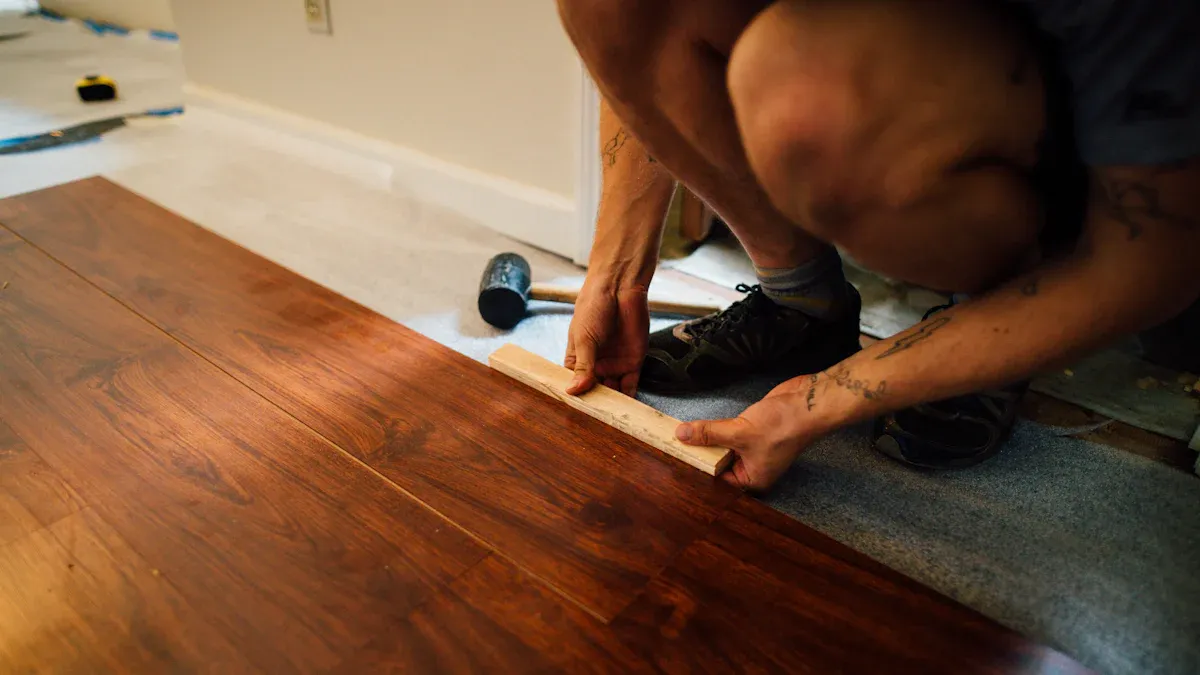
Allure vinyl flooring gives you a modern look with easy care. You do not need to wax or polish this type of floor. Stick to best practices by using gentle, non-abrasive methods. You will keep your vinyl floors in top condition when you use safe products and tools.
Tip: Gentle cleaning helps your allure vinyl flooring last longer and keeps the vinyl surface looking new.
Allure Vinyl Flooring Maintenance: Waxing and Cleaning Basics
Why Waxing Is Not Needed for Allure Vinyl Flooring
You do not need to wax allure vinyl flooring to keep it looking bright and clean. The surface already has a protective wear layer that gives you a long-lasting shine. Waxing can actually harm the vinyl by causing buildup and making the floor slippery. When you use wax, you risk trapping dirt and dulling the finish instead of preserving shine and polishing the surface.
Manufacturers design allure vinyl flooring to resist stains and scratches without extra coatings. By avoiding wax usage, you help the floor keep its original look. Wax-based products can also break down the wear layer over time. This leads to more cleaning problems and shortens the life of your floor. You get the best results by following best practices and skipping wax altogether.
How to Clean Vinyl Floors Safely
You can clean vinyl floors safely by using gentle methods and the right products. Start with regular sweeping or vacuuming to remove dust and dirt. This step prevents scratches and keeps the surface smooth. When you mop, use a damp microfiber mop instead of a soaking wet one. Too much water can seep into the seams and cause warping or plank detachment.
Choose pH-neutral cleaners for your allure vinyl flooring. These products clean without damaging the wear layer or leaving sticky residues. Avoid harsh chemicals like ammonia, bleach, or abrasive powders. These can cause discoloration, surface damage, and buildup that dulls the floor’s shine.
Here is a table that shows important performance metrics for safe cleaning methods:
| Performance Metric | Description | Support for Safe Cleaning Methods |
|---|---|---|
| Adherence to ASTM F1303-04(2021) | Compliance with industry standards for vinyl flooring care | Ensures cleaning methods do not degrade the wear layer or surface integrity |
| Use of pH-neutral cleaners | Cleaning agents with neutral pH | Prevents wear layer degradation and chemical damage |
| Avoidance of alkaline, abrasive, or wax-based products | Exclusion of harsh chemicals and abrasive materials | Protects against discoloration, surface damage, and buildup |
| Moisture control during cleaning | Use of damp, not dripping mops and air drying | Reduces risk of moisture-related warping and subfloor damage |
| Spot cleaning effectiveness | Targeted removal of stains with appropriate mild agents | Maintains traction and appearance without harsh scrubbing |
| Routine friction tests | Periodic testing of floor traction | Ensures safety by preventing slippery surfaces |
| Scheduled cleaning protocols | Daily to quarterly cleaning routines | Balances cleanliness with long-term material protection |
You can follow these best practices for effective maintenance:
- Use pH-neutral cleaning products to avoid stripping finishes or leaving residues.
- Avoid harsh chemicals such as ammonia, bleach, or abrasive cleaners to prevent surface damage and discoloration.
- Employ microfiber mops and cloths for gentle yet effective cleaning that minimizes scratches.
- Follow a regular cleaning schedule (daily dusting, weekly mopping, monthly deep cleaning) to maintain floor durability and appearance.
- Avoid excessive water during cleaning to prevent warping or plank detachment.
- Do not use steam mops or buffing machines as they can damage vinyl surfaces.
- Use spot cleaning with mild solutions for stains to preserve floor integrity.
- Implement furniture pads and rugs to reduce physical wear and scratches.
- Lift heavy furniture instead of dragging to prevent gouges and dents.
When you clean vinyl floors with these steps, you protect the surface and help your allure vinyl flooring keep its long-lasting shine. Effective maintenance means you avoid buildup and keep your floors looking new for years. You do not need to worry about preserving shine and polishing with extra products. Just stick to safe cleaning and regular care.
Safe Products and Tools for Vinyl Floor Care
Recommended Cleaners for Allure Vinyl Flooring
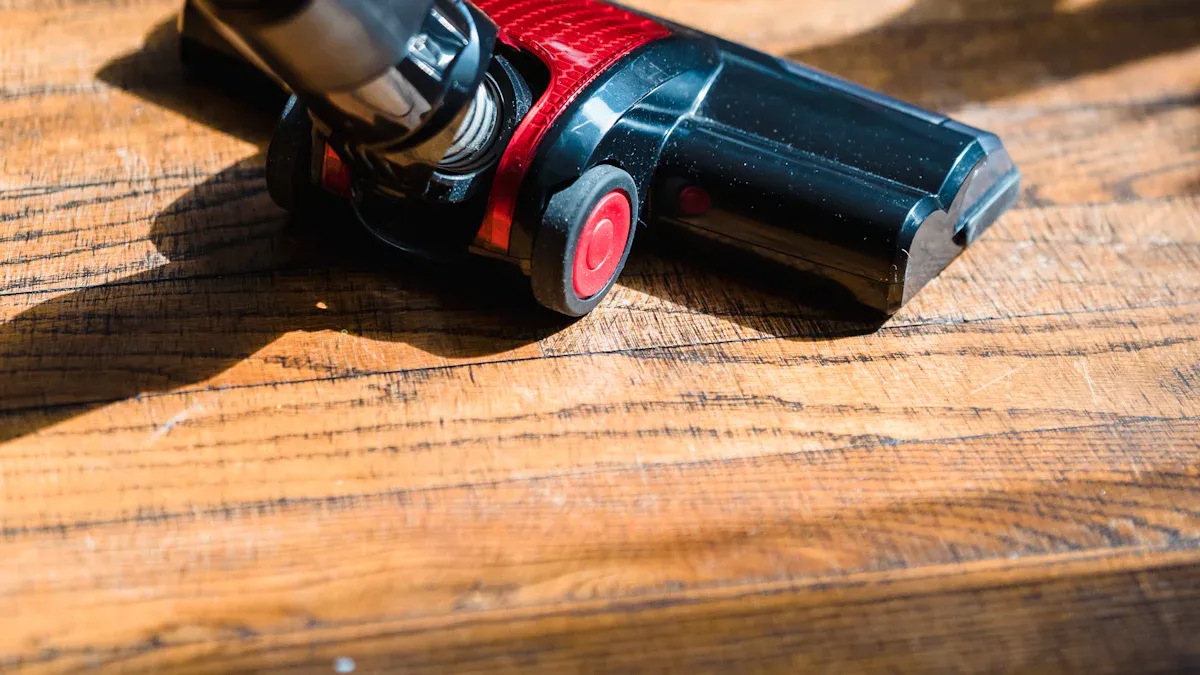
You want to keep your vinyl floors clean and safe. The best way is to use a pH-neutral or pH-balanced floor cleaner. These cleaners remove dirt without harming the surface. You should avoid products that contain ammonia, bleach, or strong chemicals. These can damage the finish and cause the floor to lose its shine.
Allure vinyl flooring meets FloorScore certification. This means it supports good indoor air quality and does not contain harmful chemicals like ortho-phthalate or formaldehyde. While the flooring itself is certified, most recommended floor cleaners do not have special safety certifications. You should always check the label for pH-neutral or pH-balanced formulas. The Quick Shine Deep Cleaner is one example. It works well on vinyl and does not harm the finish. It removes old wax and buildup safely. You should never use wax, polish, or wood care products on vinyl. These can cause buildup and make the floor slippery.
Tip: Always test a new floor cleaner on a small spot before using it on the whole floor.
Best Tools for Everyday Vinyl Floor Maintenance
You need the right tools for easy vinyl floor care. Soft tools protect the surface and help you avoid scratches. Here are some good choices:
- Microfiber mops: These pick up dust and dirt without scratching the vinyl.
- Soft-bristle brooms: Use these for daily sweeping.
- Vacuum cleaners with a hard floor setting: Make sure the vacuum does not have a beater bar.
- Soft cloths or sponges: Use these for spot cleaning spills.
| Tool Type | Best Use | Why It Works Well for Vinyl |
|---|---|---|
| Microfiber Mop | Daily/Weekly Cleaning | Gentle, traps dust, easy to wring |
| Soft-Bristle Broom | Quick Sweeping | Prevents scratches |
| Hard Floor Vacuum | Deep Cleaning | Removes dirt without damage |
| Soft Cloth/Sponge | Spot Cleaning | Absorbs spills, gentle on surface |
You should avoid abrasive scrubbers, steel wool, or stiff brushes. These can scratch the vinyl and ruin the look of your floor. With the right tools and a safe floor cleaner, you make vinyl floor care simple and effective.
Step-by-Step Routine to Clean Vinyl Floors
Daily and Weekly Vinyl Floor Cleaning Steps
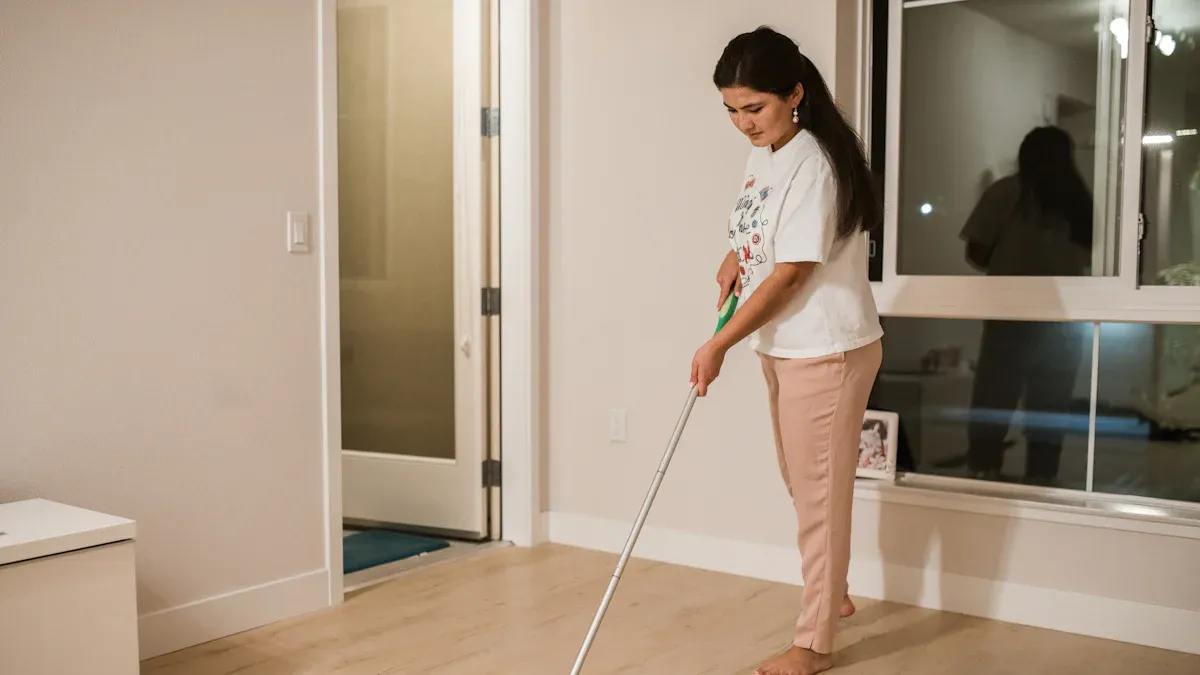
You keep your vinyl floors looking their best by following a simple routine. Start each day by using a dust mop or a vacuum with the beater bar turned off. This step helps you remove surface dirt and prevents scratches. Regular sweeping or dry mopping protects the floor from debris that can cause damage or dull the shine. For weekly cleaning routines, use a microfiber mop and a pH-neutral cleaner. This method helps you clean vinyl floors without harming the surface.
Experts recommend a step-by-step process for effective maintenance:
- Remove surface dirt every 1-2 days with a dust mop or vacuum.
- Buff away scuff marks with a microfiber cloth and a gentle lubricant.
- Clean stains quickly using a solution made for the type of stain.
- Use safe cleaners like diluted dish soap or vinegar.
- Mop with a well-wrung mop to avoid too much water.
- Maintain good habits, such as using doormats and trimming pet nails.
These best practices help you avoid buildup and keep your vinyl floors in top shape.
How to Mop Allure Vinyl Flooring
You should use controlled mopping techniques to clean vinyl floors. Always choose a microfiber mop and wring it out well before use. Too much water can seep into the seams and cause damage. Mix a pH-neutral cleaner with water, following the instructions on the label. Mop the floor in small sections, making sure you do not leave puddles behind. Let the floor air dry after mopping.
A table can help you remember the right steps:
| Step | Action |
|---|---|
| Prepare | Mix cleaner and wring out mop |
| Mop | Clean in small sections |
| Dry | Let floor air dry, avoid puddles |
You protect your vinyl flooring and extend its life when you use these mopping steps.
Spot Cleaning for Scuffs and Spills
You need to act fast when you see spills or scuffs on your vinyl floor. Immediate spill cleanup prevents stains and keeps the surface safe. Use a soft cloth or sponge to blot up spills right away. For sticky messes or food stains, use a mild cleaner and warm water. Gently rub the area until you remove food stains and any residue.
To remove scuffs, use a microfiber cloth and a small amount of commercial lubricant. Rub the mark until it disappears. If you need to try different stain removal methods, always test them on a hidden spot first. Quick action helps you clean vinyl floors and prevents permanent marks.
Tip: Always clean up spills as soon as they happen to avoid damage and keep your vinyl looking new.
Vinyl Floor Maintenance Tips: What to Avoid
Harmful Products and Cleaning Practices
You want your vinyl floors to last and look their best. Some cleaning products and habits can harm your floors. Many consumer reports show that certain vinyl flooring tiles contain chemicals like phthalates and organic tin-based stabilizers. These chemicals can release into your home’s air and dust, especially if you use harsh cleaners or abrasive tools. Phthalates are not tightly bound to vinyl, so they can move into the air and dust, leading to higher exposure for children and pets. Indoor dust can account for more than half of total exposure to these chemicals.
The vinyl flooring industry has made changes to improve safety. Many companies now avoid using phthalates and work with the EPA to make products safer. Still, you should avoid recycled vinyl flooring if you worry about legacy toxins like lead or cadmium. When you clean, skip products with ammonia, bleach, or strong solvents. These can break down the floor’s surface and cause discoloration. Never use abrasive pads or steel wool, as they scratch and dull the finish. Instead, choose gentle, pH-neutral cleaners and soft tools for preserving shine and polishing.
Tip: Always read product labels and test new cleaners on a small area first.
Preventing Water Damage and Scratches
Moisture is one of the biggest threats to vinyl floors. Too much water can seep into seams and cause warping or plank separation. You should never use a soaking wet mop or let spills sit for long. Quick cleanup helps prevent stains and keeps your floor safe. Use these moisture management tips to protect your investment:
- Wipe up spills right away.
- Use a damp, not wet, mop for cleaning.
- Place mats at entryways to catch water and dirt.
- Avoid steam mops, which can force moisture into the floor.
Shielding floors from scratches is just as important. Dragging furniture or using rough tools can leave marks. Place felt pads under furniture legs and use rugs in high-traffic areas. Trim pet nails and avoid wearing shoes with sharp heels indoors. These simple vinyl floor maintenance tips help you keep your floors looking new.
A table can help you remember what to avoid:
| Do Not Use | Why to Avoid |
|---|---|
| Abrasive scrubbers | Cause scratches |
| Harsh chemicals | Damage surface, release toxins |
| Excess water or steam | Leads to warping and mold |
| Wax or polish | Causes buildup, slippery surface |
By following these tips, you prevent stains, manage moisture, and avoid damage. You do not need optimal polishing strategies for vinyl floors. Simple care keeps your floors bright and strong.
Long-Term Vinyl Floor Care and Protection
Using Mats and Rugs for Allure Vinyl Flooring
You can protect your vinyl floors by placing mats and rugs in key areas. Mats at entryways trap dirt and moisture before they reach your floor. This simple step helps you avoid scratches and stains. Rugs in high-traffic zones, such as hallways or kitchens, add a layer of defense against daily wear. Choose mats with non-staining backings to prevent discoloration. Avoid rubber-backed mats, which can trap moisture and damage the vinyl surface. Regularly shake out or wash your mats to keep them effective. These tips help you maintain a long-lasting shine and reduce the need for deep cleaning.
Note: Mats and rugs do not guarantee injury prevention, but they do not increase risks. Studies in care settings show that protective flooring measures, like compliant mats, do not reduce injuries but also do not cause harm. You can use mats for vinyl floor care without worry.
Furniture Pads and Floor Protectors
Furniture pads play a big role in protecting vinyl floors. Place felt pads under chair and table legs to prevent scratches when you move furniture. Floor protectors help distribute weight and reduce dents from heavy items. Replace pads when they wear out to keep your protection strong. Avoid dragging furniture across the floor. Lift items instead to prevent gouges. Shielding floors from scratches keeps your vinyl looking new and helps preserve its long-lasting shine. These simple maintenance steps make a big difference in vinyl floor care.
Managing Heavy Traffic Areas
Heavy foot traffic can wear down the protective layer on your vinyl flooring. Over time, this leads to visible scratches, fading, and loss of shine. Traffic analysis shows that thicker wear layers last longer, but even the best vinyl needs regular care. Place runners or area rugs in busy spots to reduce direct contact. Rotate rugs and furniture to spread out wear. Clean these areas more often to remove dirt and moisture that can grind into the surface. Good moisture management tips include wiping up spills quickly and using mats to catch water at entrances. With proper maintenance, you can extend the life of your vinyl floors and keep them looking their best. Protecting vinyl floors in high-traffic zones helps you enjoy a beautiful home for years.
Allure vinyl flooring stays beautiful when you follow a simple care routine. You should avoid waxing and harsh cleaners to protect the surface. Consistent cleaning helps your floors last longer and saves money over time. The table below shows how regular maintenance improves durability and lowers costs compared to sporadic care:
| Maintenance Aspect | Consistent Cleaning | Sporadic Maintenance | Impact on Longevity |
|---|---|---|---|
| Cleaning Frequency | Daily/Weekly | Occasional | Longer lifespan, lower costs |
| Refinishing Needs | Rarely needed | More frequent | Fewer replacements |
| Replacement Cycle | 15-25 years | 10-15 years | Greater durability |
Tip: Simple habits keep your vinyl floors looking great for years.
FAQ
Can you use a steam mop on Allure vinyl flooring?
You should not use a steam mop on Allure vinyl flooring. The heat and moisture can damage the floor. Stick to a damp microfiber mop for safe cleaning.
What should you do if you spill something on your vinyl floor?
Wipe up spills right away with a soft cloth. Quick action helps prevent stains and keeps your floor looking new. Use a mild cleaner if needed.
How often should you clean Allure vinyl floors?
You should sweep or vacuum every day or two. Mop once a week with a pH-neutral cleaner. Regular cleaning keeps your floor in top shape.
Can you use vinegar to clean Allure vinyl flooring?
You can use diluted vinegar for cleaning. Mix one cup of vinegar with a gallon of warm water. Vinegar helps remove dirt without harming the floor.
What is the best way to prevent scratches on vinyl floors?
Place felt pads under furniture legs. Use rugs in busy areas. Avoid dragging heavy items. These steps help protect your floor from scratches and dents.




