
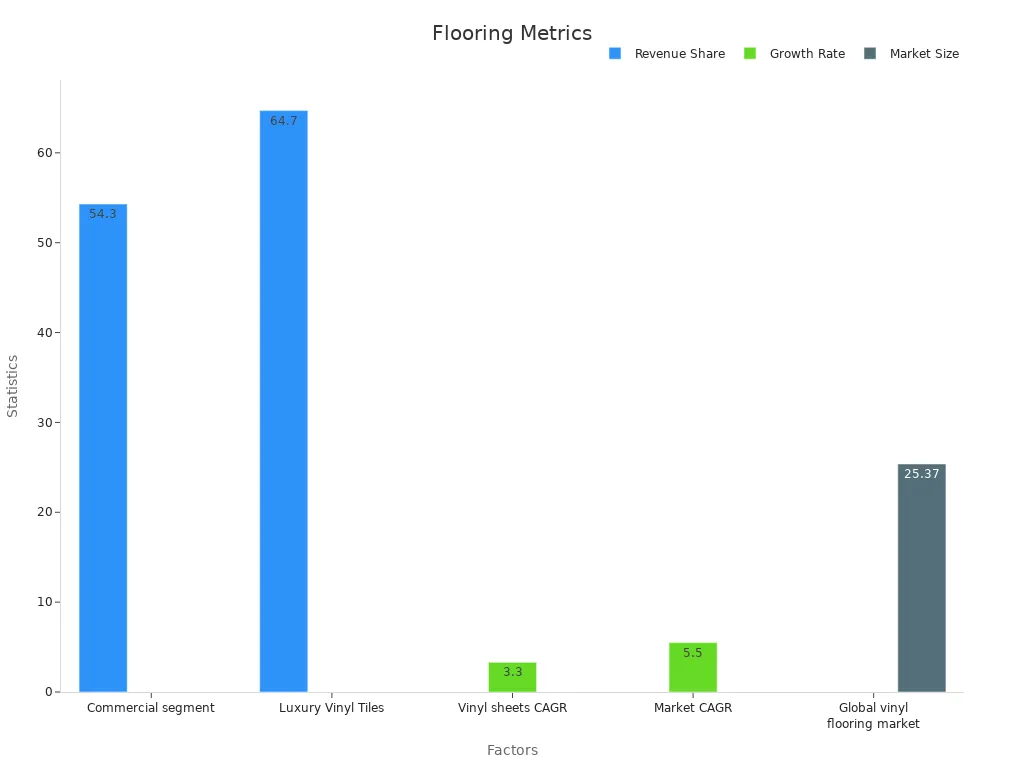
When you choose commercial sheet vinyl flooring for high-traffic areas, you want more than just an affordable option. Vinyl flooring stands out for its durability and easy to clean surface. Many businesses prefer vinyl because it comes in many types of vinyl flooring, each with unique features. The vinyl market reached $25.37 billion in 2024, showing strong demand for vinyl flooring. You can see from the chart below how commercial sheet vinyl flooring dominates the market, with durability and care and maintenance as top priorities.
Vinyl flooring offers aesthetic appeal and is affordable for many businesses. However, you should consider cost-effectiveness and life cycle costs, since vinyl can have higher maintenance expenses over time. By looking at all aspects, including how easy to clean vinyl is, you make the best choice for your space.
Durability of Commercial Sheet Vinyl Flooring in High-Traffic Areas
Importance of Wear Layer Thickness for Durability
When you choose vinyl flooring for high-traffic areas, you need to pay close attention to the wear layer. The wear layer is the top surface that protects your floor from scratches, dents, and stains. A thicker wear layer means your vinyl flooring will last longer and look better, even when many people walk on it every day. Most commercial sheet vinyl flooring comes with a wear layer between 20 and 40 mils. Thicker layers give you more protection and help your floor stay durable in busy spaces.
Tip: Always check the product specifications for wear layer thickness before you buy. This small detail can make a big difference in how long your vinyl flooring stays looking new.
Selecting Vinyl Flooring for Maximum Lifespan
You want your investment in vinyl flooring to last as long as possible. Research and real-world examples show that Luxury Vinyl Plank (LVP) and Stone Plastic Composite (SPC) click vinyl flooring work well in busy commercial spaces. These types of vinyl flooring offer strong resistance to water, scratches, and dents. They also come with quality underlayment for extra comfort and sound control.
Here are some key points to help you select the most durable vinyl flooring for high-traffic areas:
- Choose LVP or SPC vinyl flooring with a thick wear layer and strong core.
- Look for products with certifications like FloorScore or GREENGUARD for better indoor air quality.
- Review customer testimonials and case studies from offices, restaurants, and retail stores.
- Pick vinyl flooring that matches your design needs without sacrificing durability.
Tips to Enhance Durability in Busy Commercial Spaces
You can make your vinyl flooring last even longer by following a few best practices:
- Work with experienced commercial flooring contractors to find the right vinyl for your space.
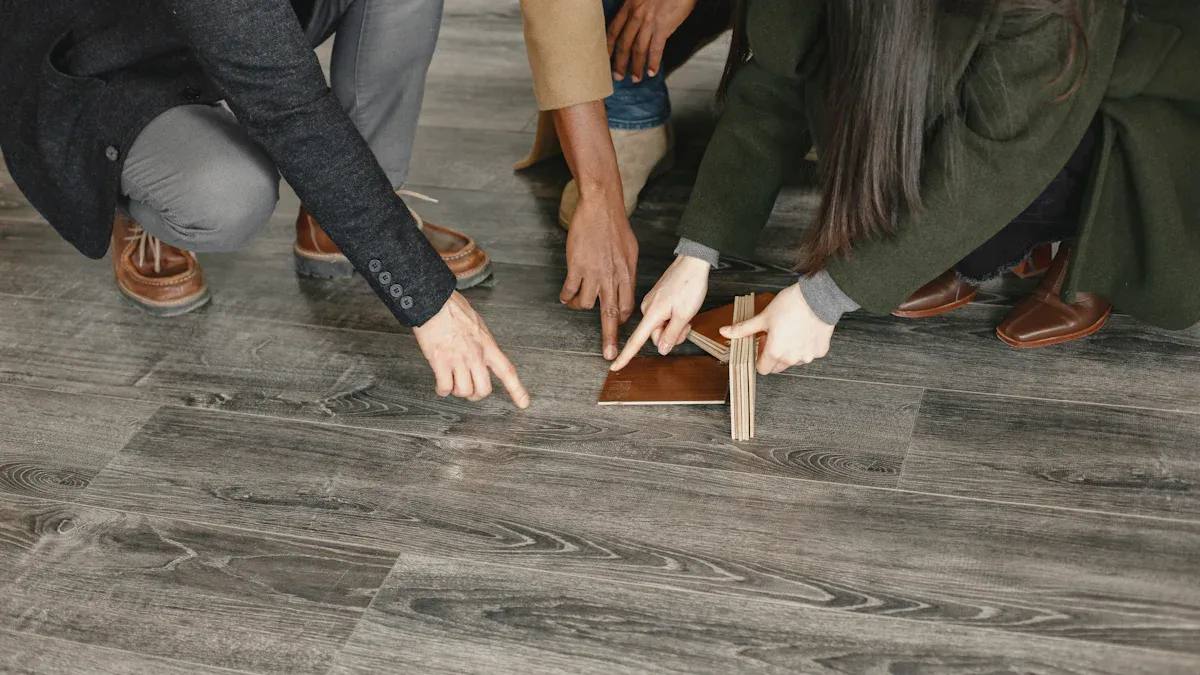
- Get samples and test them in your actual lighting and space before making a final choice.
- Plan for regular cleaning and maintenance from the start.
- Make sure you use professional installation for a seamless, durable finish.
- Clean your vinyl flooring often to keep it looking new and to protect its durable surface.
Vinyl flooring stands out as a durable, low-maintenance choice for commercial sheet vinyl flooring in high-traffic areas. When you follow these tips, you help your business save money and keep your floors looking great for years.
Slip Resistance and Safety in High-Traffic Areas
Evaluating Slip Resistance Ratings for Commercial Vinyl Flooring
When you select vinyl flooring for your business, you need to think about how safe it is for everyone who walks on it. Slip resistance ratings help you compare different types of flooring. These ratings use the Coefficient of Friction (COF) to measure how slippery a surface is. The higher the COF, the less likely someone will slip. For commercial spaces, OSHA and ASTM recommend a minimum COF of 0.5, while the ADA suggests 0.6 for flat surfaces and 0.8 for ramps. The table below shows how vinyl compares to other materials:
| Flooring Material | Slip Resistance Characteristics / COF Values |
|---|---|
| Vinyl Composition Tile | Very slippery when wet; used in schools, hospitals, offices |
| Porcelain Tiles | Textured types offer good slip resistance |
| Marble and Granite | Little slip resistance when wet |
| Terrazzo | COF approx. 0.64 dry, 0.16 wet |
| Quarry Tiles | Good slip resistance when clean and wet |
| Ceramic Tiles (with grit) | COF approx. 0.62 dry, 0.34 wet |
| Ceramic Tiles (no grit) | COF approx. 0.7 dry, 0.1 wet |
| Concrete (broom-swept) | Good slip resistance |
You should know that vinyl flooring can be slippery when wet, so always check the slip resistance ratings before you buy. Testing methods like the James Machine (ASTM D 2047) and the Pendulum Test (EN 16165) help measure slip resistance for vinyl flooring.
Safety Standards for Commercial Environments
You want your vinyl flooring to meet important safety standards. These standards help protect everyone in your building. For example, the CPSC Standard 16 CFR 1630 tests how flooring reacts to fire. ASTM E648 checks fire resistance, and ASTM E662 measures smoke from flooring materials. Meeting these standards is not just about following the law. It also keeps your business safe. The table below lists some key safety standards:
| Safety Standard / Test | Description | Compliance Criteria |
|---|---|---|
| CPSC 16 CFR 1630 | Flammability test for carpets and rugs | Must pass for sale |
| ASTM E648 | Fire resistance test | Class I: ≥ 0.45 watts/cm² |
| ASTM E662 | Smoke density test | DMC ≤ 450 |
You should also look for vinyl flooring that meets low-emission standards. This helps keep the air clean and safe for everyone.
Reducing Slip Hazards in High-Traffic Areas
You can lower the risk of slips and falls in your business by using several smart strategies. Studies show that keeping floors clean and dry, using slip-resistant shoes, and improving lighting can cut slip and fall injuries by more than half. Here are some ways to make your vinyl flooring safer:
- Clean up spills right away.
- Use mats at entrances to catch water and dirt.
- Pick vinyl flooring with a textured surface for better grip.
- Train your staff to spot and fix hazards quickly.
- Choose slip-resistant footwear for workers.
Tip: A multi-step approach works best. Combine good cleaning habits, safe footwear, and the right vinyl flooring to keep everyone safe in high-traffic areas.
When you follow these steps, you help protect your staff and visitors. You also show that your business cares about safety.
Maintenance Needs for Commercial Sheet Vinyl Flooring
Cleaning and Upkeep in High-Traffic Areas
You want your floors to look great and last a long time. Vinyl flooring stands out because it is easy to clean and easy to maintain. In busy areas, you should sweep and mop daily to remove dirt and debris. Periodic deep cleaning helps keep your vinyl flooring looking fresh. Studies show that using a floor finish with a 20-minute dry time instead of 30 minutes can save at least 50 minutes of downtime per room during a standard five-coat application. If you choose a matte finish, you can reduce coating time by about 40% compared to glossy finishes. Scrub and recoat every six months instead of doing a full strip and recoat. This process takes only 60–90 minutes for a 200 square-foot room, while a full strip and recoat can take four to five hours. These steps help you save time and keep your commercial sheet vinyl flooring in top shape.
Tip: Avoid oversaturating your vinyl flooring during cleaning. Too much water can leave residue and attract more dirt.
Stain, Scratch, and Water Resistance Features
Vinyl flooring offers strong stain-resistant properties and water resistance, making it a smart choice for high-traffic businesses. Many brands use wear layers of 20 mils, which protect against scratches and stains. Some products are 100% water-resistant, so you do not have to worry about spills or moisture causing damage. Protective urethane coatings add another layer of defense, making your vinyl flooring even more durable. The seamless surface design keeps dirt from getting trapped, which makes cleaning easier and helps maintain water resistance. You can trust that your vinyl flooring will stand up to daily wear and tear.
Maintenance Tips for Busy Businesses
You can keep your vinyl floors looking their best with a few simple steps:
- Sweep and mop regularly to remove dust and debris.
- Use mats at entrances to catch dirt and moisture.
- Schedule periodic deep cleaning and professional maintenance.
- Apply protective coatings to boost stain and scratch resistance.
- Avoid harsh chemicals that can damage the surface.
Professional cleaning services can help you get a deeper clean and make sure you follow the manufacturer’s care and maintenance guidelines. With the right routine, your vinyl flooring can last up to 20 years in high-traffic areas. Restoration services can also help you avoid costly replacements by revitalizing worn surfaces. When you follow these tips, you make your vinyl flooring easy to clean and easy to maintain, saving time and money for your business.
Aesthetics and Design Flexibility of Vinyl Flooring
Matching Commercial Flooring to Brand Image
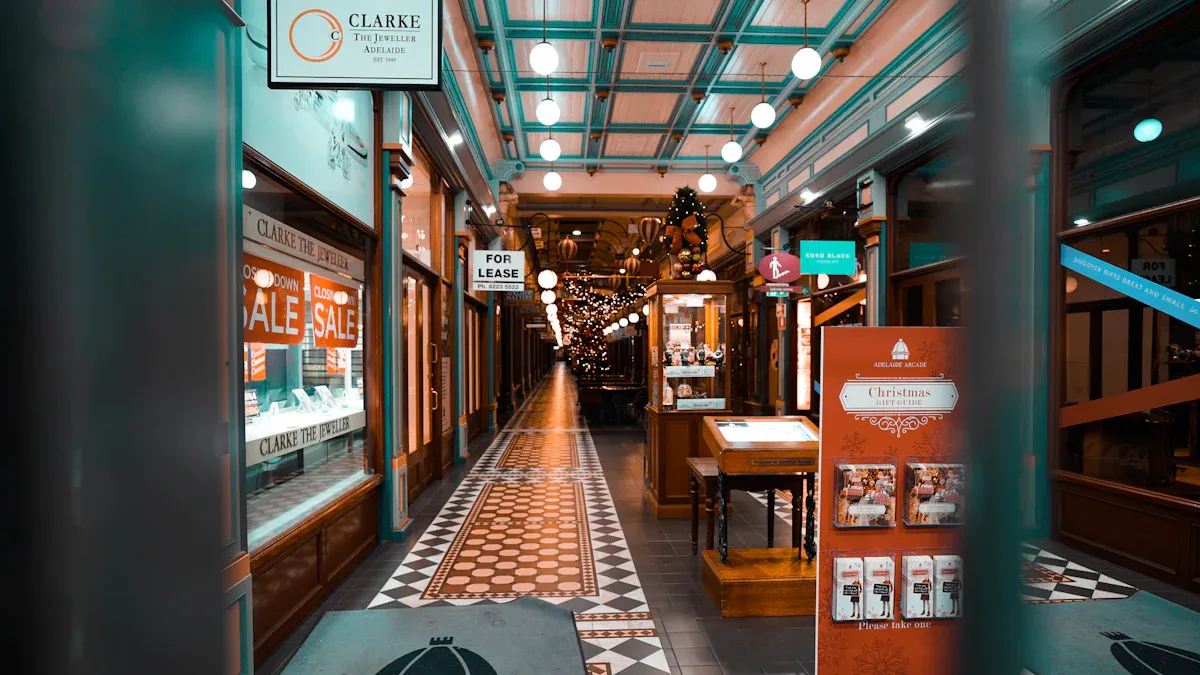
You want your business space to reflect your brand. Vinyl flooring gives you many ways to match your floors to your company’s style. You can choose from a wide range of colors, patterns, and textures. This helps you create a look that fits your brand, whether you want a modern, classic, or bold design. Many types of vinyl flooring can mimic natural materials like wood or stone, so you get the look you want without the high cost. Offices often pick vinyl for comfort and a clean look. Retail stores and hotels use vinyl flooring to impress customers and show off their brand’s personality. You can find vinyl that fits almost any business image.
Customization and Color Options for Commercial Spaces
You have more choices than ever before with vinyl flooring. New technology lets you pick from many colors, patterns, and finishes. Digital printing makes it possible to create custom designs, logos, or even unique textures. This means you can design floors that match your exact needs. You can also choose from different types of vinyl flooring, such as luxury vinyl tile or sheet vinyl, to fit your space. Many businesses now want floors that are easy to clean, safe, and even antimicrobial. You can find vinyl that meets these needs and still looks great. Online stores make it easy to see all your options and order samples. You can work with suppliers to create a custom solution for your project.
- Many businesses want:
- Customization and design flexibility
- Realistic wood or stone looks at a lower price
- Hygienic and antimicrobial surfaces
- Eco-friendly materials
- Easy installation and maintenance
Balancing Style with Functionality
You do not have to choose between style and function. Vinyl flooring gives you both. You can enjoy the aesthetic appeal of wood or stone while getting the durability and easy care of vinyl. Luxury vinyl tile (LVT) offers realistic designs and stands up to heavy use. Some types of vinyl flooring use special coatings to protect against scratches and stains. You can install vinyl over old floors, which saves time and money. Experts suggest testing samples in your space to see how they look and feel. You should also think about how easy the floor is to clean and how well it holds up over time. Many businesses find that vinyl flooring gives them the best mix of beauty and performance. You get a floor that looks good and works hard for your business.
Tip: Try mockup testing with your team before making a final choice. This helps you see how the vinyl flooring will look and perform in your space.
Acoustics and Noise Control with Commercial Sheet Vinyl Flooring
Impact of Vinyl Flooring on Sound Levels
You want your business to feel comfortable and quiet, even in busy areas. Vinyl flooring can help control noise, but its impact depends on the type you choose. Field and laboratory tests, such as those using Brüel and Kjær equipment, measure how much sound passes through vinyl. These tests follow standards like UNI EN ISO 140-7 and EN ISO 140-8. They show that vinyl flooring can reduce impact sound levels, helping you meet recommended limits below 58 dB in receiving rooms. Dynamic stiffness tests also measure how well vinyl absorbs sound. These tests help you compare different products and choose the best option for your space.
Acoustic Features for Comfortable Environments
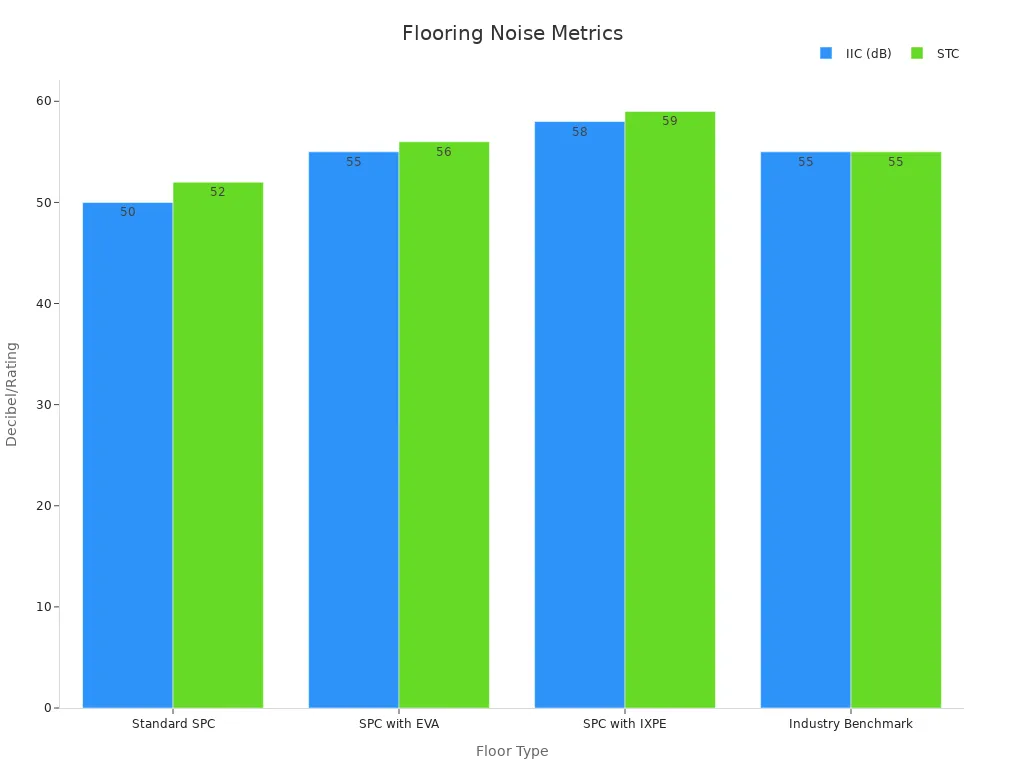
Vinyl flooring offers special features to make your environment quieter. Many commercial vinyl products use dense cores and acoustic underlayments. For example, Stone Plastic Composite (SPC) vinyl flooring with EVA or IXPE underlayment can reduce impact sound by up to 58 dB. The table below shows how different types of vinyl flooring perform:
| Feature | Standard SPC | SPC with EVA | SPC with IXPE | Industry Benchmark |
|---|---|---|---|---|
| Impact Sound Reduction (IIC) | 50 dB | 55 dB | 58 dB | 55 dB |
| Sound Transmission Class (STC) | 52 | 56 | 59 | 55 |
| Durability (Years) | 20 | 20 | 20 | 15 |
You can see that SPC vinyl flooring with IXPE underlayment exceeds industry benchmarks. Certifications like ISO, CE, and FloorScore confirm the quality and acoustic performance of these products. In a 2023 Chicago office retrofit, acoustic SPC vinyl flooring reduced noise by 20%, helping employees focus better. A Miami hotel used SPC with IXPE to create quieter rooms and improve guest satisfaction.
Choosing Flooring for Noise Reduction in High-Traffic Areas
You need to pick the right vinyl flooring to control noise in busy spaces. Research shows that WPC vinyl flooring absorbs more sound than SPC because of its softer core. The table below compares different vinyl flooring types:
| Vinyl Flooring Type | Acoustic Property | Noise Reduction Effectiveness | Suitable Environments | Additional Notes |
|---|---|---|---|---|
| SPC Vinyl | Durability & Stability | Moderate sound absorption | High-traffic commercial areas | Rigid limestone core, less sound absorbing than WPC |
| WPC Vinyl | Comfort & Sound Absorption | Superior sound absorption | Residential and commercial areas where comfort is key | Softer foamed core reduces noise, better for noise control |
Loose lay LVT and rigid core click LVT also provide good noise reduction, with IIC ratings of 64 and 68. You can add acoustic underlayments to boost sound absorption. When you choose vinyl flooring with these features, you create a quieter, more comfortable space for everyone.
Tip: Always check the IIC and STC ratings when you select vinyl flooring for high-traffic areas. Higher ratings mean better noise control and a more pleasant environment.
Sustainability and Eco-Friendly Choices in Vinyl Flooring
Green Certifications and Environmental Standards
You want to make sure your business uses safe and sustainable vinyl flooring. Many green certifications help you check if a product meets strict environmental standards. These certifications focus on indoor air quality, health, and the full life cycle of vinyl flooring. The table below shows some of the most important certifications for commercial vinyl flooring:
| Certification Name | Description | Applicable Products/Scope |
|---|---|---|
| Environmental Product Declarations (EPDs) | Third-party verification assessing full environmental footprint. Available globally for specific products including domestic LVT. | Vinyl flooring products from brands like Mohawk, Dal-Tile, Marazzi |
| Health Product Declarations (HPDs) | Transparent disclosure of product contents and health impacts, aligned with international hazard listings. | Collections from Dal-Tile, Marazzi, Mohawk |
| FloorScore® | VOC emission-based indoor air quality certification, testing 35 VOCs per California 01350 standard. | Vinyl Composite Tile (VCT), Vinyl Sheet Flooring, Luxury Vinyl Tile (LVT) |
| GREENGUARD Gold | Focus on VOC emissions to ensure healthier indoor environments. | Many vinyl flooring products |
FloorScore® certification stands out for testing 35 different VOCs, making sure your vinyl flooring supports a healthy indoor space. You can trust these certifications to help you choose vinyl flooring that meets top environmental and safety standards.
Eco-Friendly Material Options for Commercial Spaces
You have many eco-friendly choices when you select vinyl flooring for your business. Manufacturers now offer vinyl flooring with recycled content and lower emissions. Over 45% of vinyl flooring sold in Canada in 2023 contained recycled materials. Many brands use recycled vinyl to reduce waste and support a circular economy. You can also find vinyl flooring that meets LEED, WELL, and GreenGuard standards. These options help you create a safer and greener workspace.
- Look for these features in eco-friendly vinyl flooring:
- High recycled content
- Low VOC emissions
- Formaldehyde-free materials
- Certifications like FloorScore and GREENGUARD Gold
You can help the environment and improve indoor air quality by choosing vinyl flooring with these features. Many businesses now demand sustainable vinyl flooring to meet green building goals.
Long-Term Environmental Impact of Commercial Sheet Vinyl Flooring
You need to think about the long-term effects of vinyl flooring on the environment. Life cycle assessments (LCAs) give you clear data on the impact of vinyl flooring from production to disposal. Studies show that the global warming potential and fossil fuel use of vinyl tile can be two to three times higher than ceramic tile over a 75-year period. Publicly available Environmental Product Declarations (EPDs) provide this kind of data for vinyl flooring.
Some companies, like Forbo, share LCAs and EPDs for their vinyl flooring. These reports show how much recycled content is used and how emissions are reduced. In North America, over 30% of new vinyl flooring products in 2023 met recyclable content and formaldehyde-free criteria. The demand for eco-friendly vinyl flooring keeps growing, with 65% of architecture firms asking for resilient and green options.
Note: You can use LCAs and EPDs to compare the long-term environmental impact of different vinyl flooring products. This helps you make better choices for your business and the planet.
Cost-Effectiveness and Value of Commercial Sheet Vinyl Flooring
Comparing Upfront and Lifetime Costs
When you look at vinyl flooring for your business, you might focus on the price you pay at first. However, the total cost over time matters even more. Life Cycle Cost Analysis (LCCA) shows that the initial price often makes up less than one third of what you will spend during the floor’s life. For example, if you install luxury vinyl tile in a 10,000 square foot space, you might pay $60,000 upfront. Over time, the total cost can reach $194,000. This includes cleaning, repairs, and replacing worn areas. You need to think about these long-term expenses when you choose commercial sheet vinyl flooring. The table below helps you compare different types of vinyl flooring:
| Vinyl Flooring Type | Material Cost per sq ft | Installation Difficulty | Maintenance Difficulty | Notes on Lifecycle Cost Analysis |
|---|---|---|---|---|
| Vinyl Sheet Flooring | $1 – $2 | High | Medium to High | High installation and maintenance costs; suited for medical facilities |
| Vinyl Composition Tile | $3 – $5 | Medium | High | Lower upfront cost but higher maintenance; lifecycle cost can exceed carpet |
| Luxury Vinyl Tile (LVT) | $5 – $10 | Low | Low | Higher upfront cost but lower maintenance; purchase price is about 30% of total cost |
Budgeting for Installation and Maintenance in High-Traffic Areas
You want to keep your floors looking good and lasting longer. To do this, you need a smart budget plan. Start by adding up the cost to install vinyl flooring, including materials and labor. Remember, some types are easy to install, which saves money. You should also plan for regular cleaning, polishing, and repairs. Use entrance mats and furniture coasters to protect your floors. Schedule daily sweeping and weekly mopping with mild cleaners. If you spot damage, fix it right away. Sometimes you can replace just one tile or patch a small area, which is more affordable than replacing the whole floor. Good ventilation and humidity control help prevent warping or bubbling. Every six to twelve months, deep clean and refinish your vinyl flooring. When you work with professional flooring installation experts, you avoid costly mistakes and get a durable result.
- Budgeting tips for busy spaces:
- Choose easy to install vinyl flooring to lower labor costs.
- Use protective mats and pads to reduce wear.
- Plan for regular cleaning and quick repairs.
- Consult with flooring installation professionals for the best results.
Maximizing Value with Durable Vinyl Flooring
You want your investment to last. Pick a durable vinyl flooring product that stands up to heavy use. Look for features like thick wear layers and strong cores. These make your floors more durable and help them resist scratches and stains. Easy to install options save you time and money. When you install vinyl flooring correctly, you get a long-lasting, affordable flooring option. Regular care keeps your floors looking new and reduces the need for costly replacements. Durable vinyl flooring gives you the best value because it lowers your lifetime costs and keeps your business looking sharp.
Tip: Choose a durable, easy to install vinyl flooring for high-traffic areas. This gives you cost-effectiveness and long-term savings.
You want the best results when choosing vinyl flooring for your business. Focus on these seven key factors: durability, slip resistance, maintenance, design, acoustics, sustainability, and cost. Vinyl flooring offers up to 25 years of use, waterproof protection, and easy cleaning. You can see the benefits in the table below:
| Feature | Value or Benefit |
|---|---|
| Vinyl flooring lifespan | Up to 25 years in busy spaces |
| Maintenance savings | Up to 60% lower costs |
| Price per sq ft | $0.50 to $7 |
| Wear layer thickness | 12 mil or more for commercial vinyl |
| Waterproof vinyl | Prevents water damage |
You should match vinyl flooring to your needs and ask experts for advice. Smart choices with vinyl flooring help your business save money and create a safe, attractive space.
FAQ
What makes vinyl flooring a good choice for high-traffic businesses?
You get strong durability and easy cleaning with vinyl flooring. This type of flooring resists scratches and stains. Many businesses choose vinyl because it stands up to heavy foot traffic and keeps looking new for years.
How often should you clean commercial vinyl flooring?
You should sweep and mop vinyl flooring daily in busy areas. Deep cleaning every few months helps keep your vinyl looking fresh. Regular care prevents dirt from building up and protects the surface.
Can you install vinyl flooring over existing floors?
Yes, you can install vinyl flooring over many types of existing floors. Make sure the old floor is clean and level. This method saves time and money during installation.
Is vinyl flooring waterproof?
Most vinyl flooring products are waterproof. You can use vinyl in kitchens, bathrooms, and entryways. Water will not damage the surface, so you get peace of mind in wet areas.
How do you choose the right style of vinyl flooring for your business?
You should match the style of vinyl flooring to your brand and space. Many colors and patterns are available. Test samples in your business to see how the vinyl looks in your lighting.
Tip: Always ask for samples before making a final decision on vinyl flooring.




