
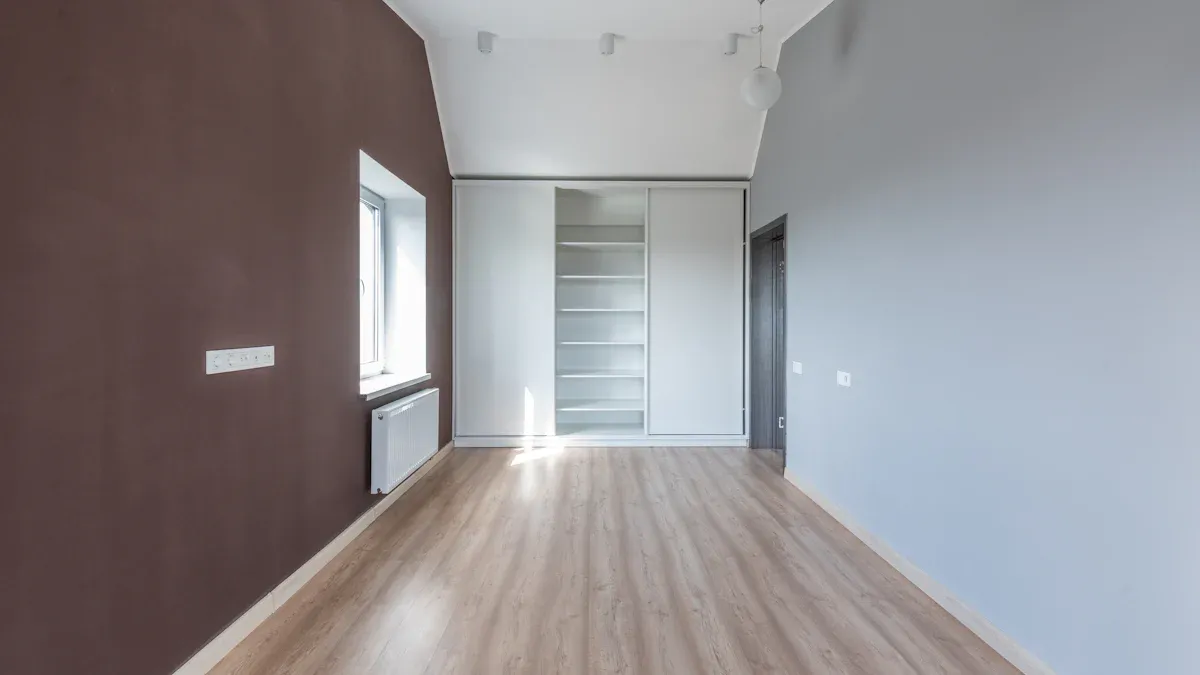
When choosing new flooring, you may wonder which is better for your home. Many homeowners ask, which is better for busy spaces or rooms with moisture? You want to know which is better for comfort underfoot and style. The debate of lvp vs vinyl comes up often. Both options offer unique benefits, but you need to decide which is better for your needs and lifestyle.
LVP vs Vinyl: Quick Comparison Table
LVP vs Vinyl at a Glance
When you look at new flooring, you want to see the differences quickly. This comprehensive comparison helps you decide which option fits your home best. The lvp vs vinyl debate often comes down to comfort, durability, and where you plan to install the flooring. You can use the table below to see how each type stacks up.
| Feature | LVP (Luxury Vinyl Plank) | Vinyl (SPC – Stone Plastic Composite) |
|---|---|---|
| Core Material | Flexible vinyl core for softness and flexibility | Rigid core with limestone powder for stability |
| Durability | Moderate, good for living spaces | High, best for busy and wet areas |
| Moisture Resistance | Water-resistant, but not fully waterproof | Completely waterproof, handles spills easily |
| Comfort | Softer, warmer, reduces noise | Harder, less comfortable, very stable |
| Aesthetic Appeal | Mimics wood and stone, many design choices | Also mimics natural looks, feels more rigid |
| Maintenance | Low, gentle cleaning needed | Low, can handle wet mopping |
| Best Use Areas | Bedrooms, living rooms, playrooms | Kitchens, bathrooms, basements |
Tip: If you want a softer feel underfoot, LVP works well in bedrooms and living rooms. For kitchens or bathrooms, vinyl with a rigid core gives you better water protection.
The lvp vs vinyl question also connects to market trends. The US flooring market is growing fast, with luxury vinyl products leading the way. Experts expect luxury vinyl tile (LVT), which includes LVP, to become the most popular flooring in the country. The market could reach over $54 billion by 2027. This shows that more people choose these floors for their homes.
You can see that lvp vs vinyl is not just about looks. It is about how the floor feels, how much water it can handle, and how long it lasts. Use this quick table to guide your choice. When you compare lvp vs vinyl, think about your room, your needs, and your budget.
What is Luxury Vinyl Plank (LVP)?
Definition of LVP
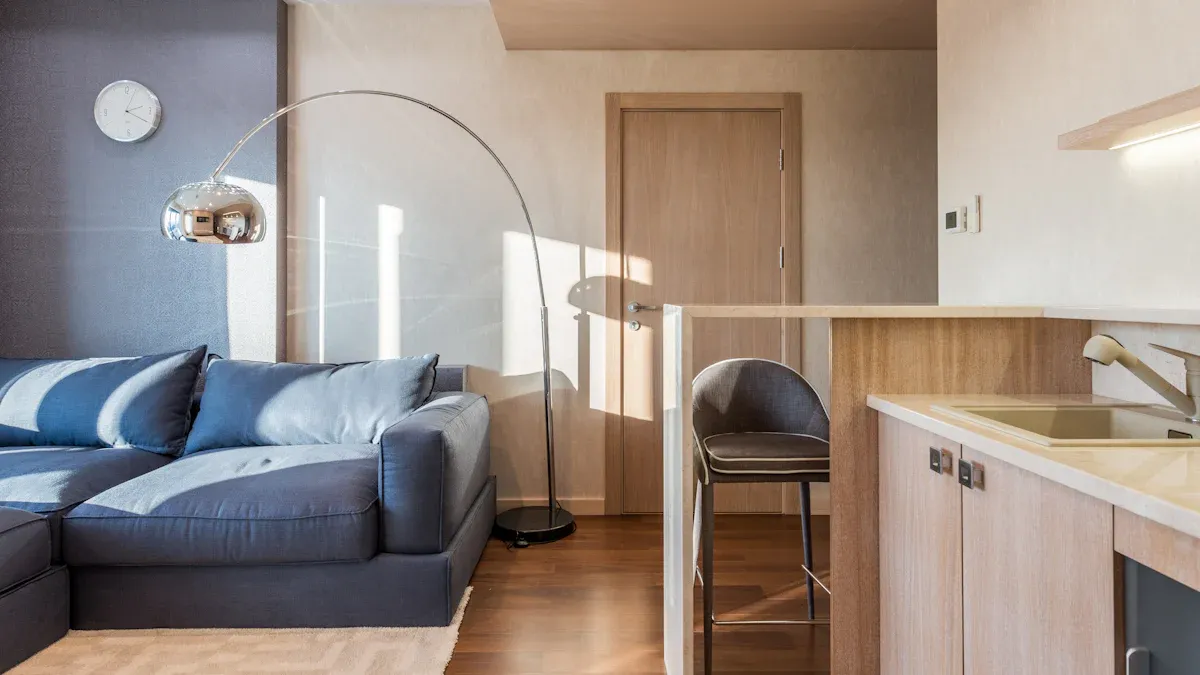
Luxury vinyl plank is a type of luxury vinyl flooring that looks and feels like real hardwood. You get a product made from several layers. The top layer is a clear, durable wear layer that protects against scratches and stains. Underneath, you find a printed layer that uses advanced technology to create a realistic wood-like appearance. The core is made from waterproof vinyl, which helps keep your floors safe from spills and moisture.
Manufacturers design luxury vinyl plank to meet strict industry standards. You often see planks with thicknesses between 4 and 8 millimeters. The wear layer usually ranges from 0.3 to 0.7 millimeters. These planks use a click-lock system, so you can install them without glue or nails. You only need to make sure your subfloor is flat and dry before starting. Most brands recommend letting the planks adjust to your room’s temperature and humidity for 48 to 72 hours before installation.
Note: Luxury vinyl plank flooring meets ASTM and EN standards for quality and safety. You can trust that it will last in busy homes.
Main Benefits of LVP
Luxury vinyl plank offers many advantages for your home. Here are some of the top reasons homeowners choose this flooring:
- You get a floor that stands up to heavy foot traffic, scratches, and water. This makes it perfect for kitchens, bathrooms, and entryways.
- The realistic wood-like appearance gives your space the beauty of hardwood without the high price.
- You can pick from a wide range of luxury vinyl options, including different wood species, colors, and plank sizes.
- Installation is simple. Many planks use a click-lock system, so you can do it yourself or hire a professional for quick results.
- Cleaning is easy. You only need to sweep or mop with mild detergent. No waxing or refinishing is needed.
- Luxury vinyl plank feels softer and warmer than tile or stone. It also helps reduce noise in your home.
- This flooring is budget-friendly. You get the look of hardwood at a lower cost.
Luxury vinyl flooring continues to grow in popularity because it combines style, durability, and value. You can enjoy a beautiful floor that fits your lifestyle and stands up to daily life.
What is Vinyl Flooring?
Definition of Vinyl Flooring
You may see vinyl flooring in many homes and businesses. This type of flooring uses polyvinyl chloride (PVC) as its main material. Manufacturers create vinyl flooring in several forms, but vinyl sheet flooring stands out for its wide, seamless design. You get a floor that comes in large rolls, making it easy to cover big spaces with few seams. Vinyl sheet flooring often includes a fiberglass cushion backing, which adds comfort and stability.
Vinyl sheet flooring is waterproof because of its PVC layers. You can install it in kitchens, bathrooms, and basements without worry. The surface usually has a clear wear layer that protects against scratches and stains. Some types use advanced printing to mimic wood, stone, or tile. You can choose from many styles and colors to match your home.
Industry experts look at several quality factors when they talk about vinyl sheet flooring. These include wear resistance, stability, and soundproofing. Many products meet strict standards for low VOC emissions and phthalate-free content. You may also find vinyl sheet flooring with certifications like FloorScore or GREENGUARD, which support healthier indoor air.
Main Benefits of Vinyl
Vinyl sheet flooring gives you many advantages over other types of flooring. Here are some of the main benefits:
- You get a waterproof surface, so spills and moisture do not cause damage.
- Vinyl sheet flooring resists scratches and dents, making it a good choice for busy homes.
- The installation process is simple. You can use loose-lay or glue-down methods, and large sheets mean fewer seams.
- Cleaning is easy. You only need to sweep and mop with mild soap.
- Vinyl sheet flooring offers a soft, cushioned feel underfoot, which adds comfort to any room.
- You can enjoy a quiet home because vinyl sheet flooring absorbs sound better than hard surfaces like tile.
- The design options are almost endless. High-definition printing lets you pick from wood, stone, or bold patterns.
- Vinyl sheet flooring is budget-friendly. It costs less than hardwood or ceramic tile but still looks great.
- Many brands use recycled content and safe materials, supporting green building standards.
- Vinyl sheet flooring lasts a long time. With proper care, you can expect it to look good for 20 years or more.
Tip: Vinyl sheet flooring works well in healthcare settings because it creates a seamless, easy-to-clean surface. You can also use it in homes where hygiene and moisture resistance matter most.
Vinyl sheet flooring stands out for its durability, style, and value. You can trust it to handle daily life while keeping your home comfortable and attractive.
Key Differences Between LVP and Vinyl
Appearance and Style
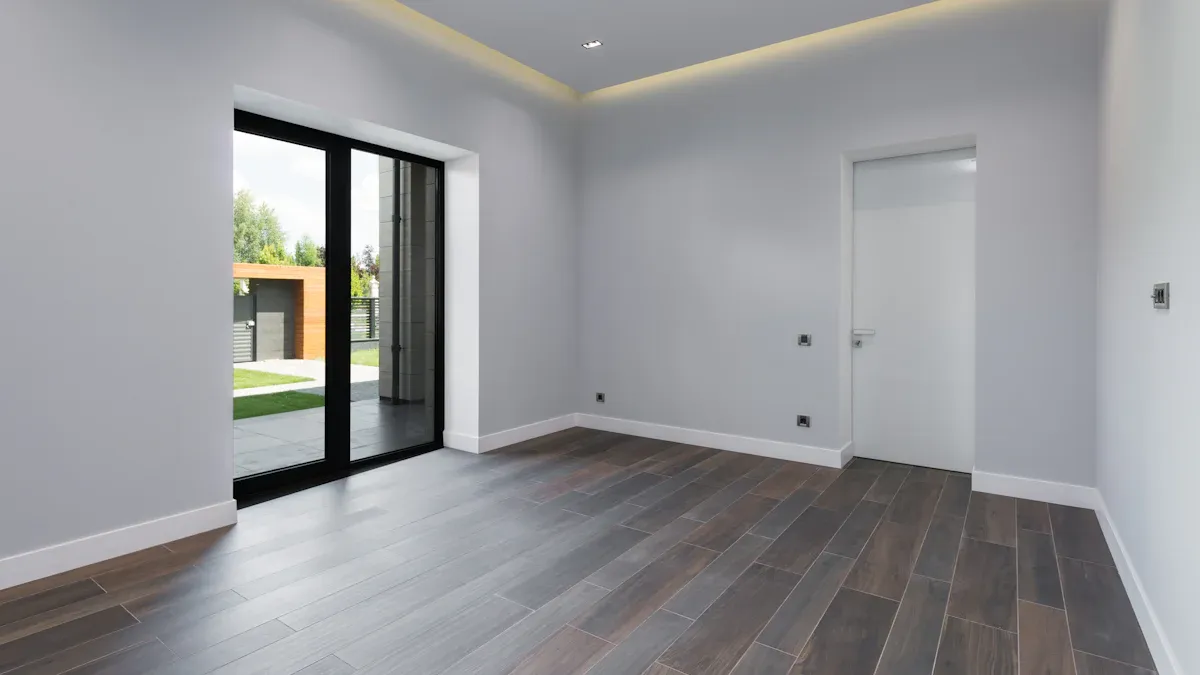
You want your floors to look beautiful and match your home’s style. LVP stands out because it uses advanced printing technology to mimic real wood grain and texture. You can choose from many colors, wood species, and finishes. Some LVP even has matte or textured surfaces, including embossed patterns that make the planks look and feel like natural wood. This makes LVP a stylish choice for many rooms.
Vinyl flooring also offers a wide range of looks. You can find vinyl that looks like wood, stone, or tile. Both LVP and vinyl use three-dimensional embossing to create realistic textures. Thicker planks often have better texture and realism. LVT, which is closely related to LVP, comes in tile form and can mimic stone or concrete. You can pick from concrete-look vinyl, travertine-look vinyl, or even bold patterns for a unique space.
- LVP gives you more options for plank size and wood-like finishes.
- Vinyl sheet flooring creates a seamless look, which works well for large spaces.
- LVT and LVP both receive high marks from designers for design quality and style.
Tip: If you want a floor that looks almost exactly like real wood, LVP is your best bet. For a seamless, easy-to-clean surface, vinyl sheet flooring works well.
Durability and Lifespan
You need a floor that can handle daily life, especially in busy homes. LVP is known for its durability. Many brands offer planks with thick wear layers that resist scratches, stains, and dents. You can use LVP in high-traffic areas like living rooms, hallways, and kitchens. Some users report that subfloor imperfections can affect performance, so you should prepare your subfloor carefully.
Vinyl flooring, especially sheet vinyl, also stands up to heavy traffic. It resists scratches and dents, making it a durable flooring solution for homes with kids or pets. LVT and LVP both last a long time when you care for them properly. Most products can look good for 15 to 20 years or more.
- LVP brands like LifeProof, Smartcore Ultra, and CoreTec get good reviews for durability and ease of installation.
- Vinyl sheet flooring works well in areas where you expect a lot of foot traffic and need a tough surface.
- Both LVP and vinyl resist stains and are easy to clean.
Note: LVP and LVT both offer strong durability, but you should always check the thickness of the wear layer before you buy.
Water Resistance
You want to protect your floors from spills, splashes, and moisture. LVP is water resistant, which means it can handle small spills and damp mopping. Many LVP products have a waterproof core, but you should check the product details to be sure. LVP works well in kitchens, bathrooms, and entryways, but you should wipe up spills quickly to prevent damage.
Vinyl sheet flooring is completely waterproof. You can use it in bathrooms, laundry rooms, and basements without worry. The seamless design keeps water from seeping through the floor. LVT, like LVP, often features a waterproof core and resists water and moisture well.
- LVP and LVT both offer water and moisture resistance, but vinyl sheet flooring provides the highest level of waterproof protection.
- You can mop vinyl sheet flooring with water, making it easy to keep clean.
- If you need a floor for a wet area, vinyl sheet flooring or waterproof LVT is your best choice.
Callout: Always check if your LVP or LVT product is labeled as waterproof before installing it in moisture-prone areas.
Comfort Underfoot
You want your floors to feel comfortable every day. LVP and vinyl flooring both offer a softer feel than tile or hardwood. LVP stands out because it often has a thicker core and a cushioned backing. This makes it warmer and quieter underfoot. You can walk barefoot in your living room or bedroom and enjoy a gentle, springy surface. LVP absorbs sound, so your home stays peaceful even with lots of activity.
Vinyl sheet flooring also provides comfort, especially when it includes a fiberglass cushion layer. This layer adds softness and helps reduce fatigue if you stand for long periods. LVT, which comes in both plank and tile forms, gives you similar comfort benefits. Many homeowners choose LVT for playrooms or family rooms because it feels good underfoot and helps reduce noise.
If you want the most comfort, look for LVP or LVT with extra padding. Some products include attached underlayment, which boosts comfort and insulation. Waterproof LVT and LVP options keep your floors cozy even in damp areas like basements. You can enjoy a comfortable, stylish floor in every room.
Tip: Place area rugs or mats in high-traffic zones to add even more comfort and protect your floors from wear.
Installation Process
You can install LVP and vinyl flooring in different ways. LVP usually uses click-and-lock or peel-and-stick systems. These methods make it easy for you to install the floor yourself. You do not need glue or nails for most LVP products. You can lay LVP over many subfloors, such as concrete or plywood. This flexibility saves you time and money on preparation.
Vinyl flooring comes in several types, including sheet, plank, and tile. Each type has its own installation method. Vinyl sheet flooring often needs glue-down installation. This process may require professional skills, especially in large or complex rooms. LVT and vinyl plank can use click-lock, glue-down, or peel-and-stick systems. Click-lock LVT costs more upfront but installs faster and lasts longer.
Here are some key points about installation:
- LVP offers a quick, cost-effective installation. You can often complete the job yourself.
- LVP adapts to many subfloors, reducing prep time and cost.
- Vinyl sheet flooring may need more subfloor preparation and professional help.
- Installation costs for LVP are lower than hardwood. Labor costs depend on your home’s layout and underlayment needs.
- Vinyl installation costs vary by type and room complexity. Extra services like furniture moving or old floor removal add to the cost.
- Underlayment improves performance but increases cost. Some LVT and vinyl types require specific underlayments.
- DIY installation saves labor costs but may risk errors. Professional installation ensures a perfect fit, especially for complex layouts.
Proper installation extends the life of your LVT or vinyl floor. You get better waterproof protection and improved durability when you follow the manufacturer’s guidelines. LVT and LVP both offer options for quick upgrades, making them popular choices for busy homeowners.
Maintenance and Cleaning
You want a floor that looks great and stays clean with little effort. LVP and LVT both shine in this area. A 2021 survey of commercial property managers found that 78% reported lower maintenance costs after switching to LVP. You can keep your LVP or LVT floor looking new with simple routines.
- Sweep or vacuum your floor regularly to remove dirt and grit.
- Use a damp mop with mild detergent for deeper cleaning. LVP and LVT resist water, so you do not need to worry about moisture damage.
- Clean up spills right away to prevent stains or slipping.
- You do not need to wax or polish LVP or LVT. This saves you time and money.
- Place felt pads under furniture and mats at entrances to protect your floor from scratches.
- Inspect your floor often. Early detection of issues prevents costly repairs.
Vinyl flooring also offers easy maintenance. Experts say regular cleaning can extend the life of vinyl floors by up to 50%. You should sweep or vacuum daily and mop weekly with a pH-neutral cleaner. Preventive steps, like removing dirt and using mats, reduce wear by over 30%. Quick spill management keeps your floor in top shape.
LVT and vinyl both support sustainable cleaning. You can use bio-based cleaners and limit water use to protect the environment. New technology, such as wireless cleaning tools, helps you save on cleaning costs. High-quality LVT and vinyl need less maintenance, lowering your total cost over time.
Note: Good maintenance is an investment. You save money and enjoy a beautiful, long-lasting floor. LVT and LVP offer excellent durability and maintenance benefits for busy homes.
Cost Comparison
When you choose new flooring, you want to know how much you will spend. The cost comparison between lvt, luxury vinyl plank, and vinyl sheet flooring helps you make a smart choice. You need to look at more than just the price per square foot. You should also think about installation, maintenance, and long-term value.
Most lvt and luxury vinyl plank products cost between $2 and $7 per square foot. This price depends on the thickness, wear layer, and brand. High-end lvt can reach up to $10 per square foot. Vinyl sheet flooring usually costs less, from $1 to $4 per square foot. You may find that luxury vinyl plank is a bit more expensive than basic vinyl, but it gives you a more realistic look and better comfort.
Installation costs also matter. You can install lvt and luxury vinyl plank yourself if you use click-lock systems. This saves you money on labor. Professional installation for lvt or luxury vinyl plank can add $2 to $5 per square foot. Vinyl sheet flooring often needs glue-down installation, which usually requires a professional. This can add $3 to $6 per square foot to your total cost.
Here is a simple table to help you see the cost comparison:
| Flooring Type | Material Cost (per sq. ft.) | Installation Cost (per sq. ft.) | Total Cost (per sq. ft.) |
|---|---|---|---|
| LVT | $2 – $7 | $2 – $5 | $4 – $12 |
| Luxury Vinyl Plank | $2 – $7 | $2 – $5 | $4 – $12 |
| Vinyl Sheet Flooring | $1 – $4 | $3 – $6 | $4 – $10 |
You should also think about long-term cost considerations. Lvt and luxury vinyl plank last many years with little maintenance. You do not need to spend money on waxing or refinishing. Vinyl sheet flooring also lasts a long time, but it may show wear faster in busy areas.
Tip: If you want to save money, install lvt or luxury vinyl plank yourself. For large or tricky rooms, hiring a pro for vinyl sheet flooring may give you better results.
When you look at cost, remember to include the price of underlayment, tools, and any old floor removal. These extra costs can add up. Lvt and luxury vinyl plank give you a good balance of price, style, and durability. Vinyl sheet flooring works well if you need a budget-friendly option for large spaces.
Eco-Friendliness
You may want to know how your flooring choice affects the environment. Lvt, luxury vinyl plank, and vinyl sheet flooring all use PVC, which has a big impact on the planet. Manufacturing these floors uses a lot of energy and creates pollution. Both lvt and vinyl flooring release chemicals called dioxins and phthalates. These can harm your health and the air inside your home.
You can see the environmental impact in this table:
| Flooring Type | Sustainability Ranking | Key Environmental Impacts | Toxicity and Health Concerns | Recycling and End-of-Life |
|---|---|---|---|---|
| Vinyl Flooring | Ranked #10 (last) | High energy use; high PVC content (34%) | Releases dioxins, phthalates, heavy metals | Hard to recycle; mostly landfilled |
| LVT | Not separately ranked | Hazardous additives; hard to recycle | Releases dioxins; phthalates; toxic emissions | Less than 1% recycled; landfill/incineration |
Lvt and luxury vinyl plank both share these problems. They are hard to recycle after you install them. Most old lvt and vinyl floors end up in landfills or get burned, which adds more pollution. Less than 1% of PVC from these floors gets recycled worldwide. During manufacturing and disposal, lvt and vinyl flooring can release dangerous chemicals into the air. These chemicals can cause health problems for people and animals.
You may want to look for greener options. Some brands use recycled content or low-VOC adhesives, but this does not solve the main problems. If you want a truly eco-friendly floor, you might consider reclaimed wood or other natural materials. These choices have lower emissions and are safer for your home.
Note: Lvt and vinyl flooring offer style and value, but they are not the best for the environment. Always check for certifications like FloorScore or GREENGUARD if you want better indoor air quality.
You now know that lvt, luxury vinyl plank, and vinyl sheet flooring have similar impacts on the environment. You can make a better choice by thinking about both cost and eco-friendliness.
Differences Between Vinyl Plank and Vinyl Sheet
Seamless Look vs Plank Design
When you compare vinyl plank flooring and vinyl sheet flooring, you notice big differences in how they look and feel. Vinyl plank flooring comes in individual planks that snap together. These planks use high-definition printing and embossed textures to look and feel like real wood or stone. You see each plank, which gives your floor a natural, detailed look. Lvt also uses this plank design, making it a favorite for people who want a modern, realistic style.
Vinyl sheet flooring covers your floor with large, wide rolls. This creates a smooth, seamless surface with very few seams. You get a clean look, which works well in big rooms or places where you want to keep water out. Modern vinyl sheet flooring now offers wood-grain and marble patterns that look almost as good as planks. Still, the seamless look feels different from the plank design.
Here is a table to help you see the differences between vinyl plank and vinyl sheet:
| Feature | Vinyl Sheet Flooring | Vinyl Plank Flooring |
|---|---|---|
| Visual Design | Seamless, few seams | Realistic plank look |
| Installation | Quick, fewer seams | Click-lock, more steps |
| Best Use Areas | Bathrooms, kitchens, large spaces | Living rooms, basements, kitchens |
| Durability & Maintenance | Waterproof, easy to clean | Durable, textured surface |
| Perception | Practical, stylish patterns | Modern, detailed visuals |
Tip: If you want a floor that looks like real wood, choose vinyl plank flooring or lvt. For a smooth, easy-to-clean surface, vinyl sheet flooring is a smart pick.
Best Uses for Each Type
You want to pick the right floor for each room in your home. Vinyl plank flooring and lvt work best in places where you want a natural wood look and need strong, durable floors. You can use vinyl plank flooring in living rooms, bedrooms, kitchens, and basements. Lvt also fits well in commercial spaces, retail stores, and luxury apartments. These floors handle heavy foot traffic and resist water, so you do not worry about spills or scratches.
Vinyl sheet flooring shines in bathrooms, laundry rooms, and kitchens. The seamless design keeps water from getting under the floor. You can clean vinyl sheet flooring quickly, which helps in busy or wet areas. This type of floor costs less and covers large spaces without many seams. You also find bold patterns and stone looks in vinyl sheet flooring, giving you more style choices.
Studies show that vinyl plank flooring and lvt offer better durability and design variety than vinyl sheet flooring. Many people choose vinyl plank flooring for its modern look and easy installation. Vinyl sheet flooring stays popular for its waterproof surface and budget-friendly price.
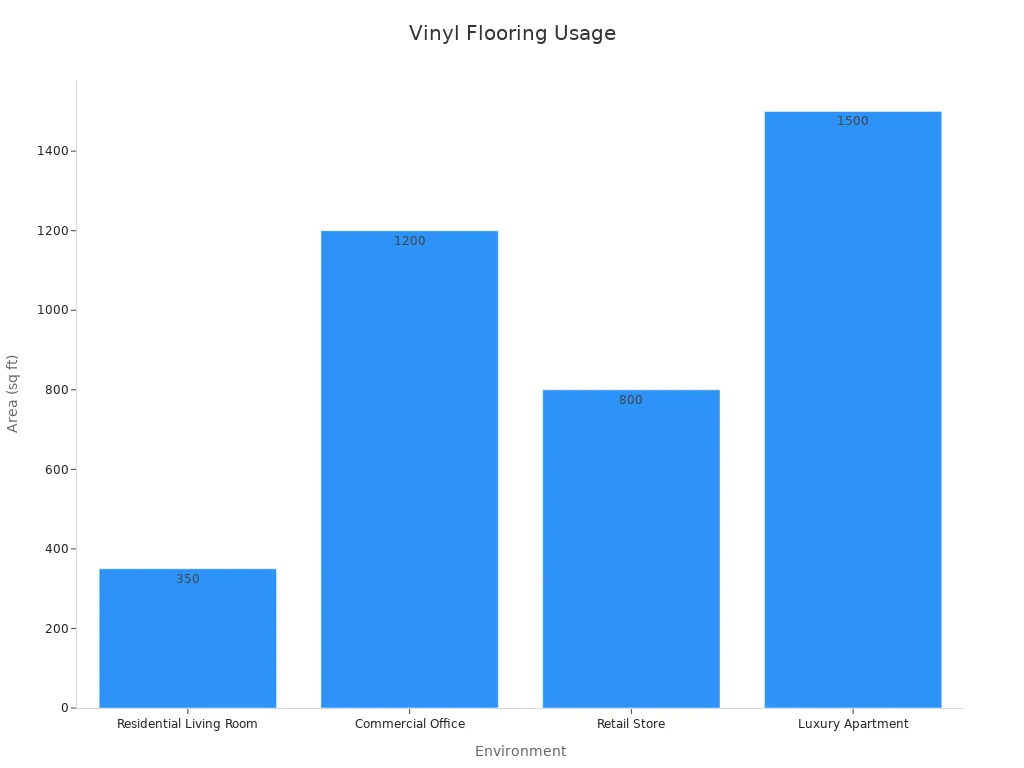
- Vinyl plank flooring and lvt: Best for living rooms, bedrooms, basements, and commercial spaces.
- Vinyl sheet flooring: Best for bathrooms, kitchens, laundry rooms, and large open areas.
Note: The differences between vinyl plank and vinyl sheet help you match the right floor to your needs. Think about the room, the look you want, and how much water the floor will face.
Luxury Vinyl Flooring vs Luxury Vinyl Tile (LVT)
Design and Application Differences
You may wonder how luxury vinyl flooring and luxury vinyl tile differ in your home. Both options give you strong, stylish floors, but they have unique features. Luxury vinyl tile, or LVT, comes in square or rectangular shapes. You often see LVT mimic natural stone, ceramic, or porcelain tile. This gives your room a modern, sleek, or even industrial look. LVT works well if you want to create patterns like herringbone or checkerboard.
Luxury vinyl plank, another type of luxury vinyl flooring, looks like real hardwood. You get warm, natural wood grain textures and a realistic wood appearance. Plank formats fit well in living rooms or bedrooms where you want a cozy feel.
Here is a table to help you compare LVT and luxury vinyl plank:
| Aspect | Luxury Vinyl Tile (LVT) | Luxury Vinyl Plank (LVP) |
|---|---|---|
| Design Aesthetics | Mimics stone, ceramic, or porcelain; tile shapes; modern or industrial look | Mimics hardwood; plank shapes; warm, natural wood grain |
| Durability & Maintenance | More resistant to dents and scratches; great for high-traffic or wet areas | Durable and water-resistant; may dent under heavy furniture |
| Installation Methods | Glue-down, click-lock, loose lay; allows creative patterns | Click-lock system; easier DIY; flexible for uneven floors |
| Cost Considerations | Higher cost per square foot; premium look | More affordable; realistic wood look |
| Environmental Impact | Eco-friendly options; recycled content available | Low VOC options; better indoor air quality |
Tip: Choose LVT if you want a tile look with extra durability. Pick luxury vinyl plank for a wood look and easy installation.
Which to Choose for Your Space
You need to match your flooring to your space and lifestyle. LVT stands out in kitchens, bathrooms, and entryways. The tile shape and strong surface make luxury vinyl tile perfect for areas with lots of moisture or heavy foot traffic. You can clean LVT easily, and it resists dents and scratches. If you want to create bold patterns or a modern style, LVT gives you more design freedom.
Luxury vinyl plank fits best in living rooms, bedrooms, and family spaces. The plank design brings warmth and a natural wood feel. You can install luxury vinyl plank yourself with a click-lock system. This saves time and money. LVT also offers easy installation, but you may need glue-down or loose lay methods for some patterns.
When you choose between luxury vinyl tile and other luxury vinyl flooring, think about your room’s needs. LVT gives you a premium tile look and strong performance in busy or wet areas. Luxury vinyl plank gives you comfort and a classic wood style for relaxing spaces.
Note: Both LVT and luxury vinyl plank offer eco-friendly choices. Look for low VOC products to keep your indoor air healthy.
Which is Right for Your Home? Decision Guide
Room Type Considerations
You want your flooring to match each room’s needs. Some rooms see more water, while others need comfort or style. For entryways and kitchens, vinyl or LVP works well because both resist water and clean up easily. Bathrooms need waterproof floors, so vinyl sheet or LVP with a waterproof core is a smart pick. Bedrooms and living rooms often need warmth and comfort. LVP gives you a soft, wood-like feel, while carpet adds extra coziness. In dining rooms, you may prefer hardwood or laminate for elegance, but LVP can also give you a stylish look with less upkeep.
Tip: Always think about how much moisture, foot traffic, and cleaning each room will need before you choose your flooring.
Lifestyle and Durability Needs
Your lifestyle shapes your flooring needs. If you have pets or children, you need a floor that stands up to scratches, spills, and heavy use. LVP is highly durable and waterproof, making it a top pick for busy homes. Vinyl sheet flooring also handles lots of activity and is easy to clean. If you want a floor that lasts, look for thick wear layers and strong cores. Studies show that most homeowners choose durable floors when they have active families or pets. Hardwood looks elegant but needs more care and does not handle water as well as LVP or vinyl.
Here is a quick comparison to help you decide:
| Flooring Type | Best For | Durability | Maintenance |
|---|---|---|---|
| LVP | Active homes, pets, children | High | Low |
| Vinyl Sheet | Wet areas, busy spaces | High | Low |
| Hardwood | Low-traffic, formal spaces | Moderate | High |
| Carpet | Bedrooms, quiet spaces | Moderate | Moderate |
Budget and Design Preferences
You want a floor that fits your budget and matches your style. Vinyl and LVP offer many design choices at affordable prices. Digital printing lets you pick from wood, stone, or bold patterns without spending a lot. If you want a premium look but need to save money, LVP and vinyl are great options. Many homeowners choose these floors because they balance cost, durability, and style. Trends show that people like easy-to-install floors that look good and last long. If you want a unique design, look for customizable finishes and textures.
Note: The right choice for your home depends on your room, lifestyle, and budget. Take time to compare options and pick the floor that meets your needs.
You want the best floor for your home. LVP gives you style, comfort, and durability. Many homeowners choose LVP because it looks like real wood, feels soft, and lasts a long time. You can install it easily and clean it with little effort. However, vinyl sheet flooring works well if you need a waterproof surface or have a tight budget. Vinyl sheet flooring covers large spaces with few seams. You find vinyl sheet flooring in kitchens, bathrooms, and basements. Vinyl sheet flooring also resists water and stains. When you compare LVP and vinyl sheet flooring, think about your room, your needs, and your budget.
- LVP offers a quiet, comfortable surface and fits many styles.
- Vinyl sheet flooring gives you a seamless, easy-to-clean floor for wet areas.
Choose the floor that matches your lifestyle. Both LVP and vinyl sheet flooring help you create a home you love.
FAQ
What is the main difference between LVP and vinyl sheet flooring?
You get individual planks with LVP that look like real wood. Vinyl sheet flooring comes in large rolls and creates a seamless surface. LVP works well for style and comfort. Vinyl sheet flooring is best for waterproofing and easy cleaning.
Can you install LVP or vinyl flooring yourself?
Yes, you can install both types yourself. LVP often uses a click-lock system, which makes it easy for DIY projects. Vinyl sheet flooring may need more skill, especially in large rooms. Always follow the manufacturer’s instructions for best results.
Is LVP safe for homes with pets?
LVP is a great choice for homes with pets. It resists scratches and stains. You can clean up accidents easily. Many pet owners choose LVP because it stands up to heavy use and keeps your home looking good.
How long does vinyl flooring last?
You can expect vinyl flooring to last 15 to 20 years with proper care. High-quality products may last even longer. Regular cleaning and quick spill cleanup help extend the life of your floor.
Does LVP or vinyl flooring need special cleaning products?
You do not need special cleaners for LVP or vinyl flooring. Use a damp mop and mild detergent. Avoid harsh chemicals or abrasive tools. This keeps your floor looking new and prevents damage.




