
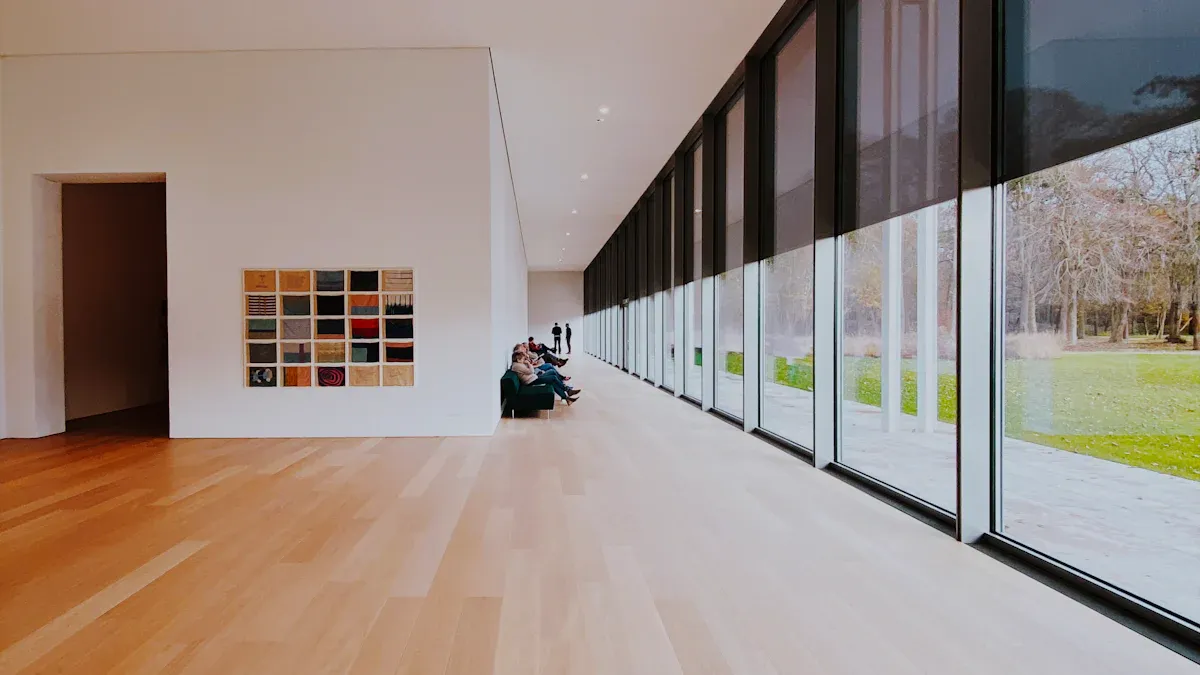
When you see the term lvp meaning flooring, it stands for luxury vinyl plank, a type of flooring designed to mimic real wood. Luxury vinyl plank flooring gives you the look of hardwood with added benefits like easy cleaning and strong resistance to scratches. Many homeowners and businesses choose lvp flooring because it handles heavy use and moisture better than real wood.
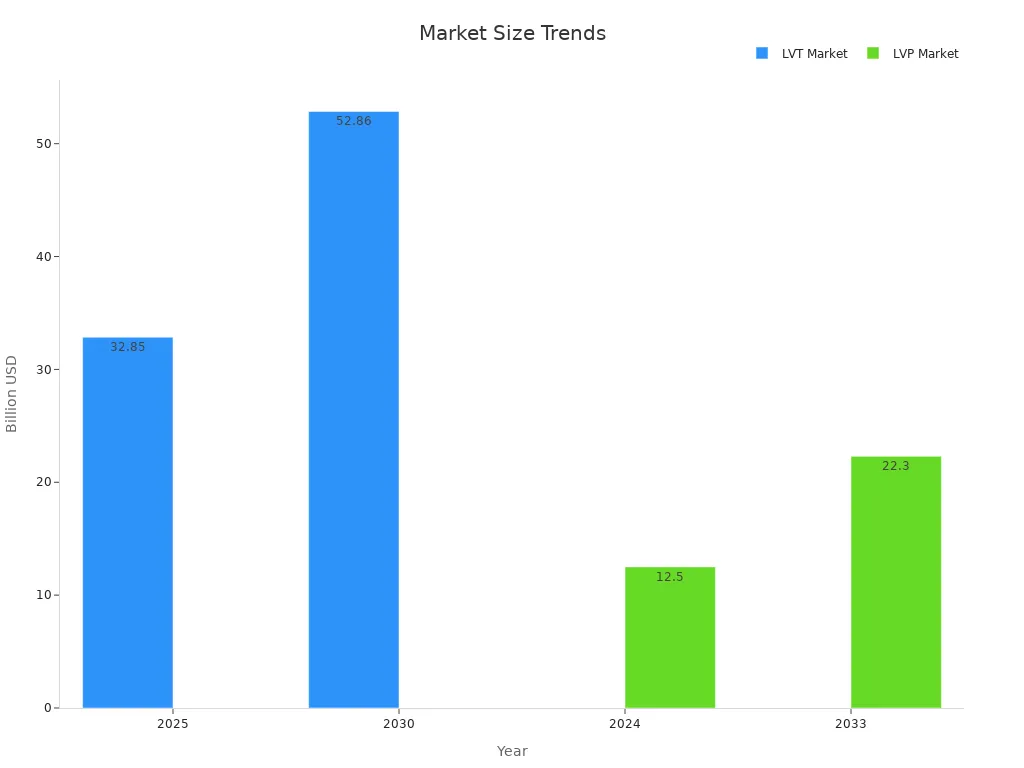
The popularity of lvp continues to rise, with the market valued at $12.5 billion in 2024 and expected to reach $22.3 billion by 2033. This growth shows how much people trust vinyl plank flooring for both style and durability.
What Is LVP Meaning Flooring?
Definition of Luxury Vinyl Plank Flooring
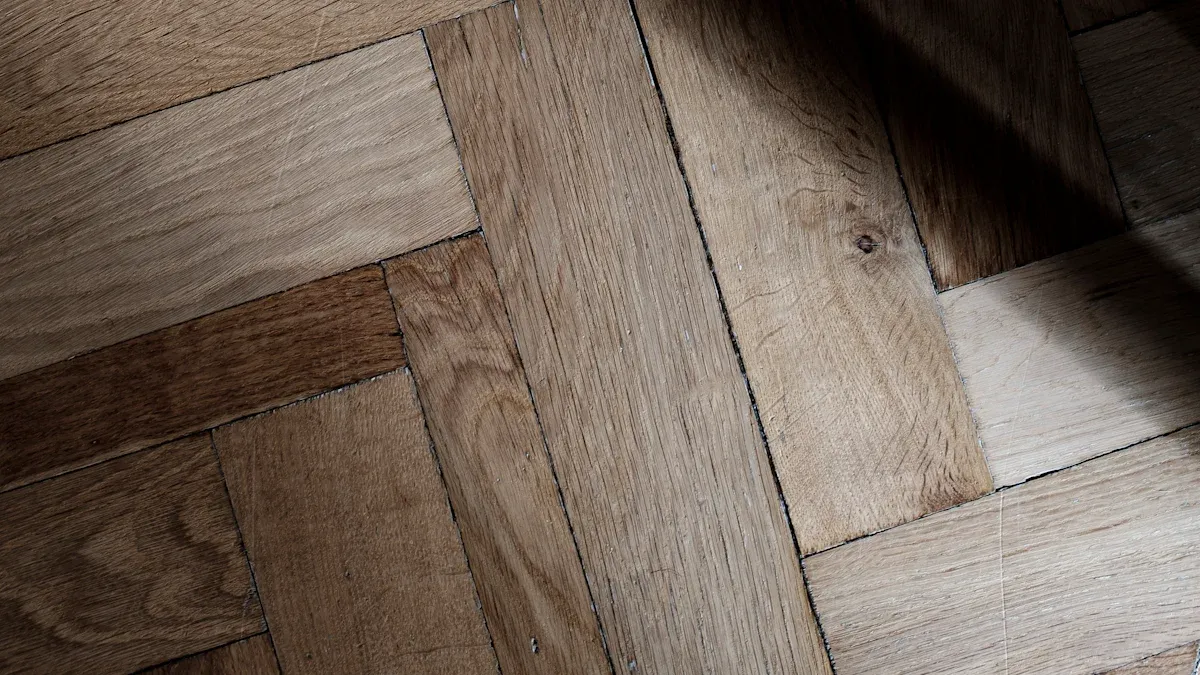
When you hear the term lvp meaning flooring, you are learning about a modern type of floor that combines style and strength. LVP stands for luxury vinyl plank. This flooring looks like real wood but uses advanced materials to give you extra benefits. Luxury vinyl plank flooring is a popular choice for homes and businesses because it offers the beauty of hardwood with added durability and easy care.
Luxury vinyl plank flooring belongs to a group called resilient flooring. This group includes materials like vinyl, rubber, and linoleum. You can find these floors as sheets, planks, or tiles. Luxury vinyl plank stands out because it is tough, comfortable, and works well in many places, such as kitchens, living rooms, shops, and schools.
Note: Market research shows that luxury vinyl plank flooring is a top choice for both residential and commercial spaces. Its popularity comes from its durability, comfort, and ability to reduce noise and resist slipping.
Here is a table that shows how experts define and study the flooring market:
| Aspect | Details |
|---|---|
| Market Definition | Flooring market segmented by product types including Luxury Vinyl Tiles (LVT) and Vinyl. |
| Market Segmentation | By Product: Vitrified Tiles, Vinyl, LVT, Wood & Laminate, etc. |
| By Application: Commercial, Residential, Industrial | |
| By Region: North America, Europe, Asia-Pacific, South America, Middle East & Africa | |
| Research Methodology | Qualitative: Customer needs, perceptions, product concepts. |
| Quantitative: Data collection via interviews, surveys, pilot studies, statistical analysis. | |
| Data Sources | Primary: Interviews with CXOs and experts. |
| Secondary: Purchased databases, industry databases, import/export data, trade info. | |
| Purpose | To provide accurate market insights, define and describe luxury vinyl tiles within flooring market context. |
How LVP Flooring Is Made
You might wonder how lvp flooring gets its strength and realistic look. Manufacturers use a multi-layer process to create each plank. The main material is polyvinyl chloride (PVC) resin. They mix this with stabilizers and fungicides to make the planks strong and long-lasting.
Luxury vinyl plank flooring usually has four main layers:
- Backing Layer: This bottom layer gives the plank stability and helps with sound absorption. It often uses foam, cork, or IXPE underlayment.
- Core Layer: The core provides structure and resilience. It can be a flexible vinyl core, a stone plastic composite (SPC) core, or a wood plastic composite (WPC) core. Each type offers different benefits for comfort and durability.
- Image Layer: This layer uses high-definition printing to create a realistic wood or stone look. Some planks even have embossed textures for a more natural feel.
- Wear Layer: The top layer protects against scratches, stains, and scuffs. The thickness of this layer affects how long your floor will last.
Manufacturers follow strict standards to make sure lvp flooring is safe and eco-friendly. Many brands use recycled materials and aim for certifications like UL GREENGUARD, which means the flooring has low chemical emissions and supports healthy indoor air.
Some companies, like Mohawk Industries and HMTX, use recycled plastics and energy-saving methods to make their products. They also work to reduce greenhouse gas emissions and waste.
Key Characteristics of Vinyl Plank Flooring
Vinyl plank flooring gives you many advantages that make it a smart choice for busy homes and public spaces. Here are some key features:
- Waterproof Performance: LVP flooring resists water and moisture. Tests show that it can handle full submersion, high humidity, and pressure without swelling or damage. This makes it perfect for kitchens, bathrooms, and basements.
- Durability: The wear layer protects against scratches, dents, and stains. High-quality lvp flooring passes strict tests for strength, including pressure and temperature resistance.
- Comfort and Sound Absorption: The backing and core layers add softness underfoot and help reduce noise. WPC cores, for example, make the floor feel warmer and quieter.
- Easy Installation: Most luxury vinyl plank flooring uses a click-together system. This system lets you install the floor without glue or nails. Reliable locking systems prevent planks from separating or moving.
- Realistic Appearance: The image layer uses advanced printing to mimic real wood, stone, or tile. Some planks have textures that feel like natural materials.
- Safety and Quality: LVP flooring meets safety standards for slip resistance and fire safety. It also has low formaldehyde emissions, making it safe for indoor use.
Here is a table comparing different types of vinyl flooring cores:
| Flooring Type | Core Material | Durability & Stability | Comfort & Feel | Water Resistance | Price Range |
|---|---|---|---|---|---|
| LVP | Flexible PVC core | Good durability, flexible but less dent-resistant than SPC | Softer, more comfortable underfoot | Waterproof | Most affordable |
| SPC | Rigid limestone composite core | Most durable and stable, resistant to dents and temperature changes | Harder, less comfortable underfoot | Waterproof | More expensive than LVP |
| WPC | Wood plastic composite core | Moderate durability and stability | Cushioned, soft, good sound absorption | Waterproof | Typically costliest |
Tip: When you choose lvp meaning flooring, you get a floor that is easy to maintain, looks great, and stands up to daily life. You can trust it to last for years, even in busy areas.
Key Features of Luxury Vinyl Plank Flooring
Durability and Longevity
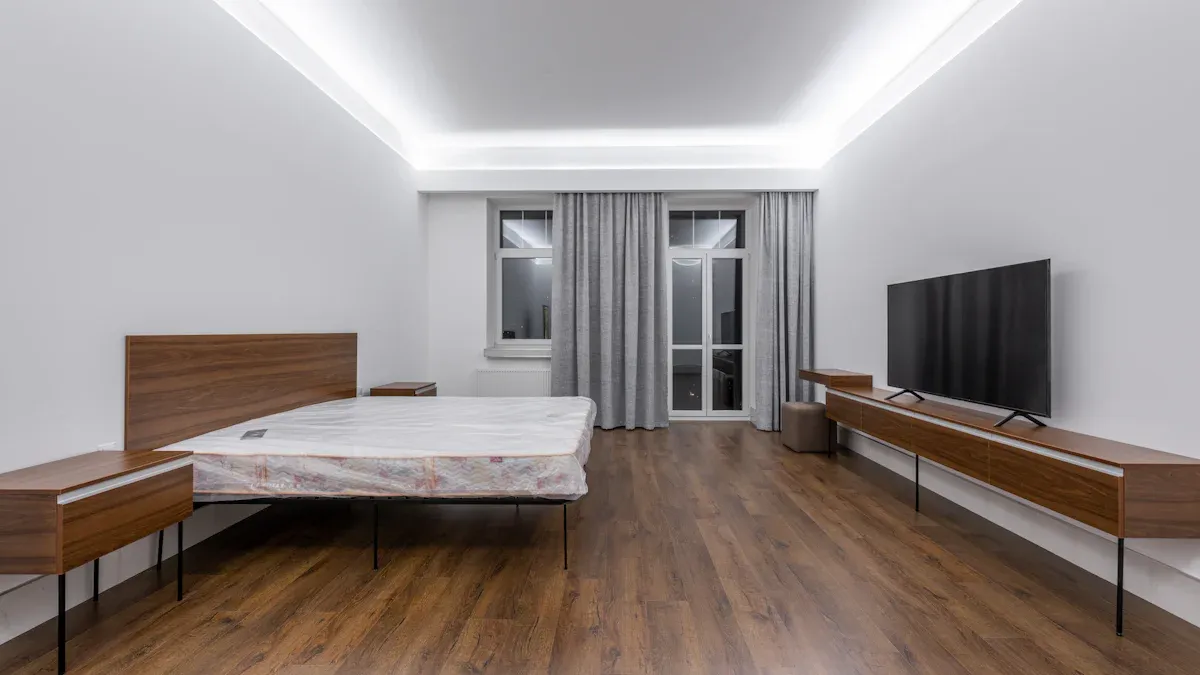
You want a floor that stands up to daily life. Luxury vinyl plank flooring gives you that strength. The wear layer on top protects against scratches, dents, and stains. You can move furniture, drop toys, or walk with shoes, and the surface stays looking new. Many brands test their vinyl plank flooring for heavy use. These tests show that lvp flooring can last for years, even in busy homes or stores.
You do not need to worry about fading. The color stays bright because the image layer resists sunlight. Some luxury vinyl plank flooring comes with warranties that last 10, 20, or even 30 years. This means you get peace of mind when you choose lvp. You can trust your floor to handle pets, kids, and lots of foot traffic.
Tip: If you want your floor to last longer, use felt pads under furniture and clean up spills quickly.
Water and Moisture Resistance
You might worry about water damage with other floors. Vinyl plank flooring solves this problem. LVP flooring uses waterproof materials from top to bottom. The core and backing layers do not absorb water. You can install luxury vinyl plank flooring in kitchens, bathrooms, laundry rooms, and basements without fear.
Spills, splashes, and even puddles will not harm your floor. You can mop or wipe up water, and the planks will not swell or warp. This makes lvp a smart choice for families and pet owners. Many people pick luxury vinyl flooring for rooms where moisture is a problem.
Here is a quick comparison of water resistance:
| Flooring Type | Water Resistance | Best Rooms |
|---|---|---|
| Hardwood | Low | Living rooms, bedrooms |
| Laminate | Medium | Bedrooms, offices |
| Vinyl Plank Flooring | High | Kitchens, bathrooms, basements |
Note: Always check the manufacturer’s instructions before installing vinyl plank flooring in wet areas.
Realistic Wood Appearance
You want your home to look stylish. Luxury vinyl plank flooring gives you the beauty of real wood without the high cost. The image layer uses high-definition printing. This technology creates patterns that look just like oak, maple, walnut, or even exotic woods. Some planks have embossed textures. When you touch the surface, you feel grooves and knots, just like real wood.
You can choose from many colors and styles. Whether you like light, dark, rustic, or modern looks, you will find a vinyl plank flooring option that fits your taste. LVP flooring lets you match your floor to your furniture and walls. Guests often cannot tell the difference between luxury vinyl plank and real hardwood.
Did you know? Some luxury vinyl plank flooring even mimics stone or tile, giving you more design choices for every room.
Installation Methods for LVP Flooring
You have several options when you install lvp in your home or business. Each method offers unique benefits and costs. The right choice depends on your budget, skill level, and the room where you want to lay the floor.
Here is a table that compares the main installation methods for lvp:
| Installation Method | Installation Efficiency | Labor Cost (per sq ft) | Material Cost (per sq ft) | Additional Costs | Notes |
|---|---|---|---|---|---|
| Floating | Most time-saving; snap-together design; no removal of existing flooring needed | $1 – $5 (labor) | $4.65 (DIY LVT) to $7.65 (pro installed LVT) | Removal of old flooring: $1 – $2; Underlayment: ~$0.50 | Optimal for budget-conscious projects; easy and cost-efficient |
| Glue-down | Labor-intensive and time-consuming | Higher labor cost comparable to engineered hardwood | Included in above range but labor increases total cost | Same as above | More labor-intensive; stylish finish; cost-effective but higher labor expense |
| Peel-and-stick | Simple installation but requires very level, sturdy subfloor | Minimal labor but prep time can increase cost | Generally affordable materials | Same as above | Requires careful subfloor prep to avoid warping; flexible core materials |
The floating method stands out for its easy installation. You snap the planks together, and you do not need to remove the old floor in most cases. This method saves you time and money. Many people choose floating lvp because you can install it yourself, even if you have little experience. The locking mechanism in rigid core vinyl flooring makes this process even simpler. You get a sturdy floor that works well in areas with moisture.
Glue-down lvp takes more time and effort. You spread adhesive on the subfloor and press each plank into place. This method gives you a seamless look and a strong bond. It works well in busy spaces like stores or offices. However, you may need to hire a professional, which increases labor costs.
Peel-and-stick lvp offers another option. You peel off the backing and stick the plank to the floor. This method works best if your subfloor is smooth and level. You save on labor, but you must spend extra time preparing the surface. If you skip this step, the planks may warp or shift.
Tip: Always check the manufacturer’s instructions before you start. Some lvp products need special underlayment or extra steps for best results.
Comfort and Sound Qualities
When you walk on lvp, you notice the comfort right away. The multi-layer design gives you a soft, cushioned feel underfoot. The backing layer, often made of foam or cork, adds extra support. This makes standing or walking on the floor more pleasant, especially in kitchens or playrooms.
Lvp also helps reduce noise in your home. Industry tests, such as the Impact Insulation Class (IIC), show that lvp achieves a rating around 60. This means it absorbs impact sounds, like footsteps or dropped objects, better than hard surfaces like tile or stone. You hear less noise when people walk or move furniture. The Noise Reduction Coefficient (NRC) for vinyl plank flooring is also high, so it absorbs sound instead of bouncing it back into the room.
The core and wear layers in lvp dampen vibrations and block sound from traveling between floors. If you live in an apartment or multi-story house, this feature helps keep your space quieter. You can add an acoustic underlayment, such as foam or cork, for even better sound control.
Note: Foam-backed lvp provides extra cushioning and sound dampening. This makes it a smart choice for bedrooms, living rooms, and offices where comfort and quiet matter most.
Lvp gives you a comfortable, quiet floor that works well in many settings. You enjoy both the soft feel and the reduced noise, making your home or business more pleasant every day.
LVP Flooring vs. Other Vinyl Plank Flooring Types
LVP vs. LVT (Luxury Vinyl Tile)
You may wonder how lvp compares to lvt. Both types use vinyl as the main material, but they look and feel different. Lvp comes in planks that look like wood. Lvt comes in tiles that look like stone or ceramic. You often see lvt in kitchens and bathrooms because it handles moisture well. Lvt offers a wide range of designs, including patterns that mimic stone and wood. Luxury vinyl tile stands out for its durability and easy cleaning. You can sweep or mop lvt without worry.
Lvt uses a flexible core, which makes it comfortable underfoot. It resists dents and scratches, making it a good choice for busy homes. Lvt also works well in commercial spaces. Many people choose lvt for its low cost and simple maintenance. Lvp focuses on wood-like visuals, while lvt gives you more tile-like options. Both offer waterproof performance, but lvt often costs less.
Tip: If you want a floor that looks like tile or stone, lvt is your best choice. If you want a wood look, lvp is better.
LVP vs. SPC (Stone Plastic Composite)
You might see spc flooring in stores and wonder how it differs from lvp. Spc uses a rigid core made from limestone powder and plastic. This makes spc very strong and dent-resistant. Lvp uses a flexible vinyl core, so it feels softer underfoot. Spc works well in high-traffic areas and places with lots of moisture, like bathrooms and basements.
Here is a table to help you compare:
| Attribute | LVP | SPC |
|---|---|---|
| Core Material | Flexible vinyl | Rigid limestone and plastic |
| Comfort | Softer, warmer feel | Harder, solid support |
| Durability | Good, but less than SPC | Superior, resists dents and heat |
| Water Resistance | Waterproof | 100% waterproof |
| Cost | $1–$6 per sq ft | $3.50–$7 per sq ft |
| Installation | Adapts to uneven subfloors | Easy over existing floors |
Spc costs more than lvp, but it lasts longer in tough conditions. You should pick spc if you need extra strength and water resistance.
LVP vs. WPC (Wood Plastic Composite)
Wpc flooring gives you another option. Wpc uses a core made from wood-like materials, plastic, and vinyl. This makes wpc softer and quieter than both lvp and spc. You feel more comfort underfoot with wpc, and it absorbs sound better. Wpc is also 100% waterproof, so you can use it in kitchens and bathrooms.
Wpc costs more than lvp and spc, but you get extra comfort and sound control. Many people choose wpc for bedrooms, living rooms, and offices where comfort matters most. Lvp gives you a balance of price, comfort, and style. Wpc is best if you want the softest, quietest floor.
Here is a quick comparison of lvt, spc, and wpc:
| Performance Attribute | LVT | SPC | WPC |
|---|---|---|---|
| Durability | Moderate | Superior | Moderate |
| Water Resistance | Waterproof | Waterproof | 100% Waterproof |
| Comfort | Moderate | Less comfortable | Excellent |
| Cost | Most affordable | Moderate | Most expensive |
| Installation Ease | Needs adhesive | Easy, DIY-friendly | Easiest, DIY-friendly |
Note: Your choice depends on what you need most—strength, comfort, or price. Lvt, spc, and wpc each offer unique benefits for your home.
Pros and Cons of Luxury Vinyl Plank
Advantages of LVP Flooring
You get many benefits when you choose luxury vinyl plank flooring. This type of floor stands out for its value, speed, and strength. Here are some key advantages:
- You save money. The installation cost of LVP is about one-third of hardwood or tile. This makes it one of the most affordable vinyl flooring solutions.
- You save time. You can finish a typical LVP installation in as little as 90 minutes. You do not need much prep work.
- You enjoy high durability. LVP resists scratches and water damage. Some installers say you may not need to replace it even after flooding.
- You get a tough surface. Many LVP floors use aluminum oxide in the finish. This makes the surface almost impossible to scratch or scuff.
- You find many design options. LVP and lvt come in many colors and patterns. You can match any room style.
- You get easy care. You can sweep or mop LVP and lvt floors with little effort.
Here is a table that shows the strong market growth for lvt and related products:
| Metric | Value |
|---|---|
| Market Size in 2024 | USD 55.58 Billion |
| Market Forecast for 2033 | USD 116.83 Billion |
| Compound Annual Growth Rate | 9.73% (2025-2033) |
| Leading Product Segment | Luxury Vinyl Tile (LVT) |
| Dominant Sector | Residential (cost-effective, durable, low maintenance) |
Tip: LVP and lvt floors give you a smart mix of style, strength, and savings.
Drawbacks of Vinyl Plank Flooring
You should also know the limits of LVP and lvt. Some issues may affect your choice or how you use these floors.
- You may face installation problems. Sometimes, seams can split during installation. This may need repairs.
- You cannot use all types in wet areas. Some lvt and vinyl overlays do not work well in places with lots of water.
- You might need more effort to move heavy items. Staff in some studies found it harder to push wheeled equipment on vinyl overlays.
- You may need to change your routine. Some workplaces had to add staff or change shifts because of the floor’s shock-absorbing features.
- You do not always get fewer falls or injuries. Studies show that up to 75% of falls happened on floors with vinyl overlays. Injury rates were about the same as with other hard floors.
- You might face extra costs. Some managers reported higher costs for training, equipment, or staff changes, but these costs are not always clear.
- You may notice cleaning or comfort issues. Some people said it took time to get used to the feel and care of lvt and vinyl plank floors.
Note: You should think about your space and needs before picking LVP or lvt. These floors work best when you match them to the right room and use.
Is Luxury Vinyl Plank Flooring Right for You?
Best Rooms and Applications for LVP
You can use luxury vinyl plank flooring in almost any room. LVP works well in places where you need water resistance and durability. Many people choose it for kitchens, bathrooms, and basements because it stands up to moisture. You also see LVP in living rooms, bedrooms, and hallways. The MSI CrystaLux™ protection layer helps your floor resist scratches and stains, so it is great for high-traffic areas.
LVP meets strict indoor air quality standards. It has certifications like FloorScore®, GREENGUARD Gold, and USGBC LEED. You can trust it in homes, schools, and offices. Cleaning is easy. You only need to sweep and mop. You do not need special cleaners or refinishing. LVP is tested for sound absorption and slip resistance, making it safe for many spaces.
- Water-resistant: kitchens, bathrooms, basements
- Durable: living rooms, bedrooms, hallways
- Safe: certified for indoor air quality
- Easy to clean: regular sweeping and mopping
Suitability for Pets and Kids
If you have pets or children, LVP is a smart choice. The surface resists scratches better than hardwood. You can clean up spills and messes quickly. LVP is waterproof, so you do not worry about accidents. The floor comes in many styles, so you can match your home’s look.
Manufacturers recommend a wear layer of at least 12 MIL for homes with pets and kids. This thickness protects your floor from damage. Years of testing show that LVP with a 12 MIL wear layer stands up to heavy use. You get a floor that lasts, even with active pets and children running around.
Budget and Value Considerations
You want a floor that fits your budget. LVP and lvt offer strong value. Material costs for LVP range from $2.50 to $4.00 per square foot. Professional installation adds $2.00 to $5.00 per square foot. If you install it yourself, you save money. For a 500-square-foot room, your total cost is about $1,500 to $5,000.
| Cost Component | Details |
|---|---|
| Material Cost | $2.50–$4.00 per sq ft (LifeProof LVP) |
| Installation Cost | $2.00–$5.00 per sq ft (professional) |
| Total Project Cost | $1,500–$5,000 for 500 sq ft |
| Features | Waterproof, durable, scratch-resistant |
| Comparison to Hardwood | Similar look, lower price, easier install |
LVT and LVP cost less than hardwood or ceramic tile. LVT prices range from $2 to $5 per square foot, while hardwood can cost $8 to $25. Installation for LVT is also cheaper. You get a stylish, durable floor without spending too much. Many people choose LVP and lvt for their homes and businesses because of these savings.
LVP Flooring Maintenance
Cleaning and Care Tips
You can keep your luxury vinyl plank flooring looking new with a few simple habits. Regular cleaning helps your floor last longer and keeps it safe from scratches and stains. Most experts recommend these steps:
- Sweep or vacuum your floor every day to remove dirt and grit.
- Wipe up spills right away to prevent stains.
- Mop with a microfiber mop and a mild, manufacturer-approved cleaner. Avoid using harsh chemicals or wax-based products.
- Use a two-bucket system when mopping. One bucket holds clean water, and the other holds dirty water. This protects the wear layer from damage.
- Deep clean your floor every few months. Use mild soap or a baking soda solution for tough spots. For stubborn stains, try a small amount of mineral spirits or isopropyl alcohol, but test in a hidden area first.
A 2014 study by Catalina Research and the Floor Covering Institute shows that luxury vinyl plank flooring stands out for its low maintenance needs. You do not need special cleaners or heavy scrubbing. Microfiber mops work best because they use less water and pick up more dirt. Regular care like this helps your floor resist scratches and keeps it looking bright.
Tip: Professional cleaning can help remove deep stains and restore shine if your floor starts to look dull.
Preventing Damage to Luxury Vinyl Plank
You can extend the life of your LVP flooring by following a few easy rules. With proper care, your floor can last up to 25 years. Most floors last between 10 and 20 years, depending on how you use them.
- Place unbacked doormats at entrances to trap dirt and grit.
- Use floor protectors or furniture pads under chairs and tables.
- Control humidity in your home to prevent warping.
- Avoid wearing high heels or dragging heavy items across the floor.
- Close blinds or curtains during peak sunlight to prevent fading.
- Never use high-speed buffers or burnishers, as these can damage the surface.
- Consider resealing your floor every few years to boost stain and scratch resistance.
If you notice scratches, you can repair shallow marks with a vinyl floor sealer. For deeper scratches, use a spot-repair kit. These simple steps help you protect your investment and keep your LVP flooring looking its best for years.
Luxury vinyl plank flooring gives you a strong, stylish, and affordable option for your home or business. You enjoy easy installation, low maintenance, and realistic wood designs. LVP works well in kitchens, bathrooms, living rooms, and offices. The market keeps growing because people want floors that last and look great.
| Key Benefit | Why It Matters |
|---|---|
| Durability | Handles heavy use and resists scratches |
| Water Resistance | Safe for kitchens and bathrooms |
| Cost-Effectiveness | Fits most budgets |
| Design Innovation | Offers many colors and patterns |
- You find LVP in homes, stores, and hotels worldwide.
- New technology makes LVP even more realistic and eco-friendly.
- Choose LVP if you want a floor that meets your needs and style.
FAQ
What does LVP stand for in flooring?
LVP stands for Luxury Vinyl Plank. You get a floor that looks like real wood but uses strong vinyl materials. This type of flooring offers durability, water resistance, and easy care.
Can you install LVP flooring over existing floors?
Yes, you can install LVP over many existing floors. You need a clean, flat surface. Floating LVP works well for DIY projects. Always check the manufacturer’s instructions before you start.
Is LVP flooring safe for pets?
You can trust LVP flooring for homes with pets. The surface resists scratches and stains. You clean up accidents easily. Many pet owners choose LVP because it stands up to daily wear from claws and paws.
How long does luxury vinyl plank flooring last?
Most LVP floors last 10 to 20 years. Some high-quality brands offer warranties up to 30 years. You extend the life of your floor with regular cleaning and by using furniture pads.
Does LVP flooring need special cleaning products?
You do not need special cleaners for LVP. Use a damp mop and a mild, pH-neutral cleaner. Avoid harsh chemicals and wax. Regular sweeping or vacuuming keeps your floor looking new.




