

You might wonder if you should focus on vinyl flooring toxic concerns or core design when choosing flooring for your home. Both matter a lot. Toxic materials can affect your health. Poor core design can lead to quick wear and water damage. You want a floor that keeps your air clean and stands up to daily life. Look for products that balance safety and durability.
Vinyl Flooring Toxic—Health and Safety Concerns

Common Toxic Substances in Vinyl Flooring
You need to know what makes vinyl flooring toxic. Many vinyl floors contain chemicals that can harm your health. Some of the most common toxic substances include:
- Dioxins: These are known carcinogens found in vinyl flooring.
- Phthalates: These chemicals are linked to asthma, learning disabilities, and birth defects.
- Vinyl Chloride: This is a human carcinogen that can affect workers and families.
- Volatile Organic Compounds (VOCs): These contribute to indoor air pollution and can cause respiratory and neurological issues.
| Toxic Substance | Health Risks |
|---|---|
| Phthalates | Asthma, learning disabilities, birth defects, and other serious health problems. |
| Dioxins | Cancer, toxic at low levels, targeted for international phase-out. |
| Vinyl Chloride | Cancer, harmful to workers and the public. |
| VOCs | Indoor air pollution, respiratory and neurological issues. |
Health Risks and Indoor Air Quality
Vinyl flooring toxic substances can affect your indoor air quality. VOCs release chemicals into the air, especially after installation. Children living in homes with vinyl flooring often show higher levels of phthalate metabolites in their urine. Phthalate exposure can cause airway inflammation and increase asthma risk. The U.S. Consumer Safety Product Commission links benzyl butyl phthalate to asthma, eczema, and reproductive disorders. Off-gassing peaks in the first few weeks after installation. Long-term exposure can be dangerous for children, seniors, and people with respiratory conditions.
Tip: You can improve indoor air quality by choosing vinyl flooring tested for low VOC emissions.
Identifying Low-Toxicity Options
You can find safer vinyl flooring toxic solutions by looking for products with certifications. These certifications show that the flooring has low VOC emissions and fewer harmful chemicals. Look for:
- VOC emissions testing, such as California Section 01350.
- GREENGUARD certification for low chemical emissions.
- FloorScore certification for health and safety standards.
- EPA Safer Choice label for safer products.
Non-toxic vinyl flooring brands use less phthalates and have lower VOC emissions. Choosing certified products helps protect your health and keeps your indoor air clean.
Core Design in Vinyl Flooring—Performance and Durability
What Is Core Design in Vinyl Flooring?
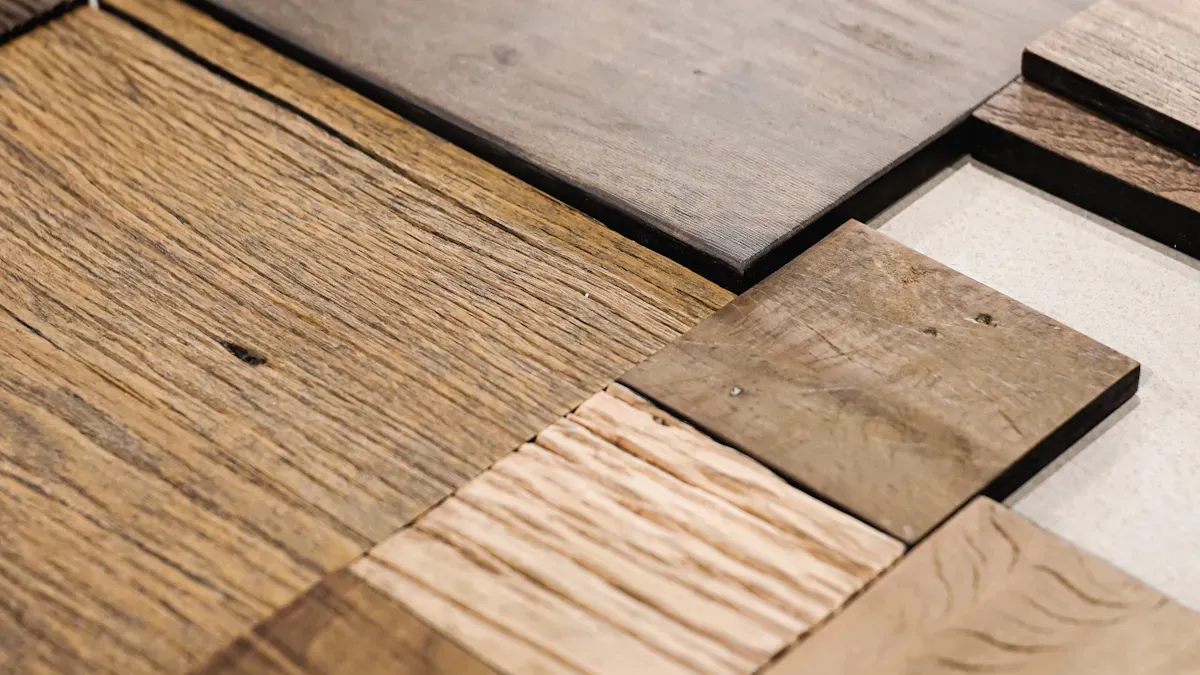
Core design refers to the inner structure of your vinyl flooring. This core gives the floor its strength, stability, and comfort. You will find different types of cores, such as SPC (Stone Plastic Composite) and WPC (Wood Plastic Composite). Each type uses unique materials to create a solid base for the floor. The core thickness also matters. Thicker cores work best in busy areas or homes with heavy furniture. Thinner cores suit temporary spaces or rentals.
| Core Thickness | Application | Benefits |
|---|---|---|
| Thicker Cores (5–7mm) | High-traffic, heavy furniture, multi-story | More durable, quieter, hides subfloor flaws, better insulation |
| Standard Cores (4–5mm) | Most homes | Good comfort and stability |
| Thinner Cores (3–4mm) | Rentals, temporary installs | Budget-friendly, needs smooth subfloor |
SPC cores use stone-plastic for higher density and strength. WPC cores use wood-plastic for more comfort underfoot. You can choose the right core based on where you plan to install the floor.
Durability, Stability, and Moisture Resistance
A strong core design makes your floor last longer. You get better resistance to dents, scratches, and heavy foot traffic. The dense core also helps block out noise, making your home quieter. Many modern vinyl floors use a waterproof core. This means spills or even standing water will not damage your floor.
The waterproof inert core layer, made from materials like bamboo dust, limestone, and PVC, creates a plank that will never swell, even if submerged in water.
You also benefit from easy installation. Many floors use a click-lock system, so you do not need glue or nails. This system keeps the floor stable, even when temperatures or humidity change.
- The rigid core keeps each plank stable and repels moisture from all sides.
- The surface wear layer protects against scratches and scuffs, which is great if you have pets or kids.
Impact on Daily Living and Long-Term Value
Core design affects your daily comfort and your home’s value. Floors with advanced cores feel warmer and softer underfoot. They reduce noise, which helps if you live in a busy household. High-quality vinyl flooring can last 15–25 years. This long life and easy care make your home more attractive to buyers.
| Flooring Type | Longevity | Resale Impact |
|---|---|---|
| High-Quality LVP | 15–25 years | Positive and Strong |
| High-Quality Laminate | 10–20 years | Neutral to Positive |
A well-designed core means less worry about repairs or replacements. You enjoy a floor that looks good, feels comfortable, and adds value to your home.
skspcflooring and Safe Vinyl Flooring Toxic Solutions
International Certifications and Quality Standards
You want flooring that meets strict safety standards. SK-Floor follows international certifications to guarantee low toxicity and high quality. These certifications help you trust the product and protect your family. The table below shows some of the most recognized certifications and standards for safe vinyl flooring:
| Certification/Standard | Regulating Body | Geographic Focus | Key Requirement | Application |
|---|---|---|---|---|
| GREENGUARD Certification | UL (Underwriters Laboratories) | International (voluntary) | Meets strict chemical emission limits | Finished product |
| GREENGUARD Gold | UL (Underwriters Laboratories) | International (voluntary) | Stricter VOC limits, safe for sensitive environments | Finished product |
| E1 Standard | European Committee for Standardization | European Union (mandatory) | < 0.1 ppm emission from panel | Raw composite wood panel |
| E0 Standard | Industry (Voluntary) | International (voluntary) | Often ≤ 0.05 ppm | Raw composite wood panel |
| FloorScore® | SCS Global Services | International (voluntary) | Meets CDPH Standard Method for VOCs | Finished flooring product |
SK-Floor products meet ISO9001, ISO14001, EN, ASTM, and GB standards. You get flooring that passes tough tests for safety and durability.
Eco-Friendly Manufacturing Practices
SK-Floor uses eco-friendly methods to reduce toxicity and protect the environment. You benefit from healthier indoor air and less impact on nature.
- SK-Floor limits the release of harmful chemicals in its vinyl flooring.
- The brand follows strict standards for indoor air emissions, making your home safer for children and seniors.
- Advanced technology helps SK-Floor reduce or eliminate VOC emissions.
- Certifications like FloorScore® and GREENGUARD® confirm that SK-Floor products meet chemical safety guidelines.
- SK-Floor incorporates recycled materials into its flooring.
- The company explores recycling initiatives to minimize landfill waste.
Choosing SK-Floor means you support a brand that cares about your health and the planet.
Product Range and Customization
You can select from a wide range of SK-Floor products. The brand offers Chevron SPC Flooring, Rigid Core SPC Flooring, SPC Tile Flooring, and EIR SPC Flooring. Thickness options range from 4mm to 6mm. You get durable, water-resistant, and stylish flooring for any room.
SK-Floor provides tailored solutions to match your needs. You can request custom designs, colors, and sizes. The company delivers professional service and competitive pricing. You enjoy flooring that fits your lifestyle and meets global safety standards.
SK-Floor helps you create a safe, beautiful, and comfortable home with certified vinyl flooring.
Toxicity Versus Core Design—Making the Right Choice
When Vinyl Flooring Toxic Is the Top Concern
You may worry most about the health effects of your flooring. If you have children, seniors, or people with allergies at home, you should focus on products with low emissions and safe ingredients. Some vinyl flooring can release harmful chemicals like phthalates, heavy metals, and VOCs. These substances can cause breathing problems and other health issues, especially for sensitive groups.
You can use this table to help you choose safer options:
| Certification | Description |
|---|---|
| FloorScore | Tests for VOC emissions and indoor air quality. |
| GREENGUARD Gold | Ensures low chemical emissions for sensitive users. |
| Phthalate-Free Label | Indicates no harmful plasticizers used. |
You should also look for these features:
- Non-toxic vinyl flooring often uses virgin vinyl, which is more stable and less likely to contain hazardous additives.
- Some brands use bio-based plasticizers instead of phthalates.
- A few manufacturers use FDA-approved and food-safe additives.
When you choose products that avoid phthalates, heavy metals, and halogenated flame retardants, you help keep your indoor air clean. Homes with non-toxic flooring show better health outcomes. People living in these homes have fewer breathing problems and less exposure to harmful chemicals.
Tip: Always check for certifications and labels before you buy. This helps you avoid vinyl flooring toxic risks.
When Core Design Matters Most
Sometimes, you need flooring that can handle heavy use. If you have pets, lots of foot traffic, or moisture-prone areas, you should focus on core design. The core affects how strong, stable, and water-resistant your floor will be. Good core design means your floor lasts longer and needs less care.
Here are important performance tests and what they measure:
| Test | What It Measures | What’s Considered Good |
|---|---|---|
| ASTM F970 (Static Load) | Resistance to dents from heavy furniture | ≥ 1000 psi is solid; 3000+ is top-tier |
| ASTM F2753 (Rolling Load) | Strength under rolling weight | Pass = No failure under 1,000+ lbs |
| Wear Layer Thickness | Surface protection for different uses | 6 mil (light), 20 mil (standard), 28–40 mil (heavy) |
| ASTM F925 | Chemical resistance to water and cleaners | No discoloration or damage |
| ASTM F2199 | Stability under heat | ≤ 0.25% change is stable |
When you pick a floor with a strong core, you get:
- Better durability and longer life.
- Less maintenance over time.
- Good performance in kitchens, basements, and busy rooms.
Proper installation also matters. You should prepare the subfloor and use quality adhesives. This helps your floor stay strong and look good for years.
Finding the Right Balance for Your Home
You do not have to choose between health and durability. You can find vinyl flooring that is both safe and strong. Many homeowners use smart strategies to get the best of both worlds. For example, you can select fire-resistant materials and use proper installation methods. You can also balance style and function by choosing products that meet safety standards and look great.
Here are some strategies you can use:
| Strategy | Description |
|---|---|
| Select fire-resistant materials | Fireproof vinyl flooring adds safety and style. |
| Ensure proper installation | Use fire-resistant underlayment and approved adhesives. |
| Balance aesthetics and function | Pick products that meet safety standards and match your design. |
Many families have found success by mixing flooring types. For example, you can use vinyl in wet areas and other materials in dry rooms. One family used luxury vinyl planks in a basement and had no water damage, showing the value of good core design. Another family combined vinyl and laminate to balance cost and performance.
Note: You can always ask your retailer about certifications, installation tips, and the best product for your needs.
When you balance vinyl flooring toxic concerns with core design, you create a safe, comfortable, and long-lasting home.
Practical Tips for Choosing Vinyl Flooring
Key Certifications and Labels to Look For
You want to make sure your new floor keeps your home safe. Certifications and labels help you spot products that protect your health. Look for these marks when you shop for vinyl flooring:
| Certification/Label | Description |
|---|---|
| TSCA Title VI | The American Gold Standard for safety. |
| FloorScore® | Focuses on indoor air quality. |
| GREENGUARD Gold | A holistic health seal for low emissions. |
| Blue Angel | Germany’s eco-label for environmental safety. |
| E1/E0 | European emission classes for safety standards. |
These certifications show that the flooring meets strict rules for chemical emissions. You lower your risk of vinyl flooring toxic exposure when you choose products with these labels.
Questions to Ask Retailers and Manufacturers
You need answers before you buy. Ask these questions to make sure you get safe and durable flooring:
- What certifications does this vinyl flooring have?
- Is the product phthalate-free or low in VOCs?
- Does the flooring meet international safety standards?
- What is the thickness and core type of this flooring?
- Can you provide test reports or documentation?
Tip: Ask for written proof of certifications. This helps you trust the product and the company.
Checklist for a Safe and Smart Choice
You can use a checklist to guide your decision. This makes shopping easier and safer.
- Check for health and safety certifications.
- Confirm the product is low in VOCs and free from harmful chemicals.
- Choose the right core thickness for your space.
- Ask about eco-friendly manufacturing practices.
- Request customization if you need special colors or sizes.
- Review installation instructions and warranty details.
Remember: You protect your family and your investment when you follow this checklist. You avoid vinyl flooring toxic risks and get a floor that lasts.
You need to consider both vinyl flooring toxicity and core design when choosing flooring for your home. High levels of VOCs and phthalates increase health risks, while strong core design improves durability. Experts recommend non-toxic vinyl with certifications for safer indoor air.
| Feature | Standard Vinyl | Non-Toxic Vinyl |
|---|---|---|
| VOCs | High | Low |
| Phthalates | Common | Rare or Absent |
| Certifications | Few | FloorScore, GREENGUARD, IAC |
| Health Risk | Higher | Lower |
Certified products like those from skspcflooring meet strict safety standards. These certifications ensure low emissions and healthier air, giving you peace of mind for your family.
FAQ
What makes vinyl flooring toxic?
You find toxic vinyl flooring when it contains high levels of VOCs, phthalates, or heavy metals. These chemicals can enter your home’s air and affect your health. Always check for safety certifications before you buy.
How do I know if vinyl flooring is safe for my family?
Look for certifications like FloorScore®, GREENGUARD Gold, or E1/E0. These labels show the product meets strict safety standards. You can also ask the retailer for test reports.
Does core design affect waterproof performance?
Yes. A strong core, like SPC (Stone Plastic Composite), resists water and prevents swelling. You get better protection in kitchens, bathrooms, and basements.
Can I customize SK-Floor vinyl flooring for my home?
You can request custom colors, patterns, and sizes from SK-Floor. The company offers tailored solutions to match your style and needs. Contact their team for more details.




